Support

Shantou

About

Shantou is a captivating port city located on the eastern coast of Guangdong province in China. As a central hub of the Chaoshan region, it is known for its distinct cultural heritage, bustling atmosphere, and significant role in the country's maritime trade. With a population of over 4.3 million people, the city seamlessly blends its deep-rooted traditions with modern urban development, offering visitors a unique glimpse into the vibrant life of the southern coast.

Shantou. Source: Kupi.Binoculars

The city boasts a rich past as one of the original treaty ports opened to foreign trade in the 19th century, a legacy that is still visible in its architecture. You can explore the fascinating history of Shantou by walking through the Old Town area, particularly around the iconic Small Park. Here, the streets are lined with well-preserved Qilou buildings—traditional arcade-style structures that reflect a mix of European and Chinese styles, creating a nostalgic atmosphere perfect for photography.

Beyond its historical charm, Shantou is widely celebrated as a paradise for food lovers. It is the heart of Chaoshan cuisine, renowned for its fresh ingredients and delicate flavors, with local specialties like beef hotpot and handmade fish balls attracting gourmets from all over the world. For nature enthusiasts, the nearby Nan'ao Island offers pristine beaches, wind farms, and scenic coastal drives, providing a refreshing escape from the city center.

Whether you are wandering through historic streets, indulging in world-class local delicacies, or enjoying the sea breeze, Shantou promises a memorable travel experience. It is a destination that invites you to slow down and appreciate the unique culture and hospitality of this dynamic coastal city.
Weather Overview

Shantou enjoys a subtropical climate, making it a year-round destination with distinct seasonal changes. To help you pack appropriately, it is useful to review the weather in Shantou before your arrival. The city generally experiences mild winters and long, hot summers.

During the peak summer months of June through August, average temperatures hover around 28°C to 29°C, accompanied by high humidity and frequent rainfall; June alone sees about 27 wet days. Conversely, the winter season from December to February is pleasant and dry, with January averages around 15.6°C and minimal precipitation. Expect hot, humid summers with regular rain showers and mild, dry winters that are ideal for sightseeing.

Interesting Facts

Beyond the delicious food and historical streets, Shantou holds several fascinating secrets that reveal its unique character. This coastal city is a place where geography, ancient engineering, and deep-rooted traditions come together in surprising ways.

  • Shantou is one of the few cities in the world located directly on the Tropic of Cancer. On Nan'ao Island, there is a specific landmark known as the Natural Gate of the Tropic of Cancer; on the summer solstice, the sun shines vertically through a sphere at the top of the tower, casting no shadow on the ground below.

  • The local tea culture is legendary and distinct from the rest of the country. Known as "Gongfu Tea," the ritual of brewing and drinking tea is so integral to daily life that locals are often seen carrying portable tea sets to parks, offices, and even road trips, ensuring they never miss a cup of their strong, espresso-like oolong tea.

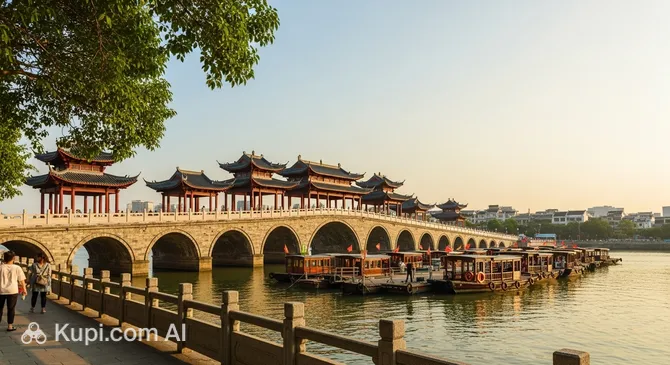
  • The region is home to the extraordinary Guangji Bridge, which is celebrated as one of China's four famous ancient bridges. Dating back to the Song Dynasty, it is widely considered the world's first open-and-close pontoon bridge, featuring a middle section made of boats that can be disconnected to allow large ships to pass through.

  • Shantou is famously known as a primary "Hometown of Overseas Chinese." It is often said that there are more people of Chaoshan origin living abroad than there are in the city itself, creating a massive global network that has heavily influenced the local architecture and economy over the centuries.

Guangji Bridge. Source: Kupi.Binoculars

How to Get There

Reaching this coastal city is relatively straightforward thanks to its well-connected transport network. Whether you are arriving from within China or from abroad, you have several options to consider. For a comprehensive guide on all available routes and transport modes, you can read more about how to get to Shantou to plan your trip effectively.

The most convenient gateway for air travelers is Jieyang Chaoshan Airport (SWA). Although it serves the entire Chaoshan region, it is the primary aviation hub for the city and is located approximately 28.5 km from the downtown area. A taxi or bus ride from here typically takes around 63 minutes. It handles a significant volume of passengers annually, offering numerous domestic and some international connections.

Alternatively, travelers might consider Xiamen Gaoqi International Airport (XMN), which is a major international hub. However, please note that this airport is not in Shantou; it is located in the city of Xiamen, roughly 197.6 km away. The journey by road from Xiamen can be quite long, taking approximately 5 hours and 16 minutes, so this option is best combined with a high-speed train transfer rather than a direct taxi ride.

For clarity, here is a summary of the main airports:

Airport Name City Passenger Traffic Km from City
Xiamen Gaoqi International Airport Xiamen Large 197.6
Jieyang Chaoshan Airport Shantou Medium 28.5
Huizhou Airport Huizhou Medium 215.9
Kinmen Airport Kinmen Medium 208.1
Mei Xian Airport Meizhou Small 117.1

Traveling by train is another excellent way to reach the city, especially given China's extensive high-speed rail network. The most significant hub is Chaoshan Railway Station, located about 23.3 km from the city center. It is a major station serving the region, and a taxi ride from there to the downtown area generally takes around 55 minutes.

Another option is Chaoyang Railway Station (Guangdong). Please note that while it is close, it is located in the neighboring city of Jieyang, approximately 27.2 km from Shantou. The travel time by car from this station is roughly 61 minutes. Both stations provide good access to the area, connecting it efficiently with other major cities in Guangdong and beyond.

Below is a list of the nearest railway stations:

Station City Passenger Traffic Km to Center
Puning Railway Station Puning High 50.7
Chaoyang Railway Station (Guangdong) Jieyang Medium 27.2
Chaoshan Railway Station Shantou 23.3

Main Attractions

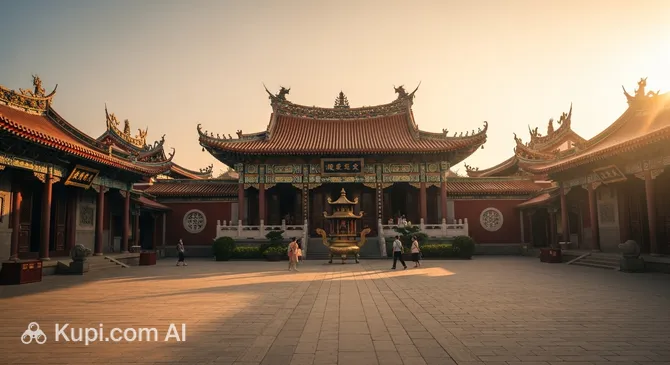
For those seeking spiritual tranquility and artistic inspiration, Kaiyuan Temple is a must-visit destination. Originally built during the Tang Dynasty, this temple has preserved its grandeur for over a thousand years. It is renowned for its exquisite architecture, featuring intricate wood carvings, stone sculptures, and colorful porcelain roof decorations that exemplify the finest craftsmanship of the Chaoshan style. The temple remains an active place of worship, providing a peaceful atmosphere amidst the bustle of the city.

Kaiyuan Temple. Source: Kupi.Binoculars

Located just across the harbor from the city center, the Queshi Scenic Area offers a perfect blend of natural beauty and outdoor activity. This area is defined by its dramatic granite hills, mysterious caves, and lush subtropical vegetation. A hike to the top of the hills rewards travelers with panoramic views of the Shantou skyline and the glittering bay, making it a popular spot for both nature lovers and photographers looking to capture the city's coastal charm.

To understand the grandeur of the region's historical merchant families, a visit to Chen Cihong's Former Residence is essential. Often referred to as the "Little Forbidden City" of Chaoshan, this sprawling complex features hundreds of rooms connected by a maze of courtyards. The architecture is a fascinating fusion of traditional Chinese designs and Western elements, adorned with colorful glazed tiles and elegant arcades that tell the story of the area's wealthy overseas diaspora.

Local Cuisine

Shantou is widely recognized as a gastronomic capital, serving as the heart of Chaoshan cuisine (Teochew cuisine). This culinary style is celebrated across China and beyond for its emphasis on preserving the natural taste of ingredients, using minimal seasoning, and relying on the absolute freshness of seafood and meats. For foodies, a trip here is a pilgrimage to taste authentic flavors that are delicate, savory, and meticulously prepared.

One of the most iconic dining experiences in the city is the famous Beef Hotpot. Unlike spicy versions found elsewhere, the broth here is typically clear and simple, allowing the quality of the meat to shine. The beef is cut with surgical precision into various distinct textures, from fatty brisket to lean tenderloin, and is dipped briefly into boiling soup. It is almost always accompanied by the legendary Shantou Beef Balls, which are hand-beaten with iron rods to achieve an incredible elasticity and "bounciness" that is unique to the region.

Another signature dish that tourists must try is Braised Goose. The locals take immense pride in their "Lion Head" geese, which are marinated in a complex master stock of soy sauce, herbs, and spices. The meat is tender and fragrant, often served with a vinegar-garlic dipping sauce to cut through the richness. For seafood lovers, the Oyster Omelet here is distinctively crispy, cooked with sweet potato starch and fresh local oysters, offering a delightful contrast of textures.

No meal in Shantou is complete without Gongfu Tea. This is not just a drink but a way of life; the city is renowned for its tea culture, particularly the aromatic Dancong Oolong tea. Locals brew it in small pots and serve it in tiny cups before and after meals to cleanse the palate and aid digestion. It is common to see people enjoying this ritual everywhere, from high-end restaurants to humble roadside stalls.

The food culture here is vibrant and deeply social, with a thriving late-night supper scene known as "Yeh Siao." As the sun sets, the streets come alive with open-air food stalls and night markets where the clatter of woks and the aroma of sizzling food fill the air. Whether you choose a bustling street-side eatery or a traditional restaurant, the atmosphere is casual and welcoming, inviting you to eat like a local.

Travel Tips

Welcome to Shantou, the vibrant heart of the Chaoshan region! To ensure your journey through this culinary paradise and historic port city is as smooth as possible, we have compiled a list of essential travel advice. These practical tips will help you navigate local customs, logistics, and daily life with the confidence of a seasoned traveler.

  1. Clothing and Gear: Shantou has a subtropical climate, meaning summers are long, hot, and humid. Pack breathable, lightweight fabrics like cotton or linen for the warmer months, along with a sturdy umbrella for sudden showers. Winters are generally mild, so a light jacket or sweater is usually sufficient. Since you will likely be exploring the Old Town and waterfront on foot, bring comfortable walking shoes. Don't forget a universal power adapter; China typically uses types A, C, and I plugs.

  2. Transportation: The city has an extensive bus network and a unique ferry system connecting the downtown area with Queshi, which offers scenic views for a very low cost. However, the most convenient way to get around is by taxi or ride-hailing apps like DiDi (the local equivalent of Uber), which often have English interfaces. Car rental is generally not recommended for tourists as it requires a Chinese driving license and traffic can be chaotic.

  3. Finances: The local currency is the Renminbi (RMB/CNY). While cash is still accepted, China is a nearly cashless society. It is highly recommended to download Alipay or WeChat Pay and link your international credit card before you arrive, as this is how you will pay for everything from street food to taxi rides. International credit cards (Visa/Mastercard) are rarely accepted directly at merchants outside of high-end hotels.

  4. Health and Safety: Shantou is a very safe city for tourists, but standard precautions against pickpocketing in crowded markets apply. Do not drink tap water; always opt for bottled or boiled water. Pharmacies are easily identifiable by a green cross sign, but few staff will speak English, so having a translation app ready is crucial. For serious medical issues, head to a major public hospital.

  5. Communication: The official language is Mandarin, but locals primarily speak the Teochew (Chaoshan) dialect among themselves. English proficiency is relatively low, even in service industries. It is essential to download a translation app (like Baidu Translate or an offline version of Google Translate) and an offline map. Buying a local SIM card upon arrival is recommended for stable internet access.

  6. Local Etiquette: Tea is central to life here. If a local invites you for Gongfu tea, accept it graciously; it is a gesture of hospitality. When someone pours tea for you, tap two fingers on the table to silently say "thank you." In dining, communal sharing is the norm—wait for the host to start eating, and never stick your chopsticks vertically into a bowl of rice, as this resembles incense burning for the dead.

  7. What to Avoid: Avoid losing your temper or raising your voice in public disputes. "Saving face" is a critical cultural concept, and public confrontation causes embarrassment for everyone involved. Also, avoid bringing up sensitive political topics; stick to neutral subjects like food, culture, and travel.

  8. Additional Tip: Embrace the "Yeh Siao" (late-night supper) culture. Shantou comes alive after dark, and many of the best eateries do not even open until late evening. Do not be afraid to eat at plastic tables on the sidewalk—this is often where you will find the most authentic and delicious beef hotpot or rice noodle rolls.

By keeping these tips in mind, you will be well-prepared to immerse yourself in the unique rhythm of Shantou. Enjoy the incredible food, the historic architecture, and the warm hospitality of the Chaoshan people!

Entertainment & Nightlife

Shantou comes alive after sunset, but its nightlife offers a distinct flavor compared to other Chinese metropolises. While you can certainly find modern clubs and bars, the soul of the city's evening entertainment revolves around the vibrant culture of "Yeh Siao" or late-night supper. For locals, the night is a time to socialize over steaming hotpots and tea, meaning the line between dining and partying is delightfully blurred. The atmosphere is generally relaxed and welcoming, with a focus on communal enjoyment rather than exclusivity.

For those seeking a bustling atmosphere, Longyan South Road is the undisputed heart of the action. This street transforms into a neon-lit corridor of activity where the city’s energy is most palpable. Here, you will find the famous Longyan Road Night Market, a specific venue that offers an sensory overload of sizzling woks and chatter. It is the perfect place to start your evening, surrounded by a crowd that includes families, young couples, and groups of friends, all dressed casually and enjoying the cool night air.

If you are looking for a more traditional bar scene, head towards Zhujiang Road, often referred to as the city's "Bar Street." This district hosts a concentration of pubs, lounges, and KTV (karaoke) clubs where the younger crowd gathers. Venues here range from quiet whisky bars to livelier spots with live bands. The dress code is usually smart-casual; while you don't need formal wear, avoiding beachwear is recommended for the clubs. Most bars open around 8:00 PM and stay busy until 2:00 AM or later.

For a more upscale evening, the area around The MixC Shantou offers modern entertainment options, including high-end cinemas and rooftop terraces with views of the city lights. It is a great spot to enjoy a cocktail in a more refined setting. Prices in Shantou are generally reasonable compared to Guangzhou or Shenzhen, with a beer in a bar costing significantly less than in first-tier cities. The best time to head out is after 9:30 PM, when the streets are fully awake.

Safety is rarely a concern in Shantou, even late at night. The main nightlife districts are well-lit and populated. Getting around is easy; taxis are plentiful, and ride-hailing apps like DiDi work efficiently around the clock. If you are staying in the city center, many spots might even be walkable, but a taxi is recommended if you are moving between the Old Town and the newer development zones.

While the nights are lively, daytime entertainment in Shantou offers a more cultural pace. Visitors can explore the extensive collections at the Shantou Museum to learn about the region's maritime history or enjoy a leisurely afternoon at Zhongshan Park, which features beautiful pavilions and lakes. For families, the city also offers various amusement centers and shopping malls that provide a break from the outdoor heat.

Parks & Museums

Shantou offers a delightful mix of lush green spaces and rich cultural repositories that reflect its status as a coastal hub with a deep history. From meticulously landscaped gardens to institutions preserving the unique Chaoshan heritage, the city provides ample opportunities for visitors to explore its natural beauty and artistic legacy.

Zhongshan Park is the city's most iconic green space, serving as a peaceful retreat for locals and tourists alike. Surrounded by water, this island park features traditional Chinese pavilions, winding bridges, and the majestic "Museum of Chrysanthemums." It is a perfect spot for a leisurely afternoon walk, where you can admire the intricate rockeries and watch locals practicing Tai Chi or playing traditional instruments under the shade of banyan trees.

For a more rugged natural experience, the Huanghuashan National Forest Park on Nan'ao Island is a must-visit. Known as a "natural oxygen bar," it is the only island national forest park in China. The area is dense with subtropical vegetation and offers hiking trails that lead to breathtaking viewpoints overlooking the sea. It is an ideal destination for eco-tourists seeking fresh air and serenity away from the urban bustle.

To dive deep into the region's artistic past, the Shantou Museum stands as a cultural landmark. Its collections are extensive, showcasing Chaoshan style ceramics, calligraphy, and paintings. The museum highlights the region's maritime history and the distinct folk arts that have evolved here over centuries, providing a comprehensive narrative of how the city grew from a fishing village to a major port.

Another significant venue is the Shantou Opening Port Heritage Museum, housed in a historic building that once served as the post office. This museum chronicles the city's transformation after it opened as a treaty port in 1860. Through photographs and artifacts, it tells the story of early trade, foreign influence, and the development of the unique Qilou architecture that defines the Old Town.

The city and its surroundings are also home to remarkable historical sites. The intricate Kaiyuan Temple remains a pivotal site for understanding the spiritual depth of the region, celebrated for its detailed roof art and stone carvings. Additionally, the engineering marvel of the Guangji Bridge continues to draw visitors who are fascinated by its unique pontoon design and historical significance as a connector of trade routes.

For a truly authentic experience, look for the Shipaotai Park (Stone Fort Park). This 19th-century granite fortress was built to defend the coast and remains incredibly well-preserved. Walking through its moats and tunnels offers a quiet, atmospheric glimpse into the city's coastal defense history, often missed by the average tourist.

Getting Around

Navigating Shantou is relatively straightforward, although the city relies primarily on a road-based network rather than a subway system. The most common and economical way to get around is by public bus. The city operates an extensive network of bus lines that cover the downtown area, the Old Town, and outlying districts like Chenghai and Chaoyang. Most buses are modern, air-conditioned, and display route information in Chinese, with some major stops occasionally announced in English.

A unique and scenic feature of Shantou's transport network is the ferry system. The most popular route connects the Guangchang (People's Square) Ferry Terminal on the city side to the Queshi Scenic Area across the harbor. This short voyage is not only a practical mode of transport but also a favorite activity for visitors, offering beautiful views of the bay and the city skyline for a very low fare. Ferries run frequently throughout the day until the evening.

Regarding payment, the city has largely moved towards a cashless system. While you can still pay with cash on buses and ferries, you must have the exact change ready, as drivers do not provide change. The fare is typically a flat rate of around 2 RMB for most city routes. For a smoother experience, it is highly recommended to use Alipay or WeChat Pay. Both apps have "Transport" mini-programs that generate a QR code, which you simply scan upon boarding. Physical transit cards compatible with the China T-Union system are also accepted but are less convenient for short-term visitors to obtain.

For those who prefer a more direct and comfortable journey, taxis are plentiful and relatively inexpensive compared to Western standards. You can hail them on the street, but be aware that most drivers do not speak English. It is essential to have your destination written in Chinese characters to show the driver. Alternatively, ride-hailing apps are extremely popular and often more convenient. The DiDi app (accessible via a standalone English app or within Alipay/WeChat) allows you to input your destination in English and pay automatically, eliminating language barriers and payment hassles.

For short distances, shared bicycles and electric scooters are scattered everywhere across the city. Platforms like Meituan and HelloBike allow you to unlock these bikes using their respective apps or through Alipay/WeChat. This is an excellent way to explore the flat, walkable streets of the Old Town or the seaside promenade at your own pace.

To navigate the system effectively, tourists should download a reliable map app. Since international map services can be outdated or blocked, using Baidu Maps or Amap (Gaode Maps) is crucial for accurate bus routes and schedules. Even if you do not read Chinese, the visual interface is intuitive enough to follow walking directions or count bus stops.

Accommodation

Accommodation in Shantou caters to a wide spectrum of travelers, ranging from modern luxury hotels to budget-friendly guesthouses. As a developing coastal city, the hospitality sector here has grown significantly, offering high standards of comfort at prices that are generally more affordable than in China's first-tier metropolises like Guangzhou or Shenzhen. Whether you are looking for a sea-view room, a convenient business hotel, or a cozy homestay, you will find ample choices to suit your needs.

For most tourists, the Longhu District is the most convenient area to stay. This is the modern city center, characterized by broad avenues, shopping malls, and excellent transport links. Staying here puts you within easy reach of the high-speed railway station and the airport shuttle lines. This area hosts the majority of the city's upscale international and domestic hotel chains, ensuring reliable service and English-speaking staff.

If you prefer to be closer to the city's historical roots, consider finding accommodation in the Jinping District, particularly near the Old Town and Small Park. While options here tend to be older or smaller boutique-style hotels, the location offers immediate access to the famous Qilou architecture and some of the best street food stalls in the city. For a completely different vibe, Nan'ao Island offers numerous beach resorts and "minsu" (homestays), perfect for a relaxing seaside getaway away from the urban bustle.

In terms of pricing, Shantou is quite wallet-friendly. Budget travelers can find clean and comfortable rooms for a very reasonable cost, while mid-range hotels offer excellent value with amenities like breakfast buffets and spacious rooms. Luxury options are available but are far less expensive than comparable properties in larger cities. Most bookings can be easily made through major international platforms, though using Chinese-specific apps can sometimes unlock better deals if you can navigate the language.

Booking Tip: While finding a room is usually easy, the city fills up quickly during major Chinese holidays such as the Lunar New Year and the National Day Golden Week (early October). If you plan to visit during these peak times, it is highly recommended to book your accommodation at least a month in advance to secure your preferred location and rate.

Nearby Cities

For those looking to explore the surroundings, Shantou serves as an excellent base for day trips to several interesting nearby locations. The region is rich in cultural diversity, offering everything from ancient Hakka heritage to bustling neighboring ports just a short train or car ride away.

One of the most convenient options is Jieyang, located just a short distance to the west. As a core city of the Chaoshan region, it shares deep cultural roots with Shantou but offers its own unique attractions, including the historic Jieyang Palace and the scenic Huangqi Mountain. It is also famously known as the "Capital of Asian Jade," attracting visitors interested in high-quality craftsmanship and jewelry.

For a change of pace, travelers can head inland to Meizhou, widely recognized as the "Capital of Hakka Culture." Unlike the coastal Teochew areas, Meizhou offers a glimpse into the life of the Hakka people, featuring distinctive architecture such as the circular walled villages known as "Weilongwu." It is a fantastic destination for history buffs and those eager to try authentic Hakka cuisine, which is quite distinct from the seafood-heavy local diet.

Further along the coast lies the famous port city of Xiamen. While it is a bit further away, the efficient high-speed rail network makes it accessible for a longer day trip or an overnight stay. Xiamen is celebrated for the pedestrian-only Gulangyu Island, its colonial-era architecture, and beautiful university grounds, offering a vibrant mix of history and modern urban flair.

City Population Distance (km)
Jieyang 6,089,400 38
Zhangzhou 5,140,000 162
Meizhou 4,378,800 118
Xiamen 3,707,090 190
Shanwei 2,993,600 148

These nearby destinations offer a glimpse into the diverse culture and landscapes of the region, allowing travelers to broaden their understanding of Southern China beyond the city limits of Shantou.

Shopping & Souvenirs

Shopping in Shantou offers a fascinating blend of modern retail experiences and traditional commerce, reflecting the city's status as a historic trading port. Visitors can explore everything from high-end luxury shopping centers to bustling local streets filled with heritage brands. The city is particularly famous for its exquisite handicrafts and local delicacies, making it an excellent destination for finding unique gifts that represent the rich Chaoshan culture.

For a taste of the local atmosphere, the area around the Small Park (Xiao Gongyuan) in the Old Town is the place to be. While known for its architecture, the streets here are lined with shops selling traditional snacks, herbal teas, and antiques. For a more contemporary shopping spree, Changping Road serves as a primary commercial artery, bustling with fashion boutiques, electronics stores, and department stores that cater to a wide range of budgets.

Travelers looking for international brands and a comfortable, air-conditioned environment should head to The MixC Shantou. As one of the city's premier shopping malls, it houses a vast array of global fashion labels, lifestyle stores, and a diverse food court. Another prominent destination is Suning Plaza, a modern complex located in the city center that offers a mix of retail, dining, and entertainment options, making it a popular spot for both locals and tourists.

Markets in Shantou are vibrant and centered largely around food and daily life. While there are specific wholesale markets, tourists will find the street markets in the older districts more accessible and interesting. Here, you can find fresh local produce and observe the daily bargaining culture. For those interested in tea, specialized tea markets and independent tea shops are scattered throughout the city, offering a chance to sample and purchase high-quality leaves directly from merchants.

When it comes to souvenirs, Chaoshan Tea (specifically Dancong Oolong) is the top choice; it is renowned worldwide for its floral fragrance and is a staple of local life. Another culturally significant item is Chao Embroidery, known for its intricate three-dimensional designs and bright colors. Foodies might want to bring back vacuum-packed beef balls or preserved fruits, which are local specialties that travel well.

Most shopping malls and major department stores operate daily from around 10:00 AM to 10:00 PM. Smaller street shops and independent boutiques may have more flexible hours, often staying open late into the evening to accommodate the city's night-owl culture. In terms of payment, mobile platforms like Alipay and WeChat Pay are the standard and are used almost everywhere. While major malls accept international credit cards, smaller vendors and markets typically do not, so having the apps set up is highly recommended.

Regarding tax refunds, while China does have a tax-free shopping scheme for international tourists, it is primarily available in major gateway cities. In Shantou, the availability of tax-free shopping is limited. Visitors should look for the "Tax Free" signage at large department stores or international brand outlets within major malls and inquire at the service desk before making a purchase.

Reached the end of the page?

That means the route is fully explored