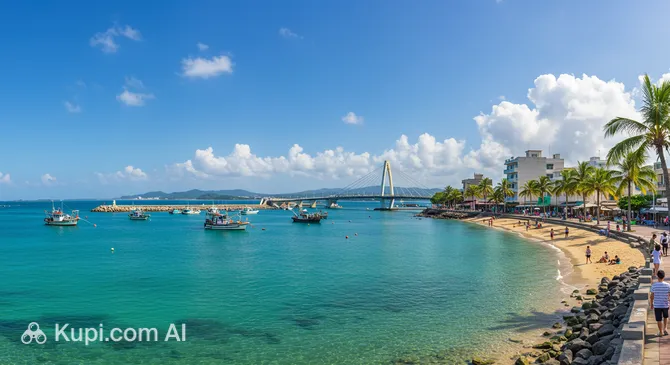
Welcome to Magong, the vibrant heart of the Penghu archipelago and a fascinating destination for travelers seeking a blend of cultural heritage and island charm. As the administrative center and the only city in Penghu County, it serves as the primary gateway for exploring the stunning offshore islands of Taiwan, Republic of China. With a population of approximately 63,729, Magong offers a lively yet relaxed atmosphere, distinct from the bustling metropolises on the main island.
Magong. Illustration.
Source: Kupi.com AI
The city is renowned for its deep connection to the sea and its significant past. Visitors can delve into the rich history of Magong by wandering through its ancient streets and visiting landmarks like the famous Tianhou Temple. Dedicated to Mazu, the Goddess of the Sea, this temple is an architectural masterpiece and stands as a testament to the city's long-standing maritime traditions.
Beyond its historical allure, Magong is a hub for enjoying fresh seafood and scenic harbor views. Central Street is a must-visit area, lined with traditional houses, souvenir shops, and local eateries where you can taste the famous brown sugar sponge cake. Whether you are here to witness the spectacular summer fireworks or simply to enjoy the ocean breeze, Magong provides a memorable escape.
We invite you to discover the unique beauty of this coastal gem, where ancient culture meets the endless blue of the ocean.
Weather Overview
Magong experiences a generally mild and maritime climate, influenced significantly by its location in the Penghu archipelago. To help you plan your trip and pack suitable clothing, it is helpful to review the detailed weather in Magong before your departure. The city typically enjoys comfortable temperatures year-round, avoiding the extremes often found in continental regions.
The summer months, particularly from June to August, are the warmest, with average temperatures peaking at around 27.9°C in July. While the total precipitation volume listed is relatively low, these months can be quite damp, with August seeing up to 21 wet days. Travelers visiting during this time should be prepared for frequent, albeit likely light, showers. In contrast, the winter season remains pleasant rather than harsh. January is the coolest month, with average temperatures hovering around 18.0°C, making it a mild escape from colder northern climates.
Overall, you can expect warm summers with frequent damp days and mild, drier winters. The months of October and November are particularly inviting, as temperatures settle between 22°C and 25°C and the number of wet days drops significantly, offering excellent conditions for exploring the outdoors.
Interesting Facts
Beyond the main attractions, Magong holds many fascinating secrets that offer a glimpse into its unique island heritage. From architectural curiosities to musical legends, the city is filled with stories waiting to be discovered.
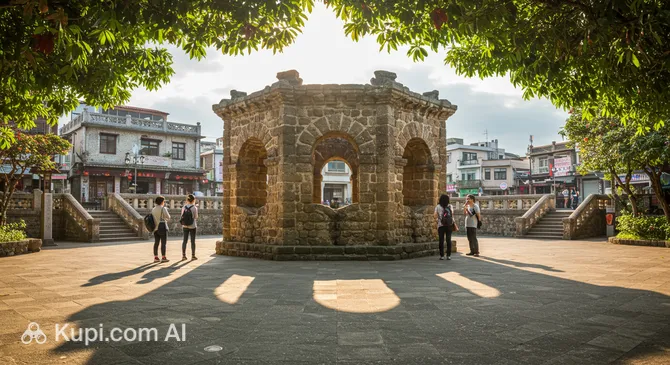
Four-Eyed Well. Illustration.
Source: Kupi.com AI
Traveler photos:
The city is home to the Penghu Tianhou Temple, which holds the distinguished title of being the oldest temple in Taiwan. Built in the late 16th century, it predates many of the historic structures found on the main island, serving as a spiritual anchor for sailors for over four hundred years.
One of the most peculiar landmarks is the Four-Eyed Well, located in the central historic street. While it appears to be four separate wells, it is actually a single water source covered by a stone slab with four holes, a clever design meant to allow multiple residents to draw water simultaneously without conflict.
Magong preserves a significant piece of modern history at Duxingshi Village, the oldest military dependents' village in Taiwan. This area has been revitalized into a cultural park where visitors can explore the preserved living quarters and soak in the nostalgic atmosphere of the post-war era.
The city is the setting for the famous folk song "Grandma's Penghu Bay," which made the archipelago a household name across the Mandarin-speaking world. You can visit the Pan An Bang Memorial, dedicated to the singer, located right next to his grandmother's old house with a scenic view of the bay.
How to Get There
Reaching the beautiful Penghu archipelago is an exciting part of the journey, with air travel being the most convenient and popular option. Whether you are coming from Taiwan's main island or connecting from international destinations, the transport network is well-established to welcome visitors. For a complete guide on all available routes and travel tips, you can read more about how to get to Magong.
The primary gateway to the city is Magong Airport (MZG), conveniently located within Magong itself. It is a bustling regional hub that connects the islands to major cities like Taipei, Kaohsiung, and Taichung. The airport handles a significant volume of passengers annually, reflecting its importance to local tourism. Since the airport is situated just about 5.2 km from the city center, the transfer is quick and easy. You can expect a taxi ride to take approximately 10 to 15 minutes, allowing you to start your vacation almost immediately upon arrival.
For international travelers, Kaohsiung International Airport (KHH) in Kaohsiung often serves as a key transit point. Although it is located on the main island of Taiwan, approximately 135 km away, it offers extensive international connections. From there, visitors typically take a short domestic flight or a ferry to reach Magong. Similarly, Taichung International Airport (RMQ) in Shalu acts as another vital link for those traveling from central Taiwan.
For clarity, here is a summary of the main airports facilitating travel to the region:
Magong is a city where history and natural beauty converge, offering a diverse range of sights for every type of traveler. From ancient military fortifications to vibrant cultural parks and scenic coastal areas, the city's landmarks tell the story of its maritime past and creative present.
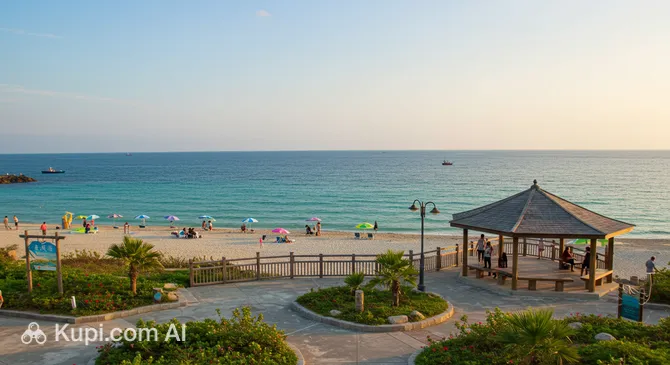
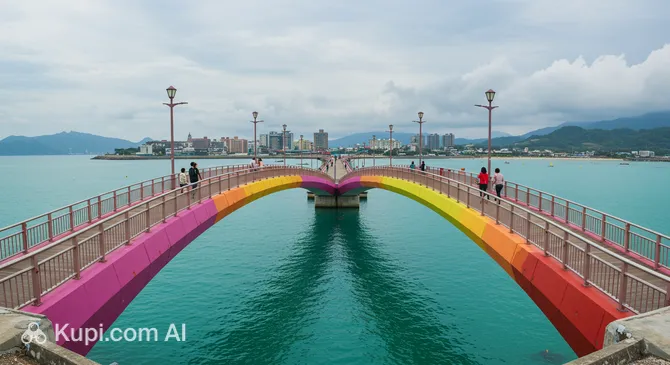
One of the most popular destinations for relaxation and scenic views is the Guanyinting Recreation Area. Located along the coast, this park is a favorite spot for both locals and tourists to watch the sunset over the ocean. It is most famous for the Xiying Rainbow Bridge, a steel pedestrian bridge that lights up in neon colors at night, creating a romantic atmosphere. During the summer, this area serves as the main venue for the spectacular Penghu International Fireworks Festival, drawing crowds from all over the world.
Guanyinting Recreation Area. Illustration.
Source: Kupi.com AI
Traveler photos:
For those interested in the local heritage, the Penghu Living Museum is an essential stop. This well-curated museum offers a deep dive into the daily lives, traditions, and history of the islanders. Through interactive exhibits and preserved artifacts, visitors can learn about traditional Penghu architecture, religious ceremonies, and the region's enduring struggle and harmony with the sea. It provides excellent context for understanding the unique culture of the archipelago.
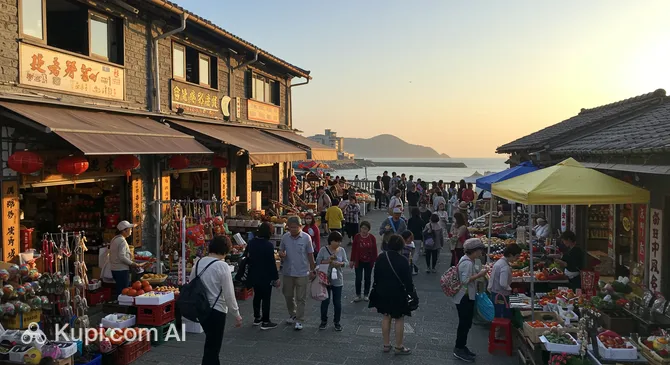
A walk through Duxingshi Village offers a nostalgic journey back in time. As the oldest military dependents' village in Taiwan, it has been revitalized into a charming cultural park. The area is characterized by its low-rise houses built from coral stone and wood, now occupied by quirky shops, cafes, and art installations. It is also a site of musical significance, housing memorials for famous singers who grew up here, making it a perfect blend of history, art, and pop culture.
Duxingshi Village. Illustration.
Source: Kupi.com AI
Traveler photos:
History buffs should not miss the Jinguitou Fort, a significant military site that guarded the harbor for centuries. Originally built during the Qing Dynasty and later utilized by the Japanese, the fort features impressive stone walls and underground tunnels that are open to the public. Exploring the cool, dimly lit passageways offers a glimpse into the strategic importance of Magong, while the upper levels provide commanding views of the surrounding sea.
Local Cuisine
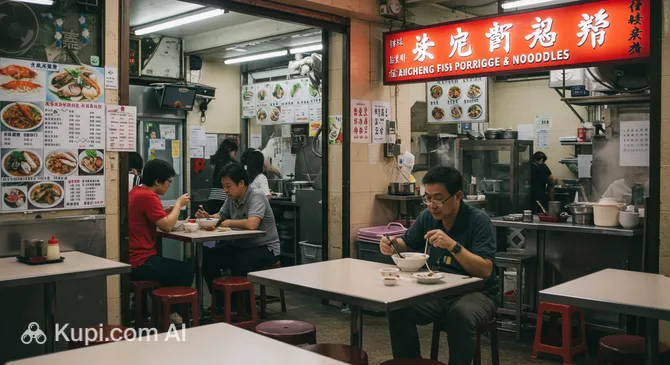
The culinary landscape of Magong is defined by the surrounding ocean, making it a dream destination for seafood enthusiasts. The waters around the Penghu archipelago are rich with marine life, ensuring that the ingredients used in local kitchens are incredibly fresh. Visitors can indulge in a variety of delicacies, from plump oysters and tender squid to the local favorite, cobia fish. For a taste of traditional comfort food, you might visit Haicheng Fish Porridge & Noodles, where simple yet flavorful dishes highlight the natural sweetness of the seafood.
Haicheng Fish Porridge & Noodles. Illustration.
Source: Kupi.com AI
Traveler photos:
One of the most distinctive flavors in Magong comes from the prickly pear cactus. The bright pink cactus ice cream is a ubiquitous treat that offers a refreshing balance of sweet and sour notes, perfect for cooling down on a hot day. You will also find this vibrant fruit used in juices and sorbets, adding a splash of color to the local diet. Another local staple is the brown sugar sponge cake, a fluffy and fragrant dessert that is often enjoyed as a snack or bought as a souvenir.
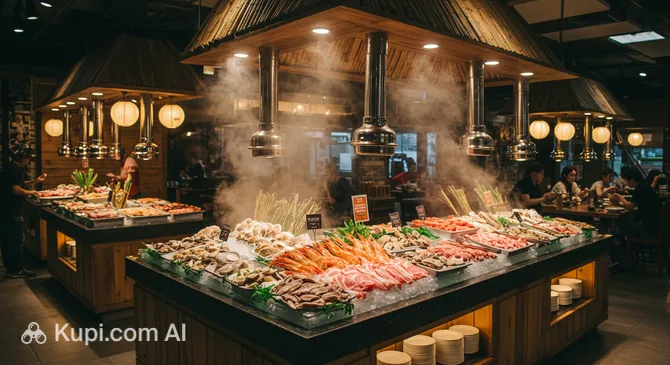
A quintessential dining experience in Magong is the outdoor seafood barbecue. As the sun sets, the aroma of grilling fills the air, drawing locals and tourists alike to open-air restaurants. This communal style of eating is deeply ingrained in the island's culture. Places like Yousian Barbecue Seafood & Meat Buffet offer a generous selection of fresh oysters and meats, allowing diners to grill their own food while enjoying the breezy island atmosphere.
When it comes to beverages, the refreshing cactus juice is a must-try non-alcoholic option. For those interested in spirits, the city has a growing scene for refined tastes. You can explore the Whiskey 101 Museum (Pengfang Shopping Plaza) to learn about and sample premium whiskies. Alternatively, for a more relaxed evening, local bars such as Yuxun or Ms. Bella Bar provide cozy settings to unwind with a cocktail after a day of exploration.
Whether you are sitting on a plastic stool at a street stall savoring pumpkin rice noodles or enjoying a feast at a bustling barbecue joint, the food culture in Magong is unpretentious and welcoming. It is a place where the connection between the land, the sea, and the table is celebrated in every bite.
Travel Tips
To help you make the most of your island getaway, we have compiled a list of essential travel advice for your visit to Magong. As the gateway to the stunning Penghu archipelago, this city is welcoming and relaxed, but knowing a few local specifics will ensure your trip is as smooth as the ocean breeze.
Clothing and Gear: The weather in Magong is heavily influenced by the ocean. In summer, lightweight, breathable fabrics and swimwear are essential, along with a high-SPF sunscreen and a hat to protect against the strong island sun. If you visit during the winter (October to March), be prepared for the famous Northeast Monsoon winds; a windbreaker or a sturdy jacket is a must. When visiting religious sites like the Tianhou Temple, dress modestly by covering your shoulders and knees.
Transportation: The most popular way to explore Magong and the surrounding island is by scooter. It offers the freedom to reach hidden beaches and narrow alleys that cars might miss. However, ensure you have a valid International Driving Permit (IDP) with a motorcycle endorsement. Taxis are available but can be harder to hail on the street compared to big cities; asking your hotel to call one is often easier. Public buses exist but may run infrequently for a tight tourist schedule.
Finances: The local currency is the New Taiwan Dollar (TWD). While hotels and larger restaurants accept credit cards, cash is king at night markets, street food stalls, and small souvenir shops. ATMs are widely available at 24-hour convenience stores like 7-Eleven and FamilyMart, which accept most international cards. Tipping is not customary in Taiwan, Republic of China, though high-end restaurants may add a 10% service charge.
Health and Safety: Magong is a very safe city for tourists, with low crime rates. The biggest health risk is often sunburn or dehydration, so carry water with you. Pharmacies (look for "Watsons" or "Cosmed") are easy to find in the city center and stock standard travel medications. In an emergency, dial 119 for ambulance or fire services and 110 for police.
Communication: Mandarin Chinese is the primary language. While staff at hotels and the airport often speak English, it is less common among older locals and street vendors. We highly recommend downloading a translation app and having offline maps saved. You can easily purchase a SIM card with unlimited data at the airport or convenience stores upon arrival to stay connected.
Local Etiquette: Politeness is highly valued. A slight nod or a smile goes a long way when interacting with locals. When visiting temples, enter through the right door (the Dragon gate) and exit through the left (the Tiger gate) to follow tradition; never step on the raised wooden threshold. If you are invited into a local home or certain traditional guesthouses, remember to take off your shoes at the entrance.
What to Avoid: Do not touch or damage coral reefs if you go snorkeling or diving nearby, as environmental protection is taken very seriously here. Additionally, avoid being loud or boisterous in the quiet, narrow lanes of historic residential areas like the central old street, where locals live in close proximity to the shops.
Wind Warning: If you rent a scooter, be extra cautious of the crosswinds, especially when crossing bridges connecting the islands during the windy season. The gusts can be surprisingly strong and sudden, so drive at a moderate speed and keep both hands firmly on the handlebars.
With these practical tips in hand, you are ready to embrace the unique island rhythm of Magong. Whether you are chasing the summer fireworks or exploring ancient temples, we hope your journey is filled with safe travels and unforgettable memories.
Entertainment & Nightlife
Nightlife in Magong is defined by a relaxed and welcoming island atmosphere rather than high-energy clubs or loud parties. As the sun sets and the heat of the day dissipates, the city settles into a pleasant rhythm, with cool ocean breezes making it the perfect time to explore. The main hub of evening activity centers around Zhongzheng Road and the streets adjacent to the harbor, where you will find a lively mix of locals and travelers enjoying the open air.
For those seeking a place to unwind with a drink, the city offers several charming venues that reflect its laid-back character. Ms. Bella Bar is a popular spot, known for its friendly service and cozy environment, making it an excellent choice for sipping a cocktail and chatting with friends. If you prefer a venue that combines a bistro feel with a good selection of drinks, Yuxun provides a stylish yet comfortable setting to spend the evening. These establishments typically have a casual dress code, so you will feel perfectly at home in shorts and sandals.
Xiying Rainbow Bridge. Illustration.
Source: Kupi.com AI
Traveler photos:
One of the most scenic ways to spend an evening is by visiting the waterfront to see the Xiying Rainbow Bridge. At night, this pedestrian bridge comes alive with neon lights that reflect beautifully off the water, creating a romantic and photogenic backdrop. During the summer, this area serves as the stage for the renowned Penghu International Fireworks Festival, transforming the night sky into a spectacular display of color that draws visitors from all over the world.
While Magong does not have a sprawling night market comparable to those in Taiwan's largest cities, the commercial streets near the city center offer plenty of late-night bites and shopping opportunities. You can wander through the illuminated lanes, browsing for souvenirs or enjoying local snacks like cactus ice cream. It is a safe and enjoyable way to soak in the local culture after dark.
In terms of practical advice, Magong is very safe for night walks, even in quieter neighborhoods. However, taxis can be difficult to flag down on the street late at night. It is highly recommended to have your hotel or the venue call a taxi for you, or to use a ride-hailing app if available. Most nightlife venues close around midnight or 1:00 AM, so it is best to start your evening relatively early.
After a restful night, you can look forward to more daytime adventures, such as exploring the unique collections at the Chou Chou Museum or visiting historical fortifications. The balance between the city's vibrant history and its soothing nightlife makes every day in Magong a well-rounded experience.
Parks & Museums
To truly understand the depth of Magong, one must look beyond its bustling harbor and explore the quiet parks and historical residences that preserve the city's rich heritage. The city offers a variety of green spaces and cultural institutions where visitors can connect with the stories of the past, from ancient scholars to military legends.
For a blend of natural beauty and historical significance, the Shetoushan Recreation Area is an exceptional choice. Located on a small peninsula that resembles a snake stretching into the sea, this park offers panoramic views of Magong Harbor and the surrounding ocean. It is not just a scenic spot; it is also an open-air museum of military history. Visitors can explore the ruins of a Dutch fort dating back to the 17th century and pay respects at memorials dedicated to French soldiers and the Japanese warship Matsushima. The gentle hiking trails here are perfect for a relaxing afternoon walk, allowing you to soak in the strategic importance of this location throughout the centuries.
A hidden gem of traditional architecture is the Cai Tinglan Scholar Residence. This beautifully preserved home belonged to Cai Tinglan, the only scholar from Penghu to achieve the prestigious "Jinshi" degree during the Qing Dynasty. The compound is a classic example of Min-style architecture, featuring a distinctive "swallowtail" roof ridge—a design privilege reserved for high-ranking officials. Walking through the courtyards and halls, you can admire the intricate brickwork and learn about the scholar's adventurous life, including his shipwreck and subsequent travels in Vietnam.
Music lovers and nostalgia seekers should visit the Chang Yu-sheng Memorial Museum. Located within the historic Duxingshi Village, this museum is dedicated to one of Taiwan's most beloved pop singers, who was born in Penghu. The exhibits display his personal items, manuscripts, and instruments, offering an intimate look at his life and musical journey. The museum is set in a renovated military dependent's house, adding a layer of historical charm to the visit. Just a short walk away, you can also find the Shuncheng Gate, also known as the "Small West Gate." It is a remnant of the ancient city wall that once protected Magong. Climbing to the top of the gate provides a wonderful vantage point for watching the sunset over the bay, connecting the present view with the city's fortified past.
Getting Around
Navigating Magong is a straightforward and relaxed experience, reflecting the laid-back pace of life on the islands. Unlike large metropolises, the city does not have a metro, tram, or train system. Instead, the public transport network relies entirely on buses, which serve as the primary link between the city center, the airport, and the scenic spots scattered across the main archipelago.
The local bus service is operated by the county government and offers routes that fan out from the main station in downtown Magong. For visitors, the most convenient option is often the "Taiwan Trip" tourist shuttle buses. These specialized routes are designed specifically for travelers, stopping at major attractions and historic sites without the hassle of navigating complex local schedules. They provide a comfortable and reliable way to see the highlights if you prefer not to drive yourself.
Paying for fares is simple and convenient. The system is fully integrated with the popular IC card payment methods used throughout the region, such as the EasyCard and iPASS. You can purchase and top up these cards at any major convenience store (like 7-Eleven or FamilyMart) within the city. Using an IC card is not only faster but often slightly cheaper than paying with cash. If you choose to pay with coins, be sure to have the exact change ready as drivers cannot provide it.
For those planning to rely on the bus, it is important to check the timetables in advance. While reliable, the frequency of service is lower than in big cities, with some routes operating only once an hour or less frequently during off-peak times. The main bus terminal in the city center is the best place to get up-to-date schedules and maps. We recommend arriving at the bus stop a few minutes early, as buses generally adhere strictly to their departure times.
Despite the availability of buses, the most popular way to get around Magong is undoubtedly by scooter. You will see rental shops everywhere, and for good reason: a scooter offers the ultimate freedom to explore narrow alleys and coastal roads at your own pace. If you plan to rent one, ensure you have a valid International Driving Permit (IDP) with a motorcycle endorsement. For those without a license, electric bicycles are a readily available alternative that allows you to zip around the city center with ease.
Taxis are another reliable alternative, particularly for airport transfers or returning to your hotel after a night out. They operate on a meter system, and rates are reasonable. However, unlike in larger cities where you can easily hail a cab on the street, it is often more effective to find them at designated stands near the harbor and airport, or to ask your hotel or restaurant to call one for you.
While there are no historic trams or cable cars, the charm of Magong's transport lies in its simplicity. The compact nature of the city center also makes it highly walkable. Many of the key historic attractions, shops, and food stalls are located within a comfortable walking distance of each other, allowing you to soak in the atmosphere on foot before hopping on a bus or scooter to explore further afield.
Accommodation
Finding the perfect place to stay in Magong is an easy task, as the city offers a diverse range of accommodation options to suit every budget and travel style. The choices span from economical hostels and backpacker inns to comfortable mid-range hotels and luxurious seaside resorts. A particularly popular option in the Penghu archipelago is the "minsu" (homestay). These family-run guesthouses are often beautifully designed, ranging from modern industrial styles to Mediterranean-inspired villas, offering a more personalized and local experience compared to standard hotels.
For travelers who prioritize convenience and easy access to food and transport, the city center is the ideal location. Staying near Zhongzheng Road or the central historic district places you within walking distance of the main bus terminal, bustling shopping streets, and a plethora of local eateries. This area is perfect for those who want to be in the heart of the action. Alternatively, the harbor area offers accommodations with stunning ocean views and is particularly convenient for those planning to take early morning ferries to the outer islands.
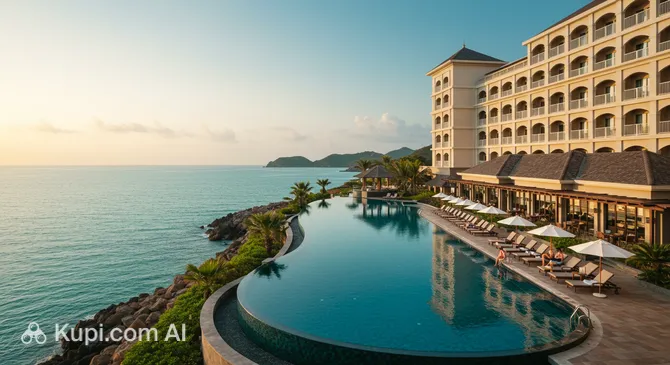
If you are looking for a more resort-style experience with comprehensive amenities, the city has several well-regarded establishments. One notable example is the Penghu Bay Resort, which provides a comfortable retreat often favored by families and leisure travelers. Such properties typically offer spacious rooms and facilities designed to help you relax after a day of exploring the windy islands.
Penghu Bay Resort. Illustration.
Source: Kupi.com AI
Traveler photos:
Booking Tip: Magong is an extremely popular destination, especially during the summer months and the annual Penghu International Fireworks Festival (typically from April to June). During this peak season, rooms can sell out months in advance. It is highly recommended to secure your accommodation as soon as your travel dates are confirmed to avoid limited choices and higher prices.
In terms of pricing, options are available across the spectrum. Budget travelers can find dormitory beds or simple rooms at very affordable rates, while mid-range hotels and high-end homestays offer excellent value for money with added comforts. Most accommodations can be easily booked through major international online platforms, though some smaller, traditional homestays may prefer direct contact via messaging apps or email.
Nearby Cities
For those looking to explore the surroundings, Magong serves as an excellent base for day trips to several interesting nearby locations. While Magong itself is an island city, the regular ferry connections and flights make it possible to visit coastal towns on the main island of Taiwan, Republic of China, offering a contrast to the archipelago lifestyle.
One of the most culturally significant destinations within reach is Beigang. Known for the magnificent Chaotian Temple, it is a major center for Mazu worship and attracts pilgrims from all over the country. The town's old streets are lined with vendors selling traditional pastries and local snacks, providing a vibrant atmosphere rich in history. Nearby, Puzi offers a more relaxed pace, famous for its own heritage sites like the Peitian Temple and a long-standing tradition of embroidery crafts, making it a great spot for cultural appreciation.
For travelers interested in local culinary specialties and folklore, Minxiong is an intriguing stop. It is widely renowned for its delicious goose meat restaurants and its pineapples. Additionally, the town is home to the Liu Family Mansion, popularly known as the "Minxiong Ghost House," which draws curious visitors fascinated by its architectural beauty and mysterious legends.
City
Population
Distance
Wangan
—
25 km
Kouhu
25 454
60 km
Budai
25 267
65 km
Taixi
22 077
65 km
Sihu
21 458
67 km
These nearby destinations offer a glimpse into the diverse culture and landscapes of the region, allowing visitors to experience the rich heritage of the main island just a short journey across the water.
Shopping & Souvenirs
Shopping in Magong offers a delightful mix of island tradition and modern convenience. While the city may not have the sprawling megamalls of a metropolis, it compensates with a unique blend of historic shopping streets, bustling local markets, and exclusive duty-free opportunities. Visitors can enjoy browsing for everything from high-end luxury goods to handcrafted local souvenirs, all within a relaxed, seaside atmosphere.
The commercial heart of the city is undoubtedly Zhongzheng Road. This lively street is the primary artery for shopping and dining, lined with drugstores, beverage shops, clothing boutiques, and souvenir stores. It comes alive in the evening when locals and tourists flock to the area to stroll and shop. Just a short walk away lies the historic Central Old Street. Here, the atmosphere shifts to a more nostalgic tone, with red lanterns and traditional architecture housing quaint shops selling stamps, crafts, and cultural artifacts.
A unique advantage of visiting Penghu is its status as an offshore island with special duty-free privileges. Travelers can visit large shopping complexes to purchase tax-free cosmetics, perfumes, alcohol, and luxury bags. One of the prominent locations for this is the Baishidali Offshore Duty-Free Shopping Store. It offers a spacious environment where you can browse premium international brands at competitive prices. Another major destination is the Pier 3 Shopping Plaza, which houses the Whiskey 101 Museum (Pengfang Shopping Plaza), allowing visitors to shop for fine spirits and explore a wide range of duty-free products.
For a glimpse into the daily life of the locals, a visit to the Beichen Market (North Star Market) is a must. As the largest traditional market in Magong, it is a sensory explosion of fresh seafood, seasonal fruits, and local vegetables. While it is primarily a food market, it is an excellent place to buy dried seafood products like dried squid and scallops, which are staples of the local diet. The market is busiest in the early morning, offering an authentic experience far removed from the tourist trail.
When it comes to souvenirs, Magong has several signature items that are famous across Taiwan. The most iconic edible gift is the Brown Sugar Sponge Cake (Hei Tang Gao), a fluffy, dark cake with a rich aroma. Peanut candy and salty biscuits are also popular choices. For savory options, jars of scallop sauce (XO sauce) are highly prized. You can find a wide selection of these local delicacies at the Jiapeng Specialty Products Center, which serves as a convenient one-stop shop for high-quality gifts. Additionally, products made from the local cactus, such as jams and jellies, make for unique presents.
Jiapeng Specialty Products Center. Illustration.
Source: Kupi.com AI
Traveler photos:
Most shops in the central commercial area open around 10:00 AM and stay open until 9:00 PM or 10:00 PM, especially along Zhongzheng Road. Traditional markets, however, operate in the early morning and close by noon. In terms of payment, major duty-free stores, convenience chains, and larger souvenir shops accept credit cards and mobile payments. However, cash is still the preferred method of payment at street stalls, smaller local eateries, and traditional markets, so it is wise to carry sufficient New Taiwan Dollars (TWD).
Tourists should be aware of the specific "Offshore Islands Duty-Free Act." When purchasing duty-free goods in the city (alcohol, tobacco, and certain luxury items), you will not be able to take them with you immediately. Instead, you must present your flight or ship ticket at the time of purchase, and the goods will be delivered to the airport or harbor for you to pick up at a designated counter upon your departure from Penghu. Be sure to shop at least a few hours before your scheduled departure to allow time for this process.