Support

Hualien

About

Hualien is a captivating destination located on the rugged east coast of Taiwan, Republic of China. Often considered the gateway to some of the island's most spectacular natural wonders, this city strikes a perfect balance between urban convenience and wild beauty. It is a place where the mountains meet the sea, offering travelers a refreshing escape from the hustle and bustle of the busier western cities.

Nestled between the towering Central Mountain Range and the vast Pacific Ocean, the city enjoys a dramatic geographical setting. With a population of around 110,000 residents, it maintains a friendly, small-town atmosphere while providing modern amenities. The climate is generally mild and humid, making it a pleasant destination year-round, though it is particularly famous for its fresh air and stunning coastal vistas.

Hualien. Source: Kupi.Binoculars

The region is culturally diverse, with a strong presence of indigenous peoples, including the Amis, Atayal, and Truku tribes, which deeply influences the local art and cuisine. Visitors interested in the region's past can explore the fascinating history of Hualien to understand how it evolved from a remote settlement into a thriving hub for tourism and marble production.

While many travelers arrive here primarily to visit the world-famous Taroko National Park with its breathtaking marble canyons, the city itself has much to offer. You can enjoy a relaxing afternoon cycling along the scenic Qixingtan Beach or immerse yourself in the vibrant culinary scene at the Dongdamen Night Market, one of the largest and most popular night markets on the east coast.

Whether you are seeking outdoor adventures, cultural experiences, or simply a peaceful retreat by the ocean, Hualien is an essential stop on your journey. Its unique charm and proximity to nature make it an unforgettable destination for every traveler.
Weather Overview

Understanding the local climate is key to planning a successful trip to this coastal city. Generally, the region experiences mild temperatures that avoid extreme highs and lows, creating a comfortable atmosphere for exploration. For a more detailed forecast during your specific travel dates, you can consult the guide to the weather in Hualien.

Winters are cool but never freezing, with average temperatures ranging from 12.5°C in January to 13.6°C in December. This season is characterized by a high frequency of damp weather, with January seeing precipitation on up to 29 days. Travelers visiting during this time should be prepared for consistent cloud cover and light rain, necessitating a good raincoat or umbrella.

As the year progresses into summer, the weather becomes pleasantly warm. July is typically the hottest month, with an average temperature of 23.3°C and highs reaching around 26.4°C. While slightly drier than the winter months, rain is still frequent, occurring on about 23 to 25 days per month in July and August. Expect mild to warm summers and cool winters, with frequent precipitation occurring throughout the entire year.

Interesting Facts

Beyond the main attractions, Hualien holds many fascinating secrets that reveal its deep connection to nature and history. Here are some intriguing details that make this coastal city truly unique.
  • Hualien is frequently referred to as the "City of Marble" due to its immense reserves of the valuable stone. The material is so abundant locally that it is not just used for souvenirs; you will find genuine marble paving the city sidewalks and lining the floors of the local airport.

  • The famous Qixingtan Beach bears a name that translates to "Seven Star Lake," which often confuses visitors looking for a body of fresh water. The name actually refers to several small lakes that once existed in the area and were arranged like the Big Dipper, but they were filled in during the 1930s to construct the nearby airfield.

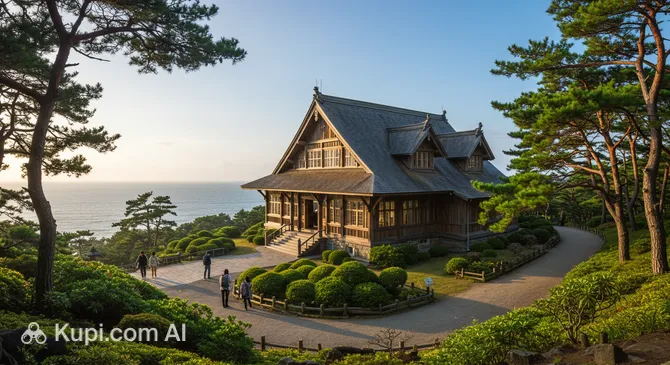
  • Perched on a hill, the Pine Garden is one of the best-preserved Japanese military structures in the country. Built in 1942, this former administrative office was strategically located at the highest point in the city to monitor ships entering the harbor and the river mouth.

  • Hualien County is home to the largest indigenous population in Taiwan, with the Amis people being the most prominent group. This demographic distinction deeply influences the city's character, from the vibrant harvest festivals held in summer to the unique wild vegetables found in local restaurants.

Pine Garden. Source: Kupi.Binoculars

How to Get There

Reaching this scenic destination on the east coast is relatively straightforward, with options ranging from flights to scenic railway journeys. Whether you are arriving from within the island or from abroad, you can find all ways to reach the city to suit your travel plans and schedule.

For those prioritizing speed and direct access, Hualien Airport (HUN) is the closest option. Located directly in Hualien, it is just 4.3 km from the city center. A trip by taxi or bus is very quick, taking approximately 26 minutes. Although it is a smaller regional hub, it provides a convenient entry point for domestic travelers.

Most international visitors, however, will likely land at Taiwan Taoyuan International Airport (TPE). The city of Hualien relies on this major gateway for international connections, but you must fly into Taipei, which is about 126.4 km away. From there, you can continue your journey by road, which takes around 3.5 hours, or transfer to a high-speed train connection.

For clarity, here is a summary of the main airports:

Airport Name City Passenger Traffic Km from City
Taiwan Taoyuan International Airport Taipei Large 126.4
Taipei Songshan Airport Taipei Medium 119.4
Taichung International Airport Shalu Medium 103.6
Taichung Airport Taichung Medium 98.8
Hualien Airport Hualien Small 4.3

Train travel is another highly recommended method for getting to Hualien. The railway line running along the east coast offers some of the most beautiful ocean views in the country. Express trains from Taipei connect to the city efficiently, making it a popular choice for both locals and tourists who wish to enjoy the scenery before arriving at their destination.

Main Attractions

Hualien offers a diverse array of experiences, ranging from historical cultural sites to vibrant modern entertainment hubs. While the natural scenery of the surrounding county is world-class, the city and its immediate vicinity boast several must-visit destinations that provide a deeper look into the local lifestyle and history.

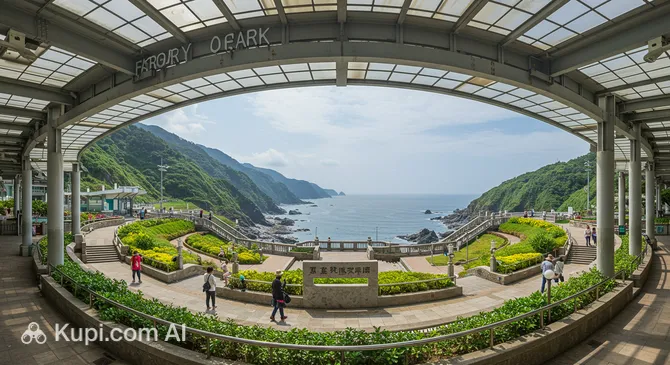
One of the most popular destinations for families and thrill-seekers is Farglory Ocean Park. Situated along the coastline with a commanding view of the Pacific Ocean, this is the first marine theme park in the country. It combines an amusement park with an aquarium, offering visitors the chance to see dolphin and sea lion shows, ride exciting roller coasters, and take a cable car ride that offers stunning panoramic views of the sea and mountains.

Farglory Ocean Park. Source: Kupi.Binoculars

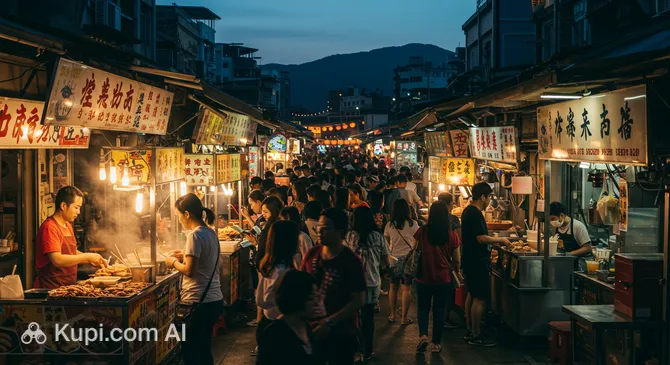
For a taste of local culture and nightlife, a visit to the Dongdamen Night Market is essential. This expansive market is the culinary heart of the city, formed by merging several smaller markets into one organized area. It is famous for its wide variety of street food, including a dedicated street for indigenous aboriginal cuisine where you can try wild boar and sticky rice wine. Live music and carnival games add to the festive atmosphere every evening.

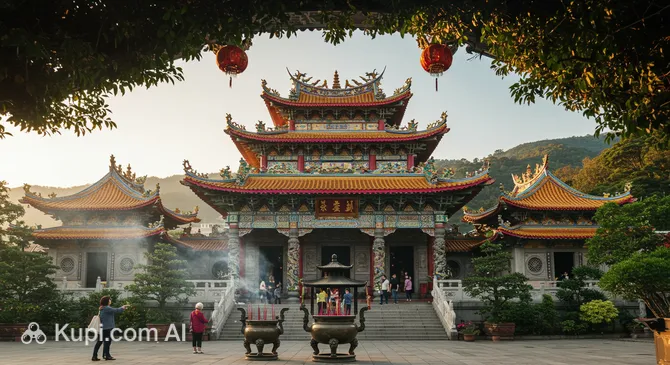
History enthusiasts will appreciate the serene atmosphere of Qingxiu Temple, Ji'an. Originally built in 1917 during the Japanese colonial period, this well-preserved temple served as a spiritual center for Japanese immigrants. Today, it remains a Grade III historic site that retains a traditional Zen garden aesthetic, complete with an 88-stone Buddha corridor that replicates the famous Shikoku pilgrimage, offering a peaceful retreat from the city center.

Qingxiu Temple, Ji'an. Source: Kupi.Binoculars

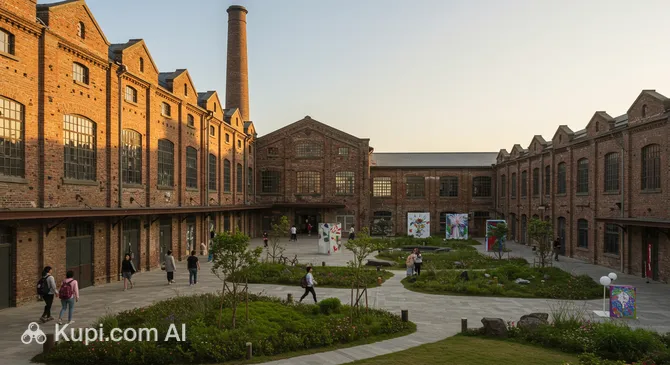
Another excellent example of revitalized history is the Hualien Cultural and Creative Industries Park. Located in the city center, this space was once a bustling wine factory built a century ago. The old industrial warehouses have been transformed into a vibrant hub for arts and culture, hosting exhibitions, local craft markets, and performances. It is a perfect place to stroll, shop for unique handmade souvenirs, and admire the blend of historic architecture and modern creativity.

Just a short drive from the city lies the tranquil Liyu Lake Scenic Area, the largest inland lake in the region. Named "Carp Lake" due to the shape of the adjacent mountain, it is a favorite spot for cycling along the 5-kilometer ring road or renting a paddleboat to explore the water. In April and May, the area becomes magical at night as thousands of fireflies illuminate the lakeside paths.

Local Cuisine

The culinary landscape of Hualien is as diverse as its population, blending traditional Taiwanese flavors with the unique heritage of the local indigenous tribes. Visitors will find that the city offers an unpretentious yet deeply satisfying food scene, ranging from bustling night markets to quaint eateries serving time-honored recipes. Fresh seafood from the Pacific and wild vegetables from the mountains form the backbone of many local dishes.

One cannot visit Hualien without trying its most famous specialty: Mochi. These chewy, glutinous rice cakes were originally prepared by the Amis and Truku tribes for festivals but have evolved into the city's signature souvenir. Available in various flavors like red bean, peanut, and sesame, they are best enjoyed fresh. Another local favorite is Bian Shi (wonton soup). Unlike the Cantonese version, Hualien wontons feature a thin, delicate skin and a savory pork filling, served in a light broth garnished with celery and fried shallots.

For a comprehensive taste of local street food, the Dongdamen Night Market is the ultimate destination. This sprawling venue offers everything from grilled corn and stinky tofu to gigantic cotton candy. It is also the best place to experience indigenous cuisine, such as salt-grilled wild boar meat and sticky rice cooked in bamboo tubes. The atmosphere is lively, making it a perfect spot for dinner.

Dongdamen Night Market. Source: Kupi.Binoculars

The region's history of fishing is celebrated through its production of dried bonito flakes. At the Chihsingtan Katsuo Museum, visitors can learn about the traditional smoking process and taste savory snacks made from this umami-rich ingredient. It serves as a reminder of the historical Japanese influence on the local food culture, which is still evident in many establishments today.

When it comes to drinks, Millet Wine is the quintessential local beverage. Sweet and mild, this traditional indigenous alcohol is often served at celebrations and can be found in many souvenir shops. For those preferring non-alcoholic options, the local tea shops offer excellent varieties, including refreshing fruit teas made with local citrus.

Dining out in the city can be a journey through time. Places like Old Times Yakiniku & Sake Tavern offer a nostalgic atmosphere reminiscent of the 1950s, serving delicious grilled meats and side dishes. If you are looking to unwind with a cocktail after a day of exploring, the Staycation Bar provides a cozy environment to enjoy creative drinks mixed by skilled bartenders.

Travel Tips

Planning a trip to Hualien is an exciting prospect, as this city serves as the perfect base for exploring Taiwan's dramatic east coast. To help you make the most of your adventure and navigate the local lifestyle with ease, here are some essential practical tips to keep in mind before you arrive.

  1. Clothing and Gear: The weather in Hualien can be unpredictable, with frequent rain showers throughout the year. It is highly recommended to carry a light raincoat or a sturdy umbrella at all times. Since you will likely be exploring nature, bring comfortable, non-slip walking shoes suitable for hiking trails and rocky beaches. If you plan to visit temples, dress modestly by covering your shoulders and knees.

  2. Transportation: While there is a public bus system, it can be infrequent and difficult to navigate for non-Mandarin speakers. The most convenient way to explore the city and nearby scenic spots is by renting a scooter (an international driving permit is required) or hiring a private driver for the day. Taxis and ride-hailing apps are available within the city center but can be harder to find in remote areas.

  3. Finances: The local currency is the New Taiwan Dollar (TWD). While credit cards are accepted in major hotels and department stores, cash is king in Hualien, especially at small eateries, street stalls, and the night market. ATMs are widely available in 24-hour convenience stores like 7-Eleven and FamilyMart, accepting most international cards. Tipping is not customary in Taiwan, though high-end restaurants may add a 10% service charge.

  4. Health and Safety: Hualien is generally very safe, but the natural environment poses some minor risks. Mosquitoes and biting midges (local "black mosquitoes") can be a nuisance, especially near mountains and water, so applying insect repellent is essential. Pharmacies like Watsons and Cosmed are easy to find for basic medical supplies. Additionally, be aware that earthquakes occur occasionally; if you feel tremors, stay calm and cover your head.

  5. Communication: Mandarin is the primary language. While staff at hotels and tourist hotspots often speak English, it is less common in local shops and taxi cabs. It is helpful to have a translation app downloaded and the addresses of your destinations written in Chinese characters. You can easily purchase a 4G SIM card with unlimited data at the airport or telecom shops in the city to stay connected.

  6. Local Etiquette: Taiwanese people are known for their politeness and orderliness. Always queue patiently for public transport and elevators. When handing money or a credit card to a cashier, it is polite to use both hands. If you are invited into a local home or certain traditional guesthouses, remember to remove your shoes at the entrance.

  7. What to Avoid: Do not attempt to swim at Qixingtan Beach or other steep pebble beaches in the area. The currents here are extremely strong and unpredictable, and the ocean floor drops off sharply just a few meters from the shore. Locals take the "No Swimming" signs very seriously, and for your safety, you should too.

  8. Travel Hack: If you are traveling from Taipei by train, book your tickets as early as possible—tickets for the express trains (Puyuma and Taroko) open 28 days in advance and often sell out within minutes. If you miss out, consider taking a bus to Luodong and transferring to a local train, which is a slower but viable alternative.

By keeping these practicalities in mind, you can focus on soaking up the stunning landscapes and warm hospitality that Hualien is famous for. A little preparation goes a long way in ensuring your journey along Taiwan's east coast is both safe and unforgettable.

Entertainment & Nightlife

Entertainment and Nightlife:

While Hualien is best known for its majestic landscapes, the city comes alive after sunset with a laid-back and welcoming nightlife scene. Unlike the high-energy clubbing culture of Taipei, evenings here are characterized by a relaxed atmosphere, live music, and vibrant street life. The core of the action is concentrated around the "Golden Triangle" area formed by Zhongzheng, Zhongshan, and Zhonghua roads, where shops, food stalls, and entertainment venues stay open late.

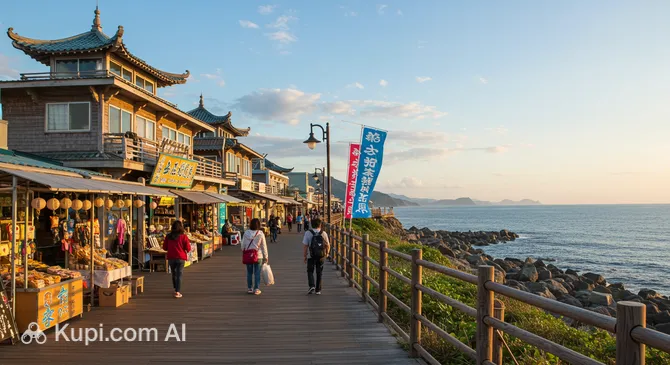
For many visitors, the perfect evening begins with a stroll through the Old Railway Cultural Shopping District. This pedestrian-friendly zone, built along the former railway tracks, transforms into a bustling promenade at night. It is a fantastic place to enjoy street performances, browse through handmade crafts at small stalls, and soak in the youthful energy of the city. The area is illuminated by warm lights, making it a safe and picturesque spot for an evening walk.

Old Railway Cultural Shopping District. Source: Kupi.Binoculars

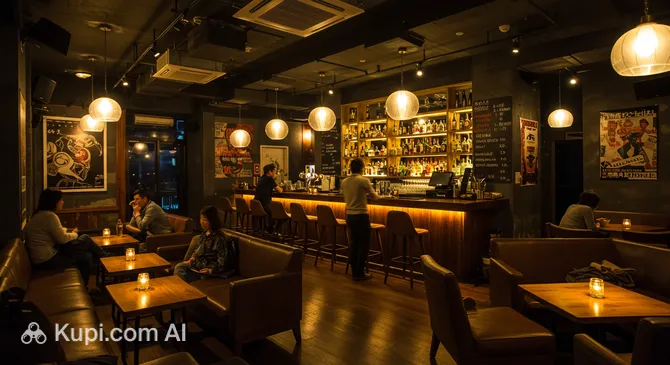
If you are looking for a place to unwind with a drink and good music, the local bar scene offers several hidden gems. Triangle Bar is a favorite among both locals and the expatriate community. Located near the train station, this venue is renowned for its friendly vibe and frequent live music nights featuring local bands. It is an excellent spot to meet travelers from around the world and enjoy a casual beer without a strict dress code.

Triangle Bar. Source: Kupi.Binoculars

For those seeking a more modern and upbeat atmosphere, CHILL LAND Bar & Bistro provides a stylish setting for cocktails and conversation. The venue often features DJ sets and a curated drink menu, making it one of the trendier spots in town for younger crowds. Most bars in Hualien open around 8:00 PM and close between 1:00 AM and 3:00 AM. Prices are generally reasonable, with cocktails costing significantly less than in the capital.

Safety is rarely a concern in Hualien, even late at night. The city center is well-lit and populated, making it safe for walking. However, if you are venturing further out or returning to your hotel after a few drinks, taxis are the best mode of transport. You can easily hail one on the main streets or ask a convenience store clerk (at 7-Eleven or FamilyMart) to call one for you. Uber is not as prevalent here, so relying on local yellow cabs is the standard practice.

During the daylight hours, the city offers a different kind of entertainment focused on culture and history. Art lovers should visit the Hualien City Art Museum to appreciate works by regional artists. For families, the city provides various recreational parks, while history buffs can explore the numerous heritage buildings scattered throughout the downtown area, offering a quiet respite before the evening festivities begin.

Parks & Museums

Hualien is a city where nature and culture intertwine seamlessly, offering visitors a delightful mix of expansive green spaces and heritage-rich institutions. From revitalized historical sites to scenic coastal promenades, the city provides ample opportunities to explore its unique identity beyond the famous gorges.

For those who love the sea breeze, Pacific Ocean Park is an outstanding urban retreat. Stretching along the coastline, this park was formed by merging the former Nanbin and Beibin parks into a single recreational area. It features well-maintained bicycle paths, whimsical art installations, and wide open spaces perfect for a leisurely stroll. Tourists frequent this spot to watch the sunrise over the ocean or to enjoy the cool evening air while listening to the sound of crashing waves.

Pacific Ocean Park. Source: Kupi.Binoculars

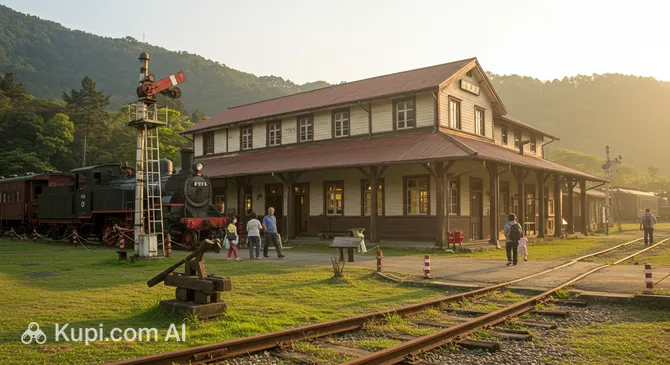
Another unique green space is the Hualien Railway Culture Park. Situated in the heart of the city, this area preserves the old Eastern Railway Line's headquarters. The park is a nostalgic haven featuring beautifully restored wooden Japanese-style buildings, old locomotives, and the original station office. It serves as both a relaxing garden and an open-air museum, allowing visitors to step back in time and imagine the bustling era of early railway travel in eastern Taiwan.

Hualien Railway Culture Park. Source: Kupi.Binoculars

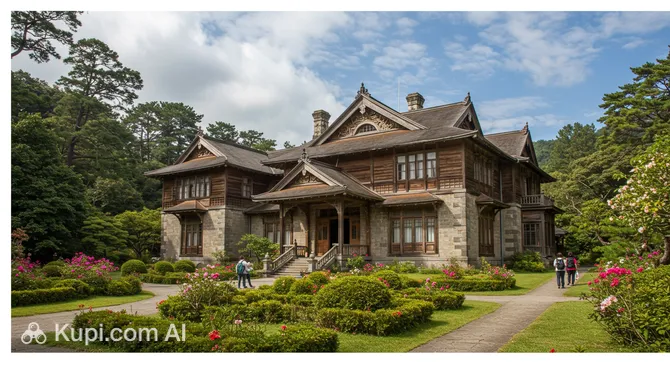
Delving deeper into the region's history, General's Mansion 1936 offers a fascinating glimpse into the Japanese colonial period. This cluster of wooden dormitories, once the residence of high-ranking military officers, has been meticulously restored and designated as a county historic landmark. Visitors can wander through the elegant structures, participate in kimono-wearing experiences, and learn about the architectural techniques that have allowed these buildings to withstand decades of typhoons and earthquakes.

General's Mansion 1936. Source: Kupi.Binoculars

To understand the diverse cultural fabric of the area, a visit to the Hakka Heritage Art and Museum is highly recommended. This venue is dedicated to preserving and showcasing the history of the Hakka people who migrated to eastern Taiwan. Through various exhibits of artifacts, traditional clothing, and farming tools, the museum tells the story of their resilience and contribution to the local development, providing a rich cultural context that complements the indigenous history of the region.

For a truly local experience, consider renting a bicycle and riding along the coastal path that connects the city's parks. Along the way, keep an eye out for small, hidden pathways leading to the quieter sections of the beach, where you can find locals fishing or simply enjoying the solitude away from the main tourist crowds.

Getting Around

Navigating Hualien requires a slightly different approach compared to the bustling metropolises on the western coast. As a smaller city with a population of around 110,000, it does not have a metro (MRT) system. Instead, the public transportation network relies primarily on buses and trains, though many visitors find that renting a vehicle offers the most freedom to explore the scattered scenic spots.

For tourists, the most useful bus services are the Taiwan Trip tourist shuttles. These dedicated routes, such as the Taroko Route and the East Rift Valley Route, connect the main train station with major attractions like Taroko National Park and Liyu Lake. Local city buses operated by the Hualien Bus Company also exist, but they can be infrequent, with intervals often exceeding an hour. It is highly advisable to check schedules in advance using apps like "Bus+" or "Taiwan Bus" to avoid long waits.

The payment system is convenient and unified with the rest of the island. The most efficient way to pay for rides is by using a stored-value smart card, such as the EasyCard or iPASS. You can purchase and top up these cards at any convenience store (like 7-Eleven or FamilyMart) or at the train station. When taking the bus, remember to tap your card against the sensor both when boarding and when alighting to ensure the correct fare is calculated. If you choose to pay with cash, be aware that drivers do not carry change, so you must have the exact fare ready.

Taxis are a reliable alternative for getting around the city center or reaching specific restaurants. You can easily hail yellow cabs on the street or find them waiting at the train station and airport. While most taxis run on meters, some drivers may propose a flat rate for long-distance trips to tourist sites. Ride-hailing apps like Uber operate in the city, though the number of available cars is significantly lower than in the capital, so wait times may be longer.

Given the linear geography of the county and the relaxed pace of life, renting a scooter is the preferred mode of transport for many travelers. Rental shops are abundant near the train station. To rent one, you will generally need an International Driving Permit (IDP) with a motorcycle endorsement. For those staying strictly within the downtown area or visiting the coastal parks, renting a bicycle is a fantastic and eco-friendly option, with many designated paths available along the ocean.

While primarily for intercity travel, the local train network (TRA) is also useful for short hops within the region. You can take a local train from Hualien Station to nearby stops like Xincheng (the gateway to Taroko Gorge) or Shoufeng. This is often faster and more comfortable than taking a bus for these specific legs of your journey. Tickets can be bought at the station or paid for directly by tapping your EasyCard at the turnstiles.

Accommodation

Finding the perfect place to stay in Hualien is relatively easy, as the city offers a diverse range of accommodation options to suit every budget and travel style. Whether you are a backpacker looking for a social hostel, a family seeking a comfortable mid-range hotel, or a luxury traveler desiring a seaside resort, you will find ample choices here. The local hospitality sector has grown significantly, blending modern amenities with the warm, welcoming spirit of the east coast.

The most convenient area for tourists is undoubtedly the City Center, particularly near the Hualien Train Station and the "Golden Triangle" commercial district. Staying here puts you within walking distance of shops, restaurants, and the night market, making it an ideal base for those without their own transport. Alternatively, if you prefer waking up to the sound of waves, the Qixingtan coastal area offers a more tranquil, scenic experience, though it is slightly removed from the downtown action.

For travelers seeking a stay that combines comfort with proximity to nature, the Qixingtan Rising Sun Hall is a notable option. Located near the famous pebble beach, this resort hotel allows guests to enjoy stunning ocean views and easily access the coastal bicycle paths. It is an excellent choice for those who want to disconnect and enjoy the serene environment of the Pacific coastline.

Qixingtan Rising Sun Hall. Source: Kupi.Binoculars

Another interesting choice for visitors is the Boy Apartment, which offers a different style of lodging often favored by independent travelers. Properties like this typically provide a more personalized, home-like atmosphere compared to large chain hotels, reflecting the growing trend of boutique and design-focused accommodations in the region.

Booking Tips and Prices: Prices in Hualien are generally reasonable compared to Taipei. Budget hostels can start as low as $15–$25 USD per night, while mid-range hotels typically range from $60 to $120 USD. Luxury resorts can go upwards of $200 USD. It is highly recommended to book in advance, especially if you are visiting during weekends, national holidays, or the summer vacation period, as the best spots fill up quickly. Most accommodations can be easily booked through major online platforms or directly via their websites.

Nearby Cities

For those looking to explore the surroundings, Hualien serves as an excellent base for day trips to several interesting nearby locations:

City Population Distance (km)
Yilan 500,000 80
Hualien City 82,840 1
Puli 77,299 65
Luodong 70,162 78
Dongshan 52,894 76

Located to the north along the railway line, Yilan is a cultural hub that offers a delightful mix of history and whimsy. Visitors can explore the charming Jimmy Park, which features life-sized art installations based on the works of the famous Taiwanese illustrator Jimmy Liao. The city is also a gateway to the Lanyang Plain, known for its lush green rice paddies and traditional architecture, making it a relaxing escape for those interested in local art and heritage.

Just a short distance from Yilan lies Luodong, a bustling town famous for having one of the best night markets in Taiwan. The Luodong Night Market is renowned for its delicious street food, including signature scallion pancakes and mutton soup. During the day, the Luodong Forestry Culture Park offers a serene environment with an old steam train, a log pond, and wooden walkways, reflecting the town's history as a major timber distribution center.

Another scenic option in the same direction is Dongshan, home to the beautiful Dongshan River Water Park. This area is perfect for outdoor enthusiasts, featuring extensive cycling paths and boat rides along the river. It is also the site of the annual International Children's Folklore and Folkgame Festival, drawing visitors with its vibrant atmosphere and family-friendly activities.

These nearby destinations offer a glimpse into the diverse culture and landscapes of the region.

Shopping & Souvenirs

Shopping Overview:

Shopping in Hualien offers a delightful departure from the high-end luxury malls of the capital, focusing instead on local craftsmanship, indigenous heritage, and unique regional specialties. The city is known as the "City of Marble," and this geological abundance is reflected in its retail offerings. Visitors can expect a relaxed shopping experience where the emphasis is on handmade goods, stone art, and famous local food souvenirs rather than international fast fashion.

The heart of the city's commercial activity is located within the "Golden Triangle," an area bordered by Zhongzheng, Zhongshan, and Zhonghua roads. This bustling district is packed with clothing boutiques, souvenir shops, and bakeries. In the evening, the nearby Old Railway Cultural Shopping District becomes a pedestrian favorite. While it is a lively spot for nightlife, it is also excellent for shopping, lined with stalls selling accessories, handcrafted jewelry, and trendy youth fashion along the tracks of the former railway line.

For those seeking a more comprehensive, modern retail experience, the Hualien Shopping Center (often referred to locally as the Far Eastern Department Store) is the primary destination. As the largest department store in the region, it houses a wide array of international cosmetic brands, apparel, and a food court. It provides a comfortable, air-conditioned environment perfect for escaping the midday heat or finding travel essentials that might be missing from your suitcase.

Hualien Shopping Center. Source: Kupi.Binoculars

Hualien is also a hub for creativity, with several spaces dedicated to local artisans. The Hualien Cultural and Creative Industries Park is a must-visit for shoppers interested in design and culture. Housed in a historic wine factory, the shops here feature high-quality indigenous weaving, wood carvings, and contemporary art pieces that make for meaningful gifts. Similarly, the Youyi Village Cultural and Creative Park offers a cluster of small studios and shops where you can find unique handmade items in a charming, renovated dormitory setting.

Hualien Cultural and Creative Industries Park. Source: Kupi.Binoculars

When it comes to souvenirs, stone products are the top choice. You will find everything from expensive marble furniture to affordable coasters and rose stone carvings in specialty shops throughout the city. Food is another major category; Hualien is famous for its Mochi (glutinous rice cakes), and you will see numerous shops offering free samples of these sweet treats. Indigenous millet wine and locally grown coffee are also popular items to bring back home.

Most shops in the city center open around 10:00 AM or 11:00 AM and stay open until 9:30 PM or 10:00 PM. While department stores and larger souvenir chains accept credit cards and mobile payments, cash is still the preferred method of payment at smaller boutiques, market stalls, and food vendors. Travelers should also note that tax refunds (VAT) are available at authorized "TRS" (Tax Refund Shopping) stores, such as the major department store, for same-day purchases totaling over NT$2,000, provided you present your passport.

Reached the end of the page?

That means the route is fully explored