Support

Chiayi

Attractions

About

Chiayi is a captivating provincial city that serves as a vibrant cultural hub and the historic gateway to the majestic Alishan mountains. Known for its laid-back atmosphere and deep connection to the arts, the city offers travelers a perfect blend of urban convenience and nostalgic charm. Whether you are a history buff, a nature lover, or a foodie looking for authentic local flavors, this destination promises a memorable experience.

Located on the southwestern plains of Taiwan, Republic of China, the city enjoys a warm, subtropical climate that makes it pleasant to visit year-round. With a population of approximately 252,000 residents, it maintains a cozy, community-focused feel while providing all the modern amenities of a major urban center. Its strategic location makes it an essential stop for anyone exploring the central region of the island.

Chiayi. Source: Kupi.Binoculars

The city's heritage is rooted in the timber industry, which flourished during the Japanese colonial era. You can explore the fascinating history of Chiayi by visiting preserved sites that tell the story of its development from a walled settlement to a thriving forestry capital. This rich past is most visible in the city's unique architecture and the enduring legacy of the Alishan Forest Railway, which starts its journey here.

Among the top attractions is the enchanting Hinoki Village, a beautifully restored complex of Japanese-style dormitories that now houses charming shops and cafes. Another must-see is the Chiayi Park, home to the striking Sun Shooting Tower, which offers panoramic views of the cityscape. For railway enthusiasts, the Alishan Forest Railway Garage Park provides an up-close look at retired steam locomotives and diesel engines.

We invite you to immerse yourself in the slow-paced life of Chiayi. Savor a bowl of its famous turkey rice, wander through its leafy avenues, and let the city's warm hospitality welcome you to the heart of the island.

Weather Overview

Chiayi generally enjoys a warm climate throughout the year, though seasonal variations are distinct. To plan the best time for your visit, it is helpful to check the detailed weather in Chiayi before you travel. The city transitions from mild winters to hot summers, with significant differences in rainfall frequency.

Summers are typically hot and humid. In July, the average temperature reaches 27.4°C, with daily highs often exceeding 30°C. This season also brings the most rain; for instance, August records precipitation on up to 28 days. Conversely, winters are drier and cooler. January is the coldest month with an average temperature of 17.3°C and only about 8 wet days, making it a comfortable time for sightseeing.

In general, you can expect hot summers with frequent showers and mild, dry winters. Packing breathable clothing for the warmer months and a light jacket for winter evenings is recommended to stay comfortable.

Interesting Facts

Beyond the main attractions, Chiayi holds many fascinating secrets that reveal its unique character as a cultural and geographical crossroads. From rare architectural collections to significant latitude markers, here are some intriguing details about the city.
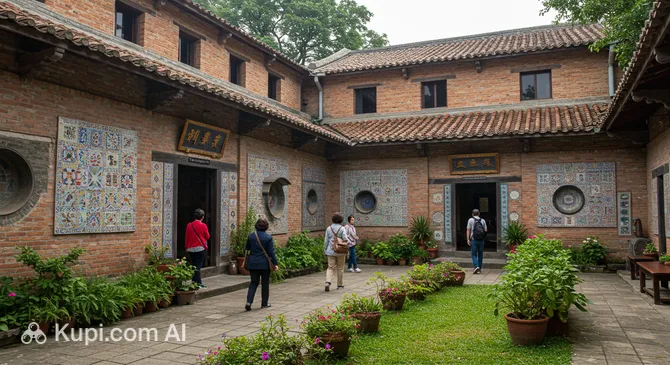
Museum of Old Taiwan Tiles. Source: Kupi.Binoculars
  • Chiayi is geographically significant because the Tropic of Cancer passes directly through the city. You can visit the Tropic of Cancer Marker, a monument that highlights this distinct latitude separating the tropical and subtropical climate zones.

  • The city is home to the Museum of Old Taiwan Tiles, which preserves a rare collection of decorative majolica tiles. These colorful, relief-patterned tiles were once a symbol of wealth on traditional houses and are now safeguarded in this unique private museum, one of the few of its kind in the world.

  • Chiayi is often celebrated as the cradle of Taiwanese baseball. The city's Fountain Circle features a statue of a pitcher, commemorating the legendary KANO baseball team from the 1930s that brought glory to the region by reaching the finals of the Koshien tournament in Japan.

  • Historically known as the "City of Wood," Chiayi was the hub of the timber industry during the Japanese colonial era. This legacy is beautifully preserved in areas like Hinoki Village, which consists of nearly 30 original wooden dormitories built from Alishan cypress, creating the largest Japanese-style dormitory cluster in Taiwan.

How to Get There

Chiayi is strategically located in the central-southern part of the island, making it easily accessible from various major transit hubs. While the city itself does not host an airport, travelers can fly into neighboring cities and continue their journey by land. For a comprehensive overview of all travel methods, you can read more about how to get to Chiayi.

The closest facility is Tainan Airport (TNN), located in the city of Tainan, approximately 63.7 km away. It primarily serves domestic and regional routes. The travel time by taxi or bus from Tainan to Chiayi is usually around 1.5 hours. For those arriving from further abroad, Kaohsiung International Airport (KHH) in Kaohsiung is a major gateway. Situated about 100.5 km from Chiayi, it handles a large volume of international traffic. The transfer by road takes approximately 2 hours.

Another viable option is Taichung International Airport (RMQ) in Shalu, roughly 88.6 km to the north. This airport is a convenient entry point for travelers focusing on the central region of Taiwan.

For clarity, here is a summary of the main airports:

Airport Name City Passenger Traffic Km from City
Kaohsiung International Airport Kaohsiung High 100.5
Magong Airport Magong Medium 84.5
Taichung International Airport Shalu Medium 88.6
Taichung Airport Taichung Medium 76.9
Tainan Airport Tainan Small 63.7

In addition to air travel, Chiayi is well-connected by Taiwan's extensive railway network. The city is a key stop for both the High Speed Rail (HSR) and the regular Taiwan Railway Administration (TRA) trains. The HSR station is located in the suburbs with frequent shuttle connections to downtown, while the TRA station is situated in the heart of the city, serving as the starting point for the famous Alishan Forest Railway.

Main Attractions

Chiayi offers a delightful mix of historical landmarks, artistic spaces, and natural beauty, reflecting its rich heritage as a forestry capital. One of the most visually striking sites is the Song of the Forest. This large-scale outdoor installation, crafted from wood, rocks, and railway tracks, resembles a giant egg or a majestic tree. It stands as a symbol of the city's timber industry and provides a serene setting for photography and leisurely walks.

Song of the Forest. Source: Kupi.Binoculars

Railway enthusiasts and history buffs will appreciate the Alishan Forest Railway Garage Park. This open-air museum displays a collection of retired steam locomotives, diesel engines, and passenger cars that once traversed the mountainous terrain. It sits near the popular Hinoki Village, allowing visitors to easily explore both the industrial and residential aspects of the city's colonial past in one trip.

For a deeper dive into local history, the Chiayi Old Prison is a unique destination. It is the only prison in Taiwan to have preserved its original fan-shaped architecture, a design intended to allow guards to monitor all cells from a central point. Guided tours here reveal fascinating stories about the facility's operation and restoration.

Art lovers should not miss the Chiayi Art Museum. Housed in the converted branch of the former Alcohol and Tobacco Monopoly Bureau, the building seamlessly blends historical structures with modern design elements. The museum showcases a variety of local artistic talents and serves as a vibrant cultural hub for the community.

Chiayi Art Museum. Source: Kupi.Binoculars

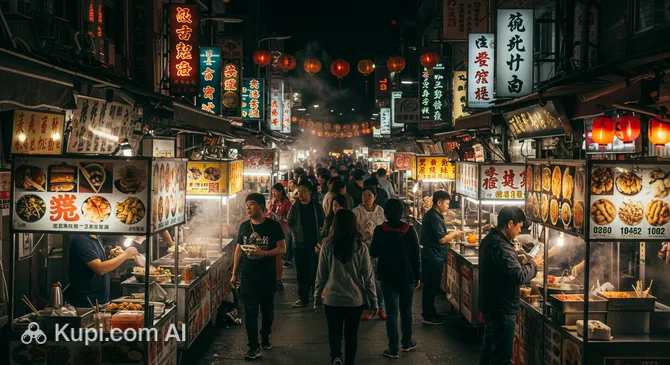
No visit to the city is complete without experiencing its culinary soul at the Wenhua Road Night Market. As the sun sets, this street transforms into a bustling pedestrian zone filled with food stalls and shops. It is the perfect place to sample famous local dishes, such as turkey rice and fish head casserole, while soaking in the lively atmosphere.

Wenhua Road Night Market. Source: Kupi.Binoculars

Those seeking tranquility can visit the Lantan Scenic Area, known for its picturesque reservoir and the mesmerizing "Moonlight over Lantan" fountain show in the evenings. Additionally, the Chiayi Chenghuang Temple offers a spiritual retreat with its intricate wood carvings and historic significance, dating back to the Qing Dynasty.

Local Cuisine

Chiayi is widely celebrated as one of the most distinctive culinary destinations in Taiwan, Republic of China. The city's food culture is defined by its affordability, nostalgia, and unique local twists on classic Taiwanese dishes. No visit is complete without tasting the city's most iconic offering: Turkey Rice (Huoji Rou Fan). Unlike the braised pork rice found elsewhere on the island, this specialty features tender shreds of turkey served over white rice, drizzled with a fragrant sauce made from turkey drippings and soy sauce, and often topped with a slice of pickled radish.

Another flavor profile unique to this region is the use of "white vinegar"—a local term for mayonnaise—in savory dishes. You will find this creamy condiment generously added to cold noodles (Liang Mian), creating a refreshing and tangy taste that pairs perfectly with sesame sauce and cucumber. Dessert lovers should also try Douhua (tofu pudding) served with soy milk instead of the traditional sugar syrup, a custom that originated in Chiayi and adds a rich, nutty depth to the snack.

For those craving traditional dumplings, Doudou Xiao Long Bao & Steamed Dumplings is a highly recommended stop. This popular eatery is famous for its meticulously handcrafted dumplings, which boast thin skins and juicy, flavorful fillings, making it a favorite among locals and tourists alike.

To experience the full spectrum of local street food, head to the Wenhua Road Night Market. As the evening sets in, this bustling thoroughfare fills with vendors selling everything from the famous Smart Fish sandpot fish head casserole—a hearty stew packed with deep-fried fish and vegetables—to grilled corn and fresh fruit juices. It is the perfect place to immerse yourself in the city's vibrant gastronomic scene.

Travel Tips

Welcome to Chiayi, a city where historical charm meets the relaxed pace of southern Taiwan. To help you navigate the "City of Wood" with ease and confidence, we have compiled a list of practical tips that cover everything from packing essentials to local customs.

  1. Clothing and Gear:

    Chiayi has a subtropical climate, so lightweight and breathable fabrics are essential, especially during the hot and humid summers. However, indoor venues and public transport often have strong air conditioning, so carrying a light jacket or cardigan is wise. If you plan to head up to the nearby Alishan mountains, bring warmer layers as temperatures drop significantly at higher altitudes. Comfortable walking shoes are a must for exploring pedestrian-friendly areas like Hinoki Village.

  2. Transportation:

    The city center is compact and walkable, but for longer distances, the local e-bus system is clean and efficient. A highly recommended way to get around is by using YouBike, the public bicycle rental system, which has stations throughout the city. Taxis and ride-hailing apps like Uber are also readily available. Be aware that the High Speed Rail (HSR) station is located in the suburbs, about 30 minutes from the downtown TRA train station; a shuttle bus connects the two frequent.

  3. Finances:

    The currency is the New Taiwan Dollar (TWD). While credit cards are accepted in hotels, department stores, and larger restaurants, cash is king in Chiayi, especially at the Wenhua Road Night Market and small local eateries. It is highly recommended to purchase an EasyCard or iPass (IC cards) at any convenience store; these can be used for public transport and small purchases at convenience stores. ATMs are widely available at 7-Eleven and FamilyMart locations.

  4. Health and Safety:

    Chiayi is a very safe city for travelers. Pharmacies like Watsons and Cosmed are common and stock many Western brands. Since the city is in a warm region, mosquitoes can be active year-round; carrying mosquito repellent is advisable, particularly if you visit parks or the Lantan Scenic Area in the evening. Tap water is generally not safe to drink directly without boiling, so stick to bottled or filtered water.

  5. Communication:

    Mandarin is the primary language. While younger people and tourism industry workers often speak some English, it is less widely spoken here than in Taipei. Installing a translation app on your phone can be very helpful for reading menus or asking for directions. You can easily buy a prepaid SIM card with unlimited data at the airport upon arrival or at local telecom shops in the city.

  6. Local Etiquette:

    Taiwanese people are known for their politeness. When handing over money or a credit card to a cashier, it is polite to use both hands. If you visit temples, remember to enter through the dragon gate (on the right) and exit through the tiger gate (on the left) to symbolize leaving bad luck behind. Always remove your shoes when entering someone's home or Japanese-style accommodations.

  7. What to Avoid:

    Tipping is not a customary practice in Taiwan and can sometimes cause confusion; a 10% service charge is often already added to the bill in nicer restaurants. Also, avoid sticking your chopsticks vertically into a bowl of rice, as this resembles incense sticks used in funerals and is considered very inauspicious.

  8. Additional Tip:

    Don't throw away your receipts! In Taiwan, every uniform invoice is a lottery ticket with a unique number. While it might be hard for a short-term visitor to claim a prize, you can donate them into designated boxes found in convenience stores or shops to support local charities.

With these tips in hand, you are ready to enjoy the warm hospitality and delicious flavors of Chiayi. Whether you are cycling through its historic streets or savoring a bowl of turkey rice, we hope your journey is smooth and full of wonderful discoveries.

Entertainment & Nightlife

Chiayi offers a nightlife scene that is distinctively laid-back and community-oriented, differing from the high-energy clubbing atmosphere found in larger metropolises like Taipei. Here, the evening entertainment revolves primarily around social dining, night markets, and the beloved Taiwanese pastime of karaoke. The vibe is casual and welcoming, making it easy for travelers to mingle with locals and experience the city's authentic after-dark culture.

The epicenter of evening activity is undoubtedly the area surrounding Wenhua Road. While the night market here is famous for its food, the district also hosts a variety of entertainment venues that stay open late. For a quintessential local experience, singing at a KTV (Karaoke TV) lounge is a must. These venues offer private rooms where groups can enjoy food, drinks, and singing in a comfortable setting. Song of God KTV is a popular choice among residents, known for its extensive song library and lively environment. Another excellent option is Partyworld, a well-known chain that provides high-quality sound systems and a clean, safe atmosphere for a fun night out.

If you prefer a quiet drink over singing, the city has a growing selection of bars and lounges. COP Bar is one such venue where you can relax with a cocktail or a cold beer. The dress code for most nightlife spots in Chiayi is casual; there is rarely a need to dress up formally, even for bars or KTV lounges. Prices are generally very affordable compared to the capital, allowing for a full night of entertainment without breaking the bank.

For those interested in daytime amusement before the sun goes down, the city offers several family-friendly options. LZ Amusement Park provides a nostalgic funfair experience with various rides and games suitable for children and adults alike. Similarly, Jia Yi Bing Town Amusement Park is another spot where visitors can enjoy leisure activities during the day. These parks offer a cheerful contrast to the more historical and cultural sites scattered throughout the region.

Safety is a strong point in Chiayi, and the city is generally very safe for walking at night, particularly in well-lit areas like the Wenhua Road district. However, standard travel precautions should always be observed. Public transportation winds down around midnight, so if you plan to stay out late, relying on taxis or ride-hailing apps like Uber is the most convenient way to return to your accommodation. Taxis are readily available and operate on a meter, ensuring a hassle-free end to your evening.

Parks & Museums

Chiayi is affectionately known as the "City of Forest," a title that is vividly reflected in its abundant green spaces and cultural institutions dedicated to preserving its natural and historical heritage. Beyond the bustling streets, the city offers tranquil retreats and educational venues where visitors can deepen their understanding of the region's unique identity, from its timber industry roots to its celebrated sporting history.

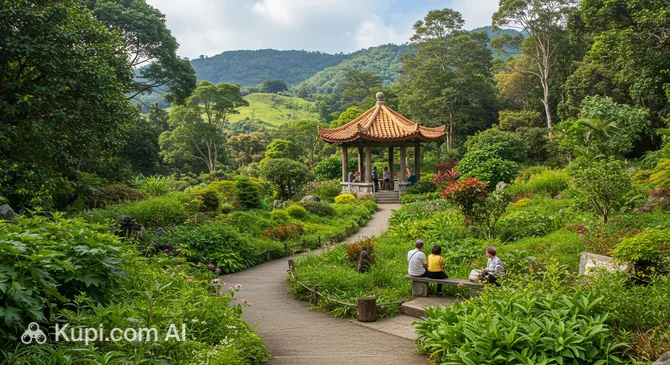
For a refreshing escape into nature, the Chiayi Botanical Garden is a must-visit destination. Established in 1908 during the Japanese colonial era, this lush arboretum was originally an experimental ground for tropical forestry. Today, it serves as a serene urban forest featuring towering mahogany, teak, and rubber trees. Walking along its shaded paths offers a cool respite from the heat and a chance to observe the diverse plant species that have thrived here for over a century.

Chiayi Botanical Garden. Source: Kupi.Binoculars

Another significant outdoor space is KANO Park, a tribute to the city's proud baseball legacy. Located near the municipal stadium, this wide, open plaza commemorates the legendary KANO baseball team, which made history in the 1930s. The park features a giant baseball sculpture and bronze markers detailing the team's achievements, making it an inspiring spot for sports fans and a spacious area for a leisurely stroll.

To delve deeper into the local culture, head to the Chiayi Municipal Museum. This comprehensive institution provides a fascinating overview of the city's development. Its exhibits cover a wide range of topics, from the geological history of the Alishan range and prehistoric fossils to the fine arts and the modern evolution of Chiayi. It is an excellent starting point for travelers wanting to grasp the full context of the area they are exploring.

Chiayi Municipal Museum. Source: Kupi.Binoculars

A smaller but culturally rich venue is the Museum of Old Taiwan Tiles. Dedicated to the preservation of decorative majolica tiles, this private museum houses a colorful collection that once adorned the ridges and facades of traditional Taiwanese homes. Each tile tells a story of artistic craftsmanship and auspicious symbolism, offering a rare glimpse into a specific facet of architectural history that is slowly disappearing.

For families traveling with children, the Xiangjing Aquarium offers an engaging alternative to traditional museums. While more modest in scale compared to national aquariums, it provides an educational look at aquatic life and serves as a fun diversion for younger visitors. Additionally, those interested in the region's wood culture might enjoy i-Wood Village, an interactive attraction that combines education with DIY woodworking experiences.

Getting Around

Getting around Chiayi is relatively straightforward, thanks to its compact size and efficient public transportation network. The city primarily relies on a bus system, which includes a convenient Bus Rapid Transit (BRT) service. The BRT is particularly useful for travelers as it connects the downtown Chiayi Railway Station (TRA) with the High Speed Rail (HSR) station located in the suburbs. The local city buses have recently been upgraded to an all-electric fleet, often recognized by their distinctive, vintage-inspired design.

For rail enthusiasts, the city serves as the starting point for the famous Alishan Forest Railway. While this historic narrow-gauge train is mainly used for trips into the mountains, the main railway station functions as the heart of the city's transport layout. From here, you can easily transfer to buses or regional trains to explore the surrounding areas.

Paying for transport is seamless if you use a stored-value smart card. The EasyCard and iPass are the standard payment methods across Taiwan. You can purchase and top up these cards at any major convenience store (like 7-Eleven or FamilyMart) or at train stations. When taking the bus, remember to tap your card on the sensor both when boarding and when alighting to ensure the correct fare is deducted. While cash is accepted, you must have the exact change, making smart cards the superior option.

For short distances and leisurely exploration, YouBike 2.0 is a highly popular alternative. This public bike-sharing system has numerous docking stations throughout the city. You can rent a bicycle using your smart card or a credit card via the official app. It is an affordable and healthy way to navigate the city's streets and visit nearby markets or parks.

Taxis are also readily available and operate on a meter system; they can be hailed on the street or booked via apps. Regarding operating hours, most public buses run from approximately 6:00 AM to 10:00 PM, though frequencies may decrease in the evening. To avoid waiting, it is advisable to use apps like Google Maps or local transport apps to check real-time arrival estimates.

Accommodation

Finding a place to stay in Chiayi is generally stress-free, with options catering to various travel styles and budgets. The city offers a welcoming mix of accommodation, ranging from affordable backpacker hostels and cozy guesthouses to modern business hotels. While you won't find an abundance of ultra-luxury international resorts within the city center, there are plenty of comfortable, high-quality mid-range establishments that provide excellent service and amenities.

For most visitors, the most convenient area to stay is around the Chiayi Railway Station. This central hub offers easy access to the Alishan Forest Railway, local buses, and the BRT shuttle to the High Speed Rail station. Staying here means you are within walking distance of transport links and rental shops. Alternatively, food lovers often prefer accommodation near the bustling Wenhua Road Night Market. Being close to this vibrant spot allows you to enjoy delicious local street food late into the evening before taking a short stroll back to your room.

Wenhua Road Night Market. Source: Kupi.Binoculars

Booking in advance is highly recommended, especially if you plan to visit during weekends or national holidays. Chiayi is the gateway to Alishan, so hotels can fill up quickly with hikers and tourists transit through the city. If you are traveling during the cherry blossom season or major festivals, securing your room several weeks or even months ahead is a wise decision to ensure availability.

In terms of pricing, Chiayi is generally more affordable than Taipei. Budget travelers can find dormitory beds or simple rooms at very reasonable rates, while mid-range options offer great value with spacious rooms and breakfast often included. Reservations can be easily made through major international online booking platforms, though some smaller local guesthouses may also accept direct bookings via their websites or social media channels.

Nearby Cities

For those looking to explore the surroundings, Chiayi serves as an excellent base for day trips to several interesting nearby locations:

Just a short distance north lies Minxiong, a township that has gained fame across the island for its delicious goose meat restaurants, particularly those clustered near the train station. Beyond its culinary reputation, Minxiong is home to the National Chung Cheng University and the intriguing "Minxiong Ghost House," an abandoned baroque-style mansion that attracts folklore enthusiasts and curious travelers alike.

A bit further away is Huwei, a town rich in cultural history and often regarded as the capital of Taiwanese glove puppetry. Visitors can immerse themselves in this traditional art form at the Yunlin Glove Puppet Museum or explore the town's industrial heritage at the historic Huwei Sugar Refinery and the scenic Huwei Steel Bridge.

To the west, Puzi offers a glimpse into the region's spiritual and artistic traditions. The town is centered around the Peitian Temple, a significant religious site dedicated to the goddess Mazu, featuring exquisite architectural details. The surrounding streets retain a charming, slower pace, perfect for a relaxing afternoon stroll.

City Population Distance (km)
Minxiong 70316 5
Huwei 70300 25
Puzi 50000 20
Shuishang 48164 8
Dounan 43360 22

These nearby destinations offer a glimpse into the diverse culture and landscapes of the region.

Shopping & Souvenirs

Shopping in Chiayi offers a delightful mix of modern convenience and traditional charm. While it may not have the massive scale of Taipei's retail scene, the city provides a relaxed atmosphere where visitors can explore everything from bustling night markets to cultural creative parks. The shopping experience here is less about high-end luxury brands and more about discovering local craftsmanship, unique souvenirs, and the city's rich agricultural heritage.

The heart of the city's commercial activity is centered around the Central Fountain Circle and the streets radiating from it. This area serves as the main downtown hub, lined with various clothing boutiques, shoe stores, and beverage shops. Walking down these streets allows tourists to soak in the local vibe while browsing for affordable fashion and accessories. The area near the train station is also vibrant, catering to travelers with a variety of convenience stores and local specialty shops.

For a more structured shopping experience, visitors can head to the city's major department stores. Nice Plaza is the largest shopping mall in the region, offering a wide range of international brands, cosmetics, and a food court. Another popular destination is Showtime Plaza, which combines shopping with entertainment, featuring a cinema and numerous restaurants. These malls provide a comfortable, air-conditioned environment perfect for escaping the midday heat.

No visit to Chiayi is complete without experiencing its famous markets. The Wenhua Road Night Market is the most renowned spot, transforming a central street into a pedestrian paradise every evening. While primarily known for its street food, the market also features stalls selling clothes, phone accessories, and fun gadgets. It is the perfect place to hunt for bargains and absorb the energetic local nightlife.

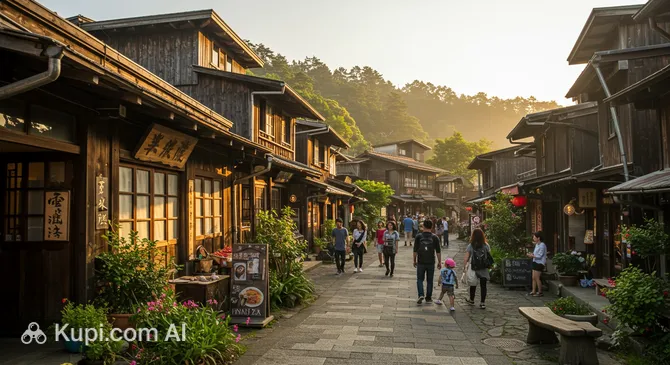
When it comes to souvenirs, Chiayi has several unique specialties. The city is historically famous for its timber industry, and Hinoki Village is the best place to find high-quality wood products. Housed in beautifully restored Japanese-era dormitories, the shops here sell aromatic cypress goods, handmade crafts, and local agricultural products.

Hinoki Village. Source: Kupi.Binoculars

Another distinctive option is the Museum of Old Taiwan Tiles, where you can purchase colorful, decorative tiles that reflect the island's architectural history. Food souvenirs are also popular, particularly square cookies (cubic pastry) and locally grown Alishan tea, which are widely available in specialty bakeries and tea shops across the city.

Most shops in Chiayi generally open around 11:00 AM and close between 9:30 PM and 10:00 PM. Night markets typically get going around 6:00 PM and stay busy until midnight. Credit cards and mobile payments are widely accepted in department stores, malls, and chain stores like the Jiji Communication & Culture Main Store. However, cash is essential for night markets and smaller independent vendors.

Travelers should also be aware of the Tax Refund Shopping (TRS) scheme. Foreign visitors who spend a certain amount (usually NT$2,000 or more) on the same day at authorized stores—identifiable by the TRS signage—may be eligible for a 5% VAT refund. Be sure to carry your passport and ask the shop staff for assistance with the necessary forms.

Reached the end of the page?

That means the route is fully explored