Support

Kaohsiung

About

Kaohsiung is a vibrant metropolis and the largest port city in Taiwan, Republic of China. Known for its wide boulevards, stunning harbor views, and distinctively friendly atmosphere, this southern city offers a more laid-back alternative to the bustling capital in the north. It is a place where urban sophistication meets maritime charm, creating a unique environment for travelers seeking both culture and relaxation.

Geographically, Kaohsiung is situated on the southwestern coast of the island, facing the Taiwan Strait. The city enjoys a tropical savanna climate, characterized by warm weather year-round and plenty of sunshine, making it a popular destination for sun-seekers. With a population of over 2.7 million people, it is a major economic hub that has successfully transformed from an industrial center into a green and cultural city.
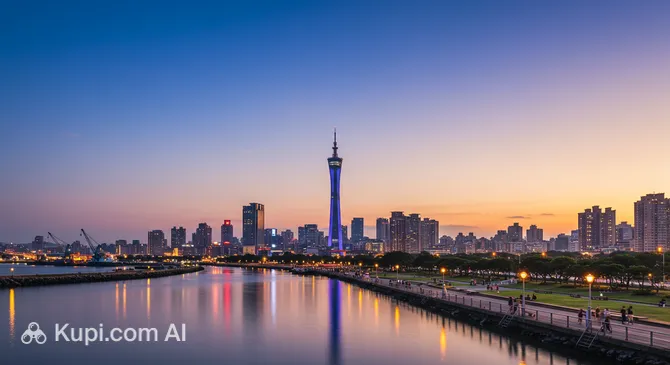
Kaohsiung. Source: Kupi.Binoculars

The city has undergone a remarkable transformation over the centuries. To understand how a humble fishing village evolved into a global maritime powerhouse, one should explore the history of Kaohsiung. This rich heritage is reflected in its diverse architecture and the enduring traditions of its local communities.

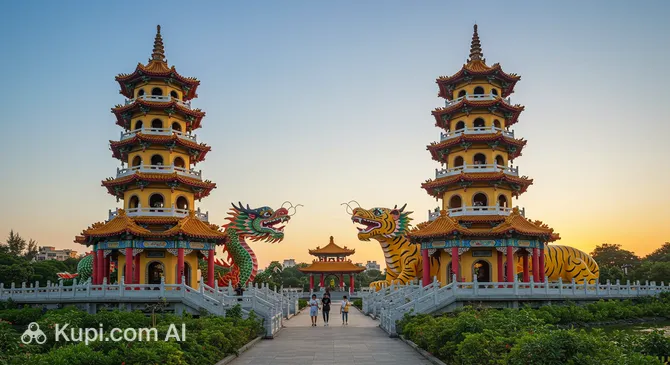
Today, Kaohsiung is packed with exciting attractions. The iconic Lotus Pond is a must-visit, famous for the Dragon and Tiger Pagodas that float upon the water. For art enthusiasts, the Pier-2 Art Center offers a creative space filled with sculptures, galleries, and murals in repurposed warehouses. Meanwhile, a stroll along the banks of the Love River provides a romantic and scenic way to experience the city's nightlife.

Whether you are interested in exploring colorful temples, enjoying fresh seafood at a night market, or simply soaking up the sun near the harbor, Kaohsiung welcomes you with open arms. It is a destination that promises memorable experiences and a warm, sunny welcome.
Weather Overview

The city enjoys a warm and inviting climate year-round, though travelers should be aware of the distinct wet and dry seasons. Temperatures remain pleasant even in the coolest months, rarely dropping below 15°C, while the summer heat is often accompanied by humidity. To help plan your trip around the forecast, you can view the detailed weather in Kaohsiung.

From June through August, the weather is hottest, with average temperatures climbing to 28.6°C and frequent rainfall, peaking at 26 wet days in August. Conversely, the winter season from December to February offers the driest conditions, with January seeing as few as 7 wet days and average temperatures around 19.5°C. Generally, you can expect hot, rainy summers and mild, dry winters that are perfect for exploring the outdoors.

Interesting Facts

Beyond the main attractions, Kaohsiung holds many fascinating secrets that reveal the depth of its culture and history. Here are some unique insights into this dynamic harbor city:
  • The city's name has a curious linguistic evolution. It was originally called "Takau" by the indigenous Siraya people, meaning "bamboo forest." When the Japanese arrived, they transliterated the sound to the kanji for "Takao" (meaning "High Hero"), which is pronounced "Kaohsiung" in Mandarin Chinese.

  • At the famous Dragon and Tiger Pagodas, there is a specific rule to follow for good fortune. Local tradition dictates that visitors must enter through the Dragon's mouth and exit through the Tiger's mouth, a ritual believed to turn bad luck into good luck.

  • Kaohsiung is home to one of the most beautiful subway stations in the world. The Dome of Light at Formosa Boulevard Station is the largest public art installation made from individual pieces of colored glass, covering a vast ceiling with a kaleidoscope of vibrant stories and symbols.

  • The popular Cijin district was not always an island. It was originally a sandbar connected to the mainland, but the land link was severed in 1975 to create a second entrance for the port, isolating the area where you can now explore Cijin Old Street.

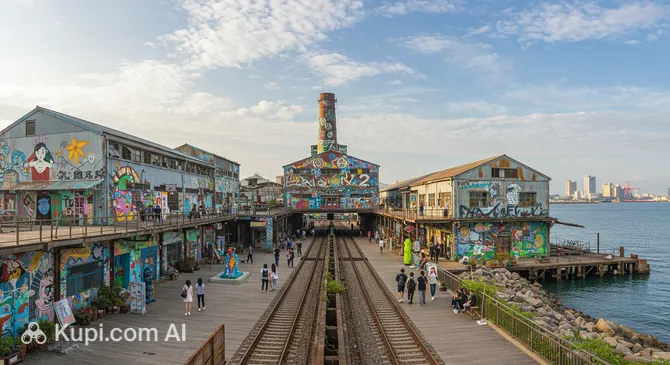
  • The trendy cultural hub known as The Pier2 Art Center was once a restricted zone of abandoned warehouses used for storing sugar and fish meal. Today, it stands as a shining example of the city's successful transformation from heavy industry to a center of art and design.

Dragon and Tiger Pagodas. Source: Kupi.Binoculars

How to Get There

Kaohsiung is a major transportation hub in southern Taiwan, making it easily accessible for international and domestic travelers. Whether you are arriving by air or utilizing the island's efficient high-speed rail network, reaching the city is straightforward. For a detailed guide on all available transport options, you can read more about how to get to Kaohsiung.

The primary gateway to the city is Kaohsiung International Airport (IATA: KHH). Conveniently located within the city limits, it is approximately 7.5 km from the downtown area. As the second-largest airport in Taiwan, it handles a significant volume of passengers annually and serves numerous international flights. The travel time to the city center is quite short; a taxi ride typically takes around 32 minutes, making it the most convenient option for direct arrivals.

Alternatively, travelers can fly into Tainan Airport (IATA: TNN), which is located in the neighboring city of Tainan. While Tainan Airport does not have the same capacity as Kaohsiung's main hub, it is a viable option for regional travel. It is situated about 37.1 km from Kaohsiung. A taxi or car transfer from here to Kaohsiung would take approximately 1 hour and 16 minutes. Visitors arriving here can also make use of local trains or buses to complete their journey south.

For clarity, here is a summary of the main airports serving the region:

Airport Name City Passenger Traffic Km from City
Kaohsiung International Airport Kaohsiung High 7.5
Magong Airport Magong Medium 125.0
Taichung Airport Taichung Medium 172.3
Tainan Airport Tainan Low 37.1
Taitung Airport Taitung Low 83.2

In addition to air travel, Kaohsiung is excellently connected to the rest of Taiwan by rail. The Taiwan High Speed Rail (THSR) is a popular choice for those coming from Taipei or the western coast, arriving at the Zuoying Station in the northern part of the city. Conventional trains operated by the Taiwan Railways Administration (TRA) also serve the city center at Kaohsiung Station, offering a scenic and affordable way to arrive from other parts of the island.

Main Attractions

Kaohsiung is a city where history, art, and modern entertainment blend seamlessly. From repurposed industrial spaces to towering skyscrapers and scenic coastal spots, the city offers a diverse range of sights for every type of traveler. Here are some of the top places to explore during your visit.

One of the city's most vibrant cultural hubs is The Pier2 Art Center. Located in the harbor area, this open-air art zone was transformed from abandoned warehouses into a sprawling complex of creativity. Visitors can wander through galleries featuring contemporary art, admire large-scale outdoor sculptures, and enjoy the quirky murals that adorn the buildings. It is a fantastic place for photography, leisurely walks, and discovering unique local crafts in the weekend markets.

The Pier2 Art Center. Source: Kupi.Binoculars

Dominating the city's skyline is the iconic 85 Sky Tower. As the tallest building in Kaohsiung and one of the highest in Taiwan, its unique architectural design is modeled after the Chinese character for "tall" (gao). While it serves as a major landmark visible from almost anywhere in the city, it is also a symbol of Kaohsiung's modern economic growth and offers a stunning backdrop for photos of the harbor.

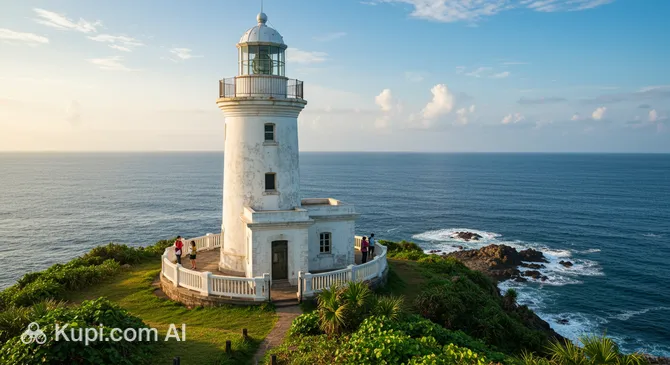
For those seeking panoramic views and a touch of history, the Kaohsiung Lighthouse is a must-visit destination. Situated on the peak of Cijin Island (Cijin District), this gleaming white structure dates back to the late 19th century. After a short hike to the top, tourists are rewarded with breathtaking vistas of the Taiwan Strait on one side and the bustling Port of Kaohsiung on the other, making it an ideal spot for sunset viewing.

Kaohsiung Lighthouse. Source: Kupi.Binoculars

Travelers looking for excitement and family-friendly fun should head to E-DA Theme Park. This is the first theme park in Taiwan inspired by Greek mythology, divided into three main areas: the Acropolis, Santorini Mountain, and the Trojan Castle. With a wide array of thrilling rides, live performances, and a massive outlet mall nearby, it provides a full day of entertainment and shopping away from the city center.

Another excellent spot for culture lovers is the Kaohsiung Museum of Fine Arts. Located within a sprawling ecological park, the museum showcases a rich collection of Taiwanese and international art. The surrounding park itself is a peaceful retreat, featuring lakes, sculpture gardens, and walking paths that offer a relaxing escape from the urban hustle.

Local Cuisine

The culinary scene in Kaohsiung is a delightful reflection of its identity as a tropical harbor city. Southern Taiwanese cuisine is generally known for having a slightly sweeter flavor profile compared to the north, and Kaohsiung is no exception. With the ocean right at its doorstep, fresh seafood is the star of the show, but the city also boasts a variety of hearty meat dishes and refreshing beverages that offer a true taste of local life.

One of the most iconic dishes to try is Gangshan Mutton Hot Pot. Originating from the Gangshan district, this rich, herbal soup is made with tender goat meat and is considered a warming comfort food, especially popular during cooler evenings. Another breakfast staple is Milkfish Congee, a savory rice porridge featuring the deboned, tender white meat of the milkfish, often garnished with ginger and spring onions. For a quick and satisfying meal, visitors should also seek out Duck Rice, where succulent slices of smoked or roasted duck are served over rice with a savory sauce.

When it comes to drinks, Kaohsiung offers the perfect antidote to the tropical heat: Papaya Milk. This creamy, frothy blend of ripe papaya and fresh milk is a local specialty, with "Kaohsiung Milk King" being a legendary spot to try it. Of course, like the rest of the island, bubble tea is ubiquitous, but the southern variation often features chewier pearls and generous portions.

Dining in Kaohsiung is as much about the atmosphere as it is about the food. While there are plenty of modern restaurants, the heart of the food culture beats in the night markets and on the streets. Locals love to gather at open-air tables to enjoy "re chao" (stir-fry) dishes accompanied by cold beer.

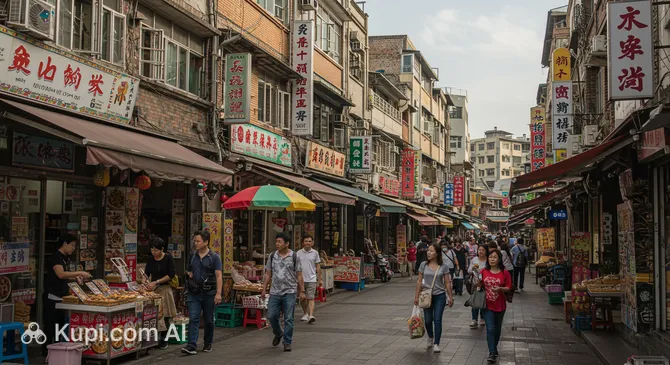
For seafood lovers, a trip to Cijin Old Street is mandatory. Located on the long, narrow island guarding the harbor, this street is lined with vendors displaying the day's fresh catch. You can point to the fish, crab, or clams you want, and have them cooked to order right in front of you. It is the perfect place to feast on grilled squid or oyster omelets while enjoying the sea breeze.

Cijin Old Street. Source: Kupi.Binoculars

If you are looking for a more authentic, local night market experience away from the biggest tourist crowds, head to Guanghua Night Market. Unlike some pedestrian-only markets, this one runs along a wide road where locals often drive their scooters up to the stalls. It is renowned for its high concentration of delicious, traditional eats, including eel noodles and refreshing shaved ice desserts.

Travel Tips

To ensure your journey through this sunny harbor city is as smooth as the gentle sea breeze, we have compiled some essential practical advice. These tips will help you navigate local customs and logistics with ease, allowing you to focus on enjoying the vibrant culture of Kaohsiung.

  1. Clothing and Gear: Since Kaohsiung has a tropical climate, lightweight and breathable fabrics like cotton or linen are best for most of the year. Even in winter, days can be warm, though a light jacket is useful for cooler evenings and air-conditioned interiors. Always carry a foldable umbrella or raincoat, especially during summer afternoons when sudden downpours occur. If you plan to visit temples, remember to dress modestly; cover your shoulders and avoid very short shorts.

  2. Transportation: The most convenient way to get around is by using the Kaohsiung MRT (Mass Rapid Transit) and the scenic Light Rail system. You should purchase an iPass or EasyCard (rechargeable smart cards) at any station or convenience store; these can be used for the metro, buses, light rail, and even convenience store purchases. Rideshare apps like Uber are available and reliable, but renting a car is generally unnecessary for city exploration due to heavy traffic and limited parking.

  3. Finances: The local currency is the New Taiwan Dollar (TWD). While credit cards are accepted in department stores, hotels, and upscale restaurants, cash is king at night markets, street stalls, and smaller local eateries. ATMs are extremely accessible and can be found in almost every 24-hour convenience store (like 7-Eleven or FamilyMart). Tipping is not customary in Taiwan, Republic of China; a service charge is often included in the bill at nicer restaurants, but leaving extra cash is not expected.

  4. Health and Safety: Kaohsiung is a very safe city for tourists, even at night. However, always be vigilant when crossing streets, as scooter traffic can be unpredictable. Pharmacies like Watsons and Cosmed are widespread and stock toiletries and basic medicines. In summer, it is advisable to wear mosquito repellent to protect against mosquito-borne issues like dengue fever, which can occur in tropical areas.

  5. Communication: The main language is Mandarin Chinese. While signage in the MRT and major tourist spots is in English, spoken English proficiency varies among locals. It is highly recommended to download a translation app like Google Translate. You can easily buy a 4G/5G SIM card with unlimited data at the airport upon arrival or at telecom shops in the city. The app LINE is the primary communication tool used locally.

  6. Local Etiquette: Politeness is highly valued. When handing over money, a credit card, or a business card, use two hands as a sign of respect. On escalators in the MRT, stand on the right side to let others pass on the left (though this rule is relaxing, it is still common practice). Always queue in an orderly fashion when waiting for trains or elevators.

  7. What to Avoid: Strictly avoid eating, drinking, or chewing gum once you pass the ticket gates in the MRT stations. This rule is enforced very strictly to keep the trains clean, and violators can face hefty fines. Also, avoid sitting in "Priority Seats" (usually dark blue) on public transport unless you are elderly, pregnant, or injured, as locals take this etiquette seriously.

  8. Additional Tip: Don't throw away your receipts! In Taiwan, every uniform invoice acts as a lottery ticket with a unique number. While you might not stay long enough to check the winning numbers (drawn every two months), you can donate them into designated transparent boxes found in convenience stores and shops to support local charities.

With these practical tips in hand, you are ready to explore the streets of Kaohsiung with confidence. Embrace the laid-back southern hospitality, indulge in the incredible street food, and enjoy every moment of your adventure in this dynamic port city.

Entertainment & Nightlife

As the sun sets over the Taiwan Strait, Kaohsiung transforms into a city of shimmering lights and lively energy. The nightlife here is distinctively relaxed compared to the frenetic pace of Taipei, reflecting the southern city's easygoing maritime culture. From trendy rooftop bars with harbor views to bustling shopping districts and neon-lit karaoke parlors, there is plenty to keep you entertained well into the early hours.

One of the most popular areas for evening entertainment is the Shinkuchan Shopping District. Often compared to Harajuku in Japan or Ximending in Taipei, this pedestrian-friendly zone is the epicenter of youth culture in Kaohsiung. Here, you will find a maze of stalls selling trendy fashion and accessories, accompanied by street food vendors and loud music. It is the perfect place to soak up the local atmosphere, people-watch, and enjoy the cool night air.

Shinkuchan Shopping District. Source: Kupi.Binoculars

For those seeking a more sophisticated evening, the city's rooftop bars offer spectacular vantage points. A standout venue is the Hotel dùa Bar (often known as 'etage 15'), located in the Xinxing District. This open-air lounge provides sweeping views of the city skyline and the distant 85 Sky Tower. The atmosphere is chic yet welcoming, making it an ideal spot for enjoying a cocktail while admiring the glittering urban landscape below. The dress code is generally smart-casual; while shorts might be acceptable during the day, long trousers and closed shoes are recommended for men in the evening.

No discussion of Taiwanese nightlife is complete without mentioning Karaoke TV, or KTV. Singing is a national pastime, and Kaohsiung boasts some impressive venues where you can rent a private room with friends. YES KTV Kaohsiung Flagship is a prime example, offering luxurious rooms, high-quality sound systems, and an extensive menu of food and drinks. These establishments are open 24/7, allowing you to sing your heart out until dawn in a safe and private environment.

If you prefer entertainment that bridges the gap between day and night, head to the Dream Mall. As one of the largest shopping centers in East Asia, it offers not only extensive retail options but also a rooftop amusement park. The highlight is the massive Ferris wheel, known as the Kaohsiung Eye, which lights up the night sky with colorful patterns. Riding it in the evening offers a romantic and peaceful way to see the harbor lights.

For daytime entertainment, the city offers a variety of options beyond sightseeing. Families can enjoy the sprawling SKM Park Outlets Kaohsiung, which combines shopping with lifestyle amenities. Additionally, the city's cultural parks often host weekend markets and street performances that are perfect for a leisurely afternoon.

Kaohsiung is a very safe city for night walks, even in the early hours of the morning. The main nightlife districts are well-lit and populated. Public transport, including the MRT and Light Rail, typically runs until midnight. After that, taxis and Uber are readily available and affordable. If you need a taxi late at night, it is best to have your hotel or a convenience store clerk call one for you, or simply use a ride-hailing app to ensure your destination is clearly understood.

Parks & Museums

Beyond its bustling harbor and lively night markets, Kaohsiung surprises visitors with its abundance of lush green spaces and rich cultural institutions. The city has made significant efforts to integrate nature into the urban landscape, resulting in beautiful parks that serve as community hubs, alongside world-class museums that celebrate science, art, and history.

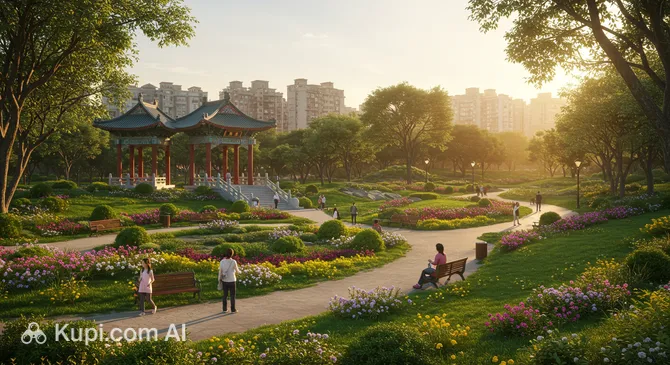
Located right in the heart of the city is Central Park, a verdant oasis that offers a refreshing escape from the downtown concrete. Easily accessible via the stunning Central Park MRT station, this expansive area features ecological ponds, landscaped walkways, and open lawns perfect for picnics. It is a favorite spot for locals to exercise and relax, and on weekends, you might catch live music performances or craft markets. The park's design seamlessly blends urban convenience with natural beauty, making it an excellent starting point for exploring the surrounding shopping districts.

Central Park. Source: Kupi.Binoculars

For those looking to combine nature with wildlife, Shoushan Zoo is a delightful destination situated on Shoushan (Monkey Mountain). Recently renovated, the zoo focuses on animal welfare and education, offering a "Skywalk" corridor that allows visitors to observe animals from a unique, unobtrusive vantage point. The surrounding mountain area is also famous for its hiking trails and the wild Formosan rock macaques that roam freely, adding a touch of wild adventure to your visit.

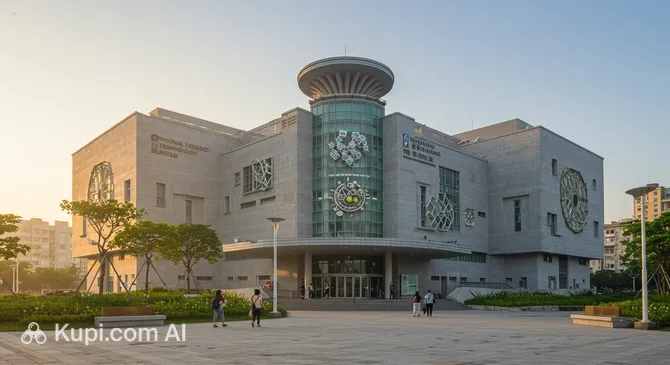
Kaohsiung's cultural scene is equally impressive, anchored by the massive National Science and Technology Museum. As one of the largest science museums in Asia, it covers a vast array of topics from aerospace and machinery to disaster prevention and culinary science. The museum is highly interactive, making it a fantastic destination for families and curious minds who want to engage with exhibits rather than just look at them.

National Science and Technology Museum. Source: Kupi.Binoculars

Another architectural and cultural gem is the Dadong Arts Center in the Fengshan District. This venue is instantly recognizable by its membrane-covered roof structure, which resembles a cluster of hot air balloons lit up beautifully at night. It serves as a multifunctional art space with a specialized art library, exhibition halls, and a theater. The semi-outdoor spaces are designed to channel airflow, creating a cool and comfortable environment for visitors to enjoy outdoor concerts or simply admire the avant-garde architecture.

History enthusiasts should venture to Cijin Island to explore Cihou Fort. Built in the late 19th century to guard the harbor entrance, this historic battery offers a glimpse into Taiwan's military past. While the cannons are long gone, the brick structures remain, and the site commands some of the best panoramic views of the Kaohsiung skyline and the ocean, especially during sunset.

For a truly unique experience, seek out the Golden Lion Lake Butterfly Garden. Located near the Golden Lion Lake Scenic Area, this is one of the largest conservatories of its kind in Taiwan. Inside the netting, you can walk among hundreds of fluttering butterflies of various species, offering a magical and serene experience that feels worlds away from the city center.

Getting Around

Navigating Kaohsiung is a breeze thanks to its modern, clean, and efficient public transportation network. The backbone of the city's transit is the Mass Rapid Transit (MRT) system, which consists of two main lines: the Red Line, running north to south, and the Orange Line, running east to west. These two lines intersect at the spectacular Formosa Boulevard Station, allowing for easy transfers. The trains are air-conditioned, punctual, and offer announcements in English, making them incredibly user-friendly for international visitors.

Complementing the underground metro is the scenic Circular Light Rail (LRT). This above-ground tram system loops around the city, connecting major tourist hotspots such as the Pier-2 Art Center, the Dream Mall, and the Kaohsiung Exhibition Center. Riding the light rail is not just a way to get from point A to point B; it is a sightseeing experience in itself, offering lovely views of the harbor and the cityscape as it glides quietly through the streets.

For a truly local experience, you must take the ferry to Cijin Island. The ferry service, particularly the route from Gushan Ferry Pier to Cijin, is an iconic part of the city's transport landscape. It is a short, inexpensive ride that offers great views of the port. Interestingly, scooters are allowed on the lower deck, while passengers enjoy the breeze on the upper deck. It operates frequently throughout the day and into the evening, serving as the primary link to the island's seafood streets and beaches.

The city also boasts an extensive bus network that reaches areas not covered by the rail systems. While the bus routes are comprehensive, they can be slightly more challenging for tourists to navigate than the MRT. However, most bus stops have electronic signs indicating arrival times, and using a map app can help you identify the right bus number. Buses are air-conditioned and generally very affordable.

Payment across all these modes of transport is seamless thanks to the smart card system. Visitors should purchase an iPass or EasyCard, which are available at all MRT stations and ubiquitous convenience stores like 7-Eleven or FamilyMart. You simply tap the card on the sensor when entering and exiting stations or buses. These cards can also be used for small purchases at convenience stores. Fares are calculated by distance but are generally very low, making public transport a budget-friendly option.

For short distances, the city's public bike rental system, YouBike 2.0, is a fantastic alternative. Yellow and white docking stations are found everywhere, often right outside MRT stations and attractions. You can rent a bike using your smart card or a credit card via the mobile app. It is a healthy and eco-friendly way to explore the city's wide boulevards and dedicated bike paths, especially around the Love River.

If you prefer a direct route, taxis are plentiful and can be hailed on the street or booked via phone. They are metered, safe, and reasonably priced. Ride-hailing apps like Uber are also widely available and operate efficiently within the city. This is often a good choice late at night when the MRT and buses stop running, typically around midnight.

A few practical rules will ensure a smooth journey. The most important regulation to remember is that eating, drinking, and chewing gum are strictly prohibited within the MRT stations and on the trains. This rule is enforced to maintain the impeccable cleanliness of the system. Trains generally run from 06:00 to 00:00, with intervals of about 4 to 8 minutes during peak hours. By respecting these simple guidelines, you can enjoy a comfortable and hassle-free exploration of the city.

Accommodation

Where to Stay:

Finding the perfect place to stay in Kaohsiung is relatively easy, as the city offers a wide spectrum of accommodation options to suit every travel style and budget. Visitors can choose from affordable backpacker hostels and cozy homestays to efficient business hotels and opulent luxury resorts. Compared to the capital in the north, accommodation rates here are generally more reasonable, allowing travelers to enjoy higher-quality stays for less.

For most tourists, the most convenient areas to stay are in the Xinxing and Lingya districts, particularly near the intersection of the two main MRT lines at Formosa Boulevard Station. Staying here puts you within walking distance of major night markets and shopping areas. Alternatively, the Yancheng District and the Asia New Bay Area near the harbor offer scenic views and proximity to art centers, making them popular choices for those who prefer a mix of culture and modern waterfront vibes.

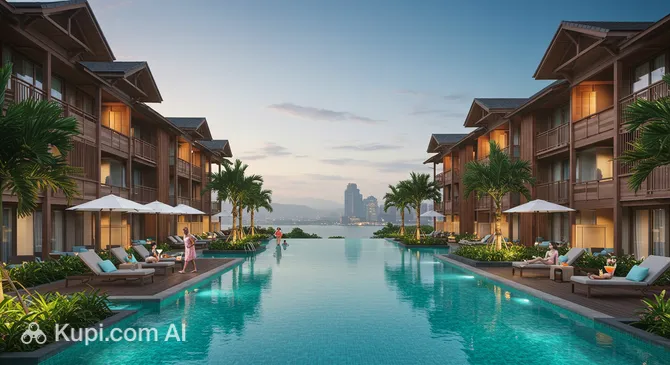
If you are looking for a high-end experience with spectacular views of the port city, the TAI Urban Resort is a standout option. It combines modern luxury with a stunning infinity pool that overlooks the harbor, providing a relaxing retreat after a day of sightseeing. For travelers seeking a more intimate and local atmosphere, the Hamasen Homestay offers a charming base, often located closer to the historic streets and the ferry terminal to Cijin Island.

TAI Urban Resort. Source: Kupi.Binoculars

Regarding costs, budget travelers can find hostel beds for as low as $15–$25 USD per night, while mid-range business hotels typically range from $50–$100 USD. Luxury accommodations usually start upwards of $150 USD. Most hotels can be easily booked via major international online platforms or directly through their websites. A helpful tip is to book your accommodation at least a few weeks in advance if you plan to visit during the Lunar New Year or major concert events, as the city fills up quickly during these peak times.

Nearby Cities

For those looking to explore the surroundings, Kaohsiung serves as an excellent base for day trips to several interesting nearby locations:

Just a short journey to the north lies Tainan, the oldest city on the island and a former capital. It is widely regarded as the cultural and culinary heart of the region, packed with historic temples, the famous Anping Old Fort, and a street food scene that rivals any in Asia. Visitors flock here to wander through its narrow alleys and experience a deep sense of heritage that contrasts with Kaohsiung's modern vibe.

To the east, Pingtung City offers a more relaxed atmosphere. As the administrative center of the southernmost county, it serves as a gateway to tropical landscapes and indigenous cultural sites. The city has recently revitalized its public spaces, including the charming Shengli Star Village Creative Life Park, where old military dormitories have been converted into trendy cafes and shops.

Another delightful stop is Chaozhou, a town famous among locals for its specific culinary specialties. It is particularly well-known for "Chaozhou cold noodles" and refreshing shaved ice desserts, making it a popular destination for foodies looking to try authentic regional snacks in a laid-back setting.

City Population Distance (km)
Tainan 1874686 42
Pingtung City 503530 20
Chaozhou 53179 26
Neipu 52349 27
Wandan 49461 18

These nearby destinations offer a glimpse into the diverse culture and landscapes of the region, allowing travelers to easily expand their itinerary beyond the city limits.

Shopping & Souvenirs

Shopping in Kaohsiung is a delightful adventure that ranges from exploring massive, air-conditioned complexes to browsing trendy street stalls. The city has developed into a major retail hub in southern Taiwan, offering everything from high-end international luxury brands to unique local crafts and bargain fashion. Whether you are looking for the latest electronics, designer wear, or traditional souvenirs, the city's diverse districts cater to every taste and budget.

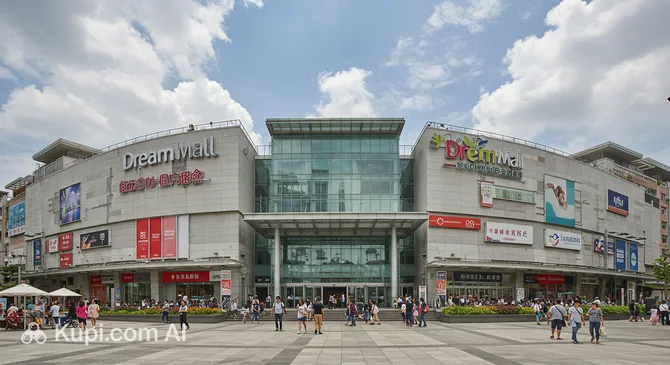
For a comprehensive retail experience, Dream Mall is an unmissable destination. As one of the largest shopping centers in East Asia, it houses hundreds of stores, a cinema, and a wide array of dining options. The mall is designed to be a family-friendly leisure spot, famous for the Ferris wheel on its rooftop which offers panoramic views of the harbor. The architecture is modern and spacious, making it a comfortable place to spend an entire day escaping the tropical heat.

Dream Mall. Source: Kupi.Binoculars

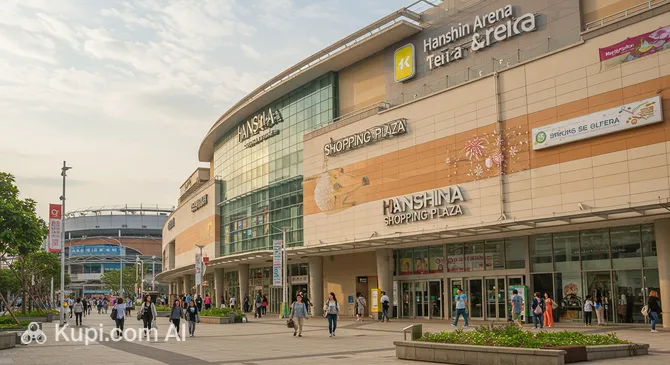
Another top-tier location is the Hanshin Arena Shopping Plaza, located in the Zuoying District near the Kaohsiung Arena. This vibrant mall is a favorite among locals and tourists alike, known for its extensive collection of cosmetics, fashion brands, and a bustling basement food court that features some of the best snacks in the city. Its proximity to the Ruifeng Night Market makes it easy to combine a luxury shopping trip with a traditional street food adventure in one evening.

Hanshin Arena Shopping Plaza. Source: Kupi.Binoculars

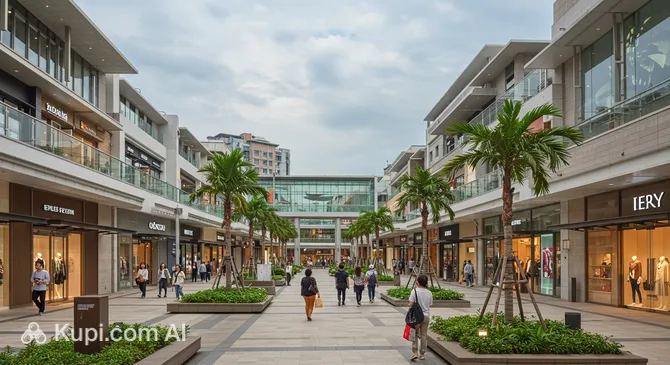
For bargain hunters and fans of American-style outlet shopping, SKM Park Outlets Kaohsiung offers a unique lifestyle park concept. It combines retail therapy with entertainment, featuring open-air boulevards lined with discounted international brands, alongside amusement facilities like a go-kart track and a trampoline park. It is an excellent spot for finding deals on sportswear and casual fashion while enjoying a fun, resort-like atmosphere.

SKM Park Outlets Kaohsiung. Source: Kupi.Binoculars

If you prefer street culture over department stores, the Shinkuchan Shopping District is the place to be. Often compared to Harajuku in Tokyo, this pedestrian area is the epicenter of youth fashion in southern Taiwan. The lanes are packed with boutiques selling trendy clothes, accessories, and quirky gadgets at affordable prices. It is also a great place to pick up inexpensive souvenirs and observe the local street style.

When looking for authentic keepsakes to take home, consider buying Meinong oil-paper umbrellas, which are beautifully hand-painted and represent the region's Hakka culture. Local jade markets and tea shops also offer high-quality goods that reflect Taiwan's rich heritage. Food souvenirs are also popular, with pineapple cakes and locally grown coffee being top choices for gifts.

Reached the end of the page?

That means the route is fully explored