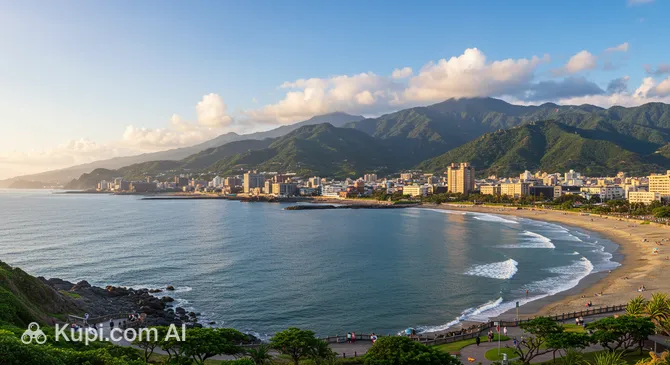
Taitung is a captivating city that serves as the gateway to the pristine southeast coast of the island. Known for its relaxed pace of life and stunning natural scenery, it offers a refreshing contrast to the bustling urban centers of the west. Located on the shores of the Pacific Ocean and backed by the majestic Central Mountain Range, Taitung is a place where nature and culture blend seamlessly, creating a unique atmosphere that invites travelers to slow down and explore.
Geographically, the city acts as the administrative seat of Taitung County and is home to a population of approximately 109,000 residents. The region enjoys a tropical monsoon climate, ensuring warm weather throughout most of the year, which is perfect for outdoor activities. As you explore the area, you will quickly discover why this part of Taiwan, Republic of China is often referred to as the "Garden of Taiwan," celebrated for its unpolluted air and lush landscapes.
Taitung. Illustration.
Source: Kupi.com AI
The cultural fabric of the city is deeply woven with the traditions of several indigenous tribes, making it a vibrant center for aboriginal art and music. Visitors interested in the past can delve into the history of Taitung to understand how these diverse communities have shaped the local identity over centuries. This rich heritage is palpable in the city's festivals, cuisine, and daily life.
Among the top attractions, the Taitung Forest Park stands out with its beautiful Pipa Lake and extensive cycling trails that wind through beefwood trees. For a taste of local creativity, the Tiehua Music Village transforms an old railway warehouse into a lively hub of live music, lantern displays, and artisan markets. Whether you are seeking the therapeutic waters of nearby hot springs or simply want to watch the sunrise over the ocean, Taitung promises an unforgettable escape into nature.
Weather Overview
Travelers planning a trip to this coastal city will find a relatively moderate climate that avoids extreme heat or cold. The temperatures are generally mild year-round, with the coolest period occurring in January, where the average temperature hovers around 14.2°C. In contrast, the summer months bring gentler warmth, with July reaching an average of 24.1°C, making outdoor activities pleasant even during the warmest part of the year.
When packing for your journey, it is wise to prepare for frequent damp conditions, as the region experiences a high number of wet days across all seasons. Although the actual volume of rainfall is quite low—peaking at just 13mm in August—precipitation events are common, with January seeing up to 28 wet days. To help you pack the right gear for your specific travel dates, you can consult the detailed guide to the weather in Taitung. Expect mild, comfortable summers and cool winters, accompanied by consistent, albeit light, precipitation throughout the year.
Average monthly temperature
Average monthly precipitation
Interesting Facts
Beyond the main attractions, Taitung holds many fascinating secrets that reveal its deep historical roots and unique local character. This city is not just a gateway to nature but a place where ancient history and modern eccentricity coexist in surprising ways.
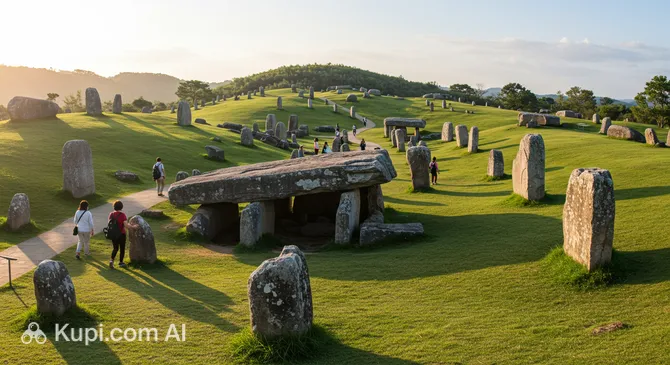
Taitung sits atop an archaeological goldmine known as the Peinan Site Park. This location preserves the largest and most complete prehistoric settlement ever discovered in the Western Pacific, featuring thousands of slate coffins and jade artifacts that date back several millennia, offering a rare window into the Neolithic cultures of the region.
One of the city's most unusual architectural marvels is Taitung Uncle's Little White House. This quirky, multi-story structure was built single-handedly by a retired soldier using recycled materials found nearby; lacking a blueprint or formal training, he created a "breathing" house that has become a legendary example of improvised engineering.
Unlike most coastal cities that rely solely on the ocean for water sports, Taitung features a unique man-made body of water called the Flowing Lake. Fed by natural underground springs, this rectangular lake maintains a stable water level and exceptional clarity, making it a world-renowned venue for international triathlon competitions.
The city has a distinct culinary heritage deeply influenced by its large indigenous population and local agriculture. A staple of this food culture is the thick rice noodle soup, best experienced at legendary spots like the Rongshu Xia Rice Noodle Shop (Zhonghua Road Original Store), where the dish is famously topped with bonito flakes and minced pork.
Peinan Site Park. Illustration.
Source: Kupi.com AI
Traveler photos:
How to Get There
Reaching this scenic destination on the southeast coast is a straightforward part of the adventure, with options ranging from domestic flights to scenic railway journeys. Whether you are arriving from a major Taiwanese metropolis or directly from abroad, you can find detailed information on all ways to reach the city to help plan your route.
For those prioritizing speed, the most convenient entry point is Taitung Airport (IATA: TTT). This facility is located directly in Taitung, just 4.7 km from the city center, making the final leg of your journey very short; a taxi or bus ride typically takes around 27 minutes. It is a regional hub that primarily handles domestic connections, offering a quick link for travelers coming from Taipei or other parts of the island.
International travelers often choose to fly into Kaohsiung International Airport (IATA: KHH), which serves as a major gateway for southern Taiwan. However, it is important to note that this airport is located in the city of Kaohsiung, approximately 84 km from Taitung. The travel time by road from Kaohsiung to Taitung is roughly 2.5 hours, though many visitors opt to transfer to the railway system for a comfortable ride along the coast.
For clarity, here is a summary of the main airports:
Besides air travel, the railway is an exceptionally popular and scenic way to arrive. The city is well-connected to the Taiwan Railways Administration (TRA) network, with the South-Link Line and the East Coast Line converging here. The train journey offers breathtaking views of the Pacific Ocean and the mountains, making the transit itself a memorable part of the trip.
Main Attractions
Exploring this city offers a delightful mix of natural beauty, artistic revitalization, and spiritual heritage. The local attractions are accessible and diverse, ranging from expansive green spaces perfect for cycling to repurposed historical sites that pulse with modern creativity. Whether you are looking to immerse yourself in nature or soak up the local culture, the city's highlights provide a memorable experience for every traveler.
One of the most beloved outdoor destinations is the Taitung Forest Park. Often referred to as the "Black Forest" due to its dense groves of beefwood trees, this expansive park is a haven for cyclists and walkers. It features a network of well-maintained trails that connect three scenic lakes, including the crystal-clear Pipa Lake. Visitors flock here to enjoy the cool, shaded paths and the tranquil atmosphere, making it an ideal spot for a leisurely afternoon surrounded by nature.
Taitung Forest Park. Illustration.
Source: Kupi.com AI
Traveler photos:
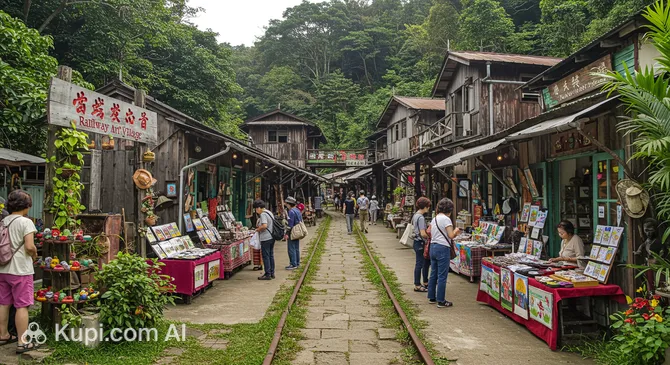
For a taste of the city's artistic soul, the Railway Art Village is a must-visit. Located at the site of the former train station, this area has been transformed into a vibrant cultural hub while preserving the old railway tracks and platforms. It is a fantastic place to stroll in the evening, often illuminated by charming hot air balloon lanterns. The village hosts live music performances, craft markets, and art installations, effectively blending historical nostalgia with contemporary creative energy.
Railway Art Village. Illustration.
Source: Kupi.com AI
Traveler photos:
Just a short distance from the city center lies the Taitung Seashore Park, a spacious waterfront area that offers sweeping views of the Pacific Ocean. The park is famous for its unique landmark, the "Paposogan," a large rattan-woven dome structure that invites visitors to walk through and admire the interplay of light and shadow. It is a popular location for watching the sunrise, enjoying the sea breeze, and taking photos of the dramatic coastal scenery.
Taitung Seashore Park. Illustration.
Source: Kupi.com AI
Traveler photos:
Those interested in history and traditional architecture should pay a visit to the Taitung Tianhou Temple. This ornate temple is dedicated to Mazu, the Goddess of the Sea, and serves as a significant spiritual center for the local community. The structure is renowned for its exquisite stone carvings, colorful cochin pottery, and intricate woodworks that adorn the roof and pillars. It offers a peaceful retreat where tourists can observe local religious practices and admire the craftsmanship of traditional Taiwanese temple art.
Local Cuisine
The culinary landscape of Taitung is as diverse as its geography, blending fresh catches from the Pacific Ocean with the hearty, rustic flavors of the mountain indigenous tribes. The food scene here is unpretentious and deeply connected to the land, relying on the exceptional quality of local ingredients like wild vegetables, free-range pork, and seasonal fruits. Visitors will find that dining in this city is a relaxed affair, often enjoyed in open-air settings that take advantage of the warm tropical breeze.
One of the most iconic local staples is the savory rice noodle soup, known locally as Mi-Tai-Mu (or Rice Moss Noodles). Unlike the thin vermicelli found in other parts of the island, Taitung's version features thick, short rice noodles served in a rich broth thickened with bonito flakes, lean pork, and bean sprouts, often topped with a splash of black vinegar. For the most authentic experience, travelers frequently head to the Rongshu Xia Rice Noodle Shop (Zhonghua Road Original Store), a legendary establishment that has defined this comfort dish for generations.
The region's strong aboriginal heritage introduces unique flavors that are distinct to the southeast coast. You should not miss the opportunity to try "Cinavu," a traditional dumpling made of millet and seasoned pork wrapped in edible leaves, or stone-grilled meats prepared with indigenous spices. To accompany these hearty meals, the local drink of choice is often millet wine, a sweet and mild alcoholic beverage that plays a central role in tribal festivals and celebrations.
For those with a sweet tooth, Taitung is famous as the "Kingdom of Custard Apples" (Sakya). These large, bumpy green fruits are incredibly sweet and creamy, and you will find them sold at roadside stands throughout the county. Another refreshing local favorite is Roselle tea, a tart, ruby-red drink made from the hibiscus sabdariffa flower, which is widely cultivated in the area and provides a perfect way to cool down on a hot day.
When the sun sets, the local food culture comes alive at the bustling night markets. The Siwei Night Market, typically held on Sundays, is a vibrant gastronomic hub where you can sample a wide array of street foods, from grilled seafood to fresh fruit juices, all in one place. It offers a lively atmosphere where locals and tourists mingle over skewers and snacks.
Siwei Night Market. Illustration.
Source: Kupi.com AI
Traveler photos:
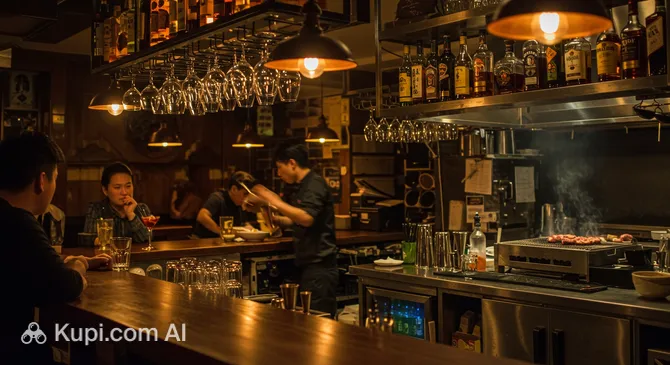
For a more modern dining or drinking experience, the city has a growing number of bistros and bars that incorporate local ingredients into contemporary menus. Places like the Comeback Bar offer a cozy environment to unwind after a day of exploring, serving as a testament to how Taitung is evolving while keeping its roots firmly planted in its rich cultural soil.
Travel Tips
Visiting Taitung offers a chance to experience the slower, more relaxed side of Taiwan, but its rural charm and tropical setting require a bit of preparation. To ensure your trip to this coastal gem is smooth and enjoyable, here are some practical tips to help you navigate the local lifestyle and environment.
Pack for All Weathers: Taitung enjoys a warm tropical climate, so breathable, light clothing is best for most of the year. However, the weather can be unpredictable with sudden showers, so always carry a lightweight raincoat or umbrella. If you plan to visit the mountains or ride a scooter along the coast, bring a windbreaker, as evenings can get breezy. For temple visits, dress modestly by covering your shoulders and knees.
Rent a Vehicle for Freedom: While there is public bus service, it can be infrequent and may not reach all the scenic spots scattered along the coast and rift valley. The best way to explore Taitung is by renting a scooter or a car. Remember to bring an International Driving Permit (IDP) suitable for motorcycles or cars, as rental shops strictly require it.
Cash is King: While major hotels and some department stores accept credit cards, cash is essential for daily life in Taitung. Street food stalls, the famous Siwei Night Market, and small local eateries (like those serving rice moss noodles) typically only accept New Taiwan Dollars (TWD). Fortunately, ATMs are widely available 24/7 in convenience stores like 7-Eleven and FamilyMart.
Prepare for Bugs: The lush nature of Taitung is beautiful but is also home to mosquitoes and biting midges (often called "little black mosquitoes"). Always carry and apply insect repellent, especially when visiting the Taitung Forest Park or dining outdoors in the evening. Pharmacies are easy to find in the city center if you need to buy local repellent or soothing cream.
Stay Connected: English proficiency is generally lower in Taitung compared to Taipei. It is highly recommended to download a translation app like Google Translate or have a few key phrases in Mandarin or Taiwanese written down. Buying a SIM card with unlimited data at the airport upon arrival in Taiwan is crucial for navigation and communication.
Mind Your Manners: Taiwanese culture places a high value on politeness and order. Always queue patiently for public transport or food stalls. When handing over money, a credit card, or a business card, use both hands as a sign of respect. Additionally, remember to remove your shoes before entering private homes or certain traditional guesthouses.
Respect Cultural Taboos: When dining, never stick your chopsticks vertically into a bowl of rice, as this resembles incense sticks used in funeral rituals and is considered very bad luck. Also, be respectful when visiting indigenous tribal areas; ask for permission before taking close-up photos of people or their private dwellings.
Book Trains in Advance: If you are traveling to Taitung from Taipei or Kaohsiung by train, be aware that tickets for the express trains (Puyuma and Taroko) sell out incredibly fast, often within minutes of release. It is advisable to book your tickets online as soon as they become available, typically 28 days before your travel date, to guarantee a seat.
By keeping these practicalities in mind, you will be well-equipped to embrace the "slow travel" philosophy that Taitung is famous for. With your logistics sorted, you can focus entirely on soaking up the stunning Pacific views, enjoying the delicious local cuisine, and connecting with the friendly locals.
Entertainment & Nightlife
Nightlife in Taitung reflects the city's overall character: relaxed, welcoming, and deeply connected to music and culture. Unlike the high-energy clubbing scenes found in Taiwan's major metropolises, the evening entertainment here focuses on live performances, cozy bistros, and open-air gatherings. The atmosphere is unpretentious and friendly, making it easy for travelers to strike up conversations with locals while enjoying a drink under the stars.
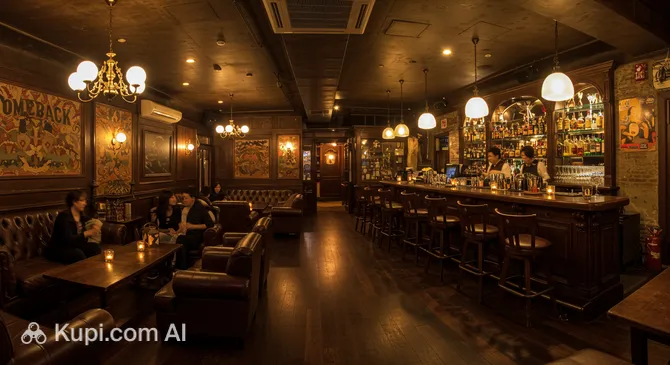
The heartbeat of the city after dark is undoubtedly the area surrounding Tiehua Road and the old railway station. While this district is famous for its glowing lanterns and artisan markets, it also serves as the launchpad for a night out. From here, you can explore the nearby streets where a growing number of bars and lounges have opened in renovated buildings. One such popular spot is the Comeback Bar. Known for its extensive selection of craft beers and cocktails, it offers a laid-back environment perfect for unwinding after a day of sightseeing. The venue often features a mix of modern and retro decor, creating a comfortable space to enjoy the slow-paced island vibes.
Comeback Bar. Illustration.
Source: Kupi.com AI
Traveler photos:
For those who prefer a lively combination of dining and drinking, the "izakaya" style creates a fantastic late-night atmosphere. Jingtanji Charcoal Grill & Bar is a prime example of this local favorite. Here, the scent of charcoal-grilled skewers fills the air, and patrons enjoy hearty portions of meat and seafood accompanied by cold drinks. It is an excellent place to experience the convivial spirit of Taitung's nightlife, where food and socializing go hand in hand well into the night.
Jingtanji Charcoal Grill & Bar. Illustration.
Source: Kupi.com AI
Traveler photos:
When planning your evening, keep in mind that the dress code in Taitung is almost universally casual; shorts and sandals are acceptable in nearly all venues. Most bars open around 8:00 PM and stay active until 1:00 AM or 2:00 AM. In terms of safety, the city is very secure for night walks, even in quieter neighborhoods. However, public transportation stops running early, so it is advisable to rely on taxis to get back to your accommodation. You can easily ask a venue's staff to call a cab for you, or use local taxi-hailing apps.
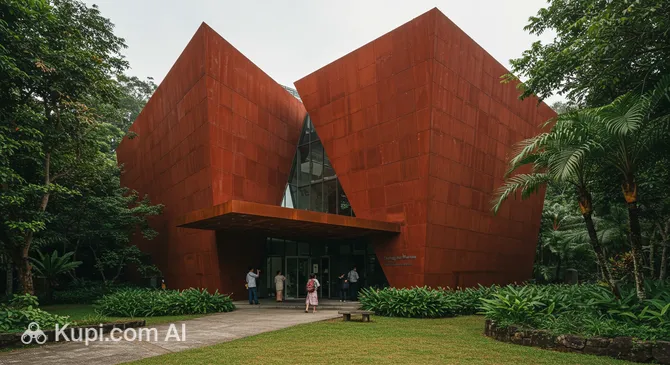
While the nights are chill, daytime entertainment in Taitung offers its own vibrant energy. Families and art lovers should visit the Taitung Art Museum, which hosts diverse exhibitions and features a large grassy courtyard perfect for picnics. For those traveling with children, the Hot Air Balloon Family Playground provides fun, themed activities that celebrate the region's famous balloon festival heritage.
Parks & Museums
The city's laid-back atmosphere extends into its numerous cultural venues and green spaces, which are designed to be accessible and relaxing. Unlike the imposing institutions found in larger capitals, the museums here are often integrated with nature, offering open-air environments where learning about local heritage feels like a leisure activity. From contemporary art spaces to hills offering panoramic views, these spots provide a deeper understanding of the region's artistic and geographical identity.
A prime example of this harmony is the Taitung Art Museum. As the first county-level art museum in Taiwan, it is celebrated not just for its exhibitions but for its inviting architecture. The complex features stark, modern geometric buildings softened by expansive grassy lawns and old trees. It is a dynamic space where visitors can explore contemporary artworks by local and international artists, and children can play in the dedicated treehouse area, making art appreciation a family-friendly experience.
Taitung Art Museum. Illustration.
Source: Kupi.com AI
Traveler photos:
For those seeking panoramic views and a bit of exercise, Liyu Mountain Park (Carp Mountain) is an unmissable landmark located right in the city center. Rising just 75 meters above sea level, this hill offers accessible hiking trails that lead to observation decks providing sweeping vistas of the urban landscape and the Pacific Ocean. The park is dotted with historical monuments and old bunkers, adding a layer of history to your walk. It is a favorite spot for locals to exercise in the morning or watch the sunset in the evening.
Liyu Mountain Park. Illustration.
Source: Kupi.com AI
Traveler photos:
To dive into the rich indigenous heritage of the region, a visit to the Kata Cultural Studio is highly recommended. This space is dedicated to the preservation and promotion of traditional Paiwan glass bead art. Visitors can learn about the cultural significance of different bead patterns, watch artisans at work, and even participate in DIY workshops to create their own souvenirs. It is an intimate and educational stop that connects travelers directly with the living traditions of Taiwan's First Nations.
Kata Cultural Studio. Illustration.
Source: Kupi.com AI
Traveler photos:
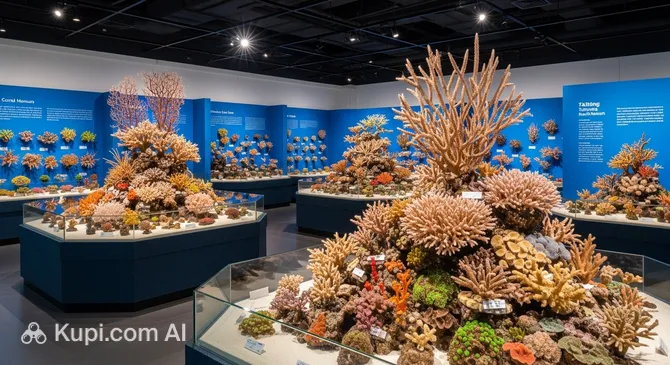
Another unique institution is the Taitung Coral Museum. Taiwan was once known as the "Coral Kingdom," and this museum showcases the history of the precious coral industry. Inside, you can admire exquisite coral sculptures and jewelry while learning about the ecology of these marine organisms and the importance of ocean conservation today. For those interested in coastal ecology, a stroll through Makabahai Park nearby offers a peaceful seaside setting to reflect on the natural beauty that surrounds the city.
Getting Around
Navigating Taitung requires a shift in mindset compared to the bustling metropolises of the west coast. The city does not have a metro or tram system; instead, the public transport network relies primarily on buses. For most visitors, the Taiwan Tourist Shuttle is the most convenient option. These dedicated bus routes are designed specifically for travelers, connecting the city center (usually starting from the Taitung Bus Station or Railway Station) to major scenic spots along the East Coast and the East Rift Valley. They are generally more punctual and tourist-friendly than standard local commuter buses.
For getting around the city itself and reaching nearby towns, you will rely on local bus operators like Dingdong Bus. While these buses cover a wide area, frequencies can be low, often with intervals of an hour or more between services. It is highly recommended to use a real-time transport app, such as "Bus+" or "Taiwan Bus," to track vehicle locations and check schedules, as waiting at a bus stop without this information can be time-consuming. Bus stops are usually marked with signs in both English and Chinese, helping you identify the correct route.
The payment system is seamless and integrated with the rest of the island. The most efficient way to pay for fares is by using an IC card, such as the EasyCard or iPASS. You can purchase and top up these cards at any major convenience store like 7-Eleven or FamilyMart, as well as at the train station. When boarding the bus, simply tap your card on the sensor; remember to tap again when alighting to ensure the correct fare is deducted. Cash is accepted, but you must have the exact change, as drivers do not carry coins.
Given the relaxed pace and spread-out nature of the attractions, many travelers find that renting a scooter or car is the most practical solution. Rental shops are plentiful around the Taitung Railway Station. This option offers the ultimate freedom to explore hidden beaches and mountain roads at your own pace. If you do not have a license, electric scooters (which often do not require a license for lower-speed models) and electric bicycles are popular alternatives.
Taxis are readily available, particularly at the airport, train station, and popular tourist hubs. unlike in Taipei where you might flag one down easily on any street, in Taitung it is often better to ask your hotel or restaurant to call one for you, or to head to a designated taxi stand. Most taxis run on a meter, but for longer day trips or excursions to specific scenic areas, you can often negotiate a fixed flat rate with the driver for a half-day or full-day hire.
Finally, Taitung is an incredibly bike-friendly city. The terrain in the city center is relatively flat, and there are extensive dedicated cycle paths, including the famous loop around the Taitung Forest Park and the Seashore Park. Many guesthouses offer free bicycles to guests, and rental stations are common near major parks. Cycling is not just a mode of transport here; it is a popular leisure activity that allows you to soak in the fresh Pacific air while moving between city attractions.
Accommodation
Finding the perfect place to stay in Taitung is an easy task, as the city offers a diverse array of accommodation options to suit every budget and travel style. The selection ranges from economical hostels designed for backpackers to comfortable mid-range hotels and luxurious resorts. However, Taitung is particularly celebrated for its thriving culture of "minsu" (homestays). These family-run establishments often provide a more personalized and authentic experience than standard chain hotels, featuring unique architectural designs and warm, local hospitality.
When choosing a location, travelers typically decide between three main areas based on their itinerary. The city center, particularly around the old railway station and the music village, is ideal for those who want to be within walking distance of local food, night markets, and cultural attractions. Conversely, the area surrounding the current Taitung Railway Station is populated with numerous modern B&Bs and is very convenient for transit, though it is slightly removed from the downtown buzz. For a more therapeutic stay, the nearby Zhiben (Chihpen) district is famous for its hot spring resorts, offering a relaxing escape just a short drive from the city.
Accommodation prices in Taitung are generally affordable compared to Taiwan's major metropolises. Budget travelers can expect to find dormitory beds or simple rooms at very reasonable rates, while mid-range hotels and homestays offer excellent value with modern amenities. Luxury options, particularly those with hot spring facilities, are available at a higher price point. While major international booking platforms are widely used, some smaller, traditional homestays may prefer direct booking through social media or messaging apps.
A crucial tip for planning your stay is to be mindful of the local event calendar. During peak seasons, especially during the Lunar New Year and the internationally renowned Taiwan International Balloon Festival in summer, rooms can sell out months in advance. To secure your preferred accommodation and avoid price surges, it is highly recommended to book well ahead of time if your trip coincides with these major holidays or festivals.
Nearby Cities
For those looking to explore the surroundings, Taitung serves as an excellent base for day trips to several interesting nearby locations:
Located just across the southern mountains and accessible via the scenic South Link Railway, Pingtung City offers a vibrant urban escape. This city is renowned for the Victory Star Village Creative Life Park, where restored historical military dormitories have been transformed into a hub of charming cafes, independent bookstores, and design shops. Visitors can enjoy a mix of Hakka and indigenous cultures, along with a bustling night market scene that provides a lively contrast to Taitung's more relaxed pace.
Another delightful destination is Chaozhou, a town that has become a favorite among food enthusiasts. It is famously the home of "Hot and Cold Ice," a unique dessert featuring steaming hot ingredients like taro and mochi served atop a mound of shaved ice. Beyond its culinary treats, the town offers a nostalgic atmosphere and easy access to the Linhousilin Forest Park, making it a perfect spot for a leisurely afternoon.
For travelers interested in traditional architecture and heritage, Neipu provides a deep dive into Hakka culture. As one of the centers of the Hakka community in southern Taiwan, it features preserved old streets and the Liudui Hakka Cultural Park, where visitors can learn about the history, craftsmanship, and agricultural traditions of the local people.
City
Population
Distance
Beinan
16 798
7 km
Taimali
10 763
22 km
Chenggong
13 193
45 km
Fuli
9 681
47 km
Gaoshu
23 162
56 km
These nearby destinations offer a glimpse into the diverse culture and landscapes of the region.
Shopping & Souvenirs
Shopping in Taitung offers a refreshing departure from the high-end luxury malls of the capital, focusing instead on local craftsmanship, agricultural bounty, and indigenous heritage. While you will not find rows of international designer boutiques, the city provides a treasure trove of unique souvenirs that reflect the region's cultural diversity. From handmade aboriginal crafts to locally grown produce, the shopping experience here is intimate, authentic, and deeply connected to the land and its people.
The commercial heartbeat of the city is Zhonghua Road. This bustling artery runs through the center of town and is lined with a variety of shops selling everything from clothing and electronics to local specialties. It is the best place to find general necessities, souvenirs, and traditional bakeries. As you stroll down this street, you will encounter numerous stores selling "Mochi" (glutinous rice cakes), a popular local treat that makes for a great gift.
For a more modern retail experience, the Taitung Showtime Plaza is the city's primary shopping complex. Located near the Tiehua Music Village, this multi-story building combines a cinema with a selection of retail brands, restaurants, and lifestyle stores. It provides a comfortable, air-conditioned environment where visitors can shop for apparel, accessories, and Japanese goods, making it a convenient stop for those looking for familiar conveniences.
The most distinctive shopping experience in Taitung is undoubtedly found at the creative markets. The Railway Art Village (Tiehua Music Village) hosts a charming "Slow Bazaar" in the evenings. Under the glow of hot air balloon lanterns, local artisans set up stalls selling handmade leather goods, wood carvings, woven textiles, and original artwork. It is the perfect place to find one-of-a-kind items directly from the creators while soaking in the artistic atmosphere.
While often visited for food, the Siwei Night Market also features a significant section dedicated to merchandise. Here, you can browse through rows of stalls offering affordable clothing, phone accessories, toys, and household items. It offers a classic Taiwanese night market experience where bargaining is common and the variety of goods is eclectic.
When it comes to souvenirs, Taitung is famous for its indigenous arts. A visit to the Kata Cultural Studio offers the chance to purchase exquisite Paiwan glass beads, each pattern holding a specific blessing or meaning. These beads are not just jewelry but significant cultural symbols. Additionally, the region's agricultural products, such as dried Roselle flowers, premium Chishang rice, and custard apple (Sakya) pastries, are excellent edible souvenirs to bring back home.
Given the city's history with the coral industry, jewelry enthusiasts might find interest in the Taitung Coral Museum. The shop here offers a range of coral jewelry and ornaments. While purchasing coral requires ethical consideration, the museum provides certified pieces and educates visitors on the distinction between precious coral and reef-building coral.
Taitung Coral Museum. Illustration.
Source: Kupi.com AI
Traveler photos:
Most retail shops in Taitung operate from around 10:00 AM or 11:00 AM until 9:30 PM or 10:00 PM. The night markets typically start setting up around 5:00 PM and run until midnight. While the Showtime Plaza, convenience stores, and larger souvenir shops accept credit cards and mobile payments, cash is essential for street markets, small local boutiques, and food stalls. ATMs are widely available at convenience stores throughout the city.
Tax-free shopping is available for foreign tourists at designated stores that display the "Taiwan Tax Refund" sign (TRS). If you spend a minimum of TWD 2,000 at these participating retailers on the same day, you can request a tax refund form. However, since many of Taitung's best goods are found in small artisan stalls or markets, most of your unique purchases will likely be tax-inclusive cash transactions.