Support

Taichung

About

Welcome to Taichung, a dynamic metropolis that perfectly blends cultural heritage with modern innovation. Located in the central basin of Taiwan, Republic of China, this vibrant city is often praised for its pleasant climate and high quality of life. As the second-largest city on the island, with a population exceeding 3 million, Taichung serves as a crucial economic and cultural hub, offering travelers a relaxed yet sophisticated atmosphere distinct from the bustling capital in the north.
Taichung. Source: Kupi.Binoculars

Geographically, the city benefits from a unique position that shields it from the full force of seasonal storms, resulting in weather that is generally sunnier and drier than in other parts of the region. This favorable climate makes it an ideal destination for exploring year-round. While wandering through its wide boulevards and lush green spaces, visitors can discover the fascinating history of Taichung, which traces its evolution from an early agricultural settlement to a major industrial and artistic center.

The city is renowned for its world-class attractions and a thriving arts scene. Architecture enthusiasts will be captivated by the National Taichung Theater, an opera house known for its stunning, fluid design. For those seeking authentic local flavor, the Fengjia Night Market is a must-visit, offering one of the largest and most diverse selections of street food in the country. Nature lovers often flock to the Gaomei Wetlands to witness breathtaking sunsets over the wind turbines and tidal flats.

Whether you are here to indulge in bubble tea—which famously originated in this city—or to explore its colorful cultural parks, Taichung promises an unforgettable experience. We invite you to immerse yourself in the warmth and creativity of this central Taiwanese gem.
Weather Overview

Travelers planning a visit will find that the weather in Taichung is generally mild and comfortable, owing to its subtropical climate and protective geographical location. The city experiences distinct seasons, with temperature patterns that allow for year-round exploration. Expect warm, humid summers with frequent rain and mild, relatively dry winters that are perfect for outdoor sightseeing.

Winter in Taichung, spanning from December to February, is pleasant rather than harsh. January is typically the coolest month, with average temperatures around 16.8°C and average lows hovering around 14.1°C. Rainfall is minimal during this period, with only about 8 to 9 wet days per month, providing plenty of clear skies for visiting local landmarks.

As the seasons shift, the city warms up significantly. By July, the average temperature climbs to 27.5°C, with average daily highs reaching 30.0°C. The summer months, particularly June and August, are characterized by a significant increase in humidity and rainfall, seeing between 23 and 25 wet days per month. Despite the frequent showers, the warm weather keeps the city lively, though travelers should pack an umbrella or raincoat for their daily adventures.

Interesting Facts

Beyond its bustling night markets and modern architecture, Taichung holds many fascinating secrets and historical quirks that surprise even seasoned travelers. From culinary inventions to rare industrial heritage, the city offers unique stories waiting to be discovered.

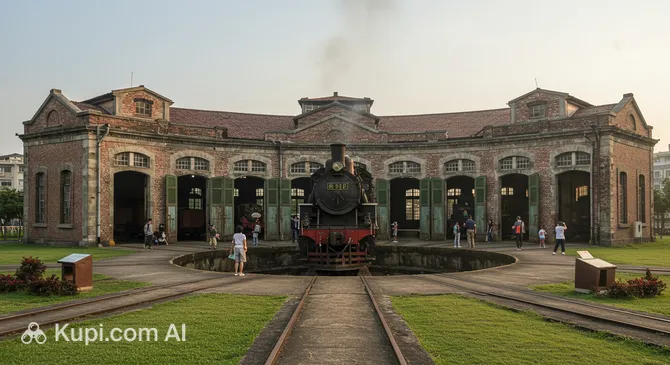
Changhua Roundhouse. Source: Kupi.Binoculars
  • Taichung is widely celebrated as the birthplace of bubble tea, the beloved drink now famous worldwide. It is believed that a local tea house in the 1980s first experimented by adding tapioca pearls to iced tea, sparking a global beverage phenomenon that started right here in the city.

  • The region preserves a remarkable piece of railway history at the Changhua Roundhouse. Built in 1922, this operational fan-shaped garage is one of the few remaining structures of its kind in the world, allowing visitors to watch locomotives being rotated on a functional turntable for maintenance.

  • One of the city's most photogenic spots, Miyahara, is actually a dessert shop housed in a former ophthalmology clinic from 1927. The building retains its red-brick colonial charm and features a stunning interior that resembles a magical library, serving ice cream instead of medicine.

  • While many visit for the sunsets, the Gaomei Wetlands are also a critical ecological sanctuary. The area hosts a diverse range of wildlife, including the rare Yunlin sedge plant and large flocks of migratory birds that stop here during the winter season.

How to Get There

Reaching this vibrant metropolis is convenient thanks to its central location and excellent transport connections. Travelers can choose from direct flights or high-speed ground transport from other parts of the island. For a detailed overview of all travel options, you can read more about how to get to Taichung.

The most direct way to arrive is via Taichung International Airport (RMQ), situated in the nearby district of Shalu, approximately 12 km from the city center. This airport handles a variety of regional flights and offers a quick route into town, taking about 40 minutes by taxi or bus depending on traffic. It is an ideal choice for those looking to minimize travel time upon arrival.

Alternatively, many international visitors fly into Taiwan Taoyuan International Airport (TPE) in Taipei, the island's primary aviation hub. Although it is located about 116 km from Taichung, it offers a much wider range of global connections. The journey from the airport to Taichung takes approximately 3 hours by road, though many travelers prefer transferring to the high-speed rail for a faster connection.

For clarity, here is a summary of the main airports:

Airport Name City Passenger Traffic Km from City
Taiwan Taoyuan International Airport Taipei Large 116.0
Magong Airport Magong Medium 125.3
Taichung International Airport Shalu Medium 12.0
Taichung Airport Taichung Medium 3.2
Hualien Airport Hualien Small 97.0

In addition to air travel, Taichung is a major hub on the island's railway network. The city is well-served by both the Taiwan High Speed Rail (THSR) and the regular Taiwan Railways Administration (TRA) lines, making it easily accessible from major cities like Taipei and Kaohsiung.

Main Attractions

Taichung is a city that seamlessly blends urban energy with cultural depth, offering a wide array of attractions for every type of traveler. From educational hubs and historic streets to bustling markets, the city and its surrounding areas provide endless opportunities for exploration and discovery.

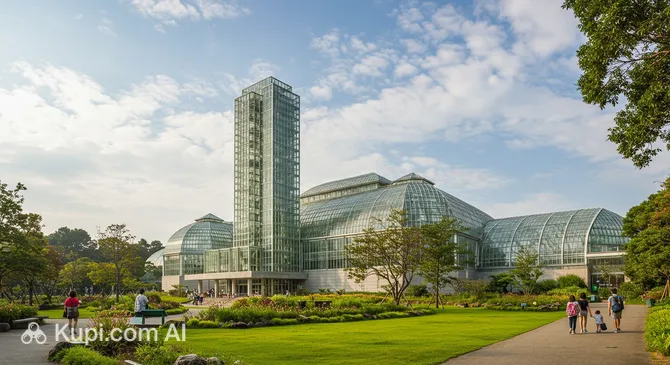
A must-visit for families and science enthusiasts is the National Museum of Natural Science. This expansive complex is one of the most visited museums in the country, featuring interactive exhibits on astronomy, ecology, and anthropology. Visitors can marvel at life-sized dinosaur animatronics, explore the lush Botanical Garden, or enjoy an immersive show at the Space Theater. It is a perfect spot to spend a day learning about the natural world in an engaging environment.

National Museum of Natural Science. Source: Kupi.Binoculars

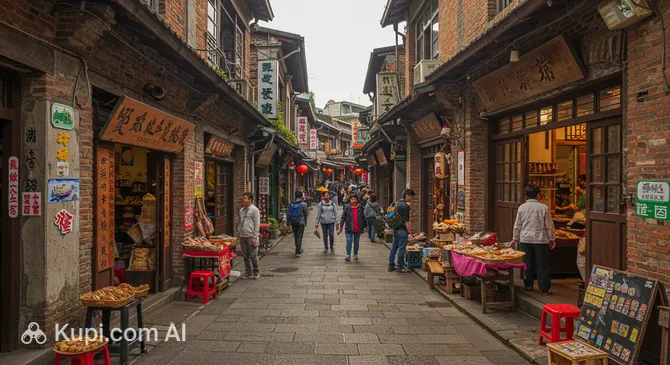
For a journey back in time, a trip to Lukang Old Street offers a glimpse into the region's rich heritage. Although located just outside the main city limits, it is a top cultural destination where travelers can wander through winding red-brick alleys lined with traditional majestic houses. The area is famous for its preserved architecture, artisan shops selling local crafts, and delicious traditional snacks that reflect the flavor of old Taiwan.

Lukang Old Street. Source: Kupi.Binoculars

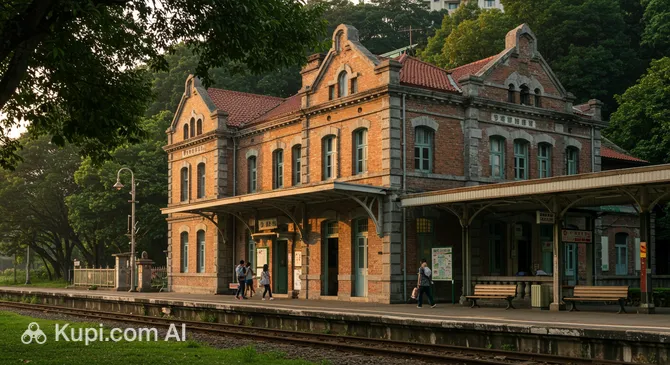
Nature lovers and railway fans will appreciate the nostalgic charm of Shengxing Station. Situated at the highest point of the historic Old Mountain Line, this wooden station was built in the early 20th century without the use of nails. The surrounding area is scenic and peaceful, offering trails and a relaxing atmosphere that contrasts with the busy city center. It serves as a beautiful reminder of the island's railway history.

Shengxing Station. Source: Kupi.Binoculars

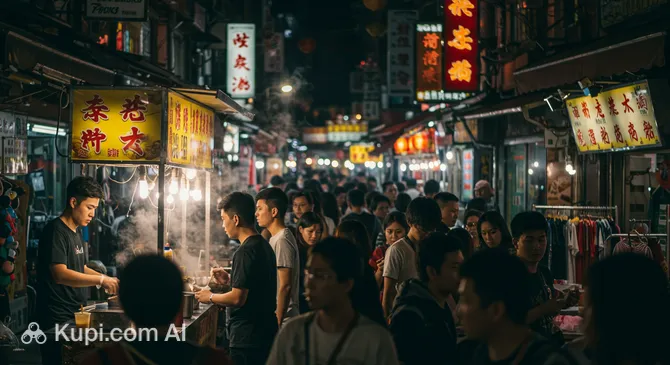
If you are looking for a vibrant shopping and dining experience that caters to a younger crowd, the Yizhong Street Night Market is the place to go. Located near local universities and schools, this market is packed with trendy fashion boutiques, accessory shops, and an abundance of affordable street food. It offers a high-energy atmosphere where you can taste popular local treats like oversized fried chicken chops and bubble tea while soaking in the local youth culture.

Yizhong Street Night Market. Source: Kupi.Binoculars

Local Cuisine

The culinary landscape of Taichung is a delightful fusion of traditional Taiwanese flavors and innovative dining concepts. As a city that sits at the crossroads of the island, it draws influence from both north and south, creating a food scene that is diverse, affordable, and incredibly tasty. Visitors will find everything from humble street stalls serving generations-old recipes to grand, modern restaurants that turn dining into a luxurious experience.

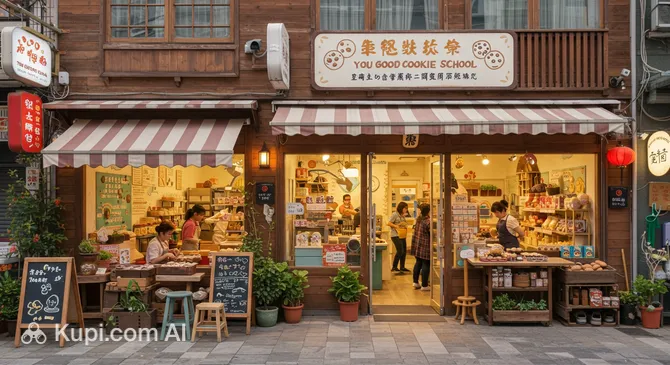
One cannot talk about the local cuisine without mentioning Suncakes (Taiyang Bing), the city's most iconic pastry. These round, flaky cakes are filled with a sweet, sticky maltose paste and are often enjoyed with tea. They are so integral to the local culture that there are entire establishments dedicated to them, such as the You Good Cookie School, where visitors can learn about their history and production. Another signature treat is the Taichung Meatball, which differs from other regional varieties by being deep-fried at a lower temperature, resulting in a chewy, translucent skin filled with savory pork and bamboo shoots.

You Good Cookie School. Source: Kupi.Binoculars

Taichung is also celebrated as the birthplace of Bubble Tea (Pearl Milk Tea). What started here as an experiment in the 1980s has become a global phenomenon. In this city, you can visit the original tea houses that claim to have invented the drink, enjoying it in its most authentic form—rich, creamy, and perfectly balanced with chewy tapioca pearls. Beyond tea, the city has a vibrant café culture, with many independent shops roasting their own beans and offering unique blends.

For a sit-down meal, the city is famous for its spectacular Yakiniku (Japanese-style BBQ) restaurants. Unlike the cramped eateries found elsewhere, Taichung's BBQ spots are known for their massive scale, elegant interiors, and impeccable service. Places like the Umai Chongde Branch are legendary among locals for their high-quality meats and hearty set menus, often requiring reservations weeks in advance due to their popularity.

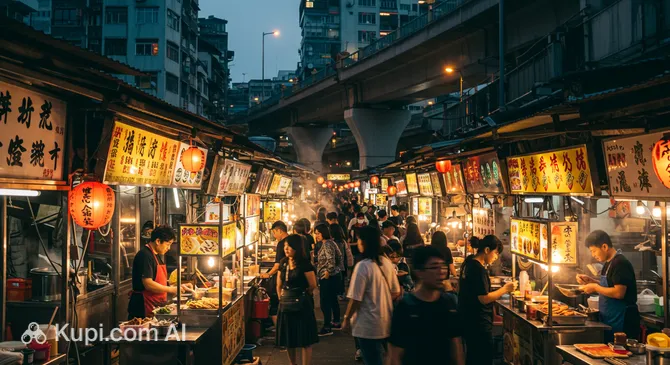
Finally, no culinary tour is complete without visiting a night market. While there are many to choose from, the Hanxi Night Market is a favorite among local residents for its wide variety of stalls and less touristy vibe compared to others. Here, you can feast on everything from grilled squid and stinky tofu to fresh fruit juices, soaking up the lively atmosphere that defines Taiwan's night life.

Hanxi Night Market. Source: Kupi.Binoculars

Travel Tips

To ensure your journey through this vibrant metropolis is as smooth and enjoyable as possible, we have compiled a list of essential advice for visitors. While Taichung is known for its laid-back atmosphere and friendly locals, keeping these practical details in mind will help you navigate the city with confidence and ease.

  1. Clothing and Gear: Since the city enjoys a subtropical climate, lightweight and breathable clothing is best for most of the year. However, if you are visiting between December and February, bring a light jacket or layers, as evenings can get chilly. Comfortable walking shoes are a must, especially for exploring the expansive night markets. Don't forget a compact umbrella or raincoat, particularly if you travel during the rainy summer season.

  2. Transportation: The most convenient way to get around is by using an EasyCard or iPass, which are rechargeable smart cards available at any convenience store. These cards work on the TMRT (Metro), local buses, and even for renting YouBike bicycles. Remember that when taking the bus, you must tap your card both when boarding and when alighting to avoid your card being locked.

  3. Finances: The local currency is the New Taiwan Dollar (TWD). While credit cards are widely accepted in department stores, hotels, and upscale restaurants, cash is king at night markets, small eateries, and street stalls. ATMs are extremely accessible and can be found in almost every 24-hour convenience store (like 7-Eleven or FamilyMart), accepting most international cards. Tipping is not customary in local culture.

  4. Health and Safety: Taichung is a very safe city for travelers, even at night. However, tap water is generally not considered safe to drink directly; stick to bottled or filtered water, which is readily available. If you are visiting outdoor attractions like the wetlands or hiking trails, carrying mosquito repellent is highly recommended to prevent bites, especially in the warmer months.

  5. Communication: Mandarin Chinese is the main language. While younger people and hotel staff often speak some English, it is less common among taxi drivers and street vendors. We recommend downloading a translation app and having your destination address written in Chinese. Buying a local SIM card with unlimited data at the airport or a convenience store is very affordable and useful for navigation.

  6. Local Etiquette: Politeness is highly valued. When handing money or a credit card to a cashier, it is polite (though not strictly required) to use both hands. On public transport, always keep your voice down, and never sit in the priority seats (usually dark blue) unless you are elderly, pregnant, or injured, as locals respect this rule strictly.

  7. What to Avoid: Strictly avoid eating, drinking (even water), or chewing gum while inside the TMRT (Metro) stations and trains. This rule is enforced with heavy fines. Additionally, never stick your chopsticks vertically into a bowl of rice, as this resembles incense sticks used in funeral rituals and is considered very taboo.

  8. Receipt Lottery: Don't be surprised if cashiers always hand you a receipt, even for small purchases. Taiwan has a "Uniform Invoice Lottery" printed on receipts to encourage tax compliance. While you might not stay long enough to check the winning numbers, you can donate these receipts into designated charity boxes found in convenience stores to support local causes.

Armed with these practical tips, you are ready to dive into the local culture and explore everything the city has to offer. Whether you are hunting for the best street food or admiring modern architecture, Taichung is a welcoming destination that is sure to leave you with wonderful memories.

Entertainment & Nightlife

Entertainment and Nightlife:

When the sun sets, Taichung transforms into a vibrant playground of lights, music, and culinary delights. While the city is famous for its bustling night markets, the evening entertainment scene extends far beyond street food. Visitors can discover a mix of sophisticated bars, high-energy karaoke venues, and romantic scenic spots that offer a perfect end to a day of exploration. The atmosphere is generally more relaxed than in the capital, making it easy to enjoy a night out without feeling overwhelmed.

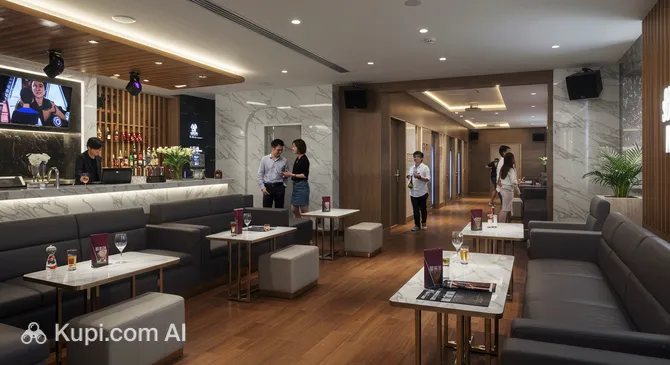
One of the most popular forms of nightlife in Taiwan is Karaoke TV (KTV), which is a social institution rather than just a hobby. Unlike open-mic bars in the West, KTV here involves renting private rooms with friends, complete with food and drink service. For a premium experience, travelers can visit the Superstar Self-Service KTV Zhongjie Chongde Branch. These venues are known for their lavish interiors, high-quality sound systems, and 24-hour operations, allowing you to sing your heart out until dawn in a comfortable and private setting.

Superstar Self-Service KTV Zhongjie Chongde Branch. Source: Kupi.Binoculars

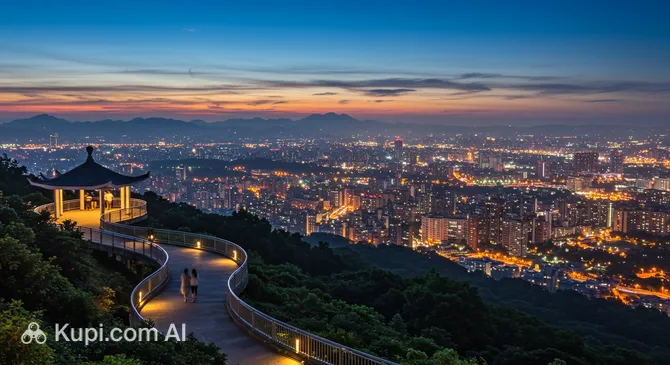
For those who prefer a quieter evening with breathtaking scenery, the city offers some of the best night views on the island. A top recommendation is Wanggaoliao Night View Park, located on the Dadu Plateau. This park provides a panoramic 180-degree view of the glittering cityscape and is a favorite spot for couples and photographers. It is well-lit and safe, making it an ideal place for a romantic stroll or simply to admire the urban lights from above.

Wanggaoliao Night View Park. Source: Kupi.Binoculars

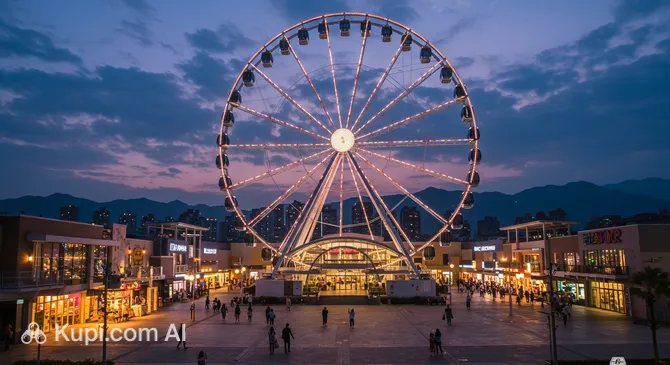
If you are looking for entertainment that spans from day to night, the Lihpao Land area is a major destination. Dominating the skyline is the massive Sky Dream Ferris Wheel, the largest of its kind in Taiwan. Riding it in the evening offers a spectacular vantage point, with lights illuminating the surrounding amusement park and mountains. It serves as a great bridge between daytime family fun and evening relaxation.

Sky Dream Ferris Wheel. Source: Kupi.Binoculars

While nightlife is the focus, Taichung also boasts excellent daytime entertainment options. Families can spend hours at Discovery World, an amusement park featuring thrilling roller coasters and water rides. For culture seekers, the city's theaters and art spaces often host matinee performances. However, as evening approaches, the energy shifts towards the districts around Fengjia University and the Calligraphy Greenway, where you can find a high concentration of trendy bistros, craft beer bars, and live music venues catering to a stylish crowd.

Practical Nightlife Tips:

  • Safety: Taichung is incredibly safe for night walks. Violent crime is rare, and main streets remain well-lit and populated.
  • Transport: The Metro (TMRT) usually stops running around midnight. After that, Uber and yellow taxis are plentiful, safe, and affordable. You can easily hail a cab on the street or use convenience store kiosks to call one.
  • Dress Code: The vibe is generally casual. Smart casual is appropriate for most bars and KTVs; formal wear is rarely required unless attending a specific high-end event.
  • Timing: Bars typically get busy after 9:00 PM. KTVs are popular around the clock but peak on Friday and Saturday nights, so booking in advance is recommended.

Parks & Museums

Beyond its bustling streets and culinary delights, Taichung offers a refreshing escape into nature and a deep dive into cultural creativity. The city and its surrounding regions are dotted with expansive green spaces, architectural marvels, and institutions that celebrate both local history and modern art. Whether you are seeking the tranquility of a mountain forest or the inspiration of a world-class gallery, this destination provides ample opportunities to slow down and appreciate the finer details of Taiwanese life.

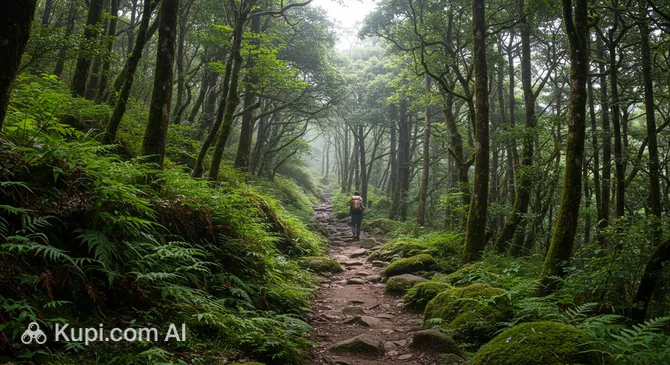
For nature enthusiasts willing to venture slightly further afield, the Daxueshan National Forest Recreation Area is a pristine sanctuary located at higher altitudes. Known for its rich biodiversity, this park offers cool, crisp air even during the sweltering summer months. Visitors can hike through ancient cypress forests, spot rare endemic bird species, and enjoy breathtaking views of the sea of clouds. It is a perfect spot for those looking to immerse themselves in the raw beauty of Taiwan's central mountain range.

Daxueshan National Forest Recreation Area. Source: Kupi.Binoculars

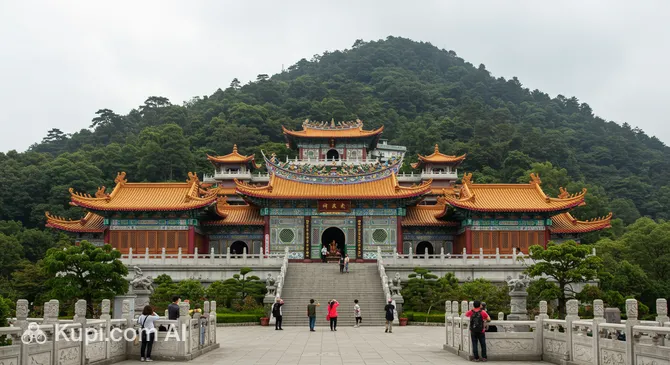
Closer to the urban area, the Bagua Mountain Buddha Scenic Area serves as both a spiritual landmark and a recreational park. Dominated by a colossal Buddha statue that sits atop the hill, the area features a skywalk offering panoramic views of the city below. The surrounding parkland is lush and well-maintained, making it a popular destination for leisurely walks and witnessing spectacular sunsets over the cityscape.

Bagua Mountain Buddha Scenic Area. Source: Kupi.Binoculars

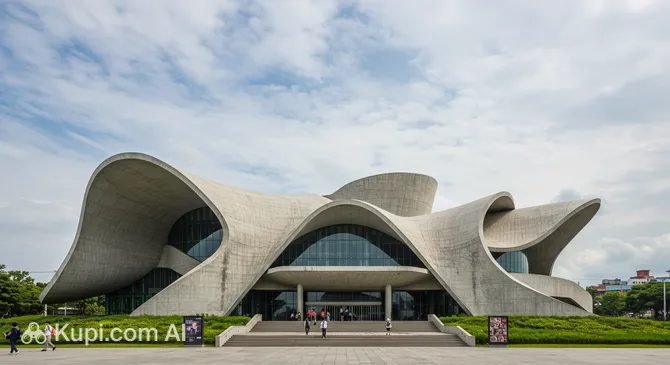
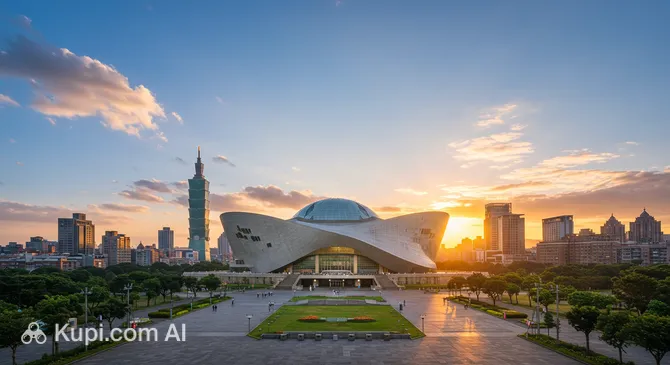
In the realm of culture and arts, the National Taichung Theater stands as an architectural masterpiece designed by Toyo Ito. While it functions as a premier venue for opera and theater, the building itself is a work of art worth visiting. Its curved, cavernous walls and sound-cave concept create a unique sensory experience. Visitors are encouraged to explore the fluid interior spaces, roof garden, and artistic shops even if they are not attending a performance.

National Taichung Theater. Source: Kupi.Binoculars

A newer addition to the city's cultural landscape is the National Taiwan Museum of Comics. Housed in a repurposed historical complex, this museum celebrates the art of storytelling through graphic novels and manga. It highlights the evolution of comics in Taiwan and offers interactive exhibits that appeal to both nostalgic adults and younger generations, blending historical architecture with pop culture.

For a more intimate cultural experience, consider visiting the Lukang Artist Village. Located in a historic district, this venue has transformed traditional Japanese-style dormitories into studios for local artists. Tourists can watch artisans at work, participate in DIY workshops, and purchase unique handmade souvenirs, providing a direct connection to the region's living artistic heritage.

Getting Around

Navigating Taichung is a straightforward and efficient experience, thanks to a well-integrated public transport network that connects the bustling city center with suburban districts and scenic spots. The system primarily relies on a comprehensive bus network and a modern metro line, supplemented by local trains and a popular public bicycle sharing scheme. Whether you are heading to a night market or a museum, getting around is affordable and convenient.

The Taichung Metro (TMRT) is the newest addition to the city's transport infrastructure. Currently, the Green Line operates as the main artery, running from the High Speed Rail (HSR) station in the south to the northern districts. The trains are driverless, offering passengers a unique view from the front window, and the stations are clean, safe, and equipped with English signage. It is the fastest way to travel between key hubs, such as the City Hall and the HSR station.

For destinations not covered by the metro, the city bus system is the most extensive option. Taichung has a dense network of bus routes that cover virtually every corner of the city. Buses are modern and air-conditioned, with digital displays indicating the next stop. While the route map can seem complex at first, the dedicated bus lanes on major boulevards ensure that travel remains relatively quick, even during peak hours.

Payment across all forms of public transport is best handled using a rechargeable smart card, such as the EasyCard or iPass. These cards can be purchased and topped up at any convenience store (like 7-Eleven or FamilyMart) or at metro stations. Using a card is not only more convenient than fumbling for exact change but also offers discounted fares compared to cash tickets. Fares are calculated based on distance, making it a very budget-friendly way to explore.

A crucial rule for using buses in Taichung is to tap your card both when boarding and when alighting. Failing to tap off will result in your card being locked, which can be a hassle to unlock on your next ride. Metro stations use a simple tap-in and tap-out gate system. Operating hours for the metro generally run from 6:00 AM to midnight, while bus schedules vary, with some major routes running late into the evening.

For short distances, the YouBike 2.0 public bicycle system is highly recommended. You will see these yellow and white bikes docked at stations throughout the city, often near bus stops and metro exits. You can rent one simply by registering your EasyCard with a local phone number or using a credit card via the official app. It is a fantastic way to explore the city's parks and the Calligraphy Greenway at your own pace.

If you prefer a more direct route, taxis and ride-hailing apps like Uber are widely available. Yellow taxis can be hailed on the street or found at designated stands; they run on a meter, so there is no need to haggle. For navigating the system, tourists are advised to download apps like "Taichung Bus" or simply use Google Maps, which provides accurate real-time arrival estimates and route planning.

A special feature of the local transport landscape is the reliance on the Taiwan Railways (TRA) for intra-city travel. The local train line runs elevated through the city center, functioning almost like a second metro line. It connects the main Taichung Station with regional hubs like Fengyuan and Daqing, offering a scenic and nostalgic way to move between districts while avoiding road traffic.

Accommodation

Where to Stay:

Finding the perfect place to stay in Taichung is relatively easy, as the city offers a diverse range of accommodation options to suit every budget and travel style. From stylish hostels and budget-friendly business hotels to opulent international resorts, visitors will find a welcoming standard of hospitality. The city's layout is spacious, so choosing the right location can significantly enhance your travel experience, whether you prioritize proximity to night markets, transport hubs, or artistic districts.

For most travelers, the West District is a top choice. This area, particularly around the Calligraphy Greenway, is the cultural heart of the city, lined with leafy promenades, cafes, and museums. It offers a relaxed atmosphere perfect for families and couples. Alternatively, the Xitun District is ideal for foodies and night owls, as it places you right next to the famous Fengjia Night Market. If convenience is your main priority, the Central District near the Taichung Railway Station provides excellent access to buses and trains, along with numerous affordable lodging options.

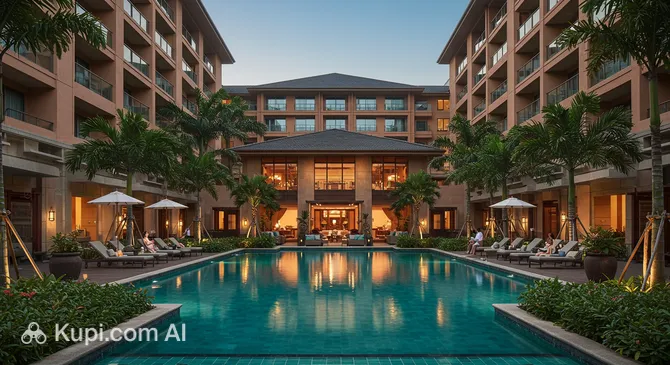
Travelers looking for a premium experience with world-class amenities will find several high-end establishments. A notable example is the Taichung InterContinental Hotel, which is renowned for its modern luxury, extensive facilities, and exceptional service. Staying in such established venues often guarantees a comfortable retreat after a long day of exploring the bustling metropolis.

Taichung InterContinental Hotel. Source: Kupi.Binoculars

In terms of pricing, Taichung is generally more affordable than Taipei. Budget travelers can find dormitory beds or simple guesthouses for approximately $15 to $40 USD per night. Mid-range hotels, which are plentiful and often very modern, typically range from $50 to $100 USD. Luxury accommodations usually start from $150 USD and go up depending on the season and amenities. Booking is most conveniently done through major online travel platforms, which offer competitive rates and user reviews.

Booking Tip: While it is usually possible to find a room on short notice during the week, weekends and national holidays can see high demand. If you plan to visit during the Lunar New Year or major festivals, it is highly recommended to book your accommodation at least one to two months in advance to secure your preferred location and rate.

Nearby Cities

For those looking to explore the surroundings, Taichung serves as an excellent base for day trips to several interesting nearby locations.

Just a short journey away is Changhua, a city rich in cultural heritage and famous for the towering Great Buddha statue on Bagua Mountain. Visitors often flock here not only for the spiritual sites but also to taste the celebrated local specialty, "Ba-wan" (meat dumplings), and to explore the historic railway roundhouse.

To the south lies Nantou, the gateway to Taiwan's mountainous interior. Known for its scenic beauty and extensive tea plantations, it offers a refreshing escape into nature. The area serves as a perfect starting point for exploring the lush landscapes and enjoying the slower pace of life found in the island's only landlocked county.

City Population Distance (km)
Changhua 750,000 15
Shalu 154,074 12
Yuanlin 122,518 25
Nantou 101,606 27
Caotun 96,838 21

These nearby destinations offer a glimpse into the diverse culture and landscapes of the region.

Shopping & Souvenirs

Taichung is a paradise for shoppers, offering a seamless blend of modern luxury and traditional charm. From gleaming department stores to energetic street markets, the city caters to every style and budget. Whether you are hunting for international designer brands or quirky local accessories, the retail scene here is vibrant and accessible.

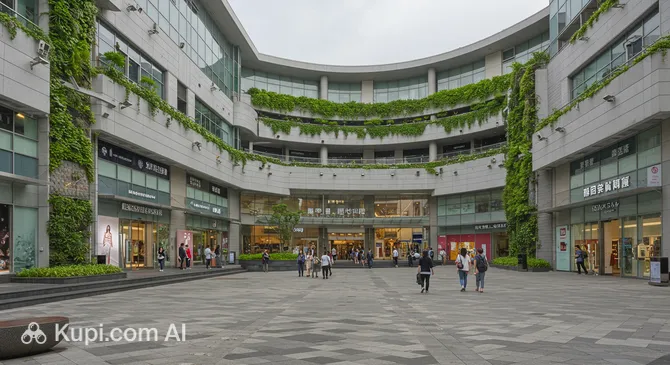
For those seeking a premium shopping experience, the city's commercial districts are home to several large-scale malls. The Zhonggang Store is a standout destination, known for its extensive collection of high-end fashion labels, cosmetics, and a bustling food court. It serves as a major lifestyle hub where locals and visitors alike spend their weekends.

Zhonggang Store. Source: Kupi.Binoculars

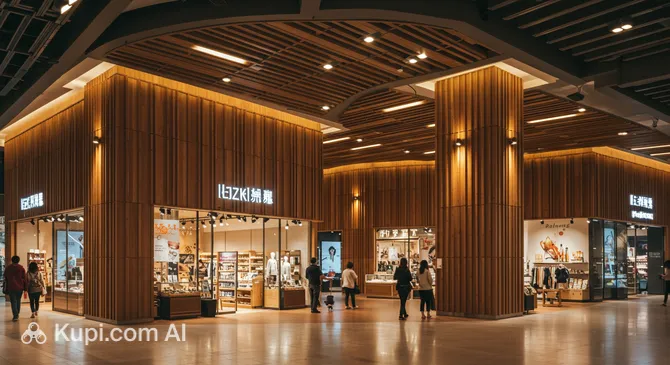
Another excellent spot for retail therapy is the Hizuki Town Shopping Mall. This beautifully designed complex offers a relaxed atmosphere with a variety of shops, restaurants, and entertainment options, making it perfect for a family outing or a leisurely afternoon of browsing.

Hizuki Town Shopping Mall. Source: Kupi.Binoculars

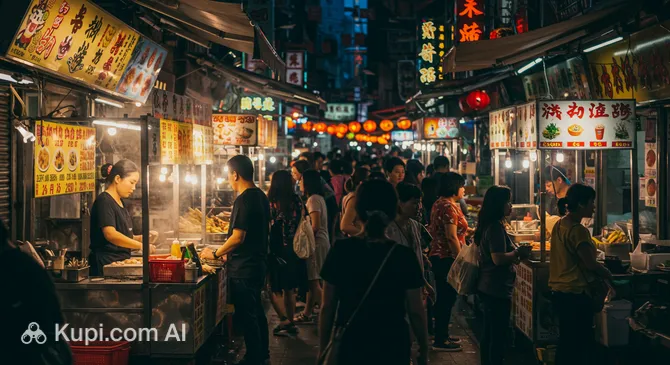
However, the true heart of Taiwan's shopping culture beats in its night markets. These are not just for food; they are fashion hotspots where trends are born. The Fengjia Night Market is the most famous example, sprawling near the university. It is renowned for its vast selection of affordable clothing, shoes, and smartphone accessories, often featuring the latest styles from across Asia before they hit mainstream stores.

Fengjia Night Market. Source: Kupi.Binoculars

For a younger, trendier vibe, the Yizhong Street Night Market is the place to go. Located near several schools, it specializes in youth fashion and sportswear at student-friendly prices. Meanwhile, those looking for traditional souvenirs should pick up a box of suncakes (Taiyang Bing), the city's signature pastry. You can find these at specialty shops or visit the You Good Cookie School to learn more about this local delight. For handmade crafts and heritage goods, a trip to Lukang Old Street offers a nostalgic shopping experience filled with artisanal treasures.

Reached the end of the page?

That means the route is fully explored