Support

Yonaguni

About

Yonaguni is a captivating destination that offers a glimpse into the raw and untamed beauty of the Ryukyu archipelago. As the westernmost inhabited island of Japan, it holds a unique geographical significance, located just over 100 kilometers from the coast of Taiwan, which can often be seen on the horizon on clear days. This remote island in Okinawa Prefecture is far removed from the bustle of mainland cities, providing a serene and rugged atmosphere that appeals to adventurers and nature lovers alike.

With a population of approximately 1,700 residents, the island maintains a tight-knit community feel amidst its dramatic landscapes. The terrain is characterized by steep cliffs, rolling pastures, and azure waters. The climate here is subtropical, ensuring warm temperatures year-round, though the island is known for its strong currents and winds, which have shaped its distinct topography over millennia.
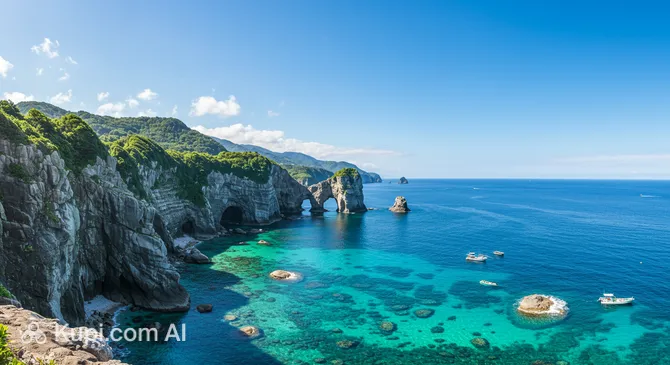
Yonaguni. Source: Kupi.Binoculars

Travelers are primarily drawn to Yonaguni for its spectacular diving opportunities. The island is world-renowned for the mysterious Yonaguni Monument, a massive underwater rock formation that resembles ancient architectural ruins. Whether natural or man-made, these submerged terraces attract divers from across the globe. Additionally, the surrounding waters are a hotspot for spotting schools of hammerhead sharks, particularly during the winter months, offering an adrenaline-pumping experience for underwater enthusiasts.

On land, the island offers equally enchanting sights. You can observe the Yonaguni horse, a rare and small native breed that roams freely across the grassy capes. Exploring the history of Yonaguni reveals a rich cultural tapestry influenced by its isolation and trade connections, distinct from other parts of the region. Visitors often stop by the Cape Irizaki lighthouse to stand at the very western edge of the country, watching the sun set later here than anywhere else in the nation.

Whether you are seeking the mystery of the deep sea or the tranquility of a remote island escape, Yonaguni promises an unforgettable journey. It is a place where time seems to slow down, inviting you to disconnect and immerse yourself in the wild beauty of the East China Sea.

Weather Overview

Yonaguni boasts a warm, subtropical climate that makes it an inviting destination irrespective of the season. The island experiences very mild winters, with average temperatures in January and February staying around 20°C. As the year progresses, the heat increases slightly, leading to average temperatures of roughly 28.6°C during the peak summer months of July and August.

Travelers should be prepared for frequent showers, as the island sustains a lush environment with regular rainfall throughout the year. Detailed information on the weather in Yonaguni indicates a consistent pattern of precipitation, with the number of wet days typically ranging between 16 and 21 days each month. Expect warm temperatures year-round with a high likelihood of rain, ensuring the landscapes remain green and vibrant.

Interesting Facts

Beyond the main attractions, Yonaguni holds many fascinating secrets that reveal its unique position between cultures and nature. These lesser-known details offer a deeper appreciation of the island's distinct identity within the Ryukyu archipelago.

  • The island is the only location in Japan permitted to brew Hanazake, a special type of spirit with a staggering 60% alcohol content. While standard Awamori is typically around 30-43% alcohol, this potent drink was originally intended for religious rituals and remains a unique local specialty that you cannot find produced anywhere else in the country.

  • Yonaguni is home to the Yonaguni-san, a native subspecies of the Atlas Moth, which is widely considered the largest moth in the world by wing surface area. These magnificent insects have reddish-brown wings with intricate patterns resembling the heads of snakes, a natural adaptation used to ward off predators in the island's lush forests.

  • Pop culture enthusiasts may recognize the island as the real-life setting for the famous TV drama Dr. Koto's Clinic. The iconic seaside clinic building was constructed specifically for the series near Hikawa Beach and has been preserved as a museum, allowing visitors to step directly into the scenes of the beloved show.

  • Despite being part of the Okinawa Prefecture, Yonaguni is geographically closer to Taiwan than to the prefectural capital of Naha or the neighboring island of Ishigaki. This proximity is so significant that local radios can often pick up Taiwanese broadcasts, and the island's history is deeply intertwined with trade routes from the south.

How to Get There

Reaching this remote island is an adventure in itself, typically requiring a connection through major hubs in Okinawa. While the journey may seem long, the destination is well worth the effort. For a detailed breakdown of routes and schedules, you can read more about how to get to Yonaguni.

The most convenient entry point is the island's own Yonaguni Jima (OGN). Located directly on the island, this small regional airport handles daily flights connecting the community to the rest of the prefecture. It is situated just 3.8 km from the main settlements, making the transfer very quick; a taxi ride generally takes about 25 minutes including waiting time. With an annual passenger traffic of around 177,000 people, it is a small but vital facility for locals and tourists alike.

Most travelers will first arrive at Painushima Ishigaki Airport (ISG), which serves as the primary gateway to the Yaeyama Islands. Located in the city of Ishigaki, approximately 120.7 km from Yonaguni, this airport is a medium-sized hub with significantly more connections. From here, visitors transfer to a smaller propeller plane or take a ferry to reach Yonaguni. The airport handles over 2.6 million passengers annually, offering various amenities for those waiting for their connecting transport.

Geographically, the closest major international hub is Taiwan Taoyuan International Airport (TPE) in Taipei, located about 191.5 km away. Although it is a massive facility with nearly 49 million annual passengers, it is important to note that it is located in Taiwan. Despite the proximity, there are no standard direct commercial flights or ferries for tourists from Taiwan to Yonaguni, so travel usually requires routing through mainland Japan or Okinawa.

For clarity, here is a summary of the main airports in the region:

Airport Name City Passenger Traffic Km from City
Taiwan Taoyuan International Airport Taipei Large 191.5
Taipei Songshan Airport Taipei Large 161.2
Painushima Ishigaki Airport Ishigaki Medium 120.7
Yonaguni Jima Yonaguni Small 3.8
Hualien Airport Hualien Small 149.3

Main Attractions

Tatemigami-iwa, also known as Standing God Rock, is arguably the most iconic natural landmark on the island. Rising vertically from the ocean off the southeastern coast, this imposing rock formation is steeped in local spirituality and folklore, believed by residents to be a guardian deity. Visitors can view it from a dedicated observation deck, which offers a breathtaking perspective of the rock battling the crashing waves, making it a perfect spot for dramatic landscape photography.

Located on the eastern tip of the island, Cape Agarizaki offers a serene contrast to the rugged cliffs found elsewhere. This scenic cape is famous for its rolling green pastures where the native Yonaguni horses graze freely against the backdrop of the deep blue ocean. It is a fantastic location to witness the sunrise, and the sight of the gentle horses roaming along the cliff edge creates a peaceful and memorable atmosphere that defines the island's rural charm.

For a panoramic view of the main settlement and the coastline, a visit to Tindabana is essential. This natural rock formation serves as a towering observation deck overlooking the village of Sonai and the East China Sea. Historically significant, it is associated with the legend of Sanai-Isoba, a powerful female chieftain who is said to have ruled the island in the 15th century. The walk to the viewing platform takes you through lush vegetation and offers a cool, breezy vantage point.

Another geological marvel along the southern coast is Gunkan-iwa, or Battleship Rock. As the name suggests, this unique rock formation bears a striking resemblance to a submarine or a battleship emerging from the sea. Located near the Tatemigami-iwa observation point, it highlights the island's diverse and rugged topography, formed by strong currents and winds over thousands of years. It is a fascinating stop for geology enthusiasts and those looking to admire the raw power of nature.

Local Cuisine

The culinary landscape of Yonaguni is deeply connected to its rugged geography and maritime heritage, offering flavors that are distinct even from the rest of Okinawa. As a premier destination for big-game fishing, the island is particularly famous for its swordfish and marlin (kajiki). Freshly caught marlin is a staple in local izakayas and restaurants, where it is served in various forms, from melt-in-the-mouth sashimi to savory fried steaks. Trying this local catch is an absolute must for any seafood lover visiting the island.

Beyond seafood, the island is renowned for its unique vegetables and herbs, most notably Chomeiso, or "long-life grass." This hardy herb grows wild on the windswept cliffs of Yonaguni and is celebrated for its high nutritional value. Locals believe that eating one leaf extends your life by one day. You will often find Chomeiso incorporated into tempura, kneaded into the dough of green-hued soba noodles, or brewed as a healthy tea. Another surprise for many visitors is the local love for coriander (known locally as kusuna), which is used generously in salads and soups, reflecting a culinary affinity closer to Taiwan and Southeast Asia than mainland Japan.

When it comes to drinks, Yonaguni stands alone in the world of Japanese spirits. It is the exclusive producer of Hanazake, a distilled spirit with a potent 60% alcohol content. While it was historically used for religious rituals, it is now a popular drink among locals. Due to its strength, it is often enjoyed "mizuwari" style (mixed with water) or on the rocks, though brave souls might try it straight. For a non-alcoholic alternative, the aforementioned Chomeiso tea offers a refreshing and earthy taste that pairs well with the island's rich dishes.

The dining atmosphere in Yonaguni is casual and intimate, reflecting the island's slow pace of life. You won't find large chains or fine dining establishments here; instead, the food scene is centered around small, family-run eateries and izakayas located primarily in the settlements of Sonai and Kubura. These spots serve as community hubs where tourists can dine alongside residents, often accompanied by the sounds of the sanshin (Okinawan three-stringed instrument). Be aware that many places may close early or have irregular hours, so it is wise to check availability in advance or embrace the relaxed "island time" schedule.

Travel Tips

Planning a trip to Yonaguni requires a bit more preparation than a standard visit to mainland Japan, given its remote location and untouched nature. These practical tips will help you navigate the unique challenges of the island, ensuring your adventure to the westernmost point of the country is as smooth and enjoyable as possible.

  1. Clothing and Gear.

    Since the climate is subtropical, lightweight and breathable clothing is suitable for most of the year. However, the island is known for strong winds, so a windbreaker or light rain jacket is essential, even in summer. If you plan to hike to Tindabana or explore the rocky coastlines, bring sturdy, comfortable walking shoes rather than flip-flops. Don't forget high-SPF sunscreen and a hat, as the sun can be intense.

  2. Transportation.

    Public transport is very limited; there is a free community bus, but it runs infrequently and may not align with a sightseeing schedule. The best way to get around is by renting a car, scooter, or electric bicycle. Be sure to book your vehicle in advance, especially during peak seasons, as the supply is limited. Taxis are available but few in number, so do not rely on hailing them on the street.

  3. Finances.

    Yonaguni is largely a cash-based society. While some hotels and diving shops accept credit cards, many small restaurants, izakayas, and grocery stores do not. There are few ATMs on the island, primarily located at the Post Office and JA Bank, and they may not operate 24/7. It is highly recommended to withdraw sufficient Japanese Yen (JPY) in Ishigaki or Naha before you arrive.

  4. Health and Safety.

    Medical facilities are limited to a small island clinic, so bring a sufficient supply of any prescription medications and basic first-aid supplies (painkillers, stomach medicine) with you. Pharmacies are not open late. Regarding wildlife, Yonaguni is fortunate to be free of the venomous habu snake found on other Okinawan islands, making trekking safer. However, always be cautious of strong ocean currents when swimming or diving.

  5. Communication.

    English is not widely spoken outside of major dive centers or hotels catering to international tourists. It is very useful to have a translation app installed on your phone. Wi-Fi is available in most accommodations but can be spotty in public areas. Buying a SIM card or renting a pocket Wi-Fi at a major airport (like Narita, Kansai, or Naha) before arriving in Yonaguni is crucial, as you cannot purchase them on the island.

  6. Local Etiquette.

    The islanders are friendly but value their quiet, community-focused lifestyle. Always greet locals with a nod or a polite "Konnichiwa." When visiting beaches, remember that they are often sacred or protected; avoid loud music and take all your trash with you. If you visit the local settlements, dress modestly and do not walk around in swimwear away from the beach.

  7. What to Avoid.

    Do not enter fenced pastures or get too close to the Yonaguni horses without caution. While they roam freely and look gentle, they are semi-wild animals; avoid feeding them or startling them, especially if foals are present. Also, never step on coral or touch marine life while diving or snorkeling to protect the fragile ecosystem.

  8. Get Your Certificate.

    A unique souvenir available here is the "Certificate of Passage to the Westernmost Point of Japan." You can purchase this official proof of your journey at the Yonaguni Town Tourist Association office or sometimes at the airport shop. It’s a fun and memorable keepsake to document your travel to this remote frontier.

By keeping these tips in mind, you can focus on the breathtaking scenery and the warm hospitality that defines this secluded island. Yonaguni rewards the prepared traveler with an experience that feels both adventurous and deeply serene, far removed from the ordinary tourist trail.

Entertainment & Nightlife

Nightlife in Yonaguni is a distinct experience that reflects the island's remote and intimate character. Do not expect bustling nightclubs, neon-lit districts, or all-night dance parties. Instead, the evening entertainment here is centered around warm, community-focused gatherings where the main attraction is conversation, karaoke, and the locally brewed spirit, Hanazake. The atmosphere is incredibly casual and welcoming, offering a rare chance to rub shoulders with local fishermen and residents in a way that is difficult to find in larger cities.

The island's evening activity is concentrated almost entirely in the two main settlements: Sonai and Kubura. In Sonai, the administrative center, you will find a cluster of small eateries and bars tucked away in the quiet streets. Kubura, the port town on the western side, has a rougher, maritime charm, with venues catering to the fishing community. The "district" is often just a single street or a few alleys, and the dress code is universally relaxed; shorts and sandals are the standard attire for a night out.

For a taste of local culture, visitors often head to Izakaya Maruna in the Sonai district. It is a classic example of an island pub where you can enjoy fresh sashimi and hearty Okinawan dishes alongside a bottle of Awamori. Another popular spot is Kaisou in Kubura, located near the harbor. It serves as a lively hub for locals to unwind after a day at sea. After dinner, the night often continues at a "Snack" bar—small, counter-style establishments where for a set cover charge, you get drinks, light snacks, and unlimited karaoke. These venues are the heart of Yonaguni's social scene after 9:00 PM.

Beyond the bars, the island offers a different kind of nightlife provided by nature. Because there is minimal light pollution, Yonaguni is a world-class destination for stargazing. On clear nights, the Milky Way is visible to the naked eye, and finding a dark spot near Cape Irizaki or the Tindabana observation deck can be more breathtaking than any light show. Adventurous travelers can also join guided night tours to spot the massive Coconut Crab or the nocturnal Yonaguni-san moth in the forests.

When planning a night out, timing and logistics are crucial. Most izakayas open around 6:00 PM and may close by 10:00 PM or 11:00 PM, while Snack bars stay open later, sometimes until 1:00 AM. Cash is king; very few night spots accept credit cards, so ensure you have enough yen. Transportation is the biggest challenge, as taxis are virtually non-existent late at night, and there are no night buses. It is highly advisable to stay within walking distance of your accommodation or arrange a designated driver (daiko) service through your hotel or the restaurant owner.

In terms of safety, Yonaguni is exceptionally safe. Violent crime is almost unheard of, and walking alone at night is generally secure. The main risks are tripping on unlit roads or encountering wildlife, so carrying a flashlight is recommended. If you need a taxi early in the evening, you must call one in advance, but do not rely on them for late-night returns.

Regarding daytime entertainment, the island is devoid of shopping malls, amusement parks, or large theaters. The "museums" are open-air and historical, such as the preserved set of the TV drama Dr. Koto's Clinic or the ethno-cultural displays at the DiDi Yonaguni exchange center. The primary daytime thrill is diving to see the underwater monument or hiking the rugged cliffs, making the transition to a quiet, star-filled night the perfect end to an active day.

Parks & Museums

While Yonaguni is not known for manicured urban gardens, its entire landscape functions as a breathtaking natural park. The island’s green spaces are defined by wild, windswept capes and dramatic cliffs rather than flowerbeds and fountains. Culturally, the island offers intimate museums that provide deep insights into its unique ecology, weaving traditions, and role in Japanese pop culture.

Cape Irizaki is perhaps the most significant natural area on the island, serving as the westernmost point of Japan. This "park" is a rugged promontory featuring a lighthouse and an observation deck that offers expansive views of the East China Sea. It is the ultimate spot for sunset watchers, as this is the last place in the country to see the sun go down. On clear days, the silhouette of Taiwan is visible on the horizon, making it a geographically fascinating location for visitors who want to feel the remoteness of the Ryukyu archipelago.

On the opposite side of the island lies Cape Agarizaki, a scenic area that feels more like a pastoral sanctuary than a rugged cliff. The cape consists of rolling grassy plains that sit high above the ocean, offering a stark contrast to the jagged rocks below. It is famous for being a grazing ground for the native Yonaguni horses. Walking here allows tourists to observe these gentle animals in their natural habitat against a backdrop of sweeping ocean panoramas, providing a serene and photogenic experience.

For those interested in the island's unique ecosystem, the Ayamihabiru-kan (Atlas Moth Museum) is a must-visit facility. This nature center is dedicated to the Yonaguni-san, the world's largest moth by wing surface area, which is endemic to the island. The museum features exhibits on the life cycle of these magnificent insects as well as other local flora and fauna. It serves as an educational hub where visitors can learn about the delicate biodiversity of the island through well-curated displays and video presentations.

DiDi Yonaguni offers a comprehensive look into the human history and culture of the island. This facility functions as a folk museum and a visitor center, showcasing traditional tools, historical artifacts, and the island's renowned Yonaguni-ori textiles. The exhibits explain the distinct customs that evolved here due to the island's isolation and its historical trade with Taiwan and Southeast Asia. It is an excellent starting point for anyone wishing to understand the local heritage beyond the scenic views.

A unique cultural venue that draws many domestic tourists is the Dr. Koto's Clinic Filming Set. Preserved exactly as it appeared in the hit TV drama, this building has become a museum of sorts. Located right next to Hikawa Beach, visitors can walk through the waiting room, the doctor's office, and the ward, all filled with props from the show. Even if you haven't seen the series, the structure itself is a charming example of rustic island architecture and offers great views of the sea from its windows.

For a truly authentic experience, look for the small workshops dedicated to Yonaguni-ori weaving. Unlike large galleries, these intimate spaces often allow you to see artisans at work creating the intricate geometric patterns that define this traditional craft. Some even offer brief hands-on experiences, allowing you to connect tactilely with a tradition that has been passed down for centuries.

Getting Around

Navigating Yonaguni is a straightforward experience, though it differs significantly from the complex transit networks found in larger metropolitan areas. There are no subways, trams, or trains on the island. The public transport system is entirely reliant on the road network, designed primarily to connect the three main settlements: Sonai, Kubura, and Hikawa, as well as the airport.

The backbone of local mobility is the Yonaguni Community Bus. This service operates on a fixed route that circles the island, stopping at major landmarks, the airport, and village centers. One of the most tourist-friendly aspects of this system is that it is completely free of charge for everyone, including visitors. You do not need to purchase tickets, carry travel passes, or worry about IC cards like Suica or Pasmo. You simply board the bus at a designated stop and disembark at your destination.

While the zero-cost fare is appealing, travelers must be mindful of the schedule. The bus runs infrequently, typically with fewer than ten round trips per day. The first bus usually starts in the early morning, and the last service finishes in the early evening. Because of this limited frequency, it is not always the most efficient way to see multiple tourist sites in a single day. It is essential to pick up a printed timetable at the airport or your accommodation to plan your movements carefully, as missing a bus could result in a wait of several hours.

For those requiring more flexibility, taxis are available but in very short supply. There is typically only one taxi company operating on the island. Unlike in big cities, you cannot flag a cab down on the street. You must call the dispatch center to arrange a pickup, and it is advisable to book well in advance, especially during peak travel seasons or bad weather. Payment for taxis is almost exclusively in cash, so ensure you have sufficient local currency on hand before starting your journey.

Given the limitations of the bus and taxi services, the most popular option for tourists is renting a vehicle. Rental cars allow you to explore the rugged coastlines and observation decks at your own pace. Alternatively, renting a scooter or a motorbike is a fantastic way to enjoy the island breeze. For those without a driver's license, electric-assist bicycles are a highly recommended alternative. The island's terrain is hilly, particularly around the capes, making a standard bicycle physically demanding, whereas an electric bike makes the journey pleasant and manageable.

If you choose to rent a car or scooter, be aware that you will likely need an International Driving Permit (IDP) if your license is not from the local jurisdiction. Rental agencies on the island are small and often have limited fleets, so booking weeks or even months in advance is crucial. Whether you choose the free community bus for a leisurely pace or a rental vehicle for freedom, getting around this compact island offers scenic views at every turn.

Accommodation

Accommodation in Yonaguni is characterized by its rustic charm and simplicity, reflecting the island's remote nature. Travelers should not expect sprawling luxury resort chains or high-rise international hotels. Instead, the island offers a selection of cozy, family-run guesthouses known as minshuku, which provide a warm, authentic Japanese experience. There are also a few standard hotels and one resort-style facility for those seeking more modern amenities and privacy. The options are functional and comfortable, designed to serve divers, nature lovers, and those looking to disconnect.

The majority of lodgings are concentrated in the two main settlements: Sonai and Kubura. Sonai, the island's administrative center, hosts the largest number of guesthouses and is convenient for accessing the airport, shops, and restaurants. It is an excellent base for travelers who want to be near the few conveniences the island offers. Kubura, located on the western side near the port, is particularly popular with divers and those arriving by ferry. Staying here puts you close to the famous sunset viewing spot at Cape Irizaki and the bustling fisherman’s port atmosphere.

For visitors preferring a more conventional hotel experience over a shared guesthouse environment, the island features the Ailand Resort Yonaguni. This is the largest facility on the island, offering Western-style rooms, a large public bath, and expansive grounds. It is often the choice for tour groups and families who desire private bathrooms and on-site dining options. While it does not offer the ultra-luxury of mainland resorts, it provides a comfortable and reliable standard of accommodation.

A crucial tip for planning your stay is to book well in advance. Due to the limited number of rooms on the island, accommodation can fill up strictly during peak travel seasons such as Golden Week, the Obon holidays in August, and the New Year period. It is not uncommon for the entire island to be fully booked months ahead of these times. Additionally, many smaller minshuku may not have sophisticated online booking systems, so arranging your stay via phone or through a Japanese travel agent can sometimes be necessary if you do not speak the language.

In terms of pricing, Yonaguni is generally affordable. Most minshuku operate on a "per person" basis, often including two meals (breakfast and dinner) in the daily rate, which is a convenient option given the limited dining hours of local restaurants. Prices typically range from budget to mid-range. Be aware that payment is predominantly in cash. While the resort and some larger hotels may accept credit cards, most small guesthouses require payment in Japanese Yen upon arrival or departure, so carrying sufficient cash is essential.

Nearby Cities

For travelers venturing to the westernmost point of Japan, understanding the regional geography is essential. Yonaguni is located over 500 kilometers from the main island of Okinawa, meaning the major cities listed below are not day-trip destinations but rather significant transit hubs or distinct stops within a broader itinerary of the Ryukyu archipelago. These urban centers offer a lively contrast to the remote tranquility of Yonaguni and are often the primary gateways for reaching the island.

Naha is the capital of Okinawa Prefecture and arguably the most important connection point for visitors. As the region's transportation hub, it hosts the main airport connecting the outer islands to mainland Japan and international destinations. Beyond its logistics, Naha is a cultural treasure trove featuring the reconstructed Shuri Castle Park and the bustling Kokusai Dori shopping street, offering a deep dive into the history of the Ryukyu Kingdom before or after your journey to the frontier.

Okinawa City, locally known as Koza, presents a unique atmosphere shaped by its proximity to US military bases. It is a multicultural melting pot known for its American-influenced music, food, and architecture. Travelers interested in the modern history of the prefecture often visit the Southeast Botanical Gardens or explore the city's vibrant entertainment districts, which provide a starkly different experience from the traditional village life found on Yonaguni.

City Population Distance (km)
Naha 316,048 509
Okinawa 142,094 525
Uruma 122,371 532
Urasoe 115,855 514
Ginowan 99,256 521

Exploring these major cities allows visitors to appreciate the diverse character of Okinawa Prefecture, ranging from the urban energy of the main island to the secluded natural beauty of Yonaguni.

Shopping & Souvenirs

Shopping in Yonaguni offers a distinct departure from the commercialized experience of mainland cities. You will not find sprawling department stores, luxury fashion boutiques, or neon-lit shopping arcades here. Instead, the shopping scene is intimate and deeply rooted in the island's culture and natural resources. Visitors can expect to find small, family-run general stores and specialty shops that focus on locally crafted goods, traditional spirits, and unique food products that are unavailable anywhere else in the world.

The main shopping activity is concentrated in the island's administrative center, Sonai. This settlement is home to several general stores, known locally as "shoten," which sell everything from daily groceries to household items. For tourists, the most relevant stop in Sonai is the shop attached to the Yonaguni Town Tourist Association or the DiDi Yonaguni facility, where a curated selection of island specialties is available. It is the best place to browse for high-quality local crafts in a relaxed atmosphere.

Another key area is the port town of Kubura, located on the western side of the island. Here, the shopping is centered around the needs of the fishing community and visitors arriving by ferry. The Yonaguni Fishery Cooperative store is a highlight, offering processed seafood products and maritime souvenirs. Additionally, the small shop inside Yonaguni Airport serves as a convenient last stop for travelers, stocking the most popular boxed sweets, spirits, and Dr. Koto-themed merchandise before you board your flight.

Travelers looking for large-scale retail therapy should be aware that there are no shopping malls or chain supermarkets on Yonaguni. The island's retail infrastructure is designed to support the small local population of approximately 1,700 people. The charm lies in the absence of mass-market consumerism, allowing you to focus on the authenticity of the products rather than the scale of the store.

While there are no bustling street markets in the traditional sense, the local "Kyodo Baiten" (community stores) function similarly to markets, serving as social hubs where residents buy fresh produce and daily necessities. You may occasionally find small unmanned stalls along the roadsides selling seasonal vegetables or fruits like bananas and papayas, where you simply leave the money in a box—a testament to the island's safety and trust.

When it comes to souvenirs, Hanazake is the undisputed king of Yonaguni products. This distilled spirit with a 60% alcohol content is unique to the island and cannot be legally produced anywhere else in Japan. It makes for a powerful and prestigious gift. Another prized item is Yonaguni-ori, a traditional woven textile featuring distinct geometric patterns. Available as coasters, bags, or ties, these textiles are crafted by local artisans and represent centuries of heritage. For a healthier option, look for products made from Chomeiso (long-life grass), such as tea, noodles, or powders, which are celebrated for their nutritional benefits.

Store hours on the island operate on "island time." Most shops open around 9:00 AM and close by 6:00 PM or 7:00 PM. It is not uncommon for smaller family-owned businesses to close for an extended lunch break or to take irregular holidays. Cash is absolutely essential for shopping in Yonaguni. Very few shops accept credit cards or digital payments, and ATMs are scarce. Ensure you withdraw enough Japanese Yen before venturing out to explore the local stores.

Regarding tax-free shopping, tourists should not expect to find tax refund counters on the island. The tax-free system is generally limited to large department stores and electronics retailers in major cities like Tokyo or Naha. In Yonaguni, all prices typically include the consumption tax, and the administrative infrastructure for processing refunds is virtually non-existent in the small local shops.

Reached the end of the page?

That means the route is fully explored