Support

Okinawa

About

Okinawa is a captivating destination that offers a unique perspective on the tropical side of the archipelago. Located in the central part of the main island, this vibrant city is known for its distinct "Champuru" culture—a colorful mix of traditional Ryukyu heritage, Japanese influence, and international flair. It serves as a dynamic hub where music, art, and history converge, creating an atmosphere that feels entirely different from the rest of the country.

Geographically, the city enjoys a warm, subtropical climate that makes it a pleasant destination throughout the year. As part of Japan, it provides a lush, island escape while maintaining modern conveniences. With a population of approximately 142,000 residents, it is a lively urban center that serves as a perfect gateway to exploring the wider prefecture's natural beauty and turquoise waters.
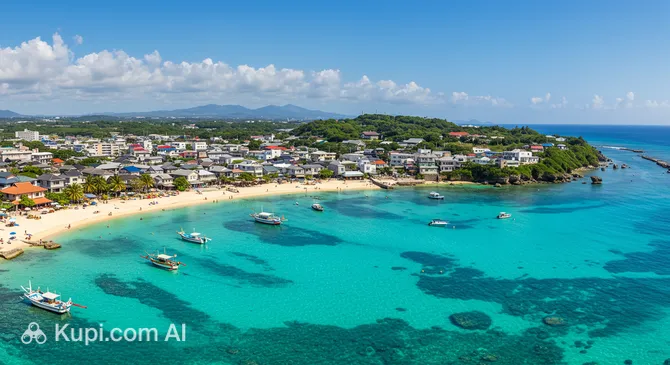
Okinawa. Source: Kupi.Binoculars

The cultural depth of the area is profound. Delving into the history of Okinawa reveals a fascinating timeline, from the days of the ancient Ryukyu Kingdom to its modern evolution as a "City of Music." This multicultural background is evident in the local architecture, festivals, and the famous Eisa folk dance that fills the streets with energy during summer celebrations.

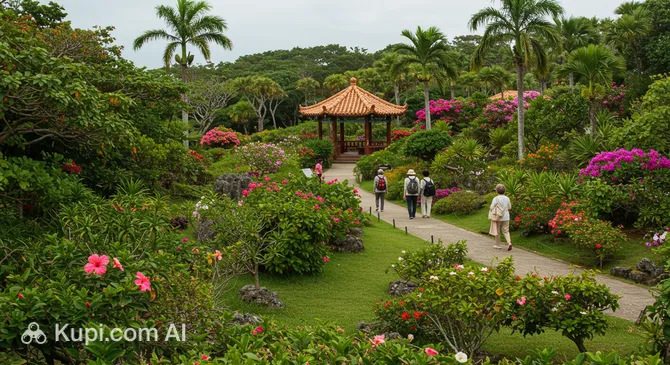
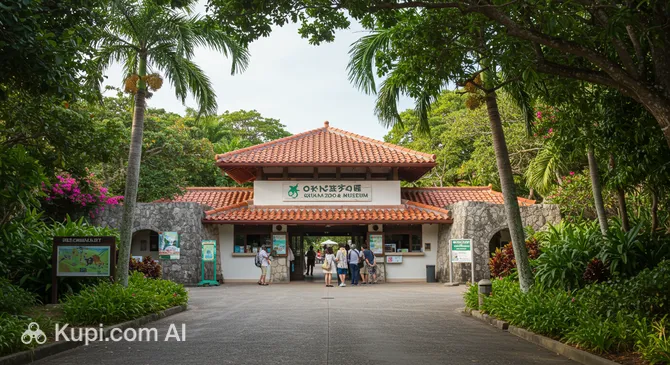
Travelers are often drawn to the Southeast Botanical Gardens, a paradise of exotic plants and illuminating night displays. Another highlight is the Okinawa Zoo & Museum, which is particularly popular with families. For those who enjoy urban exploration, the city's shopping districts offer a variety of unique crafts and delicious local cuisine that blends diverse culinary traditions.

Whether you are seeking cultural immersion, musical entertainment, or simply a relaxed island vibe, Okinawa welcomes you with open arms. It is a destination that promises memorable experiences and a warm, hospitality-filled journey.
Weather Overview

The city enjoys a pleasant subtropical climate, making it a welcoming destination for travelers year-round. Understanding the weather in Okinawa is key to planning the perfect trip, as the island experiences distinct seasonal shifts in temperature and rainfall. Generally, you can expect warm, humid summers and mild, comfortable winters that rarely require heavy clothing.

Winter months, such as January and February, are the coolest, with average temperatures hovering around 18.0°C to 18.6°C. While these months are cooler, they are far from freezing, offering a nice escape for those coming from colder climates. As spring approaches in April and May, the air warms up significantly, reaching averages of 24.0°C, creating ideal conditions for outdoor exploration before the peak heat arrives.

Summer brings the highest temperatures, with July and August seeing averages of roughly 28.3°C to 28.4°C. However, visitors should be prepared for frequent precipitation during the warmer months. June and September are particularly wet, with up to 18 or 19 wet days recorded in the monthly summaries. Despite the rain, the island atmosphere remains lively, though it is wise to carry an umbrella if you are visiting during these transitional periods.

Interesting Facts

Beyond the well-known beaches and resorts, Okinawa City holds a treasure trove of cultural secrets and historical quirks that define its unique character. This urban center, often distinct from the rest of the island, offers fascinating insights into the blend of local traditions and international influences.
Southeast Botanical Gardens. Source: Kupi.Binoculars
  • Although the municipality is officially named Okinawa City, locals and long-time visitors frequently refer to it by its former name, "Koza." This moniker is said to have originated from a misinterpretation of local maps by US military personnel after World War II, yet the name stuck and now symbolizes the city's multicultural "Champuru" identity.

  • The city is home to the Southeast Botanical Gardens, which holds a surprising botanical record. It features the largest colony of Alexander Palms in the country, creating a towering, jungle-like landscape that feels worlds away from the typical manicured Japanese garden.

  • Okinawa City is widely regarded as the "Town of Eisa," a traditional form of drum-dancing. It hosts the prestigious All Island Eisa Festival, where youth groups from across the prefecture gather to perform powerful, synchronized routines that are believed to guide ancestral spirits.

  • While bullfighting is often associated with Spain, this city preserves a bloodless version called "Togyu." In these matches, two bulls lock horns in a test of strength similar to sumo wrestling, a tradition that has been cherished by the local community for centuries.

How to Get There

Reaching this vibrant island destination is a straightforward process, primarily involving air travel due to its location within the Ryukyu archipelago. For a comprehensive guide on all available transport options, you can read more about how to get to Okinawa to plan your journey effectively.

The most significant gateway for visitors is Naha Airport (IATA: OKA). Located approximately 22 km from the heart of Okinawa City, it is the primary hub for the region and handles a large volume of international and domestic flights. From the airport, the travel time to the city center is generally around 55 minutes by taxi or car, depending on traffic conditions. While there are other airports in the prefecture, such as Kume-jima Airport (UEO) in Kumejima, they are located on separate islands roughly 109 km away and are not direct entry points to Okinawa City itself.

For clarity, here is a summary of the main airports in the vicinity:

Airport Name City Passenger Traffic Km from City
Naha Airport Okinawa Very High 22.1
Kume-jima Airport Kumejima Medium 109.0
Tokunoshima Tokunoshima Medium 197.7
Okinoerabu Airport Okinoerabu Medium 151.0
Yoron Airport Yoronjima Medium 98.5

It is important to note that Okinawa City is not served by a railway system. The monorail (Yui Rail) operates exclusively within Naha and does not extend to this area. Consequently, visitors typically rely on highway buses, taxis, or rental cars to travel from the airport or other parts of the island. This reliance on road transport allows for a scenic drive along the coast, offering a first glimpse of the island's unique atmosphere.

Main Attractions

Exploring this dynamic city reveals a fascinating blend of natural beauty, historical depth, and modern entertainment. The attractions here reflect the unique "Champuru" culture, offering everything from ancient ruins to vibrant shopping districts that showcase the island's international influences.

One of the most refreshing spots to visit is the Southeast Botanical Gardens. This expansive park immerses visitors in a tropical paradise filled with rare plants, towering palm trees, and colorful flowers. It is a perfect place for a leisurely stroll, and in the evenings, the gardens often transform with spectacular illumination events that create a magical atmosphere for families and couples alike.

For those traveling with children or interested in local wildlife, the Okinawa Zoo & Museum is a must-visit destination. Unlike typical zoos, this facility is built into the natural terrain and features a collection of animals native to the Ryukyu archipelago as well as species from around the world. It also houses the "Wonder Museum," a hands-on science center that encourages curiosity and learning through interactive exhibits.

Okinawa Zoo & Museum. Source: Kupi.Binoculars

Just a short distance from the city center lies the iconic American Village in Mihama. This large entertainment complex is famous for its colorful buildings, Americana-themed atmosphere, and a wide array of shops and restaurants. It is a bustling hub where visitors can enjoy shopping for unique fashion, dining on diverse cuisines, or simply watching a breathtaking sunset from the nearby waterfront.

American Village. Source: Kupi.Binoculars

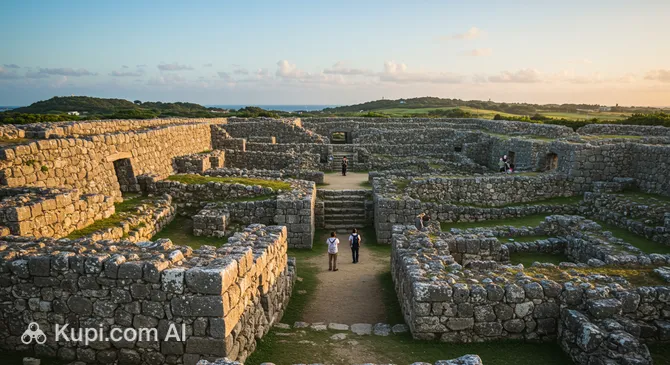
History enthusiasts should not miss the Nakagusuku Castle Ruins, a UNESCO World Heritage site located on the border of the city. These ancient stone walls are among the best-preserved of the Ryukyu Kingdom's castles (Gusuku). Perched on a hill, the ruins offer panoramic views of the Pacific Ocean and the surrounding landscape, providing a powerful connection to the island's storied past.

Nakagusuku Castle Ruins. Source: Kupi.Binoculars

Another significant historical site is the Nakamura Residence, a beautifully preserved traditional Okinawan house from the 18th century. Walking through this designated Important Cultural Property gives visitors a rare glimpse into the lifestyle of a wealthy farming family during the Ryukyu Kingdom era, complete with its classic red-tiled roof and stone barriers designed to ward off evil spirits.

Local Cuisine

The culinary landscape of Okinawa is as distinct as its history, offering a flavorful departure from typical mainland Japanese food. Known as "Ryukyu cuisine," the local diet is famous for contributing to the island's reputation for longevity. It is heavily influenced by the "Champuru" (mix) culture, blending traditional island ingredients with Chinese cooking techniques and American flavors introduced in the post-war era. The result is a hearty, savory, and deeply satisfying food scene that prioritizes pork, tofu, and fresh island vegetables.

No visit is complete without trying Okinawa Soba. Unlike the buckwheat noodles found elsewhere in the country, these are made from wheat and served in a rich broth flavored with bonito and pork, typically topped with tender stewed pork belly (Rafute) or spare ribs (Soki). Another signature dish is Goya Champuru, a stir-fry featuring the island's famous bitter melon, tofu, egg, and pork (often Spam or bacon). While the bitterness of the goya can be surprising at first, it is a refreshing taste that locals swear by for beating the subtropical heat.

The American influence on the island has also birthed a unique soul food known as Taco Rice. This dish takes the seasoned ground meat, cheese, lettuce, and salsa of a Tex-Mex taco and serves it over a bed of steamed white rice instead of in a shell. It is a beloved comfort food found in cafes and casual eateries across the city. For a sweet treat, look for Sata Andagi, dense, donut-like balls of deep-fried dough that are crispy on the outside and cakey on the inside.

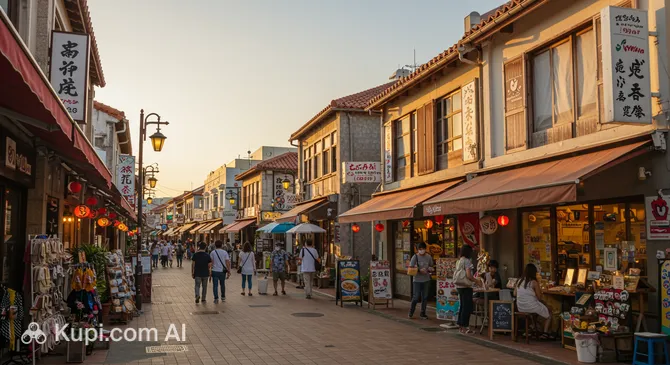
Kokusai Dori. Source: Kupi.Binoculars

When it comes to drinks, the local pride is Orion Beer, a light and crisp lager that pairs perfectly with the humid weather and salty dishes. For something stronger, adventurous drinkers should try Awamori, a distilled rice liquor unique to the region. It is often consumed with water and ice or as part of a cocktail. Those preferring non-alcoholic options will find Sanpin-cha (jasmine tea) everywhere, as well as refreshing juices made from Shikuwasa, a local tart citrus fruit rich in vitamins.

For a lively dining experience, visitors often head to Kokusai Dori. This bustling street is lined with restaurants and izakayas where you can enjoy local dishes while listening to live Sanshin music. If you are looking for a more relaxed setting with scenic views, Banta Cafe offers a wonderful atmosphere to enjoy coffee and light bites by the sea. For a true taste of local produce and street snacks, a stop at Onna no Eki Nakayukui Market is highly recommended, where you can sample everything from sea grapes (Umi Budo) to tropical fruit shaved ice.

The food culture here is communal and welcoming. Whether you are grabbing a quick bowl of healthy acai at Morning Bowls or sitting down for a multi-course meal, you will find that dining in Okinawa is about nourishment and connection, embodying the local saying "nuchi-gusui," which means "food is medicine for life."

Travel Tips

Welcome to Okinawa, a vibrant city where island traditions blend seamlessly with modern urban life. To ensure your visit is as relaxing and enjoyable as the local "island time," here are some essential practical tips to help you navigate the unique culture and logistics of this subtropical destination.

  1. Clothing and Gear: Due to the humid subtropical climate, lightweight and breathable fabrics like cotton or linen are essential, especially in summer. Pack a foldable umbrella or raincoat for sudden tropical squalls, which can occur even on sunny days. Since you will likely visit traditional izakayas or cultural sites, bring comfortable slip-on shoes that are easy to remove, as taking off footwear indoors is a strict rule.

  2. Transportation: While there is a bus network, it can be infrequent and difficult to navigate for non-locals. The best way to explore Okinawa City and the surrounding areas is by renting a car. Remember that driving is on the left side of the road. If you prefer not to drive, taxis and ride-hailing apps like DiDi or Uber (for taxi dispatch) are reliable alternatives for getting around the city center.

  3. Finances: The local currency is the Japanese Yen (JPY). While credit cards are increasingly accepted in major hotels and the American Village area, many smaller local shops and traditional restaurants still operate on a cash-only basis. It is wise to carry cash with you. ATMs are widely available at convenience stores like 7-Eleven and FamilyMart. Tipping is not customary in Japan and may even cause confusion; excellent service is simply the standard.

  4. Health and Safety: Okinawa is generally very safe, but the intense sun can be dangerous; stay hydrated and use high-SPF sunscreen. Pharmacies, often labeled as "Drug Stores" (e.g., Matsumoto Kiyoshi), are common and sell basic over-the-counter medicines. Be cautious if exploring grassy areas or nature parks on the city outskirts, as the venomous Habu snake is native to the island, though rarely seen in urban centers.

  5. Communication: The main language is Japanese. However, due to the long-standing American influence in Okinawa City (Koza), English is more widely understood here than in many rural parts of mainland Japan. Simple phrases like "Arigato" (Thank you) or the local dialect's "Nifee debiru" (Thank you) are greatly appreciated. You can purchase data SIM cards at the airport or major electronics stores to use translation apps on the go.

  6. Local Etiquette: Politeness and harmony are highly valued. When greeting locals, a slight bow is the norm. In Okinawa, there is a concept called "Uchinaa Time," which refers to a more relaxed approach to punctuality compared to the mainland; however, as a tourist, it is best to be on time for tours and reservations. Always wait to be seated at restaurants rather than choosing your own table.

  7. What to Avoid: Never enter or step on the large, concrete, turtleback-shaped tombs you might see dotted around the hillsides. These are sacred family ancestral graves, and trespassing is considered deeply disrespectful. Additionally, avoid wearing swimwear or going shirtless in the city streets; save the beachwear for the beach.

  8. Additional Tip: Embrace the "Koza" music scene. Okinawa City is known as the "City of Music," and on weekends, the streets of the Gate 2 Street area come alive with live performances ranging from rock to traditional folk. It is a fantastic opportunity to mingle with locals and experience the city's unique, energetic nightlife.

By keeping these practical tips in mind, you will be well-prepared to experience the warmth and charm of Okinawa without any hassles. Enjoy the delicious food, the soulful music, and the friendly spirit of the locals as you create unforgettable memories on this incredible island.

Entertainment & Nightlife

The nightlife in Okinawa is a vibrant reflection of its unique cultural history, offering a mix of traditional Japanese hospitality and American-influenced entertainment. In Okinawa City (often referred to as Koza), the evening scene is legendary for its live music. The area around Gate 2 Street is the heartbeat of this musical culture, lined with rock bars, jazz clubs, and venues where local bands perform everything from classic rock to traditional island folk songs. The atmosphere here is international and gritty in a charming way, attracting a diverse crowd of locals, military personnel, and tourists.

For those seeking a more polished and bustling resort vibe, the nearby American Village in Chatan is a must-visit. As the sun sets, this entertainment complex lights up with colorful illuminations, creating a festive environment perfect for an evening stroll. The area is packed with restaurants, casual bars, and street performers, making it an ideal spot for families and couples to enjoy the night air without the intensity of a nightclub.

If you are looking for a high-energy clubbing experience, the island's nightlife districts offer several exciting options. Venues like Voyager Stand Okinawa provide a dynamic atmosphere with DJs, dancing, and a lively crowd that parties late into the night. These clubs often have a casual to smart-casual dress code, so while you don't need formal wear, it is best to avoid beach sandals and swimwear. For a more sophisticated evening with excellent drinks, A Long Vacation offers a stylish setting to unwind and enjoy the local bar culture.

Voyager Stand Okinawa. Source: Kupi.Binoculars

When enjoying a night out, it is crucial to plan your transportation. Japan has a strict zero-tolerance policy for drinking and driving. If you have rented a car, you must use a "Daiko" service (substitute driver) where two drivers arrive—one to drive your car and another to follow—or simply take a taxi. Taxis are plentiful in entertainment districts, and ride-hailing apps can also be used. The main nightlife areas are generally safe to walk around, but standard precautions should be taken late at night.

Beyond the neon lights, the region offers plenty of daytime entertainment to balance your itinerary. Nature lovers can explore Bios Hill, a sprawling park where you can take boat rides and interact with water buffaloes in a lush subtropical setting. For a dose of culture, the city and its surroundings are dotted with museums and historical sites that provide a quieter counterpoint to the energetic nightlife.

Parks & Museums

Beyond its turquoise waters and bustling streets, Okinawa offers a wealth of green spaces and cultural institutions that preserve the island's unique heritage and natural splendor. From meticulously landscaped royal gardens to museums that chronicle the Ryukyu Kingdom's history, the region provides ample opportunities for travelers to connect with the land and its past.

For a serene escape into history, the Shikinaen Royal Garden is an architectural masterpiece. Built in the late 18th century as a second residence for the Ryukyu kings, this UNESCO World Heritage site features a distinctive blend of Japanese and Chinese landscaping styles. Visitors can wander around a central pond, cross graceful stone bridges, and admire the wooden palace, all surrounded by lush tropical flora that distinguishes it from the gardens of mainland Japan.

Nature enthusiasts looking for an immersive subtropical experience should visit Bios Hill. Located in the central part of the island, this sprawling nature park is designed to showcase the region's indigenous ferns, orchids, and forests. It is a fantastic spot for families, offering water buffalo cart rides, boat tours through jungle-like canals, and plenty of open space for children to play, making it a refreshing break from the coastal heat.

Another breathtaking natural site is Cape Maeda, famous not only for its dramatic cliffs and observatory but also as the gateway to the renowned Blue Cave. While the cape itself offers stunning panoramic views of the East China Sea, the waters below are a magnet for snorkelers and divers eager to witness the ethereal blue light that fills the underwater cavern.

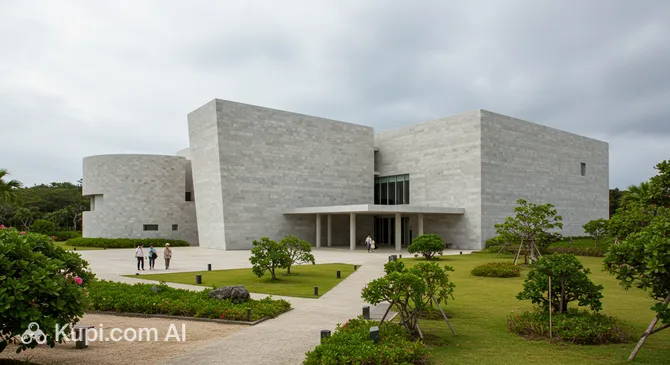
Okinawa Prefectural Museum & Art Museum. Source: Kupi.Binoculars

To truly understand the island's identity, a visit to the Okinawa Prefectural Museum & Art Museum is essential. Housed in a striking limestone building inspired by traditional gusuku castles, the museum covers everything from the island's geology and unique ecosystem to its complex history and folklore. The art wing displays works by local artists as well as pieces related to Okinawa, offering a comprehensive look at the creative spirit of the Ryukyu people.

For those interested in traditional crafts, the Naha City Tsuboya Pottery Museum provides a fascinating insight into the island's ceramic history. Located near the famous Tsuboya Pottery Street, the museum exhibits ancient kilns and masterpieces of "Yachimun" (Okinawan pottery). It explains the techniques that have been passed down for centuries, highlighting the role of pottery in daily island life.

For a lesser-known adventure, explore Cave Okinawa in the central region. This limestone cave is illuminated with colorful lights, highlighting the impressive stalactites and stalagmites formed over thousands of years. It is a mystical and cool retreat, perfect for exploring the geological wonders hidden beneath the island's surface.

Getting Around

Public transport in Okinawa City differs significantly from the rail-centric networks found in mainland Japan's major metropolises. The city relies entirely on road-based transportation, as there are no subway lines, trams, or trains servicing this specific area. The monorail, known as Yui Rail, operates in Naha and Urasoe but does not extend north to Okinawa City. Consequently, visitors without a rental car will primarily depend on a network of route buses and taxis to navigate the area.

The bus system is the backbone of public transit here, connecting the city to Naha, the airport, and northern resorts. There are two main types: local route buses that stop frequently and are ideal for short distances, and highway buses that use the Okinawa Expressway for faster travel between major hubs. While the network is extensive, frequencies can be lower than in big cities, so checking schedules in advance is essential.

Riding a bus follows a specific protocol that may be unfamiliar to first-time visitors. You typically board through the rear door and take a small numbered ticket from a machine. This ticket indicates your starting zone. When you reach your destination, check the digital display at the front of the bus, which matches your ticket number to the fare amount. You then pay the exact fare into the box next to the driver and exit through the front door. If you are paying with cash, ensure you have coins or 1,000-yen bills, as the fare box usually includes a change machine for small denominations.

Regarding payment, the local IC card is called OKICA. It is widely used on buses and the monorail in the Naha area. While nationwide Japanese IC cards like Suica and Pasmo are increasingly accepted on major bus lines, some local routes may still require cash or the specific local card. It is highly recommended to carry sufficient cash, particularly coins, to avoid any issues when disembarking.

Taxis are a convenient and plentiful alternative, especially for reaching destinations not directly served by bus stops. They can be hailed on the street, found at designated stands, or summoned via apps like DiDi or Uber (which functions as a taxi dispatcher here). For those planning to explore extensively, rental cars remain the most popular choice among tourists. They offer the freedom to visit scattered attractions at your own pace, though drivers must remember to drive on the left side of the road.

A unique feature of the local transport culture is the "Daiko" service, which is crucial for those enjoying the city's nightlife. Since there is a strict zero-tolerance policy for drinking and driving, this service provides two drivers: one to drive your car home and another to follow in a separate vehicle. It is a safe and widely used system that allows visitors to enjoy the evening entertainment without worrying about leaving their rental car behind.

For a smooth experience, tourists are advised to use navigation apps like Google Maps, which are generally reliable for bus routes and times in the city. However, be mindful that buses can sometimes run slightly behind schedule due to traffic conditions. Operating hours generally run from early morning until around 10:00 PM or 11:00 PM, but services thin out significantly in the late evening, so plan your return trip accordingly.

Accommodation

Finding the perfect place to stay in Okinawa is easy, as the island offers a diverse range of accommodation options to suit every travel style and budget. Visitors can choose from high-end luxury resorts lining the coast, convenient business hotels in the urban centers, or charming guesthouses and "minshuku" (family-run inns) that offer a more personal connection to local culture. Whether you prefer waking up to the sound of ocean waves or being steps away from vibrant nightlife and shopping districts, there is something for everyone.

The choice of location largely depends on your itinerary. For those who want easy access to public transport, shopping, and dining, the capital city of Naha is the most convenient base. Travelers seeking a quintessential tropical vacation often prefer the West Coast resort areas, such as Onna Village or Yomitan, where sprawling properties offer private beaches and extensive amenities. Meanwhile, staying in the central area, including Okinawa City (Koza), places you in the heart of the island's unique musical and historical landscape, offering a more localized urban experience.

For travelers looking for a sophisticated urban retreat, the Southwest Grand Hotel is a popular choice. Located in the bustling city center, it combines modern luxury with easy access to major attractions, making it an excellent hub for exploration. On the other hand, if a relaxing beachfront escape is what you desire, the Alivila Resort in the Yomitan area is renowned for its Spanish colonial-style architecture and stunning ocean views, providing a tranquil sanctuary away from the crowds.

Alivila Resort. Source: Kupi.Binoculars

When planning your trip, it is highly recommended to book your accommodation well in advance, especially if you are visiting during the peak summer months (July to August) or during Japanese national holidays like Golden Week in May. Popular resorts and well-rated hotels tend to fill up quickly during these times. Conversely, traveling during the shoulder seasons can offer a wider selection of rooms and potentially better rates.

Prices vary significantly depending on the type of lodging and the season. Budget travelers can find affordable hostels and dormitory-style accommodations, while mid-range business hotels offer clean and functional rooms at reasonable rates. Luxury resorts are at the higher end of the price spectrum but provide comprehensive services and facilities. Most accommodations can be easily booked through major online travel platforms, though some smaller, traditional inns may prefer direct inquiries or booking via Japanese-specific sites.

Nearby Cities

For those looking to explore the surroundings, Okinawa serves as an excellent base for day trips to several interesting nearby locations:

Just a short drive to the south lies Naha, the vibrant capital of the prefecture. It is the cultural and economic heartbeat of the island, famous for the bustling Kokusai Dori shopping street and the historic Shurijo Castle Park. It offers a perfect mix of urban energy and deep historical significance, making it an essential stop for any visitor. To the east, Uruma provides a scenic contrast with its famous Kaichu Road (Sea Road). This stunning causeway connects the main island to several smaller islands, offering a breathtaking driving experience over turquoise waters. Closer to home, Ginowan is known for its relaxed coastal vibe, featuring the popular Tropical Beach and the Okinawa Convention Center area, which is ideal for a leisurely afternoon by the sea.

City Population Distance (km)
Naha 316048 18
Uruma 122371 7
Urasoe 115855 13
Ginowan 99256 6
Tomigusuku 64850 23

These nearby destinations offer a glimpse into the diverse culture and landscapes of the region.

Shopping & Souvenirs

Shopping in Okinawa offers a delightful mix of experiences that range from exploring sprawling modern malls to wandering through nostalgic alleyways lined with traditional crafts. The island's shopping scene reflects its unique cultural heritage, blending Japanese quality with American influences and distinct Ryukyu artistry. Whether you are looking for high-end fashion, quirky local goods, or handcrafted treasures, the region provides ample opportunities to find the perfect keepsake.

For a lively and iconic shopping experience, Kokusai Dori in Naha is the most famous strip on the island. Known as "International Street," this bustling 1.6-kilometer avenue is packed with souvenir shops, boutiques, and department stores. It is the best place to find everything from colorful island shirts (Kariyushi wear) to boxes of local sweets. For a more atmospheric and artistic outing, head to the nearby Tsuboya Pottery Street. This charming stone-paved road is the center of "Yachimun" (Okinawan pottery), where you can browse dozens of studios selling plates, bowls, and shisa statues directly from the artisans.

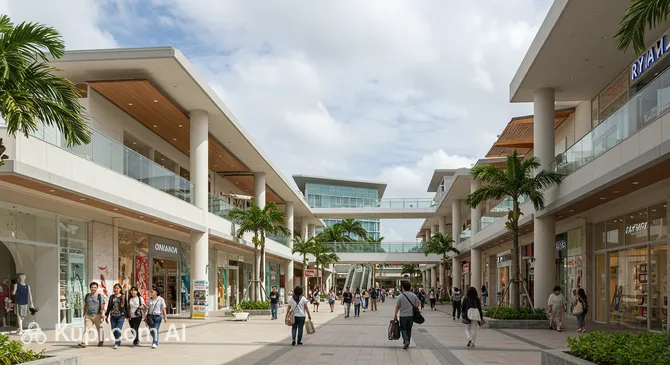
If you prefer a one-stop destination for fashion and lifestyle brands, the island boasts impressive shopping complexes. Okinawa Rycom Mall, located in Kitanakagusuku (near Okinawa City), is one of the largest resort malls in the region. It features a massive aquarium in the lobby and hundreds of international and Japanese stores. Another spectacular option is Urasoe West Coast PARCO CITY, a massive complex situated right on the waterfront, allowing you to shop with panoramic views of the ocean.

Okinawa Rycom Mall. Source: Kupi.Binoculars

While not a traditional open-air bazaar, Onna no Eki Nakayukui Market serves as a fantastic roadside station that functions like a lively market. It is an excellent spot to purchase fresh local produce, such as mangoes and pineapples, as well as packaged food souvenirs that are hard to find elsewhere. The atmosphere here is vibrant and authentic, offering a taste of the local agricultural bounty.

When it comes to souvenirs, there are several items that are quintessentially Okinawan. Shisa statues, the lion-dog guardians seen on rooftops, are a popular choice and come in various sizes and styles. Ryukyu glass, known for its vibrant colors and bubbles, makes for beautiful tableware. Food items are also a hit, particularly Chinsuko (shortbread-like cookies) and Beni-imo tarts made from purple sweet potato. For a unique beverage, a bottle of Awamori (island sake) is a classic gift.

Most shops typically open around 10:00 AM and close between 8:00 PM and 9:00 PM, though some souvenir stores on Kokusai Dori may stay open later. Major malls and convenience stores accept credit cards and IC cards, but smaller craft shops and market stalls often prefer cash, so it is wise to carry some yen. Many stores that cater to tourists offer tax-free shopping for purchases over 5,000 or 5,500 JPY; look for the "Japan. Tax-free Shop" symbol and be sure to have your passport with you to claim the exemption.

Reached the end of the page?

That means the route is fully explored