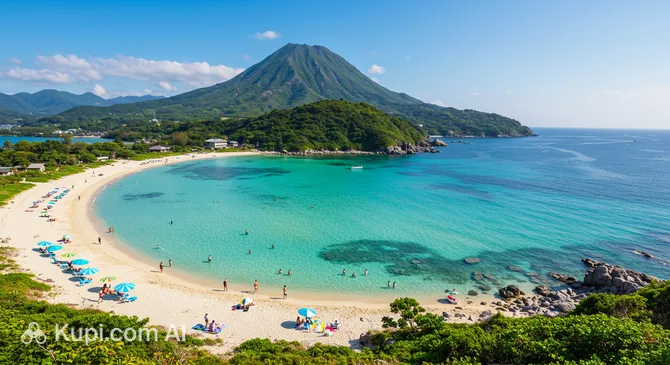
While Kumejima is celebrated for its azure waters and white sands, the island also boasts a rich tapestry of lush green spaces and cultural institutions. Visitors willing to venture beyond the beaches will find serene parks, informative museums, and historical sites that offer a deeper understanding of the island's unique geology, biodiversity, and heritage.
Key Parks and Green Spaces
One of the most refreshing spots on the island is Zenda Forest Park. Located in the hilly interior, this park offers a cool retreat from the coastal heat. It features a network of walking trails, a picturesque suspension bridge, and wooden boardwalks that meander through subtropical vegetation. This area is particularly famous as the habitat of the Kumejima-botaru, a firefly species endemic to the island. During early May, the park transforms into a magical viewing spot as thousands of fireflies light up the darkness near the streams.
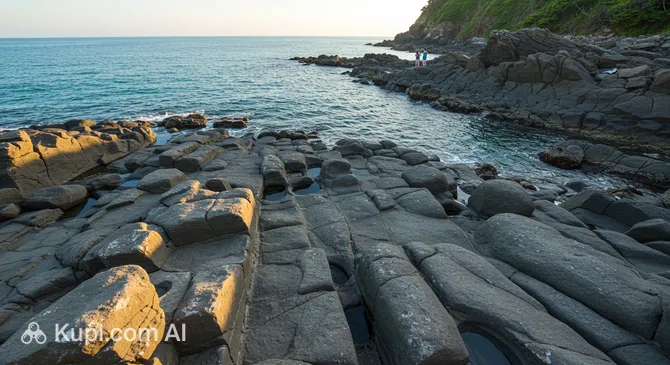
For a unique geological experience, the coast of Ojima (connected by bridge) serves as a natural open-air museum. Here you will find Tatami Rock, a designated National Natural Monument. While often listed as a scenic attraction, the area functions as a seaside park where visitors can walk across the vast expanse of flat, pentagonal andesite rocks. The geometric patterns, formed by cooling lava, create a striking contrast against the ocean, making it an ideal place for a leisurely coastal stroll and photography.
Another significant natural landmark is the Pine Tree of Goeda (Goeda no Matsu). Recognized as a National Natural Monument, this Ryukyu pine is estimated to be over 250 years old. Unlike typical pines that grow tall, this tree’s branches spread outward in a magnificent, undulating wave that covers a large area. The surrounding grounds are well-maintained, providing a peaceful atmosphere to admire this botanical wonder.
Museums and Galleries
To grasp the full scope of the island's background, a visit to the Kumejima Museum is highly recommended. The exhibits here are comprehensive, covering the island's natural history, including its geological formation and diverse wildlife, as well as its human history from the shell-mound period to the Ryukyu Kingdom era. Artifacts recovered from castle ruins and displays on traditional farming and fishing tools provide valuable context for the sights you see around the island.
Culture enthusiasts should not miss the Kumejima Tsumugi no Sato (Yuimaru-kan). This facility is dedicated to Kumejima Tsumugi, a traditional silk pongee that is designated as an Important Intangible Cultural Property. Visitors can observe the intricate weaving and dyeing processes that have been handed down for centuries. The center often offers hands-on workshops where you can try coaster weaving or dyeing, making for a memorable cultural immersion.
Located near Eef Beach, the Kumejima Sea Turtle Museum offers an educational look at the marine life surrounding the island. As a conservation center, it focuses on the endangered sea turtles that nest on Kumejima's shores. The facility houses large tanks with live turtles and provides informative displays about their life cycle and the environmental challenges they face, making it an enlightening stop for families and nature lovers.
Historical and Architectural Sites
Perched on the highest peak of the island, the Uegusuku Castle Ruins offer more than just history. At 310 meters above sea level, the site commands a 360-degree panoramic view of almost the entire island and the surrounding sea. Although only the stone walls remain, the strategic importance of this fortress is evident, and the breathtaking scenery makes the drive up worthwhile.
Authentic Experiences and Insider Tips
For a quiet moment of reflection, seek out the Mifuga rock formation on the northern coast. This massive rock with a large hole in the center is considered a "power spot" by locals, traditionally associated with prayers for healthy children. It is less crowded than other major sites, allowing you to enjoy the raw power of the wind and waves in solitude.