Support

Yoronjima

About

Welcome to Yoronjima, a captivating coral island that offers a slice of tropical paradise. Situated at the southernmost tip of Kagoshima Prefecture, this destination is renowned for its laid-back atmosphere, stunning natural beauty, and the warm hospitality of its approximately 5,400 residents.

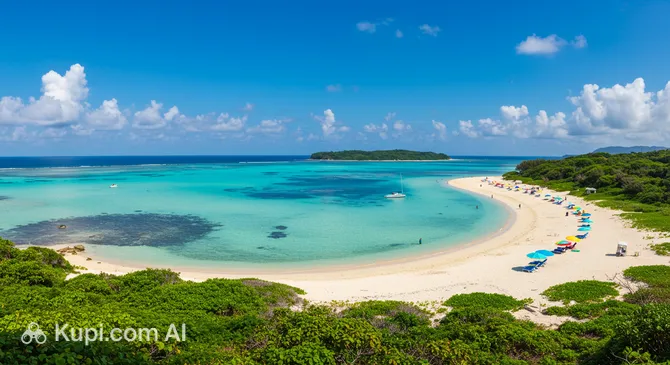
Yoronjima. Source: Kupi.Binoculars
Although it is legally part of Japan, Yoronjima is geographically located just north of Okinawa, blessing it with a balmy subtropical climate year-round. The island is famous for its crystal-clear emerald waters, often referred to as "Yoron Blue," which create a mesmerizing backdrop for travelers seeking relaxation and connection with nature.

The island's culture is a unique tapestry woven from both mainland and Ryukyuan influences. Visitors can delve into the history of Yoronjima to understand how its strategic location has shaped its distinct traditions, architecture, and dialect over the centuries. This rich heritage adds a fascinating layer of depth to the scenic landscape.

Among the island's most magical attractions is Yurigahama Beach, a "phantom" sandbar that appears off the coast only during low tides in the spring and summer. It is said that picking up star-shaped sand grains here brings good luck. Whether you are snorkeling in the vibrant coral reefs or enjoying the slow pace of island life, Yoronjima invites you to unwind and experience a truly healing escape.

Weather Overview

Yoronjima enjoys a warm, subtropical climate year-round, making it a pleasant destination for travelers seeking an island escape. The temperature variations are relatively gentle, ensuring that the island rarely gets too cold even in the winter months. For a more detailed breakdown of seasonal conditions, you can consult the guide to weather in Yoronjima to help plan your activities.

The summer months are the warmest, with August reaching an average temperature of 28.3°C. This period is perfect for beach activities, though visitors should be aware of the rainy season; June is particularly damp with approximately 19 wet days recorded. September also sees frequent precipitation, with rain occurring on about 20 days of the month, marking the transition into a slightly cooler autumn.

Winters on the island are mild and comfortable compared to mainland Japan. January is typically the coolest month, yet it still maintains an average temperature of around 17.3°C, with lows rarely dipping below 16°C. Expect warm summers with occasional rain and mild, agreeable winters that allow for outdoor exploration throughout the year.

Interesting Facts

Beyond its emerald waters and white sands, Yoronjima hides a collection of quirky traditions and unexpected sights that distinguish it from other tropical getaways. This small island is full of character, blending unique local customs with surprising international connections.

  • A Station to Nowhere: Despite having no railway system, the island is home to Yoron Station. This fictional train station features a platform, signboards, and a short stretch of track with wheels, symbolizing a dream "Milky Way" railway connecting Japan's mainland to Okinawa. It serves as a whimsical photo spot and a testament to the islanders' imagination.

  • The Greek Connection: You might feel like you have stepped into the Aegean Sea when visiting the Chabana area. Yoronjima has been a sister city of Mykonos, Greece, since 1984. To honor this relationship, parts of the island feature "Greek Village" aesthetics with whitewashed walls, blue accents, and monuments that perfectly complement the vibrant "Yoron Blue" ocean.

  • Yoron Kenpo: The island is famous for a spirited hospitality ritual called Yoron Kenpo. Historically, this custom involves a group of people sharing a single cup of brown sugar shochu (a local distilled spirit). Each person gives a short speech before draining the cup and passing it to the next, fostering deep bonds and community ties among participants.

  • A Distinct Language: The local spoken language, known as Yunnu Futuba, is a dialect so distinct that it can be difficult for standard Japanese speakers to understand. It retains ancient sounds and vocabulary from the Ryukyu Islands, serving as a living piece of the region's linguistic heritage.

How to Get There

Reaching the tropical paradise of Yoronjima is part of the adventure, typically involving a connection through major Japanese hubs or a scenic ferry ride across the emerald ocean. While the island is secluded, it is well-connected by air and sea to neighboring regions. You can find more specific details and route options on our page about all ways to reach the city.

The most direct entry point is Yoron Airport (RNJ), situated right on the island. It is a small but essential gateway located just 1.4 km from the town center. Due to the short distance, a taxi ride to the main accommodation areas is very brief, taking approximately 5 minutes. This regional airport handles a moderate flow of visitors, primarily connecting to Kagoshima and other Amami islands.

Travelers coming from further afield often transit through Naha Airport (OKA) in the city of Okinawa. Although it is located about 121.6 km from Yoronjima, Naha serves as a major international hub with extensive connections. From Naha, you can take a short connecting flight or a ferry to reach Yoronjima. Another nearby option for island-hoppers is Okinoerabu Airport (OKE) in Okinoerabu, situated approximately 51.4 km away.

For clarity, here is a summary of the main airports in the vicinity:

Airport Name City Passenger Traffic Km from City
Naha Airport Okinawa Very High 121.6
Kume-jima Airport Kumejima Medium 185.5
Tokunoshima Tokunoshima Medium 98.7
Okinoerabu Airport Okinoerabu Medium 51.4
Yoron Airport Yoronjima Medium 1.4

Main Attractions

Oganeku Coast is the largest and most popular beach on the island, stretching for approximately two kilometers along the eastern shore. Its powdery white sand and shallow, emerald-green waters make it a perfect spot for swimming and snorkeling. This beach serves as the main gateway for glass-bottom boat tours to the famous Yurigahama sandbar, offering visitors a chance to see vibrant sea turtles and colorful coral reefs along the way.

For a mystical underground experience, the Akasaki Limestone Cave is a must-visit natural wonder. Created by the erosion of coral reefs over tens of thousands of years, this cavern features impressive stalactites and stalagmites that create a sculptural landscape. Walking through the illuminated passages reveals a "Power Spot" shrine inside, where locals and tourists alike pray for good fortune and health.

Travelers interested in the island's heritage should explore the Yoron Folk Village (Yoron Minzoku-mura). This open-air museum preserves traditional thatched-roof houses and ancient tools, offering a glimpse into the daily lives of islanders from generations past. Visitors can learn about the unique local culture, try their hand at traditional crafts like pottery or weaving, and listen to stories about the island's history from the knowledgeable staff.

The Southern Cross Center stands as a prominent landmark and cultural museum, easily recognizable by its unique octagonal shape. Inside, exhibits detail the history, nature, and lifestyle of Yoronjima, including its connection to the stars. The highlight for many is the fifth-floor observation deck, which provides a stunning 360-degree panoramic view of the island and the surrounding ocean; on clear days, you can even spot the northern tip of Okinawa.

Local Cuisine

The culinary landscape of Yoronjima is a delightful fusion of Kagoshima's savory traditions and the tropical influences of nearby Okinawa. The local food is known for being healthy, simple, and deeply connected to the island's rich natural resources. Visitors will find that many dishes feature ingredients harvested directly from the surrounding emerald seas and fertile fields, creating a "farm-to-table" experience that is both authentic and refreshing.

One of the island's most iconic dishes is Mozuku Soba. Unlike traditional Japanese buckwheat noodles, these noodles are kneaded with mozuku, a type of slimy, nutritious seaweed that thrives in the local waters. This infusion gives the noodles a smooth texture and a subtle ocean scent. It is typically served in a hot broth topped with tender pork ribs or fish cakes, making it a comforting meal that captures the essence of the island.

Another must-try specialty is Keihan (Chicken Rice), a dish originally from the Amami Islands that is widely beloved in Yoronjima. It consists of a bowl of white rice topped with shredded chicken, sliced omelet, shiitake mushrooms, and pickled papaya. The dish is brought to life when diners pour a rich, hot chicken broth over the ingredients, transforming it into a savory soup that is light yet satisfying.

For those looking to explore the local drinking culture, Brown Sugar Shochu (Kokuto Shochu) is the undisputed star. Produced exclusively in the Amami archipelago, this distilled spirit is made from brown sugar and rice koji. It has a mellow, slightly sweet aroma distinct from other shochus. Locals often enjoy it mixed with water or on the rocks, sometimes accompanied by Butamiso, a savory side dish of miso paste mixed with pork and peanuts.

The dining atmosphere in Yoronjima is casual and welcoming. Most meals are enjoyed in relaxed izakayas (Japanese pubs) or small family-run eateries where time seems to slow down. While exploring, you might also encounter the custom of Yoron Kenpo, a ceremonial way of drinking shochu that emphasizes hospitality and bonding, ensuring that every meal is not just about sustenance, but about community.

Travel Tips

Preparing for a trip to Yoronjima requires a bit of foresight due to its remote location and distinct island culture. These practical tips will help you navigate local logistics and customs, ensuring your tropical getaway is as relaxing and smooth as possible.

  1. Clothing and Gear: Since the climate is subtropical, lightweight and breathable clothing is best for most of the year, but bring a windbreaker or light jacket for cooler winter evenings. The sun is surprisingly strong here, so a high-quality sunscreen, sunglasses, and a wide-brimmed hat are essential. If you plan to snorkel, consider bringing your own gear or water shoes to protect your feet from coral.
  2. Transportation: Public transportation is quite limited, with buses running infrequently around the island. The most convenient way to explore is to rent a car, scooter, or electric bicycle upon arrival. Taxis are available but can be scarce during peak times, so having your own vehicle gives you the freedom to chase the best views at your own pace.
  3. Finances: While Japan is modernizing, Yoronjima remains a cash-based society. Many small restaurants, souvenir shops, and guesthouses accept only cash (Japanese Yen). Ensure you withdraw enough money before leaving the mainland or Naha. There are ATMs at the local Post Office and some convenience stores, but they may have limited operating hours or may not accept all international cards.
  4. Health and Safety: Pharmacies are not open 24/7, so it is crucial to bring a sufficient supply of any prescription medications and basic first-aid supplies like pain relievers or motion sickness pills. The island is generally very safe, but be cautious of heatstroke in summer and potentially dangerous marine life, such as jellyfish, when swimming outside designated netted areas.
  5. Communication: The main language is Japanese, and while locals are incredibly friendly, English proficiency is generally low compared to major cities like Tokyo. It is highly recommended to download a translation app or carry a phrasebook. Having a SIM card or pocket Wi-Fi arranged before you arrive on the island is wise, as free public Wi-Fi spots can be sporadic.
  6. Local Etiquette: Yoronjima operates on "island time," so patience and a relaxed attitude are key. When interacting with locals, a polite bow and a smile go a long way. If you are invited to join a drinking gathering, you may encounter the Yoron Kenpo ritual; while it is a sign of hospitality, it is perfectly acceptable to politely decline if you cannot drink alcohol.
  7. What to Avoid: Do not walk around the town center or enter shops and restaurants wearing only swimwear; always put on a shirt or cover-up when leaving the beach. Additionally, avoid standing on or touching coral reefs while snorkeling, as this damages the fragile ecosystem that the islanders work hard to protect.
  8. Tide Timing: To see the famous Yurigahama Beach, timing is everything. This phantom sandbar only appears during low tides, specifically around the full moon and new moon in spring and summer. Check the local tide tables or ask your accommodation staff for the daily schedule to avoid disappointment.

By keeping these simple tips in mind, you will be well-equipped to embrace the slow, rhythmic pace of life on Yoronjima. Respect the local environment and customs, and you are sure to be welcomed warmly into this beautiful corner of the Amami archipelago.

Entertainment & Nightlife

Nightlife in Yoronjima is a far cry from the neon-lit bustle of Japan's major metropolises. Instead of thumping nightclubs, the island offers a warm, intimate evening scene centered around connection, culture, and relaxation. The main hub for entertainment is the Chabana district, the island's downtown area. Here, the streets come alive after sunset with the glow of red lanterns hanging outside izakayas (Japanese pubs) and the sound of laughter spilling out from small bars.

The atmosphere is incredibly laid-back and welcoming. There is no strict dress code; casual island wear, such as shorts and flip-flops, is the norm. The crowd is a mix of locals unwinding after work and travelers soaking in the island vibes. It is quite common for visitors to be invited into conversations with residents, often leading to an impromptu session of Yoron Kenpo, the traditional ritual of sharing brown sugar shochu. While the night can go late, many places start winding down around midnight, so it is best to head out around 7:00 PM to fully enjoy the experience.

For a taste of authentic local dining and drinking, Izakaya Hyokin is a standout favorite in Chabana. It is renowned for its rustic atmosphere and fresh seafood dishes, such as flying fish and mozuku noodles, which pair perfectly with the local Shimayusen shochu. Another excellent spot is Izakaya Kayoibune, located on the main street. It is known for its friendly staff and picture menus, making it accessible for travelers who want to try regional specialties like pig's trotters or fresh sashimi without a language barrier.

If you prefer music to accompany your evening, Live House Kariyushi offers a unique cultural experience. This venue specializes in live performances of traditional Ryukyu folk songs played on the sanshin (a three-stringed instrument). It provides a mesmerizing setting where you can sip on a drink and let the island's musical heritage wash over you. For a quieter night, simply heading to a spot like Yoron Station for stargazing is a popular pastime; with little light pollution, the Milky Way is often visible in stunning clarity.

During the day, entertainment on the island shifts towards cultural and natural exploration. While there are no large amusement parks or movie theaters, the Yoron Folk Village serves as an open-air museum where you can try your hand at traditional crafts like pottery or weaving. The Southern Cross Center offers a deep dive into the island's history and nature, featuring an observation deck with panoramic views that rival any skyscraper.

Practical Tips for Nightlife:

  • Cash is King: Most bars and izakayas in Yoronjima do not accept credit cards. Ensure you have sufficient cash on hand before heading out.
  • Getting Around: Taxis are available but can be scarce late at night. If you are staying outside of Chabana, it is wise to arrange a taxi pick-up in advance or ask the restaurant staff to call one for you. Walking is safe within the town center.
  • Safety: The island is exceptionally safe, and walking alone at night is generally not a concern. The biggest risk is often overindulging in the potent local shochu; drink responsibly and stay hydrated.

Parks & Museums

While Yoronjima is primarily celebrated for its beaches, the island also nurtures a deep connection to its land and history through maintained green spaces and cultural institutions. Visitors looking to step away from the sand will find hilltop parks offering panoramic views and museums that carefully preserve the unique heritage of the Amami archipelago.

Yoron Castle Ruins (Yoron-jo) serves as one of the island's most significant green and historical areas. Situated on a hill overlooking the ocean, the castle was unfinished and destroyed in the 15th century, but the site now functions as a peaceful park. The grounds are home to the Jishu Shrine and Kotohira Shrine, where locals pray for safety at sea and bountiful harvests. Walking along the stone walls offers a commanding view of the island and the surrounding emerald reefs, making it a perfect spot for a scenic stroll among Ryukyu pines and subtropical vegetation.

Another striking natural area is Hako Banta, a scenic cliffside park located on the northern coast. The name translates to "Box Cliff," and the area features maintained walking paths that lead to an observation point. Unlike the sandy beaches, this spot offers dramatic views of waves crashing against rugged coral rocks. It is surrounded by lush greenery and is a popular location for viewing sea turtles swimming in the clear waters below, providing a tranquil escape for nature lovers.

For a deeper dive into local culture, the Southern Cross Center is the island's premier museum facility. While known for its observation deck, the lower floors house an extensive collection of artifacts detailing the history of Yoronjima, including its natural environment and the movement for the reversion of the Amami Islands to Japan. Exhibits also feature memorabilia from the movie Megane, which was filmed on the island, and displays related to the starry skies that the island is famous for.

The Yoron Folk Village (Yoron Minzoku-mura) offers an immersive museum experience dedicated to preserving the island's architectural and domestic history. The site features relocated traditional houses, including the distinctive conical thatched-roof storehouses known as takakura. Inside these structures, visitors can examine varying tools used for sugar cane processing and fishing. The museum is not just a display; it is a living cultural center where you can observe traditional weaving techniques and learn about the island's distinct dialect from the curators.

In terms of historical landmarks, the Amshu area near the castle ruins is significant. It retains the layout of an old Ryukyuan settlement with stone walls protecting houses from typhoons. Walking through these lanes gives a sense of the island's enduring architectural ingenuity. Additionally, scattered throughout the island are various haisho (places of worship), often marked by simple stones or groves, which reflect the animistic spiritual beliefs deeply rooted in the local lifestyle.

For an authentic insider experience, seek out the Terasaki Coast to find the "Dragon's Silhouette." It is a natural rock formation that, when viewed from a specific angle, looks remarkably like a dragon drinking from the sea. This spot is less developed than the main beaches and offers a quiet, spiritual atmosphere that captures the raw beauty of Yoronjima's coastline.

Getting Around

Navigating Yoronjima is relatively straightforward due to its small size, but visitors should be aware that the public transport system is quite limited compared to mainland cities. There are no trains or subways on the island. The primary mode of public transportation is a single route bus service that circulates the island, connecting key locations such as the airport, the ferry port, and the main town of Chabana. While useful for getting between major hubs, the service is infrequent, so planning ahead is essential.

The local bus runs on a fixed schedule, typically making a loop around the island roughly once every hour or two during the day. Stops are marked, but they can sometimes be subtle, so it is helpful to ask your accommodation for the nearest location. When boarding, you generally take a numbered ticket from a machine by the door, and you pay the fare in cash upon exiting based on the number displayed on the electronic board at the front. Note that IC cards like Suica or Pasmo are generally not accepted on these local buses; you must have coins or small notes ready.

For tourists, the most practical advice is to treat the bus as a secondary option rather than a primary one. If you do plan to use it, be sure to snap a photo of the timetable at the bus stop or pick up a printed schedule at the airport or tourist information center immediately upon arrival. Buses stop running relatively early in the evening, so if you are planning a dinner in Chabana but staying elsewhere, you will need to arrange alternative transport for your return.

Because of the infrequent bus service, the vast majority of visitors opt for rental vehicles. Renting a car, scooter, or electric-assist bicycle is widely considered the best way to see the island. The roads are flat and traffic is light, making cycling a particularly enjoyable option for feeling the sea breeze. Taxis are also available, but they do not cruise the streets looking for passengers. You will need to call a taxi company to arrange a pickup, or find one waiting at the airport or ferry terminal.

A unique "transport" feature of the island is the famous Yoron Station. Although it features a platform, rails, and signboards, it is entirely fictional and no trains actually run here. It was built as a monument to symbolize a dream connection between Kagoshima, Yoron, and Okinawa. While you cannot catch a train, it is a popular photo stop where you can pretend to wait for a locomotive on the "Milky Way Line" with the ocean as your backdrop.

Accommodation

Accommodation in Yoronjima reflects the island's unhurried and intimate atmosphere. Unlike major tourist hubs filled with high-rise luxury chains, the lodging landscape here is dominated by smaller, locally-owned establishments. Visitors can choose from a variety of options ranging from traditional Japanese guesthouses, known as minshuku, to comfortable seaside resorts and budget-friendly hostels. There is also a dedicated camping ground for those who wish to sleep under the stars and fully immerse themselves in the natural surroundings.

When choosing where to stay, the location depends largely on your preferred mode of transport and travel style. The Chabana district is the most convenient area for those without a rental car. As the island's downtown hub, it offers easy access to the ferry port, supermarkets, and a concentration of restaurants and izakayas. Staying here means you are never far from evening entertainment or a quick meal. Conversely, travelers seeking tranquility and immediate beach access often prefer the coastal areas, particularly near Oganeku Beach on the eastern side, where waking up to the sound of waves is the daily norm.

For a truly authentic experience, staying at a minshuku is highly recommended. These family-run guesthouses offer a warm, home-like environment where owners often interact closely with guests. Meals are a highlight, typically featuring fresh local seafood and home-cooked island specialties. On the other hand, the island's resort-style hotels provide more modern amenities, such as swimming pools and private beach access, catering to families and couples looking for a classic tropical getaway.

Prices in Yoronjima are generally moderate, fitting comfortably into the budget to mid-range categories. While some larger facilities can be booked through major international online platforms, many smaller guesthouses still rely on direct phone bookings or Japanese-language websites. It is also worth noting that some smaller establishments may only accept cash, so preparing your finances in advance is wise.

Booking Tip: Accommodation capacity on the island is limited compared to larger destinations. During peak seasons, such as the summer months (July and August) and Japan's Golden Week (late April to early May), rooms can sell out months in advance. To secure your preferred spot, especially if you are eyeing a beachfront location, it is essential to make your reservations as early as possible.

Nearby Cities

Nearby Cities:

Although Yoronjima is administratively part of Kagoshima Prefecture, it is geographically situated much closer to the Okinawa archipelago. As a result, the nearest major urban centers are found on Okinawa Main Island, located just to the south across the sea. This unique positioning makes the island a convenient stopover on the ferry route between Kagoshima and Naha.

The closest neighboring cities offer a mix of rich nature and bustling city life. Travelers can easily combine a relaxing stay on Yoronjima with visits to these larger hubs for shopping, dining, and cultural exploration. Below is a list of the nearest cities, all located in Okinawa Prefecture, sorted by their distance from the island.

City Population Distance (km)
Nago 63,060 67
Uruma 122,371 93
Okinawa 142,094 100
Ginowan 99,256 106
Urasoe 115,855 113

Shopping & Souvenirs

Shopping in Yoronjima is a delightful experience that focuses on local craftsmanship, island flavors, and rustic charm rather than high-end fashion or sprawling retail complexes. As a small, remote island, it does not offer luxury boutiques or department stores. Instead, visitors will find quaint souvenir shops, family-run grocery stores, and workshops where artisans create unique goods inspired by the sea and the subtropical climate. The shopping scene here is intimate and relaxed, offering a perfect opportunity to support the local economy and take home a piece of the island's culture.

The primary commercial hub of the island is the Chabana district. This downtown area serves as the heartbeat of daily life and is where the majority of shops are concentrated. The main street, affectionately referred to by locals as "Yoron Ginza," is lined with small eateries, general stores, and souvenir shops. Strolling through this area allows tourists to browse for essentials and gifts while soaking in the nostalgic atmosphere of a traditional Japanese island town.

Travelers should be aware that there are no shopping malls in Yoronjima. The retail landscape is dominated by independent vendors and small supermarkets. For daily necessities, food, and drinks, the A-Coop supermarket in Chabana is the largest and most well-stocked option. It serves as a central point for both locals and visitors to purchase groceries, beach supplies, and sometimes a small selection of local gifts. It is a practical stop for those staying in self-catering accommodation or looking for snacks.

While there are no massive bustling markets, there are several spots dedicated to local produce and specialty goods. The Yoron Market (Yoron Tou Market) is a popular stop for tourists. It functions as a souvenir center and a market for regional products, offering everything from fresh tropical fruits to handcrafted accessories. It is an excellent place to see the variety of goods produced on the island in one location.

When it comes to souvenirs, Brown Sugar Shochu is the undisputed king of local products. Produced exclusively in the Amami archipelago, this distilled spirit is a must-buy for connoisseurs. Other popular edible souvenirs include pure brown sugar (kokuto), which is rich in minerals, and Moringa products, such as tea and noodles, made from the superfood grown on the island. For non-edible gifts, look for Yoron-yaki pottery, glassware made from recycled bottles, and accessories crafted from star-shaped sand and seashells found on the local beaches.

Store hours on the island generally follow a relaxed schedule. Most shops open around 9:00 AM or 10:00 AM and close by 6:00 PM or 7:00 PM, though supermarkets may stay open later. It is important to note that many smaller businesses may close for lunch or have irregular holidays. Regarding payment, Yoronjima is still largely a cash-based society. While some larger establishments and the supermarket may accept credit cards, many small souvenir shops and local vendors do not. It is highly recommended to carry sufficient Japanese Yen.

Tax-free shopping is not widely available on the island due to the small scale of most businesses. Visitors should not expect to find tax refund counters like those in major cities such as Tokyo or Osaka. The focus here is on authentic, reasonably priced local goods rather than duty-free luxury items.
Reached the end of the page?

That means the route is fully explored