Support

Kikaijima

About

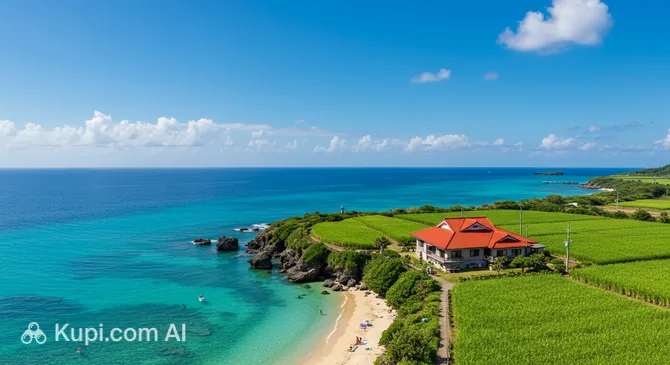
Welcome to Kikaijima, a serene and captivating island that offers a peaceful escape from the hustle and bustle of mainland life. Known for its unique geological formation, this island is one of the few places in the world formed almost entirely from a raised coral reef, which continues to rise at a remarkable speed. Its flat terrain contrasts sharply with the mountainous landscapes of neighboring islands, creating a distinct atmosphere of openness and tranquility.

Located in Kagoshima Prefecture, this hidden gem in Japan is part of the Amami Islands chain. The island enjoys a warm subtropical climate, making it an inviting destination year-round. With a population of approximately 6,700 residents, Kikaijima maintains a cozy, close-knit community vibe where visitors are often greeted with genuine local hospitality.

Kikaijima. Source: Kupi.Binoculars

The island is not just about natural beauty; it also possesses a rich cultural narrative. It served as an important relay point for trade between the ancient Ryukyu Kingdom and the mainland. Travelers interested in the region's past can delve into the history of Kikaijima to understand its strategic significance and unique heritage.

Visitors can explore the scenic Sugar Road, a straight path cutting through vast, lush sugarcane fields that cover much of the island's flat landscape. It is an ideal spot for a relaxing bicycle ride. Nature enthusiasts will also appreciate the island's pristine coastal spots, such as the popular Sugira Beach, and the opportunity to witness the migration of the Chestnut Tiger butterflies, which flock to the island in spring and autumn.

Whether you are seeking to explore rare geological features, enjoy quiet beaches, or simply experience the slow pace of island life, Kikaijima is a delightful destination waiting to be discovered.

Weather Overview

Kikaijima benefits from a pleasant subtropical climate, making it a comfortable destination for travelers at almost any time of the year. The island generally experiences mild winters and warm, humid summers. For those planning a trip, checking the weather in Kikaijima beforehand is recommended to pack appropriately for the conditions.

During the winter months of January and February, average temperatures hover around 16°C to 17°C, ensuring that it never gets too cold. As the seasons shift, temperatures rise steadily, peaking in August with an average of about 28.5°C. Rainfall is a frequent occurrence throughout the year, with June typically being the wettest month, featuring around 18 wet days. Expect warm summers with regular chances of rain and mild winters that remain frost-free.

Interesting Facts

Beyond the scenic sugarcane fields and beaches, Kikaijima holds intriguing secrets that surprise many visitors. From agricultural marvels to ancient legends, the island offers a deeper layer of history and innovation to explore.

  • The Sesame Capital: While Japan relies on imports for nearly 99% of its sesame consumption, Kikaijima stands out as the country's leading producer of domestic white sesame. The local variety is highly prized by chefs for its exceptional aroma and flavor, making it a rare culinary treasure.

  • An Invisible Reservoir: Due to the island's porous coral limestone foundation, rainwater drains away rapidly, making water retention difficult. To solve this, Kikaijima is home to a remarkable underground dam, a massive subterranean wall that traps groundwater for irrigation without altering the surface landscape.

  • The Legend of Shunkan: The island is steeped in the tragic history of Shunkan, a 12th-century monk exiled here after plotting against the powerful Taira clan. Visitors can find a tomb and statue dedicated to him, commemorating the sorrowful tale of how he was left behind while his accomplices were pardoned.

  • Terraced Geology: The island possesses a unique topography known as "Hyakunodai," a flat plateau that is actually a series of marine terraces. These formations are a direct result of the island's rapid geological uplift, preserving a visual timeline of its emergence from the sea over thousands of years.

How to Get There

Reaching the beautiful island of Kikaijima typically involves connecting through one of the larger neighboring islands in the Amami archipelago or flying from the mainland. Since direct access is limited, planning your route is essential for a smooth journey. You can find more about how to get to Kikaijima and the various transport options available on our detailed page.

The most significant nearby aviation hub is Amami Airport (ASJ), located in the city of Amami. Situated approximately 28 km from Kikaijima, this facility serves as a primary gateway for the region. With an annual passenger traffic exceeding 1.5 million, it is a busy regional airport offering frequent connections. Since Kikaijima is a separate island, travelers arriving at Amami Airport typically transfer to a short connecting flight or a ferry to reach their final destination.

Another option for exploring the wider area is Tokunoshima Airport (TKN), located in Tokunoshima, roughly 120 km from Kikaijima. While further away, it is a key transport node for the island chain. Visitors might also consider Yakushima Airport (KUM) in Kumage, though it is located about 238 km away and serves a different part of the prefecture.

For clarity, here is a summary of the main airports in the vicinity:

Airport Name City Passenger Traffic Km from City
Amami Airport Amami Large 28.1
Yakushima Airport Kumage Medium 238.3
Tokunoshima Tokunoshima Medium 119.8
Okinoerabu Airport Okinoerabu Small 158.9
Yoron Airport Yoronjima Small 209.8

Main Attractions

Kikaijima may be a small island, but it is packed with scenic spots and cultural treasures that highlight its unique geological and historical background. From panoramic viewpoints to traditional village landscapes, the island offers a variety of attractions that allow visitors to connect with nature and local heritage.

One of the must-visit locations is Hyakunodai Park, situated on the island's highest plateau, approximately 203 meters above sea level. This spot offers a breathtaking 360-degree panoramic view of the emerald ocean and the lush green fields below. On clear days, you can even see the neighboring Amami Oshima island. It is renowned as one of the best places to appreciate the island's terraced coral reef structure, and at night, it transforms into a prime location for stargazing, free from light pollution.

For those looking to relax by the water, Sugira Beach is the island's most popular coastal destination. Conveniently located near the airport, this beach features pristine white sand and crystal-clear waters. The area is protected by a coral reef, making the waves calm and suitable for swimming, even for families with children. The beach park is well-equipped with facilities, including showers and restrooms, and is a fantastic spot to watch the sunset painting the horizon in vibrant colors.

To experience the island's traditional atmosphere, a walk through the Aden Community is highly recommended. This village is famous for its beautifully preserved Coral Stone Walls, known locally as "Ishigaki." These walls were built using coral limestone to protect houses from strong typhoon winds. Wandering through the narrow, maze-like alleys lined with these rugged, historic walls offers a glimpse into the island's past and provides excellent opportunities for photography.

Nature lovers should not miss the Huge Banyan Tree of Tekuzuku. This magnificent tree, with its sprawling branches and aerial roots, is over 100 years old and stands as a symbol of the island's potent life force. The sheer size of the tree creates a mystical atmosphere, and it is often considered a "power spot" by locals and visitors alike. It is a perfect place to pause and appreciate the quiet majesty of Kikaijima's natural environment.

Local Cuisine

The culinary landscape of Kikaijima is a fascinating blend of island traditions and locally grown treasures. Distinct from typical mainland Japanese cuisine, the food culture here is deeply rooted in the Amami region's heritage. A true soul food for the locals is goat meat, known as yagi. While it might be an acquired taste for some due to its distinct flavor, dishes like Yagi-jiru (goat soup) and Yagi-sashi (raw goat sashimi) are considered delicacies believed to boost stamina. Adventurous eaters should definitely seek out a local specialty shop to experience this authentic island flavor.

Another staple of the island table is Abura-zomen, a dish of somen noodles stir-fried with oil, vegetables, and sometimes pork or seafood. It is a comforting, savory meal often served at gatherings. Visitors will also notice the prominence of white sesame in many dishes. As Japan’s largest producer of domestic sesame, Kikaijima takes pride in this crop. The local sesame is renowned for its rich aroma and is used generously in dressings, sauces, and traditional sweets, adding a nutty depth that elevates simple ingredients.

When it comes to beverages, the Amami islands are the only place in Japan permitted to produce Kokuto Shochu, a clear distilled spirit made from brown sugar. Kikaijima produces its own distinct varieties, which are often smoother and have a mild sweetness compared to potato or barley shochu. It is typically enjoyed on the rocks or mixed with water to accompany a meal. For a non-alcoholic treat, fresh sugarcane juice is a refreshing option, reflecting the island's vast fields of sugar cane that dominate the landscape.

The dining atmosphere in Kikaijima is unpretentious and welcoming. You will not find many high-end luxury restaurants; instead, the island is dotted with cozy izakayas (Japanese pubs) and family-run eateries where the owners often chat with customers. These places are the heart of the community, offering a chance to rub shoulders with locals while enjoying fresh sashimi caught from the surrounding coral reefs. Sampling the local fare in these relaxed settings is the perfect way to immerse yourself in the warm hospitality of the island.

Travel Tips

Visiting a remote island like Kikaijima requires a bit more preparation than a trip to a major city, but the reward is an authentic and peaceful experience. To help you navigate the local customs and logistics smoothly, here are some essential practical tips for your journey.

  1. Clothing and Gear: Since the island has a subtropical climate, pack light, breathable clothing for the summer, along with a hat and high-SPF sunscreen to protect against the strong sun. If visiting in winter, bring a windbreaker or light layers, as the sea breeze can feel chilly. Comfortable walking shoes or sneakers are a must for exploring the Sugar Road and rocky coastlines.

  2. Transportation: Public bus services are available but run infrequently, so relying on them can be limiting. The best way to get around is by renting a car or a bicycle. Since Kikaijima is relatively flat compared to its neighbors, cycling is a delightful and popular option. Taxis are present but usually need to be called by phone or arranged by your hotel.

  3. Finances: The local currency is the Japanese Yen (JPY). Cash is essential on Kikaijima, as many small shops, family-run restaurants, and vending machines do not accept credit cards. While there are ATMs at the post office that typically accept international cards, it is wise to withdraw sufficient cash before leaving the mainland or immediately upon arrival.

  4. Health and Safety: The island is generally very safe, and unlike neighboring Amami Oshima, Kikaijima is known for being free of the venomous Habu snake, making nature walks much more relaxed. However, medical facilities are limited to small clinics, so bring a personal medical kit and any prescription drugs you require. Pharmacies may close early in the evening.

  5. Communication: Japanese is the primary language, and English speakers are rare outside of major tourist information spots. It is highly recommended to have a translation app installed on your phone. Renting a pocket Wi-Fi or securing a SIM card on the mainland before you arrive is advisable, as connectivity options on the island itself can be scarce.

  6. Local Etiquette: The island community is close-knit and friendly. A polite bow or a smile goes a long way when greeting locals. As in the rest of Japan, always remove your shoes when entering a home, a traditional guesthouse (*ryokan*), or certain temples. Be mindful of noise, especially at night, to respect the quiet residential atmosphere.

  7. What to Avoid: Do not enter the sugarcane fields to take photos without permission. These are private agricultural lands and the livelihood of the farmers. Additionally, avoid stepping on coral reefs when swimming or snorkeling; the ecosystem is fragile and easily damaged by careless footsteps.

  8. Island Rhythm: Be prepared for "island time." Shops and restaurants may have irregular hours or close earlier than you expect. It is a good idea to check opening times in advance or ask your accommodation host to help make dinner reservations to ensure you don't miss out on local delicacies.

By keeping these practical tips in mind, you will be well-equipped to relax and fully immerse yourself in the slow-paced, scenic beauty of Kikaijima. Enjoy the warm hospitality and the unique charm that this coral island has to offer!

Entertainment & Nightlife

Nightlife in Kikaijima is a world away from the neon-lit bustling districts of Tokyo or Osaka. Instead of thumping nightclubs and sprawling entertainment complexes, the island offers a warm, intimate, and authentically local experience. The evening scene here revolves around connection, conversation, and the island's unique culture of hospitality. Visitors can expect a laid-back atmosphere where the focus is on savoring fresh local food, enjoying traditional music, and sharing a drink with friendly residents.

The heartbeat of the island's entertainment is the Wan district. As the administrative and commercial center of Kikaijima, this area houses the highest concentration of dining establishments and watering holes. While the streets may seem quiet after dark, the warm glow of lanterns outside izakayas (Japanese-style pubs) signals that the night is just beginning inside. These venues are casual and welcoming, with no strict dress code—comfortable island attire is perfectly acceptable everywhere.

For a truly memorable night, a visit to Sabani is highly recommended. This popular dining bar is not just a place to eat but a cultural hub where you can often experience live performances of Shimauta, the traditional folk songs of the Amami islands. The sound of the sanshin (a three-stringed instrument) fills the air as guests enjoy a fusion of island ingredients and creative cuisine. It is one of the best spots to immerse yourself in the local artistic spirit while enjoying a vibrant evening atmosphere.

Another staple of Kikaijima's nightlife is the "Snack Bar" culture. After a meal at an izakaya, it is common for locals to move to a Snack—a small, cozy bar usually run by a "mama" or "master." These places are the social living rooms of the island, offering unlimited singing via karaoke and endless flow of drinks. Stepping into a Snack bar like Snack Airport (a local favorite often found in rural areas) or simply wandering the streets of Wan to find an open door is a great way to bond with the community. Be prepared to sing a song or two, as participation is warmly encouraged!

No night out in Kikaijima is complete without tasting the local spirit, Kokuto Shochu. Unique to the Amami islands, this distilled liquor is made from brown sugar and rice koji. It has a rich aroma and a mild, slightly sweet finish. Kikaijima is home to renowned distilleries like Asahi Shuzo, and you will find their bottles, such as "Asahi" or "Kikai," at almost every establishment. It is typically enjoyed on the rocks or mixed with water, and sipping it slowly is the perfect accompaniment to the island's slow-paced night.

Practicality is key when planning your evening. Most venues in the Wan district are within walking distance of each other, but if your accommodation is further away, you will need transportation. Taxis are available but can be scarce late at night, so it is wise to ask the restaurant staff to call one for you in advance. Alternatively, the Daiko service (designated driver service) is widely used if you have a rental car; a driver will come to drive your car back to your hotel while you ride along.

Safety is rarely a concern in Kikaijima, making it perfectly safe for night walks. The streets are peaceful, and the crime rate is virtually non-existent. However, street lighting can be dim outside the main center, so carrying a small flashlight or using your phone light is helpful. One of the greatest joys of a clear night here is simply looking up; with minimal light pollution, the starry sky is breathtaking and serves as a natural entertainment of its own.

While the nights are for socializing, the daytime offers a different kind of engagement. Before the sun sets, visitors can explore the island's rich history at local museums or enjoy the natural beauty of Sugira Beach. But as the sun dips below the horizon, the focus shifts back to the town center, where the clinking of glasses and the sound of laughter define the true Kikaijima experience.
Parks & Museums

Kikaijima is often described as a "living museum" of geology due to its rapidly rising coral reef foundation, but the island also offers curated spaces where visitors can connect with its rich nature and history. From windswept plateaus offering panoramic views to intimate exhibition halls preserving centuries of local lore, the parks and museums here provide a deeper understanding of this unique island in Japan.

For nature lovers, Hyakunodai Park is the premier destination. Located on the island's highest plateau, this area is part of the Amami Gunto National Park. While it is famous for its sweeping views, the park itself is a lush green space ideal for walking and observing local flora. In spring and autumn, it becomes a sanctuary for the Chestnut Tiger butterfly, a migratory species that gathers here in the thousands, creating a magical spectacle. The cool breeze and open grassy areas make it a perfect spot for a picnic surrounded by nature.

For a deeper dive into the natural forces that shaped the island, a visit to the Kikai Institute for Coral Reef Sciences is highly recommended. This facility serves as both a research hub and an educational center, offering visitors a chance to learn about the global significance of coral reefs and the specific geological history of Kikaijima. Through its exhibits and programs, the institute bridges the gap between scientific research and public knowledge, making it a fascinating stop for anyone interested in marine biology and conservation.

To delve into the island's human history, a visit to the Kikai Town Historical and Folklore Museum is essential. This facility acts as the treasure chest of the island, housing a collection that spans from prehistoric times to the modern era. Exhibits include pottery and tools excavated from local Gusuku sites, which highlight Kikaijima's pivotal role in the trade networks of the ancient Ryukyu Kingdom. Visitors can also learn about the legend of Shunkan, the tragic monk exiled here in the 12th century, through various artifacts and historical narratives.

Beyond traditional indoor museums, the Aden Community functions as a fascinating open-air museum of architecture. This village is renowned for its preservation of "Ishigaki"—walls built from coral limestone. Walking through these narrow, maze-like streets offers a tangible connection to the wisdom of island ancestors who built these structures to protect their homes from typhoons. The contrast of the grey coral stones against the vibrant green of garden plants creates a photogenic and atmospheric journey back in time.

For a unique insider experience, seek out Somachi Banta (Somachi Lookout). This scenic viewpoint and park offers a different perspective of the island's terraced geology compared to the more famous spots. It is less crowded, providing a quiet space to appreciate the dramatic cliffside landscapes and the vast ocean beyond. It is an excellent location for photographers looking to capture the island's distinct topography in a serene setting.

Getting Around

Public transport in Kikaijima is simple and limited, reflecting the island's small size and relaxed pace of life. Unlike major cities in Japan, there are no trains, subways, or trams here. The primary means of getting around for those without a vehicle is the local bus network, though many visitors find that renting a vehicle offers the most freedom to explore the scattered attractions.

The island operates a scheduled route bus service that connects key locations, including the airport, the ferry port in Wan, and various villages along the coast. While these buses are reliable, they run infrequently, often with intervals of an hour or more between services. It is essential to check the timetable in advance, which can usually be found at the airport information desk, the ferry terminal, or your accommodation.

Payment on local buses is typically done in cash. Upon boarding from the rear or side door, you should take a small numbered ticket from the machine. This number corresponds to a fare display at the front of the bus, which indicates the cost as you travel. When you reach your destination, you deposit the exact fare and the ticket into the box next to the driver. Large bills are often not accepted, so it is advisable to carry plenty of 1,000 yen notes and coins. Unlike in Tokyo, IC cards like Suica or Pasmo are generally not accepted on these rural buses.

For those who prefer a more direct mode of transport, taxis are available but do not typically cruise the streets looking for passengers. You will generally need to call a local taxi company to arrange a pickup or find one waiting at the airport or ferry terminal upon arrival. Taxis are a convenient option for short trips or for dining out in the evening when bus services have ceased.

Given the infrequent public transport, renting a car is widely considered the most practical choice for tourists. Several rental agencies operate near the airport and the port. Driving allows you to navigate the scenic roads and reach secluded beaches at your own pace. Alternatively, rental bicycles and electric scooters are becoming increasingly popular. Since Kikaijima has relatively flat coastal areas compared to neighboring volcanic islands, cycling is a pleasant and eco-friendly way to see the sights, especially when the weather is fine.

Finally, keep in mind that transportation services on the island operate on "island time" and often shut down earlier than on the mainland. If you plan to rely on buses, ensure you know when the last service departs to avoid being stranded. Always carrying cash is the golden rule for transport in Kikaijima, as digital payments are rarely an option for transit.

Accommodation

Accommodation in Kikaijima reflects the island's unpretentious and authentic character. You will not find sprawling luxury resorts or international hotel chains here. Instead, the island offers a selection of small business hotels, traditional Japanese inns (*ryokans*), and family-run guesthouses known as *minshukus*. These establishments typically focus on providing essential comforts and warm hospitality, allowing visitors to experience the local lifestyle up close.

The majority of lodging options are conveniently concentrated in the **Wan** district and the area surrounding the airport. Wan serves as the island's commercial and administrative center, making it a practical choice for travelers who want easy access to the ferry terminal, supermarkets, and the local dining scene. Staying in this area places you within walking distance of many *izakayas* and shops. Alternatively, accommodation near the airport offers a quieter environment and is often closer to scenic nature spots like Sugira Beach.

Because the number of rooms on the island is limited, accommodation can fill up quickly, especially during the summer season and Japanese national holidays. It is highly recommended to book your stay well in advance to ensure availability, as last-minute options may be scarce.

Price ranges in Kikaijima are generally reasonable, catering mostly to budget and mid-range travelers. While some of the larger hotels may be bookable through major international online platforms, many smaller *minshukus* and inns still rely on direct bookings via phone or Japanese-language websites. Visitors should also be aware that credit card acceptance can be limited at smaller establishments, so it is wise to carry sufficient cash to cover your stay.

Nearby Cities

For those looking to explore the surroundings, Kikaijima serves as an excellent base for day trips to several interesting nearby locations. While Kikaijima offers a secluded atmosphere, it is part of a vibrant archipelago where unique cultures and landscapes are just a short journey away.

Amami is the closest and most accessible major destination for travelers departing from Kikaijima. Located on Amami Oshima, this city serves as the transport and cultural hub of the region. Visitors are drawn to its stunning mangrove forests, which can be explored by canoe, and its rich tradition of Oshima Tsumugi silk weaving. As the primary gateway to the island chain, Amami offers a bustling contrast to the quiet rural life of Kikaijima, making it perfect for shopping, dining, and experiencing the deeper "island heritage" of the Amami group.

Further south lies Okinawa, a world-renowned destination famous for its distinct Ryukyu culture, historical sites, and vibrant city life. While a bit further afield, it represents the cultural heart of Japan's southern islands. Travelers often combine a visit here to explore the bustling Kokusai-dori street, taste authentic Okinawa soba, or visit the remnants of ancient castles. It offers a lively urban experience with deep historical roots that complements the peaceful nature of Kikaijima.

Another interesting spot in the region is Nago, located in the northern part of Okinawa Island. Known for its rich nature and scenic coastlines, Nago is famous for the Nago Pineapple Park and the early-blooming cherry blossoms at Nago Central Park. It provides a more relaxed alternative to the busy capital of Naha, featuring beautiful resorts and a gateway to the subtropical jungles of the Yanbaru region.

City Population Distance (km)
Okinawa 142094 307
Uruma 122371 300
Nago 63060 275
Amami 43000 132
Katsuren 40541 302

These nearby destinations offer a glimpse into the diverse culture and landscapes of the region, allowing travelers to experience the varying rhythms of island life in southern Japan.

Shopping & Souvenirs

Shopping in Kikaijima offers a delightful departure from the commercialized experience of large cities. Instead of sprawling luxury malls and designer boutiques, you will find quaint local stores, direct-sales stands, and community markets that highlight the island's agricultural richness. The shopping scene here is intimate and focused on locally produced goods, particularly food items that are unique to this specific part of Japan. It is an excellent opportunity to purchase authentic souvenirs that directly support the local farmers and artisans.

The primary commercial hub of the island is the Wan District. Located near the ferry terminal, this area contains the highest concentration of shops, supermarkets, and general stores. While it does not resemble a bustling "shopping street" found in Tokyo, it serves as the lifeline for the locals. Visitors can stroll through this district to find everything from daily necessities to specialty gift shops. It is the best place to soak up the local atmosphere and interact with shopkeepers who are eager to explain the origins of their products.

Travelers should be aware that there are no large-scale shopping malls or department stores on Kikaijima. The retail landscape is dominated by smaller, independent establishments and a few supermarkets, such as the local A-Coop. These supermarkets are not only for groceries; they often have dedicated sections for island specialties, making them convenient stops for tourists looking to buy local snacks, condiments, and beverages at reasonable prices.

For a more curated selection of local goods, the Kikaijima Souvenir Center (often located within or near the ferry terminal building) and the shop at Kikai Airport are the most convenient stops. These locations gather the best of the island's products under one roof. Additionally, you may encounter small "unmanned sales stands" along the roads near farm fields, where locals sell fresh vegetables or fruits on an honor system—a charming testament to the island's safety and trust.

When it comes to souvenirs, Kikaijima is famous for its White Sesame. The island is the largest producer of domestic sesame in the country, and the quality is renowned for its intense aroma. You can find it in various forms, including roasted seeds, rich sesame oil, and dressings. Another "must-buy" is Kokuto (brown sugar). Produced from the surrounding sugarcane fields, it is sold as raw chunks or processed into traditional sweets. For those who enjoy alcohol, a bottle of Kokuto Shochu is an essential keepsake. Distilled from brown sugar, this spirit is unique to the Amami islands, and Kikaijima has its own distinct brands that are highly prized.

Store hours on the island typically follow a relaxed schedule. Most shops open around 9:00 AM and close by 6:00 PM or 7:00 PM. Supermarkets may stay open a bit longer, but it is wise not to leave shopping for late at night. In terms of payment, cash is king. While the airport shop and some larger supermarkets may accept credit cards, many smaller souvenir shops and local vendors only deal in cash. Ensuring you have enough yen on hand before heading out to shop is highly recommended.

Regarding tax-free shopping, it is generally not available at the small local stores on Kikaijima. The tax exemption procedures common in big city electronics stores or department stores are rare here. Visitors should expect to pay the standard consumption tax on their purchases.

Reached the end of the page?

That means the route is fully explored