Support

Kumage

About

Welcome to Kumage, a captivating destination located in the southern reaches of Kagoshima Prefecture. This unique area serves as a gateway to some of the most spectacular natural wonders and technological marvels in the region. Comprising the famous islands of Tanegashima and Yakushima, Kumage offers travelers an extraordinary blend of ancient forests, pristine beaches, and modern innovation, making it a truly diverse spot for exploration.

Geographically, Kumage is situated south of the Kyushu mainland in Japan, enjoying a warm, subtropical climate that encourages lush vegetation and year-round outdoor activities. The area is renowned for its dramatic landscapes, ranging from the mountainous, rain-soaked terrain of Yakushima to the flatter, sandy coastlines of Tanegashima. With a population of approximately 16,000 residents, it maintains a peaceful, small-town atmosphere while hosting world-class attractions.
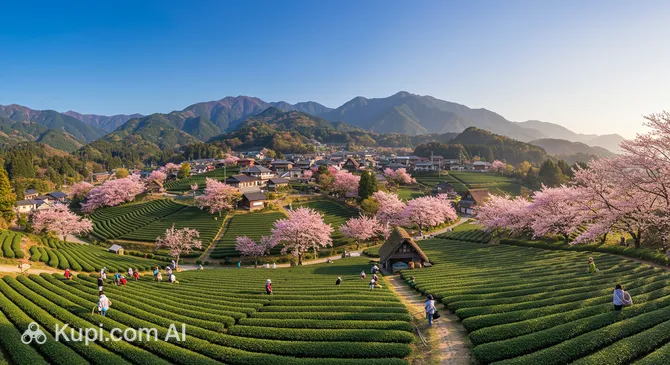
Kumage. Source: Kupi.Binoculars

Delving into the history of Kumage reveals a fascinating tapestry of cultural evolution. From the ancient roots of its cedar forests, some of which have stood for thousands of years, to its pivotal role in the introduction of firearms to the country, the region has always been significant. Today, it stands as a bridge between the past and the future, notably hosting Japan's largest rocket-launch complex.

Visitors are often drawn to the mystical Yakushima, a UNESCO World Heritage site famous for its millennia-old Jomon Sugi cedar trees and moss-covered forests that inspired animated films. In contrast, the Tanegashima Space Center offers a look at the cutting edge of science with its stunning coastal launch pads. Whether you are hiking through primeval woods or watching a rocket launch against a backdrop of blue ocean, the experiences here are unmatched.

If you are looking for a destination that offers both serenity and excitement, Kumage is the perfect choice. Its unique combination of natural beauty, historical depth, and friendly local charm invites you to embark on an unforgettable journey off the beaten path.
Weather Overview

Travelers to this region can expect a generally mild and humid subtropical climate. Before heading out to explore the islands, it is worth reviewing the weather in Kumage to ensure you are prepared for the conditions. The area does not experience extreme cold, making it a viable destination throughout the year, though distinct seasonal changes do occur.

Winters are cool but manageable, with average temperatures in January and December sitting comfortably between 10°C and 12°C. As the season shifts to spring, the air warms up significantly, leading into a hot summer. August is typically the warmest month, with averages climbing to around 27°C. Rainfall is a frequent occurrence here; expect regular showers throughout the year, particularly in June and July, which can see up to 19 wet days each.

Interesting Facts

Beyond the main scenic spots, Kumage holds many fascinating secrets and cultural anecdotes that reveal the true character of this unique region. From artistic inspiration to ecological wonders, the area offers intriguing stories that go far beyond the typical guidebook descriptions.

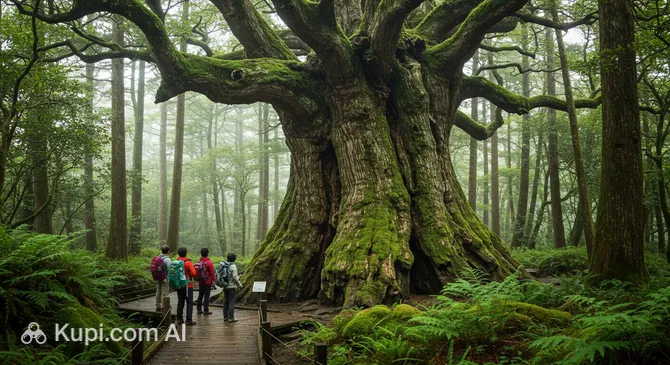
Jomon Sugi. Source: Kupi.Binoculars
  • The ancient, moss-covered forests of this region famously inspired the setting for the renowned Studio Ghibli film Princess Mononoke. Director Hayao Miyazaki spent time here sketching the scenery, and the ethereal atmosphere of the film is a direct reflection of the real landscapes found in the area.

  • There is a popular local saying that it rains "35 days a month" in this part of the archipelago. This humorous exaggeration captures the reality of the region's extreme precipitation, which is crucial for sustaining its lush, primeval vegetation and waterfalls.

  • Deep in the mountains stands the Jomon Sugi, a massive cedar tree that is a subject of scientific mystery. While estimates of its age range from 2,000 to over 7,000 years, it remained officially undiscovered and hidden from the outside world until as recently as 1966.

  • The sandy shores of the islands in Kumage serve as the most significant nesting grounds for loggerhead sea turtles in the entire North Pacific. During the summer months, visitors must be extremely careful near the beaches to avoid disturbing these marine creatures as they come ashore to lay their eggs.

How to Get There

Reaching this unique island district requires a bit of planning, as it is separated from the mainland. For a comprehensive guide on the best routes, including ferry schedules and flight connections, you can read more about how to get to Kumage. Most travelers choose to arrive by air, connecting through major hubs in the region.

The most direct entry point is Yakushima Airport (KUM), which is conveniently located within the Kumage area itself. It is a small but vital transport hub handling regional flights. The airport is situated just about 15 km from the central activity areas, meaning a taxi or bus ride takes approximately 45 minutes. Due to its location on the island, it offers immediate access to the ancient forests and hiking trails that attract visitors from around the world.

Another option for reaching the archipelago is Tanegashima Airport (TNE), located on the neighboring island of Tanegashima. While it is about 54 km away from the center of the Yakushima area, it serves as a key gateway for those visiting the space center or surfing spots. Travel time from here to the main accommodations can take around 1 hour and 40 minutes, involving local transport and potentially a short ferry ride between islands.

For international travelers, the journey often begins at Kagoshima Airport (KOJ), located in the city of Kagoshima on the Kyushu mainland. Although it is approximately 163 km from Kumage, it acts as the primary transfer hub. This large facility handles millions of passengers annually and offers frequent connecting flights to the islands, as well as bus links to the ferry terminals where high-speed boats depart for Kumage.

For clarity, here is a summary of the main airports:

Airport Name City Passenger Traffic Km from City
Kagoshima Airport Kagoshima Large 162.9
Miyazaki Airport Miyazaki Medium 191.9
Amami Airport Amami Medium 225.9
Yakushima Airport Kumage Small 14.8
Tanegashima Tanegashima Small 54.3

Since Kumage consists of islands such as Yakushima and Tanegashima, there are no railway services directly connecting it to the rest of Japan. Visitors typically take the Shinkansen (bullet train) to Kagoshima-Chuo Station on the mainland and then transfer to a high-speed hydrofoil or ferry to cross the sea. Once on the islands, rental cars and local buses are the primary means of transportation.

Main Attractions

The region of Kumage, encompassing the islands of Yakushima and Tanegashima, offers a remarkable array of sights that range from ancient natural wonders to cutting-edge technology. Whether you are a hiking enthusiast seeking primeval forests or a science buff interested in space exploration, this area provides a diverse itinerary that is unlike anywhere else in Japan.

Undoubtedly the most famous icon of the area is the Jomon Sugi. Located deep within the mountainous interior of Yakushima, this ancient cedar tree is estimated to be anywhere between 2,000 and 7,000 years old. Reaching it requires a challenging but rewarding round-trip hike of approximately 10 hours along the Arakawa Trail and Okabu Trail. The sight of its massive, gnarled trunk standing silently in the mist is a spiritual experience that draws trekkers from all over the world.

For those looking for a slightly more accessible encounter with the region's mystical nature, the Shiratani Unsuikyo Ravine is a must-visit. This lush nature park is famous for its moss-covered rocks and streams, creating a vibrant green landscape that feels almost otherworldly. It is widely known as the inspiration for the forest setting in the animated masterpiece Princess Mononoke. Several hiking courses are available here, ranging from short walks to longer treks, making it suitable for various fitness levels.

On the neighboring island of Tanegashima, the atmosphere shifts from ancient woods to the future of humanity at the Tanegashima Space Center. Known as the most beautiful rocket launch site in the world, it is built along the southeastern coast, where launch pads are set against a backdrop of blue ocean and white cliffs. Visitors can tour the Space Science and Technology Museum to learn about Japan's aerospace history or, if lucky, witness a rocket launch that lights up the sky over the Pacific.

Another spectacular natural feature is Ohko-no-Taki Waterfall, one of the top 100 waterfalls in Japan. Standing at 88 meters high, it holds the largest water volume of any majestic fall on Yakushima. Visitors can get quite close to the basin, allowing them to feel the powerful spray and cool breeze generated by the cascading water. It is an impressive stop on a drive around the island, offering a refreshing break and a perfect photo opportunity.

Local Cuisine

The culinary landscape of Kumage is heavily influenced by its island geography, offering a bountiful array of fresh seafood and unique agricultural products that flourish in the subtropical climate. The food here is simple yet flavorful, relying on the exceptional quality of local ingredients rather than complex preparation methods. Visitors can expect a dining experience that connects them deeply with the ocean and the fertile volcanic soil.

The undisputed king of the local table is the flying fish, known in Japanese as tobiuo. This delicacy is served in numerous ways, from fresh, translucent sashimi to deep-fried whole fish with its wings spread crisp. Another popular variation is minced flying fish cakes, which are often deep-fried and served as a savory snack. Seafood lovers should also look for Kubiore Saba, a type of mackerel specific to Yakushima. The name refers to the method of breaking the fish's neck immediately after catching it to preserve its freshness, resulting in a firm texture that is perfect for sashimi.

On the island of Tanegashima, the soil produces one of Japan's most famous sweet potatoes, the Anno Imo. Unlike standard varieties, these potatoes have a vibrant orange flesh and a high sugar content that makes them incredibly sweet and creamy when roasted. They are a must-try treat, often sold at roadside stations and markets. Additionally, the region is known for its citrus fruits, particularly the Tankan and Ponkan oranges, which add a refreshing zest to local desserts and juices.

When it comes to drinks, the local culture is dominated by shochu, a distilled spirit typically made from sweet potatoes. The pristine water of the islands is said to produce exceptionally smooth shochu, with brands like Mitake being highly prized souvenirs. For a non-alcoholic option, freshly squeezed Tankan juice is widely available and offers a perfect balance of sweetness and acidity. Local tea is also a staple, grown in the misty hills and enjoyed daily by residents.

The food scene in Kumage is casual and welcoming, characterized by small, family-run izakayas and restaurants rather than high-end dining establishments. A unique aspect of the local food culture is the "bento" tradition, essential for the many trekkers exploring the wilderness. Before embarking on the long hike to the majestic Jomon Sugi, it is customary for visitors to pick up a packed lunch box, often wrapped in bamboo leaves, to enjoy amidst the ancient forest roots.

Travel Tips

Preparing for a trip to Kumage requires a bit more foresight than visiting Japan's major metropolises, primarily due to its unique island geography and rugged wilderness. To help you navigate the ancient forests of Yakushima and the coastal beauty of Tanegashima with ease, here are some essential practical tips to ensure your adventure is smooth and enjoyable.

  1. Clothing and Gear: Given the region's reputation for high precipitation, high-quality rain gear is absolutely non-negotiable, regardless of the season. If you plan to hike to the ancient cedars, bring sturdy, broken-in trekking boots and breathable layers. Even in summer, the mountains can be cool, so a light jacket is wise. For religious sites or shrines, simple modest clothing is sufficient, but slip-on shoes are recommended as you will need to remove them frequently.

  2. Transportation: While there are local buses on the main islands, they run infrequently and may not align with your hiking or sightseeing schedule. The best way to explore Kumage is undoubtedly by rental car. This gives you the freedom to reach remote trailheads, waterfalls, and the space center at your own pace. Be sure to book your vehicle well in advance, especially during peak seasons like Golden Week or summer holidays.

  3. Finances: Although the country is modernizing, rural island areas still heavily rely on cash. Many small restaurants, souvenir shops, and bus fares require physical currency (Japanese Yen). Ensure you withdraw enough cash at the airport or in larger towns like Miyanoura or Nishinoomote. International ATMs can be found at Japan Post Bank locations and some convenience stores, but they may be scarce in outlying villages.

  4. Health and Safety: Medical facilities are available in the main town centers, but they may have limited hours compared to big cities. If you are hiking, it is crucial to submit a tozan-todoke (mountain climbing registration form) at the trailhead or police station. Also, carry a basic first-aid kit for blisters or minor scrapes, as pharmacies are not open 24/7.

  5. Communication: English is spoken at major tourist information centers and larger hotels, but it is less common in rural eateries and shops. It is highly recommended to download an offline translation app and offline maps before you arrive, as mobile signal can be spotty deep in the mountains. Renting a Pocket Wi-Fi or buying a SIM card at the airport upon arrival is essential for staying connected.

  6. Local Etiquette: When hiking in the mountains, it is customary to greet fellow trekkers with a friendly "Konnichiwa" (Hello) as you pass. In towns, always remove your shoes when entering traditional accommodations (ryokan), some restaurants, and private homes. If you visit a local onsen (hot spring), remember to wash your body thoroughly outside the bath before soaking.

  7. What to Avoid: Do not feed or approach the wild animals, particularly the Yakushima macaques and deer. Feeding them disrupts their natural diet and can make them aggressive towards humans. Additionally, avoid walking on the moss in the forests; it is extremely delicate and takes decades to grow, so strictly stick to the designated wooden paths and trails.

  8. Hiking Provision Tip: If you are planning an early morning trek to see the Jomon Sugi, order a "tozan bento" (hiking lunch box) from your accommodation the night before. Most local hotels are accustomed to this request and will have a packed meal ready for you to pick up at the front desk before dawn.

By keeping these practicalities in mind, you will be well-equipped to embrace the wild beauty and serenity of Kumage without unnecessary stress. Respect the local nature, come prepared for the rain, and you are sure to have a deeply rewarding experience in this mystical corner of Japan.

Entertainment & Nightlife

While Kumage may not offer the neon-lit frenzy of Tokyo or Osaka, its nightlife possesses a unique, intimate charm that perfectly complements the region's island atmosphere. The entertainment scene here is less about thumping bass lines and more about warm hospitality, local connection, and savoring excellent regional spirits. Visitors will find that the evenings in Yakushima and Tanegashima are best spent hopping between cozy venues where the "master" or "mama" behind the bar treats you like an old friend.

On Yakushima, the primary hub for evening entertainment is the Miyanoura district. This port town comes alive after dark with a variety of izakayas (Japanese pubs) and small bars. A standout venue here is Panorama, widely regarded for its hip, mellow vibe and selection of drinks, including the local "Catch the Beer" craft brew. It is a fantastic place to unwind, often hosting live music sessions that blend perfectly with the island's laid-back rhythm. For those looking to stay out later, Ganta is a popular late-night spot near the harbor, staying open well past midnight—a rarity on the island—serving hearty food and drinks to a mix of locals and travelers.

Over on Tanegashima, the nightlife is concentrated in the city of Nishinoomote. The streets here are lined with traditional red lanterns marking the entrances to small eateries and "Snack Bars." These snack bars are a quintessential part of the local culture; they are typically small, counter-style establishments where you pay a cover charge to drink, chat with the hostess, and sing karaoke with other patrons. It is an authentic experience where the dress code is casual, and the atmosphere is incredibly welcoming, even if you don't speak fluent Japanese.

When planning a night out, timing and logistics are key. Most venues open around 6:00 PM and, with the exception of a few places like Ganta, tend to close by 10:00 PM or 11:00 PM. Prices are generally reasonable, with an average evening costing between 3,000 and 5,000 yen per person. Be aware that public transport does not run late at night. Taxis can be scarce, so it is advisable to ask your restaurant to call one for you. Alternatively, if you have a rental car, you can use a "daiko" service, where two drivers arrive—one to drive your car home and another to follow, ensuring you get back safely without driving under the influence.

Before the sun sets and the lanterns light up, the region offers world-class daytime entertainment that focuses on nature and discovery. The most famous pursuit is undoubtedly trekking to see the ancient Jomon Sugi, a majestic cedar tree that has stood for thousands of years. Whether you spend your day hiking through mystical forests or touring the futuristic rocket launch pads at the space center, the transition to a relaxing evening of local shochu and fresh seafood provides the perfect end to a day in Kumage.

Parks & Museums

The cultural and natural landscape of Kumage is defined by extreme contrasts, ranging from some of Japan's oldest primeval forests to the forefront of space exploration technology. The region offers a diverse array of parks and museums that allow visitors to deeply engage with its unique heritage, whether that involves trekking through UNESCO-recognized wilderness or learning about the history of firearms and rocketry.

Yakushima National Park is undoubtedly the centerpiece of the region's green spaces, covering the interior of Yakushima Island. This UNESCO World Heritage site is a sanctuary of dense, ancient forests and dramatic granite peaks. It is here that hikers can find the legendary Jomon Sugi, a giant cedar tree that symbolizes the enduring power of nature. The park is not just about the trees; it features a complex ecosystem of mosses, clear rivers, and endemic wildlife like the Yakushima macaque and deer, making it a paradise for eco-tourists and photographers.

Jomon Sugi. Source: Kupi.Binoculars

For a different kind of natural beauty, Nagata Inakahama Beach offers a pristine coastal experience on the northwest corner of Yakushima. This beach is famous for its coarse white sand, which is actually weathered granite from the island's mountains. It serves as a critical habitat for loggerhead sea turtles, which come ashore to lay their eggs between May and July. Even outside the nesting season, the beach provides stunning views of the horizon and the jagged silhouette of Kuchinoerabu-jima island in the distance.

On the neighboring island of Tanegashima, the Space Science and Technology Museum stands as a testament to human ingenuity. Located within the Tanegashima Space Center, this facility is entirely dedicated to space development. Exhibits include full-scale models of rockets, propulsion engines, and satellites, offering a hands-on learning experience about Japan's aerospace history. It is a fascinating stop for families and science enthusiasts, providing context to the massive launch pads visible outside.

To understand the historical significance of the region, a visit to the Teppokan (Gun Museum) in Nishinoomote City is essential. Tanegashima is historically renowned as the place where firearms were first introduced to Japan by the Portuguese in 1543. This museum houses an impressive collection of matchlock guns and documents the dramatic shift in Japanese warfare and history that occurred following this event. The building itself is shaped like a ship, symbolizing the arrival of foreign vessels.

Another significant historical landmark is Cape Kadokura at the southern tip of Tanegashima. This is the precise spot where the Portuguese ship drifted ashore, marking the first contact between Europe and Japan. Today, a monument stands to commemorate this pivotal moment in history, and the cape offers a panoramic observation deck with sweeping views of the Pacific Ocean, blending historical reflection with scenic beauty.

For a truly authentic local experience, seek out the Hirauchi Kaichu Onsen on the south coast of Yakushima. This unique hot spring is located directly in the sea and is only accessible for a few hours each day during low tide. Bathing here requires careful timing and a willingness to embrace nature, as there are no changing rooms or walls—just warm volcanic water mixing with the cool ocean waves under the open sky.

Getting Around

Navigating the Kumage region, which encompasses the islands of Yakushima and Tanegashima, is quite different from moving around Japan's major metropolitan areas. There are no subways, trams, or trains here. Instead, the public transport system relies entirely on a network of local buses. For travelers who do not drive, these buses are the primary means of getting between ports, airports, hiking trails, and towns. While the service is reliable, the frequency can be low, especially in rural areas, so planning your movements around the timetables is essential.

On Yakushima, two main companies operate the bus routes: Yakushima Kotsu and Matsubanda Kotsu. They cover most of the island's perimeter and the roads leading to major hiking trailheads like Shiratani Unsuikyo and the Yakusugi Land. Tanegashima is served by Tanegashima Kotsu, which connects the airport, the ferry port in Nishinoomote, and the space center in the south. It is important to note that buses generally stop running in the early evening, often around 5:00 PM or 6:00 PM in remote areas, so you must be mindful of the time to avoid being stranded.

Regarding payment, cash is the standard method for bus fares. Unlike in Tokyo or Osaka, nationwide IC cards like Suica or Pasmo are typically not accepted on these local island buses. When you board the bus, you should take a small numbered ticket (seiriken) from the machine near the rear door. A display at the front of the bus will show the fare corresponding to your ticket number. When you arrive at your destination, place the exact change and the ticket into the fare box next to the driver. Money changers for 1,000 yen bills are usually attached to the fare box.

For tourists planning to explore extensively by bus, purchasing an unlimited ride pass is highly recommended. On Yakushima, "Unlimited Ride Passes" are available for one, three, or four days. These can offer significant savings, as single fares to mountain trailheads can be quite expensive. You can purchase these passes at the airport, ferry terminals, and large hotels or tourist information centers upon arrival. Having a pass also simplifies the travel process, as you just need to show it to the driver instead of handling coins for every trip.

While buses are useful, renting a car is arguably the most efficient way to explore Kumage. The islands are large, and many scenic spots, waterfalls, and hidden beaches are located far from bus stops. Rental agencies are plentiful near the airports and ports, but demand is high, so booking in advance is crucial. Driving allows you the freedom to chase the weather or visit the Tanegashima Space Center without being tethered to a sparse bus schedule. Taxis are also available and can be hired for sightseeing tours, but fares can add up quickly for long distances.

For shorter distances or exploring local towns like Miyanoura or Nishinoomote, renting a bicycle is a pleasant option. However, be aware that the terrain in this region, particularly on Yakushima, is quite mountainous and hilly. If you choose to cycle, opting for an electric-assist bicycle is strongly advised to make the inclines manageable. Additionally, given the region's high rainfall, always check the weather forecast before setting out on two wheels.

Finally, travel between the islands of the Kumage district and the mainland is facilitated by high-speed hydrofoils (locally known as "Toppy" or "Rocket") and car ferries. While these are primarily for inter-city travel, they are an integral part of the local transport logistics. Terminals for these vessels act as the central hubs where bus routes converge, making them the starting point for most journeys within the region.

Accommodation

Finding the perfect place to stay in Kumage is an essential part of the travel experience, as the choice of accommodation often dictates how easily you can access the region's natural wonders. The islands of Yakushima and Tanegashima offer a broad spectrum of lodging options, ranging from budget-friendly hostels and campsites for trekkers to luxurious seaside resorts and traditional Japanese inns (ryokan). Because these islands are popular destinations for both hiking and relaxation, visitors will find facilities that cater to early-morning adventurers as well as those seeking a quiet retreat.

For those visiting Yakushima, location is key. The two main hubs are Miyanoura and Anbo. Miyanoura is the island's largest town and main ferry port, making it the most convenient area for travelers arriving by boat; it offers a high concentration of restaurants, shops, and guesthouses. Anbo, located on the eastern coast, is closer to the major trailheads leading to the interior mountains. Staying in Anbo is often preferred by serious hikers who plan to start their trek before dawn. On Tanegashima, the city of Nishinoomote in the north serves as the primary base with standard business hotels and inns, while the southern area of Minamitane offers accommodations closer to the space center and surf spots.

A unique and popular style of accommodation in this region is the minshuku. These are family-operated guesthouses that offer a more intimate look at local life. A stay at a minshuku typically includes a home-cooked dinner and breakfast featuring local ingredients like flying fish and venison. They are generally more affordable than hotels and provide a warm, communal atmosphere. For travelers who prefer more privacy or modern amenities, there are several mid-range hotels and higher-end resorts, particularly along the coasts of Yakushima, which offer spa facilities and ocean views.

Booking Tip: Accommodation on the islands can fill up extremely fast, especially during the Golden Week holidays (late April to early May) and the summer Obon season (August). If you are planning to visit during these peak times, it is highly recommended to book your room at least three to four months in advance. Additionally, if you plan to hike, check if your accommodation offers "bento" (packed lunch) services, as this is a standard and very helpful offering for early risers.

Price ranges vary significantly depending on the level of comfort. Budget travelers can find dormitory-style hostels or simple guest rooms for around 3,000 to 5,000 JPY per night. Standard minshuku stays, usually including two meals, typically range from 8,000 to 12,000 JPY. Luxury resorts and high-end ryokans can cost upwards of 20,000 JPY per person. While major booking websites list the larger hotels, many smaller, traditional minshuku may only accept reservations via phone or their own Japanese-language websites, so using a local tourism association's assistance can be beneficial.

Nearby Cities

For those looking to explore the surroundings, Kumage serves as an excellent base for day trips to several interesting nearby locations. While Kumage itself is an island district, high-speed hydrofoils and short flights connect it to the Kyushu mainland, opening up a range of exciting destinations for a short visit or an extended excursion.

Kagoshima is the primary gateway to the region and a vibrant city that is well worth a visit. Often compared to Naples due to its bay location and sunny climate, it is dominated by the majestic, active volcano Sakurajima. Visitors can take a short ferry ride to the volcano, explore the historic Sengan-en Garden, or enjoy the city's rich samurai history and delicious Kurobuta pork dishes. It offers a perfect mix of urban convenience and dramatic natural scenery.

For those seeking relaxation and spiritual history, Kirishima is a fantastic option. Located slightly inland, this area is famous for the Kirishima-Kinkowan National Park and its therapeutic hot springs. The Kirishima Jingu Shrine, with its vermilion-lacquered buildings set against a backdrop of green forests, is considered one of the most beautiful in Japan. It is an ideal spot for hiking and soaking in mineral-rich waters.

Another interesting destination is Kanoya, known as the "City of Roses." It boasts the Kanoya Rose Garden, one of the largest in Japan, which is a spectacular sight when in bloom. History enthusiasts will also appreciate the Kanoya Air Base Museum, which provides a deep dive into the area's naval aviation history. These destinations offer a distinct contrast to the island life of Kumage.

City Population Distance (km)
Kagoshima 593,754 139
Miyakonojo 159,878 161
Kirishima 123,812 157
Kanoya 100,880 119
Satsumasendai 91,875 164

These nearby destinations offer a glimpse into the diverse culture and landscapes of the region, making them perfect additions to your travel itinerary.

Shopping & Souvenirs

Shopping

Shopping in Kumage offers a delightful departure from the high-street fashion and expansive malls found in Japan's major metropolises. Instead, the retail experience here is deeply rooted in the local culture and environment, focusing on artisanal crafts, regional delicacies, and unique island products. Visitors will find that browsing through the shops in Yakushima and Tanegashima is less about consumerism and more about discovering the rich natural heritage of the islands, with stores often located near ports or scenic spots rather than in crowded commercial districts.

The main shopping activity in the region is concentrated in the primary towns of each island. On Yakushima, the Miyanoura district serves as the central hub. The streets surrounding the ferry terminal are lined with large souvenir shops and specialty stores catering to hikers and tourists. In Anbo, another key area, you can find shops selling high-quality cedar crafts and trekking gear. On the neighboring island of Tanegashima, the city of Nishinoomote offers a variety of local vendors and shopping streets where visitors can purchase everything from daily necessities to space-themed memorabilia associated with the nearby rocket launch site.

Travelers should not expect to find large-scale shopping malls or department stores in this rural district. The retail landscape is dominated by smaller, independent businesses and practical supermarkets. However, facilities like the Yakushima Tourism Center in Miyanoura function somewhat like a shopping complex for visitors. Here, you can find a comprehensive selection of island goods, a restaurant, and even rental services all under one roof, making it a convenient one-stop destination for souvenir hunting.

For a taste of fresh local life, the "Michi-no-Eki" (Roadside Stations) are the best equivalents to bustling markets. These facilities sell freshly harvested agricultural products, such as the famous Tankan and Ponkan oranges, directly from local farmers. You can also find handmade bento boxes and processed goods like jams and juices. While there are no large sprawling flea markets, these roadside stops offer an authentic glimpse into the region's culinary richness and are excellent places to pick up edible gifts.

When it comes to souvenirs, the region is famous for Yakusugi crafts. These items are made from the fallen wood of ancient cedar trees, similar to the majestic Jomon Sugi found deep in the forest. Skilled artisans carve this fragrant, grain-rich wood into chopsticks, coasters, and decorative plates. From Tanegashima, the Anno Imo sweet potato is a prized purchase, known for its incredible sweetness. Foodies should also look for smoked flying fish (tobiuo) and locally brewed shochu, a distilled spirit that is a staple of island culture.

Store opening hours in Kumage are generally shorter than in big cities. Most souvenir shops and local retailers open around 9:00 AM and close by 6:00 PM or 7:00 PM. Supermarkets and drugstores may stay open later. Regarding payment, while larger tourist centers and hotels increasingly accept credit cards, cash is still king in smaller shops and rural areas. It is highly advisable to carry sufficient Japanese Yen when exploring.

Tax-free shopping is available at select larger establishments, particularly those geared towards international tourists near the ports and airport. Look for the "Japan Tax-Free Shop" symbol at the entrance or cash register. To claim a refund, you will need to present your passport, so be sure to have it with you if you plan on making significant purchases of crafts or local spirits.

Reached the end of the page?

That means the route is fully explored