Support

Nagasaki

About

Nagasaki is a captivating port city located on the northwest coast of the island of Kyushu. Known for its dramatic hillside setting and cosmopolitan atmosphere, it offers a distinct experience compared to other destinations in Japan. With a population of approximately 405,000 residents, the city wraps around a long, narrow inlet, creating a stunning natural harbor that has defined its character for centuries.

Nagasaki. Source: Kupi.Binoculars

The history of Nagasaki is deeply intertwined with international exchange, as it served as the country's sole window to the outside world during the long period of national isolation. This unique heritage is visible today in the European-style architecture of Glover Garden and the vibrant energy of Shinchi Chinatown, one of the oldest in the country. Visitors can explore winding cobblestone streets that reflect a fascinating blend of Japanese, Chinese, and Western cultures.

Nature lovers and photographers will be drawn to the city's spectacular scenery. A trip to the summit of Mount Inasa offers what is famously described as a "10 million dollar night view," ranking among the best in the world. Whether you are savoring a bowl of local Champon noodles or admiring the glittering harbor lights, Nagasaki welcomes travelers with its warm hospitality and rich cultural tapestry.

Weather Overview

Nagasaki experiences a temperate climate characterized by distinct seasons, ranging from cool winters to hot, humid summers. Travelers planning a visit should be prepared for varying conditions throughout the year. For a more detailed breakdown of what to expect during your specific dates, you can consult the guide to the weather in Nagasaki.

The summer months are the warmest, with August reaching an average temperature of 27.8°C and daily highs often climbing to 29.5°C. This period also coincides with increased humidity and rainfall; July is typically the wettest month in terms of frequency, recording up to 18 wet days. Conversely, winters are mild rather than harsh, with January being the coldest month, averaging 8.2°C and seeing lows around 6.5°C.

Spring and autumn provide the most comfortable conditions for sightseeing, with months like May and October averaging around 19°C to 20°C. Overall, expect warm summers with occasional rain and cold, dry winters, making the transitional seasons particularly pleasant for outdoor exploration.

Interesting Facts

Beyond the main attractions, Nagasaki holds many fascinating secrets and unique distinctions that often surprise visitors. The city's geography and history have created a tapestry of urban legends and singular sights found nowhere else in the country.
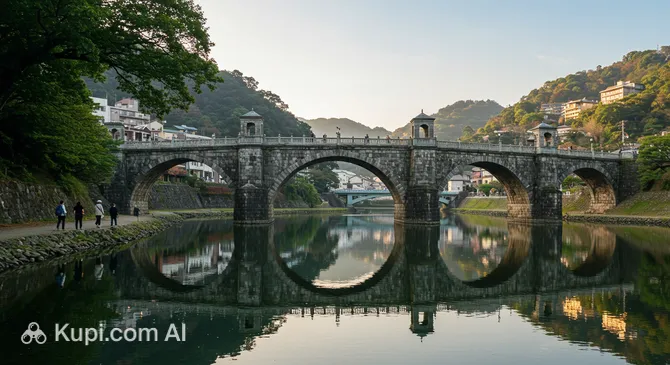
Spectacles Bridge. Source: Kupi.Binoculars
  • Hidden within the stone embankments of the Spectacles Bridge are roughly 20 heart-shaped stones. Local legend suggests that finding these concealed rocks brings eternal love and happiness, making it a popular spot for couples and hopeful romantics to search the walls.

  • The city is home to the Sanno Shrine One-Legged Torii Gate, a remarkable structure that stands on a single pillar. Half of the arch was destroyed in 1945, but the remaining section balanced perfectly and has remained standing ever since as a symbol of resilience.

  • Nagasaki boasts the oldest standing Christian church in Japan, the Ōura Cathedral. Built in 1864, it is the only Western-style building in the country designated as a National Treasure, reflecting the city's deep and complex history with Christianity.

  • For marine life enthusiasts, the Nagasaki Penguin Aquarium is a hidden gem that hosts one of the greatest varieties of penguin species in the world. The facility is unique for allowing some penguins to swim directly in the natural sea water of the adjacent bay.

How to Get There

Reaching this historic port city is relatively straightforward, with several options available for travelers. For a comprehensive guide on all transport methods, you can read more about how to get to Nagasaki. The region is well-connected by air, serving as a convenient gateway for visitors exploring Kyushu.

The most direct entry point is Nagasaki Airport (NGS). Located approximately 19 km from the city center, it handles a significant volume of passengers and offers easy access to downtown via limousine buses or taxis. For those exploring the wider region, Kumamoto Airport (KMJ) is another major hub situated about 92 km away. Travelers might also consider flying into Saga Airport (HSG), which is roughly 60 km from Nagasaki and provides additional regional connections.

Below is a summary of the airports serving the area:

Airport Name City Km from City
Nagasaki AirportNagasaki18.8
Kumamoto AirportKumamoto92.0
Saga AirportSaga59.5
Fukue AirportGoto98.4
AmakusaAmakusa39.7

For those preferring ground transportation, the city is well-integrated into Japan's extensive railway network. Nagasaki Station serves as the central rail hub, offering connections to other major cities in Kyushu, including Fukuoka. The station is centrally located, making it a convenient starting point for exploring the local attractions immediately upon arrival.

Main Attractions

Nagasaki offers a profound journey through time, where poignant historical sites stand alongside vibrant examples of cultural exchange. From reminders of the city's resilience to scenic hillside gardens, the main attractions provide visitors with a deep understanding of its unique place in world history.

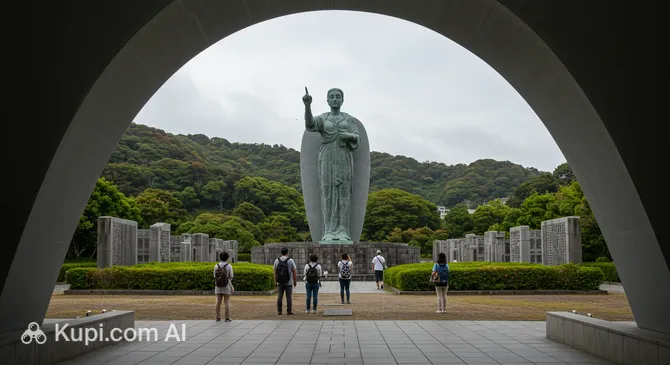
A visit to the city is incomplete without paying respects at the Nagasaki Peace Park. Established near the hypocenter of the atomic explosion, this serene space is dedicated to world peace. Its focal point is the majestic Peace Statue, which points skyward to warn of the threat of nuclear weapons while extending a hand horizontally to symbolize peace. The park also features the Fountain of Peace, offering a quiet place for contemplation amidst beautiful sculptures donated by countries around the globe.

Nagasaki Peace Park. Source: Kupi.Binoculars

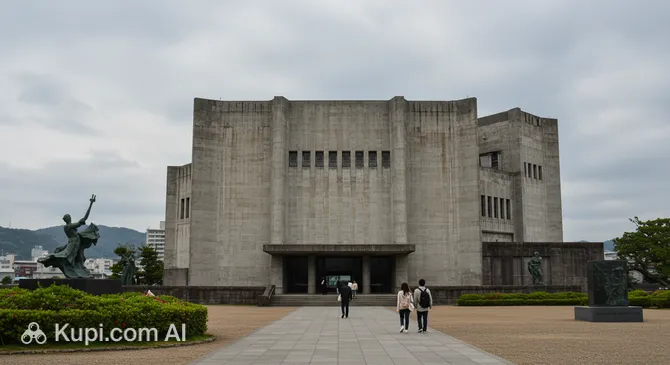
Located adjacent to the park is the Nagasaki Atomic Bomb Museum, a somber yet essential destination for understanding the events of August 1945. The museum documents the devastation caused by the atomic bomb through photographs, artifacts, and survivor testimonies. While the exhibits are emotionally stirring, the museum ultimately conveys a powerful message of hope and the urgent need for the abolition of nuclear weapons.

Nagasaki Atomic Bomb Museum. Source: Kupi.Binoculars

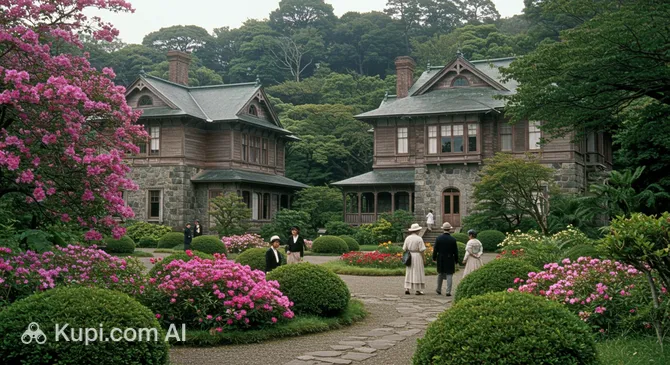
On a lighter note, Glover Garden offers a charming glimpse into the city's era of international trade. Perched on a hillside overlooking the harbor, this open-air museum features the preserved mansions of Western merchants who settled here in the 19th century, including the home of Thomas Glover. Visitors can stroll through manicured flower gardens, admire the Western-style architecture, and enjoy panoramic views of the city and the bay below.

Glover Garden. Source: Kupi.Binoculars

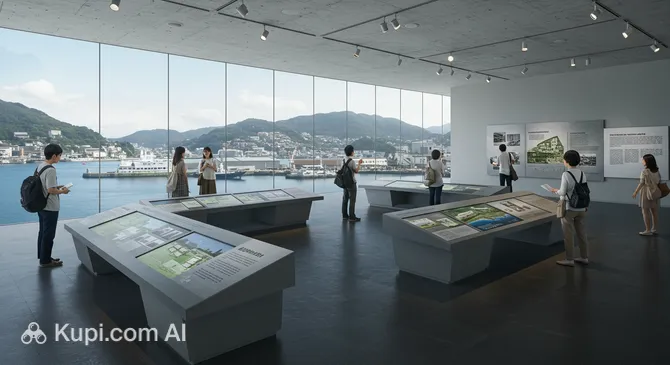
For those fascinated by industrial heritage, the Gunkanjima Digital Museum provides an innovative way to explore the famous Hashima Island, also known as "Battleship Island." Since access to the island itself can be limited by weather, this museum uses cutting-edge technology, including virtual reality and huge projection mapping, to recreate the life of the miners who once lived in the world's most densely populated concrete labyrinth. It is an immersive experience that brings the abandoned island back to life.

Gunkanjima Digital Museum. Source: Kupi.Binoculars

Local Cuisine

Nagasaki’s culinary scene is a delicious reflection of its history as a port of international trade. The local food culture is a unique fusion of Japanese, Chinese, and Western influences, resulting in dishes that cannot be found anywhere else in Japan. This gastronomic distinctiveness makes the city a true paradise for food lovers, offering everything from hearty noodle soups to delicate sponge cakes.

The undisputed king of local cuisine is Champon, a noodle dish created in the city more than a century ago. It features thick noodles cooked directly in a rich, creamy broth made from pork and chicken bones, topped generously with fried seafood, pork, and vegetables. A close relative is Sara Udon, which consists of crispy fried noodles covered in a thick, savory sauce containing similar ingredients. These dishes are so iconic that they are served everywhere, from small family-run shops to high-end restaurants.

Another signature dish that highlights the city's eclectic tastes is Turkish Rice (Toruko Rice). Despite its name, it has no direct connection to Turkey; it is a hearty plate combining pork cutlet (tonkatsu), pilaf rice, and spaghetti, often topped with curry or demi-glace sauce. For dessert, visitors must try Castella, a moist sponge cake brought to Japan by Portuguese missionaries in the 16th century. It has evolved into a local specialty, often sold in long boxes and featuring a layer of coarse sugar on the bottom.

For a taste of the local noodle culture beyond the famous Champon, travelers might visit Ramen Hiiragi. This popular spot is known for its distinct take on ramen, offering a flavorful experience that contrasts with the traditional regional styles. The city's Shinchi Chinatown is another vibrant area for dining, perfect for sampling street food like Kakuni Manju (braised pork belly in a steamed bun) while strolling through the lantern-lit streets.

Ramen Hiiragi. Source: Kupi.Binoculars

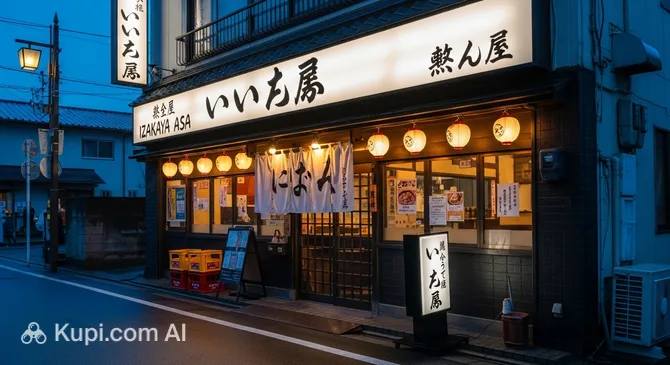
When evening falls, the local drinking culture comes alive in the city's many izakayas (Japanese pubs). Locals typically enjoy Shochu, a distilled spirit that is widely produced in the Kyushu region, or locally brewed sake. These drinks pair perfectly with fresh sashimi from the nearby sea or grilled skewers. Venues like Izakaya Asa provide a welcoming atmosphere where visitors can rub shoulders with residents and enjoy a variety of small dishes alongside their beverages.

Izakaya Asa. Source: Kupi.Binoculars

Travel Tips

Welcome to the winding slopes and historic streets of Nagasaki! To ensure your journey through this fascinating harbor city is as smooth and enjoyable as possible, we have compiled a set of essential practical tips to help you navigate local customs and logistics.

  1. Footwear and Clothing: Nagasaki is famously built on hills, meaning you will encounter many slopes and stone staircases. Comfortable, broken-in walking shoes are absolutely essential for exploring areas like the Glover Garden or the Dutch Slope. Summers are hot and humid, so breathable fabrics are a must, while winters are mild but can be breezy near the bay, requiring a windproof jacket.
  2. Getting Around: The city's vintage electric tram system is not only charming but also the most convenient way to travel between major attractions. The fare is a flat rate regardless of distance, but purchasing a "One-Day Pass" at the station or tourist information center is highly economical and saves you the hassle of carrying coins.
  3. Cash is King: While major hotels and department stores accept credit cards, many small restaurants, souvenir shops in Chinatown, and ticket counters still prefer cash. Ensure you carry sufficient Japanese Yen. International ATMs are readily available at 7-Eleven convenience stores and post offices if you need to withdraw money.
  4. Connectivity: Free Wi-Fi is available at major stations and tourist spots, but it can be spotty in between. It is highly recommended to purchase a data SIM card or rent a pocket Wi-Fi device at the airport upon arrival. Having a reliable connection is crucial for using map apps to navigate the winding streets and for translation apps, as English proficiency varies among locals.
  5. Etiquette on Public Transport: When riding the trams or buses, it is polite to keep your voice down and avoid talking on the phone. Priority seats are strictly reserved for the elderly, pregnant women, and those with disabilities; be sure to offer your seat if you see someone in need.
  6. Dining Manners: In Japan, it is generally considered rude to eat while walking. If you purchase street food, such as the famous kakuni manju (pork buns) in Shinchi Chinatown, please stand near the stall or find a designated bench to finish your food before moving on.
  7. Trash Disposal: Public trash cans can be surprisingly rare on the streets. It is standard practice to carry a small plastic bag with you to hold your rubbish until you return to your hotel or find a convenience store with recycling bins.
  8. Local Insight: Don't miss the night view. While Mount Inasa is the most famous spot, locals also love the view from Mount Nabekanmuri, which is closer to the Glover Garden area and often less crowded. It offers a stunning, intimate perspective of the illuminated harbor.

By keeping these simple tips in mind, you will be well-prepared to embrace the unique charm of Nagasaki. Whether you are riding the retro trams or climbing the hillside paths, a little preparation goes a long way in making your adventure unforgettable.

Entertainment & Nightlife

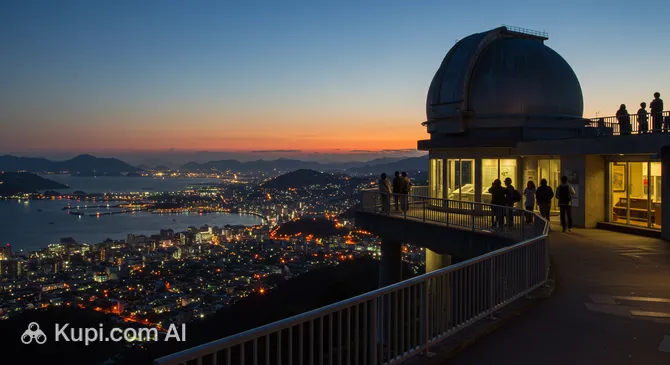
Nagasaki’s nightlife is distinct from the high-energy club scenes of Tokyo or Osaka; instead, it revolves around socializing in cozy spaces and admiring the city's spectacular geography. The evening typically begins with the famous "10 million dollar night view." The premier spot to experience this is the Mount Inasa Observatory. Accessible by a ropeway, the summit offers a panoramic vista of the illuminated harbor and city lights reflecting off the bay, creating a romantic and unforgettable atmosphere that is considered one of the top three night views in the world.

Mount Inasa Observatory. Source: Kupi.Binoculars

For those seeking dining and drinks, the heartbeat of the city's nightlife is the Shianbashi district. Located just a short walk from the main arcade, this area is a labyrinth of narrow alleys packed with neon signs, lanterns, and bustling establishments. Here, you will find a high concentration of izakayas (Japanese pubs), whiskey bars, and "snack bars"—small, hostess-run establishments that are a staple of local culture. The atmosphere is friendly and casual, with salarymen and locals often welcoming visitors to join in the conversation. The dress code is generally relaxed, and most places stay open until 2:00 AM or 3:00 AM.

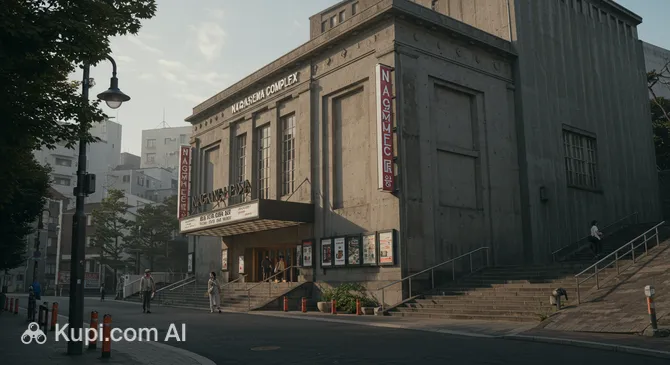
If you prefer a more laid-back evening of entertainment, the Nagasaki Cinema Complex is a modern facility located within the Amu Plaza shopping center. It is a popular spot for both locals and tourists to catch the latest international and Japanese films after a day of sightseeing. The complex is surrounded by shops and restaurants, making it a convenient hub for a full evening out.

Nagasaki Cinema Complex. Source: Kupi.Binoculars

For a tranquil end to the night, a walk through the Nagasaki Seaside Park is highly recommended. The park offers a refreshing sea breeze and beautiful views of the lit-up ships in the harbor. It is a safe and serene environment, perfect for digesting a heavy meal or simply enjoying the quiet side of the port city.

Regarding safety and logistics, Nagasaki is incredibly safe for night walks, even in the busy drinking districts. Public transportation, specifically the streetcars, typically stops running around 11:00 PM. However, taxis are plentiful, especially around Shianbashi and Nagasaki Station. Fares are reasonable, and drivers are generally trustworthy, though having your destination written in Japanese can be helpful.

While the nights are magical, the city also offers engaging daytime entertainment beyond its historical sites. Visitors can explore the Nagasaki Prefectural Art Museum, which features an impressive collection of Spanish art and overlooks the harbor. For a mix of culture and festivity, the Suwa Shrine is a major venue known for hosting the dynamic Kunchi Festival in autumn, but remains a vibrant spot to visit year-round.

Parks & Museums

Nagasaki's landscape is a harmonious blend of lush hillsides, waterfront promenades, and institutions that preserve its multifaceted heritage. Beyond the well-known peace memorials, the city offers a variety of green spaces and cultural venues that illuminate its role as Japan's historical gateway to the world.

For a deep dive into the city's trading past, the Nagasaki Museum of History and Culture is an essential stop. This facility vividly reconstructs the era when Nagasaki was the only port open to Western and Chinese trade during Japan's isolation. Exhibits include reconstructed magistrate offices and varied artifacts that showcase the unique blend of cultures that flourished here. It is particularly interesting for history buffs wanting to understand the origins of the local "Shippoku" cuisine and festivals.

Nagasaki Museum of History and Culture. Source: Kupi.Binoculars

Another poignant cultural site is the Twenty-Six Martyrs Museum and Monument on Nishizaka Hill. Dedicated to the twenty-six Christians executed there in 1597, the museum houses important historical documents and relics related to the history of Christianity in Japan. The monument itself, with its life-sized bronze statues, is a powerful tribute to faith and resilience, offering a somber but moving perspective on the city's religious history.

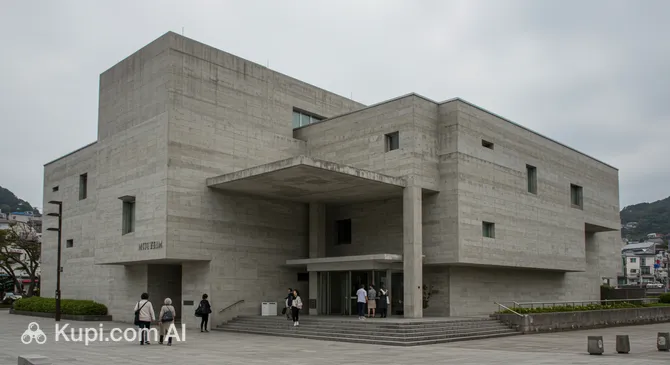
Art enthusiasts should not miss the Nagasaki Prefectural Art Museum, located by the harbor. Designed by the renowned architect Kengo Kuma, the building is a masterpiece of modern design that integrates seamlessly with its waterfront surroundings. The museum boasts a significant collection of Spanish art, reflecting the historical ties between Nagasaki and Spain, alongside works by local artists.

Nagasaki Prefectural Art Museum. Source: Kupi.Binoculars

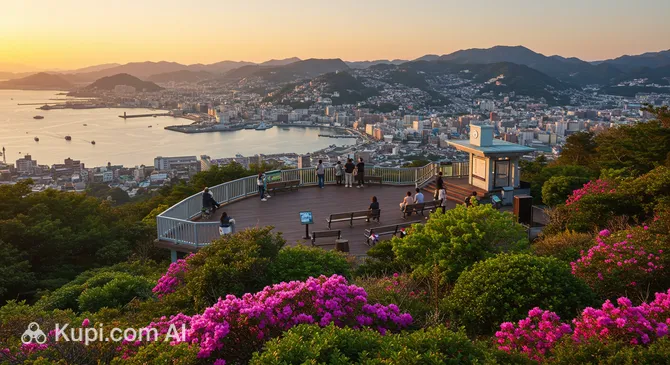
When it comes to green spaces, Inasayama Park is a favorite for both locals and tourists. While famous for its observatory, the park itself is a sprawling recreational area known for its azalea blooms in the spring. Visitors can enjoy hiking trails, a small zoo, and open spaces perfect for picnics while taking in sweeping views of the city and the sea below.

Inasayama Park. Source: Kupi.Binoculars

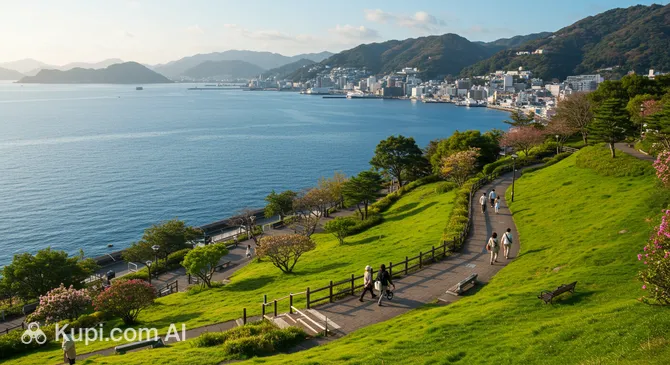
For a more relaxing experience near the city center, the Nagasaki Seaside Park offers a spacious, grassy retreat right next to the harbor. It is an excellent spot for a leisurely stroll or to watch ships entering and leaving the port. The contrast of the green lawns against the blue water makes it a refreshing break from urban sightseeing.

Nagasaki Seaside Park. Source: Kupi.Binoculars

Among the city's architectural landmarks, the Urakami Cathedral stands as a symbol of spiritual rebuilding. Once the largest church in East Asia, it was destroyed by the atomic bomb and subsequently rebuilt in 1959. The red brick structure is striking against the skyline and contains damaged artifacts from the original building, serving as a silent witness to history.

For an authentic local experience, try exploring the smaller, unnamed terraced gardens found along the "Dutch Slope" area. These quiet corners often offer unexpected views of the harbor through the gaps in the historic Western-style houses, providing a peaceful escape from the main tourist trails.

Getting Around

Public transport in Nagasaki is efficient, charming, and relatively easy to navigate, with the city’s iconic electric tram system serving as the primary mode of travel for most visitors. Operated by the Nagasaki Electric Tramway, these vintage streetcars crisscross the city center, connecting major tourist sites like the Peace Park, Chinatown, and Glover Garden. The trams are color-coded and numbered, making them user-friendly even for first-time visitors. In addition to the trams, an extensive network of buses run by Nagasaki Bus and Ken-ei Bus covers areas that the rail lines do not reach, particularly the residential neighborhoods located on the city's steep hillsides.

For payment, the system is modernized but still accommodates cash users. The most convenient option is to use a prepaid IC card, such as Nimoca, Suica, or Pasmo, which can be tapped upon boarding and exiting buses, or just upon exiting trams. If you do not have a card, you can pay with cash. On trams, the fare is a flat rate regardless of the distance traveled, making it incredibly budget-friendly. For tourists planning a full day of sightseeing, the "One-Day Tram Pass" is highly recommended. It offers unlimited rides for a small fee and pays for itself after just three or four trips. These passes can be purchased at the tourist information center at the main station, major hotels, or via a dedicated smartphone app.

When using public transport, it is important to follow local etiquette and boarding rules. For both trams and buses, you typically enter through the rear or center door and exit through the front door next to the driver. Fare payment is made upon exiting. If paying by cash, ensure you have the exact amount; change machines near the driver's seat can break 1,000-yen bills and 500-yen coins, but they do not dispense the fare difference automatically. Most transport services operate from early morning until around 11:00 PM, though frequencies drop significantly later in the evening.

While the tram and bus networks are comprehensive, taxis are a viable alternative for reaching destinations quickly or traveling late at night. They are plentiful and can be hailed on the street or found at taxi stands near major stations and hotels. Drivers are professional, though carrying your destination address written in Japanese is helpful. Rental cars are generally not recommended for exploring the city center due to the narrow, winding roads and limited parking, but they are useful if you plan to venture into the wider prefecture. Due to the city's hilly terrain, cycling is less common for general transport compared to other flat cities, although electric assist bicycles are occasionally available for rent.

A unique feature of the local transport landscape is the Nagasaki Ropeway, which serves as both a tourist attraction and a mode of transit to the summit of Mount Inasa. The glass-paneled gondolas offer a spectacular journey, especially at sunset. Additionally, for accessing Glover Garden, travelers can utilize the "Glover Sky Road," an inclined elevator system that helps residents and visitors navigate the steep slopes without climbing endless stairs, showcasing the city's creative solutions to its vertical geography.
Accommodation

Finding the perfect place to stay in Nagasaki is relatively easy, as the city offers a wide spectrum of accommodation options to suit various travel styles and budgets. Visitors can choose from modern Western-style business hotels, luxurious hillside resorts with panoramic views, and budget-friendly hostels or guesthouses. For a more traditional experience, there are also several ryokans (Japanese inns) that offer tatami rooms and local hospitality, particularly in the quieter neighborhoods.

The most convenient area for many travelers is the district surrounding Nagasaki Station. Staying here ensures immediate access to the main railway lines, the bus terminal, and the tram system, making it an excellent base for day trips and city exploration. This area is populated with numerous reliable mid-range and business hotels that cater to both tourists and corporate travelers, offering clean and functional rooms with easy access to shopping malls and dining options.

For those who prefer to be in the heart of the city's vibrant atmosphere, the downtown area near Shinchi Chinatown and the Shianbashi entertainment district is a popular choice. Accommodation here ranges from stylish city hotels to cost-effective capsule hotels. This location is perfect for foodies and night owls, as it places you within walking distance of the best restaurants, bars, and street food stalls. It allows visitors to enjoy the nightlife without worrying about the last tram back to their hotel.

Travelers seeking a more scenic or romantic stay might consider the hillside areas near the foreign settlement heritage sites. Hotels located on the slopes often provide stunning views of the harbor and the city lights at night, capitalizing on Nagasaki's unique geography. While these locations might require a short taxi or shuttle ride, the breathtaking vistas and proximity to historical attractions make the extra effort worthwhile.

Regarding costs, prices in Nagasaki are generally reasonable compared to Tokyo or Kyoto. Budget travelers can find dormitory beds or simple rooms for competitive rates, while mid-range hotels offer great value. Luxury accommodations are available but are less abundant than in major metropolises. It is highly recommended to book your accommodation well in advance, especially if you plan to visit during major events like the Nagasaki Kunchi Festival in autumn or the Lantern Festival in winter, as rooms fill up quickly during these peak periods. Most bookings can be easily made through major online travel platforms or directly via hotel websites.

Nearby Cities

For those looking to explore the surroundings, Nagasaki serves as an excellent base for day trips to several interesting nearby locations:

City Population Distance (km)
Sasebo242,66450
Isahaya133,51219
Omuta110,05462
Omura95,61918
Amakusa74,86144

Sasebo is the second-largest city in the prefecture and offers a unique atmosphere shaped by its history as a naval port and its proximity to an American military base. Visitors flock here to experience Huis Ten Bosch, a massive theme park that faithfully recreates a traditional Dutch town complete with canals and windmills. Nature lovers will appreciate the Kujukushima Islands, a stunning archipelago best explored by sightseeing boat, while foodies should not miss the chance to try a "Sasebo Burger," a local specialty famous throughout Japan.

Located just a short distance from the prefectural capital, Isahaya serves as a gateway to the Shimabara Peninsula. The city is renowned for Isahaya Park, which features a majestic stone Spectacles Bridge (Meganebashi) that is even larger than the one in Nagasaki City. In spring, the park transforms into a sea of color with thousands of blooming azaleas. It is a peaceful destination perfect for a relaxing stroll and enjoying the lush, green landscapes of the region.

Omura is a historic castle town situated conveniently close to the airport. It is celebrated primarily for Omura Park, which is built on the grounds of the former Kushima Castle. The park is designated as one of Japan's Top 100 Cherry Blossom Spots and is equally famous for its vast iris gardens that bloom in early summer. The combination of stone walls, moats, and seasonal flowers makes it a picturesque spot for history enthusiasts and photographers alike.

These nearby destinations offer a glimpse into the diverse culture and landscapes of the region.

Shopping & Souvenirs

Shopping in Nagasaki offers a delightful mix of modern convenience and traditional charm, distinct from the overwhelming scale of Tokyo or Osaka. The city’s compact nature allows visitors to easily navigate between large commercial complexes and retro arcades, finding everything from high-end fashion to unique local crafts. The shopping scene here is less about luxury brands and more about discovering regional specialties and enjoying a relaxed atmosphere.

The heart of the city's retail activity is the Hamanomachi Arcade, affectionately known by locals as "Hamanko." This sprawling covered shopping street protects pedestrians from the elements and houses roughly 700 stores. It is a vibrant district where old-school tea shops and kimono drapers stand side-by-side with modern drugstores, 100-yen shops, and trendy boutiques. Wandering through this arcade provides a glimpse into the daily life of residents and is the perfect place to hunt for varied goods in one location.

For a more contemporary experience, the city features several large shopping malls. Amu Plaza Nagasaki is directly connected to the main railway station, making it the most convenient stop for travelers. It features five floors of fashion, accessories, and dining, along with a massive souvenir section on the ground floor. It is also a hub for entertainment, housing the Nagasaki Cinema Complex, which draws locals for movies and leisure. Another major destination is Mirai Nagasaki Coco Walk, a large complex located north of the station, easily recognizable by the large Ferris wheel on its roof.

While Nagasaki does not have traditional open-air markets in the Southeast Asian style, the area around Shinchi Chinatown serves a similar purpose for tourists. The streets here are lined with vendors selling Chinese goods, trinkets, and packaged food souvenirs. It is an excellent spot to browse for colorful lanterns or try local snacks while shopping for gifts.

When it comes to souvenirs, the undisputed king is Castella, a moist sponge cake introduced by Portuguese missionaries in the 16th century. You will find prestigious shops like Bunmeido and Fukusaya throughout the city, offering beautifully packaged cakes that make for perfect gifts. Another popular item is Nagasaki Vidro (glass), delicate hand-blown glass toys also known as "ぽっぺん" (poppen) for the sound they make when blown. Locally produced pottery from the nearby Hasami and Arita regions is also widely available and highly prized for its quality.

Most shops in Nagasaki typically open around 10:00 AM and close by 8:00 PM, though restaurants within malls often stay open later. While major department stores and shopping centers like Amu Plaza accept credit cards and IC cards, many smaller shops in the Hamanomachi Arcade or Chinatown may still prefer cash. Tax-free shopping is available at larger stores and designated counters; look for the "Japan. Tax-free Shop" symbol and be sure to have your passport handy to claim the exemption on eligible purchases.

Reached the end of the page?

That means the route is fully explored