Support

Kitakyushu

About

Located at the northernmost tip of Kyushu island, Kitakyushu is a dynamic city that serves as a vital gateway between the main islands of Japan. With a population of approximately 935,000 residents, this major urban center in Fukuoka Prefecture offers a fascinating blend of industrial heritage and scenic beauty, making it a unique destination for travelers seeking an authentic experience off the beaten path.

Kitakyushu. Source: Kupi.Binoculars

The city is renowned for its strategic location along the Kanmon Strait, which has shaped its development over centuries. Visitors interested in the history of Kitakyushu will discover a rich tapestry of stories, from its origins as a collection of feudal castle towns to its rise as a powerhouse of modernization. The atmosphere here is distinct, combining the energy of a bustling port with the tranquility of surrounding mountains and sea views.

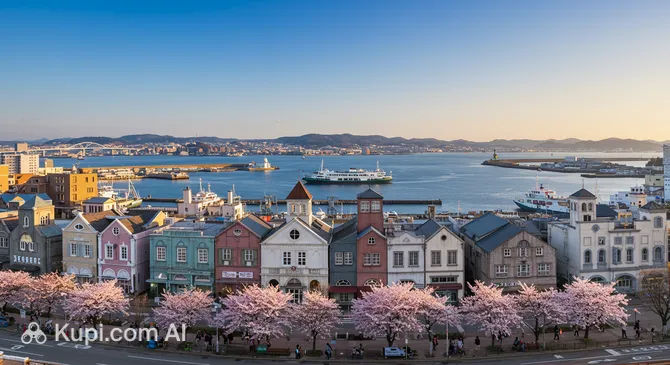
There are several standout attractions that define the city's character. The Mojiko Retro district is a favorite among tourists, featuring beautifully preserved western-style buildings from the early 20th century that evoke a sense of nostalgia. Meanwhile, the reconstructed Kokura Castle stands as a proud symbol of the region's feudal past, surrounded by gardens that are particularly stunning during cherry blossom season. Whether you are exploring its retro streets or enjoying the natural splendor of the nearby Kawachi Wisteria Garden, Kitakyushu invites you to discover its many hidden gems.

Weather Overview

Understanding the weather in Kitakyushu is essential for packing the right gear for your trip. The city generally experiences a temperate climate characterized by distinct seasonal changes. Travelers can expect warm, humid summers with occasional rain and cold, relatively dry winters.

The summer months bring the most heat, with August averaging around 28.0°C and daily highs reaching up to 30.6°C. This period is also the wettest time of the year; July stands out with approximately 18 wet days, so carrying an umbrella is recommended. In contrast, the winter season is chilly, with January being the coldest month, featuring an average temperature of 6.7°C and lows dipping to 4.3°C.

Spring and autumn offer milder and often more comfortable conditions for sightseeing. May sees pleasant averages of 19.0°C, while October cools down to around 19.3°C after the summer peak. Although precipitation occurs throughout the year, the transition months like April and November tend to have fewer wet days compared to the height of summer.

Interesting Facts

Beyond the main attractions, Kitakyushu holds many fascinating secrets that reveal its innovative spirit and unique cultural contributions. From underground wonders to world-changing technology, the city offers surprises around every corner for the curious traveler.
TOTO Museum. Source: Kupi.Binoculars
  • Kitakyushu is the birthplace of TOTO, the company that revolutionized bathroom hygiene globally with the Washlet. Visitors can explore this unique legacy at the TOTO Museum, which displays the evolution of Japanese toilet culture and technology.

  • The city offers a rare opportunity to walk between two of Japan's main islands beneath the sea. The Kanmon Pedestrian Tunnel connects Kyushu and Honshu, allowing you to cross the strait on foot in about 15 minutes while standing at the border deep underwater.

  • Pop culture enthusiasts will find a haven here, as the city is deeply connected to the world of comics and animation. This passion is celebrated at the Kitakyushu Manga Museum, where visitors can browse through a massive collection of roughly 50,000 manga volumes.

  • Known locally as the "Kitchen of Kitakyushu," Tanga Market is a nostalgic wooden arcade that has been serving fresh seafood and local delicacies for over 100 years, preserving the atmosphere of the early Showa period.

How to Get There

Planning a trip to this dynamic port city is straightforward, thanks to its excellent transport connections. Whether you prefer flying directly into the region or arriving via a major hub nearby, there are several convenient options to suit your itinerary. For a comprehensive guide on all available routes and transport modes, you can read more about how to get to Kitakyushu.

The most direct way to arrive is via Kitakyushu Airport (KKJ). This airport is located on an artificial island just 15.3 km from the city center, offering a convenient entry point for domestic and some international flights. Alternatively, many travelers choose to fly into Fukuoka Airport (FUK) in the neighboring city of Fukuoka. Situated approximately 51.3 km away, it is a major international hub with very high passenger traffic, providing extensive connections. Travel from Fukuoka Airport to Kitakyushu generally takes about 1 hour and 40 minutes by car, though frequent highway buses and trains are also available.

For clarity, here is a summary of the main airports serving the region:

Airport Name City Passenger Traffic Km from City
Fukuoka Airport Fukuoka Very High 51.3
Oita Airport Oita Medium 91.6
Kitakyushu Airport Kitakyushu Medium 15.3
Yamaguchi Ube Airport Ube Medium 37.7
Saga Airport Saga Small 97.2

For those preferring rail travel, the city is extremely well-connected to the rest of Japan via the high-speed rail network. Kokura Station serves as the primary railway hub and the city's main gateway. It is a major stop on the Sanyo Shinkansen line, allowing for easy access from major cities like Osaka, Hiroshima, and Tokyo. The station also connects various local JR lines, making it a central point for exploring the wider Fukuoka Prefecture.

Main Attractions

Explorers visiting this vibrant port city will find a captivating mix of historical landmarks and cultural institutions. While the industrial heritage is evident, the city has successfully transformed into a hub of tourism with lush parks and impressive architecture. Here are some of the top places to include in your itinerary.

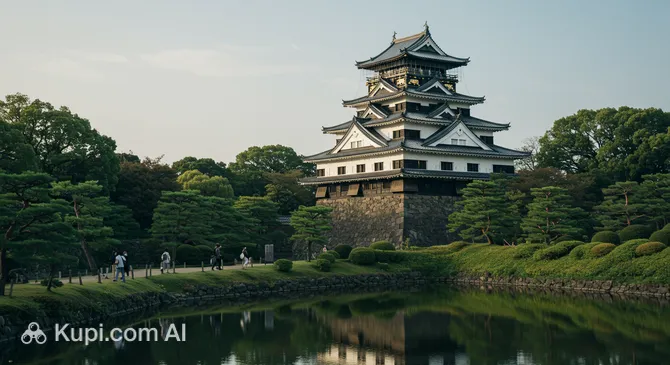
Standing as the city's most iconic symbol, Kokura Castle is a must-visit for history enthusiasts. Originally built in 1602 and reconstructed in 1959, this castle is unique for its "Kara-zukuri" architecture, where the top floor is larger than the one below it. Inside, visitors can explore a modern museum detailing the region's feudal history, complete with interactive exhibits and a panoramic view of the city from the observation deck.

Kokura Castle. Source: Kupi.Binoculars

Located right next to the main keep is the serene Kokura Castle Garden. This beautiful space recreates the atmosphere of a feudal lord's residence, featuring a classic Shoin-style wooden building and a traditional Japanese pond. It is an excellent spot to experience a moment of tranquility or enjoy a traditional tea ceremony while admiring the seasonal flora that contrasts elegantly with the castle's stone walls.

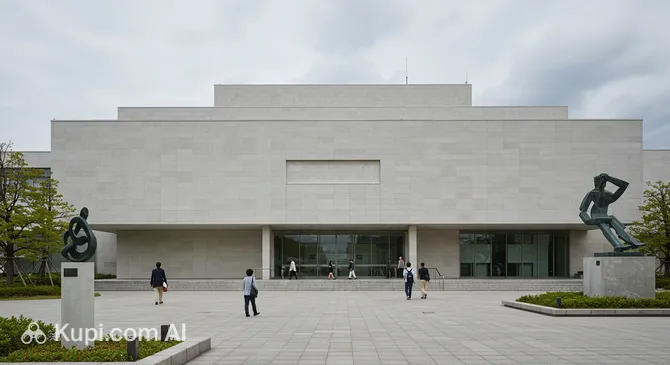
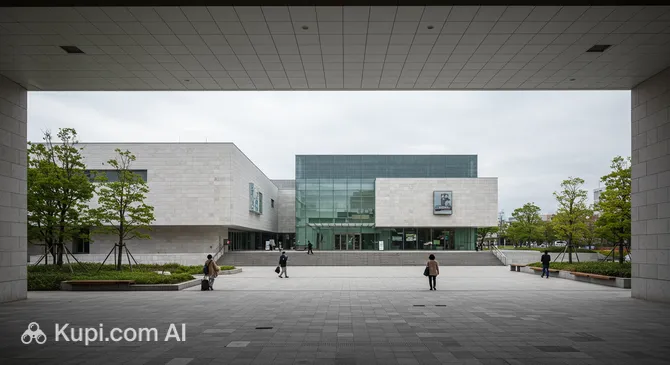
For art lovers, the Kitakyushu Municipal Museum of Art offers both visual splendor and architectural brilliance. Designed by the renowned architect Arata Isozaki, the building sits atop a hill and is affectionately known as "The Binoculars" due to its distinct shape. The museum houses a diverse collection ranging from Western masterpieces to modern Japanese art, all set against a backdrop of sweeping views over the city and the coastline.

Kitakyushu Municipal Museum of Art. Source: Kupi.Binoculars

Families and nature enthusiasts will enjoy a trip to Itozu no Mori Park. This zoological park focuses on creating a natural environment for its animals and offers plenty of green space for relaxation. It is a lively destination where visitors can observe animals up close, enjoy recreational rides, and participate in various outdoor events, making it a perfect escape from the urban center.

Local Cuisine

Kitakyushu’s culinary landscape is a delicious reflection of its history as a bustling port and industrial hub, characterized by hearty, flavorful "B-grade gourmet" dishes. The city is the proud birthplace of Yaki-udon, a savory stir-fried noodle dish created in the post-war era when dried noodles were substituted for fresh ones. In the nostalgic Mojiko Retro district, the local specialty is Yaki-curry, a comforting bowl of curry rice topped with cheese and a soft-boiled egg, then baked until golden and bubbling.

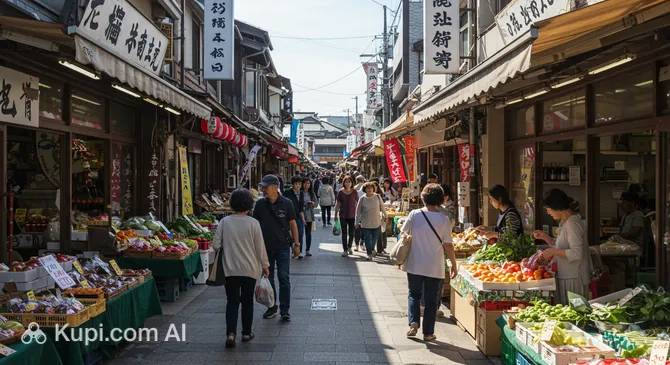
For those eager to explore local ingredients, a visit to Tanga Market is a culinary adventure. Often called the city's pantry, this historic arcade is the best place to try Nukamiso-daki, a traditional regional dish featuring sardines or mackerel stewed in a seasoned rice-bran paste. The market is lined with stalls offering fresh seafood and handmade delicacies, perfect for a casual walking lunch.

Tanga Market. Source: Kupi.Binoculars

The city also boasts unique local eateries that have become institutions in their own right. Sandwich Factory OCM is a beloved bakery and cafe in Kokura where customers can customize soft, thick-cut sandwiches with fillings like their signature chicken and cream cheese. For a warming dinner, Tashu offers an authentic taste of Fukuoka Prefecture with its rich and savory Motsunabe (offal hot pot), best enjoyed with local sake.

Travelers looking for a more modern dining atmosphere will find excellent options as well. Bistro Banquet provides a stylish setting for enjoying Western-inspired dishes and drinks. Meanwhile, meat lovers should not miss Beef Kitchen Saikougyu, a dining spot specializing in high-quality beef prepared to highlight its natural flavors.

Travel Tips

Visiting Kitakyushu offers a distinct and authentic experience, blending industrial heritage with scenic beauty away from the typical tourist crowds. To ensure your journey through this fascinating corner of Japan is as smooth and enjoyable as possible, here are some practical tips to help you navigate the city like a pro.

  1. Clothing and Gear: The climate is temperate but distinct. Summers (June to August) are hot and humid, so lightweight, breathable clothing is essential. Winters (December to February) can be chilly, requiring a warm coat and layers. Since you will likely do a lot of walking—whether exploring the expansive Mojiko Retro district or climbing up to Kokura Castle—pack comfortable, broken-in walking shoes. A compact umbrella is also a wise accessory year-round due to sudden showers.

  2. Transportation: The city has an excellent public transport network. The Kitakyushu Monorail is a convenient way to travel within the city center, particularly around Kokura Station. Buses run by Nishitetsu cover most other areas. It is highly recommended to purchase a prepaid IC card (like Sugoca, Suica, or Pasmo) upon arrival; these work on trains, buses, and the monorail, saving you the hassle of buying individual tickets for every ride.

  3. Finances: The local currency is the Japanese Yen (JPY). While major department stores and hotels accept credit cards, Kitakyushu—and Japan in general—is still a cash-centric society. Small eateries, ticket vending machines, and stalls in Tanga Market often only accept cash. International ATMs are readily available at 7-Eleven convenience stores and Japan Post offices if you need to withdraw money.

  4. Health and Safety: Kitakyushu is a very safe city for tourists, with low crime rates. Pharmacies (often labeled as "Drug Stores") are common and sell basic medical supplies, though having a translation app is helpful to find the right product. In an emergency, dial 119 for an ambulance or fire department. Tap water is safe to drink everywhere.

  5. Communication: While staff at major hotels and transport hubs may speak English, it is not widely spoken in local restaurants or by taxi drivers. It is strongly advised to have a translation app (like Google Translate) installed on your phone. Renting a Pocket Wi-Fi or buying a tourist SIM card at the airport is crucial for staying connected and navigating with maps.

  6. Local Etiquette: Politeness is key. Greeting shop staff with a slight bow is appreciated. When using public transport, keep your voice down and avoid talking on the phone. If you visit traditional establishments, temples, or fitting rooms in shops, be prepared to remove your shoes. Look for the designated area (usually a lower floor level) to leave them.

  7. What to Avoid: Never leave a tip. Tipping is not part of the culture and can cause confusion or awkwardness; excellent service is standard and included in the price. Also, avoid eating or drinking while walking in public streets, as it is generally considered bad manners.

  8. Local Insight: Don't miss the "10 Billion Dollar Night View." While many tourists stick to the city center, locals know that the view from Mount Sarakura at night is spectacular. The cable car operates into the evening, allowing you to see the city lights sprawling out to the sea—a perfect way to end a day of sightseeing.

By keeping these practicalities in mind, you can focus on soaking up the unique atmosphere and rich history of the city. Kitakyushu is a welcoming destination, and a little preparation goes a long way in ensuring a memorable and stress-free adventure.

Entertainment & Nightlife

Entertainment:

Kitakyushu offers a diverse array of leisure activities that cater to modern interests and traditional tastes alike. The city's entertainment districts are vibrant and easily accessible, particularly around the main transport hubs, providing travelers with plenty of options to unwind after a day of exploration.

For fans of Japanese pop culture, Aruaru City is a premier destination located just a short walk from Kokura Station. This multi-story complex is entirely dedicated to anime, manga, games, and cosplay. Visitors can browse through numerous shops selling rare collectibles, figures, and character goods. The facility also frequently hosts events and exhibitions, serving as a central gathering point for the region's subculture community.

The city also features a lively nightlife scene. ZINO Kokura is a popular venue for those seeking an energetic atmosphere and social interaction. It attracts both locals and visitors looking to enjoy music and entertainment late into the night. For a more relaxed evening, Bistro Banquet offers a stylish setting where guests can enjoy cocktails and conversation in a comfortable environment.

Those who prefer outdoor leisure will find Asano Seaside Park to be a refreshing escape. Situated along the waterfront, this spacious park features wide lawns and fountains, offering views of the ships passing through the nearby strait. It is an excellent spot for a leisurely stroll or a quiet break, contrasting with the bustling urban center nearby.

Cultural traditions also provide unique entertainment experiences. Yasaka Shrine, located adjacent to the castle grounds, is the focal point for the city's major summer festivals, including the famous Kokura Gion Daiko drumming festival. Throughout the year, the shrine grounds offer a peaceful space to observe local customs and architectural beauty amidst the city's modern landscape.

Parks & Museums

While Kitakyushu is often recognized for its industrial prowess, the city is surprisingly green and rich in cultural institutions that celebrate its unique heritage. Beyond the factories and ports, visitors will find expansive parks that serve as urban oases and museums that delve into everything from literature to cartography, offering a well-rounded travel experience.

The city's central green space is Katsuyama Park, a sprawling area that surrounds Kokura Castle. It serves as the recreational heart of the city, where locals gather for picnics, jogging, and seasonal festivals. In spring, the park transforms into a breathtaking spectacle as hundreds of cherry trees bloom, framing the castle keep in pink. It is also home to a children's playground and open lawns, making it an ideal spot for families to unwind after sightseeing.

For those willing to venture a bit further from the city center, the Hiraodai Karst Plateau offers a dramatic natural landscape. As one of Japan's three major karst formations, it features grassy hills dotted with white limestone rocks that resemble a flock of sheep. Beneath the surface, the area is honeycombed with limestone caves, some of which are open to the public for exploration, providing a cool and adventurous escape from the summer heat.

Kitakyushu's cultural scene is equally impressive, with several museums offering deep dives into specialized topics. Literature enthusiasts should not miss the Matsumoto Seicho Memorial Museum. Dedicated to one of Japan's most prolific and famous mystery writers, who lived in the city, the museum exhibits his manuscripts, personal belongings, and a replica of his study. It provides a fascinating look into the mind of an author who reshaped Japanese crime fiction.

Located within the vibrant Riverwalk Kitakyushu complex, the Zenrin Museum is a hidden gem for history and geography buffs. This unique facility focuses on the history of map-making, displaying a rare collection of antique maps from Japan and the West. The exhibits beautifully illustrate how people's understanding of the world has evolved over centuries, offering a perspective that is both artistic and educational.

Another engaging venue is the Kitakyushu River Museum, which focuses on the relationship between the city and its waterways. Through interactive displays and dioramas, visitors can learn about flood control, the environment, and the history of the Murasaki River. It is particularly great for children, offering a fun and hands-on way to understand the local geography.

Insider Tip: If you visit the Zenrin Museum, take a moment to enjoy the view from their lounge area. It offers a stunning perspective of the Murasaki River and the colorful architecture of the Riverwalk complex, a sight that is often missed by tourists rushing through the galleries.

Getting Around

Navigating Kitakyushu is convenient and efficient, thanks to a well-integrated public transport network that connects the city's diverse districts. The system is designed to handle both daily commuters and visitors, making it easy to travel between the bustling urban center of Kokura, the historic port of Mojiko, and the industrial areas of Yahata without needing a car.

The backbone of the city's transit is the railway network operated by JR Kyushu. Local and rapid trains frequently run along the Kagoshima Main Line and Nippo Main Line, serving as the fastest way to move between major hubs like Kokura, Mojiko, and Kurosaki. Complementing the heavy rail is the Kitakyushu Monorail, a distinct feature of the city skyline. It runs south from Kokura Station, uniquely entering directly into the station building, and provides essential access to the residential and commercial areas in the southern wards.

For destinations not served by rail, the Nishitetsu Bus network offers extensive coverage. These buses reach almost every corner of the city, from coastal scenic spots to mountain trailheads. While the route map can initially seem complex due to the sheer number of lines, the buses are color-coded and numbered, and digital displays at stops often show arrival times. Boarding is usually done from the rear door, and you exit from the front.

Paying for transport is seamless if you use a prepaid IC card. Local cards like Sugoca (JR) and Nimoca (Nishitetsu) are widely used, but major interoperable cards from other regions, such as Suica or Pasmo, work perfectly here as well. You simply tap your card on the reader when entering and again when exiting. If you prefer cash, you must take a small numbered paper ticket from a dispenser when you board a bus or tram; this number corresponds to a fare displayed on a screen at the front of the vehicle, which you pay into the fare box upon alighting.

For tourists planning a day of heavy sightseeing, purchasing a One-Day Pass can be a great value. There are specific passes available for the Nishitetsu buses and separate ones for the Monorail, allowing unlimited rides within a 24-hour period. These can be purchased at major station ticket offices or sometimes directly from bus drivers. Transport generally operates from around 5:30 AM until midnight, though frequencies drop significantly late at night.

Beyond standard commuting options, the city offers unique "joyful trains" that serve as attractions in themselves. The Mojiko Retro Scenic Line is a charming tourist train that runs a short, leisurely route along the waterfront in the Mojiko district, using vintage carriages. Additionally, for panoramic views, the Sarakurayama Cable Car and slope car system transports visitors up Mount Sarakura, offering spectacular vistas of the city lights after dark.

If you prefer more privacy or flexibility, taxis are readily available at taxi stands outside all train stations and major hotels. They are clean and safe, though significantly more expensive than public transit. Alternatively, the city promotes cycling with a rental bike system, often featuring electric-assist bicycles, which are perfect for exploring the flat coastal areas or the retro streets of Moji at your own pace.
Accommodation

Where to Stay:

Kitakyushu offers a practical and diverse range of accommodation options designed to cater to both business travelers and tourists. The city is particularly well-known for its abundance of modern business hotels, which provide clean, compact, and efficient rooms at reasonable rates. Beyond these standard options, visitors can also find budget-friendly hostels, guest houses, and traditional Japanese inns (ryokan) that offer a more authentic cultural experience.

The most popular and convenient area to stay is around Kokura Station. As the central transport hub for the Shinkansen and local lines, this district allows for easy access to the entire city and neighboring regions. Staying here places you within walking distance of major shopping streets, dining precincts, and the monorail. Alternatively, for those seeking a scenic and nostalgic atmosphere, the Mojiko Retro district is an excellent choice. Located by the harbor, this area features historic architecture and beautiful sea views, making it perfect for a more relaxed and romantic stay.

Booking accommodation in Kitakyushu is generally straightforward, but timing is important. It is highly recommended to reserve your room well in advance if you plan to visit during peak seasons, such as the cherry blossom period in spring or during major summer festivals like the Kokura Gion Daiko. During these times, hotels near the main stations can reach full capacity very quickly.

In terms of pricing, the city is quite affordable compared to Japan's larger metropolises. Budget travelers can find economical stays in hostels or capsule hotels, while mid-range business hotels offer excellent value with consistent quality. Reservations can typically be made easily through major international online booking platforms, although some smaller, family-run ryokans may still rely on direct inquiries or local Japanese sites.

Nearby Cities

For those looking to explore the surroundings, Kitakyushu serves as an excellent base for day trips to several interesting nearby locations:

City Population Distance (km)
Ube 162,873 35
Iizuka 126,136 31
Munakata 97,041 32
Yukuhashi 70,922 20
Fukutsu 65,770 38

Located a short distance to the west, Munakata is a destination of great spiritual significance. It is home to the Munakata Taisha, one of the oldest shrines in Japan and a central part of a UNESCO World Heritage site. Visitors can explore the deep history of Shinto traditions and maritime worship while enjoying the peaceful atmosphere of the shrine grounds.

Across the water in Yamaguchi Prefecture lies Ube, a city that uniquely blends industrial history with artistic flair. It is famous for Tokiwa Park, which hosts a major outdoor sculpture competition and features a charming botanical garden. The park provides a scenic backdrop for a relaxing afternoon walk among impressive modern art installations.

Another noteworthy stop is Fukutsu, widely known for the Miyajidake Shrine. This shrine is celebrated for its "Path of Light," a stunning phenomenon occurring twice a year when the setting sun aligns perfectly with the shrine's long approach and the sea, creating a magical golden view that attracts photographers and worshipers alike.

These nearby destinations offer a glimpse into the diverse culture and landscapes of the region, providing enriching experiences just a short journey from the city center.

Shopping & Souvenirs

Shopping in Kitakyushu offers a delightful mix of modern convenience and nostalgic charm, reflecting the city's unique character. Visitors can find everything from high-end fashion and specialized pop-culture goods to traditional crafts and fresh local produce. The shopping scene here is less about overwhelming luxury and more about discovering authentic local lifestyle and distinct regional products.

For a quintessential shopping experience, head to Uomachi Gintengai in the Kokura district. It holds the distinction of being the first shopping arcade in Japan to be covered with a roof, and today it remains a bustling artery filled with drugstores, clothing boutiques, and cafes. It is the perfect place to stroll rain or shine. Another key area is the Mojiko Retro district, where the shopping focuses more on unique souvenirs, local crafts, and antique goods housed in beautifully preserved buildings that overlook the harbor.

The city is home to several impressive shopping complexes that cater to diverse needs. Riverwalk Kitakyushu is an architectural marvel located next to the castle, offering a wide range of international brands and art spaces. For anime and gaming enthusiasts, Aruaru City is a must-visit destination. This multi-story mall near Kokura Station is dedicated entirely to subculture, filled with shops selling manga, figures, and cosplay gear. Additionally, AMU Plaza Kokura, connected directly to the station, provides convenient access to the latest fashion trends and general goods.

To experience the local flavor, a visit to Tanga Market is essential. Known as the "Kitchen of Kitakyushu," this historic market has a Showa-era atmosphere with wooden stalls selling fresh seafood, vegetables, and prepared foods. It is the best place to find local ingredients and interact with friendly stall owners, offering a stark contrast to the polished modern malls.

When it comes to souvenirs, Kitakyushu has some distinct offerings. The city's industrial history is celebrated with Neji Choco (Bolt Chocolates), which are 3D-shaped chocolate nuts and bolts that actually screw together. Kokura-ori is a traditional cotton textile known for its durable, vertical stripes, available as stylish wallets, bags, and accessories. In Mojiko, look for banana-flavored sweets, a tasty tribute to the port's history as the first entry point for bananas into Japan.

Most shops in shopping malls and arcades are open from 10:00 AM to 8:00 PM, though some restaurants within these complexes may stay open later. While major department stores and malls accept credit cards and IC cards, cash is still the preferred payment method in smaller shops and particularly at traditional markets like Tanga. It is advisable to carry sufficient yen notes and coins when exploring these local spots.

Tax-free shopping is available at many larger stores, department stores, and designated shops for foreign tourists. Look for the "Japan Tax-Free Shop" logo at the entrance or counter. You will need to present your passport to exempt the consumption tax on purchases totaling over 5,000 JPY (excluding tax) at a single store on the same day.

Reached the end of the page?

That means the route is fully explored