Support

Saga

About

Saga is the welcoming capital of Saga Prefecture, located on the island of Kyushu in Japan. Often described as a hidden gem, this city offers a peaceful and authentic atmosphere that contrasts with the country's bustling metropolises. With a population of approximately 230,000 residents, it serves as a significant cultural and administrative hub, characterized by its flat landscape, extensive network of creeks, and proximity to the unique mudflats of the Ariake Sea.

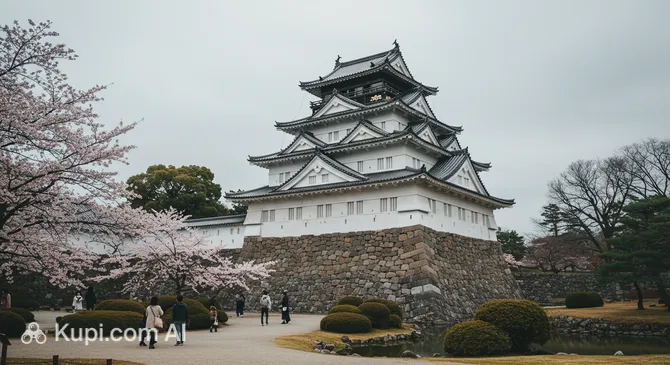
The city is a fascinating destination for those interested in the transition from feudal to modern society. The history of Saga is particularly notable for its pivotal role in the Meiji Restoration, where the region led the way in industrialization and western technology. Visitors can delve into this heritage at the Saga Castle History Museum, which features a faithful reconstruction of the castle's main keep. It stands as one of the largest wooden reconstructions in the country, offering a glimpse into the grandeur of the samurai era.
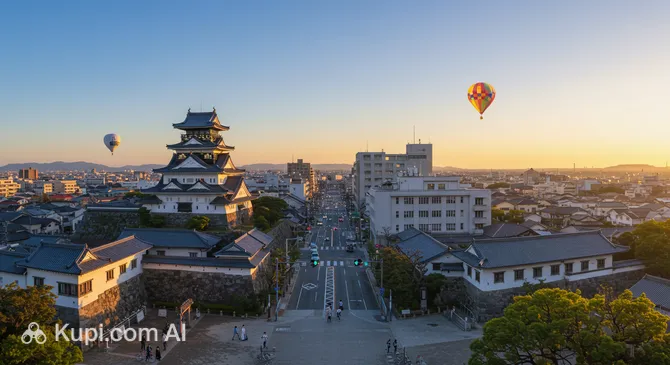
Saga. Source: Kupi.Binoculars

Beyond its historical significance, Saga is world-renowned for the Saga International Balloon Festival. Held annually in early November along the Kase River, this spectacular event is one of the largest sky-sporting competitions in Asia, filling the autumn sky with hundreds of colorful hot air balloons. For those seeking a quieter experience, the city is also known for having the highest number of Ebisu statues in Japan, with hundreds of these lucky figures scattered throughout the streets waiting to be discovered.

Whether you are exploring the reconstructed tatami corridors of the castle or watching balloons float over the countryside, Saga promises a memorable and heartwarming experience. It is an excellent base for travelers looking to explore the rich culture and scenic beauty of northwestern Kyushu.
Weather Overview

Saga experiences a temperate climate with four distinct seasons, making it a year-round destination with varying characteristics. To help you pack appropriately for your trip, it is helpful to review the detailed weather in Saga before your departure.

Summers in the city are typically warm and humid. August is generally the hottest month, with average temperatures reaching approximately 27.9°C. Travelers should be prepared for frequent rainfall during this season, particularly in July, which sees the highest number of wet days, often recording around 20 days with precipitation.

In contrast, winters are significantly cooler and tend to be drier. January is usually the coldest month, with average temperatures dropping to around 6.5°C. Spring and autumn offer mild and comfortable transitions, with moderate temperatures that are ideal for exploring the city's outdoor attractions.

Interesting Facts

Beyond the main attractions, Saga holds many fascinating secrets that reveal its innovative spirit and unique local culture.
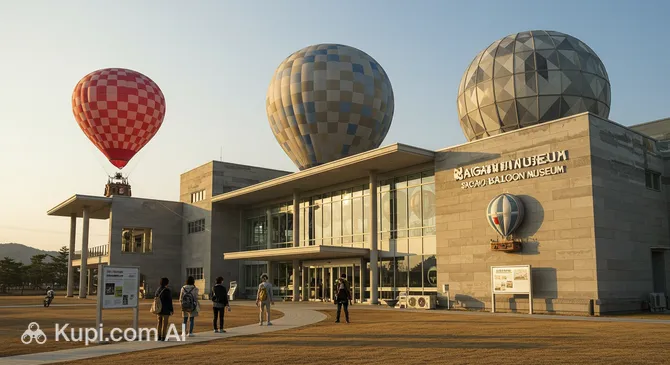
Saga Balloon Museum. Source: Kupi.Binoculars
  • The city is home to the Saga Balloon Museum, which is the first permanent museum of its kind in Japan. It features a sophisticated flight simulator, allowing visitors to experience the thrill of piloting a hot air balloon even when the famous annual festival is not taking place.

  • The Saga Castle Ruins are historically known as the "Submerged Castle." Unlike many Japanese fortresses built on high stone walls, this structure was surrounded by wide moats and embankments designed to blend into the water during floods, acting as a unique natural defense mechanism.

  • Local cuisine features a creature famously nicknamed the "Alien of the Ariake Sea." The Warasubo is a jagged-toothed, eel-like fish found in the nearby mudflats, known for its frightening appearance but prized for its rich flavor when dried or used in soup.

  • Saga played a critical but often overlooked role in the modernization of the country. It was here that Japan's first domestic steamship and reverberatory furnace were successfully built, marking the beginning of the industrial age well before other major regions caught up.

How to Get There

Reaching Saga is relatively straightforward thanks to its proximity to major transportation hubs in the Kyushu region. While the city has its own local airport, many international visitors choose to arrive via larger gateways nearby and continue their journey by train or bus. For a comprehensive overview of all travel options and detailed routes, you can read more about how to get to Saga.

The most convenient major gateway is Fukuoka Airport (IATA: FUK), located in the city of Fukuoka. It is a large international hub handling millions of passengers annually. Although it is not in Saga itself, it is situated approximately 38 km away. A taxi ride from Fukuoka Airport to Saga typically takes around 80 minutes, though many travelers prefer the direct highway buses or the subway-to-train connection for efficiency.

For those looking to fly closer to the city center, Saga Airport (IATA: HSG) is the local option located directly in Saga, about 12.6 km from the downtown area. While it is a smaller regional airport compared to Fukuoka, it offers a quick and easy arrival point. The drive from this airport to the city center takes approximately 40 minutes by taxi. Another alternative is Nagasaki Airport (IATA: NGS) in Nagasaki, which is roughly 53 km away and serves as a medium-sized hub for the region.

For clarity, here is a summary of the main airports serving the area:

Airport Name City Passenger Traffic Km from City
Fukuoka Airport Fukuoka Large 38.4
Nagasaki Airport Nagasaki Medium 52.7
Kumamoto Airport Kumamoto Medium 70.1
Saga Airport Saga Small 12.6
Amakusa Amakusa Small 87.6

Regarding rail travel, Saga is well-integrated into the JR Kyushu network. The main entry point is Saga Station, which sits on the Nagasaki Main Line. It is a major stop for Limited Express trains such as the "Relay Kamome," "Midori," and "Huis Ten Bosch," which connect the city to Hakata Station in Fukuoka in about 40 minutes. This makes train travel one of the most popular and efficient ways to reach the city from other parts of Japan.

Main Attractions

Saga offers a delightful mix of historical landmarks and cultural treasures that are easily accessible within the city center. The attractions here reflect the region's rich samurai heritage and its artistic spirit, providing visitors with an authentic glimpse into Japanese history without the crowds found in larger tourist hubs.

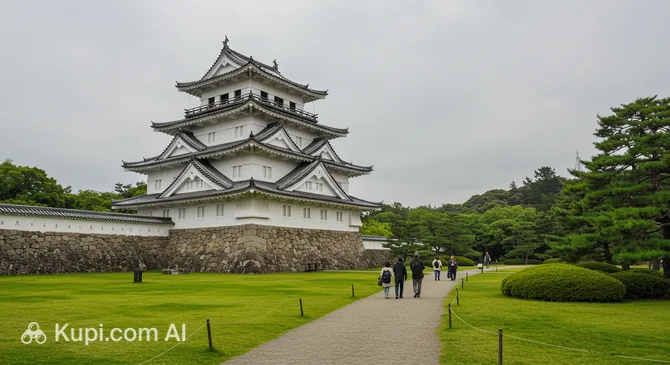
One of the most impressive sites is the Saga Castle History Museum. This remarkable facility is a faithful reconstruction of the main keep of Saga Castle, built using traditional methods and materials. Unlike typical museums where exhibits are behind glass, this open-concept space invites you to walk through its spacious tatami-matted corridors and grand halls. It offers a unique opportunity to experience the atmosphere of the late Edo period and learn about the Nabeshima clan's influence on Japan's modernization.

Saga Castle History Museum. Source: Kupi.Binoculars

For a spiritual experience, a visit to Saga Shrine is highly recommended. Located adjacent to the castle park, this Shinto shrine is dedicated to the lords of the Saga domain. The grounds are peaceful and feature impressive architecture, including a canon shrine that pays homage to the region's history of metal casting and weaponry. It is a central spot for local festivals and a serene place to observe local religious customs.

Art enthusiasts will appreciate the Saga Prefectural Art Museum. Situated within the lush greenery of Saga Castle Park, the museum focuses on modern and contemporary art related to the prefecture. The collection includes paintings, sculptures, and crafts by artists who were born or active in Saga, showcasing the region's creative depth. The surrounding park itself is a beautiful spot for a leisurely stroll after viewing the exhibits.

Another significant historical site is the Okuma Shigenobu Memorial Museum. This attraction preserves the birthplace of Okuma Shigenobu, a two-time Prime Minister of Japan and the founder of Waseda University. Visitors can tour his restored samurai residence, which features a thatched roof and traditional design, and explore the adjacent museum that displays documents and artifacts detailing his life and contributions to modern Japan.

Local Cuisine

The gastronomic landscape of Saga is defined by its rich natural surroundings, offering a blend of high-end delicacies and unique local soul food. Situated between the mountains and the Ariake Sea, the city provides access to some of the freshest ingredients in Japan, making it a delightful destination for food lovers.

The undisputed star of the local dining scene is Saga Beef. Regarded as one of the top wagyu brands in the country, it is famous for its fine marbling, glossy texture, and rich, sweet flavor. To experience this premium meat at its best, travelers often visit Kira Honten. This renowned restaurant is operated directly by the local agricultural cooperative, ensuring the highest quality steaks and shabu-shabu dishes.

Kira Honten. Source: Kupi.Binoculars

For a more casual and distinctively local meal, visitors must try Sicilian Rice (Shishirian Rice). Despite its exotic name, this dish originated in Saga City in the 1970s. It consists of a plate of warm rice topped with stir-fried meat (usually beef) and a fresh salad of lettuce and tomatoes, all finished with a generous drizzle of mayonnaise. It is a beloved comfort food found in many cafes, including the historic Hakusan Bunga, which offers a nostalgic atmosphere to enjoy this retro classic.

The city's proximity to the Ariake Sea heavily influences its seafood offerings. Saga is the largest producer of nori (dried seaweed) in Japan, known for its melt-in-the-mouth texture and deep umami flavor. Adventurous eaters might also encounter unique mudflat delicacies, such as the alien-like Warasubo or tasty mudskippers, often served as dried snacks or in traditional soups at local izakayas.

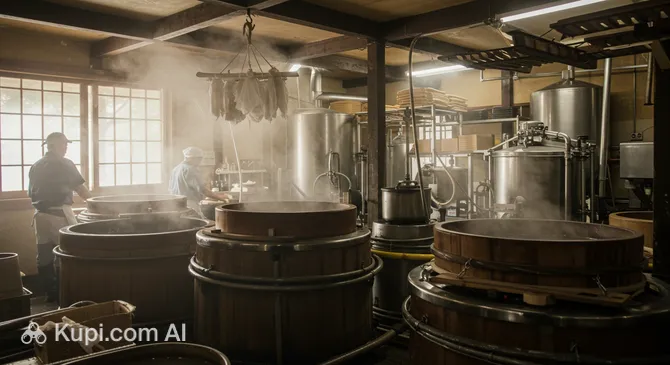
To accompany these dishes, the region offers exceptional beverages. Saga is one of the premier sake producing areas in Kyushu, thanks to its high-quality rice and pure water. The local sake tends to be rich and sweet, pairing perfectly with the savory local cuisine. Exploring the city's dining districts reveals a relaxed food culture where visitors can easily hop between specialty restaurants and welcoming taverns.

Travel Tips

Visiting Saga is a delightful experience, but a little preparation goes a long way in navigating this authentic corner of Kyushu comfortably. Here are some essential practical tips to help you embrace the local lifestyle and enjoy your journey without any hassles.

  1. Clothing and Gear: Pack according to the season; summers are hot and humid, requiring breathable fabrics, while winters can be chilly, so a warm coat is necessary. Since you will likely be visiting sites like the Saga Castle History Museum where footwear must be removed, bring comfortable slip-on shoes and clean socks to make these transitions smoother.

  2. Transportation: Saga is incredibly flat, making it one of the best cities in Japan to explore by bicycle. Rental bikes are affordable and readily available near the station. For longer distances, the local bus network is reliable, but if you plan to explore the famous pottery towns of Arita and Imari in the wider prefecture, renting a car is the most convenient option.

  3. Finances: The local currency is the Japanese Yen (JPY). While major hotels and large shops accept credit cards, Saga is still largely a cash-based society, especially in traditional restaurants and smaller souvenir stores. Ensure you carry sufficient cash, which can be withdrawn from ATMs at 7-Eleven convenience stores or Japan Post branches. Tipping is not practiced and can be confusing for staff; excellent service is simply the standard here.

  4. Health and Safety: The city is extremely safe for tourists, even when walking alone at night. Pharmacies (often called "Drugstores") are common and stock basic supplies, though using a translation app to read labels is recommended. In case of an emergency, dial 119 for an ambulance. Tap water is safe to drink, which helps keep you hydrated during the humid summer months.

  5. Communication: English is not widely spoken outside of major tourist information centers and hotels. It is highly beneficial to install a translation app on your phone and learn a few basic phrases like "Sumimasen" (Excuse me) and "Arigato" (Thank you). While free Wi-Fi is available at Saga Station and some attractions, renting a Pocket Wi-Fi or purchasing a SIM card at the airport is the best way to ensure constant connectivity.

  6. Local Etiquette: Politeness is highly valued. A slight bow is the proper way to greet people rather than a handshake. Be mindful of noise levels on public transport; talking on the phone is generally frowned upon. Always look for rows of slippers or a raised floor at the entrance of restaurants and indoor attractions, as this indicates you must remove your shoes.

  7. What to Avoid: Never stick your chopsticks vertically into a bowl of rice, as this is a gesture reserved for funeral rites and is considered very offensive. Additionally, avoid eating or drinking while walking down the street; it is considered better manners to stop and consume your food near the vending machine or stall where you bought it.

  8. Seasonal Insight: If you plan to visit in early November for the Saga International Balloon Festival, book your accommodation months in advance, as the city fills up quickly. For the rest of the year, the city is quite peaceful, and you can often enjoy popular spots like the castle grounds without fighting through crowds.

By keeping these practical points in mind, you will be well-equipped to navigate the charming streets of Saga with confidence. Enjoy the warm hospitality of the locals and the unique cultural experiences this beautiful city has to offer!

Entertainment & Nightlife

Entertainment and Nightlife:

While Saga may not have the sprawling neon metropolis vibe of Fukuoka or Tokyo, its nightlife offers a warm, authentic, and surprisingly lively experience. The evening scene here is centered less on loud nightclubs and more on social dining, drinking, and community. The main hub for nightlife is the Aikei-machi district (often referred to simply as Aikei), located south of Saga Station. This area is a dense network of narrow streets packed with izakayas (Japanese pubs), snack bars, and karaoke venues where locals unwind after work.

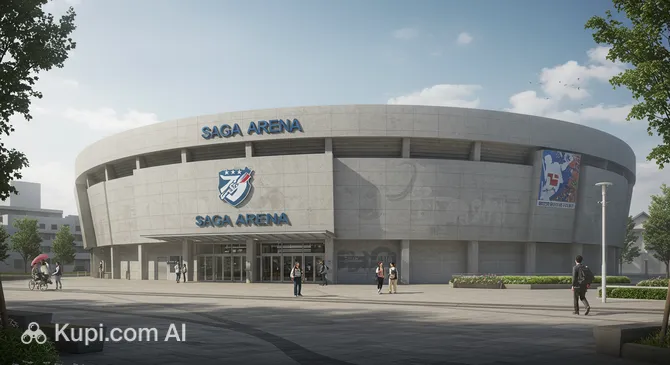
For those seeking large-scale entertainment, the city is home to the modern Saga Arena. This state-of-the-art multi-purpose venue has become a focal point for the region's major events, hosting everything from professional basketball games and sporting competitions to concerts by popular music acts. It is worth checking the schedule in advance to see if a performance coincides with your visit, as the atmosphere during event nights is electric.

Saga Arena. Source: Kupi.Binoculars

Dining is an integral part of the night out in Saga. Many evenings begin with a premium meal at establishments like Kira Honten, where you can enjoy a sophisticated dinner featuring the famous local beef before heading to a second venue for drinks. The local style is casual and welcoming; dress codes are rarely enforced outside of high-end hotel bars, so smart-casual attire is perfect for almost any venue in the city.

From a practical standpoint, Saga is a very safe city for night walks, even in the entertainment districts. The bustling hours are typically from 7:00 PM to midnight, though some bars stay open later on weekends. Public transport winds down around midnight, so if you stay out late, taxis are the best way to get back to your hotel. You can easily find them waiting at the taxi stands near Saga Station or flag one down along the main streets of Aikei-machi. Prices are reasonable, and drivers are generally trustworthy.

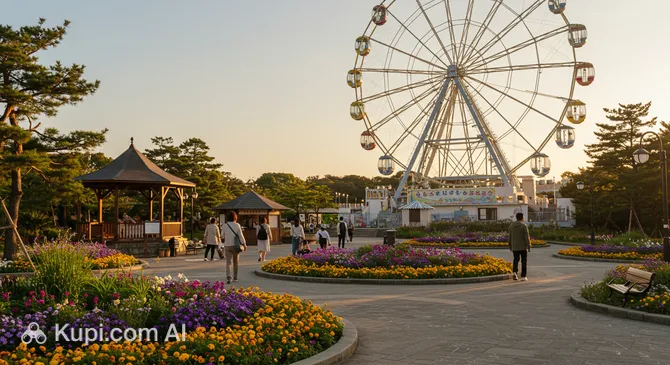
During the day, the city offers a different kind of entertainment suitable for families and leisure travelers. Apart from the historical sites, visitors can enjoy Kōno Park Children's Amusement Park. This charming spot provides a nostalgic atmosphere with classic rides and attractions that are perfect for younger children, offering a relaxed break from sightseeing.

Kōno Park Children's Amusement Park. Source: Kupi.Binoculars

Whether you are singing your heart out in a karaoke box in Aikei or enjoying a concert at the arena, Saga's entertainment scene provides a genuine slice of Japanese local life, far removed from the tourist traps of larger cities.

Parks & Museums

Saga is a city where history and nature are seamlessly interwoven, offering visitors a chance to explore verdant green spaces that double as significant cultural sites. The city's layout, defined by its historic waterways and moats, creates a scenic backdrop for its parks and museums, making it an ideal destination for leisurely walking tours and cultural immersion.

The crown jewel of the city's green spaces is Saga Castle Park. Located in the heart of the city, this expansive area is designated as one of Japan's Top 100 Historical Parks. It surrounds the historic castle site with wide, water-filled moats and magnificent camphor trees that are centuries old. It is a favorite spot for locals to jog, picnic, or simply enjoy the changing seasons, from the lush greenery of summer to the vibrant colors of autumn. The park serves as a central hub, housing several key cultural institutions within its grounds.

Saga Castle Park. Source: Kupi.Binoculars

For those seeking a more floral experience, Kōno Park is a beloved destination, particularly in spring. Famous for its cherry blossoms, the park transforms into a cloud of pink in late March and early April, attracting families and photographers alike. It features a traditional Japanese garden design with a central pond, offering a tranquil escape from the urban environment. Adjacent to the park is a small amusement area, making it a versatile spot for travelers with children.

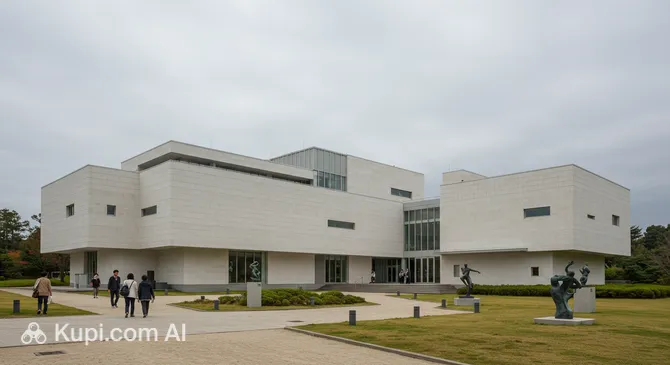
In terms of cultural venues, the Saga Prefectural Art Museum is a must-visit for art enthusiasts. Situated within the quiet bounds of Saga Castle Park, this museum focuses on the artistic heritage of the region. Its collection includes modern and contemporary works by artists born in or associated with Saga Prefecture, covering painting, sculpture, and crafts. The building's modern architecture contrasts beautifully with the surrounding historical landscape, providing a serene environment for art appreciation.

Saga Prefectural Art Museum. Source: Kupi.Binoculars

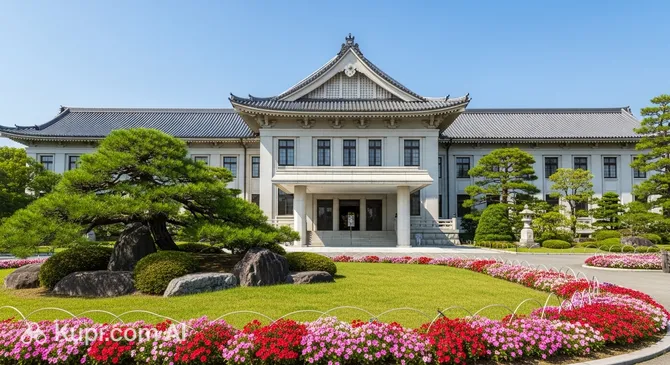
To dive deeper into the personal history of Japan's modernization, visitors should explore the Okuma Shigenobu Memorial Museum. This site commemorates the life of Okuma Shigenobu, a prominent statesman and founder of Waseda University. The complex includes his preserved birth home—a designated National Historic Site that offers a rare look at a middle-class samurai residence—and a museum displaying artifacts and documents that chronicle his illustrious career and impact on the nation.

Okuma Shigenobu Memorial Museum. Source: Kupi.Binoculars

The city's historical narrative is anchored by the Saga Castle Ruins. While the main keep has been reconstructed as a museum, the surrounding stone walls and the iconic Shachi-no-mon Gate remain as testaments to the castle's original grandeur. Nearby, Saga Shrine stands as a spiritual landmark dedicated to the Nabeshima clan. It is particularly interesting for its canon shrine, which reflects the industrial prowess of the Saga domain in the 19th century.

For a truly authentic experience, take a moment to admire the ancient Cinnamomum camphora (camphor) trees scattered throughout the city, particularly in the castle park. Some of these giants are over 300 years old and are designated natural monuments, offering a silent, living connection to the samurai era that often goes unnoticed by hurried tourists.

Getting Around

Navigating Saga is a stress-free experience compared to the complex transit webs of larger metropolises. The city is compact and does not have a subway or tram system. Instead, the public transport network relies primarily on a well-organized bus system and local trains, with the JR Saga Station serving as the central transportation hub for both.

The bus network is the most practical option for reaching specific tourist sites within the city limits. Several companies operate in the area, with Saga City Bus covering the central downtown routes and Showa Bus or Yutoku Bus serving the outskirts and neighboring towns. Buses typically depart from the Saga Station Bus Center, located right next to the train station. While the schedule is reliable, frequencies can be lower than in major capitals, often with one or two buses per hour on less busy routes, so checking timetables in advance is recommended.

For payment, the system is modernized and convenient for travelers. Most buses and trains accept major Japanese IC cards, such as Nimoca, SUGOCA, Suica, and PASMO. If you do not have an IC card, you can pay with cash. When boarding a bus, enter through the rear door and take a small numbered paper ticket from the dispenser. A digital screen at the front of the bus will display the fare corresponding to your ticket number. When you reach your destination, place the exact fare and the ticket into the box next to the driver as you exit through the front door. Fares typically start around 160 JPY and increase with distance.

Tourists should be aware that public transport generally stops operating earlier here than in big entertainment districts. Most bus services wind down between 9:00 PM and 10:00 PM, though some major routes may run slightly later. Detailed route information is available on Google Maps, which is quite accurate for the city's bus schedules. If you plan to travel extensively by bus in a single day, inquire at the Saga Station Bus Center about a "One Day Pass," which can offer significant savings.

Given the city's exceptionally flat terrain, cycling is arguably the most popular and enjoyable alternative to motorized transport. You can rent bicycles at Saga Station and pedal to major attractions like the castle park or the balloon museum with ease. It is a common way for locals to get around, offering a leisurely pace that suits the city's atmosphere. Taxis are also readily available at the station and major hotels; they are safe, clean, and meter-based, making them a good backup option if you miss the last bus.

Accommodation

Accommodation:

Finding a place to stay in Saga is generally a straightforward and affordable experience compared to Japan's larger tourist hubs. The city primarily offers a range of functional "business hotels," which are clean, compact, and designed for efficiency. For travelers seeking a more authentic Japanese experience, there are also several ryokans (traditional inns) scattered throughout the area, offering tatami-matted rooms and communal baths. While luxury resorts are scarce within the city center, the available options provide excellent hospitality and value for money.

The most convenient area for tourists to base themselves is undoubtedly around JR Saga Station. Staying here places you at the transport heart of the city, with immediate access to trains, the bus center, and a variety of dining options. From this central hub, you can easily walk or cycle to major attractions like the Saga Castle Ruins. For those willing to travel a bit further from the downtown core, the northern part of the city (specifically the Furuyu and Kumano Kawa onsen districts) offers peaceful riverside retreats where visitors can enjoy natural hot springs.

Booking Tip: While accommodation is usually easy to find, the situation changes drastically in early November during the Saga International Balloon Festival. During this week, the city welcomes hundreds of thousands of visitors, and hotels fill up months in advance. If you plan to visit during this spectacular event, it is essential to secure your room as early as possible, often up to six months ahead.

In terms of pricing, Saga is a budget-friendly destination. A standard night in a business hotel typically costs significantly less than in neighboring Fukuoka. Reservations can be easily made through major international online booking platforms, though some smaller, traditional ryokans may still prefer direct inquiries or use Japanese-specific sites. Whether you choose a modern hotel near the station or a quiet inn, you can expect a comfortable and welcoming base for your travels.

Nearby Cities

For those looking to explore the surroundings, Saga serves as an excellent base for day trips to several interesting nearby locations.

Just a short journey east lies Kurume, a city celebrated among food lovers as the birthplace of Tonkotsu ramen. Beyond its culinary fame, it is known for its vibrant azalea festivals and lush fruit-picking farms. For a change of scenery, Itoshima offers a trendy coastal retreat with scenic drives along the "Sunset Road," stylish seaside cafes, and the iconic Sakurai Futamigaura couple rocks. Travelers seeking history and relaxation might prefer Chikushino, home to the ancient Futsukaichi Onsen, where visitors can soak in therapeutic hot springs that have been cherished for over a thousand years.

City Population Distance (km)
Kurume 302858 20
Kasuga 111144 34
Omuta 110054 29
Chikushino 103185 33
Itoshima 98527 34

These nearby destinations offer a glimpse into the diverse culture and landscapes of the region.

Shopping & Souvenirs

Shopping:

Shopping in Saga offers a relaxed and authentic experience, focusing on traditional craftsmanship and high-quality local delicacies rather than the fast-paced commercialism of larger Japanese cities. For visitors, it is an excellent opportunity to discover unique souvenirs that embody the rich cultural heritage of the region.

The city's most prestigious traditional craft is Saga Nishiki. This exquisite brocade is a form of weaving that combines gold, silver, or lacquer paper with silk threads, creating a fabric that is both luxurious and durable. Originally produced by the women of the Nabeshima clan, it is now fashioned into elegant handbags, wallets, and accessories. You can find these beautiful items at specialty shops throughout the city and at the museum shop within the Saga Balloon Museum, which also stocks a variety of balloon-themed merchandise perfect for unique gifts.

Given the prefecture's reputation as the birthplace of Japanese porcelain, Saga City is also a great place to purchase ceramics. While the production centers of Arita and Imari are nearby, many local retailers in the city center offer a curated selection of Arita ware and Karatsu ware. From intricate decorative plates to sturdy daily tableware, these pieces make for timeless souvenirs.

Culinary souvenirs are equally popular. Saga Nori (seaweed) is famous across Japan for its fragrant aroma and melt-in-the-mouth texture, often sold in gift sets. Sweet lovers should look for Maru-bouro, a simple, round cookie with a gentle sweetness that has been a local favorite since it was adapted from Portuguese recipes centuries ago. Another classic treat is Ogi Yokan, a firm jellied bean paste that pairs beautifully with Japanese green tea.

For general shopping needs, Saga Station is the most convenient hub. The attached "Eki Machi 1 Chome" complex features numerous souvenir stores, bakeries, and clothing shops, making it easy to pick up gifts before catching a train. For a more extensive retail experience, Yume Town Saga is a large shopping mall located a short distance from the city center. It houses a wide array of fashion brands, lifestyle goods, and a supermarket, serving as a popular destination for locals and tourists alike.

Reached the end of the page?

That means the route is fully explored