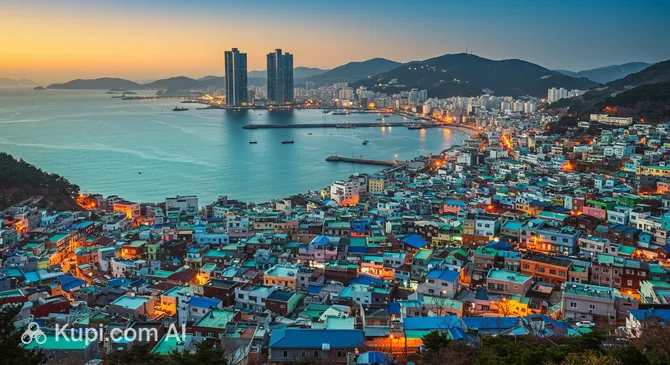
Busan is a dynamic coastal metropolis that perfectly blends urban energy with scenic natural beauty. As the second-largest city in Korea, Republic Of, it serves as a vital economic and cultural hub on the southeastern tip of the Korean Peninsula. With a population of approximately 3.45 million people, the city is renowned for its bustling port, which is one of the busiest in the world, and its distinct, energetic atmosphere.
The city possesses a unique character defined by its rugged mountain ranges and expansive coastline, offering a milder climate compared to the northern regions. Visitors exploring the history of Busan will discover a resilient city that played a crucial role as a temporary capital during the Korean War. Today, it stands as a testament to modern growth while preserving its rich heritage through ancient temples and historic sites.
Busan. Illustration.
Source: Kupi.com AI
Travelers are drawn to this destination for its diverse attractions, ranging from the famous golden sands of Haeundae Beach to the colorful, artistic alleyways of Gamcheon Culture Village. The city is also celebrated for Jagalchi Market, the largest seafood market in the country, where you can experience the authentic local lifestyle and taste fresh delicacies straight from the ocean.
Whether you are looking to relax by the sea, hike scenic trails, or immerse yourself in a lively cinematic culture, Busan offers an unforgettable experience. It is a must-visit destination that promises warm hospitality and vibrant memories for every traveler.
Weather Overview
Busan features a temperate climate with clear distinctions between the seasons, heavily influenced by its coastal setting. Winters are typically cold and dry, with January seeing average temperatures of 3.1°C and minimal precipitation. In contrast, summers are hot and humid; August is the warmest month with an average temperature of 26.8°C and highs reaching nearly 29.2°C.
Rainfall is most common during the summer months, with July and August experiencing around 16 wet days each. Expect warm summers with frequent rain and cold, dry winters, making the mild transition periods of spring and autumn ideal for outdoor activities. For a more detailed breakdown of the climate, you can check the current weather in Busan.
Average monthly temperature
Average monthly precipitation
Interesting Facts
Beyond the main attractions, Busan holds many fascinating secrets that reveal its depth as a cultural and architectural powerhouse. From record-breaking structures to unique artistic enclaves, the city offers plenty of surprises for the curious traveler.
Shopping enthusiasts might be surprised to learn that Shinsegae Department Store, Centum City holds the Guinness World Record as the largest department store in the world, surpassing the previous record holder in New York City.
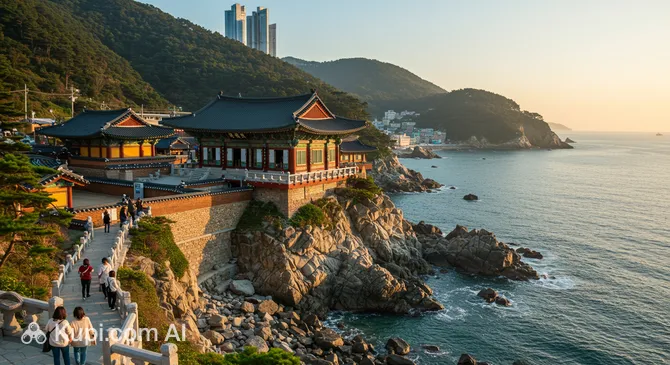
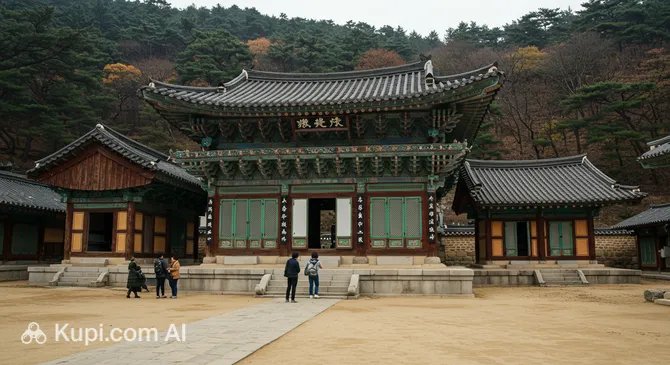
While the vast majority of Korean Buddhist temples are tucked away in the mountains, Haedong Yonggungsa Temple is a rare gem built directly along the rugged shoreline, offering a spiritual experience accompanied by the soothing sound of crashing waves.
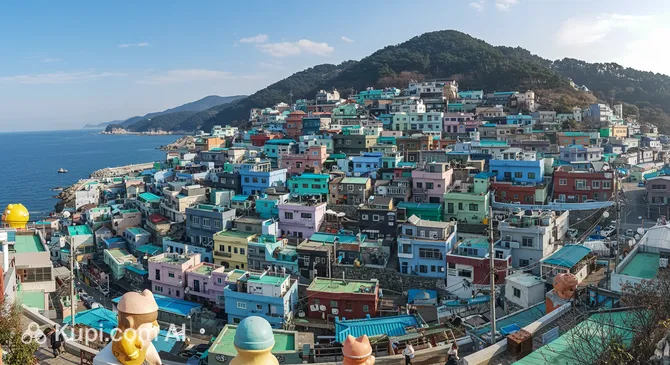
Often referred to as the "Machu Picchu of Busan" or the "Santorini of Korea," Gamcheon Culture Village was originally a refuge for war-displaced citizens but has since transformed into a vibrant artistic community known for its pastel-colored houses stacked on steep hills.
The city is a UNESCO Creative City of Film and hosts one of the most significant film festivals in Asia, celebrated annually at BIFF Square and the dedicated Busan Cinema Center, which features the world's longest cantilever roof.
Haedong Yonggungsa Temple. Illustration.
Source: Kupi.com AI
Traveler photos:
How to Get There
Reaching this coastal metropolis is convenient thanks to its well-connected transportation network. Whether you are arriving by air or land, there are multiple entry points to the city and its surrounding regions. For a detailed overview of all travel options and routes, you can read more about how to get to Busan.
The primary gateway for air travelers is Gimhae International Airport (PUS). Conveniently located within the city limits of Busan, it sits approximately 12.2 km from the city center. As a major international hub, it handles a large volume of passengers annually. A taxi or bus ride from this airport to the downtown area typically takes around 40 minutes, depending on traffic conditions.
Another option for travelers is Daegu International Airport (TAE), situated in the neighboring city of Daegu. Although it is not located in Busan itself, it serves as a significant regional entry point, approximately 88.3 km away. The journey by road from Daegu to Busan generally takes about 2.5 hours.
For clarity, here is a summary of the main airports:
For those traveling by rail from other parts of the peninsula, the region is accessible via several major railway hubs. One of the most significant nearby stations is Dongdaegu Station (XDK), located in the city of Daegu. It is approximately 88.0 km from Busan. If you arrive here, you can continue your journey to the coast by taxi or intercity bus, which takes roughly 2.5 hours.
Below is a list of major railway stations in the wider region:
Busan is a city where natural wonders and urban creativity coexist harmoniously. From sprawling sandy coastlines to artistic hillside communities, the city offers a diverse range of sights that cater to every type of traveler. Exploring these landmarks provides a deeper understanding of the local culture and the vibrant spirit of this coastal metropolis.
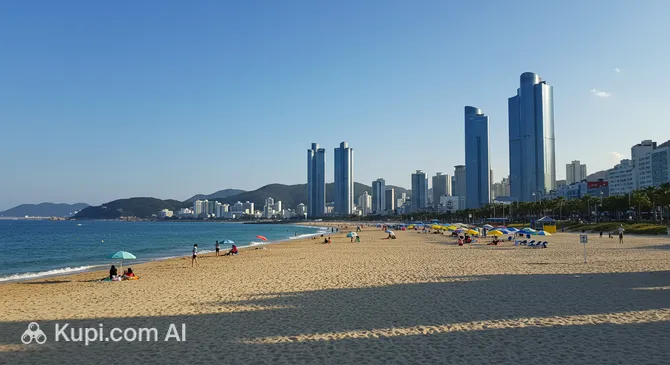
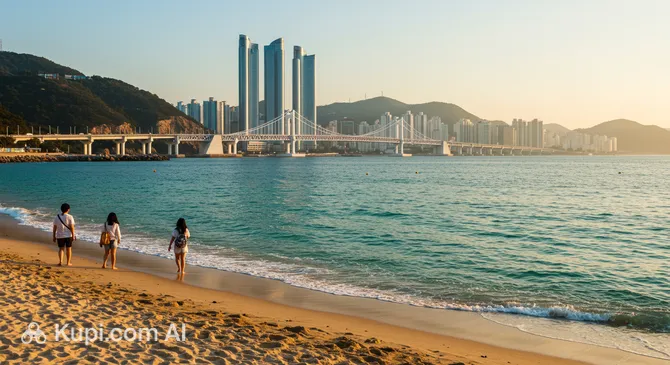
No visit to the city is complete without a trip to Haeundae Beach, widely regarded as the most famous beach in the country. Stretching 1.5 kilometers, this coastline is renowned for its pristine white sand and the dramatic backdrop of modern skyscrapers. It is a favorite spot for both swimming and people-watching, and it hosts various cultural events and festivals throughout the year, making it a lively hub of activity in any season.
Haeundae Beach. Illustration.
Source: Kupi.com AI
Traveler photos:
For a completely different atmosphere, travelers should explore the colorful alleyways of Gamcheon Culture Village. Often referred to as the "Machu Picchu of Busan," this hillside neighborhood features pastel-colored houses stacked in a terraced layout. Originally a refuge for war refugees, it has been transformed into an open-air art museum filled with murals, sculptures, and quaint cafes. It is a photographer's paradise and a testament to the city's artistic resilience.
Gamcheon Culture Village. Illustration.
Source: Kupi.com AI
Traveler photos:
Another coastal gem is Gwangalli Beach, which offers a more relaxed vibe compared to its busier counterparts. This area is particularly famous for its stunning night views of the Diamond Bridge (Gwangan Bridge), which illuminates the horizon with glittering lights. The beachfront is lined with trendy cafes and restaurants, making it the perfect place to enjoy a meal while soaking in the romantic evening scenery.
Gwangalli Beach. Illustration.
Source: Kupi.com AI
Traveler photos:
To get a panoramic perspective of the entire city, a visit to Busan Tower is essential. Located in Yongdusan Park, this 120-meter-high structure stands as a beloved symbol of the city. The observation deck offers breathtaking 360-degree views of the bustling port, the distant sea, and the urban landscape, providing visitors with a true sense of the city's scale and beauty.
Local Cuisine
The culinary landscape of Busan is a flavorful reflection of its identity as a bustling port city. While fresh seafood is naturally the star of the show, the city boasts a unique gastronomic heritage born from its history and coastal location. Visitors can expect a vibrant dining scene that ranges from humble street stalls to modern eateries, offering hearty meals that are distinct from those found in the rest of the country.
One dish you simply cannot leave without trying is Dwaeji Gukbap, or pork rice soup. This local soul food consists of a rich, milky broth filled with tender pork slices, served with rice and various side dishes like kimchi and salted shrimp. Another signature specialty is Milmyeon, a cold wheat noodle dish that originated during the Korean War. Chewy and refreshing, it is typically served in a chilled broth or with a spicy mixing sauce, making it a perfect meal for warm days.
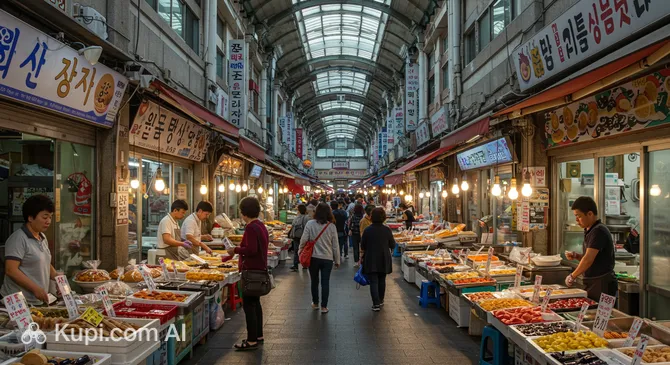
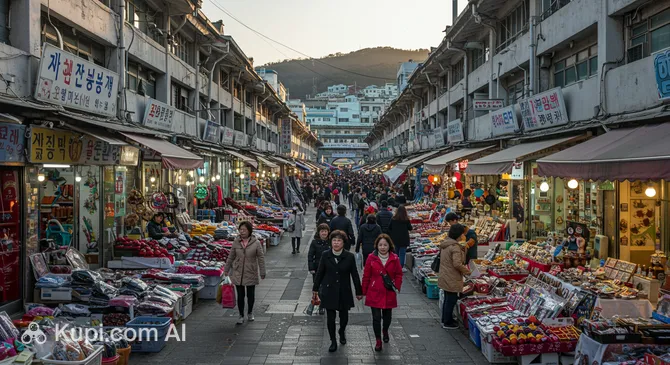
For those who love exploring vibrant food alleys, Bupyeong Kkangtong Market is a culinary treasure trove. Famous for its energetic night market, this spot offers an endless array of street food delights, including spicy rice cakes, fish cakes, and international snacks. It is an ideal place to immerse yourself in the local atmosphere and sample small bites while wandering through the bustling crowds.
Bupyeong Kkangtong Market. Illustration.
Source: Kupi.com AI
Traveler photos:
Street food enthusiasts should also seek out Ssiat Hotteok, a sweet, seed-filled pancake that has become a symbol of the city's snack culture. Often found in busy areas like BIFF Square, these golden-brown treats are stuffed with a mixture of brown sugar, sunflower seeds, and nuts. If you prefer a sit-down meal with a local vibe, you might visit Gukje Market, where numerous stalls serve authentic Korean dishes in a nostalgic setting.
When it comes to drinks, the local culture is heavily centered around Soju, with regional brands like C1 and Daesun being the preferred choices to accompany savory meals. However, the city is also developing a reputation for its craft beer scene. Places like Wildcat Brewing offer a modern twist on local drinking culture, serving unique brews that pair perfectly with the city's lively nightlife.
Travel Tips
Planning a trip to Busan is an exciting endeavor, but a few insider tips can turn a good vacation into a seamless adventure. To help you navigate this bustling coastal city like a pro, we have compiled a list of essential practical advice covering everything from local customs to getting around.
Clothing and Gear: Pack according to the season; summers are hot and humid, requiring light, breathable fabrics, while winters can be windy and cold, necessitating warm coats. Since Busan is a city of hills and steep stairs, especially in popular spots like Gamcheon Culture Village, comfortable walking shoes are non-negotiable. If you plan to visit Buddhist temples, dress modestly by covering your shoulders and knees.
Transportation: The most efficient way to travel is by using the extensive subway and bus network. Purchase a reloadable transit card like T-money or Cashbee at any convenience store to pay for fares easily and receive transfer discounts. Taxis are affordable and safe; apps like Kakao T are useful for hailing rides, though standard taxis are easy to flag down. Car rental is generally unnecessary within the city due to traffic and excellent public transport.
Finances: The local currency is the South Korean Won (KRW). While credit cards are widely accepted in most restaurants, cafes, and shops, you will definitely need cash for street food stalls at markets and for recharging your transit card. Tipping is not part of the culture and is not expected anywhere. Look for ATMs marked "Global" if you need to withdraw cash with an international card.
Health and Safety: Busan is an incredibly safe city for travelers, even at night. Pharmacies, often marked with a "Yak" sign (약), are plentiful, and basic medicines are available at 24/7 convenience stores. In case of emergency, dial 112 for police or 119 for medical assistance. While tap water is safe, most people prefer drinking bottled or filtered water.
Communication: While English is often understood in major tourist areas, it is not universally spoken. It is highly recommended to download Naver Map or KakaoMap for navigation, as global map apps often have limited functionality in Korea. A translation app like Papago is invaluable for reading menus and communicating with locals. Free Wi-Fi is widely available in cafes, subways, and public spaces.
Local Etiquette: Politeness is paramount in Korean culture. A slight bow is the standard greeting. Always remove your shoes when entering a Korean home, certain traditional restaurants, or temple interiors. When handing over money or cards, use two hands or support your right arm with your left hand as a sign of respect.
What to Avoid: Never sit in the priority seats on the subway or bus, which are strictly reserved for the elderly, pregnant women, and the disabled, even if the train is empty. Also, avoid talking loudly on your phone while using public transport, as it is considered rude and disruptive to other passengers.
Shopping Hours: Be aware that while nightlife districts are active until late, major department stores typically close around 8:00 PM. However, local markets and convenience stores often operate late into the night, making them perfect for evening snacks and shopping.
By keeping these practical tips in mind, you will be well-prepared to embrace the local lifestyle and explore the city with confidence. Enjoy the warm hospitality and dynamic energy that make Busan such a wonderful destination!
Entertainment & Nightlife
When the sun sets over the ocean, Busan transforms into a vibrant playground of neon lights, music, and culinary delights. The city's nightlife is as diverse as its landscape, offering everything from energetic dance clubs and sophisticated lounges to humble street-side tents known as pojangmacha. Whether you are looking to party until dawn or enjoy a quiet drink with a view of the illuminated coastline, the city has a district to match your mood.
The beating heart of the local nightlife is undoubtedly Seomyeon. Located at the intersection of the city's subway lines, this area is always bustling with a youthful energy. The streets are packed with pubs, karaoke bars (noraebang), and clubs that stay open late. It is the perfect place to experience the raw energy of the city, where locals and travelers mingle amidst a dizzying array of bright signage and music.
For a more scenic evening, head to the coastal areas of Haeundae and Gwangalli. Haeundae offers a mix of upscale beach bars and foreigner-friendly pubs, making it a popular spot for international visitors. Meanwhile, Gwangalli is famous for its stunning views of the Diamond Bridge (Gwangan Bridge) lighting up the night sky. The beachfront here is lined with terraces where you can enjoy the cool sea breeze while sipping on a cocktail or a local brew.
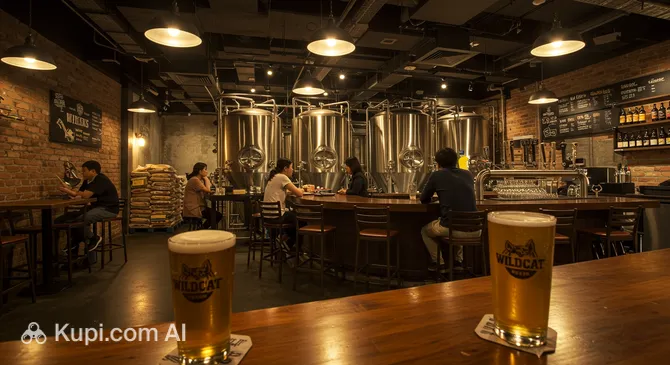
Busan has a burgeoning craft beer scene that is well worth exploring. Enthusiasts should definitely visit Wildcat Brewing, a venue known for its distinctive ales and vibrant atmosphere. It is a great spot to taste beers that are brewed with passion and local flair.
Wildcat Brewing. Illustration.
Source: Kupi.com AI
Traveler photos:
If you prefer a dining experience that seamlessly transitions into drinking, Dongnyeok Korean Casual Dining is an excellent choice. Here, you can enjoy savory Korean dishes paired with traditional spirits or modern drinks in a relaxed setting. For a more traditional vibe, the area around BIFF Square and the local markets often features night stalls serving street food and soju late into the night.
Practical Tips for Nightlife: The atmosphere in most bars is casual, but some high-end clubs in Haeundae may have a dress code, so smart casual attire is recommended. Venues typically stay open very late, with many clubs operating until 4:00 AM or 5:00 AM on weekends. The city is extremely safe at night, and walking between venues in major districts is common. To get home, taxis are plentiful; using the Kakao T app is the most convenient way to hail a ride without language barriers.
While the nights are electric, the city also offers plenty of entertainment during the day. Families and marine life enthusiasts should visit the Busan Aquarium (SEA LIFE) on Haeundae Beach to see incredible underwater exhibits. For those seeking active fun, the Running Man Thematic Experience Center Busan offers hilarious challenges and games inspired by the popular Korean variety show, making it a hit for groups of friends.
Parks & Museums
Beyond its bustling port and sandy beaches, Busan offers a wealth of green spaces and cultural institutions that provide a peaceful respite from urban life. The city's landscape is dotted with scenic parks that blend nature with innovation, while its museums and historical sites offer deep insights into the region's artistic and spiritual heritage.
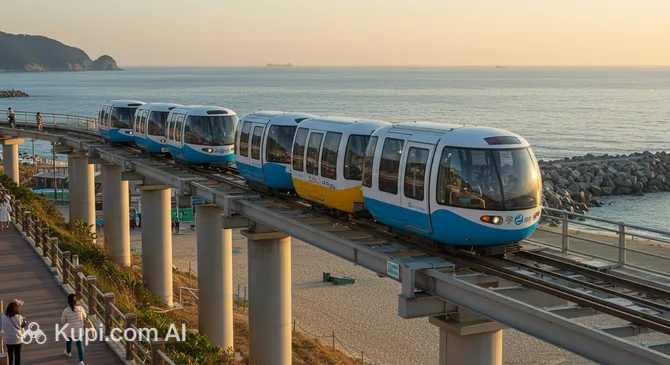
One of the most popular recent additions to the city's outdoor attractions is the Haeundae Blueline Park. This eco-friendly redevelopment of an old railway line offers a stunning coastal walking path and a unique "Sky Capsule" train experience. Visitors can enjoy panoramic views of the East Sea while traveling along the cliffs, making it a romantic and scenic destination for photographers and nature lovers alike.
Haeundae Blueline Park. Illustration.
Source: Kupi.com AI
Traveler photos:
For those seeking dramatic coastal scenery, the Oryukdo Skywalk is a must-visit natural landmark. Located on a seaside cliff, this glass horseshoe-shaped bridge allows you to walk out over the crashing waves, offering a thrilling perspective of the Oryukdo Islands. Another excellent spot for enjoying the outdoors is Songdo Sky Park, which features lush walking trails and panoramic observatories, often accessed via a scenic marine cable car ride.
Busan's cultural scene is equally vibrant, with museums that cater to diverse interests. The ARTE Museum Busan is a spectacular immersive media art exhibition that captivates visitors with its light and sound installations. It is arguably one of the most Instagrammable spots in the city, blending technology with artistic expression. Families traveling with children will appreciate the Busan National Science Museum, which offers interactive exhibits on automotive, aerospace, and marine sciences, reflecting the city's industrial strengths.
To truly understand the spiritual history of the region, a visit to Beomeosa Temple is essential. Nestled on the slopes of Mt. Geumjeongsan, this ancient temple dates back to the Silla Dynasty and serves as a serene sanctuary surrounded by wisteria woods and mountain streams. It is a perfect place to experience traditional Buddhist culture and admire intricate wooden architecture away from the city noise.
Beomeosa Temple. Illustration.
Source: Kupi.com AI
Traveler photos:
History enthusiasts should also trek up to the Hwangnyeongsan Beacon Mound. Once a crucial military communication point, it now offers one of the best night views in the city, overlooking the glittering harbor and downtown area. For a different kind of cultural experience, Samjung The Park provides a zoological adventure with a variety of animal exhibits, making it a great day out for families.
For an authentic local experience, explore the winding coastal paths of Huinnyeoul Culture Village. Often less crowded than other mural villages, this cliffside community offers charming cafes, local art studios, and unobstructed ocean views that have served as the backdrop for numerous Korean films.
Getting Around
Navigating Busan is remarkably convenient and efficient, thanks to a comprehensive public transportation network that connects the bustling downtown areas with the scenic coastal regions. The backbone of the city's transit is the Busan Metro, which consists of four numbered lines, the Busan-Gimhae Light Rail Transit (connecting to the airport), and the Donghae Line. The subway system is clean, punctual, and tourist-friendly, with station signs and voice announcements provided in English, Chinese, and Japanese. Using the metro is the fastest way to travel between major districts like Seomyeon, Haeundae, and Nampo-dong without worrying about traffic.
For destinations that the subway does not reach, particularly the steep hillside villages and secluded temples, the city's bus system is an excellent alternative. Buses are color-coded for easy identification: blue buses connect major areas on main roads, green buses (village buses) serve residential neighborhoods and subway transfer points, and red express buses cover longer distances with fewer stops. While the bus network is extensive, first-time visitors should pay attention to the route maps or use a navigation app, as the winding roads and frequent stops can be a bit complex to navigate initially.
To use public transport seamlessly, it is highly recommended to purchase a rechargeable transportation card, such as T-money or Cashbee. These cards can be bought and reloaded at any convenience store (GS25, CU, 7-Eleven) or at ticket vending machines inside subway stations. Using a card is slightly cheaper than paying with cash and, more importantly, allows for free or discounted transfers between the subway and buses within 30 minutes. Remember to tap your card on the sensor both when boarding and when alighting to ensure the transfer discount applies.
Taxis offer a comfortable and reasonably priced alternative, especially for groups or when traveling late at night after public transport stops running (typically around midnight). You will see silver or white taxis for standard service and black "deluxe" taxis that offer more space and higher service standards at a premium rate. Most taxis accept credit cards and transportation cards. For convenience, the Kakao T app is widely used to hail rides, allowing you to input your destination in English and avoid communication difficulties.
Beyond standard commuting, the city offers unique transport experiences that double as sightseeing adventures. The Songdo Marine Cable Car provides aerial views over the ocean, while the Haeundae Beach Train offers a retro-style ride along the coast. Additionally, the Busan-Gimhae Light Rail is a dedicated line specifically designed to transport travelers from the international airport to the city center, offering a smooth start to your journey.
Accommodation
Finding the perfect place to stay in Busan is relatively easy, as the city offers a wide spectrum of accommodation options to suit every budget and travel style. From luxurious five-star resorts lining the coast to efficient business hotels and cozy, budget-friendly guesthouses, travelers can choose based on their preferred scenery and proximity to major attractions. Whether you are looking for a room with a sweeping ocean view or a convenient base in the heart of the downtown shopping district, the city has something to offer.
The location you choose will largely define your experience. Haeundae and Gwangalli are the top choices for beach lovers and those seeking a resort-style atmosphere, offering easy access to the sea and vibrant nightlife. For travelers who prioritize convenience and mobility, Seomyeon is the ideal strategic hub; located at the intersection of the main subway lines, it provides quick access to all corners of the city. Alternatively, the Nampo-dong area is perfect for those who want to be close to the major markets, the port, and historic sites.
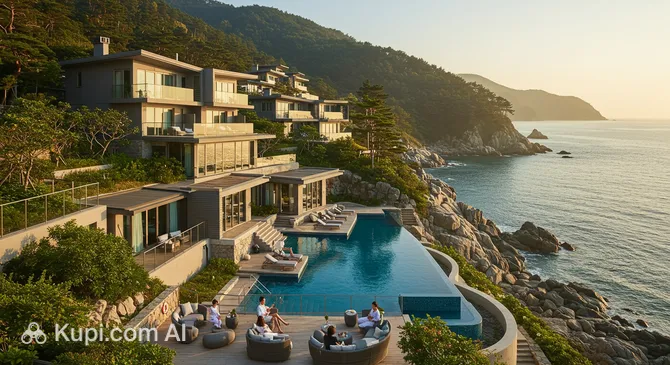
For those seeking a high-end retreat away from the bustling city center, the coastline offers exclusive resort experiences. A prime example is Ananti Cove, a luxury destination known for its stunning architecture and panoramic ocean views. It is designed to provide a complete relaxation experience with top-tier facilities.
Ananti Cove. Illustration.
Source: Kupi.com AI
Traveler photos:
Adjacent to this complex is Ananti Village, which offers a unique blend of accommodation and lifestyle content, creating a charming, village-like atmosphere by the sea. These types of resorts are particularly popular among families and couples looking for a romantic or restful getaway.
Booking Tips and Prices: Accommodation prices in Busan vary significantly by season. During the peak summer months (July and August) and during major events like the Busan International Film Festival in October, rates can double, and rooms sell out quickly. It is highly recommended to book at least one to two months in advance for these periods. generally, budget hostels and guesthouses range from $20 to $50 per night, mid-range business hotels typically cost between $60 and $120, while luxury resorts can start from $200 and go upwards. Most accommodations can be easily booked via major international online platforms, though checking official hotel websites can sometimes yield special packages.
Nearby Cities
For those looking to explore the surroundings, Busan serves as an excellent base for day trips to several interesting nearby locations.
Located just a short distance to the west, Gimhae is a historically significant city that served as the capital of the ancient Gaya Kingdom. Visitors can explore the Royal Tomb of King Suro and the National Gimhae Museum, offering a fascinating glimpse into Korea's early history.
To the north lies Ulsan, a dynamic city known for its industrial achievements and surprising natural beauty. It is home to Daewangam Park, where a suspension bridge offers dramatic views of the rocky coastline, and the sprawling Taehwagang National Garden, a perfect spot for a relaxing afternoon walk.
For those willing to travel a bit further along the coast, Pohang offers unique seaside attractions. It is most famous for Homigot Sunrise Square, where the iconic Hand of Harmony sculpture rises from the sea, creating one of the country's most memorable photo opportunities.
City
Population
Distance
Noksan
124 246
18 km
Gimhae
550 758
18 km
Yangsan
297 532
20 km
Seosaeng
8 650
31 km
Jinhae
190 000
31 km
These nearby destinations offer a glimpse into the diverse culture and landscapes of the region.
Shopping & Souvenirs
Shopping in Busan is an exhilarating experience that mirrors the city's dynamic personality, offering a seamless blend of high-end luxury and traditional charm. From record-breaking department stores to sprawling underground mazes and historic marketplaces, the city caters to every taste and budget. Whether you are looking for the latest Korean fashion trends, unique vintage items, or local food souvenirs, the shopping landscape here is diverse and vibrant.
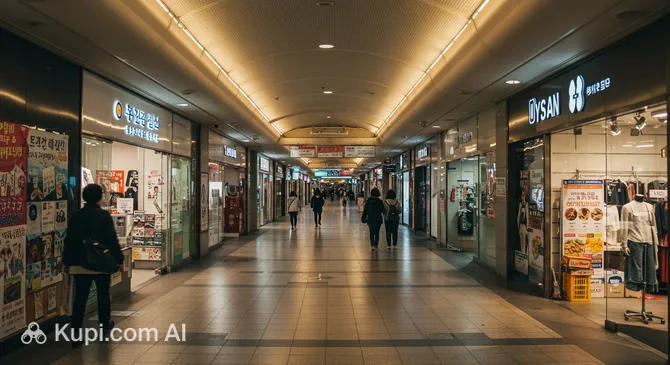
For those seeking the pulse of the city's youth culture and fashion scene, the Seomyeon district is the place to be. This bustling area serves as a major commercial hub, anchored by the massive Seomyeon Underground Shopping Center. Stretching beneath the streets, this labyrinth of hundreds of shops offers affordable clothing, cosmetics, and accessories, making it a favorite spot for trend-conscious shoppers looking for bargains.
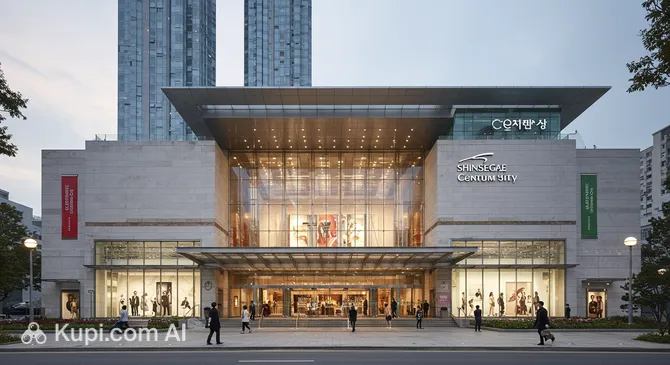
If you prefer a more upscale experience, the Centum City area in Haeundae is home to architectural marvels and luxury brands. The crown jewel of this district is the Shinsegae Department Store, Centum City, which is famous for being one of the largest department stores in the world. Beyond retail therapy, this complex features an ice rink, a spa, and a cinema, turning a shopping trip into a full day of entertainment. Nearby, Samjung Tower offers a trendy mix of lifestyle shops, restaurants, and activity zones, appealing to a younger crowd.
Shinsegae Department Store, Centum City. Illustration.
Source: Kupi.com AI
Traveler photos:
To experience the authentic soul of Busan, a visit to its traditional markets is essential. Gukje Market, one of the largest markets in Korea, is a treasure trove of history and commerce. Here, you can find everything from vintage clothing and electronics to household goods and lighting. Just across the street lies Bupyeong Kkangtong Market, which is particularly famous for its imported goods and a vibrant night market filled with delicious street food.
Gukje Market. Illustration.
Source: Kupi.com AI
Traveler photos:
When it comes to souvenirs, visitors often look for items that reflect the local culture. Popular choices include premium Korean cosmetics, cute stationery, and K-pop merchandise. For edible gifts, Busan is renowned for its high-quality fish cakes (eomuk) and dried seaweed (gim). Traditional Korean liquor, such as regional soju or makgeolli, also makes for a unique keepsake to bring back home.
Most major department stores and shops typically operate from 10:30 AM to 8:00 PM, though hours may extend on weekends. Traditional markets open early in the morning and close in the evening, with some night markets operating until late. Credit cards are widely accepted almost everywhere, including taxis and convenience stores, though having some cash is recommended for small stalls in street markets.
International tourists should take advantage of the Tax-Free shopping system available at many retail outlets. Look for the "Tax Free" or "Tax Refund" signage in store windows. If you spend over a certain amount (usually 30,000 KRW), you can receive a refund slip to claim your taxes back at the airport or at designated refund kiosks within the city. Remember to carry your passport, as it is required to process the refund.