Support

Yecheon

About

Welcome to Yecheon, a captivating destination where pristine nature and profound cultural heritage coexist in harmony. Known for its scenic landscapes and traditional atmosphere, this county offers a peaceful retreat from the bustling city life, inviting travelers to immerse themselves in the authentic spirit of the region.

Located in the northwestern part of Gyeongsangbuk-do province, Yecheon is geographically characterized by its winding rivers and lush mountains. It is home to a close-knit community with a population of approximately 43,000 people. As you explore this charming area in the Republic of Korea, you will discover a place that takes great pride in preserving its natural environment and ancestral traditions.
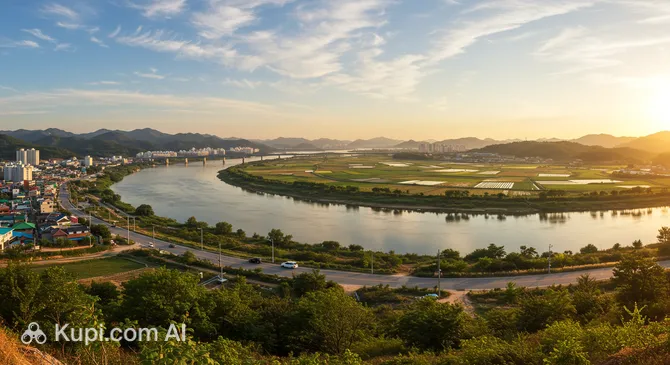
Yecheon. Source: Kupi.Binoculars

The region has been a center of culture and learning for centuries. Visitors can delve deeper into the past by exploring the history of Yecheon, which is filled with stories of filial piety and loyalty. This historical depth is visible in the numerous ancient pavilions, temples, and preserved folk villages scattered throughout the county.

One of the most iconic sights in Yecheon is Hoeryongpo Village, a breathtaking natural wonder where the river loops 350 degrees around the land, making the village appear like an island floating on water. Another unique attraction is Samgang Jumak, the last remaining traditional tavern in the country, which offers a glimpse into the life of travelers in the old days. Additionally, the county is famous for the Yecheon Astro-Space Center, making it a great spot for stargazing enthusiasts.

Whether you are walking along the sandy banks of the Naeseongcheon Stream or experiencing the local archery culture, Yecheon promises a memorable journey. We invite you to visit and experience the serene beauty and warm hospitality of this remarkable city.

Weather Overview

Yecheon experiences a temperate climate characterized by four distinct seasons, offering a changing backdrop for visitors throughout the year. Generally, travelers can expect hot summers with frequent rainfall and cold, dry winters.

The winter months are chilly, with January seeing average temperatures drop to -1.4°C and minimums around -5.7°C. This period is quite dry, often recording only about 3 to 4 wet days per month. As the region transitions into spring, conditions become much milder; by May, the average temperature rises to a comfortable 17.1°C, making it a pleasant time for sightseeing.

Summer marks the warmest and wettest part of the year. August is typically the hottest month, with average highs reaching 28.9°C. Rainfall becomes more common during this season, with July seeing up to 17 wet days. For those planning a trip, checking the current weather in Yecheon is recommended to pack appropriately. As autumn approaches, the heat subsides, with September averages cooling to 20.6°C, leading into the crisp air of late year.

Interesting Facts

Beyond its scenic river loops and historic villages, Yecheon holds fascinating secrets that often escape the casual observer. Uncover the unique stories and local legends that make this county truly one-of-a-kind.

  • The Tax-Paying Tree: Yecheon is home to a pine tree named Seoksongnyeong that legally owns land and pays property taxes. Bequeathed a plot of land by a villager decades ago, this approximately 600-year-old tree is registered as a landowner. It uses the income from its land to pay taxes and even funds scholarships for local students.

  • A Capital of Archery: This region is famous as the archery capital of the Republic of Korea. Yecheon has a long tradition of manufacturing traditional bows and arrows, known as Gakgung. The county is renowned for producing world-class archers and hosting prestigious international competitions at the Yecheon Jinho International Archery Field.

  • The Rotating Sutra Case: Located at Yongmunsa Temple, the Yunjangdae is a unique rotating bookcase for Buddhist scriptures. It was designed so that illiterate people could spin the case to gain the same spiritual merit as reading the sutras. It is one of the few remaining examples of its kind and is designated as a National Treasure.

How to Get There

Reaching this serene destination in Gyeongsangbuk-do is an adventure in itself, offering travelers a chance to see the Korean countryside. While the county is tucked away in a scenic mountainous region, it remains accessible via several transport hubs in neighboring cities. For a comprehensive guide on planning your journey, you can read more about how to get to Yecheon and choose the route that best suits your itinerary.

The city of Yecheon does not have its own airport, but international and domestic travelers can fly into Cheongju Airport (CJJ) in the city of Cheongju, which is approximately 86 km from Yecheon. Upon arrival, a taxi or bus ride to the city center takes around 2 hours and 30 minutes. Another convenient option is Daegu International Airport (TAE), located in Daegu, roughly 87 km away. The travel time from Daegu is similar, taking about 2 hours and 30 minutes by road. Both airports serve as key regional gateways, handling a significant volume of passengers annually.

For clarity, here is a summary of the main airports:

Airport Name City Passenger Traffic Km from City
Gimhae International AirportBusanLarge169.5
Cheongju AirportCheongjuMedium86.2
Daegu International AirportDaeguMedium86.6
Ulsan AirportUlsanSmall142.7
Sacheon AirportJinjuSmall177.6

If you prefer traveling by rail, please note that while local lines exist, the major high-speed connections terminate in larger nearby cities. You can arrive at Dongdaegu Station in the city of Daegu, which is about 88 km from Yecheon. From there, you can get a taxi or bus, which takes about 2 hours and 30 minutes. Alternatively, Daejeon Station in Daejeon serves as another major hub, located approximately 102 km away. These stations are bustling centers of transit, connecting the region to the rest of the country efficiently.

Below is a list of the nearest major railway stations:

Station City Passenger Traffic Km to Center
Dongdaegu StationDaeguLarge87.6
Daejeon StationDaejeonLarge102.3
Gwangmyeong StationGwangmyeongLarge163.6
Jinju StationJinju170.0
Yeosu Expo StationYeosu220.9

Main Attractions

Yecheon offers a delightful mix of scenic beauty, historical depth, and unique cultural experiences. From breathtaking river bends to ancient temples and family-friendly parks, the city provides travelers with a variety of memorable destinations to explore.

Hoeryongpo Village is arguably the most famous landmark in the region. While the unique geography of the river loop is well-known, the true magic of this location is best experienced by hiking up Mount Biryongsan. The trail leads visitors to the Hoeryongdae Pavilion, a vantage point that offers a spectacular panoramic view of the "island" village below. The hike itself is rewarding, surrounded by pine forests, and the sight of the water embracing the land from above creates a serene moment perfect for photography and reflection.

For those interested in spiritual history, Yongmunsa Temple is a must-visit site. Nestled on the lush slopes of Mount Yongmunsan, this ancient temple dates back to the Silla Dynasty. Beyond its famous treasures, the temple complex invites visitors to immerse themselves in a tranquil atmosphere far removed from the modern world. Walking through the temple grounds, you can admire the intricate wooden architecture of the Daejangjeon Hall and enjoy the peaceful sounds of nature and chanting that permeate the mountain air.

Families and nature enthusiasts will find the Yecheon Insect Eco Park to be a fascinating stop. As a city known for its eco-friendly environment, Yecheon has established this park to educate visitors about the diverse world of insects. The facility features an expansive insect museum, a 3D theater, and a butterfly observation tunnel. It is an interactive space where children can learn about nature through hands-on experiences, making it both an educational and entertaining outing for all ages.

Another culturally significant site is Samgang Jumak, situated at the confluence of the Naeseongcheon, Geumcheon, and Nakdonggang rivers. Once a vital hub for boatmen journeying to Seoul, today it offers a tangible connection to the past. Visitors can do more than just observe; they can sit on the traditional wooden platforms and enjoy local specialties like savory pancakes and makgeolli (rice wine). It is a rare opportunity to relax in the same manner as the merchants and scholars of the Joseon Dynasty, soaking in the riverside ambiance.

Local Cuisine

The culinary landscape of Yecheon is deeply rooted in its agricultural heritage, offering travelers a taste of authentic Korean flavors made with fresh, high-quality ingredients. The region is particularly famous for its premium Hanwoo beef, which is celebrated nationwide for its marbling and tender texture. Visitors will find numerous restaurants dedicated to serving this high-grade beef, often grilled at the table to highlight its natural savory richness.

One of the most distinctive local specialties is Yonggung Sundae, a unique variety of Korean blood sausage hailing from the Yonggung-myeon area. Unlike the standard version found elsewhere, this regional delicacy uses a thicker pork intestine casing, giving it a chewy texture and a rich, hearty flavor. It is typically filled with a savory mixture of glutinous rice, vegetables, and glass noodles. Locals and tourists alike often enjoy it in the form of Sundae-gukbap, a warming soup that is perfect for revitalizing after a day of travel.

Complementing the sundae is another signature dish: coal-grilled squid (Ojing-eo Bulgogi). This dish is famous for its "fire flavor" (bul-mat), achieved by grilling marinated squid over briquettes. The spicy, smoky, and slightly sweet marinade pairs perfectly with the milder taste of the sundae soup, making it a popular side dish in the local food alleys.

For a truly atmospheric dining experience, visitors should head to Samgang Jumak, the last remaining traditional tavern in the country. Here, you can immerse yourself in the food culture of the past by sitting on wooden platforms and enjoying simple, rustic fare. The tavern is the perfect place to try Makgeolli (rice wine), the representative local alcoholic beverage, served alongside savory pancakes (jeon) and acorn jelly (dotori-muk). This historic spot offers not just a meal, but a glimpse into the lifestyle of old Korean travelers.

Travel Tips

To ensure your journey to Yecheon is as smooth and enjoyable as possible, a little preparation goes a long way. While this charming county offers a peaceful escape, its rural nature means that some logistics differ from the bustling streets of Seoul or Busan.

  1. Clothing and Gear: The weather varies significantly by season, so pack accordingly. In summer, bring light, breathable fabrics and rain gear for the monsoon season, while winter requires heavy coats and thermal layers. Since many attractions like Hoeryongpo Village and Yongmunsa Temple involve walking on uneven terrain or hiking trails, comfortable walking shoes are essential. If you plan to enter temple halls, dress modestly by covering your shoulders and knees.
  2. Transportation: While rural buses connect major sights, schedules can be infrequent and difficult for non-Korean speakers to navigate. The most convenient way to explore the scattered attractions of Yecheon is by renting a car. Alternatively, you can use local taxis, but it is advisable to have your destination written in Korean to show the driver. Ride-hailing apps like Kakao T work, though availability may be lower than in big cities.
  3. Finances: The local currency is the South Korean Won (KRW). Credit cards are widely accepted in most restaurants and shops in the town center. However, it is highly recommended to carry cash for small purchases at traditional markets, rural convenience stores, or the historic Samgang Jumak tavern. ATMs are available in the central administrative areas but may be scarce near remote tourist sites.
  4. Health and Safety: Yecheon is a very safe destination with low crime rates. Pharmacies, marked with a "Yak" (약) sign, are generally open from morning until early evening, but 24-hour pharmacies are rare. For minor ailments, convenience stores often sell basic over-the-counter medicine. If you are exploring nature trails in summer, carry insect repellent to protect against mosquitoes.
  5. Communication: English proficiency is not widespread in rural areas. It is essential to download a translation app like Papago and a navigation app like Naver Map or KakaoMap, as Google Maps offers limited functionality in the country. purchasing a SIM card or renting a Wi-Fi egg at the airport upon arrival in Korea is crucial for staying connected.
  6. Local Etiquette: Politeness is highly valued. A slight bow is the standard greeting when meeting locals or thanking someone. When entering a temple hall, a private home, or certain traditional restaurants with floor seating, you must remove your shoes. In dining settings, wait for the eldest person to start eating before you begin.
  7. What to Avoid: Do not speak loudly or cause a disturbance within temple grounds, as these are active places of worship. Additionally, avoid sitting in priority seats on public transportation (designated for the elderly, pregnant women, and the disabled) even if they are empty, as this is considered disrespectful.
  8. Local Experience Tip: Since Yecheon is known as the "City of Archery," do not miss the chance to try it yourself. Visit the Yecheon Jinho International Archery Field, where visitors can participate in a hands-on archery experience. It is a fun, unique activity that connects you directly to the region's sporting heritage.

By keeping these practical tips in mind, you will be well-equipped to navigate the countryside with confidence and respect. We hope your time in Yecheon is filled with discovery, relaxation, and warm encounters with the local culture.

Entertainment & Nightlife

Nightlife in Yecheon offers a peaceful and authentic departure from the neon-lit intensity of Korea's major metropolises. Instead of bustling nightclubs and raucous party districts, the evening entertainment here centers around socializing over good food, enjoying local alcoholic beverages, and appreciating the quiet beauty of the countryside. The atmosphere is relaxed and welcoming, dominated by locals unwinding after a day of work in "hofs" (Korean-style pubs) or traditional diners.

The primary area for evening activity is Yecheon-eup, the county's administrative center. Here, the streets around the central market come alive with the savory scents of grilled meats and spicy soups. This district is home to the famous Yecheon Taste Alley, a designated food street where visitors can hop between restaurants serving local specialties like grilled pork and Hanwoo beef well into the evening. It is the perfect place to experience the Korean "cha" culture, moving from a dinner spot to a pub and finally to a noraebang (karaoke room) to sing the night away.

For a more modern atmosphere, travelers should head to the Gyeongbuk Provincial Government New Town, which sits partly within Yecheon's borders. This newly developed area attracts a younger crowd and features contemporary bars, franchise cafes, and beer pubs that stay open later than the traditional establishments in the old town. The vibe here is cleaner and more polished, offering a mix of Western-style cocktail bars and trendy Korean pochas (tent wagons or street bars) where you can enjoy fried chicken and beer in a lively setting.

While Yecheon lacks large dance clubs, it offers unique nighttime experiences that highlight its cultural and natural assets. The Yecheon Astro-Space Center is a standout venue for evening entertainment of a different kind. Located away from city lights, it allows visitors to gaze at the stars through high-powered telescopes, making for a magical and romantic night out. Another must-visit spot, though more for early evening, is Samgang Jumak. As the last traditional tavern in Korea, sitting on its wooden platforms at dusk with a bowl of makgeolli (rice wine) transports you back to the Joseon Dynasty.

From a practical standpoint, nightlife in Yecheon wraps up earlier than in Seoul or Busan. Most restaurants close by 9:00 PM or 10:00 PM, though bars and karaoke rooms in the town center may operate until midnight or 1:00 AM. Prices are generally affordable, with a bottle of soju or beer costing significantly less than in big cities. Public transportation stops running early, so it is essential to have the number of a local call taxi handy if you are staying outside the immediate town center. The area is extremely safe for night walks, but rural roads can be very dark, so sticking to well-lit main streets is meaningful.

During the daylight hours, Yecheon transforms into a hub of cultural and active entertainment. Visitors can explore the fascinating Yecheon Insect Eco Park, which is a hit with families, or test their skills at the Yecheon Jinho International Archery Field, where you can try shooting arrows in a world-class facility. For history buffs, the serene grounds of local temples and the scenic loops of the river provide ample opportunity for sightseeing before the sun goes down.

Parks & Museums

Yecheon is a destination where the boundaries between nature and culture blur, offering visitors a serene landscape dotted with lush green spaces and institutions dedicated to preserving local heritage. From ancient pine forests that whisper stories of the past to modern facilities exploring the mysteries of the universe, the city provides a diverse array of environments for relaxation and learning.

Geumdangsil Pine Forest, also known as Supsumeori, is one of the most enchanting natural areas in the region. Located within the historic Geumdangsil Village, this dense grove of pine trees stretches for approximately 800 meters and serves as a natural windbreak. It is designated as a Natural Monument, offering a cool, shaded retreat perfect for leisurely strolls. The scent of pine needles and the sound of the wind filtering through the branches create a therapeutic atmosphere, making it a favorite spot for both locals and tourists seeking tranquility.

Another scenic gem is the area surrounding Seonmongdae Pavilion. While the pavilion itself is a historic structure, the white sandy beach and the old pine forest that frame it create a picturesque park-like setting along the Naeseongcheon Stream. The reflection of the trees in the clear water and the gentle flow of the river make it an idyllic location for a picnic or a quiet afternoon of photography. It captures the essence of a traditional Korean landscape painting come to life.

For those interested in the region's rich history, the Yecheon Museum is a key cultural hub. This facility is dedicated to collecting, preserving, and exhibiting the cultural heritage of Yecheon, which is known for its strong traditions of loyalty and filial piety. The museum houses thousands of artifacts, including ancient documents and books that offer a deep dive into the Confucian values that shaped the local community. It provides a comprehensive context for understanding the historic sites scattered throughout the county.

On the more modern and scientific side, the Yecheon Astro-Space Center offers a fascinating experience for visitors of all ages. Situated in a location with minimal light pollution, this center functions as both a museum and an observatory. Inside, you will find exhibits detailing the history of astronomy and space exploration, a planetarium, and a 4D theater. It is an inspiring venue that connects the earthly beauty of Yecheon with the wonders of the cosmos.

Among the significant historical landmarks, Choganjeong Pavilion stands out for its architectural harmony with nature. Built during the Joseon Dynasty, this pavilion is perched precariously on a rocky cliff overlooking a winding stream. Unlike grand palaces, its beauty lies in its simplicity and the way it integrates into the surrounding forest and water, serving as a retreat for scholars of the past.

For a truly authentic experience, take a walk through the stone-walled alleys of Geumdangsil Village. Unlike more commercialized folk villages, this area retains a quiet, lived-in charm. Wandering here allows you to see traditional architecture in a natural setting, often without the crowds, giving you a genuine sense of rural Korean life.

Getting Around

Getting around Yecheon requires a slightly different approach compared to the major metropolitan areas of the Republic of Korea. As a rural county with a relaxed pace of life, there is no subway or tram system. Instead, the public transport network relies primarily on a system of rural buses and taxis, which connect the central administrative town of Yecheon-eup with the surrounding villages and major tourist attractions.

The local bus system is the most affordable way to travel. These buses, often referred to as "Nong-eo-chon" (rural farming and fishing village) buses, operate on fixed routes radiating from the bus terminal area. While they cover most key destinations, such as temple entrances or the insect park, the intervals between buses can be quite long, ranging from 60 minutes to several hours depending on the remoteness of the route. In the newly developed Gyeongbuk Provincial Government New Town area, which straddles the border with the neighboring city of Andong, the bus service is more frequent and modern.

For payment, the most convenient option is to use a nationwide rechargeable transportation card, such as T-money or Cashbee. These cards can be purchased and topped up at any convenience store (like CU, GS25, or 7-Eleven) throughout the city. Using a card eliminates the hassle of carrying small change and allows for easy tapping upon boarding. If you choose to pay with cash, ensure you have 1,000 KRW bills and coins ready, as drivers may not be able to provide change for large denominations.

Given the infrequent bus schedules to remote scenic spots like Hoeryongpo Village, taxis are a popular and often necessary alternative for tourists. You can easily find taxi stands near the intercity bus terminal and Yecheon Station. While ride-hailing apps like Kakao T function in the area, availability can be limited in the outskirts. It is often more reliable to ask your accommodation or a restaurant staff member to call a local taxi for you. Taxis are metered, and while rates are reasonable, surcharges may apply for inter-city travel or late-night rides.

For those who prioritize flexibility and wish to explore hidden gems at their own pace, renting a car is highly recommended. The roads in Yecheon are generally well-maintained, scenic, and free of heavy traffic, making for a pleasant driving experience. Having a car allows you to visit multiple distant attractions in a single day without being constrained by the limited rural bus timetables.

A crucial piece of advice for navigating the local transport system is to utilize Korean map applications like Naver Map or KakaoMap. Global navigation apps often lack detailed bus schedules for rural Korean regions. These local apps will provide the most accurate real-time arrival information and route planning. Additionally, always check the time of the last return bus immediately upon arriving at a remote destination, as services often stop running in the early evening.

Accommodation

Finding the perfect place to stay in Yecheon is an opportunity to immerse yourself in the region's blend of rural tranquility and cultural history. The accommodation landscape here differs from major metropolitan areas, leaning heavily towards cozy guesthouses, convenient motels, and unique traditional experiences rather than high-rise luxury chains. Visitors can choose from a range of options including budget-friendly motels, comfortable "pensions" (vacation rentals), and authentic Hanok stays.

For those seeking convenience and easy access to dining and transportation, the central area of Yecheon-eup is the most practical choice. Staying in the town center places you within walking distance of the bus terminal and the bustling local markets. Alternatively, the Gyeongbuk Provincial Government New Town, located on the border of Yecheon and Andong, offers more modern facilities. This developing area features newer business hotels and boutique accommodations surrounded by contemporary cafes and parks, making it ideal for travelers who prefer modern amenities.

One of the most special ways to experience Yecheon is by booking a stay in a traditional Hanok. Villages like Geumdangsil offer the chance to sleep in preserved historic homes with heated ondol floors. These accommodations often provide a peaceful courtyard setting and a genuine connection to Korean heritage, allowing you to wake up to the sounds of nature and the sight of ancient stone walls.

Booking Tip: While motels in the town center can often be found without a reservation, popular pensions and Hanok stays tend to fill up quickly, especially on weekends and during the spring and autumn tourist seasons. It is highly recommended to book these unique experiences at least a few weeks in advance to secure your spot.

In terms of pricing, Yecheon is generally very affordable. Most motels and guesthouses fall into the budget to mid-range category. While major international booking platforms list some properties, many smaller local pensions and traditional houses may require booking through Korean-specific apps or by contacting the owners directly. If you are planning a stay in a rural pension, having a Korean speaker assist with the reservation can be very helpful.

Nearby Cities

For those looking to explore the surroundings, Yecheon serves as an excellent base for day trips to several interesting nearby locations:

One of the most popular destinations is Daegu, a major metropolitan hub located roughly 90 km away. Known for its vibrant energy, Daegu offers a mix of modern shopping districts and traditional experiences, such as the bustling Seomun Market and the spiritual Gatbawi Buddha atop Palgongsan Mountain. Another fascinating option is Cheongju, a city steeped in history and culture. It is famous for being the birthplace of Jikji, the world's oldest existing book printed with movable metal type, and is home to the scenic Sangdangsanseong Fortress, which offers panoramic views of the area.

For travelers interested in nature and hiking, Gumi is a convenient stop nearby. While known as an industrial center, it boasts the beautiful Geumosan Provincial Park, where visitors can enjoy waterfalls, caves, and ancient temples. These cities provide diverse experiences ranging from urban excitement to historical exploration, all within a reasonable driving distance.

City Population Distance (km)
Daegu 2,461,002 90
Cheongju 833,276 87
Gumi 407,880 61
Wonju 330,854 89
Gyeongsan 278,500 96

These nearby destinations offer a glimpse into the diverse culture and landscapes of the region.

Shopping & Souvenirs

Shopping in Yecheon offers a distinctively local and authentic experience, far removed from the glitzy designer boutiques of Korea's major metropolises. Instead of sprawling luxury complexes, visitors will find a shopping scene deeply connected to the region's agricultural roots and daily life. The county is an excellent place to purchase high-quality local produce, traditional handicrafts, and regional specialties that reflect the rich soil and culture of Gyeongsangbuk-do.

The primary shopping district is located in Yecheon-eup, the administrative center of the county. The streets surrounding the central market and the county office form the commercial heart of the area. Here, travelers can wander through rows of small, independent shops selling everything from clothing and shoes to hardware and daily necessities. For those seeking a more modern atmosphere, the Gyeongbuk Provincial Government New Town, situated on the border with Andong, features newer commercial blocks with franchise cosmetics stores, trendy cafes, and convenience outlets.

Travelers should note that Yecheon does not have large-scale department stores or massive shopping malls like those found in Seoul or Busan. The retail landscape is dominated by smaller local businesses. For general shopping needs, groceries, and household items, the Hanaro Mart locations—run by the National Agricultural Cooperative Federation—are the closest equivalent to a supermarket. These large marts are reliable spots to find packaged goods, fresh fruit, and other travel essentials in a clean and organized setting.

The highlight of the local shopping scene is undoubtedly the Yecheon Permanent Market. This traditional market is where the true spirit of the county comes alive. Visitors can explore stalls piled high with seasonal vegetables, fresh seafood, and dried goods. It is a vibrant place to observe local life, where grandmothers sell herbs gathered from the mountains and vendors haggle over prices. The market is particularly famous for its freshly pressed oils and spicy peppers, filling the air with rich, savory aromas.

When it comes to souvenirs, Yecheon Sesame Oil is the most prestigious local product. Known nationwide for its rich flavor and golden color, it is produced from high-quality sesame seeds grown in the region's sandy soil. A bottle of this aromatic oil makes for a practical and highly appreciated gift. Additionally, the county is famous for its sweet and crisp apples and dried persimmons. For a non-food item, given Yecheon's reputation as the "City of Archery," small decorative bows or archery-themed trinkets can be found in specialized shops or near the archery center.

Store opening hours in Yecheon generally follow standard Korean practices, with most shops operating from around 10:00 AM to 8:00 PM or 9:00 PM. Traditional market stalls often open much earlier, around sunrise, and may close by early evening. While credit cards are widely accepted in convenience stores, marts, and restaurants in the town center, carrying cash (South Korean Won) is essential when shopping at traditional markets or small rural kiosks, where card terminals may not be available.

Tax-free shopping (VAT refund) is generally not available in the small local shops and traditional markets of Yecheon. This service is typically reserved for major department stores and large franchise outlets in big cities. Tourists should not expect to process immediate tax refunds within the county and may need to wait until they return to a major international airport or a larger city to access such services.

Reached the end of the page?

That means the route is fully explored