Support

Seoul

About

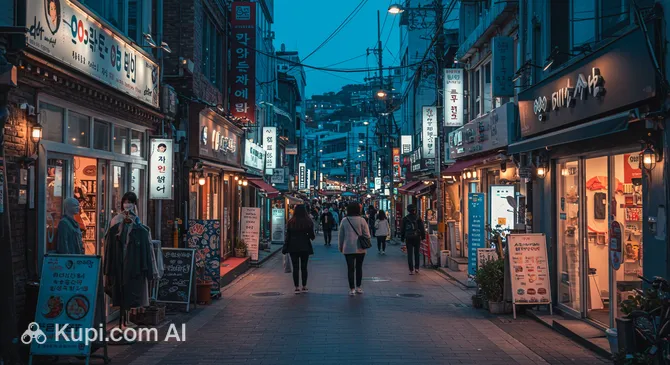
Welcome to Seoul, the vibrant capital and soul of Korea, Republic Of. This dazzling metropolis is a place where the past and future coexist in perfect harmony, creating a unique atmosphere that captivates every visitor. Ancient palaces and traditional wooden houses sit comfortably alongside gleaming skyscrapers and neon-lit streets, reflecting the city's dynamic spirit and cultural depth.
Seoul. Source: Kupi.Binoculars

Situated in the northwest region of the country and bisected by the majestic Han River, the city is a sprawling urban center surrounded by scenic mountains. It is home to a massive population of approximately 23 million people in its metropolitan area, making it one of the most bustling and energetic global hubs. Despite its size, the city offers an efficient public transport system and plenty of green spaces, ensuring that exploring its diverse neighborhoods is both exciting and convenient.

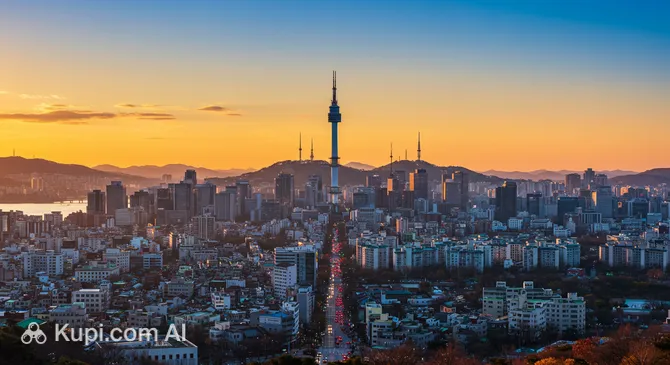
Travelers looking to understand the roots of this fascinating destination should delve into the history of Seoul. As the capital for over 600 years, it boasts an incredible heritage, most notably visible at the grand Gyeongbokgung Palace, where you can witness the changing of the guard ceremony. Another must-visit highlight is the N Seoul Tower atop Namsan Mountain, which offers breathtaking panoramic views of the cityscape, especially at sunset.

From the trendy shopping districts of Myeongdong and Gangnam to the serene trails of Bukhansan National Park, there is something here for every type of traveler. Whether you are seeking culinary adventures with delicious street food, high-end fashion, or spiritual tranquility in a Buddhist temple, Seoul invites you to experience its endless energy and warm hospitality.
Weather Overview

The city experiences a temperate climate with four distinct seasons, offering a different atmosphere depending on when you visit. Travelers can expect warm summers with occasional rain and cold, dry winters. To ensure you pack appropriate clothing for your trip, it is helpful to review the detailed weather in Seoul before your departure.

Winter, spanning from December to February, is generally freezing and dry, with average temperatures dropping to around -2.2°C in January. Despite the chill, these months see very little precipitation, often resulting in crisp, clear skies. In contrast, summer brings significant heat and humidity; August is typically the warmest month with average highs reaching 29.3°C. This season also coincides with the monsoon, particularly in July, which records about 17 wet days.

Spring and autumn are widely considered the most pleasant times to explore the capital. From April to May, temperatures rise comfortably from 12°C to 17°C, creating ideal conditions for outdoor activities. Similarly, October offers refreshing weather with an average temperature of 14.2°C and relatively low rainfall, making it perfect for viewing the vibrant fall foliage.

Interesting Facts

Beyond the well-trodden tourist paths, Seoul hides fascinating stories and unique urban features that surprise many visitors. From miraculous urban transformations to unparalleled convenience, the city offers layers of history and modernity waiting to be discovered.
  • The serene Cheonggyecheon stream, which runs through the heart of the city, was actually buried under a busy concrete highway for decades before being dramatically unearthed and restored in 2005.

  • Food delivery culture here is exceptionally advanced; you can order fried chicken or noodles directly to your picnic spot at Yeouido Hangang Park, where specific "delivery zones" help riders locate you without a street address.

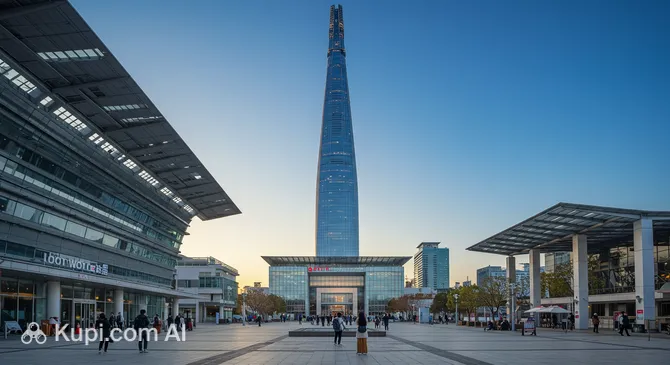
  • The skyline is dominated by the Lotte World Tower, which is not only the tallest building in Korea but also houses the world's fastest double-decker elevator, whisking passengers to the observation deck in just one minute.

  • While many visit the palaces, few realize that the Changdeokgung Secret Garden was once a strictly private retreat for the king, designed with such subtlety that it appears to be a natural forest rather than a man-made garden.

Lotte World Tower. Source: Kupi.Binoculars

How to Get There

Reaching this bustling metropolis is straightforward thanks to its status as a major global hub. Whether you are arriving from overseas or another part of the peninsula, there are efficient transport links designed to welcome visitors. For a comprehensive breakdown of all travel methods, routes, and tips, you can read more about how to get to Seoul.

The primary gateway for international travelers is Incheon International Airport (IATA: ICN), widely recognized as one of the best and busiest airports in the world. Located on an island roughly 50 km west of the capital, it handles the vast majority of international flights. A taxi ride from here to the city center typically takes around 95 minutes, depending on traffic conditions. Alternatively, the airport is well-connected by express trains and limousine buses that offer a comfortable journey into town.

Another convenient option, especially for domestic flights and short-haul international routes from nearby countries, is Gimpo International Airport (IATA: GMP). Situated much closer to the heart of the city, approximately 17 km away, it offers a quicker commute. A taxi from Gimpo can get you to downtown areas in about 45 minutes. While smaller than Incheon, it serves a massive number of passengers annually and provides excellent accessibility to the metropolitan area.

For clarity, here is a summary of the main airports accessible for travelers:

Airport Name City Passenger Traffic Km from City
Incheon International Airport Seoul Very High 49.6
Gimpo International Airport Seoul High 17.4
Cheongju Airport Cheongju Medium 102.7
Daegu International Airport Daegu Medium 236.2

Travelers arriving by high-speed rail may also utilize stations located in the greater metropolitan area. Although the city center is the main hub, you can also arrive at Gwangmyeong Station (IATA: XWU), which is located in the neighboring city of Gwangmyeong, only about 17.9 km from Seoul. It is a key stop for the KTX high-speed trains. From there, you can get a taxi or bus, which takes about 47 minutes to reach the center of the capital.

Below is a list of railway stations in the wider region:

Station City Passenger Traffic Km to Center
Dongdaegu Station Daegu High 235.9
Daejeon Station Daejeon High 137.6
Gwangmyeong Station Gwangmyeong High 17.9
Gwangju Songjeong Station Gwangju Medium 268.3
Jinju Station Jinju Low 284.6

Main Attractions

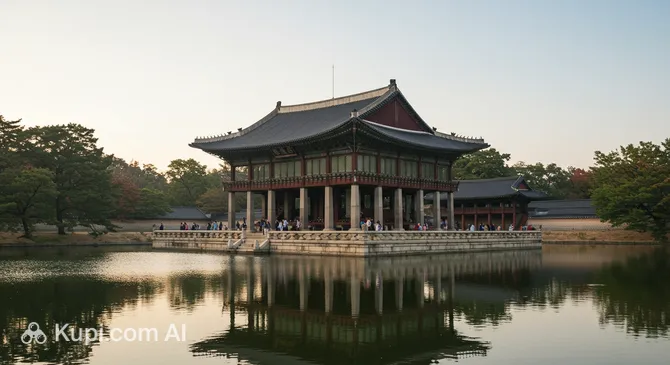
Seoul is a city where centuries-old heritage blends seamlessly with cutting-edge modernity, offering visitors a diverse array of experiences. One of the most significant historical sites is Gyeongbokgung Palace, the largest and arguably the most beautiful of the Five Grand Palaces. Built in 1395, it served as the main royal residence for the Joseon dynasty. Visitors can wander through the majestic throne hall, admire the pavilions floating on lotus ponds, and watch the colorful Changing of the Royal Guard ceremony at the Gwanghwamun Gate.

Gyeongbokgung Palace. Source: Kupi.Binoculars

Just a short walk from the palace district, you will find Bukchon Hanok Village, a charming neighborhood that feels like a living museum. This area is famous for its dense concentration of hanok, traditional Korean wooden houses with tiled roofs. Walking through the narrow, winding alleys offers a peaceful contrast to the city's skyscrapers, and many of these historic buildings have been converted into tea houses, cultural centers, and guesthouses, allowing tourists to experience traditional Korean lifestyle firsthand.

For those seeking panoramic views of the sprawling metropolis, a visit to the N Seoul Tower on Namsan Mountain is essential. Visible from almost anywhere in the city, this iconic landmark offers an observation deck that provides breathtaking 360-degree vistas, which are particularly mesmerizing at sunset or night. The area surrounding the base of the tower is also a popular romantic spot, known for the thousands of "love locks" attached to the fences by couples symbolizing their eternal love.

To experience the city's youthful energy and creative spirit, head to Hongdae Street. Located near a prestigious arts university, this vibrant district is the epicenter of Seoul's indie music, urban arts, and nightlife culture. The streets are alive with buskers performing live music and dance, while the surrounding alleys are packed with trendy boutiques, quirky cafes, and clubs. It is the perfect place to witness modern Korean pop culture in action.

Hongdae Street. Source: Kupi.Binoculars

Another cultural treasure is the National Museum of Korea, a world-class institution that houses a vast collection of artifacts telling the story of the Korean peninsula from ancient times to the modern era. The museum's striking modern architecture and extensive gardens make it a destination in itself. Admission to the main exhibition hall is free, making it an accessible and enriching experience for all travelers interested in the deep history and art of the region.

Local Cuisine

Seoul’s culinary landscape is as dynamic as its skyline, offering a tantalizing mix of fiery spices, fermented flavors, and comforting textures. For food lovers, the city is an endless playground where traditional royal cuisine coexists with trendy fusion cafes and bustling street stalls. The local palate heavily features garlic, sesame oil, and gochujang (red chili paste), creating dishes that are robust, savory, and truly memorable.

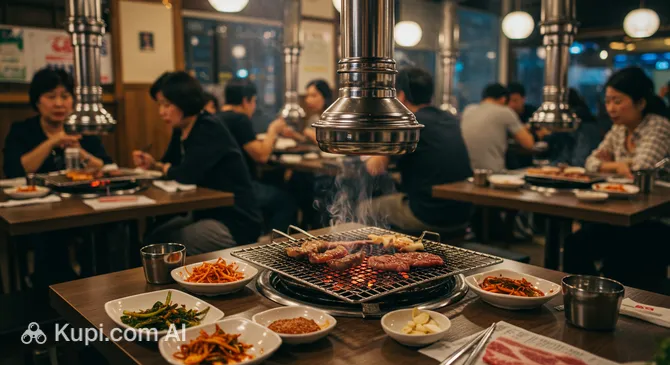
No visit is complete without experiencing the interactive joy of Korean BBQ. Sitting around a grill with friends, cooking premium cuts of pork belly (samgyeopsal) or marinated beef ribs (galbi), is a quintessential social activity here. You can enjoy this authentic dining style at places like Myeongdong Korean BBQ, where the meat is often accompanied by an array of endless side dishes known as banchan, which are refillable and meant to be shared.

Myeongdong Korean BBQ. Source: Kupi.Binoculars

Another staple dish you must try is bibimbap, a healthy and colorful bowl of warm rice topped with sautéed vegetables, a fried egg, and meat, all mixed together with spicy sauce just before eating. For a comforting meal, especially in cooler weather, samgyetang (ginseng chicken soup) offers a nutritious boost. If you are adventurous, the city's noodle dishes, such as the cold and refreshing naengmyeon or the savory black bean noodles known as jjajangmyeon, are local favorites.

For a quick and delicious bite, the city’s street food scene is legendary. Vendors line the streets of popular districts, serving up snacks that are perfect for eating on the go. Tteokbokki, chewy rice cakes simmered in a spicy-sweet sauce, is a beloved comfort food found on almost every corner. In the colder months, hotteok—sweet pancakes filled with molten brown sugar and nuts—provides a warm treat. Traditional markets and busy areas like Hongdae are hotspots for these affordable culinary delights.

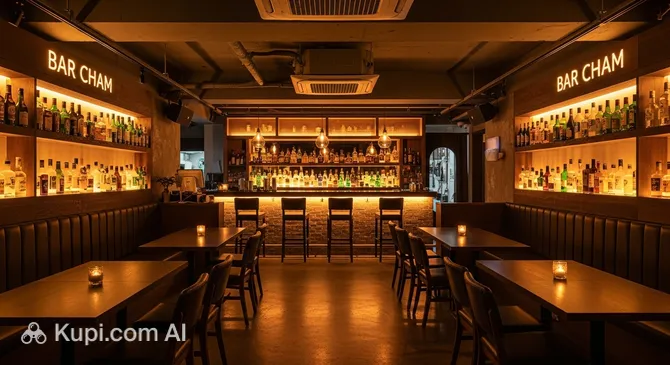
When it comes to beverages, the local drinking culture is vibrant and diverse. The most famous alcoholic drink is soju, a clear spirit that pairs perfectly with savory dishes and is widely consumed at social gatherings. For something softer and sweeter, try makgeolli, a traditional milky rice wine with a slight fizz. The city also boasts a sophisticated cocktail scene; venues like Bar Cham offer creative mixes that often incorporate traditional Korean ingredients, providing a modern twist on local flavors.

Bar Cham. Source: Kupi.Binoculars

Beyond alcohol, Seoul has an incredible cafe culture. Coffee shops are everywhere, ranging from minimalist modern spaces to cozy, themed hideaways. It is common for locals to spend hours in cafes, enjoying high-quality brews and aesthetically pleasing desserts. Whether you are grabbing a quick street snack or settling in for a multi-course meal, the food culture here is defined by generosity, communal dining, and bold, unforgettable tastes.

Travel Tips

Planning a trip to Seoul is an exciting endeavor, but navigating this bustling metropolis requires a bit of insider knowledge to ensure a smooth experience. To help you make the most of your journey, here are some essential practical tips that cover everything from local customs to getting around efficiently.

  1. Clothing and Gear: The weather varies greatly by season, so pack accordingly—light, breathable fabrics for the hot, humid summers and heavy coats for the freezing winters. Since Seoul is a hilly city that requires a lot of walking, bring your most comfortable shoes. If you plan to visit temples, dress modestly; avoid sleeveless tops and short skirts to show respect.

  2. Transportation: The public transport system is world-class. Purchase a reloadable T-money card at any convenience store or subway station; it works on subways, buses, and even in taxis. While the metro is the most efficient way to travel, ride-hailing apps like Kakao T are useful for taxis. Note that Google Maps does not provide walking or driving directions well here; download Naver Map or KakaoMap for accurate navigation.

  3. Finances: The local currency is the Korean Won (KRW). While international credit cards are widely accepted in most shops and restaurants, you will need cash for street food stalls (pojangmacha), market vendors, and recharging your T-money card. Tipping is not part of the culture and is generally not expected, so you can simply pay the bill amount.

  4. Health and Safety: Seoul is incredibly safe, even at night. Pharmacies are marked with a large "약" (Yak) sign, and basic medicines are easily available. For medical emergencies or translation help, dial 1330 for the 24-hour travel helpline. Be aware of fine dust levels, especially in spring; wearing a mask is common and recommended on days with poor air quality.

  5. Communication: While many younger people and workers in tourist areas speak some English, it is not universally spoken. It is highly recommended to download the Papago app for accurate translations. Staying connected is crucial, so rent a portable Wi-Fi router ("egg") or buy a local SIM card at the airport immediately upon arrival.

  6. Local Etiquette: Politeness is key in Korean culture. A slight bow is the standard greeting. When handing over or receiving money, cards, or gifts, always use two hands (or support your right arm with your left hand) as a sign of respect. On public transport, keep your voice low and avoid talking loudly on the phone.

  7. What to Avoid: Never sit in the designated priority seats on the subway or bus unless you are elderly, pregnant, or disabled, even if the train is completely full; doing so is considered very rude. Also, ensure you remove your shoes when entering a Korean home or traditional restaurants with floor seating.

  8. Shopping and Hours: Many shops, cafes, and restaurants in popular districts stay open very late, often until 10 PM or even 24/7. Take advantage of tax-free shopping; look for the "Tax Free" logo at participating stores and keep your passport handy to claim immediate refunds or get receipts for airport refunds.

Armed with these practical tips, you are ready to navigate the dynamic streets of Seoul with confidence and ease. Embrace the local customs, indulge in the street food, and enjoy the warm hospitality that makes this city such an unforgettable destination.

Entertainment & Nightlife

Seoul is a city that truly never sleeps, boasting a nightlife scene that is as diverse as it is energetic. As the sun sets, the metropolis transforms into a playground of neon lights, pulsating music, and culinary delights. The culture here often involves cha (rounds), where locals move from a dinner spot to a bar, then to a karaoke room (noraebang), and finally to a club, often staying out until the first subway trains start running in the morning.

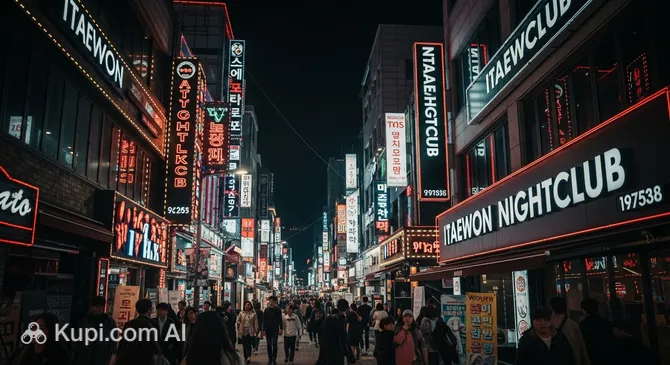
The city’s nightlife is concentrated in several key districts, each offering a distinct atmosphere. Hongdae is the youthful heart of the city, packed with affordable bars, indie music venues, and clubs that cater to university students. In contrast, Gangnam offers a more upscale experience with high-end clubs, dress codes, and VIP table service. For a global vibe, the Itaewon Nightclub District remains a favorite among expatriates and tourists alike, featuring a mix of rooftop bars, jazz lounges, and dance floors playing everything from hip-hop to techno.

Itaewon Nightclub District. Source: Kupi.Binoculars

For those seeking a sophisticated evening, Charles H is an unmissable destination. Hidden behind a secret door within a luxury hotel, this speakeasy-style bar is renowned for its world-class cocktails and 1920s New York glamour. It is the perfect spot for a quiet, intimate conversation amidst the bustle of the city. On the other hand, if you are looking to immerse yourself in the high-energy club scene of Gangnam, Bound Bar offers a chic setting with modern beats, attracting a trendy crowd looking to dance the night away.

Most bars and clubs in popular areas stay open very late, with many operating until 4:00 AM or even 24 hours on weekends. Prices vary significantly; a beer in Hongdae might cost a few dollars, while a cocktail in a Gangnam lounge can be pricey. Entrance fees (cover charges) are common for clubs, especially on weekends, but often include one free drink. Dress codes are generally casual in student areas but can be strict in Gangnam, where smart attire is expected and sandals or sweatpants may result in denied entry.

Safety is rarely a concern for night owls in Seoul, as the streets remain well-lit and populated even in the early hours. However, getting home can be a challenge as taxis are in high demand between midnight and 1:00 AM. It is advisable to use ride-hailing apps like Kakao T rather than trying to flag a cab on the street. Alternatively, the city operates "Owl Buses" on select routes to ferry passengers during the subway's downtime.

While the nights are electric, the city also offers plenty of daytime entertainment. Families and couples can enjoy a relaxing afternoon at the Coex Aquarium, located within a massive shopping mall, or explore the expansive grounds of Seoul Children's Grand Park, which combines a zoo, botanical garden, and amusement rides. Whether you are seeking the thrill of a rollercoaster or the buzz of a crowded dance floor, Seoul has an entertainment option to match every mood.

Parks & Museums

Beyond its bustling streets and skyscrapers, the city offers a refreshing abundance of green spaces and rich cultural institutions. Visitors can easily escape the urban rush by stepping into serene parks or diving deep into the nation's heritage at world-class museums, making the capital a well-rounded destination for nature lovers and history buffs alike.

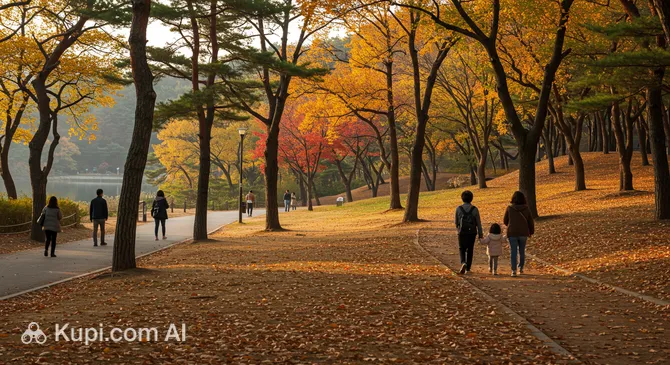
One of the most beloved urban retreats is Seoul Forest, a massive eco-park that serves as the city's answer to Central Park. Once a royal hunting ground, it has been transformed into a sprawling green oasis featuring five distinct themes, including a Cultural Art Park and an Ecological Forest where you can spot deer. It is a perfect spot for renting a bicycle, enjoying a picnic under the cherry blossoms in spring, or simply walking along the trails that connect to the Han River.

Seoul Forest. Source: Kupi.Binoculars

For a more extensive day out in nature, Seoul Grand Park offers a comprehensive leisure experience located just south of the city boundaries. Surrounded by Cheonggyesan Mountain, this vast complex includes hiking trails, a botanical garden, and a scenic lake with a skylift that offers aerial views of the landscape. It is a favorite weekend destination for families and couples looking to immerse themselves in scenic beauty and fresh air.

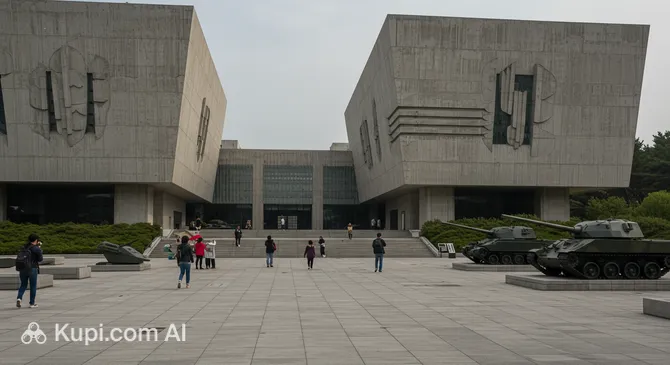
Delving into the country's past, the War Memorial of Korea stands as a poignant tribute to the nation's military history. The museum is massive, housing thousands of artifacts ranging from ancient weaponry to modern aircraft and tanks displayed in its outdoor plaza. While the exhibits cover various eras, the focus on the Korean War provides deep insight into the resilience and sacrifices of the Korean people, making it a moving experience for international visitors.

War Memorial of Korea. Source: Kupi.Binoculars

Another essential stop for culture seekers is the National Palace Museum of Korea, located within the grounds of Gyeongbokgung Palace. This museum specializes in the legacy of the Joseon Dynasty, showcasing royal treasures, court paintings, and ceremonial artifacts. It offers a fascinating glimpse into the lives of the kings and queens, explaining the intricate protocols and artistic achievements of the royal court in an accessible way.

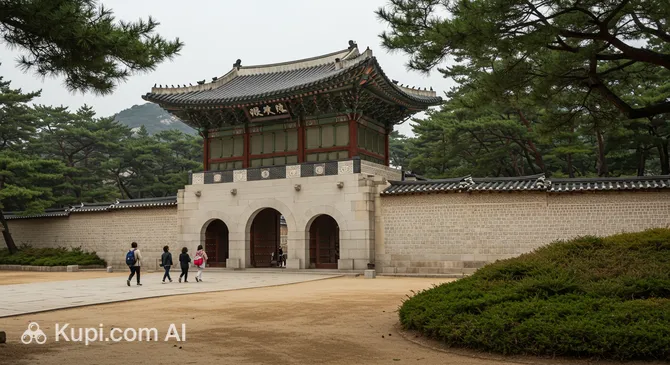
Among the city's architectural gems, Deoksugung Palace is unique for its harmonious blend of traditional Korean structures and Western-style neoclassical buildings. Located right in the heart of the downtown area near City Hall, it is the only palace that stays open late, allowing visitors to enjoy a romantic evening stroll along its famous stone-wall road under the soft glow of lanterns.

Deoksugung Palace. Source: Kupi.Binoculars

For those interested in wildlife, the Seoul Zoo, situated within the Grand Park complex, is one of the largest in the region and plays a key role in wildlife conservation. If you are looking for a more somber and educational experience off the beaten path, the Seodaemun Prison History Hall offers a sobering look at the struggle for independence during the early 20th century, preserved in a former prison facility.

Getting Around

Navigating Seoul is incredibly efficient and convenient thanks to its world-class public transportation system, which is widely regarded as one of the best in the world. The network is extensive, clean, and punctual, making it the preferred way for both locals and tourists to get around. The backbone of this system is the Subway, consisting of over 20 lines that connect every corner of the metropolis and extend into the surrounding Gyeonggi province. Stations are clearly marked with color-coded lines, numbered exits, and signage in English, ensuring that even first-time visitors can travel with ease.

Complementing the subway is a comprehensive bus system, easily engaging once you understand the color-coding. Blue buses travel on major roads connecting different districts, while Green buses serve as feeder lines connecting residential areas to subway stations. Red buses are express coaches that link the city center with satellite cities, and Yellow buses circulate within specific downtown districts. For late-night travelers, the "Owl Bus" (marked with an 'N') operates on select routes from midnight to early morning, providing a safe option when the subway is closed.

To use public transport seamlessly, you must purchase a reloadable transit card, most commonly the T-money card. These cards can be bought for roughly 3,000 to 4,000 KRW at any convenience store (such as CU, GS25, or 7-Eleven) or at subway ticket vending machines. You must load the card with cash (Korean Won) at these same locations. The base fare for a subway ride or a standard bus is approximately 1,400 KRW. Using a T-money card not only saves you a small amount per ride compared to single-use cash tickets but also allows for free transfers between buses and subways if you board the next vehicle within 30 minutes (or 60 minutes at night).

A critical rule for using the system is to tap your card both when boarding and alighting. This applies to both the subway and buses. Tapping out ensures you are charged the correct fare based on distance and activates the transfer discount window. If you forget to tap out, you may be charged a penalty fare the next time you use the card. Ticket machines in subway stations offer language options in English, Chinese, and Japanese, and a refundable deposit of 500 KRW is added to single-journey tickets, which you can reclaim at "Deposit Refund Devices" at your destination.

For those who prefer a more direct route, taxis are plentiful and relatively affordable compared to other major global cities. Standard taxis are typically silver or orange, while "Deluxe" or "Black" taxis offer a more premium service at a higher rate. Most taxis accept credit cards and T-money cards. To hail a ride easily without speaking Korean, tourists are advised to use the Kakao T app. Additionally, the city offers a public bike-sharing system called Ttareungyi (Seoul Bike), with thousands of green-and-white bikes stationed across the city, which can be rented via a mobile app for a nominal fee.

The standard operating hours for the subway are roughly from 5:30 AM to midnight, though times can vary slightly by line and day of the week. During rush hours (7:00 AM–9:00 AM and 6:00 PM–8:00 PM), trains and buses can get extremely crowded, so it is best to avoid these times if you are traveling with luggage. For navigation, relying on Naver Map or KakaoMap is highly recommended, as they provide real-time arrival data and the most accurate walking directions, far surpassing other international map applications in this region.

Accommodation

Accommodation:

Seoul offers an impressive variety of accommodation options that cater to every type of traveler, ranging from budget-friendly hostels to ultra-luxurious 5-star properties. For a truly unique cultural experience, visitors can choose to stay in a traditional hanok guesthouse, where they can sleep on heated floors (ondol) in a historic wooden courtyard house. Alternatively, the city is filled with modern business hotels, serviced apartments, and stylish boutique stays that provide cutting-edge amenities and exceptional comfort.

Choosing the right neighborhood is key to enjoying your trip. Myeongdong is the most popular choice for first-time visitors due to its central location and proximity to major shopping streets and transport hubs. For younger travelers and those looking for vibrant nightlife and affordable guesthouses, Hongdae is the perfect base. Meanwhile, Gangnam attracts those seeking upscale luxury, high-end shopping, and modern city vibes, while the Insadong and Bukchon areas are ideal for those who prefer a quieter, more culturally immersive atmosphere near the palaces.

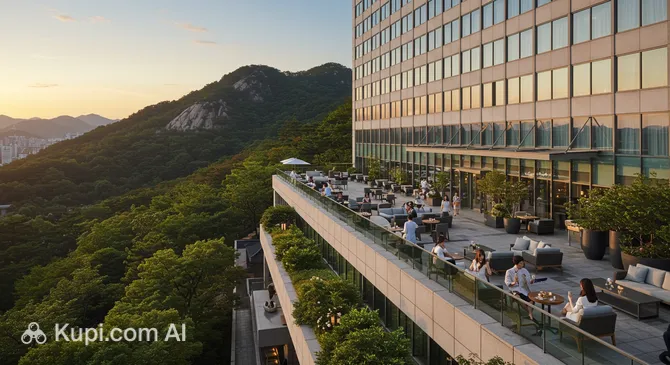
For travelers seeking world-class hospitality and breathtaking views, the city boasts several renowned luxury establishments. The Four Seasons Hotel Seoul is a top-tier choice located near Gwanghwamun, offering sophisticated rooms that blend modern design with Korean tradition. Another iconic property is the Grand Hyatt Seoul, situated on Namsan Mountain, which is famous for its resort-style amenities and panoramic vistas of the Han River and the city skyline.

Grand Hyatt Seoul. Source: Kupi.Binoculars

When planning your stay, it is highly recommended to book in advance, especially during the peak tourist seasons of spring (April) for the cherry blossoms and autumn (October) for the fall foliage. During these times, popular hotels and traditional hanok stays fill up months ahead. Prices can vary significantly; a bunk in a hostel may cost around $20–$30 per night, while mid-range hotels typically range from $80 to $150. Most accommodations can be easily booked via major international online platforms, though checking direct websites for luxury hotels can sometimes yield special packages.

Nearby Cities

For those looking to explore the surroundings, Seoul serves as an excellent base for day trips to several interesting nearby locations. The efficient transportation network makes it easy to venture beyond the capital and discover the unique charm of the metropolitan region.

One of the most popular destinations is Suwon, a historical city located just south of the capital. It is famous for the stunning Hwaseong Fortress, a UNESCO World Heritage site with massive stone walls that encircle the city center, offering a picturesque walk through history. Another fascinating option is Incheon, a coastal city that blends the old and the new. Here, travelers can visit Korea's only official Chinatown, enjoy the seaside attractions at Wolmido Island, or explore the futuristic architecture of the Songdo International Business District.

City Population Distance (km)
Incheon 2,936,117 33
Suwon 1,234,300 31
Goyang 1,061,929 22
Seongnam 948,757 20
Bucheon 867,678 19

These nearby destinations offer a glimpse into the diverse culture and landscapes of the region, providing a perfect contrast to the bustling energy of downtown Seoul.

Shopping & Souvenirs

Shopping

Shopping in Seoul is an exhilarating experience that ranges from high-end luxury boutiques to bustling traditional markets. The city is a global trendsetter in fashion and beauty, making it a paradise for those looking to update their wardrobe or skincare routine. Whether you are searching for the latest K-beauty products, unique designer items, or quirky stationery, the capital offers an endless array of retail therapy options to suit every budget.

For street shopping, the district of Myeongdong is the undisputed center for cosmetics and skincare. Here, you will find street stalls selling socks and accessories interspersed with flagship stores of major Korean beauty brands, often giving away free samples to entice customers. Another vibrant area is Hongdae Street, which is particularly popular among the younger crowd. This university neighborhood is filled with affordable fashion boutiques, vintage shops, and artistic stalls, reflecting the city's indie culture and youthful trends.

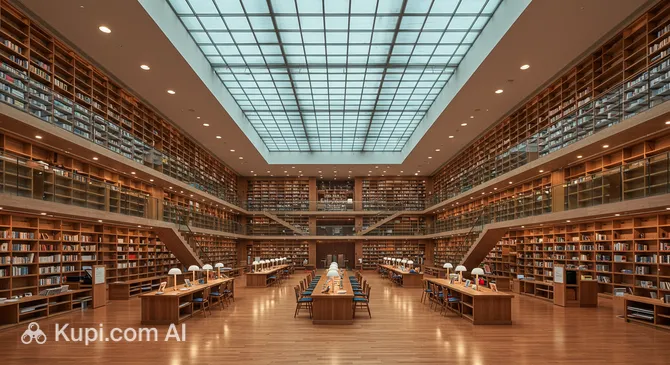
If you prefer the comfort of indoor shopping complexes, the city boasts some impressive malls. Times Square in the Yeongdeungpo district is one of the largest lifestyle complexes in the country, featuring a department store, cinema, and huge atrium. Another iconic destination is the COEX Mall in Gangnam, home to the stunning Starfield Library. With its towering bookshelves and open space, it serves as a cultural landmark within the mall, offering a unique backdrop for your shopping spree.

Starfield Library. Source: Kupi.Binoculars

Traditional markets are an essential part of the local shopping scene, offering a glimpse into the daily lives of residents. Namdaemun Market is the oldest and largest, a labyrinth of stalls selling everything from clothing and glasses to kitchenware at wholesale prices. For a more vintage feel, Gwangjang Market is famous not only for its food but also for high-quality fabrics and traditional Korean clothing (hanbok). In the artistic neighborhood of Insadong, you can browse through antique shops and galleries to find authentic crafts and paper goods.

When it comes to souvenirs, travelers are spoilt for choice. K-beauty products, such as sheet masks and serums, are top of the list for many. Ginseng products and traditional teas make for healthy and prestigious gifts. For something more casual, cute character socks, personalized stamps (dojang), and dried seaweed (gim) are popular and affordable items to bring back home. Fans of K-pop will also find dedicated stores throughout the city selling albums and merchandise.

Most shops in major districts stay open late, often until 10:00 PM or 11:00 PM, with some markets operating well into the night. Credit cards are widely accepted almost everywhere, including taxis and convenience stores, though having some cash is advisable for small street stalls and market vendors. Mobile payments are also becoming increasingly common, ensuring a smooth transaction experience.

Tourists can take advantage of the "Tax-Free" shopping system available at many certified stores. If you spend over a certain amount (usually 30,000 KRW), you are eligible for a VAT refund. Some stores offer an immediate tax refund at the counter upon presenting your passport, while others provide a receipt that can be scanned at automated kiosks at the airport before your departure.

Reached the end of the page?

That means the route is fully explored