Navigating Gwangju is straightforward and convenient, thanks to a well-structured public transport network that connects the city's major districts, historical sites, and transportation hubs. The system is designed to be user-friendly for visitors, with English signage available at subway stations and on most bus routes. Whether you are heading to a business meeting or exploring the art alleys, getting around is efficient and affordable.
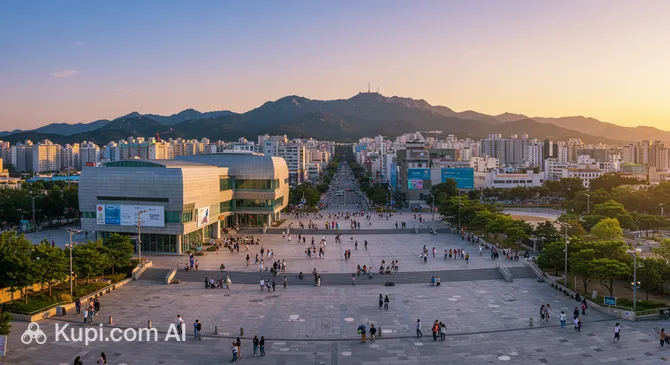
The backbone of the city's transit is the Gwangju Metro. Currently, the system operates on Line 1, which runs across the city from east to west. This line is particularly useful for tourists as it connects key locations such as Gwangju Songjeong Station (where KTX trains arrive), the Culture Complex, and the downtown shopping districts. The subway is known for being clean, safe, and punctual, making it the best option for traveling longer distances quickly.
For areas not covered by the subway, the city bus network provides extensive coverage. The buses are color-coded to help you identify their routes: Red buses are express lines that stop at major stops only, Blue buses serve main trunk routes connecting different districts, and Green buses operate on branch routes within specific neighborhoods. There are also smaller village buses that navigate the narrower streets of residential areas. Digital displays at most bus stops indicate the arrival time of the next bus, often in real-time.
To use public transport seamlessly, it is highly recommended to purchase a rechargeable transportation card, such as T-money, Cashbee, or the locally popular Hanpay. These cards can be bought and topped up at any convenience store (like CU, GS25, or 7-Eleven) or at subway stations. Using a card is slightly cheaper than paying with cash and allows for free transfers between the subway and buses (or between different bus lines) if you tap on and off within 30 minutes of exiting the previous vehicle.
When boarding a bus, enter through the front door and tap your card on the sensor. When exiting, use the rear door and remember to tap your card again to ensure the transfer discount applies. The subway and buses generally operate from approximately 5:30 AM to midnight. If you plan to travel very late at night, be aware that intervals between services may increase, or services may stop altogether, requiring alternative transport.
Taxis are a popular and reasonably priced alternative, especially for groups or when traveling with heavy luggage. You can hail a taxi on the street if the indicator light is on, or find them at designated stands near major attractions and stations. For convenience, many visitors use the Kakao T app to request rides, which removes language barriers by allowing you to input your destination in advance. Most taxis accept credit cards and transportation cards for payment.
For shorter distances or a leisurely exploration of parks and riverside paths, bike sharing is an option. The city promotes eco-friendly travel, and you may find public bicycles or private electric bike and scooter rentals scattered around downtown areas. However, walking remains one of the best ways to experience the vibrant atmosphere of the city center, particularly in pedestrian-friendly zones like the Asia Culture Center complex and the fashionable streets of Dongmyeong-dong.