Support

Mokpo

About

Located at the southwestern tip of the peninsula, Mokpo is a vibrant port city in the Jeollanam-do province of Korea, Republic Of. With a population of approximately 240,000 residents, this coastal hub serves as a gateway to the beautiful archipelago of the Yellow Sea. The city is renowned for its maritime atmosphere, distinct local cuisine, and scenic harbor views that captivate travelers from around the world.
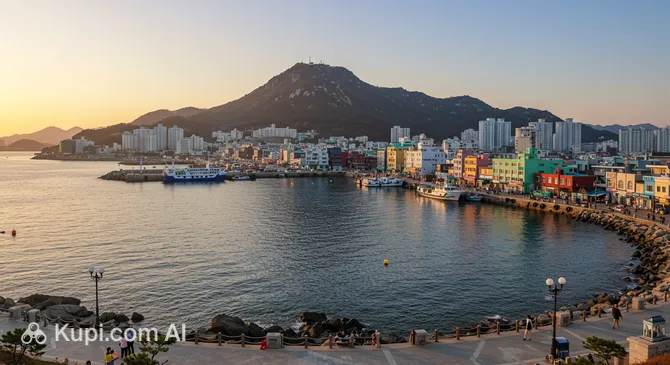
Mokpo. Source: Kupi.Binoculars

The city's strategic location has played a crucial role in its development over the centuries. Visitors interested in the past can explore the fascinating history of Mokpo, which is deeply intertwined with the nation's modernization and maritime trade. Walking through the older districts, you can still see well-preserved architecture that tells the story of the city's evolution from a small fishing village to a major international port.

Mokpo offers a variety of unique attractions for nature lovers and culture seekers alike. Yudalsan Mountain stands as a symbol of the city, offering hiking trails that lead to breathtaking panoramic views of the coastline and the bustling harbor below. Another must-see is the mysterious Gatbawi Rock, a natural sandstone formation shaped like two figures wearing traditional hats, accessible via a floating pedestrian bridge. The city is also famous for its delicious seafood, particularly the long-legged octopus, which is a celebrated local delicacy.

Whether you are looking to explore scenic islands, dive into rich cultural heritage, or simply enjoy the fresh ocean breeze, Mokpo is a destination that promises a memorable experience. Its harmonious blend of natural beauty and historical charm makes it a perfect stop on your travel itinerary.
Weather Overview

The climate in this coastal city is characterized by four distinct seasons, offering a variety of atmospheric conditions depending on when you visit. Generally, you can expect warm summers with more frequent rain and cold, relatively drier winters. The coldest month is typically January, with an average temperature of 2.9°C, while the heat peaks in August, seeing averages around 27.2°C and maximum highs reaching nearly 30°C.

For those interested in the detailed weather in Mokpo, it is worth noting that precipitation patterns vary significantly throughout the year. The summer months of July and August are the wettest, with up to 14 wet days recorded in July. In contrast, spring and autumn offer milder temperatures; for instance, May enjoys comfortable averages of 17.6°C, making it a pleasant time for outdoor exploration.

Interesting Facts

Beyond its reputation as a bustling port, Mokpo is a city layered with intriguing history and local legends waiting to be discovered.
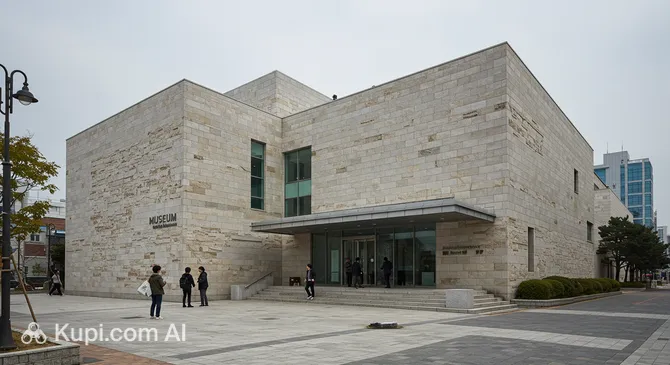
Mokpo Modern History Museum 2. Source: Kupi.Binoculars
  • A clever military ruse took place at what is now the Nojeokbong Art Park. Legend says that during the Imjin War, Admiral Yi Sun-sin covered the massive rocks with straw mats to make them resemble mountains of grain provisions, successfully deceiving the Japanese navy into believing his army was well-supplied.

  • Mokpo is the guardian of Korea's underwater history. The National Research Institute of Maritime Cultural Heritage is unique in the country, displaying thousands of artifacts salvaged from ancient shipwrecks found in the surrounding Yellow Sea.

  • The city marks the official starting point of National Route 1, the most important highway on the peninsula. A symbolic marker exists to commemorate this road, which historically connected the southern coast all the way to Sinuiju on the northern border, representing a silent hope for reunification.

  • The old downtown district serves as a living set for period dramas due to its authentic early 20th-century architecture. Buildings like the Mokpo Modern History Museum 2, formerly the Oriental Development Company, offer a stark and educational glimpse into the colonial era.

How to Get There

Reaching this coastal city is convenient thanks to its well-connected transport network, serving as a major transportation hub in the southwest. Whether you prefer flying or taking the train, there are several options available to suit your itinerary. For a comprehensive guide on all travel methods and detailed routes, you can read more about how to get to Mokpo.

The city of Mokpo does not have its own airport, but travelers can conveniently fly into Muan International Airport (MWX). Located approximately 21.3 km from Mokpo, it is the nearest air gateway. The journey by taxi or bus typically takes around 50 minutes. Alternatively, Gwangju Airport (KWJ) is another viable option, situated about 52.8 km away. Reaching Mokpo from here generally takes roughly 1 hour and 40 minutes by road. For those coming from further afield, Jeju International Airport (CJU) is a major hub, though it is located on Jeju Island about 143.2 km away, requiring a connecting ferry or flight.

For clarity, here is a summary of the main airports:

Airport Name City Passenger Traffic Km from City
Muan International AirportGwangjuLow21.3
Gwangju AirportGwangjuMedium52.8
Yeosu AirportYeosuMedium112.4
Jeju International AirportJeju CityHigh143.2
Sacheon AirportJinjuLow156.9

Traveling by rail is often the most popular choice for visitors. The city is served directly by Mokpo Station (XKX), which is conveniently located just 0.9 km from the city center. As the terminus of the Honam Line, it offers easy access via high-speed KTX trains from Seoul and other major cities. Another significant nearby hub is Gwangju Songjeong Station (XNJ) in Gwangju, located about 52.5 km away. Travelers arriving there can expect a transfer time of approximately 1 hour and 40 minutes to reach Mokpo.

Below is a list of the closest railway stations:

Station City Passenger Traffic Km to Center
Mokpo StationMokpoMedium0.9
Gwangju Songjeong StationGwangjuMedium52.5
Yeosu Expo StationYeosu-124.5
Jinju StationJinju-162.6
Daejeon StationDaejeonHigh194.3

Main Attractions

Mokpo is a city where culture, history, and nature converge, offering visitors a diverse range of experiences. Beyond its famous maritime heritage, the city boasts several specialized museums and memorials that provide deep insights into the region's past and natural environment.

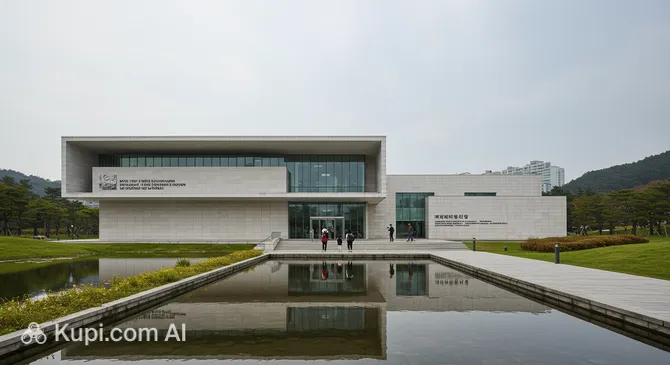
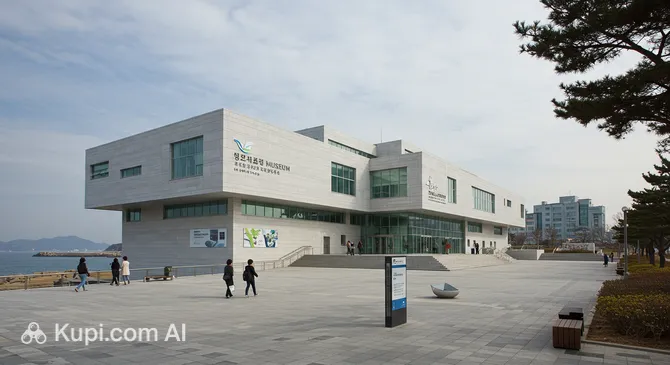
For those fascinated by the wonders of the natural world, the Mokpo Natural History Museum is an essential stop. Situated in the Gatbawi Culture Town, this extensive facility showcases a vast collection ranging from impressive dinosaur fossils to rare minerals and exhibits on the local ecosystem. It provides a comprehensive look at the geological and biological history of the southwest coast, making it an educational experience for visitors of all ages.

Mokpo Natural History Museum. Source: Kupi.Binoculars

History enthusiasts will find deep meaning at the Kim Dae-jung Nobel Peace Prize Memorial. Dedicated to the former president of South Korea and Nobel Peace Prize laureate, this institution honors his life-long struggle for democracy and human rights. Through a collection of photographs, personal artifacts, and historical documents, the memorial offers a moving narrative of his legacy and his efforts to promote peace on the Korean peninsula.

Kim Dae-jung Nobel Peace Prize Memorial. Source: Kupi.Binoculars

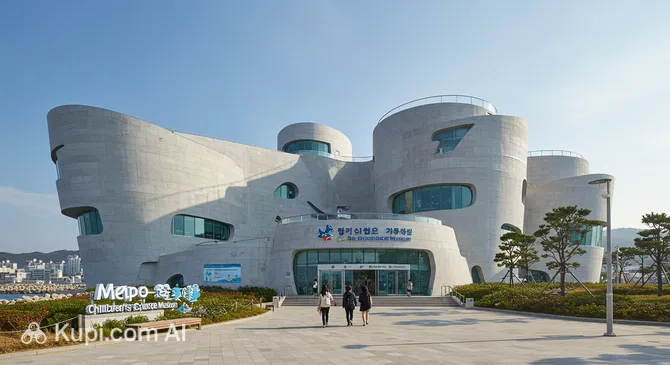
Families traveling with younger adventurers should not miss the Mokpo Children's Sea Science Museum. Located near the waterfront, this interactive space is specifically designed to spark curiosity about the ocean in young minds. With hands-on exhibits covering marine life, underwater exploration technology, and the science of the sea, it offers a fun and engaging way for children to learn while playing.

Mokpo Children's Sea Science Museum. Source: Kupi.Binoculars

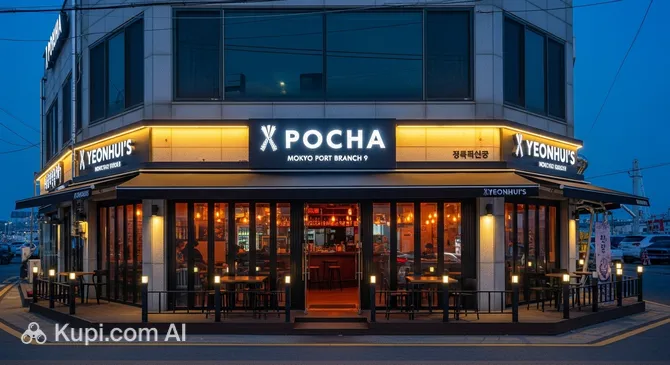
To truly experience the local vibe after a day of sightseeing, a visit to Yeonhui's Pocha, Mokpo Port Branch 9 is highly recommended. These "pocha" (tent bars) are iconic to Korean nightlife, offering a lively and unpretentious atmosphere. Here, you can savor fresh local seafood dishes and drinks right by the port, immersing yourself in the authentic culinary culture of this coastal city.

Local Cuisine

As a designated "City of Taste," Mokpo is a gastronomic paradise for seafood lovers, drawing heavily from the rich marine resources of the surrounding Yellow Sea. The local cuisine is defined by its freshness and bold flavors, with the city famously promoting its "Nine Flavors of Mokpo." Among these, the Sebal Nakji (thin-legged octopus) is the undisputed star. Unlike common octopus, this variety is smaller and incredibly tender, often eaten whole and raw to fully appreciate its natural texture, or served in a refreshing clear soup.

For the adventurous eater, Hong-eo Samhap is a culinary rite of passage in this region. This dish features fermented skate, which is known for its potent ammonia-like scent, served alongside steamed pork belly and well-aged kimchi. The combination of textures and the interplay between the pungent fish and savory pork create a unique taste profile that is deeply rooted in the Jeolla province's food culture. Another delicacy to look out for is Min-eo (croaker), particularly prized in the summer for its rich, melt-in-your-mouth sashimi.

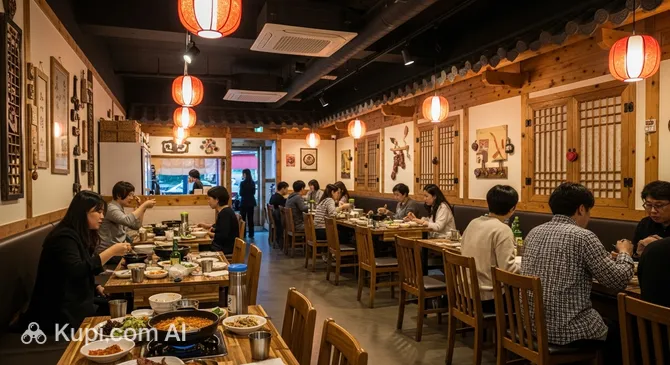
A modern favorite that perfectly blends land and sea is Yukhoe-Nakji-Tangtangi, a dish combining beef tartare with chopped live octopus. Visitors eager to try this savory specialty often head to Hadang Sikdang, a local establishment renowned for its high-quality ingredients and authentic preparation. The dish is typically seasoned with sesame oil and served with seaweed, making for an unforgettable meal.

Hadang Sikdang. Source: Kupi.Binoculars

No meal in Mokpo is complete without sampling the local beverages. The region is known for its traditional alcohols, particularly Makgeolli (rice wine) and regional brands of Soju, which pair exceptionally well with spicy and savory seafood dishes. The drinking culture here is relaxed and convivial, often centered around bustling tables filled with numerous side dishes, known as banchan, which showcase the generous hospitality of the south.

The food scene in Mokpo is vibrant and varied, ranging from bustling fish markets where you can pick your own catch to cozy restaurants tucked away in alleyways. For a taste of seasoned stew or spicy fish salad, places like Manseon Restaurant offer a deep dive into traditional home-style cooking. Whether you are dining at a street-side tent bar near the harbor or a long-standing family restaurant, the city's culinary landscape promises a feast for the senses.

Travel Tips

To help you navigate this charming port city with ease and confidence, we have compiled a list of essential travel advice. These practical tips will ensure you focus less on logistics and more on enjoying the maritime scenery and delicious cuisine of Mokpo.

  1. Clothing and Gear: Since Mokpo is a coastal city, the wind can be quite strong even on sunny days. In summer, bring light, breathable fabrics and a raincoat for the monsoon season, while winter requires a warm coat and layers to protect against the chilly sea breeze. Comfortable walking shoes are a must if you plan to hike Yudalsan Mountain or explore the hilly historic districts.
  2. Transportation: The city has a reliable bus network, but for tourists, taxis are an affordable and convenient way to get around, especially to specific landmarks like the Gatbawi Rock. Ride-hailing apps like Kakao T work well here. While the city center is walkable, renting a car is not strictly necessary unless you plan to explore the remote corners of the Jeollanam-do province.
  3. Finances: The currency used is the South Korean Won (KRW). Credit cards are widely accepted in most restaurants and shops, but it is wise to carry cash for street food stalls and traditional markets like the Dongbu Market. ATMs are plentiful, though you should check if they accept "Global" cards. Tipping is not part of the culture and is generally not expected.
  4. Health and Safety: Mokpo is a very safe city for travelers. Pharmacies (marked with a big "약" sign) are easy to find, though few are open 24/7. In case of emergency, dial 112 for police or 119 for medical assistance. The 1330 Travel Helpline is a fantastic resource for English-speaking assistance.
  5. Communication: The primary language is Korean, and English proficiency may be limited among older locals and taxi drivers. It is highly recommended to download a translation app like Papago before you arrive. Wi-Fi is fast and free in most cafes and public areas, but buying a SIM card or renting a portable Wi-Fi egg at the airport upon arrival in Korea, Republic Of is the best way to stay connected.
  6. Local Etiquette: Politeness is key. A slight bow is the standard greeting. When handing over money or receiving an item, use two hands as a sign of respect. If you visit a traditional guesthouse or a temple, remember to remove your shoes before entering indoor living spaces.
  7. What to Avoid: Do not leave your chopsticks sticking vertically into a bowl of rice, as this resembles a funeral ritual and is considered bad luck. Also, avoid speaking loudly on public transportation, as locals value a quiet commute.
  8. Local Insight: Many shops and museums in Mokpo, particularly in the Modern History district, may close on Mondays. Plan your itinerary accordingly to avoid disappointment. Also, try to visit the Mokpo Marine Cable Car at sunset for the most spectacular views of the archipelago turning golden.

Armed with these tips, you are ready to embrace the slow, romantic pace of this harbor city. Enjoy the fresh sea air, the warm hospitality of the locals, and the unforgettable flavors that make Mokpo a hidden gem of the southwest.

Entertainment & Nightlife

While Mokpo is often celebrated for its historical daytime charm, the city transforms into a lively hub of activity once the sun sets. The nightlife here is less about thumping nightclubs and more about social dining, scenic evening strolls, and the convivial atmosphere of waterfront drinking spots. The local culture emphasizes relaxing with good food and company, making the evenings warm and welcoming for visitors.

The epicenter of Mokpo's nightlife is undoubtedly the Mokpo Port Pocha Street. Located along the harbor, this area comes alive with rows of illuminated tent bars, known locally as "pocha." These venues offer a quintessential Korean nightlife experience, where the sound of clinking soju glasses mixes with the ocean breeze. A popular spot to soak in this vibe is Yeonhui's Pocha, Mokpo Port Branch 9. Here, you can enjoy fresh seafood platters while looking out at the glittering lights of the Mokpo Bridge and the passing cable cars overhead.

Yeonhui's Pocha, Mokpo Port Branch 9. Source: Kupi.Binoculars

For a more modern atmosphere, travelers should head to the Pyeonghwa Plaza (Peace Plaza) in the Hadang district. This waterfront park is a favorite gathering place for the younger crowd and couples. It is famous for the "Dancing Sea Fountain," a spectacular water and light show that performs to music nightly. Surrounding the plaza are numerous cafes, western-style bars, and karaoke rooms (noraebang) where you can continue the entertainment late into the night. The dress code in these areas is generally casual and relaxed, so there is no need to dress up formally.

Dining is an integral part of the evening entertainment in Mokpo. Many restaurants stay open late to accommodate the dinner-and-drink culture. Establishments like Manseon Restaurant provide a cozy setting to enjoy hearty local dishes before heading out for a second round. Prices are generally reasonable, with a night out costing significantly less than in the capital, Seoul. Taxis are the best way to move between the old downtown (near the station) and the newer Hadang district at night; they are plentiful, safe, and can be easily hailed or booked via apps.

Before the evening festivities begin, Mokpo offers plenty of daytime entertainment to fill your schedule. Visitors can explore the city's rich maritime history at the National Research Institute of Maritime Cultural Heritage or take a scenic walk through the Nojeokbong Art Park. The park is particularly beautiful in the late afternoon, offering panoramic views of the city as it transitions from day to night, providing a perfect segue into your evening adventures.

Nojeokbong Art Park. Source: Kupi.Binoculars

Safety is rarely a concern in Mokpo, even late at night. The main nightlife districts are well-lit and populated. However, as with any travel destination, it is advisable to stay in main areas and have your accommodation address written in Korean to show taxi drivers. Whether you are sipping a drink by the sea or watching a fountain show, Mokpo offers a memorable and authentic slice of Korean coastal nightlife.

Parks & Museums

Mokpo’s landscape is a picturesque tapestry where rocky peaks meet the blue sea, seamlessly integrated with a deep respect for history. The city offers visitors a wealth of green spaces and cultural institutions that preserve the unique heritage of the southwestern coast, making it a delightful destination for both nature lovers and history buffs.

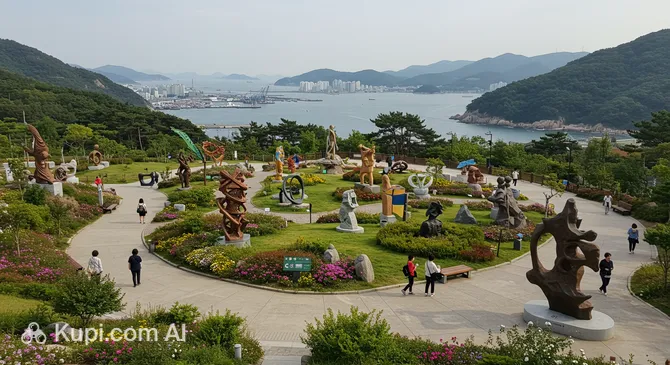
Dominating the city center, Yudalsan Park is the most iconic green space in Mokpo. Far more than just a mountain, it serves as a cultural complex featuring traditional pavilions, temples, and the impressive Yudalsan Sculpture Park, which displays dozens of outdoor artworks against a panoramic backdrop of the archipelago. For a more relaxing waterfront experience, Samhakdo Park offers gentle walking paths along canals and bridges, making it an ideal spot for a leisurely afternoon stroll near the harbor to observe the local flora.

Another notable spot that blends nature with culture is the Nojeokbong Art Park. Located near the entrance of Yudalsan, this area combines massive natural rock formations with an outdoor gallery atmosphere. It provides stunning views of the old downtown area and serves as a historical reminder of the region's maritime defense, offering a peaceful environment for reflection and artistic appreciation.

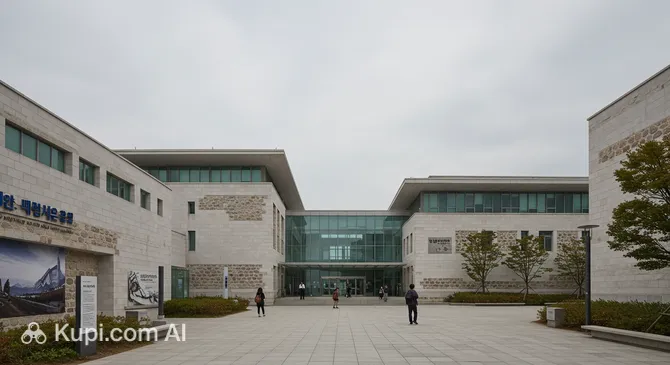
Mokpo is home to the only museum in South Korea dedicated specifically to underwater archaeology, the National Research Institute of Maritime Cultural Heritage. This fascinating facility displays ancient shipwrecks and thousands of celadon ceramics recovered from the Yellow Sea, providing a unique glimpse into the maritime trade routes that once connected East Asia.

National Research Institute of Maritime Cultural Heritage. Source: Kupi.Binoculars

For a look into the more recent past, the Mokpo Modern History Museum 2 stands as a significant architectural landmark. Housed in a former colonial-era building, the museum exhibits photographs and artifacts from the early 20th century, documenting the city's rapid growth as an open port and the daily lives of its people during that transformative period.

Nature enthusiasts will appreciate the Mokpo Natural History Museum, located in the Gatbawi Culture Town. This extensive museum houses a massive collection of fossils, minerals, and taxidermy, including a rare complete skeleton of a raptor dinosaur found in the region. It is a fantastic educational venue that highlights the geological significance of the Jeollanam-do province.

Beyond the museums, the streets of the old downtown serve as an open-air gallery of architecture. This area is dotted with well-preserved Japanese-style buildings and red-brick structures from the 1900s, offering a tangible connection to the city's colonial heritage. Walking through these alleys reveals the "Roofless Museum" concept that Mokpo is famous for, where every corner tells a story.

For a truly authentic local experience, visit Sihwa Alley (Poetry and Mural Village) in the Seosan-dong district. This hillside neighborhood is a maze of narrow paths adorned with murals and poetry written by local residents, offering a nostalgic atmosphere and breathtaking views of the harbor that you won't find in standard guidebooks.

Getting Around

Unlike the bustling metropolises of the peninsula, the public transport system in Mokpo is straightforward and primarily reliant on a comprehensive network of city buses. Since there is no metro or subway system within the city limits, buses serve as the main lifeline for locals and tourists alike, connecting major residential areas, the ferry terminal, the train station, and key tourist attractions. The city is relatively compact, making bus travel an efficient way to get around, though traffic can occasionally slow down journeys during peak hours.

For payment, the most convenient method is using a rechargeable transportation card, such as T-Money or Cashbee. These cards are widely used across the nation and can be purchased and topped up at any major convenience store like GS25, CU, or 7-Eleven. Using a card is slightly cheaper than paying with cash and eliminates the need for exact change. A standard single ride typically costs around 1,500 KRW. Importantly, using a card allows for free transfer discounts if you board another bus within 30 minutes of alighting, provided you remember to tap your card on the reader both when entering and exiting the vehicle.

Travelers should be aware that while bus stops often display route information, English signage can be limited at smaller stops. Buses generally operate from early morning, around 06:00, until approximately 22:30 or 23:00. To navigate successfully, it is highly recommended to download local navigation apps like Naver Map or KakaoMap. These apps provide real-time bus arrival times and accurate route planning, which is often more reliable than global map services in this region.

If you prefer a more direct and private mode of transport, taxis are a popular alternative. They are plentiful, reasonably priced, and easy to flag down on the street or find at designated stands near the train station and bus terminals. Most taxis accept credit cards and transportation cards for payment. For added convenience, the Kakao T app allows you to hail a ride without needing to speak the language, ensuring the driver knows your exact destination.

A standout feature of the city's transportation landscape is the Mokpo Marine Cable Car. While primarily a tourist attraction, it serves as a unique transit link connecting the North Port, the summit of Yudalsan Mountain, and the island of Gohado. Stretching over 3 kilometers, it is the longest and highest cable car in the country, offering passengers a spectacular way to travel across the harbor while enjoying panoramic views of the sea and the cityscape.

For those looking to explore the historic downtown area or the waterfront, walking is often the best option. Many of the major cultural sites and museums are clustered close together, making them easily accessible on foot. Additionally, while not as ubiquitous as in larger capitals, shared electric scooters and bikes are becoming increasingly available for short hops between attractions.

Accommodation

Finding a place to stay in Mokpo is relatively straightforward, with options catering to a variety of travel styles and budgets. The city offers a diverse range of accommodations, from economical guesthouses and clean, modern motels to comfortable mid-range business hotels. While ultra-luxury international resorts are less common here compared to the capital, visitors will find plenty of establishments that provide excellent value and warm hospitality.

When choosing a location, most travelers gravitate towards two main areas depending on their itinerary. The Old Downtown area, particularly around Mokpo Station, is ideal for those who want to be close to the ferry terminal and historical attractions like Yudalsan Mountain. This district is filled with smaller guesthouses and budget-friendly motels, offering a nostalgic charm and easy access to traditional markets.

Alternatively, the Hadang district, located near the Peace Plaza (Pyeonghwa Plaza), is the hub of modern life in the city. This area is popular for its ocean views and proximity to the famous "Dancing Sea Fountain." Here, you are more likely to find larger tourist hotels and polished business accommodations surrounded by a vibrant selection of restaurants, cafes, and nightlife venues, making it a convenient base for those who enjoy evening entertainment.

For visitors unfamiliar with South Korean accommodation, "motels" are a very common and practical choice. Unlike in some other countries, Korean motels are often well-maintained, affordable, and equipped with modern amenities like large TVs and computers, serving as a standard lodging option for domestic travelers. Traditional Korean guesthouses (Hanok stays) are also available for those seeking a more cultural experience.

Booking Tips: While it is usually possible to find a room upon arrival, booking in advance is highly recommended if you plan to visit during the summer peak season or major local festivals. Many of the larger hotels facing the sea in the Hadang district fill up quickly due to their scenic views. Prices in Mokpo are generally reasonable, with budget options often starting around 40,000 KRW and mid-range hotels averaging between 70,000 to 120,000 KRW per night. Most major booking platforms work well for the larger hotels, though some smaller guesthouses may require direct contact or local booking apps.

Nearby Cities

For those looking to explore the surroundings, Mokpo serves as an excellent base for day trips to several interesting nearby locations:

Gwangju is the closest metropolitan hub and offers a rich mix of history and culture. Known as the birthplace of the country's modern democratic movement, it also boasts a thriving art scene, hosting the renowned Gwangju Biennale. Nature lovers can enjoy a hike in Mudeungsan National Park, which sits right on the city's edge, offering splendid views and unique rock formations.

A bit further north lies Jeonju, a city famous for its slow-paced life and deep-rooted traditions. It is best known for the Jeonju Hanok Village, a preserved area with hundreds of traditional Korean houses where visitors can experience authentic architecture, wear Hanbok, and taste the famous local Bibimbap. It provides a perfect contrast to the coastal atmosphere of Mokpo.

Although it requires a ferry or a short flight, Jeju City is also accessible for those willing to venture across the water. As the gateway to Korea's largest island, it offers volcanic landscapes, beautiful beaches, and a distinct island culture that differs significantly from the mainland experience.

City Population Distance (km)
Gwangju149009258
Jeonju631532134
Jeju City435413144
Masan429612176
Jinju350000163

These nearby destinations offer a glimpse into the diverse culture and landscapes of the region.

Shopping & Souvenirs

Shopping in Mokpo offers a delightful mix of modern convenience and traditional coastal charm. While the city may not possess the colossal luxury department stores found in the capital, it provides a unique retail experience centered around local specialties and vibrant street life. Visitors can explore everything from trendy fashion districts to bustling marketplaces that showcase the region's rich maritime bounty.

The primary hub for modern shopping is the Hadang District, particularly the area known as Rose Street (Jangmi-ui Geori). This lively pedestrian-friendly zone is lined with brand-name clothing stores, cosmetics shops, and accessory boutiques, making it the go-to destination for fashion-conscious locals and tourists. In contrast, the Old Downtown area near the train station offers a more nostalgic atmosphere, featuring smaller independent shops, heritage bakeries, and vintage stores tucked away in historic alleyways.

For a comprehensive one-stop shopping experience, travelers often visit large hypermarkets such as Lotte Mart or E-Mart. These multi-story complexes are not just grocery stores; they function as shopping malls offering electronics, clothing, household goods, and Korean cosmetics under one roof. They are convenient places to purchase popular Korean snacks to take home or to pick up daily necessities in a comfortable, climate-controlled environment.

To truly immerse yourself in the local culture, a visit to the traditional markets is essential. Mokpo Dongbu Market is a sprawling venue where you can find fresh produce, affordable clothing, and an array of street food. given the city's reputation as a port, the Mokpo Comprehensive Seafood Market is a highlight. Even if you aren't buying fresh fish, walking through the aisles to see the famous skate and octopus being prepared is a sensory experience in itself.

When it comes to souvenirs, Mokpo is famous for its high-quality marine products. Dried seaweed (Gim) from the region is renowned for its crisp texture and flavor, making it a lightweight and popular gift. Another local specialty is Jeotgal (salted fermented seafood), which is a staple side dish in Korean cuisine. For non-food items, look for traditional ceramics or mother-of-pearl crafts that reflect the artistic heritage of the Jeollanam-do province.

Most retail stores in the commercial districts typically operate from 10:00 AM to 10:00 PM. Traditional markets open much earlier in the morning but may close by early evening. Credit cards are widely accepted at almost all shops, restaurants, and convenience stores. However, it is advisable to carry some cash (Korean Won) if you plan to buy small items from street vendors or stalls in the traditional markets.

Tax-free shopping is available for foreign tourists at major hypermarkets and designated cosmetic franchise stores. Look for the "Tax Free" or "Tax Refund" signage at the entrance or checkout counter. To claim the refund, you will need to present your passport at the time of purchase, and the VAT can often be deducted immediately or refunded at the airport upon departure.

Reached the end of the page?

That means the route is fully explored