Support

Seosan

About

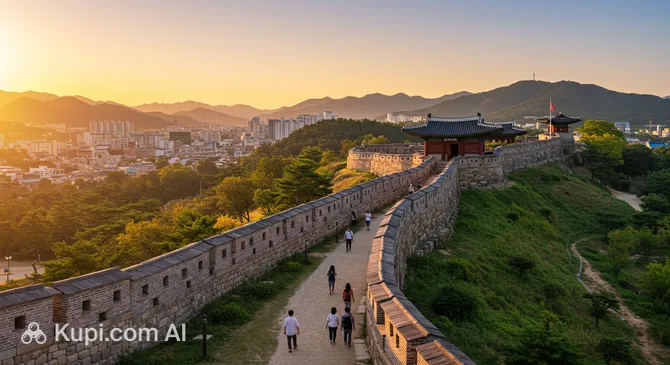
Seosan is a captivating destination that seamlessly blends natural beauty with cultural depth. Situated in the Chungcheongnam-do province of Korea, Republic Of, this coastal city offers a peaceful retreat from the bustling metropolis life. With a population of approximately 170,000 residents, it maintains a welcoming, community-focused atmosphere while providing modern amenities for travelers.

Seosan. Source: Kupi.Binoculars

The geography of the region is defined by its stunning coastline and fertile lands. Exploring the history of Seosan reveals its long-standing importance as a maritime hub dating back to the Three Kingdoms period. Today, visitors are drawn to its unique landscape, where vast tidal flats known for their biodiversity meet lush mountains, creating a picturesque setting for outdoor adventures.

Among the city's most treasured landmarks is the Haemieupseong Fortress, one of the best-preserved walled towns in the country, which offers a vivid glimpse into the Joseon Dynasty. Another cultural highlight is the Seosan Rock-Carved Triad Buddha, often referred to as the "Smile of Baekje" for the warm and benevolent expressions carved into the cliffside. For those seeking spiritual tranquility, the Ganwolam Hermitage is a must-visit; situated on a small rock island, it appears to float on the water during high tide.

Whether you are a history enthusiast, a nature lover, or a foodie eager to taste fresh local seafood like blue crab and oysters, Seosan has something special to offer. Its harmonious mix of historical heritage and scenic beauty makes it an ideal stop for anyone wishing to experience the authentic charm of the Korean countryside.

Weather Overview

Seosan experiences a climate characterized by distinct seasonal changes, offering different atmospheres depending on when you visit. To help plan your itinerary, it is useful to check the weather in Seosan before your departure. Generally, travelers can expect warm summers with frequent rain and cold, dry winters.

The winter months, particularly from December to February, are quite cold, with average temperatures hovering between 0.5°C and 2.4°C. January is typically the coldest month, with lows dipping to around -1.8°C. As the seasons shift, the weather warms up significantly, reaching its peak in August with an average temperature of 25.6°C and highs of roughly 27.4°C.

Rainfall is most prevalent during the summer season. July is the wettest month in terms of frequency, featuring approximately 15 wet days, followed closely by August with 14 wet days. In contrast, the winter and early spring months remain relatively dry, with precipitation occurring on only about 5 to 6 days per month in January and February.

Interesting Facts

Beyond its scenic landscapes and historical sites, Seosan holds a treasure trove of fascinating details that often escape the casual observer. From unique agricultural products to ecological wonders, the city offers deeper insights into Korean culture and nature.
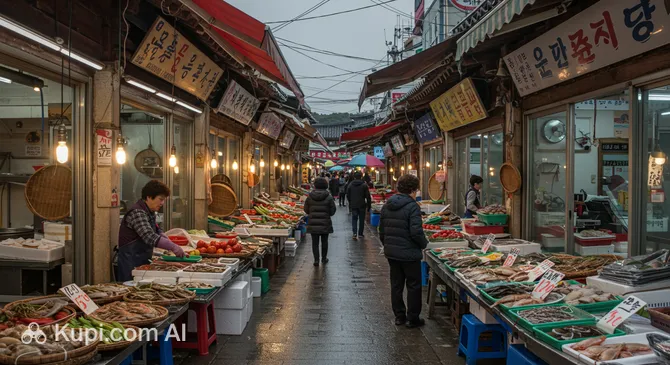
Seosan Dongbu Traditional Market. Source: Kupi.Binoculars
  • The city is an internationally recognized sanctuary for migratory birds, particularly around Cheonsu Bay. This expansive reclaimed land serves as a vital stopover for hundreds of thousands of birds annually, including rare species like the Baikal Teal, transforming the sky into a mesmerizing spectacle during migration seasons.

  • Seosan is famous across the nation for its unique "Six-Clove Garlic." Grown in the region's rich red clay soil and buffeted by cool sea breezes, this garlic is prized for its firm texture and distinctively rich aroma, making it a staple in premium Korean cuisine.

  • Culinary explorers will find a vibrant atmosphere at the Seosan Dongbu Traditional Market. Unlike typical city markets, this hub specializes in fresh catches from the nearby tidal flats, offering seasonal delicacies like mud octopuses and blue crabs that arrive directly from the boats.

How to Get There

Reaching Seosan is relatively straightforward, thanks to South Korea's efficient transportation network. While the city does not have its own airport, it is accessible via major international gateways in nearby regions. For travelers planning their journey, you can find more details about how to get to Seosan and the various transport options available.

Most international visitors will arrive through Incheon International Airport (IATA: ICN), located in the city of Seoul. It is approximately 74 km from Seosan, and the travel time by taxi or bus is generally around 130 minutes. Another viable option is Gimpo International Airport (IATA: GMP), also in Seoul, which sits about 92 km away. The journey from Gimpo to Seosan typically takes about 160 minutes by road. Both airports handle a significant volume of passengers and offer excellent connectivity to the rest of the country.

For clarity, here is a summary of the main airports:

Airport Name City Passenger Traffic Km from City
Incheon International AirportSeoulLarge73.9
Gimpo International AirportSeoulLarge92.2
Cheongju AirportCheongjuMedium93.8
Gwangju AirportGwangjuMedium186.7
Muan International AirportGwangjuSmall198.9

The city of Seosan does not have a railway station, but you can arrive at major stations in neighboring cities and complete the journey by bus or taxi. Gwangmyeong Station in the city of Gwangmyeong is one of the closest high-speed rail hubs, located about 80 km from Seosan. From there, you can get a taxi or bus, which takes about 140 minutes. Alternatively, travelers can use Daejeon Station in the city of Daejeon, which is approximately 96 km away, with a transfer time of around 165 minutes.

Below is a list of major railway stations that can serve as transit points:

Station City Passenger Traffic Km to Center
Dongdaegu StationDaeguLarge219.7
Daejeon StationDaejeonLarge96.4
Gwangmyeong StationGwangmyeongLarge80.1
Gwangju Songjeong StationGwangjuMedium185.1
Mokpo StationMokpoMedium221.1

Main Attractions

Seosan offers a delightful mix of historical landmarks, spiritual retreats, and vibrant local culture. The city's attractions provide a deep dive into the region's past while showcasing the natural beauty of the Korean coast. From ancient fortresses to bustling markets, there is plenty to explore for every type of traveler.

One of the most iconic sites is Haemieupseong Fortress, a beautifully preserved walled city dating back to the Joseon Dynasty. Unlike many other fortresses that were built on mountains, this one is situated on flat land, making it easily accessible for visitors. Walking along the stone walls offers panoramic views of the surrounding town and countryside. The fortress is also a center for cultural activities, frequently hosting traditional performances, kite-flying events, and historical reenactments that bring the past to life.

For a unique spiritual experience, Ganwolam Hermitage is a must-see destination. This small Buddhist temple is perched on a tiny rocky islet in Cheonsu Bay. What makes it truly special is that it becomes accessible on foot only during low tide when a path is revealed; at high tide, it appears to float mystically on the water. It is particularly famous for its breathtaking sunset views, where the silhouette of the temple against the burning orange sky creates a photographer's paradise.

History and art enthusiasts should visit the Seosan Rock-Carved Triad Buddha, often affectionately called the "Smile of Baekje." Carved into a cliff face deep within the mountains, this ancient masterpiece features a central Buddha flanked by two bodhisattvas. The figures are renowned for their warm, benevolent smiles, which are said to change expression depending on the angle of the sunlight. It stands as a testament to the artistic excellence and compassionate spirit of the Baekje Kingdom.

Seosan Dongbu Traditional Market. Source: Kupi.Binoculars

To experience the energetic pulse of daily life in the city, a visit to the Seosan Dongbu Traditional Market is essential. This sprawling market is the heart of the local culinary scene, teeming with vendors selling fresh produce, clothing, and household goods. It is particularly famous for its seafood section, where you can find locally caught blue crabs, octopuses, and cockles. Tourists can enjoy authentic street food or purchase fresh ingredients that highlight the rich flavors of the region.

Another serene spot is Gaesimsa Temple, known for its rustic beauty and winding wooden pillars that use natural, uncarved logs. The temple is especially popular in spring when the rare King Cherry Blossoms bloom, covering the grounds in vibrant shades of pink and white. It offers a quiet escape for meditation and nature walks, surrounded by the lush forests of Sangwangsan Mountain.

Local Cuisine

Seosan’s culinary landscape is deeply rooted in its geography, where the expansive tidal flats of the West Coast provide a bounty of fresh marine ingredients. The local cuisine is renowned for its earthy and savory flavors, heavily featuring seafood such as blue crabs, oysters, and octopuses. Visitors will find that the food here is not just a meal but a reflection of the region's rich agricultural and maritime traditions.

One of the most distinctive dishes you must try is Gegukji, a savory stew that is unique to this region. Unlike typical crab stews, Gegukji is made by boiling marinated blue crabs with old kimchi, cabbage, and pumpkin, creating a broth that is deeply flavorful and comforting. Another local specialty is Eoriguljeot, a type of spicy salted oyster. The oysters from nearby Ganwoldo Island are smaller but packed with flavor, and when fermented with red chili powder, they become a delicacy that was once presented to Korean kings. For a hearty meal, look for Gulbap, a nutritious bowl of steamed rice topped with these fresh local oysters, often mixed with dates, chestnuts, and vegetables.

When it comes to beverages, the region’s agricultural strength shines through. Seosan is a major producer of ginger, making traditional ginger tea a popular non-alcoholic choice, especially during the colder months to warm the body. For those interested in alcoholic drinks, the local makgeolli (rice wine) is a perfect accompaniment to the savory seafood dishes. The smooth and slightly tangy taste of the rice wine balances the saltiness of the fermented seafood and rich stews.

To truly experience the local food culture, head to the bustling Seosan Dongbu Traditional Market. This is where the heartbeat of the city’s gastronomy lies. Locals and tourists alike gather here to purchase the freshest catch of the day, from wriggling octopuses to plump cockles. Many visitors choose to buy fresh seafood at the market stalls and take it to nearby restaurants, where it can be prepared on the spot for a small fee. Whether you are sitting in a humble market eatery or a specialized seafood restaurant near the coast, dining in Seosan is an authentic experience centered on freshness and local heritage.

Travel Tips

Planning a trip to Seosan requires a bit of local know-how to fully enjoy its unique blend of coastal landscapes and historical depth. These practical tips will ensure your journey through this serene part of Korea, Republic Of is smooth, comfortable, and culturally respectful.

  1. Clothing and Gear: The climate dictates your wardrobe; summers are hot and humid, requiring breathable fabrics, while winters can be freezing, necessitating heavy coats and thermal layers. Since exploring sites like Haemieupseong Fortress involves walking on uneven ground, bring sturdy, comfortable walking shoes. If you plan to visit temples, dress modestly—avoid sleeveless tops and short skirts.
  2. Transportation: While local buses are available, they can be infrequent, especially when visiting outlying attractions like Ganwolam Hermitage. Renting a car is the most convenient way to explore the region at your own pace. Alternatively, taxis are reliable; downloading the Kakao T app allows you to hail rides easily without needing to speak Korean.
  3. Finances: The local currency is the South Korean Won (KRW). Credit cards are widely accepted in most restaurants and cafes, but you will need cash for street food stalls and vendors at the Seosan Dongbu Traditional Market. Tipping is not a part of Korean culture and is not expected; good service is standard.
  4. Health and Safety: Seosan is a very safe city for travelers. Pharmacies are marked with a "Yak" (약) sign and are easy to find in the city center, though they may close early in the evening. For emergencies or medical advice, you can call 1330, a 24-hour travel helpline that offers assistance in English.
  5. Communication: English is not widely spoken outside of major hotels, so carrying a translation app like Papago or Google Translate is essential. It is highly recommended to rent a Wi-Fi egg or buy a local SIM card at the airport upon arrival in Korea, as navigation apps like Naver Map are crucial for getting around locally.
  6. Local Etiquette: Politeness is key. Greet people with a slight bow rather than a handshake. When handing over money or receiving an item, use two hands (or support your right arm with your left hand) as a sign of respect. Always remove your shoes when entering a private home, a traditional guesthouse, or temple halls.
  7. What to Avoid: Avoid sitting in the priority seats on public buses, which are strictly reserved for the elderly, pregnant women, and those with disabilities, even if the bus is empty. Also, refrain from sticking your chopsticks vertically into a bowl of rice, as this resembles a funeral ritual and is considered bad luck.
  8. Additional Tip: If you plan to visit Ganwolam Hermitage, checking the tide table is mandatory. The temple is located on a small island that becomes accessible by foot only during low tide; at high tide, the path is submerged, and you will not be able to enter or leave.

Armed with this local knowledge, you can focus on soaking up the stunning sunsets at Cheonsu Bay and exploring the ancient fortress walls without worry. Have a wonderful and hassle-free journey to this beautiful corner of the country.

Entertainment & Nightlife

Entertainment and nightlife in Seosan offer a relaxed yet vibrant atmosphere, distinct from the frantic pace of larger metropolises like Seoul. The city’s evening culture revolves heavily around social dining, known locally as hoesik, where friends and colleagues gather to enjoy hearty meals accompanied by soju and beer. Instead of large nightclubs, you will find a plethora of modern bars, traditional pubs, and karaoke rooms (noraebang) that stay open late into the night.

The epicenter of the city's nightlife is undoubtedly the area surrounding Seosan Central Lake Park (Jungang Lake Park). As the sun sets, the park itself is beautifully illuminated, making it a popular spot for a romantic evening stroll. The streets encircling the park are lined with trendy cafes, craft beer pubs, and wine bars. This district attracts a younger crowd and offers a lively mix of venues where you can enjoy a cocktail on a terrace or listen to live acoustic music. The atmosphere here is casual and welcoming, with no strict dress codes required for most establishments.

For a more traditional Korean experience, the bustling streets near the Seosan Dongbu Traditional Market are the place to be. While the market stalls themselves may close in the evening, the surrounding alleyways come alive with seafood restaurants and tented stalls (pojangmacha). Here, you can sample fresh sashimi or spicy fish stews late into the night. It is an excellent area to immerse yourself in the local vibe, rubbing shoulders with residents over grilled clams and rice wine.

If you are looking for cultural entertainment, the Seosan Culture and Art Center is a key venue to check. It frequently hosts evening concerts, theatrical performances, and exhibitions, providing a sophisticated alternative to the bar scene. It serves as a hub for the arts in the region and is a great destination for travelers interested in seeing local and touring productions.

Practicalities for a night out in Seosan are straightforward. Most bars and restaurants in the popular districts stay open until at least 2:00 AM, with some 24-hour eateries available. Prices are generally reasonable and lower than in the capital. The city is very safe for night walks, even for solo travelers. To get around, taxis are the most convenient option; they are plentiful near the Lake Park and Bus Terminal, or you can easily call one using the Kakao T app.

During the daylight hours, the entertainment landscape shifts towards nature and history. Visitors can explore the city’s museums or take a short drive to the coast to enjoy the amusement facilities near the beaches. Whether you are birdwatching at the bay during the day or enjoying a cold beer by the lake at night, Seosan provides a balanced and enjoyable travel experience.

Parks & Museums

Seosan offers a refreshing escape for travelers, boasting a delightful array of green spaces and cultural institutions that celebrate the region's natural beauty and rich heritage. The city’s landscape is dotted with serene parks and educational museums, making it an ideal destination for those looking to explore the outdoors while gaining insight into local history and science.

One of the most accessible and beloved green spaces is Seosan Central Lake Park (Jungang Lake Park). Located in the heart of the city, this park serves as a communal living room for residents and visitors alike. It features a large artificial lake often adorned with lotus flowers in the summer, surrounded by walking paths, exercise equipment, and pavilions. It is a perfect spot for a leisurely afternoon picnic or a morning jog, offering a peaceful break from urban sightseeing.

For a more immersive nature experience, Palbongsan Mountain provides breathtaking scenery without requiring an arduous trek. Known for its eight distinct peaks, this mountain is relatively low in altitude but offers spectacular views of the West Sea and the surrounding countryside. The hiking trails are well-maintained, making it suitable for beginners and families who want to enjoy the fresh mountain air and pine forests.

Culturally, the city is home to the fascinating Seosan Birdland, an ecological museum situated near the world-renowned Cheonsu Bay. This facility is dedicated to the migratory birds that visit the region, offering visitors a chance to learn about the local ecosystem through interactive exhibits and a 4D theater. It is an excellent educational stop, particularly for families, providing close-up views of the diverse avian life that thrives in the nearby tidal flats.

Another unique institution is the Ryubangtaek Astronomical Meteorology Science Museum. Named after a famous Goryeo Dynasty astronomer from the region, this museum blends history with science. Visitors can explore exhibits on traditional Korean astronomy, view celestial bodies through powerful telescopes in the observatory, and learn about the meteorological achievements of the past. It reflects the city's pride in its intellectual heritage and offers a starry-eyed perspective on Korean history.

In terms of historical landmarks, the grounds of Haemieupseong Fortress function as a vast historical park. Beyond its walls, the open grassy areas are often filled with people flying kites or enjoying traditional games, merging architectural grandeur with recreational space. Additionally, the Bowonsa Temple Site offers a more contemplative atmosphere, where visitors can walk among ancient stone pagodas and artifacts that stand as silent witnesses to the region's Buddhist legacy.

For an authentic local experience, try walking a section of the Arame-gil. This network of trekking trails connects many of Seosan’s scenic and historical points, winding through forests, villages, and coastal paths. Walking these trails offers a slow-paced, intimate look at the rural charm and hidden corners of the city that most tourists miss.

Getting Around

The public transport system in Seosan is primarily reliant on a network of city buses, as the city does not have a metro or tram system. The bus network is designed to connect the central urban areas with residential districts and major tourist attractions on the outskirts. The Seosan Public Bus Terminal serves as the main hub where travelers can catch both local city buses and intercity buses connecting to other regions. While the system is reliable, intervals between buses can vary significantly, ranging from frequent service in the city center to longer wait times for routes heading to remote coastal areas or mountain temples.

For payment, the most convenient method is using a rechargeable transportation card, such as T-money or Cashbee. These cards are used nationwide and can be purchased and topped up at any major convenience store (like CU, GS25, or 7-Eleven) found throughout the city. Using a card is slightly cheaper than paying with cash and allows for free or discounted transfers between buses within a certain time window. A single ride typically costs around 1,500 KRW. Cash is also accepted, but you must have the exact fare or small bills, as drivers may not always have change for large denominations.

To navigate the system effectively, it is highly recommended to use navigation apps like Naver Map or KakaoMap. These apps provide real-time bus schedules, route planning, and estimated arrival times, which are crucial since bus stop information is often displayed only in Korean. When boarding, enter through the front door and tap your card on the sensor; when exiting, use the rear door and tap your card again to ensure any transfer discounts are applied. Buses generally operate from early morning, around 6:00 AM, until approximately 10:30 PM.

Given that some of Seosan’s most famous attractions, such as Ganwolam Hermitage, are located far from the city center, taxis are a popular and efficient alternative for tourists. Taxis can be hailed on the street, found at designated stands near the bus terminal, or booked via the Kakao T app, which helps overcome language barriers by allowing you to input your destination digitally. For those planning to visit multiple scattered sites in a single day, renting a car is arguably the most practical option, offering the freedom to explore the scenic coastal roads at your own pace without being tied to bus schedules.

While there are no historic trams or cable cars, the city occasionally operates a City Tour Bus specifically for tourists. This service typically runs on a fixed schedule, taking visitors to key landmarks like Haemieupseong Fortress and various cultural sites. It is an excellent, stress-free way to see the major highlights if you prefer not to navigate the local bus system yourself.

Accommodation

Finding the right place to stay in Seosan is relatively easy, as the city offers a range of accommodation options suited to different travel styles and budgets. While you will not find an abundance of ultra-luxury international resorts, the city is well-equipped with comfortable mid-range business hotels, budget-friendly motels, and cozy pensions. For a more cultural experience, there are also opportunities to stay in traditional Korean houses, known as Hanok, particularly near the historical districts.

The most convenient area for tourists is typically the city center, particularly around the Seosan Public Bus Terminal and Seosan Central Lake Park. Staying in this area provides easy access to public transportation, convenience stores, and a vibrant selection of restaurants and cafes. For those seeking a quieter, more scenic atmosphere, the area around Haemieupseong Fortress offers a charming historical setting, while coastal pensions near the tidal flats provide beautiful ocean views and a relaxing escape from the urban center.

Since Seosan is a popular destination for nature lovers and history enthusiasts, booking your accommodation in advance is highly recommended, especially if you plan to visit during the spring flower season or the migratory bird watching period in autumn and winter. During these peak times, the most desirable locations can fill up quickly.

In terms of pricing, accommodation in Seosan is generally quite affordable compared to major cities like Seoul or Busan. Most travelers will find excellent value in the mid-range category. Reservations can easily be made through major international booking platforms for larger hotels, while smaller motels and pensions may sometimes require direct contact or the use of local Korean booking apps.

Nearby Cities

For those looking to explore the surroundings, Seosan serves as an excellent base for day trips to several interesting nearby locations.

One of the most historically significant destinations within reach is Suwon. This city is renowned for the magnificent Hwaseong Fortress, a UNESCO World Heritage site that encircles the city center with massive stone walls and gates. Visitors can enjoy archery, take a tourist trolley, or explore the nearby Korean Folk Village to experience traditional life.

Another dynamic option is Incheon, a major port city that offers a fascinating mix of history and modernity. Travelers can wander through Korea's only official Chinatown, enjoy the retro atmosphere of the Open Port Area, or visit the futuristic Songdo International Business District. It provides a distinct coastal urban vibe that contrasts well with the rural charm of Seosan.

For those interested in multicultural experiences and coastal nature, Ansan is a great choice. It is known for its vibrant multicultural district with diverse food options and serves as the gateway to Daebudo Island, a popular spot for sunset views, tidal flat experiences, and sea breeze walks.

City Population Distance (km)
Incheon 2,936,117 78
Suwon 1,234,300 73
Bucheon 867,678 85
Hwasu-dong 655,350 79
Ansan 652,800 68

These nearby destinations offer a glimpse into the diverse culture and landscapes of the region.

Shopping & Souvenirs

Shopping in Seosan offers a delightful balance between modern convenience and authentic local flavor. While the city may not have the sprawling luxury department stores found in Seoul, it provides a unique retail experience where visitors can explore bustling traditional markets alongside contemporary shopping districts. The city is particularly renowned for its high-quality agricultural and marine products, making it an excellent destination for food lovers looking to bring home a taste of the region.

The main commercial pulse of the city beats in the downtown area surrounding the Seosan Public Bus Terminal. This district serves as the primary shopping hub, lined with a variety of clothing boutiques, cosmetic shops, and mobile phone stores. As you walk through these energetic streets, you will find popular Korean beauty brands and fashion outlets catering to everyday needs. Another emerging area is the neighborhood around Seosan Central Lake Park, which features trendy lifestyle shops, cafes, and smaller boutiques that appeal to a younger crowd.

For a more concentrated shopping experience, the city hosts large hypermarkets that function similarly to shopping malls. Lotte Mart and E-Mart are the major retail centers in Seosan. These multi-story complexes offer everything from groceries and electronics to clothing and household goods. They are convenient stops for tourists who need to purchase travel essentials or want to browse a wide selection of Korean snacks and instant foods in a clean, air-conditioned environment.

The true highlight of the local shopping scene is undoubtedly the Seosan Dongbu Traditional Market. This vibrant marketplace is the lifeblood of the city's commerce and a must-visit for anyone seeking an authentic atmosphere. Here, vendors display the freshest catch from the nearby West Sea, including blue crabs, octopuses, and clams. Beyond seafood, the market is packed with stalls selling fresh produce, dry goods, and daily necessities, offering a colorful and sensory-rich shopping adventure.

When looking for souvenirs, the best items to buy in Seosan are its famous local specialties. The region is celebrated for its 6-clove garlic, known for its firm texture and rich scent, which makes for a practical and high-quality gift. Ginger is another key product; look for ginger-based traditional snacks like hangwa (Korean confections) or ginger tea sets. For those who enjoy savory flavors, Eoriguljeot (spicy salted oysters) is a premium local delicacy that captures the essence of Seosan's culinary heritage.

Most shops and large retailers in Seosan operate from around 10:00 AM to 10:00 PM, though individual boutiques and market stalls may have varying hours. Credit cards are widely accepted in department stores, convenience shops, and most restaurants. However, if you plan to shop at the traditional market or buy street food, it is advisable to carry cash, as smaller vendors often prefer or require it.

Tax-free shopping is available for tourists at major retail outlets like Lotte Mart and E-Mart, as well as certain franchise cosmetic stores. If you see a "Tax Refund" or "Global Tax Free" sign, you can claim a refund on the Value Added Tax (VAT) for purchases exceeding a certain amount, provided you present your passport at the time of purchase.
Reached the end of the page?

That means the route is fully explored