Support

Osan

About

Welcome to Osan, a dynamic city located in the heart of Gyeonggi Province. Known for its strategic location and lively atmosphere, this destination offers a fascinating blend of modern urban development and serene natural landscapes. As you explore this charming part of the Republic of Korea, you will discover a community that prides itself on hospitality and cultural richness.

Osan. Source: Kupi.Binoculars

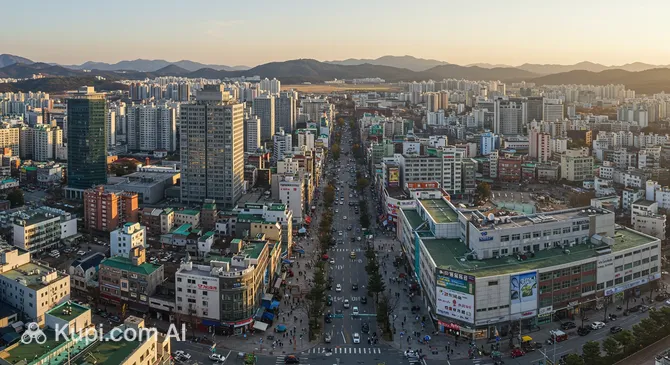
Situated approximately 35 kilometers south of the capital, Seoul, Osan serves as a vital transportation hub in the region. With a population of over 213,000 residents, it maintains a cozy yet bustling environment that is easy to navigate. Travelers interested in the past can delve into the history of Osan by visiting sites that reflect its heritage, observing how the city has evolved from a small village into a thriving modern municipality.

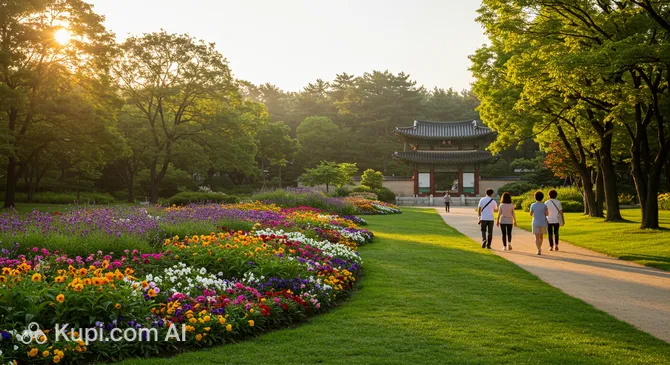
The city is home to several captivating attractions that draw visitors year-round. Nature lovers will appreciate the Mulhyanggi Arboretum, a sprawling botanical garden perfect for a relaxing stroll among diverse plant species and themed gardens. For a taste of local life, the Osan Five-Day Market is a must-visit spot where vibrant stalls offer fresh produce, delicious street food, and unique goods. Additionally, the historic Doksanseong Fortress provides panoramic views of the surrounding area and a glimpse into the region's defensive architecture.

Whether you are passing through or planning a dedicated stop, Osan welcomes visitors with open arms. Its combination of accessible green spaces, historical depth, and modern conveniences makes it a delightful addition to any travel itinerary in the province.

Weather Overview

The climate in Osan is characterized by four distinct seasons, ranging from freezing winters to hot, humid summers. Travelers should be prepared for significant temperature variations throughout the year, with conditions shifting noticeably from month to month.

Winter is the coldest and driest time of year. In January, the average temperature hovers around -1.5°C, with lows often dropping to -5.6°C. Precipitation is minimal during these months, keeping the air crisp and dry. As spring arrives, the city warms up pleasantly; by May, the average temperature reaches 17.4°C, creating ideal conditions for sightseeing.

Summer brings both heat and rain. August is typically the warmest month, with an average temperature of 26.2°C and highs reaching 29.3°C. It is also the wettest period, with July and August seeing about 17 wet days each. To ensure you pack correctly for your specific travel dates, it is helpful to review the current weather in Osan before your departure.

Autumn sees a gradual cooling, with September averaging 21.8°C and November dropping to 7.4°C. Overall, you can expect hot summers with frequent rainfall and cold, dry winters, making the transitional seasons of spring and autumn popular times for outdoor exploration.

Interesting Facts

Beyond the main attractions, Osan holds many fascinating secrets and historical anecdotes that reveal the city's unique character. From clever military tactics of the past to modern feats of environmental engineering, the local lore offers a deeper perspective on this dynamic region.

Mulhyanggi Arboretum. Source: Kupi.Binoculars
  • The city's name, which translates to "Crow Mountain," is deeply rooted in local identity. The crow is not only the official bird of Osan but also serves as a mascot, symbolizing wisdom and gratitude in the region's cultural narratives.

  • A famous legend from the Imjin War surrounds the historic Doksanseong Fortress. It is said that General Gwon Yul, while besieged and running low on water, ordered his soldiers to pour white rice over warhorses to simulate bathing them. This clever deception tricked the enemy into believing the fortress had ample water supplies, causing them to retreat.

  • The Osan Malgeumteo Park stands as a remarkable example of urban regeneration. The site was originally a sewage treatment plant and garbage landfill, but it has been completely transformed into a vibrant eco-friendly recreational space, featuring an observation tower that overlooks the restored wetlands.

  • The Mulhyanggi Arboretum was established with a specific focus on hydro-botany, fitting for a place whose name means "scent of water." Unlike typical botanical gardens, it was built on a site chosen for its clean water sources to support 19 distinct themed gardens, including extensive wetland habitats.

How to Get There

Reaching Osan is convenient thanks to its proximity to the capital and major transportation networks in the Gyeonggi Province. Whether you are arriving from overseas or traveling from within Korea, there are multiple efficient ways to reach your destination. For detailed routes and transportation tips, you can read more about how to get to Osan on our dedicated page.

The city of Osan does not have its own airport, but you can fly into Incheon International Airport (IATA: ICN) in the city of Seoul, which is about 64 km from Osan. As the primary gateway to the country, it handles a massive volume of international traffic. From here, the journey by taxi or bus takes approximately 2 hours. Another excellent option is Gimpo International Airport (IATA: GMP), also located in Seoul, roughly 51.5 km away. This airport serves many domestic and regional flights, and the travel time to Osan is around 1 hour and 40 minutes. Travelers can also consider Cheongju Airport (IATA: CJJ) in Cheongju, located about 62 km away.

For clarity, here is a summary of the main airports:

Airport Name City Passenger Traffic Km from City
Incheon International AirportSeoulVery Large64.0
Gimpo International AirportSeoulLarge51.5
Cheongju AirportCheongjuMedium61.8
Daegu International AirportDaeguMedium199.4
Gwangju AirportGwangjuSmall226.4

If you prefer traveling by train, it is important to note that while Osan is connected to the subway network, it does not have a major high-speed KTX station. You can arrive at the Gwangmyeong Station (IATA: XWU) in the city of Gwangmyeong, which is about 33.4 km from Osan. This is a significant hub for high-speed trains. From Gwangmyeong, you can get a taxi or bus to Osan, which typically takes about 1 hour and 10 minutes. Alternatively, for those coming from the south, Daejeon Station in Daejeon is another major hub, though it is further away at approximately 93.7 km.

Below is a list of the closest major railway stations:

Station City Passenger Traffic Km to Center
Dongdaegu StationDaeguLarge198.7
Daejeon StationDaejeonLarge93.7
Gwangmyeong StationGwangmyeongLarge33.4
Gwangju Songjeong StationGwangjuMedium225.3
Jinju StationJinju241.5

Main Attractions

Attractions:

Osan may be a compact city, but it boasts a variety of engaging destinations that blend natural beauty with recreational fun. From serene botanical gardens to historic sites with panoramic views, the city offers distinct experiences for travelers looking to explore the outdoors and local culture.

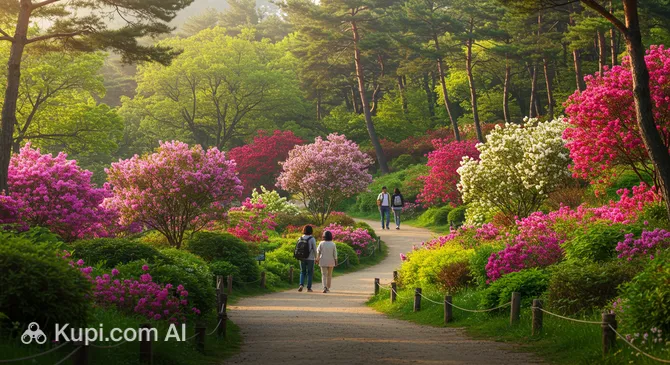
One of the most popular spots is the Mulhyanggi Arboretum, a sprawling sanctuary dedicated to hydro-botany. The name translates to "water fragrance," reflecting its focus on water-loving plants and wetlands. Visitors can wander through 19 themed gardens, including a maze garden, a pine forest, and a tropical greenhouse. It is an ideal place for a peaceful walk, offering a refreshing escape from the urban bustle with its well-maintained paths and diverse flora.

For those interested in eco-friendly urban spaces, Osan Malgeumteo Park is a fascinating destination. Located along the Osancheon Stream, this park is a testament to environmental restoration, having been transformed from a sewage treatment facility into a vibrant leisure complex. It features camping grounds, sports facilities, and an iconic observation tower that provides a bird's-eye view of the surrounding area. The park is particularly family-friendly, with plenty of space for picnics and outdoor activities.

Osan Malgeumteo Park. Source: Kupi.Binoculars

History enthusiasts should not miss a trip to Doksanseong Fortress. Perched atop a hill, this ancient stone fortress offers not only a glimpse into Korea's military past but also some of the best views in the region. A hike along the fortress walls rewards visitors with sweeping vistas of Osan and the neighboring cities. Within the walls, you can also find Boseoksa Temple, adding a spiritual dimension to the historical excursion.

If you are looking to experience the local lifestyle, the Osan Five-Day Market is a vibrant cultural attraction. Held on dates ending in 3 and 8, this traditional market comes alive with vendors selling everything from fresh seasonal produce to savory street snacks. It is a perfect spot to immerse yourself in the local atmosphere and try authentic Korean treats.

Local Cuisine

The culinary scene in Osan is a delightful reflection of traditional Korean flavors, offering a warm and unpretentious gastronomic experience. While the city sits close to the bustling capital, it maintains a distinct charm with its focus on hearty comfort foods and vibrant market eats. Visitors will find that the local cuisine is deeply rooted in fresh ingredients and time-honored recipes, making every meal a comforting encounter with the region's culture.

One of the dishes you simply must try while in the city is Sundae-guk, a savory soup made with Korean blood sausage. It is a staple in local markets and small eateries, often served bubbling hot in earthenware pots with a side of rice and kimchi. Another favorite among locals is Kalguksu, or knife-cut noodles. These handmade noodles are typically served in a rich broth made from anchovies or chicken, providing a satisfying and simple meal that is perfect for any season.

When it comes to drinks, the local culture embraces both traditional alcoholic beverages and refreshing non-alcoholic options. Makgeolli, a milky and slightly sweet rice wine, is the perfect accompaniment to savory pancakes and spicy dishes found at street stalls. It is a social drink, often enjoyed in bowls rather than glasses. For those preferring something non-alcoholic, Sikhye is a popular choice. This sweet traditional rice beverage, often containing grains of cooked rice and pine nuts, provides a refreshing finish to a savory meal.

The heart of Osan's food culture beats strongest in its bustling markets, particularly the famous Osan Osaek Market. Here, the line between grocery shopping and dining blurs, as vendors cook fresh street food right before your eyes. Locals and tourists alike flock to these vibrant alleys to snack on hotteok (sweet pancakes) and spicy rice cakes while soaking in the lively atmosphere. It is the best place to experience the communal spirit of Korean dining.

Daeheung Sikdang. Source: Kupi.Binoculars

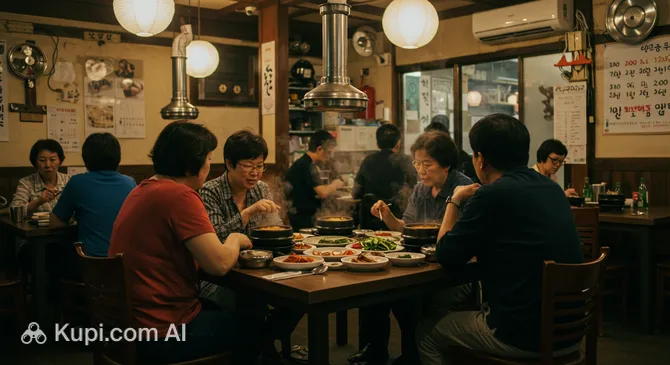
For a more sit-down experience that captures the essence of home-style cooking, travelers can visit Daeheung Sikdang. Places like this are cherished for serving authentic meals that taste like they were made in a family kitchen, offering a genuine taste of Osan's hospitality away from the commercialized tourist trails.

Travel Tips

To ensure your visit to Osan is as smooth and enjoyable as possible, we have compiled a list of essential travel advice. These practical tips will help you navigate the local customs, transportation, and daily logistics, allowing you to focus on exploring the city's hidden gems.

  1. Clothing and Gear: The weather varies greatly by season, so pack accordingly. For summer visits (June to August), bring lightweight, breathable clothing and a sturdy umbrella for the monsoon rains. Winters (December to February) can be freezing, requiring heavy coats, scarves, and thermal layers. Since you might be hiking up to Doksanseong Fortress or walking through the Mulhyanggi Arboretum, comfortable walking shoes are a must year-round.
  2. Transportation: Osan is well-connected to the Seoul Metropolitan Subway system via Line 1 (Osan Station), making it easy to arrive from the capital. Within the city, local buses are efficient, and taxis are readily available; downloading the Kakao T app is highly recommended for hailing rides without language barriers. You likely won't need a rental car unless you plan to explore remote countryside areas.
  3. Finances: The currency is the South Korean Won (KRW). While credit cards are widely accepted in most restaurants and shops, it is crucial to carry cash for street food vendors at the Osan Five-Day Market and for recharging your transport card (T-money). ATMs are plentiful, but look for those marked "Global" to ensure they accept international cards. Tipping is not part of the culture and is not expected.
  4. Health and Safety: Osan is a very safe city for travelers. Pharmacies, marked with a "Yak" (약) sign, are easy to find for minor ailments. In case of an emergency, dial 112 for police or 119 for ambulance and fire services. The air quality can occasionally be poor due to fine dust, especially in spring, so having a mask handy is a good precaution.
  5. Communication: While younger residents may speak some English, it is not universally spoken, especially by taxi drivers or older shopkeepers. It is highly useful to have a translation app like Papago or Google Translate on your phone. Wi-Fi is widely available in cafes and public spaces, but buying a SIM card at the airport upon arrival ensures constant connectivity.
  6. Local Etiquette: Politeness is key in Korean culture. A slight bow is the standard greeting. When handing over cash or a card, use both hands or support your right arm with your left hand as a sign of respect. If you visit a traditional home or certain restaurants with floor seating, always remove your shoes before entering.
  7. What to Avoid: Do not sit in the priority seats on subways and buses, which are strictly reserved for the elderly, pregnant women, and those with disabilities, even if the vehicle is empty. Also, avoid speaking loudly on public transport, as it is considered rude and disruptive to fellow passengers.
  8. Market Timing: To experience the city at its liveliest, try to time your visit to coincide with the traditional market days. The Osan Five-Day Market expands significantly on dates ending in 3 and 8 (e.g., 3rd, 8th, 13th), offering a much larger array of goods and a bustling atmosphere that you won't see on regular days.

By keeping these simple guidelines in mind, you will be well-prepared to embrace the local lifestyle and enjoy everything Osan has to offer. We hope these tips help you create wonderful memories during your stay in this welcoming Korean city.

Entertainment & Nightlife

While Osan is often recognized for its peaceful arboretums and historical sites, the city comes alive after sunset with a vibrant local nightlife scene. Unlike the overwhelming crowds of Seoul, the evening atmosphere here is more intimate and community-focused, centered largely around dining, social drinking, and singing. The primary hub for entertainment is the area surrounding Osan Station and the dedicated "Culture Street," where neon signs illuminate a dense collection of restaurants, bars, and karaoke rooms.

The nightlife culture in Osan typically begins with a hearty meal. Visitors looking to experience authentic local flavors should consider starting their evening at Daeheung Sikdang. This establishment is well-regarded for its comforting dishes, providing the perfect foundation for a night out. After dinner, the locals often move to "Hofs"—Korean-style beer bars that serve draft beer alongside large platters of fried chicken or dried snacks. These venues are casual and welcoming, making them ideal for travelers who want to mingle with residents in a relaxed setting.

For those who prefer a mix of shopping and entertainment, the Osan Hypermarket offers a modern experience. Large shopping complexes in Korea often serve as community gathering spots well into the evening, featuring food courts, cinemas, and late-night shopping options. It is a convenient place to unwind if you prefer an indoor environment or need to pick up supplies before heading back to your accommodation.

Osan Hypermarket. Source: Kupi.Binoculars

Singing is an essential part of Korean nightlife, and Osan is no exception. Noraebangs (singing rooms) are scattered throughout the city center, offering private rooms where friends can sing their hearts out until the early hours. These venues are generally open very late, often until 4:00 AM or 5:00 AM. The dress code in Osan’s nightlife districts is casual; there is rarely a need for formal attire unless you are attending a specific private event.

Safety is a strong point for Osan. The streets around the station are well-lit and populated, making them safe for walking at night. However, standard precautions should always be taken. If you need to travel back to your hotel late at night, taxis are the most reliable option. They can be hailed on the street, but using the Kakao T app is recommended for ease of communication and payment. The base fare is affordable, and drivers are generally honest, though having your destination written in Korean can be helpful.

During the daytime, the entertainment landscape shifts towards cultural and leisure activities. Apart from the famous arboretum and parks, visitors can explore local cinemas located within the major commercial districts or visit the Osan Cultural Center, which occasionally hosts performances and exhibitions. Whether you are exploring the bustling markets by day or enjoying a cold beer by night, Osan offers a well-rounded experience for every traveler.

Parks & Museums

Osan creates a harmonious balance between its rapidly developing urban landscape and preserved natural environments. The city is dedicated to maintaining green spaces that offer residents and travelers a respite from daily life, while its museums and historical sites provide a window into the region's rich cultural and military heritage.

For nature enthusiasts, the Mulhyanggi Arboretum is the crown jewel of the city's green spaces. Spanning approximately 33 hectares, this state-run arboretum focuses on the theme of "water and trees." It features 19 distinct themed gardens, including a serene wetland ecology park, a maze garden, and a bonsai garden. It is an excellent location for families and solo travelers alike to observe thousands of plant species in a tranquil setting designed to harmonize with the natural water flow of the area.

Another significant ecological site is Osan Malgeumteo Park. This park is a celebrated example of environmental regeneration, having been converted from a municipal waste treatment facility into a vibrant eco-park. It serves as a hub for outdoor leisure, featuring camping grounds, sports facilities, and an iconic observation tower. From the tower, visitors can enjoy panoramic views of the city and the nearby Osancheon Stream, making it a popular spot for photography and sunset viewing.

Running through the heart of the city is the Osancheon Stream, a vital natural artery that has been cultivated into a riverside park. The stream is lined with well-maintained walking and cycling paths that stretch for kilometers, offering a scenic route filled with seasonal wildflowers. It is a favorite local spot for jogging and leisurely strolls, providing a refreshing open space that connects various neighborhoods.

In terms of culture and history, the UN Forces First Battle Memorial Museum is a key institution in Osan. This museum commemorates the first engagement of the United Nations forces during the Korean War, which took place in this city. Through various exhibitions and monuments, it honors the sacrifices made for peace and offers visitors a solemn and educational perspective on modern Korean history. The outdoor exhibition area displays historical military equipment, which is often of interest to history buffs.

For a dive into older history, the Osan City Museum provides insights into the prehistoric and dynastic periods of the region. Exhibits typically showcase artifacts unearthed from local archaeological digs, telling the story of the people who have lived in this area for centuries. Additionally, the Osan Museum of Art, located within the Culture and Arts Center, hosts rotating exhibitions of contemporary art, fostering a creative environment for the community.

One cannot discuss Osan's heritage without mentioning Doksanseong Fortress. While primarily a historical site, the area functions as a cultural park where visitors can hike along the ancient stone walls. The fortress dates back to the Baekje period and offers not only historical education but also some of the most commanding views of the surrounding Gyeonggi Province.

For an authentic local experience, try visiting the Gwol-dong area, where you can find Gwollisa Temple. This Confucian academy and shrine is one of the prominent sites of its kind in Korea. The traditional architecture, ancient ginkgo trees, and peaceful courtyards offer a quiet atmosphere for reflection, distinct from the busier public parks.
Getting Around

Getting around Osan is remarkably efficient and convenient, thanks to its seamless integration into the wider metropolitan transit network of the province. The city relies primarily on a robust combination of subway lines and buses, making it easy for tourists to navigate between local attractions and neighboring regions without the need for a private vehicle.

The backbone of the public transport system is the subway, specifically Line 1 of the metropolitan railway network. This line runs directly through the city, with key stops including Osan Station, Osan University Station, and Sema Station. The subway is the fastest way to travel north towards Suwon or south towards Pyeongtaek. Trains typically operate from approximately 5:30 AM until midnight, running at frequent intervals throughout the day, which makes planning your itinerary very flexible.

Complementing the subway is an extensive bus network. City buses (typically painted green) cover most internal routes, connecting residential areas with major transit hubs and tourist spots like the Mulhyanggi Arboretum. For those planning to travel further afield, Red Express Buses offer direct connections to major districts in the capital, such as Gangnam, bypassing many local stops for a quicker journey. Additionally, smaller "village buses" (maeul bus) serve narrower streets and residential neighborhoods that larger vehicles cannot access.

To pay for transit, the most practical tool for a tourist is the T-money card. This rechargeable smart card works on subways, buses, and even in many taxis. You can purchase and top up these cards at any major convenience store (such as CU, GS25, or 7-Eleven) or at ticket vending machines inside subway stations. Using a card is slightly cheaper than paying with cash, and it is the only way to benefit from the transfer discount system. When transferring between a bus and the subway within 30 minutes, you are not charged a second base fare, provided you use the same card.

Using the system is straightforward. When boarding a bus or entering a subway gate, simply tap your card on the reader. It is crucial to tap your card again when you exit or get off the bus. Failure to "tag out" can result in being charged the maximum possible fare for the route or missing out on transfer discounts. If you do not have a card, single-journey tickets for the subway can be purchased at stations, but this requires a small deposit which must be reclaimed at a refund machine after your ride.

For destinations not reachable by public transit, taxis are a reliable alternative. They are generally affordable and can be hailed on the street or found at designated stands near Osan Station. For greater convenience, tourists are advised to use the Kakao T app, which allows you to request a ride without needing to speak the language. Most taxis accept international credit cards and T-money cards, making payment hassle-free.

Osan is also a pedestrian and bike-friendly city, particularly along the Osancheon Stream. Dedicated cycling paths run along the water, offering a scenic way to move between the northern and southern parts of the city. While the city is compact enough to explore central areas on foot, renting a bike near the major parks can be a pleasant option for leisure travelers wishing to enjoy the riverside scenery.

Accommodation

Finding a place to stay in Osan is generally straightforward, as the city caters well to both business travelers and tourists passing through Gyeonggi Province. The accommodation landscape is dominated by practical and modern options rather than sprawling luxury resorts. Visitors will primarily find a good selection of business hotels, mid-range stays, and clean, budget-friendly motels. For those seeking a more homelike environment, there are also some guesthouses and serviced apartments available, though high-end international hotel chains are less common here compared to nearby Seoul or Suwon.

The most convenient area for tourists to base themselves is undoubtedly around Osan Station. Staying in this district places you right at the heart of the city's transportation network, with immediate access to Subway Line 1 and the intercity bus terminal. This location is bustling with activity, offering easy access to convenience stores, restaurants, and the lively shopping streets nearby. For travelers who prefer a quieter atmosphere, looking for accommodation slightly further out near the Osancheon Stream or towards the Mulhyanggi Arboretum can provide a more peaceful setting while still remaining accessible by taxi or local bus.

When it comes to pricing, Osan is generally more affordable than the capital. Budget travelers can find comfortable rooms in modern motels (often called "boutique hotels" in Korea) at very reasonable rates. Mid-range business hotels offer standard amenities like Wi-Fi, breakfast, and work desks, making them a reliable choice for most visitors. It is worth noting that some smaller accommodations may have later check-in times, so it is always wise to confirm this detail before arrival.

For the best experience, it is recommended to book your accommodation in advance, especially if you plan to visit during weekends or public holidays when domestic travel spikes. Most properties in Osan are listed on major international booking platforms, allowing for easy reservation and price comparison. Whether you are looking for a quick stopover near the station or a comfortable base to explore the region, the city offers sufficient variety to meet your needs.

Nearby Cities

For those looking to explore the surroundings, Osan serves as an excellent base for day trips to several interesting nearby locations:

Just a short journey north lies the vibrant capital, Seoul. As the cultural and economic heart of the country, it offers an incredible mix of ancient history and futuristic modernity. Visitors can explore the majestic Gyeongbokgung Palace, shop in the bustling districts of Myeongdong, or enjoy panoramic views from the N Seoul Tower. It is an unmissable destination for anyone in the region.

Located even closer is the historic city of Suwon, famous for the UNESCO World Heritage-listed Hwaseong Fortress. A walk along the impressive stone walls offers great views and a deep dive into the Joseon Dynasty's architectural prowess. Suwon is also renowned for its delicious galbi (marinated ribs), making it a perfect spot for history buffs and foodies alike.

For a more artistic experience, travelers can visit Icheon, which is celebrated as the center of Korean ceramic culture. The Icheon Ceramics Village features hundreds of workshops where you can observe master potters or try your hand at making pottery. The city is also known for its relaxing hot springs and high-quality rice, offering a peaceful retreat from the urban hustle.

City Population Distance (km)
Seoul 23,016,000 44
Suwon 1,234,300 14
Icheon 1,076,369 37
Seongnam 948,757 26
Bucheon 867,678 46

These nearby destinations offer a glimpse into the diverse culture and landscapes of the region.

Shopping & Souvenirs

Shopping in Osan offers a delightful contrast between traditional Korean commerce and modern retail convenience. Whether you are looking for fresh local produce, the latest K-beauty trends, or everyday essentials, the city provides a variety of options that cater to both residents and visitors. The experience is generally less about high-end luxury boutiques and more about practical, accessible, and culturally immersive shopping.

The heartbeat of the local trade is undoubtedly the Osan Five-Day Market (Osaek Market). Operating on dates ending in 3 and 8, this sprawling traditional market takes over the streets near the city center. It is a vibrant place where you can find everything from seasonal fruits and vegetables to clothing, kitchenware, and traditional snacks. Even on non-market days, the permanent section of the Osaek Market remains open, offering a glimpse into the daily lives of the locals and serving as a great spot to pick up affordable souvenirs, such as dried seaweed or ginseng products.

For a more contemporary experience, the Osan Hypermarket is a key destination. Large retail complexes like this are one-stop shops where travelers can find groceries, electronics, clothing, and household items all under one roof. These hypermarkets are particularly convenient for tourists needing to restock on travel supplies or purchase popular Korean snacks and instant noodles to take home. They often feature tax-free counters, making them an economical choice for international visitors looking to buy gifts in bulk.

The area surrounding Osan Station serves as the city's main fashion district. Here, the streets are lined with numerous cosmetics shops, branded apparel stores, and independent boutiques selling trendy accessories. This area, often referred to as "Culture Street," is the perfect place to explore Korea's famous skincare products or pick up fashionable socks and stationery, which are popular and affordable keepsakes. The district is pedestrian-friendly, allowing for a relaxed browsing experience amidst the energetic urban atmosphere.

Reached the end of the page?

That means the route is fully explored