Support

Changwon

About

Changwon is a dynamic hub located on the southeastern coast of the Gyeongsangnam-do province. As the capital of the province, it stands out as the first planned city in Korea, Republic Of, meticulously designed to balance industrial strength with environmental beauty. Visitors often find Changwon to be a refreshing mix of wide avenues, abundant green spaces, and a bustling urban atmosphere.

With a population of over 1 million residents, the city feels lively yet spacious. The climate is generally mild, influenced by its coastal position, making it pleasant for exploration year-round. While it is known today as a modern industrial powerhouse, the history of Changwon is rich and multifaceted, especially following the integration of the neighboring areas of Masan and Jinhae, which added deep cultural and maritime layers to its identity.

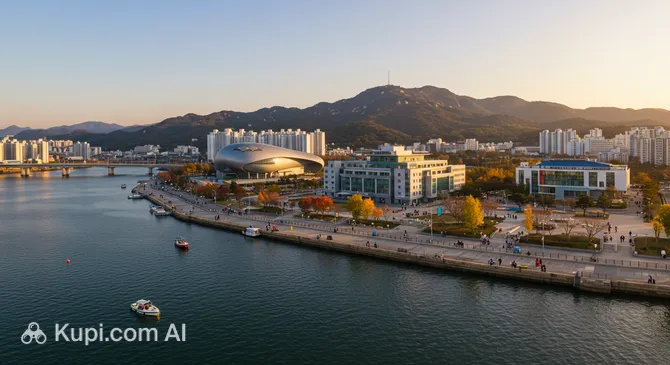
Changwon. Source: Kupi.Binoculars

Travelers are particularly drawn to the city during the spring, when the world-famous Jinhae Gunhangje Festival transforms the area into a stunning cloud of pink cherry blossoms. Beyond the seasonal festivities, nature lovers can visit the Junam Reservoir, a vital habitat for migratory birds and a peaceful spot for walking. For those seeking urban charm, the Changdong Art Village offers a glimpse into the local creative scene with its murals and quaint alleyways.

Whether you are here to witness the spectacular floral displays, explore the coastal scenery, or experience the orderly charm of a planned metropolis, Changwon welcomes you with open arms. It is a destination that perfectly illustrates the harmony between nature, culture, and modernization.

Weather Overview

Changwon experiences a temperate climate with four distinct seasons, influenced by its coastal location. To help plan your itinerary, it is helpful to review the current weather in Changwon. Generally, the city enjoys mild springs and autumns, hot and humid summers, and cold, dry winters.

The winter months are chilly, with January being the coldest time of the year, averaging around 2.3°C and occasionally dropping to lows of -2.2°C. Precipitation is minimal during this season, with only a few wet days per month. As spring approaches, the weather warms up significantly, with May seeing pleasant average temperatures of 18.6°C, making it a comfortable time for outdoor exploration.

Summer brings the heat, with August typically being the warmest month, featuring average temperatures of 26.9°C and highs reaching 30.1°C. This season also sees the most frequent rainfall; July and August can have up to 16 wet days each. In contrast, autumn offers a refreshing cool-down, with October averaging 16.3°C and the number of rainy days dropping significantly.

Interesting Facts

Beyond the main attractions, Changwon holds many fascinating secrets that reveal its unique character as a masterclass in urban design. From its Australian-inspired layout to its pioneering eco-friendly initiatives, the city offers intriguing details that often surprise visitors.
  • Modeled After Canberra: Changwon is South Korea's first planned city, and its design was heavily influenced by the Australian capital, Canberra. Established in the 1970s, the city features a grid of straight, wide avenues and designated zoning that stands in stark contrast to the winding, organic alleyways found in older Korean cities.

  • The Bicycle Capital: Long before eco-friendly travel became a global trend, Changwon established itself as a cycling paradise. It pioneered "Nubija," one of the world's first public bicycle rental systems, supported by a vast network of dedicated bike lanes that allow riders to easily access major green spaces like Yongji Park.

  • A Tale of Three Cities: The metropolis you see today is actually a "unified city" formed by the 2010 merger of three distinct neighbors: the industrial hub of Changwon, the historic port of Masan, and the naval district of Jinhae. This integration combined their unique identities, bringing together Masan’s famous spicy monkfish cuisine and Jinhae’s world-renowned cherry blossoms under one administrative roof.

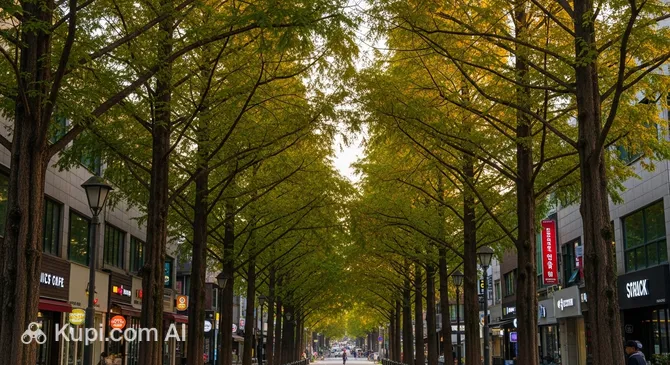
  • Unique Avenue of Trees: While many cities in Korea have a "Garosu-gil" (tree-lined street), Changwon Garosu-gil is distinct for its towering Metasequoia trees. Unlike the ginkgo trees common elsewhere, these create a high, exotic green tunnel in summer that turns a vibrant rusty orange in autumn, offering a picturesque backdrop for cafes and galleries.

  • A Record-Breaking Rotary: The city center is anchored by Changwon Plaza, a massive traffic circle that is often cited as the largest rotary in Korea. This immense circular plaza connects the city's major government and business districts, serving as a symbolic heart of the planned urban landscape.

Changwon Garosu-gil. Source: Kupi.Binoculars

How to Get There

Reaching this industrial and cultural hub is relatively convenient, thanks to its location near several major transport arteries in southeastern Korea. Whether you are arriving from overseas or traveling within the country, there are efficient ways to complete your journey. You can find detailed information on routes and logistics by reading more about how to get to Changwon.

The city of Changwon does not have its own airport, but the closest and most practical option for air travelers is Gimhae International Airport (PUS). Located in the neighboring city of Busan, it sits approximately 27 km from Changwon. The airport handles a large volume of passengers annually, serving as a key gateway to the southern provinces. From here, a taxi or limousine bus ride typically takes around 60 minutes. Another viable alternative is Daegu International Airport (TAE), situated in Daegu, about 72 km away. While further, it offers additional connections and is roughly a 2-hour drive from the city center.

For clarity, here is a summary of the main airports:

Airport Name City Passenger Traffic Km from City
Gimhae International Airport Busan Large 26.9
Daegu International Airport Daegu Medium 71.8
Yeosu Airport Yeosu Small 104.8
Ulsan Airport Ulsan Small 74.1
Sacheon Airport Jinju Small 56.0

Travelers exploring the region by train often utilize the extensive rail network. While local connections are available, a major hub for the wider area is Dongdaegu Station (XDK), located in the city of Daegu, approximately 70 km from Changwon. This station sees very high passenger traffic and serves as a central point for transfers. From Dongdaegu, visitors can conveniently transfer to a KTX train heading directly to Changwon, or continue their journey by intercity bus or taxi. Another relevant stop is Jinju Station in Jinju, situated about 50 km away.

Below is a list of significant railway stations in the vicinity:

Station City Passenger Traffic Km to Center
Dongdaegu Station Daegu Very High 70.2
Daejeon Station Daejeon High 167.7
Gwangju Songjeong Station Gwangju Medium 170.2
Jinju Station Jinju 50.0
Yeosu Expo Station Yeosu 99.2

Main Attractions

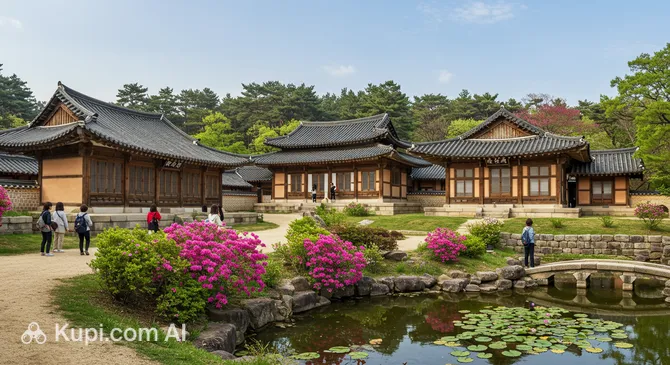
Travelers interested in Korea's architectural heritage should not miss the House of Changwon. This beautifully preserved complex features traditional Hanok-style buildings that offer a glimpse into the lifestyle of scholars during the Joseon Dynasty. It serves as an educational history museum where visitors can explore the master’s quarters, guest rooms, and a pavilion, all set within serene grounds. It is a perfect spot for those looking to experience the quiet elegance of traditional Korean culture amidst the modern city.

House of Changwon. Source: Kupi.Binoculars

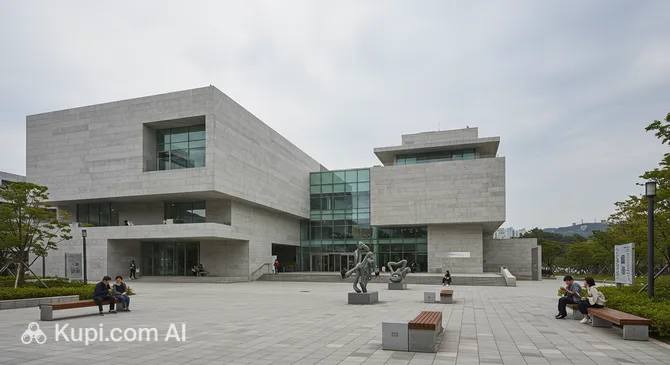
For art enthusiasts, the Gyeongnam Art Museum is a cultural cornerstone of the province. The museum showcases a diverse collection of contemporary and modern artworks, highlighting both local talent from the Gyeongsangnam-do region and international artists. With its spacious galleries and rotating special exhibitions, it provides a sophisticated environment to appreciate creativity. The surrounding outdoor sculpture park also adds to the appeal, making it a relaxing destination for a cultural afternoon.

Gyeongnam Art Museum. Source: Kupi.Binoculars

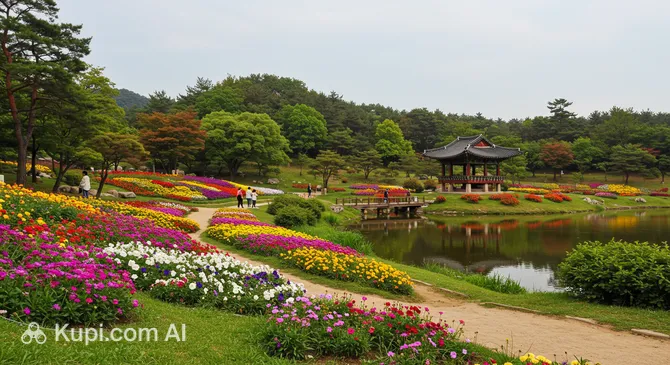
Located in the heart of the city, Yongji Park is a favorite gathering place for both locals and tourists. The park is centered around a large lake, which becomes especially enchanting at night when a musical fountain and laser show illuminate the water. It offers a scenic escape with walking paths and lush greenery, providing a refreshing break from the urban environment. It is an excellent location for a leisurely stroll or a picnic, showcasing the city's commitment to green living.

Yongji Park. Source: Kupi.Binoculars

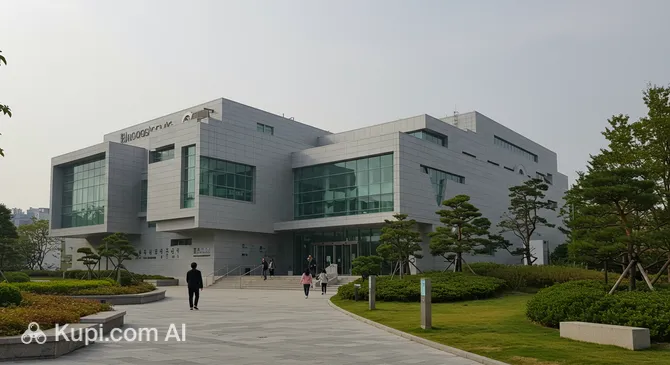
Families and technology buffs will find plenty to explore at the Changwon Science Center. This facility is dedicated to making science accessible and fun through interactive exhibits covering topics like aerospace, basic science, and environmental technology. It is particularly interesting for tourists traveling with children, as it offers hands-on experiences and a 4D theater that bring scientific concepts to life. The center reflects Changwon’s identity as an industrial and technological hub.

Changwon Science Center. Source: Kupi.Binoculars

Local Cuisine

The culinary landscape of Changwon is heavily defined by its coastal location, particularly the historic district of Masan, which is renowned across Korea for its distinct seafood traditions. Food lovers visiting the city can expect fresh ingredients, bold spicy flavors, and a vibrant dining culture that ranges from bustling traditional markets to modern eateries.

The most iconic dish you must try is Agugu-jjim (spicy steamed monkfish). Originating from the Masan area, this dish features monkfish braised in a fiery red pepper sauce with crisp bean sprouts and fragrant drops of sesame oil. There is even a dedicated street in the Odong-dong neighborhood lined with restaurants specializing in this local favorite. The fish has a unique, chewy texture that pairs perfectly with the spicy seasoning, making it a memorable meal for those who enjoy heat.

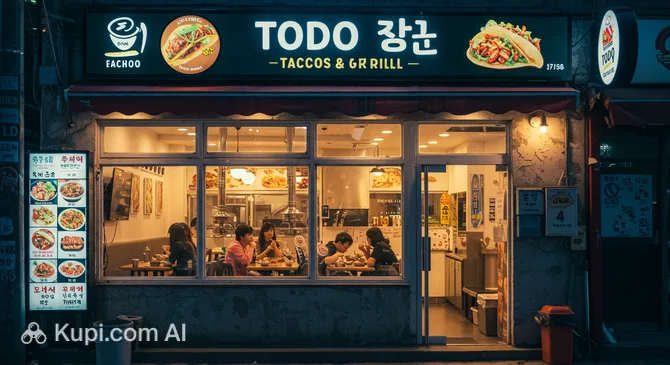
Todos Tacos & Grill. Source: Kupi.Binoculars

Beyond traditional Korean fare, the city offers a growing number of contemporary dining options. For a taste of international cuisine in a lively atmosphere, you can visit Todos Tacos & Grill. Places like this reflect the city's modern character, providing a great spot for travelers to relax and enjoy hearty dishes like tacos and fajitas after a day of sightseeing. Another popular spot for a casual yet delicious meal is Cheongchun Kitchen, known for its welcoming vibe.

Seafood enthusiasts should also explore the famous Masan Fish Market, where you can sample Hoe (raw fish) sliced fresh from the tank. In the colder months, grilled shellfish and clam soups are popular choices to warm up. To accompany these meals, locals often enjoy Soju. The region is home to a famous local soju brand, and its clean, crisp taste is considered the ideal partner for the spicy and savory seafood dishes of the southern coast.

After a hearty meal, the local cafe culture offers a perfect way to wind down. The city is known for its trendy coffee shops, particularly along the tree-lined avenues of the Garosu-gil area, where you can find artisanal coffee and sweet desserts in stylish settings.

Travel Tips

Visiting Changwon is a refreshingly orderly experience thanks to its planned urban layout, but knowing a few local nuances will help you travel with even greater confidence. Here are some practical tips to ensure your stay in this dynamic city is smooth and enjoyable.

  1. Clothing and Essentials: The climate dictates your wardrobe; summers are hot and humid, requiring light, breathable fabrics, while winters can be quite cold, so a warm coat and layers are necessary. Since Changwon is designed with wide avenues and extensive parks, bring comfortable walking shoes or sneakers to explore the city on foot or by bike. Don't forget a standard Type C or F power adapter for your electronics.

  2. Getting Around: Unlike Seoul or Busan, Changwon does not have a subway system, but it boasts an excellent bus network and the famous Nubija public bicycle system. Purchase a reloadable T-money card at any convenience store (like CU or GS25) upon arrival; you can use it to pay for buses, taxis, and even transfer fees seamlessly.

  3. Money Matters: The currency is the South Korean Won (KRW). International credit cards are widely accepted in most hotels, restaurants, and shops, but it is advisable to carry some cash for street food vendors or traditional markets. Tipping is not customary in Korea, and good service is included in the price, so there is no need to leave extra change.

  4. Health and Safety: Changwon is an incredibly safe city for tourists, even at night. Pharmacies are easily identifiable by the sign "Yak" (약) and are well-stocked with general medicine. If you are visiting in spring, be mindful of "yellow dust" or fine dust days; locals often wear masks during this time, which can be bought cheaply at any convenience store.

  5. Communication: While English is taught in schools, it may not be widely spoken by older residents or taxi drivers. It is highly recommended to download a translation app like Papago and a navigation app like Naver Map or KakaoMap, as global map services can be limited in detail within Korea.

  6. Local Etiquette: Politeness is highly valued; a slight bow is the standard greeting. When handing over money, cards, or gifts, use both hands (or support your right arm with your left hand) as a sign of respect. In public spaces and on buses, keep your voice low to avoid disturbing others.

  7. What to Avoid: refrain from sitting in the designated priority seats on buses (usually marked in a different color), even if the bus is empty, as these are strictly reserved for the elderly, pregnant women, and those with disabilities. Additionally, never wear your shoes into a private home or a restaurant with floor seating.

  8. City-Specific Tip: Take advantage of Changwon's reputation as Korea's "Bicycle City." The terrain is flatter than most Korean cities, and the bike lanes are distinct and safe. Renting a bike is often the fastest and most scenic way to travel between the central rotary and the lakeside parks.

By keeping these practical points in mind, you will be able to navigate Changwon like a local and focus on enjoying its unique blend of industrial modernity and natural beauty. Whether you are cycling through the city center or enjoying a spicy meal in Masan, you are set for a hassle-free adventure.

Entertainment & Nightlife

Changwon offers a vibrant mix of entertainment options that cater to both night owls and those seeking leisure during the day. As the sun sets, the Sangnam-dong district comes alive, establishing itself as the city's premier nightlife hub. Known for having one of the highest concentrations of dining and entertainment venues in the country, this area is illuminated by a dazzling array of neon lights. Visitors can immerse themselves in the local social culture by visiting karaoke rooms (noraebang), lively arcades, and bustling pubs that stay open late into the night.

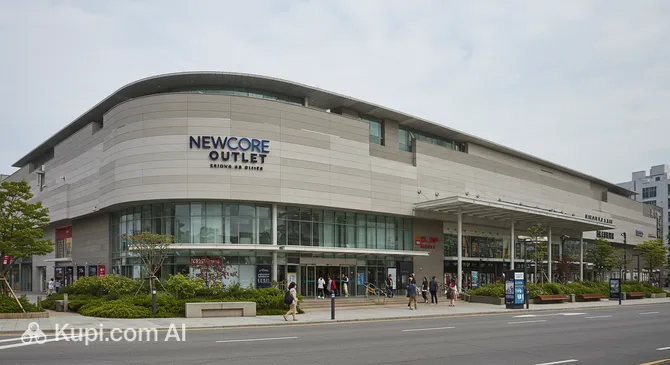
For shopping enthusiasts, the city provides a range of modern retail experiences. Newcore Outlet Changwon is a favorite destination for those looking to find popular fashion brands and lifestyle goods at reasonable prices. The outlet features a comfortable atmosphere perfect for browsing, along with a food court where shoppers can relax and recharge after a day of hunting for deals.

Newcore Outlet Changwon. Source: Kupi.Binoculars

Travelers looking for a comprehensive shopping trip should visit the Changwon Hypermarket. These large-scale retail complexes are an integral part of modern Korean life, offering everything from fresh groceries and electronics to household items. Exploring the aisles here is a great way to observe local daily life and is also the perfect opportunity to pick up unique Korean snacks or souvenirs to take home.

Changwon Hypermarket. Source: Kupi.Binoculars

The city's entertainment calendar is also anchored by spectacular seasonal festivals. The most renowned is the Jinhae Gunhangje Festival in spring, which transforms the district into a pink wonderland of cherry blossoms, attracting visitors from around the world. In the autumn, the Masan Gagopa Chrysanthemum Festival takes center stage, celebrating the region's horticultural heritage with elaborate floral displays that create a colorful and fragrant spectacle by the sea.

Parks & Museums

Changwon prides itself on being an eco-friendly metropolis, seamlessly blending industrial prowess with expansive green belts and cultural institutions. Beyond the well-known urban centers, the city offers a wealth of natural sanctuaries and artistic venues that reflect the distinct identities of its merged districts—Changwon, Masan, and Jinhae.

For nature enthusiasts, the Junam Reservoir is a must-visit destination that stands in stark contrast to the city's bustling streets. Recognized as one of Korea's most important migratory bird habitats, this vast wetland comes alive in winter with the arrival of thousands of Baikal teals and other rare species. Visitors can explore the area via well-maintained walking paths and observation decks that allow for birdwatching without disturbing the wildlife. In summer, the water is often covered with lotus flowers, creating a serene landscape perfect for photography and quiet reflection.

Another gem for those seeking tranquility is Jinhae Dream Park. Nestled in the mountains behind the Jinhae district, this expansive ecological park focuses on forest conservation and relaxation. It features a dense cypress forest, which is popular for "forest bathing," a practice believed to reduce stress and improve health. The park also includes a Wood Culture Experience Hall and a beautiful reservoir surrounded by hiking trails, making it an ideal spot for families and hikers looking to escape into nature.

On the cultural front, the Moon Shin Art Museum offers a profound look into the region's artistic heritage. Located on a hill overlooking Masan Bay, the museum is dedicated to Moon Shin, a world-renowned sculptor born in the area. The museum itself is a work of art, designed by the artist, and houses a comprehensive collection of his abstract sculptures and paintings. The outdoor sculpture park provides panoramic views of the city and the sea, merging artistic expression with the stunning coastal geography.

To understand the maritime history of the region, a visit to Changwon Marine Park is highly recommended. Situated on a small island connected by a bridge, the park features the towering Solar Tower, which offers an observation deck with breathtaking views of the southern archipelago. Inside, visitors can explore exhibits related to marine life and naval history, reflecting the deep connection the Jinhae district has with the sea and the Korean Navy.

For a unique insider experience, take a boat ride to Dotseom Island (Happy Land) from the Masan Ferry Terminal. Once a royal vacation spot in legends, this small island is now a charming park filled with golden pigs sculptures and lush flower gardens. It offers a nostalgic and leisurely atmosphere, providing a delightful break from the mainland's pace.

Getting Around

Public transport in Changwon is efficient, clean, and well-organized, primarily relying on an extensive network of buses and a world-class public bicycle system. Unlike other major metropolitan areas in the region, the city does not currently operate a subway or metro system. Instead, the local government has optimized road-based travel to ensure smooth connections between the central districts and the outlying residential areas of Masan and Jinhae.

The city bus system is the backbone of local travel and is divided into distinct categories to help passengers navigate easily. Blue Buses serve as trunk lines, connecting major hubs and running frequently on main roads. Green Buses act as branch lines, linking neighborhoods to the main routes, while Red Buses are express services that connect key districts with fewer stops. For shorter distances within specific neighborhoods, smaller village buses are available. Most bus stops feature digital displays indicating arrival times, often with English subtitles.

A standout feature of Changwon's transport infrastructure is the Nubija public bicycle system. Recognized globally for its innovation, this system allows users to rent bicycles from hundreds of unmanned terminals scattered throughout the city. It is an extremely popular and eco-friendly way to get around, especially given the city's flat terrain and dedicated bike lanes. Tourists can purchase a daily pass at the kiosks located at each terminal, making it a convenient option for sightseeing at a leisurely pace.

For payment, the most convenient method is using a rechargeable transportation card, such as T-money or Cashbee. These cards can be purchased and topped up at any major convenience store (like CU, GS25, or 7-Eleven) found on nearly every street corner. Using a card is slightly cheaper than paying with cash and offers the significant benefit of free transfer discounts when switching between buses within 30 minutes of alighting. Simply tap your card on the sensor when boarding and again when exiting to ensure the transfer is recorded.

Taxis are another reliable and affordable alternative for getting around. They are widely available at designated stands, near train stations, and can be hailed on the street. Regular taxis are typically silver or white, while black "deluxe" taxis offer a more premium service at a higher rate. Most taxis accept credit cards and transportation cards for payment. For travelers worried about language barriers, using a taxi-hailing app like Kakao T is highly recommended, as it allows you to input your destination in advance.

Buses generally operate from around 5:00 AM to 11:00 PM, though schedules can vary slightly depending on the route. When using the bus, it is important to board through the front door and exit through the rear. Priority seats near the front are strictly reserved for the elderly, pregnant women, and passengers with disabilities, and it is polite to leave them empty even if the bus is not crowded.

Accommodation

Accommodation:

Changwon offers a practical and diverse range of accommodation options, largely designed to cater to its steady stream of business travelers and tourists. Visitors can find everything from efficient business hotels and modern motels to comfortable mid-range stays. While the city may not have an abundance of ultra-luxury resorts compared to Seoul or Busan, it provides high-quality facilities that emphasize cleanliness, convenience, and modern amenities. For budget-conscious travelers, there are also numerous guesthouses and "motels" (often boutique-style budget hotels) that offer excellent value.

When choosing where to stay, location plays a key role in the experience. The Sangnam-dong district is arguably the most popular area for tourists. As the city's main entertainment and dining hub, staying here places you within walking distance of hundreds of restaurants, cafes, and nightlife venues. It is an ideal base for those who want to enjoy the city's vibrant energy after sunset. Alternatively, the area around the Changwon Exhibition Convention Center (CECO) offers quieter, upscale business hotels that are perfect for travelers seeking a more relaxed atmosphere near major transport links.

For those interested in exploring the specific charms of the merged districts, Masan offers accommodations with views of the bay and easy access to the fish market. Meanwhile, Jinhae is a quieter residential area, but it becomes the most sought-after location in the country during the spring. If you plan to visit during the Jinhae Gunhangje Festival to see the cherry blossoms, it is essential to book your room several months in advance, as accommodations in Jinhae and central Changwon fill up remarkably fast.

In terms of pricing, Changwon is generally affordable. Most travelers will find that mid-range business hotels offer spacious rooms and good service at reasonable rates. Booking is straightforward, with major international online platforms covering the larger hotels. However, for smaller guesthouses or motels, some visitors may find better deals or availability through local Korean booking apps or by arranging stays directly.

Nearby Cities

For those looking to explore the surroundings, Changwon serves as an excellent base for day trips to several interesting nearby locations:

Located just a short drive to the southeast, Busan is the most popular destination for a day trip. As South Korea's second-largest city, it offers a vibrant mix of coastal beauty and urban excitement. Visitors can relax on the famous Haeundae Beach, explore the colorful alleyways of Gamcheon Culture Village, or experience the energy of the Jagalchi Fish Market. It provides a lively contrast to the orderly atmosphere of Changwon.

For history enthusiasts, Gimhae is an unmissable neighbor located immediately to the east. Known as the historic capital of the ancient Gaya Kingdom, the city is dotted with archaeological treasures, including the Royal Tomb of King Suro and the Gimhae National Museum. Its rich heritage offers a fascinating glimpse into Korea's past, making it a culturally rewarding excursion that is easily accessible.

Another excellent option is Daegu, situated further inland. This major metropolitan city is known for its modern history, traditional herbal medicine markets, and the bustling Dongseong-ro shopping district. It is also surrounded by mountains, offering opportunities for hiking and visiting scenic temples like Donghwasa, providing a nice balance of city exploration and nature.

City Population Distance (km)
Busan 3453198 39
Daegu 2461002 68
Ulsan 1166033 69
Gimhae 550758 21
Gumi 407880 100

These nearby destinations offer a glimpse into the diverse culture and landscapes of the region.

Shopping & Souvenirs

Shopping Overview:

Shopping in Changwon reflects the city's dual nature as a modern industrial hub and a culturally rich region. The retail landscape is diverse, ranging from gleaming department stores and sprawling hypermarkets to traditional markets that have served the community for decades. Visitors can enjoy a convenient shopping experience with a wide selection of international brands, while also having the opportunity to discover local specialties and unique Korean crafts in more authentic settings.

Main Shopping Areas:

The beating heart of the city's commercial life is undoubtedly the Sangnam-dong district. Known primarily for its nightlife, this area transforms during the day into a bustling shopping mecca. The streets are lined with cosmetic shops, smartphone retailers, and trendy clothing boutiques catering to a young and fashionable crowd. It is the perfect place to pick up the latest Korean beauty products or casual fashion items while soaking in the energetic urban atmosphere.

For a more relaxed and picturesque experience, Changwon Garosu-gil offers a charming alternative. While famous for its cafes, this tree-lined avenue is also home to various small workshops and lifestyle boutiques. Here, you can find unique accessories, handmade crafts, and artistic goods that differ from the mass-produced items found in larger commercial districts. The scenic environment makes window shopping here particularly enjoyable.

Shopping Malls:

Travelers looking for a comprehensive retail experience will find excellent options in the city's large complexes. Newcore Outlet Changwon is a popular destination for value-conscious shoppers. It houses a vast array of domestic and international fashion brands, offering high-quality goods at discounted prices. The outlet is designed for convenience, allowing visitors to browse for clothes, shoes, and household items all under one roof.

Another staple of the local shopping scene is the Changwon Hypermarket. These large-scale marts are more than just grocery stores; they are multi-story complexes selling electronics, toys, clothing, and daily necessities. They are particularly useful for tourists wanting to buy popular Korean snacks, instant noodles, or local liquor to take home, often providing a wider selection and better prices than convenience stores.

Markets:

To experience the traditional side of commerce, a visit to the Masan Fish Market is essential. As one of the largest seafood markets in the country, it offers a vibrant spectacle of fresh catches and bustling activity. Even if you aren't buying fresh fish, the market sells a variety of dried seafood products, such as dried anchovies and seaweed, which are high-quality and easy to transport. Another unique spot is the Sangnam Traditional Market, which is interesting for its location inside a modern building, blending the chaotic charm of a traditional market with modern facilities. It operates on a 5-day cycle (dates ending in 4 and 9) and is a great place to see local produce and street food.

Souvenirs:

When looking for gifts to bring back, consider Changwon's agricultural pride: the sweet persimmon (Dangam). The region is the largest producer of these fruits in Korea, and you can find processed persimmon products like dried snacks, vinegars, or jams that make excellent souvenirs. Since the city includes the Jinhae district, famous for its cherry blossoms, you can also find cherry blossom-themed goods, particularly in the spring. These range from cherry blossom bread (Jinhae Kong-ppang) to scented candles and pink-hued accessories.

Opening Hours and Payment:

Most major department stores and outlets typically operate from 10:30 AM to 8:00 PM, with extended hours on weekends. Hypermarkets usually stay open later, often until 11:00 PM, though they are required to close on the second and fourth Sundays of every month. Payment is hassle-free, as international credit and debit cards are widely accepted almost everywhere, including taxis and most market stalls. However, having some cash is recommended for small street vendors.

Tax-Free Shopping:

Tourists can take advantage of the Tax Refund system at major department stores, outlets, and certified shops. Look for the "Tax Free" or "Tax Refund" signage at the entrance or cashier. If your purchase exceeds a certain amount (usually 30,000 KRW), you can receive a refund slip to claim your tax back at the airport or at designated refund kiosks within the city. Remember to carry your passport, as it is required to process the refund slip at the time of purchase.
Reached the end of the page?

That means the route is fully explored