Support

Ulsan

About

Ulsan is a dynamic metropolis located on the southeastern coast of the Republic of Korea. Often recognized as the nation's industrial powerhouse, this city offers a fascinating blend of modern innovation and breathtaking natural beauty. Far from being just a manufacturing hub, Ulsan surprises visitors with its scenic coastline, lush parks, and rich cultural tapestry.

Home to over 1.1 million people, Ulsan holds the status of a Metropolitan City. Its strategic location facing the East Sea provides it with a mild climate and stunning ocean views. While the city drives the country's economy today, the history of Ulsan reveals a deep connection to the sea, dating back to prehistoric times when it was a center for whaling activities and maritime trade.

Ulsan. Source: Kupi.Binoculars

Travelers are often drawn to the Taehwagang National Garden, a sprawling eco-park famous for its magnificent bamboo forest that offers a serene escape from urban life. Another must-visit spot is Daewangam Park, where rugged rock formations meet a forest of thousands of pine trees along the coast, creating a picturesque walking trail. For those interested in unique local heritage, the Jangsaengpo Whale Culture Village provides an immersive look into the city's maritime traditions.

Whether you are exploring its vibrant downtown or hiking along the nearby Yeongnam Alps, Ulsan promises a memorable journey. It is a destination where the energy of industry harmonizes with the tranquility of nature, inviting everyone to discover its hidden gems.

Weather Overview

The climate in Ulsan is characterized by distinct seasonal changes, ranging from cold, dry winters to warm, humid summers. Generally, visitors can expect temperatures to peak in August and drop to their lowest in January, with precipitation patterns varying significantly throughout the year.

Winter months are chilly, with average temperatures in January hovering around 2.1°C and minimums reaching -1.9°C. Rainfall is scarce during this period, with December and January recording only about 1mm of precipitation. As spring arrives, the city warms up pleasantly; by May, the average temperature rises to 18.0°C, creating comfortable conditions for sightseeing.

Summer brings the heat and the rain. August is typically the hottest month, with average temperatures of 26.5°C and highs reaching 29.2°C. It is also the wettest time of year in terms of frequency, with July and August seeing between 16 and 17 wet days. As the heat subsides, autumn offers milder weather, with October averages around 16.4°C. For comprehensive data to help plan your packing, view the detailed report on the weather in Ulsan.

Interesting Facts

Beyond its reputation as an industrial powerhouse, Ulsan holds many fascinating secrets that reveal a softer, more cultural side of the city. From record-breaking geographical features to unique local crafts, here are some intriguing details that often surprise visitors.
  • Ulsan is geographically significant for early risers; Ganjeolgot Cape is famous for being the first spot on the Korean Peninsula to see the sunrise. Because of this unique feature, it attracts huge crowds every New Year's Day who wish to be the first in the country to welcome the new sun.

  • The city is home to the Oegosan Onggi Village, which is the largest producer of traditional Korean earthenware in the country. This village alone produces more than half of the nation's onggi (fermentation jars) and maintains ancient kiln firing techniques that have been passed down for generations.

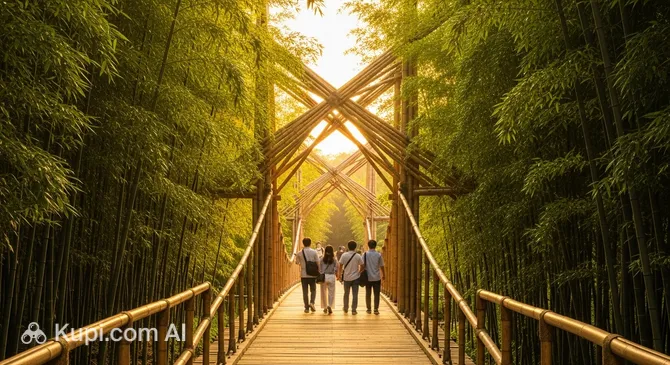
  • The ecological transformation of the Taehwa River is a source of immense local pride. Once heavily polluted, it has been restored into a pristine national garden featuring a massive bamboo forest, which visitors can admire while crossing the scenic Simni Bamboo Bridge.

  • While industry is Ulsan's backbone, the scale is often hard to comprehend; the city hosts the world's largest single automobile assembly plant and the world's largest shipyard. These facilities are so vast that they function like independent towns, complete with their own internal bus routes and traffic signals.

Simni Bamboo Bridge. Source: Kupi.Binoculars

How to Get There

Reaching Ulsan is convenient thanks to its proximity to several major transport hubs, catering to both domestic and international travelers. Whether you prefer to fly directly or connect through neighboring cities, there are multiple routes available. For a detailed guide on planning your arrival, you can read more about how to get to Ulsan.

For those prioritizing proximity, Ulsan Airport (IATA: USN) is the ideal choice. Located directly in Ulsan, it sits just 6.6 km from the city center. This regional airport offers quick access to the downtown area, with a taxi or bus ride taking approximately 30 minutes. While smaller than international hubs, it provides essential domestic connections for visitors.

International travelers often find Gimhae International Airport (IATA: PUS) to be a strategic entry point. Situated in the neighboring city of Busan, about 53.2 km from Ulsan, it handles a large volume of passenger traffic and offers a wide range of flight options. The journey from this airport to Ulsan by road typically takes around 1 hour and 40 minutes. Another option is Daegu International Airport (IATA: TAE) in Daegu, located roughly 72.3 km away, which is about a 2-hour and 10-minute drive.

For clarity, here is a summary of the main airports:

Airport Name City Passenger Traffic Km from City
Gimhae International AirportBusanLarge53.2
Daegu International AirportDaeguMedium72.3
Ulsan AirportUlsanRegional6.6
Tsushima AirportTsushimaSmall139.0
Sacheon AirportJinjuSmall124.8

Travelers exploring the wider region by train may also pass through major railway hubs in nearby cities. Dongdaegu Station (IATA: XDK), located in Daegu, is a significant transport center approximately 73.7 km from Ulsan. It serves a massive number of passengers annually and connects various parts of the country. If you arrive here, a transfer by road to Ulsan would take about 2 hours and 10 minutes.

Below is a list of major railway stations in the vicinity:

Station City Passenger Traffic Km to Center
Dongdaegu StationDaeguVery High73.7
Daejeon StationDaejeonHigh197.1
Gwangju Songjeong StationGwangjuMedium234.9
Jinju StationJinjuUnknown118.1
Yeosu Expo StationYeosuUnknown168.2

Main Attractions

Ulsan is a city where industrial might meets natural splendor, offering travelers a diverse range of sights from expansive green spaces to historical landmarks. The city's attractions provide a perfect balance for those looking to explore Korean culture, enjoy outdoor activities, or simply relax in beautiful surroundings.

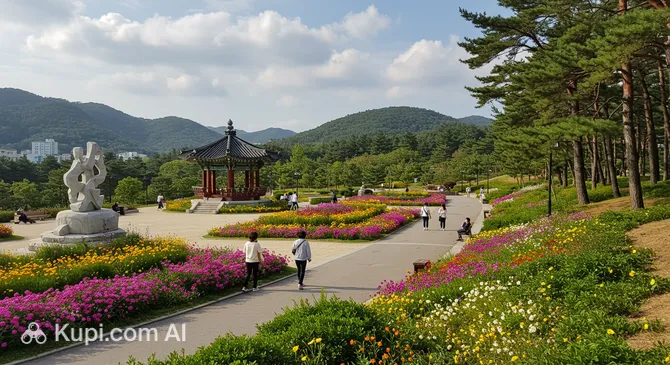
One of the city's most beloved recreational areas is Ulsan Grand Park. As the largest urban park in South Korea, it serves as a massive green lung for the metropolis. Visitors can explore a variety of themed gardens, a zoo, and walking paths that wind through lush landscapes. It is an excellent spot for families and nature lovers, offering a peaceful retreat with ample space for picnics and leisure activities throughout the year.

Ulsan Grand Park. Source: Kupi.Binoculars

For a truly magical evening experience, the Milky Way Trail is a must-see destination. Located within the Taehwagang National Garden, this section of the bamboo forest transforms at night into a sparkling wonderland. multicolored LED lights illuminate the bamboo stalks, creating the illusion of walking beneath a starlit galaxy. It is a popular spot for couples and photographers seeking a unique and romantic atmosphere.

Those interested in traditional architecture and scenic river views should visit the Taehwa Pavilion. Situated along the Taehwa River, this beautifully reconstructed structure offers a glimpse into the region's historical aesthetics. It serves as a serene vantage point where visitors can look out over the river and the surrounding bamboo groves, making it a perfect place for quiet contemplation and appreciating the harmony between nature and Korean heritage.

Another significant site is Hakseong Park, which holds deep historical value. The park is located on the site of a former fortress and offers commanding views of the city and the Ulsan harbor. While it is a popular place for locals to exercise and stroll, tourists will appreciate the historical markers and the panoramic vistas, especially during the spring when cherry blossoms add a layer of soft pink beauty to the rugged terrain.

Local Cuisine

The culinary scene in Ulsan is a delightful reflection of its geography, offering a perfect balance between the bounty of the sea and the richness of the land. Because of its location on the southeast coast, the city is a paradise for seafood lovers, yet it is perhaps most famous for a specific meat dish that draws foodies from all over the country. The local food culture is hearty and flavorful, emphasizing fresh ingredients and traditional cooking methods passed down through generations.

The undisputed star of Ulsan's gastronomy is Eonyang Bulgogi. Unlike the sliced marinated beef found elsewhere, this regional specialty consists of thinly sliced beef that is seasoned with soy sauce, garlic, and sesame oil, then shaped into a large patty and grilled over oak charcoal. The result is a smoky, tender, and slightly sweet masterpiece. Another local favorite is fresh raw fish, or Hoe, which can be enjoyed at the bustling fish markets near the ports. For a boost of energy, locals often recommend Jangeo-gui, or grilled eel, known for its rich taste and stamina-boosting properties.

When it comes to drinks, Ulsan offers a variety of traditional Korean options. The region surrounding the city is known for producing premium Makgeolli (rice wine). This milky, sparkling beverage pairs exceptionally well with the savory flavors of Korean pancakes or grilled meats. Of course, Soju remains a staple accompaniment to evening meals, particularly when enjoying a barbecue with friends or colleagues.

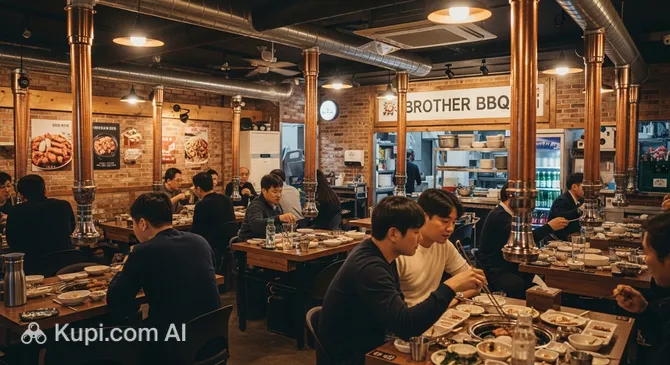
Brother BBQ. Source: Kupi.Binoculars

For tourists looking to experience the local dining atmosphere, the city offers everything from lively street markets to refined restaurants. The Samsan-dong district is a major hub for nightlife and dining, packed with trendy eateries. If you are craving a high-quality barbecue experience, places like Brother BBQ serve excellent cuts of meat in a welcoming setting. Alternatively, for those seeking a modern interpretation of grilled specialties, the Ulsan Samsan Steakhouse offers a sophisticated menu perfect for a special dinner.

Travel Tips

Welcome to Ulsan! While this bustling metropolitan city is incredibly modern and welcoming, navigating its unique mix of industrial zones and scenic coastlines can be a bit different from visiting Seoul or Busan. To help you explore with confidence and ease, here is a collection of practical advice to ensure your journey is as smooth as it is memorable.

  1. Clothing and Gear: Pack according to the distinct seasons; summers (June–August) are hot and humid, requiring breathable fabrics and rain gear, while winters (December–February) are cold and dry, making a warm down jacket essential. Since attractions like Daewangam Park and the Taehwagang National Garden involve plenty of walking on varying terrain, sturdy and comfortable walking shoes are a must. Don't forget a standard travel adapter for Type C or F outlets (220V), which are used throughout Korea.
  2. Transportation: Unlike Seoul, Ulsan does not have an internal subway system for city travel (though the Donghae Line connects it to Busan). The city relies heavily on an extensive bus network. It is highly recommended to purchase and top up a T-money card (transportation card) at any convenience store, as it works on buses and taxis nationwide. for convenience, download the Kakao T app to hail taxis, which are affordable and a great way to save time between spread-out attractions.
  3. Finances: The local currency is the South Korean Won (KRW). Credit and debit cards are widely accepted in restaurants, cafes, and shops. However, you should always carry some cash for street food stalls, traditional markets, or reloading your transport card. Tipping is not part of the culture in Ulsan; the price you see on the bill is the final price, and leaving a tip can sometimes even cause confusion.
  4. Health and Safety: Ulsan is a very safe city for travelers. Pharmacies are marked with a "약" (Yak) sign and are easy to find; however, carrying a basic personal first-aid kit is always wise. If you need medical help or police assistance, dial 112 (Police) or 119 (Ambulance/Fire). For general travel assistance or translation help, the 1330 Korea Travel Helpline is available 24/7 and supports English.
  5. Communication: While younger locals may speak some English, it is not as widely spoken as in the capital. A translation app like Papago is indispensable for reading menus and communicating. Crucially, Google Maps has limited functionality in South Korea (often lacking walking or driving directions). You must download Naver Map or KakaoMap for accurate navigation and bus schedules. reliable Wi-Fi is available in most cafes, but buying a SIM card or renting a portable Wi-Fi egg at the airport is recommended for constant connectivity.
  6. Local Etiquette: Politeness is key. When handing over cash, a card, or a gift, use two hands (or support your right arm with your left hand) as a sign of respect. Greeting with a slight bow is the norm. distinct from many Western cultures, it is customary to remove your shoes when entering a Korean home, certain traditional guesthouses, and even some restaurants with floor seating.
  7. What to Avoid: Be mindful on public transport. Priority seats (usually at the ends of subway cars or marked seats on buses) are strictly reserved for the elderly, pregnant women, and those with disabilities. It is considered rude to sit there if you do not fit these categories, even if the bus is empty. Also, avoid speaking loudly on your phone while on public transit.
  8. Additional Tip: Take advantage of the Ulsan City Tour Bus. Since major attractions like the Petroglyphs of Bangudae Terrace and Ganjeolgot Cape are far apart, these hop-on-hop-off or themed loop buses are a cost-effective and stress-free way to see the highlights without navigating the complex local bus system yourself.

Armed with these tips, you are ready to dive into everything Ulsan has to offer, from its sunrise viewpoints to its vibrant culinary scene. Enjoy the blend of warm local hospitality and efficiency that makes traveling in this part of Korea such a delight!

Entertainment & Nightlife

Ulsan offers a vibrant entertainment scene that perfectly complements its industrial and natural attractions. Beyond the factories and forests, the city pulses with energy, offering travelers a mix of modern shopping districts, scenic night spots, and lively cultural events. Whether you are looking to shop for the latest trends or enjoy a quiet evening overlooking the cityscape, there is plenty to discover.

The center of action is undoubtedly the Samsan-dong district. Known as the downtown hub, this area is packed with major department stores, cinema complexes, and an endless array of boutiques. As the sun sets, the streets light up with neon signs, inviting visitors to explore its thriving nightlife. From trendy cafes and karaoke rooms to energetic game centers, Samsan-dong is where the city's youth and travelers congregate to unwind.

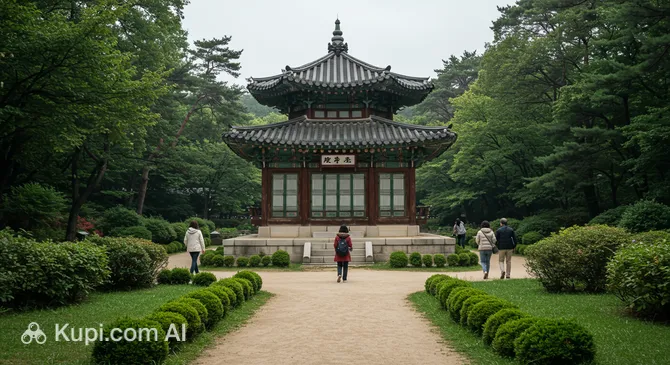
For those seeking a more serene evening, Ulsan is renowned for its spectacular night views. A top recommendation is the Hamwollu Pavilion. Perched on a hill, this traditional wooden structure provides a commanding view of the city center, the Taehwa River, and the glittering Ulsan Bridge in the distance. It is a peaceful retreat where you can watch the city transition from day to night, making it a favorite spot for photographers and couples.

Hamwollu Pavilion. Source: Kupi.Binoculars

If you prefer seaside entertainment, the area around Ilsan Beach offers a festive atmosphere. Here, you can enjoy busking performances and local festivals that often take place along the waterfront. The contrast between the relaxing ocean breeze and the lively street culture makes it a delightful place to spend an afternoon or evening, soaking in the local spirit of this dynamic port city.

Parks & Museums

While Ulsan is famous for its industrial achievements, the city also boasts an impressive array of green spaces and cultural institutions that offer a refreshing counterpoint to its urban energy. From seaside cliffs shrouded in legends to museums that preserve prehistoric treasures, the city provides diverse experiences for nature lovers and history enthusiasts alike.

One of the most scenic coastal destinations is Daewangam Park. Located on the east coast, this park is renowned for its lush forest of over 15,000 pine trees, creating a fragrant tunnel that leads visitors to a dramatic shoreline of rugged rock formations. The highlight is the Daewangam Rock itself, a dragon-shaped islet connected to the mainland by a bridge. According to legend, it is the underwater tomb of a Silla King who transformed into a dragon to protect the nation. A recent addition to the park is the Daewangam Suspension Bridge, which offers thrilling panoramic views of the ocean and the jagged cliffs below, making it a favorite spot for photographers.

For a deep dive into the region's unique heritage, the Jangsaengpo Whale Culture Zone is a must-visit. This area explores the city's historical relationship with whaling through several facilities. The Jangsaengpo Whale Museum displays artifacts and skeletons that chronicle the maritime history of the area. Just nearby, the Jangsaengpo Whale Culture Village offers a nostalgic journey back in time. This open-air attraction recreates the atmosphere of a 1970s whaling village, complete with an old school, a post office, and houses where visitors can even rent vintage school uniforms for memorable photos.

To understand the broader scope of the city's development, the Ulsan Museum serves as the premier educational venue. The museum chronicles the city's journey from prehistoric times to its modern status as an industrial capital. Admission is typically free, and the exhibits include fascinating artifacts from the Bronze Age as well as interactive displays on the city's maritime and industrial history. For those interested in contemporary culture, the Ulsan Art Museum focuses on digital and media art, reflecting the city's forward-looking spirit with experimental works and large-scale installations.

On the historical side, the Petroglyphs of Bangudae Terrace are a culturally significant site nestled in a scenic valley. These prehistoric rock carvings depict ancient whaling scenes and various animals, offering a rare glimpse into the lives of Neolithic people on the Korean Peninsula. While the site is currently on the UNESCO Tentative List, its historical value is immense, and the surrounding nature trails make for a peaceful excursion.

For a truly authentic local experience, take a short walk from Daewangam Park to Seuldo Island. This small, rocky island is famous not just for its picturesque lighthouse but for the "sound of the waves" crashing against its porous rocks, which is considered one of Ulsan's distinct auditory treasures. It is a quieter, more contemplative spot compared to the main beaches, perfect for sitting and listening to the rhythm of the ocean.

Getting Around

Navigating Ulsan differs slightly from other major Korean metropolises because the city does not currently operate an internal subway system. Instead, the public transport network relies heavily on a comprehensive and efficient bus system that connects the downtown area with industrial districts, coastal attractions, and residential neighborhoods. For inter-city travel to Busan, the Donghae Line commuter rail offers a convenient railway connection, functioning much like a metro service between the two cities.

The city bus network is the backbone of local travel and is divided into several categories, easily engaging by color. General City Buses (usually green or blue) serve most standard routes and stop frequently. Express or Direct Buses (often red) connect major hubs like Ulsan Station (KTX) and the city center with fewer stops, making them faster for long-distance travel across the sprawling city. There are also smaller Village Buses that navigate narrow streets in residential areas, feeding into the main lines.

To pay for rides, the most convenient method is using a rechargeable transportation card, such as T-money or Cashbee. These cards can be purchased and topped up at any convenience store (GS25, CU, 7-Eleven) for a small fee plus the load amount. Using a card is slightly cheaper than paying with cash and, crucially, allows for free transfers between different bus lines or between a bus and the Donghae Line within a 30-minute window. Remember to tap your card on the sensor both when boarding and when exiting to validate the transfer.

For tourists, the Ulsan City Tour Bus is a highly recommended special feature. Since many of Ulsan's top attractions, such as the Petroglyphs of Bangudae Terrace and Ganjeolgot Cape, are located far from the city center, this service simplifies logistics significantly. The bus operates on themed loop courses, allowing visitors to hop on and off at major landmarks without worrying about navigating complex local bus schedules. Tickets for the City Tour Bus can be purchased directly from the driver or booked online in advance.

The Donghae Line is particularly useful if you are planning to visit the Taehwagang National Garden area or traveling between Ulsan and Busan. The line terminates at Taehwagang Station in Ulsan and provides a fast, traffic-free coastal route. It operates similarly to a subway, and standard transport cards are accepted. Trains run regularly, making it an excellent option for day trips to the neighboring maritime capital.

Taxis are a widely available and comfortable alternative, especially given the city's large geographical spread. You can hail silver or white taxis on the street, but using the Kakao T app is advisable for foreigners to overcome language barriers and ensure the driver knows the exact destination. For shorter trips within parks or along the river, bike rentals are popular, with public services and app-based rentals like Kakao T Bike available in many recreational zones.

Buses generally operate from approximately 5:00 AM to 11:00 PM, though times can vary by route. Real-time arrival information is displayed on digital boards at most major bus stops. Since Google Maps has limited functionality for navigation in Korea, downloading local map apps like Naver Map or KakaoMap is essential for planning efficient routes and checking accurate bus schedules in English.

Accommodation

Finding the perfect place to stay in Ulsan is relatively straightforward, as the city caters to a diverse mix of business travelers and tourists. The accommodation landscape is dominated by modern business hotels and mid-range options, reflecting the city's status as an industrial hub. However, visitors can also find budget-friendly guesthouses, motels, and a few high-end luxury hotels located near the coast. Whether you prefer the convenience of the city center or the relaxing atmosphere of the seaside, Ulsan offers comfortable choices for every budget.

For most travelers, the most convenient area to stay is Samsan-dong in the Nam-gu district. This is the bustling downtown core where the intercity bus terminals and major department stores are located. Staying here places you right in the middle of the action, with easy access to hundreds of restaurants, cafes, and nightlife options. It is also a transportation hub, making it easy to catch a bus to any part of the city, including the major sightseeing spots.

If you prefer scenic ocean views over city lights, consider looking for accommodation in Dong-gu, particularly near Ilsan Beach. This area has a more resort-like feel and is close to Daewangam Park. It is an excellent choice for families or couples looking for a relaxing getaway, though it is a bit further from the central transport hubs. Alternatively, the area around the KTX Ulsan Station offers some modern hotels, but be aware that the station is located in Eonyang, quite far from the main city center, making it best suited for those with early train departures or those planning to hike in the Yeongnam Alps.

When planning your trip, it is generally recommended to book your accommodation in advance, especially if you are visiting during the summer peak season (July and August) or during major local festivals. While business hotels often have availability on weekends, popular coastal spots can fill up quickly.

Price-wise, Ulsan is generally more affordable than Seoul or Busan. You can expect to find clean and comfortable business hotels in the mid-range price bracket, while luxury options are available at a higher premium. Budget travelers can take advantage of the many "motels" (often stylish and clean budget hotels) found throughout the city. Booking is easily done through major international online platforms, which offer a wide range of listings and reliable confirmation.

Nearby Cities

For those looking to explore the surroundings, Ulsan serves as an excellent base for day trips to several interesting nearby locations:
City Population Distance (km)
Busan3,453,19847
Daegu2,461,00281
Changwon1,046,05469
Gimhae550,75853
Pohang520,30553

Located just south of Ulsan, Busan is the second-largest city in Korea and a favorite destination for both locals and international travelers. It is famous for its stunning beaches, such as Haeundae and Gwangalli, and the vibrant Jagalchi Fish Market, where you can taste the freshest seafood. Visitors also love exploring the colorful Gamcheon Culture Village, a hillside community filled with murals and artistic charm.

To the north lies Pohang, another coastal city that shares Ulsan's industrial heritage but offers unique attractions of its own. It is best known for Homigot Sunrise Square, home to the iconic "Hands of Harmony" sculpture rising from the sea. Recently, the city has gained popularity for the Space Walk, a walkable roller-coaster-like track that provides thrilling views of the coastline and the city below.

For history enthusiasts, Gimhae offers a deep dive into Korea's ancient past. As the historic capital of the Gaya Confederacy, the city is dotted with royal tombs and archaeological sites. The Gimhae National Museum and the Royal Tomb of King Suro are essential stops for anyone wishing to understand the rich heritage that shaped this region long before the modern era.

These nearby destinations offer a glimpse into the diverse culture and landscapes of the region.

Shopping & Souvenirs

Shopping in Ulsan offers a diverse experience that mirrors the city's character, blending high-end modern retail with the charm of traditional commerce. As a prosperous industrial hub, the city boasts excellent infrastructure for shoppers, ranging from luxury department stores and massive entertainment complexes to lively street markets. Whether you are looking for the latest Korean fashion trends, international brands, or unique local handicrafts, Ulsan provides ample opportunities to find exactly what you need.

The undisputed center of retail therapy in Ulsan is the Samsan-dong district. Located in the heart of the new downtown, this area is bustling with energy and neon lights. It serves as the primary destination for fashion lovers, hosting major department stores, flagship brand outlets, and countless cosmetic shops. Just across the river lies Seongnam-dong, known as the "Street of Youth." This area has a more historic feel but is vibrant with trendy boutiques, vintage shops, and an extensive pedestrian arcade that makes shopping comfortable regardless of the weather.

For those who prefer a one-stop shopping experience, Ulsan features several prominent shopping malls. The Lotte Department Store in Samsan-dong is not only a place to buy luxury goods but also a local landmark, famous for the large Ferris wheel on its rooftop that dominates the city skyline. Nearby, the Hyundai Department Store caters to upscale tastes with a wide selection of designer labels. For a mix of shopping and entertainment, Up Square is a massive complex in the same district, housing popular global fashion chains, a cinema, and various dining options under one roof.

To experience the local lifestyle, a visit to a traditional market is essential. Sinjeong Market is one of the largest and most active in the city, offering everything from fresh produce and seafood to household goods and clothing. It is a fantastic place to observe the daily lives of residents. Another notable spot is the Jungang Traditional Market in the old downtown area, famous for its "night market" atmosphere where you can sample delicious street food while browsing for affordable accessories and socks.

When it comes to souvenirs, Ulsan has several unique specialties. Due to its history as a whaling center, Whale Bread (Gorae-ppang)—cute, whale-shaped pastries filled with red bean or custard—is a popular and tasty gift to bring back. For something more lasting, consider Onggi (traditional earthenware) from the nearby Oegosan village, which is renowned for its breathing pottery. Additionally, the Eonyang region within Ulsan is historically famous for amethyst, so you can often find beautiful jewelry made from this purple gemstone in local specialty shops.

Most major department stores and shopping malls operate daily from roughly 10:30 AM to 8:00 PM, with extended hours on weekends. Traditional markets generally open early in the morning and close by the evening, though some night market sections stay open later. Payment is very convenient for tourists; credit and debit cards are widely accepted almost everywhere, including most taxis and convenience stores. However, carrying some cash is recommended for small purchases at street stalls or traditional markets.

International visitors can take advantage of the Tax-Free system available at major department stores and certified retail outlets. Look for the "Tax Free" or "Tax Refund" signage at the entrance or counter. If your purchase exceeds a certain amount (usually 30,000 KRW), you can receive a VAT refund voucher to present at the airport or, in some cases, get an immediate tax deduction at the register upon presenting your passport.
Reached the end of the page?

That means the route is fully explored