Support

Iki

About

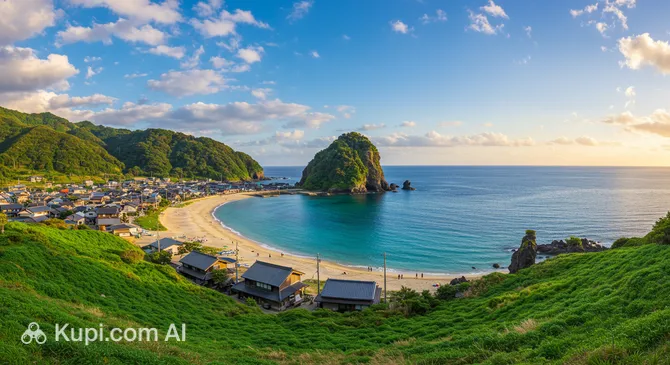
Welcome to Iki, a serene island destination that offers a perfect blend of natural beauty and cultural depth. Located in the Tsushima Strait off the northern coast of Kyushu, this hidden gem in Japan is administratively part of Nagasaki Prefecture. With a population of approximately 24,000 residents, the island maintains a close-knit community atmosphere while welcoming travelers seeking tranquility away from the bustling mainland metropolises.

Iki. Source: Kupi.Binoculars

The island holds a significant place in the region's past, having served as a vital bridge for cultural exchange between the mainland and the Korean Peninsula for centuries. Visitors interested in the history of Iki will find fascinating archaeological sites, ancient burial mounds, and over a thousand shrines that whisper tales of its strategic importance and deep spiritual heritage.

Today, Iki is celebrated for its stunning coastal landscapes and emerald waters, part of the Iki-Tsushima Quasi-National Park. One of the most iconic sights is Saruiwa, or Monkey Rock, a natural basalt formation that bears a striking resemblance to a monkey looking out to sea. The island is also a paradise for gourmets, famous for its succulent Iki beef and the production of distinct barley shochu, a traditional spirit that has been brewed here since the 16th century.

Whether you are exploring the pristine beaches of uninhabited islets like Tatsunoshima or indulging in fresh seafood at a local inn, Iki promises an unforgettable escape. It is an ideal destination for those looking to experience the authentic, slower pace of Japanese island life surrounded by breathtaking scenery.

Weather Overview

The climate in Iki is generally mild and temperate, characterized by distinct seasons that make the island accessible year-round. Winters are cool but rarely freezing, with average temperatures in January and February hovering around 8°C to 9°C. Conversely, the summer months bring warmth, with August being the hottest month, averaging around 27.7°C and reaching highs of nearly 29°C.

Rainfall is a consistent factor to consider when packing, as precipitation occurs throughout the year. July tends to be the wettest month in terms of frequency, recording approximately 15 wet days, while spring and autumn months like April and October are relatively drier with about 9 wet days each. For a more detailed forecast and seasonal breakdown, you can consult the guide on the weather in Iki.

Overall, visitors can expect warm summers with occasional rain and cool winters that see frequent but generally light precipitation. The transition months of May and October offer particularly comfortable conditions, with average temperatures ranging between 18°C and 20°C, creating an ideal environment for outdoor exploration.

Interesting Facts

Beyond its scenic coastlines, Iki holds many fascinating secrets that enrich its identity as a cultural crossroads. These lesser-known details offer a deeper glimpse into the island's unique heritage and legends.

  • Birthplace of Barley Shochu: Iki is officially recognized as the origin of barley shochu (Mugi Shochu). The World Trade Organization has granted "Iki Shochu" Geographical Indication status, placing it in the same protected category as Champagne or Scotch whisky, honoring a distilling tradition that dates back to the 16th century.

  • Island of the Gods: With over 1,000 shrines scattered across the island, Iki boasts one of the highest densities of Shinto sanctuaries in Japan. In ancient times, it was recorded as having more registered major shrines than almost any other region, earning it a lasting reputation as a deeply spiritual "power spot."

  • A Demon's Footprint: Local folklore explains a massive, footprint-shaped hollow at Makizaki Park as the work of a legendary demon named Dei. According to the myth, the giant planted his feet on the rocks to brace himself while scooping up a whale from the ocean, leaving behind the geological formation known as Oni no Ashiato.

  • Ancient Royal Capital: The Harunotsuji Ruins are not just ordinary archaeological finds; they are designated as a Special National Historic Site. This location was identified as the royal capital of the ancient kingdom of "Ikikoku," mentioned in 3rd-century Chinese chronicles as a thriving trade hub connecting the archipelago with the Asian mainland.

How to Get There

Reaching the island of Iki involves a combination of travel methods, typically requiring a connection through the mainland followed by a sea crossing. Since there are no direct land bridges, visitors usually arrive by air to a nearby city or by train, transferring to a ferry for the final leg of the journey. For a detailed breakdown of schedules and transport modes, you can consult the guide on how to get to Iki.

The most convenient gateway for international and domestic travelers is Fukuoka Airport (IATA: FUK). Located approximately 72.7 km from Iki, it is a major hub with high passenger traffic, offering easy access to the port in Fukuoka where high-speed jetfoils and ferries depart for the island. Another accessible option is Nagasaki Airport (IATA: NGS), situated about 94.7 km away. Travelers can also utilize Saga Airport (IATA: HSG), which serves as a strategic point for those planning to take the ferry from the Karatsu area in Saga Prefecture.

Below is a summary of the airports located closest to Iki:

Airport Name City Passenger Traffic Km from Iki
Fukuoka AirportFukuokaHigh72.7
Nagasaki AirportNagasakiMedium94.7
Saga AirportSagaSmall87.5
Tsushima AirportTsushimaSmall68.1
Kitakyushu AirportKitakyushuMedium124.8

Regarding rail travel, it is important to note that there are no railway stations on the island of Iki itself. Train services are available only as far as the ferry terminals on the mainland. The primary routes for travelers involve taking a train to Fukuoka or Saga and then transferring to a ship. Ferries and jetfoils operate regularly from Hakata Port in Fukuoka and Karatsu East Port in Saga, providing the main link between the railway network and Iki.

Main Attractions

Exploring Iki offers a journey through mystical shrines, pristine natural landscapes, and unique coastal adventures. While the island is famous for its iconic Monkey Rock (Saruiwa), there are several other captivating sites that showcase the diversity of this hidden gem in the Tsushima Strait.

One of the most magical spots on the island is Kojima Shrine. Often referred to as the "Mont Saint-Michel of Iki," this small Shinto sanctuary sits on a tiny islet in Uchiumi Bay. What makes it truly special is that it can only be accessed during low tide, when a receding sea reveals a natural path leading to the torii gate. Visitors flock here not only for the photogenic scenery but also for its reputation as a "power spot" for romance and matchmaking, offering a serene and spiritual experience dictated by the rhythm of the tides.

For nature lovers, a visit to Tatsunoshima is an absolute must. Located just off the northern tip of Iki, this uninhabited island is renowned for its transparency and the stunning "Iki Blue" waters that surround it. A sightseeing boat tour takes you around the island to witness dramatic geological formations, such as the towering cliffs of Snake Valley (Ja-ga-tani) and mysterious sea caves. In the summer, the white sandy beach becomes a paradise for swimming and snorkeling, offering a tropical atmosphere that feels worlds away from everyday life.

Families and animal enthusiasts will delight in the Iki Dolphin Park & Resort. Situated in a natural cove on the northern coast, this facility allows dolphins to live in an environment that closely resembles the open ocean. Unlike traditional aquariums, the park focuses on interaction and coexistence, offering programs where visitors can touch, feed, and even swim with the dolphins. The resort area also features stylish cafes and glamping facilities, making it a modern and relaxing destination to enjoy the island's seaside charm.

Deepening the island's spiritual connection is the Tsukiyomi Shrine, hidden within a lush forest. Steeped in mythology, it is considered the root of all Tsukiyomi shrines across Japan and is dedicated to the god of the moon and night. The shrine exudes a solemn and ancient atmosphere, with moss-covered stone steps leading to the main hall. It is a quiet, contemplative site that connects visitors to the deep roots of Shinto history and the island's identity as a place where gods are said to dwell.

Local Cuisine

The culinary landscape of Iki is a dream for food lovers, earning the island the reputation of being a self-sufficient "treasure trove of ingredients." Thanks to its fertile land and mineral-rich sea breezes, the local cuisine is defined by high-quality produce that rivals the most famous gastronomic regions in Japan. Whether it is premium wagyu or freshly caught seafood, the food here is characterized by its freshness and deep, natural flavors.

At the top of the list for any visitor is the renowned Iki Beef. This rare brand of wagyu is raised on the island's lush pastures, where the cattle graze on grass exposed to the salty sea air. While Iki calves are often shipped to become famous brands like Kobe or Matsusaka beef, the cattle raised locally produce meat that is exceptionally tender with a perfect balance of marbling and lean red meat. It is best enjoyed as a steak or in sukiyaki, allowing the rich umami to shine without heavy seasoning.

Seafood is the other pillar of the island's diet, with sea urchin (Uni) being a particular highlight. Iki is famous for its "Ama" (female divers) who hand-harvest these delicacies from the rocky ocean floor. The local red sea urchin is prized for its sweet, creamy texture and is often served generously over a bowl of rice as Uni-don. Additionally, the waters yield splendid catches of squid, yellowtail, and abalone, which are typically served as sashimi or grilled simply with salt to highlight their oceanic freshness.

To accompany these rich dishes, the local drink of choice is undoubtedly Iki Shochu. As the birthplace of barley shochu, the island takes great pride in this traditional spirit. Unlike potato-based varieties, Iki's version uses a blend of barley and rice koji, resulting in a savory and aromatic profile that pairs effortlessly with seafood. You will find it on the menu of almost every establishment, often enjoyed mixed with warm water or on the rocks.

The food culture in Iki is laid-back and authentic. While there are few high-end fine dining establishments in the Western sense, the best meals are often found in traditional ryokans (Japanese inns) and family-run izakayas near the ports of Gonoura and Ashibe. Here, the atmosphere is convivial, and chefs rely on the catch of the day to dictate the menu. For a casual snack, look for Iki Tofu, a firmer, heavier type of tofu made with seawater that has a distinct, rustic flavor unique to the island.

Travel Tips

Visiting Iki is a journey into a slower, more spiritual side of Japan, but its island nature requires a bit of specific preparation. These practical tips will help you navigate local customs and logistics to ensure your island getaway is as relaxing as the scenery.

  1. Clothing and Gear: Comfortable walking shoes are a must for exploring rocky coasts and shrine steps; slip-on styles are convenient as you will frequently remove them when entering traditional buildings. Pack a windbreaker regardless of the season, as coastal breezes can be strong, and dress modestly when visiting spiritual sites like Kojima Shrine.
  2. Transportation: Public transport is limited to infrequent buses, so renting a car is the most practical way to explore the scattered attractions efficiently. Alternatively, renting an electric scooter or bicycle is a fantastic way to feel the island breeze, provided you are comfortable with the occasionally hilly terrain.
  3. Finances: While major hotels may accept credit cards, many local izakayas and small shops operate on a cash-only basis. Ensure you withdraw sufficient Japanese Yen (JPY) at post office or convenience store ATMs in the main towns, as international card acceptance can be spotty in rural areas; tipping is not practiced here.
  4. Health and Safety: Iki is incredibly safe, but medical facilities and pharmacies are generally not open 24/7, so bring a basic travel health kit with you. In summer, protect yourself from the strong sun and stay hydrated, and be mindful of slippery rocks when exploring coastal formations like Monkey Rock.
  5. Communication: English is not widely spoken outside of major tourist information centers, so having a translation app on your phone is highly recommended for smoother interactions. Free Wi-Fi is available at ferry terminals and some accommodations, but renting a Pocket Wi-Fi or buying a SIM card at Fukuoka Airport before departure ensures you stay connected island-wide.
  6. Local Etiquette: The standard Japanese custom of removing shoes at the entrance applies to traditional inns (ryokans) and many restaurants. When visiting shrines, respect the tranquil atmosphere by speaking softly, and remember to bow slightly when entering and leaving the sacred grounds.
  7. What to Avoid: Do not walk around eating or drinking in public, as it is generally considered impolite in Japanese culture. Additionally, avoid entering private farmlands or restricted areas around shrines; even if a gate looks open, it is respectful to stay on designated paths.
  8. Booking Essentials: Since Iki is a popular getaway for residents of Fukuoka and Kyushu, ferry and jetfoil tickets can sell out quickly during Japanese holidays like Golden Week or Obon. It is smart to book your sea transport and rental vehicle well in advance to avoid being stranded or limited in your mobility.

With these tips in hand, you are ready to embrace the charm and history of Iki with confidence. Enjoy the warm hospitality of the locals and the breathtaking nature of this unique island sanctuary!

Entertainment & Nightlife

Entertainment in Iki is defined by its warm, local character rather than the neon-lit intensity of a big city. The nightlife here revolves around connection and cuisine, centered primarily in the Gonoura district. As the sun sets, the narrow streets near Gonoura Port come alive with the red lanterns of izakayas (Japanese pubs) and the faint sounds of karaoke drifting from "Snack" bars. This is not a place for thumping nightclubs, but rather for intimate evenings spent sharing stories with locals over fresh sashimi and island-made spirits.

The heart of the island's evening scene is undoubtedly Gonoura. Here, you will find a cluster of dining and drinking establishments where the atmosphere is relaxed and welcoming. A unique feature of Iki's nightlife is the prevalence of Snack bars. These cozy venues typically charge a cover fee (often including unlimited singing and a small appetizer) and are the social hubs where residents unwind. For visitors, stepping into a Snack bar is a chance to experience authentic Japanese island life, where the "Mama-san" (hostess) ensures everyone feels like family, and barriers are broken down through song.

For those seeking a more modern drinking experience, the Ashibe district offers a standout venue. Island Brewery is a must-visit destination for craft beer enthusiasts. Housed in a beautifully renovated sake brewery with over 130 years of history, it serves unique beers brewed with local ingredients like yuzu and white koji. It is a stylish spot to enjoy a flight of taps in a historic setting. Another essential stop for a night out is Ajidokoro Umeshima. While primarily a restaurant famous for its exquisite Iki Beef, it is also a lively place to enjoy dinner and drinks, offering a wide selection of local shochu to pair with high-quality wagyu.

When planning a night out, keep in mind that the pace here is leisurely. Most izakayas open around 18:00 and close by midnight, though Snack bars may stay open later. The dress code is almost exclusively casual; comfort is key. Prices are generally reasonable, with an average evening of food and drinks costing between 3,000 and 5,000 JPY per person. However, be aware that many smaller venues operate on a cash-only basis, so it is wise to visit an ATM beforehand.

Safety is rarely a concern in Iki, making night walks in the main towns pleasant and secure. However, public transport does not operate late at night. If you are staying outside the central districts or plan to drink, you will need to rely on taxis or daiko (designated driver services). Taxis can be scarce on the street, so it is highly recommended to ask your hotel or the restaurant staff to call one for you in advance.

While the nights are for socializing, daytime entertainment in Iki focuses on nature and culture. Families can visit the Iki Dolphin Park & Resort to interact with dolphins in a natural cove, or explore the island's history at the Ikikoku Museum. For pure relaxation, the Yunomoto Hot Spring village offers reddish, mineral-rich waters that are perfect for soaking away fatigue before heading out for an evening of local food and song.

Parks & Museums

The cultural and natural landscape of Iki is seamlessly integrated, offering visitors a chance to explore history while surrounded by breathtaking scenery. The island is not just a collection of beaches but a living museum where ancient ruins sit amidst lush greenery, and modern facilities celebrate the region's pivotal role in the history of Japan.

For a deep dive into the island's heritage, the Ikikoku Museum is the premier destination. Designed by the renowned architect Kisho Kurokawa, the building itself is a masterpiece, featuring a sweeping green roof that mimics the surrounding rolling hills. Inside, the exhibits are dynamic and interactive, focusing on Iki's history as a maritime trade hub between the Asian mainland and the Japanese archipelago. The museum houses precious artifacts excavated from local sites, including bronze mirrors and pottery, bringing the ancient kingdom of "Ikikoku" to life.

Directly overlooked by the museum lies the Harunotsuji Ruins, a sprawling archaeological park that is designated as a Special National Historic Site. This open-air museum recreates the royal capital from the Yayoi period (roughly 300 BC to 300 AD). Visitors can walk among reconstructed thatched-roof dwellings, storehouses, and watchtowers, gaining a tangible sense of how ancient islanders lived. It is a peaceful place for a stroll, offering an educational experience that feels like stepping back in time.

Nature lovers should head to Makizaki Park on the southwestern tip of the island. This scenic cape is characterized by expansive grassy plains that contrast beautifully with the deep blue of the ocean. It is famous for the Oni no Ashiato (Demon's Footprint), a massive hollow in the rock shelf created by natural erosion, though local legend attributes it to a giant demon. The park offers walking trails with panoramic views of the coastline and is a popular spot for photography, especially during sunset.

Another significant site is the Kakegi Kofun, one of the many ancient burial mounds scattered across the island. Unlike many kofun in Japan which are sealed, visitors here can actually enter the stone chamber of this 6th-century tomb. It provides a rare and somewhat eerie opportunity to see the massive basalt stones stacked with precision by ancient engineers, reflecting the power held by local chieftains in antiquity.

For a panoramic perspective of the entire island, a visit to Takenotsuji is highly recommended. As the highest point on Iki, this peak functions as a natural park and observation deck. On clear days, the views stretch endlessly, allowing you to see the jagged coastlines and, occasionally, the silhouette of the Japanese mainland or Tsushima Island in the distance. It is a quiet, lesser-known spot perfect for a picnic and enjoying the island breeze.

Getting Around

Public transport in Iki is relatively limited compared to large metropolitan areas, reflecting its nature as a relaxed island destination. There are no trains or subways on the island. The primary mode of public transportation for locals and visitors alike is the bus network operated by Iki Kotsu. These buses connect the main ferry ports (Gonoura, Ashibe, and Indoji), the airport, and major tourist attractions, serving as the lifeline of the island's transit system.

For tourists relying on the bus, the Iki One Day Pass (often called the "Iki Free Pass") is a highly recommended option. This pass allows unlimited rides on almost all local bus lines for a single day and offers significant savings compared to paying individual fares. Passes can be purchased at the tourist information centers located at the ferry terminals or directly at the Iki Kotsu bus offices. If you choose to pay per ride, the system uses a distance-based fare. You must board through the rear door, take a numbered ticket (seiriken) from the machine, and pay the corresponding amount displayed on the electronic board at the front when you exit.

While the bus system is reliable, it operates on a schedule designed more for local school and work commutes than for sightseeing flexibility. Frequencies can be low, with some routes running only once every hour or two, and services tend to end early in the evening, often around 18:00 or 19:00. Therefore, it is crucial to check the timetable in advance—available at ferry terminals or online—and plan your day carefully to avoid being stranded far from your accommodation.

Given the infrequent bus service, renting a car is widely considered the most practical way to explore Iki. Having a vehicle provides the freedom to visit scattered historical sites and remote beaches at your own pace without being tethered to a timetable. Several rental agencies operate near the ports and the airport. Alternatively, for shorter distances or a more leisurely pace, electric assist bicycles (e-bikes) are a popular choice. The island has undulating terrain, so the electric assist is very helpful. Rental cycles are available at tourist information centers at the major ports.

Taxis are another alternative, though they can be expensive for long-distance travel. They are best used for short hops between a port and a nearby hotel or restaurant, especially in the evening when buses are no longer running. Sightseeing taxis are also available for hire by the hour, offering a customizable tour with a local driver who knows the island's hidden gems, which can be a stress-free option for those who prefer not to drive.

Accommodation

Accommodation in Iki caters to a wide variety of travel styles, ranging from rustic, family-run guesthouses to modern hotels and luxurious retreats. The island is particularly famous for its minshuku (traditional inns) and ryokans. These establishments are often the highlight of a trip, as they typically offer "half-board" stays where elaborate dinners featuring fresh local seafood—such as sea urchin and yellowtail—are included in the room rate. For those who prefer Western-style comforts, there are several standard hotels, primarily located near the main ports.

When choosing where to stay, the Gonoura area is the most convenient hub for many tourists. It is home to the island's busiest ferry terminal and offers easy access to a concentration of restaurants, izakayas, and shops. Staying here allows for greater flexibility if you plan to dine out in the evenings. Alternatively, the Yunomoto district is the perfect choice for relaxation seekers. Known as the island's hot spring village, this area features historic inns with mineral-rich baths, offering a serene atmosphere that feels worlds away from the bustle of daily life. Visitors interested in nature or quieter surroundings might consider the areas around Ashibe or Katsumoto, which are closer to scenic spots like the Dolphin Park and Tatsunoshima.

Travelers looking for well-known establishments often consider the Iki Marina Hotel, which is situated right by the water in Gonoura and offers convenient access to the port. Another popular option is the Hotel Stellacote Taiankaku, known for its spacious public baths and proximity to the city center. For a more upscale experience, the island also boasts luxury options like Iki Retreat by Onko Chishin, which combines modern design with traditional onsen culture, though availability can be limited due to high demand.

A crucial tip for booking accommodation in Iki is to reserve your meals in advance. Many of the smaller inns and minshuku take great pride in their culinary offerings, and the "stay with two meals" plan is the standard way to experience island hospitality. Additionally, restaurants in rural parts of the island may close early or require reservations, so having dinner provided by your accommodation ensures a stress-free and delicious evening.

In terms of pricing, options generally range from budget-friendly minshuku (often starting around 8,000 to 10,000 JPY per person including meals) to mid-range hotels and luxury resorts that can cost significantly more. While major hotels can be booked easily through international online platforms, some smaller traditional inns may only accept direct bookings or reservations through Japanese travel sites. It is highly advisable to book well in advance, especially during peak Japanese travel seasons like Golden Week (early May) and Obon (mid-August), when ferries and rooms fill up quickly.

Nearby Cities

For those looking to explore the surroundings, Iki serves as an excellent base for day trips to several interesting nearby locations:

Fukuoka is the largest and most vibrant city in Kyushu, easily accessible from Iki by high-speed jetfoil in just over an hour. It offers a dynamic contrast to the island's tranquility, featuring modern shopping hubs like Canal City Hakata and historical treasures such as Kushida Shrine. Visitors can immerse themselves in the city's famous food culture, particularly at the open-air yatai stalls that serve delicious Hakata ramen and other local specialties.

Karatsu, located in Saga Prefecture, is another convenient destination connected by direct ferry service. This coastal city is renowned for its rich cultural heritage, including the majestic Karatsu Castle, which offers sweeping views of the bay and the pine forests of Niji-no-Matsubara. Art and history enthusiasts will appreciate the city's tradition of Karatsu-yaki pottery and the Hikiyama Exhibition Hall, which displays the magnificent floats used in the annual Karatsu Kunchi festival.

City Population Distance (km)
Fukuoka228600068
Sasebo24266463
Saga23235978
Karatsu11605242
Kasuga11114476

These nearby destinations offer a glimpse into the diverse culture and landscapes of the region, ranging from bustling urban centers to historic castle towns.

Shopping & Souvenirs

Shopping in Iki differs significantly from the experience in large Japanese metropolises. Instead of sprawling department stores and luxury fashion boutiques, the island offers a more intimate and authentic selection focused on local craftsmanship and culinary bounty. Visitors will find that shopping here is an extension of sightseeing, providing an opportunity to discover the island's rich heritage through its unique products, from centuries-old spirits to fresh seafood delicacies.

The main commercial activity is concentrated in the Gonoura district, which serves as the island's administrative and economic center. The streets near Gonoura Port are lined with small, family-owned shops selling daily necessities, clothing, and regional gifts. Walking through this area offers a glimpse into the daily life of the islanders. Another key area is Ashibe, which acts as a secondary hub and is home to larger retail facilities and souvenir centers located conveniently near the ferry terminal.

For those looking for a more comprehensive shopping experience or needing travel supplies, the Aeon Iki Store in the Ashibe district is the largest retail complex on the island. While it is essentially a large supermarket rather than a fashion mall, it is the go-to place for groceries, clothing, and household goods. It also features a dedicated section for Iki souvenirs, making it a convenient one-stop shop for travelers who want to purchase local snacks and drinks before departing.

To experience the traditional market culture of Iki, a visit to the Katsumoto Morning Market is highly recommended. Located in the northern port town of Katsumoto, this lively market has been a fixture of local life for decades. From the early hours until late morning, local grandmothers and fishermen sell freshly caught seafood, dried fish, vegetables, and flowers directly from stalls along the street. It is a fantastic place to interact with residents and buy processed seafood products that make for excellent savory souvenirs.

When it comes to souvenirs, Iki Shochu is the undisputed king. As the birthplace of barley shochu, the island is home to seven distilleries, and bottles of this savory spirit are sold in almost every liquor store and souvenir shop. For those with a sweet tooth, Kasumaki is the local confection of choice. It consists of sweet bean paste wrapped in a coarse sponge cake, originally created to celebrate the return of local lords from Edo. Additionally, products made from sea urchin (uni) and locally cultured pearls are popular high-quality gifts to take home.

Opening hours in Iki are generally shorter than on the mainland. Most independent shops open around 09:00 or 10:00 and close by 18:00 or 19:00. The Aeon supermarket stays open later, usually until 21:00 or 22:00. Regarding payment, cash is still the primary method of transaction, especially at the morning markets and smaller souvenir stands. While the Aeon store, ferry terminals, and larger hotels accept credit cards, it is essential to carry sufficient Japanese Yen for smaller purchases.

Tax-free shopping is limited on the island compared to major tourist hubs like Tokyo or Osaka. However, some designated souvenir shops at the ferry terminals or the airport, as well as the main Aeon store, may offer tax exemption services for foreign tourists upon presentation of a passport. Look for the "Japan. Tax-Free Shop" symbol at the entrance or ask the staff before making a purchase.
Reached the end of the page?

That means the route is fully explored