Support

Miyazaki

About

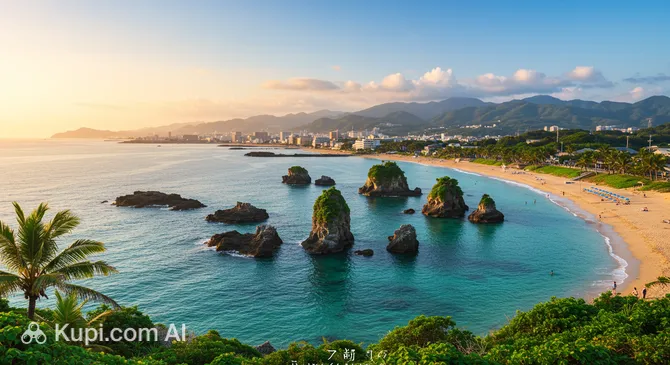
Miyazaki is a vibrant city located on the southeastern coast of the island of Kyushu in Japan. Known for its pleasant subtropical climate and palm-lined streets, it offers a distinct resort-like atmosphere that sets it apart from many other Japanese metropolises. The city serves as a gateway to the scenic Nichinan Coast and is celebrated for its abundant sunshine, making it a favorite destination for outdoor enthusiasts and sun-seekers alike.

Miyazaki. Source: Kupi.Binoculars

With a population of approximately 397,000 residents, it acts as the capital of Miyazaki Prefecture and a hub of local culture. The region is deeply rooted in ancient legends and is often cited as the mythological birthplace of the nation's imperial line. Visitors can explore the fascinating history of Miyazaki to understand its pivotal role in Japanese folklore, particularly its connection to the first legendary emperor, Jimmu.

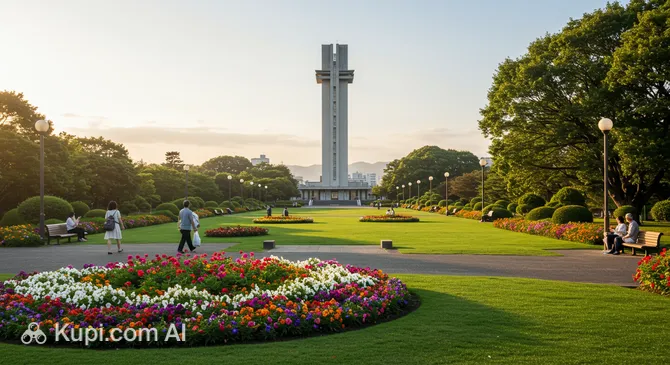
Travelers are drawn to the city's stunning natural landscapes and unique cultural sites. Aoshima Island is a standout attraction, famous for the peculiar rock formations surrounding it known as the "Devil's Washboard." Another highlight is the serene Miyazaki Shrine, a structure built from pure cedar that sits peacefully within a lush forest. For those seeking panoramic views, Heiwadai Park offers expansive vistas of the city and features the iconic Peace Tower.

Whether you are looking to catch some waves at world-class surfing spots or immerse yourself in the spiritual heritage of the region, Miyazaki promises an unforgettable experience. It is an ideal destination for tourists seeking a perfect blend of relaxation, nature, and cultural discovery.

Weather Overview

Miyazaki typically enjoys a temperate climate, though visitors should be prepared for distinct seasonal variations throughout the year. The city experiences its warmest weather in August, with average temperatures reaching around 26.9°C, while January is generally the coldest month, seeing averages drop to 7.3°C. For a more comprehensive breakdown of what to expect during your trip, you can check the detailed weather in Miyazaki page.

The summer months, particularly from June to September, are characterized by higher temperatures and frequent rainfall, with data showing up to 20 wet days per month during this period. In contrast, the winter season is significantly drier; December and January often record as few as 6 to 8 wet days. Travelers should generally expect warm, humid summers with regular rain and cooler, drier winters when planning their itinerary.

Interesting Facts

Beyond the main attractions, Miyazaki holds many fascinating secrets and unique cultural distinctions that often go unnoticed. From its culinary prestige to its curious historical roles, there is much more to this sunny city than meets the eye.

Heiwadai Park. Source: Kupi.Binoculars
  • Often referred to as the "Hawaii of Japan," the city was the nation's premier honeymoon destination in the 1960s and 1970s. During this boom, it attracted roughly 30% of all Japanese newlyweds, who flocked to the coast to enjoy the tropical atmosphere and iconic phoenix palm trees before international travel became widely accessible.

  • The region is celebrated for its luxury fruit, particularly the "Taiyo no Tamago" (Egg of the Sun) mangoes. These fruits are strictly graded on sugar content and weight, and top-tier specimens frequently fetch thousands of dollars at auction, making them a legendary status symbol in the culinary world.

  • Space enthusiasts will find a hidden gem at the Miyazaki Science Center, which features one of the world's largest planetariums. Its massive dome, measuring 27 meters in diameter, was once recognized by Guinness World Records as the largest of its kind, offering an incredibly immersive view of the starry sky.

  • While the Peace Tower is the most visible landmark at Heiwadai Park, the grounds also contain a unique Haniwa Garden. This wooded area is populated by over 400 replica clay figures known as haniwa, which mimic ancient burial offerings and create a mysterious, photogenic atmosphere amidst the trees.

How to Get There

Reaching this coastal destination is convenient due to its accessibility by air. The most direct entry point is Miyazaki Airport (IATA: KMI), located just 4.3 km from the city center. Known for its efficiency, this airport handles a significant volume of passengers, and the short commute to downtown takes approximately 26 minutes by taxi or bus. For those looking for more about how to get to Miyazaki, another viable option is Kagoshima Airport (IATA: KOJ) in the city of Kagoshima. Although it is situated about 67.3 km away, it serves as a major regional hub. Travelers landing here should expect a transfer time of around 2 hours to reach Miyazaki.

For clarity, here is a summary of the main airports in the region:

Airport Name City Passenger Traffic Km from City
Miyazaki Airport Miyazaki 3,300,000 4.3
Kagoshima Airport Kagoshima 5,500,000 67.3
Kumamoto Airport Kumamoto 2,912,028 116.0
Amakusa Amakusa 73,065 134.9
Tanegashima Tanegashima 171,673 150.1

For those preferring ground transport, the city is well-served by the railway network. Miyazaki Station acts as the central rail hub, providing connections to other parts of Kyushu via lines such as the Nippo Main Line. While there are no Shinkansen (bullet train) stops directly in the city, travelers can connect from major hubs like Kagoshima or Fukuoka to reach this scenic coastal area by limited express trains.

Main Attractions

Miyazaki is a city where ancient mythology and natural beauty seamlessly converge. While the city is famous for its resort atmosphere, its landmarks offer a deep dive into Japanese history and local culture. Visitors can explore sacred sites nestled in forests, sprawling seaside parks, and educational museums that showcase the region's rich heritage.

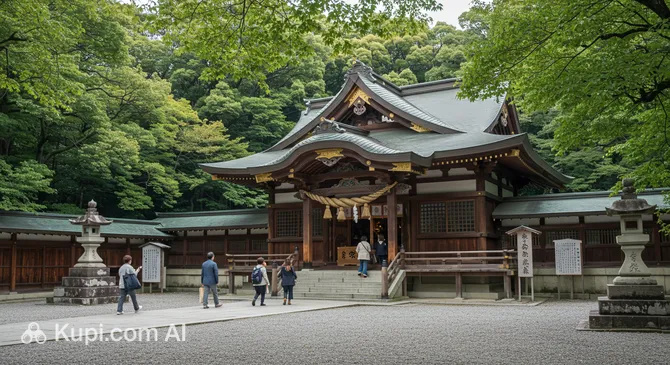
One of the most significant spiritual sites in the region is the Miyazaki Shrine. Dedicated to Emperor Jimmu, the legendary first emperor of Japan, this shrine is distinguished by its architecture; unlike the vermilion-painted structures typical of many Japanese shrines, it is constructed from unpainted cedar, giving it a raw, ancient aesthetic. Located within a tranquil forest in the city center, it provides a peaceful retreat where tourists can admire the craftsmanship and soak in the solemn atmosphere.

Miyazaki Shrine. Source: Kupi.Binoculars

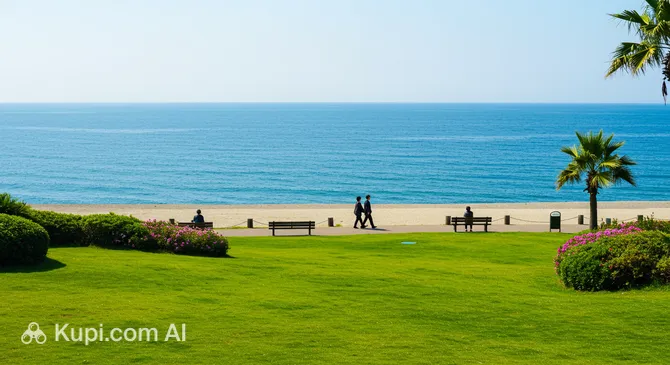
For those who enjoy coastal scenery and outdoor activities, Miyazaki Seaside Park is a must-visit destination. Situated along the Hitotsuba Coast, this expansive recreational area features lush green spaces, walking paths, and a man-made beach. It is an excellent spot for families and couples to relax, enjoy a picnic, or rent bicycles to explore the scenic surroundings with the sound of the ocean in the background.

Miyazaki Seaside Park. Source: Kupi.Binoculars

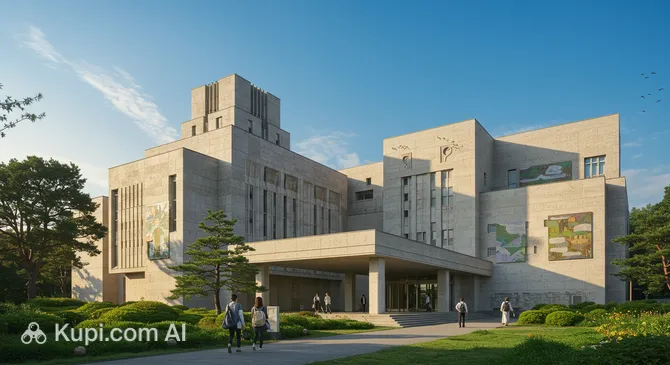
Travelers interested in the local ecosystem and historical timeline should stop by the Miyazaki Prefectural Museum of Nature and History. Located conveniently near the Miyazaki Shrine, this facility offers comprehensive exhibits ranging from the geological formation of the Kyushu region to the flora and fauna found in its subtropical climate. It provides valuable context to the natural wonders seen throughout the prefecture.

Miyazaki Prefectural Museum of Nature and History. Source: Kupi.Binoculars

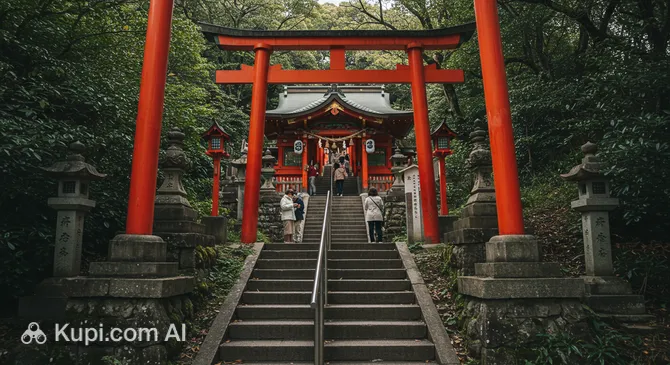
Another captivating religious site is the Hitotsuba Inari Shrine. While less famous than the grand Miyazaki Shrine, it is a hidden gem known for its connection to deities of commerce and agriculture. The shrine grounds are beautifully maintained, often featuring vibrant torii gates and seasonal flowers, making it a picturesque spot for photography and quiet reflection away from the busier tourist hubs.

Hitotsuba Inari Shrine. Source: Kupi.Binoculars

Local Cuisine

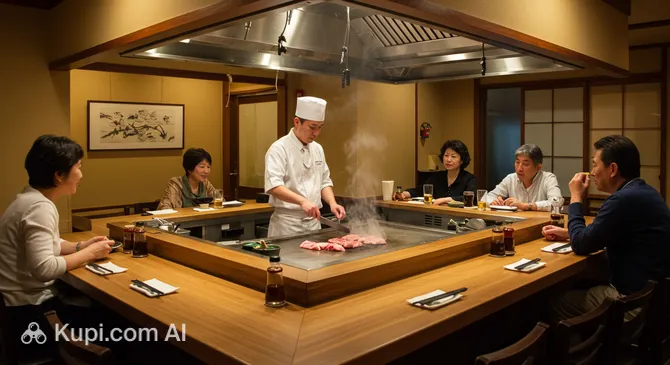
Miyazaki's culinary scene is a reflection of its warm climate and abundant natural resources, offering a delightful mix of high-end delicacies and comforting local soul food. The region is perhaps most famous for its award-winning Miyazaki Beef, a top-tier brand of wagyu known for its exquisite marbling and melt-in-the-mouth texture. Visitors looking to experience this gastronomic highlight should consider visiting Miyachiku Teppanyaki Steakhouse, where chefs expertly prepare the meat right before your eyes, turning dinner into a performance.

Miyachiku Teppanyaki Steakhouse. Source: Kupi.Binoculars

Beyond beef, the city is renowned for its unique chicken dishes. "Chicken Nanban" is a must-try local invention consisting of fried chicken marinated in a sweet vinegar sauce and topped with plenty of tartar sauce. Another favorite is "Jidori," locally raised chicken grilled over charcoal until it achieves a smoky flavor and a pleasantly chewy texture. These dishes are staples in local izakayas (Japanese pubs) and are perfect for travelers wanting to taste the authentic flavors of the prefecture.

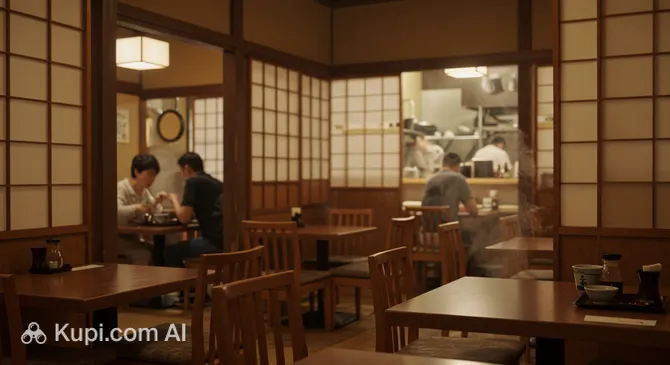
For a warm and hearty meal, Miyazaki offers a distinctive style of udon noodles. Unlike the firm noodles found elsewhere, the local variety is softer and typically served in a flavorful broth made from dried sardines. Okuno Udon is a popular establishment where locals start their day or grab a quick lunch, offering a genuine taste of the city's everyday food culture.

Okuno Udon. Source: Kupi.Binoculars

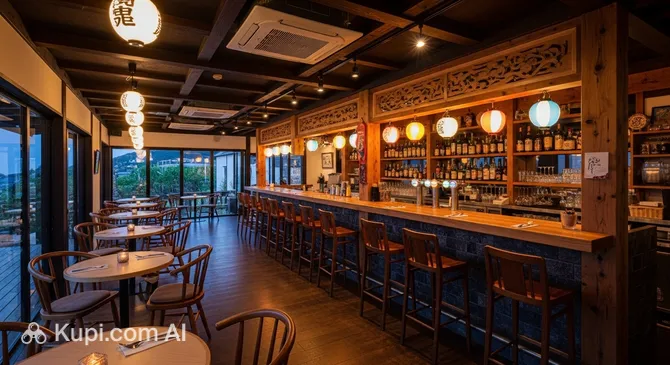
When it comes to drinks, the region is a major producer of shochu, a distilled spirit often made from sweet potatoes, barley, or rice. It pairs perfectly with the savory local cuisine. For those who prefer a different ambiance or a variety of beverages, the city has a lively nightlife scene. You might stop by Craighton House Oshima Bar to unwind with a drink after a day of sightseeing.

Craighton House Oshima Bar. Source: Kupi.Binoculars

Finally, no culinary tour would be complete without tasting the region's famous fruits. Thanks to the sunny weather, Miyazaki produces some of Japan's most expensive and delicious mangoes, often referred to as "Egg of the Sun." Whether you are dining in a high-end restaurant or grabbing a snack at a market, the fresh produce and distinct local recipes make dining here an unforgettable part of the journey.

Travel Tips

Welcome to the "Land of Sunshine"! To help you make the most of your trip to this laid-back coastal city, we have compiled a list of essential practical advice that covers everything from getting around to local customs.

  1. Clothing and Gear: Since Miyazaki enjoys a warm, subtropical climate, lightweight and breathable clothing is best for the summer months. However, the sun here can be quite strong, so bring a high-quality sunhat, sunglasses, and sunscreen. If you plan to visit religious sites like the Miyazaki Shrine, dress modestly (cover shoulders and knees) and wear shoes that are easy to slip on and off, as you will need to remove them to enter temple interiors.
  2. Transportation: While there are trains and buses, the best way to explore the scenic Nichinan Coast and remote spots like Udo Shrine is by renting a car. Public transport frequencies can be low in rural areas. If you cannot drive, look into the "Visit Miyazaki Bus Pass," a special ticket available to foreign tourists that offers unlimited travel on local buses for a very reasonable price.
  3. Finances: The local currency is the Japanese Yen (JPY). While major hotels and department stores accept credit cards, Miyazaki is still largely a cash-based society, especially in small izakayas, local udon shops, and ticket machines. Ensure you carry sufficient cash. International ATMs are readily available at 7-Eleven and Japan Post Bank locations if you need to withdraw money.
  4. Health and Safety: Miyazaki is an incredibly safe city with very low crime rates, making it safe to walk around even at night. Pharmacies (*yakkyoku*) are widely available for minor ailments, but they may close early in the evening. As a coastal city, the biggest natural concern is the sun and heat; stay hydrated and seek shade during midday in summer.
  5. Communication: English is not widely spoken outside of major hotels and tourist information centers. It is highly recommended to download a translation app (like Google Translate) and offline maps before you arrive. Learning a few basic phrases like Sumimasen (Excuse me) and Arigato (Thank you) will go a long way in interacting with the friendly locals.
  6. Local Etiquette: Politeness is key in Japan. Always bow slightly when greeting someone or thanking them. When using public transport, keep your voice down and avoid talking on the phone. Additionally, never stick your chopsticks vertically into a bowl of rice, as this is a ritual associated with funerals.
  7. What to Avoid: Be careful regarding tattoos if you plan to visit public baths (*onsen*) or swimming pools. Tattoos are still associated with organized crime in Japan, and many places prohibit entry to guests with visible ink. You may need to cover them with waterproof bandages or use private rental baths instead.
  8. Seasonal Awareness: If you are visiting between August and October, be aware that this is typhoon season. While the city is well-prepared, it is wise to keep an eye on weather forecasts and have a flexible itinerary in case strong winds or heavy rain disrupt outdoor plans.

By keeping these tips in mind, you will be well-prepared to navigate the city with ease and confidence. Miyazaki's warm hospitality and stunning nature await you, promising a relaxing and culturally rich adventure.

Entertainment & Nightlife

Miyazaki offers a welcoming and spirited nightlife scene that centers primarily around the bustling Nishitachi district. Located just west of the main Tachibana-dori street, this area transforms after sunset into a kaleidoscope of neon signs and red lanterns. It is the largest entertainment quarter in the prefecture, packed with over a thousand establishments ranging from cozy izakayas and karaoke joints to sophisticated cocktail lounges. The atmosphere here is lively yet relaxed, with locals and tourists mingling in the narrow streets, making it the perfect place to experience the city's evening energy.

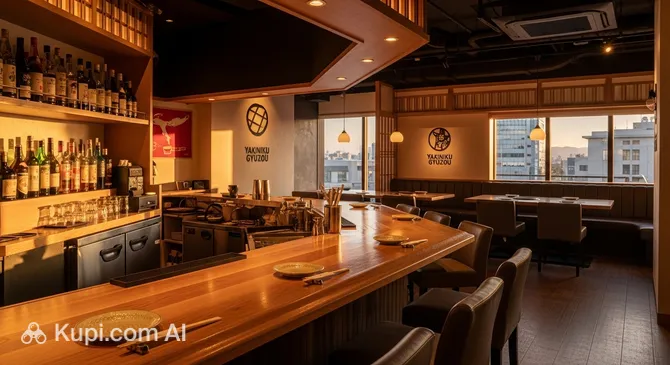
Yakiniku GyuZou. Source: Kupi.Binoculars

For many visitors, a night out begins with a hearty meal accompanied by drinks. A popular choice for this is Yakiniku GyuZou, where you can savor grilled meats in a convivial setting. Like many places in the district, it offers a chance to taste the region's famous beef while enjoying a selection of local shochu or beer. The dining culture in Miyazaki is social and unhurried, often extending late into the night as friends share plates and conversation.

If you are looking for a more dedicated drinking venue, the city has several excellent bars. Craighton House Oshima Bar is a notable spot to enjoy expertly crafted cocktails in a comfortable environment. While the dress code in most Miyazaki nightlife venues is "smart casual" or even casual, places like this offer a slightly more refined ambiance suitable for a date or a quiet drink. The crowd in Nishitachi is generally a mix of office workers unwinding after a long day and travelers exploring the local culture.

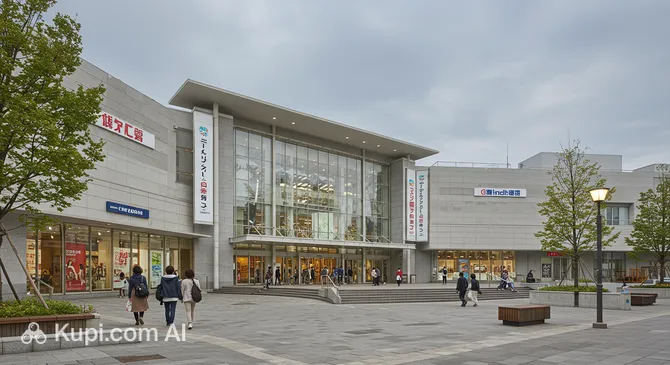
Miyazaki Mall. Source: Kupi.Binoculars

For those who prefer evening activities that don't involve alcohol, Miyazaki Mall provides a variety of shopping and entertainment options that stay open into the evening. It is a great destination for families or those looking to pick up souvenirs and enjoy a casual dinner at a food court. Before the night kicks in, the city offers plenty of daytime entertainment as well, including the fascinating exhibits at the Miyazaki Science Center and the serene grounds of the Miyazaki Prefectural Art Museum, ensuring there is something to do at any hour.

Navigating Miyazaki at night is safe and convenient. The Nishitachi area is compact and walkable, and the streets are generally safe for night walks, even for solo travelers. When you are ready to return to your accommodation, taxis are plentiful along the main roads bordering the entertainment district. Prices are reasonable, and drivers are trustworthy. If you have rented a car and decided to drink, be sure to use a "Daiko" service, where two drivers arrive—one to drive you and one to drive your car home—as Japan has a zero-tolerance policy for drinking and driving.

Parks & Museums

Miyazaki is not only a destination for coastal relaxation but also a city rich in green spaces and intellectual discovery. The city’s urban planning seamlessly integrates nature with culture, offering visitors a chance to explore expansive parks that house some of the region's most important artistic and scientific institutions.

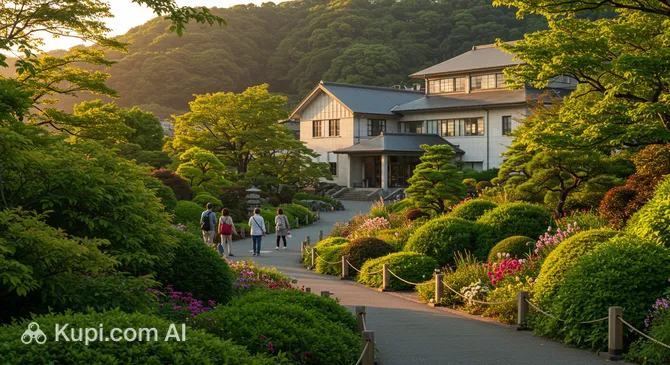
One of the most iconic green spaces in the city is Heiwadai Park. Built on a hill at an altitude of 60 meters, it offers commanding views of the city and the Hyuga Sea. The park is famous for the "Tower of Peace," a massive stone structure erected in 1940, but for many, the highlight is the Haniwa Garden. Here, visitors can walk along forest paths lined with hundreds of replica clay figures, creating a whimsical and slightly mysterious atmosphere that feels like stepping back into ancient Japan.

For a blend of modern architecture and nature, the Miyazaki Prefectural General Culture Park is an excellent choice. This sprawling complex is a hub for the arts, featuring meticulously maintained lawns, stone paved walkways, and sculptures scattered throughout the grounds. It is a favorite spot for locals to enjoy a quiet afternoon stroll, surrounded by the striking geometric designs of the cultural buildings that occupy the site.

Miyazaki Prefectural General Culture Park. Source: Kupi.Binoculars

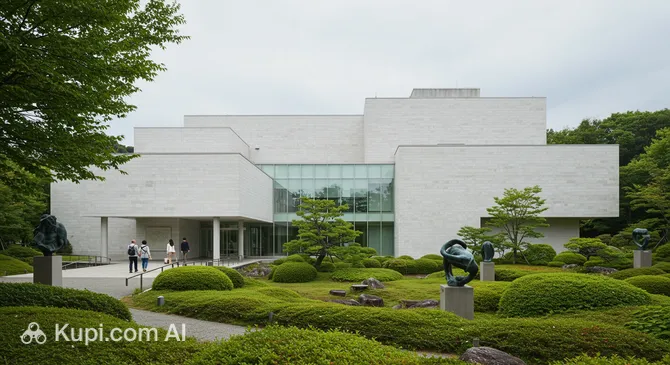
Located within the General Culture Park is the Miyazaki Prefectural Art Museum. This facility is a treasure trove for art lovers, focusing on works by artists with connections to Miyazaki Prefecture, as well as a respectable collection of modern international art, including pieces by Magritte and Picasso. The museum's design allows for natural light to flood the lobby, creating an inviting space where visitors can appreciate both the exhibits and the surrounding greenery.

Miyazaki Prefectural Art Museum. Source: Kupi.Binoculars

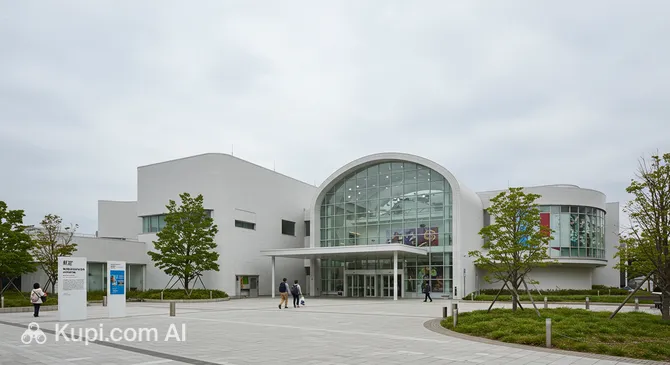
Families and space enthusiasts will find the Miyazaki Science Center to be a fascinating stop. Easily recognizable by the life-sized model of an H-1 rocket standing outside, the center is dedicated to making science accessible and fun. Inside, "Cosmo Land" offers interactive exhibits on physics and astronomy, and the facility boasts one of the world's largest planetarium domes, providing an immersive stargazing experience regardless of the weather outside.

Miyazaki Science Center. Source: Kupi.Binoculars

For a lesser-known botanical experience, consider visiting Florante Miyazaki. This floral park is beautifully landscaped with seasonal blooms and features a Western-style garden that contrasts interestingly with the traditional Japanese aesthetics found elsewhere in the city. It hosts spectacular lantern festivals in the summer and winter, offering a magical evening alternative to the city's bustling nightlife.

Getting Around

Navigating Miyazaki is relatively straightforward, though the city differs from Japan's massive metropolises in that it does not possess a subway or tram system. instead, the public transport network relies heavily on a comprehensive bus system operated by Miyazaki Kotsu and the JR Kyushu railway lines. For most visitors planning to explore the major coastal attractions and the city center, buses will be the primary mode of transportation.

The bus network is extensive and connects the central station to key tourist spots like Aoshima, Heiwadai Park, and the Nichinan Coast. For international travelers, the most cost-effective option is the Visit Miyazaki Bus Pass. This special ticket allows for unlimited travel on local buses for one day at a very attractive price (typically around 1,500 JPY). It can be purchased at the Miyazaki Station Bus Center, the airport, and authorized tourist information desks upon presentation of a non-Japanese passport.

If you prefer not to use a pass, the payment system is flexible. Most buses and trains in the city accept major IC cards such as Suica, Pasmo, SUGOCA, and the local Nimoca. If you are paying with cash, the process follows the standard local system: board through the rear door and take a small numbered ticket (seiri-ken) from the machine. A display at the front of the bus will show the fare corresponding to your ticket number. When you reach your destination, drop the exact change and the ticket into the box next to the driver before exiting through the front door. Change machines are available on board for 1,000 JPY bills and coins.

The train system, while less comprehensive for inner-city travel than the buses, is excellent for moving quickly along the coast. The JR Nichinan Line runs south towards Aoshima and Obi, offering scenic views of the ocean. A unique feature of the local rail network is the connection to the airport; the Miyazaki Kuko Line allows travelers to reach the city center from the airport in just over 10 minutes. Additionally, tourists often enjoy the Umisachi Yamasachi, a special sightseeing train clad in cedar wood that runs along the coast, providing a charming and nostalgic travel experience.

For those who value flexibility, alternatives are readily available. Taxis are plentiful, safe, and can be hailed on the street or found at taxi stands near the station and major hotels; most now accept credit cards and app-based payments. Given the city's flat terrain and pleasant weather, renting a bicycle is also a popular choice for exploring the downtown area. "Miyarin" is a local community cycle rental service with stations convenient for tourists. Finally, renting a car is highly recommended if you plan to venture further into the prefecture's lush mountains or drive the full length of the scenic coastline at your own pace.

Accommodation

Where to Stay:

Accommodation in Miyazaki caters to a wide spectrum of travelers, ranging from economical business hotels designed for efficiency to luxurious seaside resorts that capitalize on the region's tropical atmosphere. Visitors can choose between staying in the bustling city center, which offers easy access to dining and nightlife, or retreating to the coastal areas for a more relaxed, vacation-style experience.

For those who prioritize convenience and urban exploration, the area around Miyazaki Station and the downtown district near Tachibana-dori is the most practical choice. Staying here places you within walking distance of the vibrant Nishitachi entertainment district and major transport hubs. Alternatively, travelers seeking ocean views and resort facilities often prefer the Aoshima and Hitotsuba areas. These locations are perfect for soaking up the "Hawaii of Japan" vibe, offering proximity to beaches, golf courses, and major shrines.

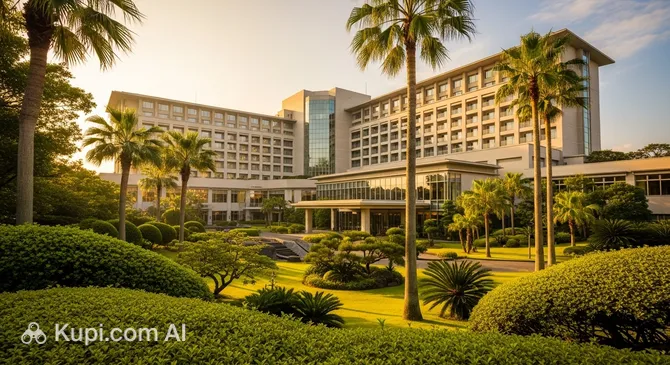
If you are looking for a comfortable stay that blends relaxation with accessibility, The Meibia Miyazaki is a notable option. As a resort-style hotel, it provides a pleasant escape with modern amenities, making it a suitable base for exploring the wider prefecture or simply unwinding after a day of sightseeing.

The Meibia Miyazaki. Source: Kupi.Binoculars

When planning your trip, it is important to consider the timing of your booking. Miyazaki is a famous destination for professional baseball and soccer spring training camps, particularly in February. During this season, as well as during the Golden Week holidays in May and the summer vacation period (August), hotels fill up rapidly. It is highly recommended to book accommodation several months in advance if you plan to visit during these peak times.

In terms of pricing, the city is generally affordable compared to Tokyo or Osaka. Business hotels in the city center typically fall into the budget to mid-range category, while traditional Japanese inns (ryokan) and large coastal resorts command higher prices, especially if meals are included. Reservations can be easily made through major international online booking platforms, though some smaller, family-run guesthouses may still prefer direct inquiries or payment in cash upon arrival.

Nearby Cities

For those looking to explore the surroundings, Miyazaki serves as an excellent base for day trips to several interesting nearby locations:

City Population Distance (km)
Miyakonojo 159,878 40
Kirishima 123,812 65
Hyuga 59,276 60
Nichinan 50,518 34
Kobayashi 43,114 43

Among these options, Nichinan is particularly popular for its stunning coastal drive and the historic castle town of Obi, often called the "Little Kyoto of Kyushu." Visitors can also explore the unique Udo Shrine, set inside a cave by the ocean. For nature lovers, Kirishima offers a dramatic volcanic landscape, renowned hot springs, and the majestic Kirishima Shrine. Alternatively, Hyuga provides breathtaking views of rugged cliffs and is a well-known destination for surfing enthusiasts. These nearby destinations offer a glimpse into the diverse culture and landscapes of the region.

Shopping & Souvenirs

Shopping in Miyazaki offers a relaxed and pleasant experience that mirrors the city's laid-back tropical atmosphere. While it may not have the frenetic pace of Tokyo's fashion districts, the city provides a delightful mix of modern retail complexes, traditional department stores, and charming local shops. Visitors can find everything from high-end international brands to unique regional crafts, with a particularly strong focus on local food products derived from the prefecture's rich agricultural bounty.

The heart of the city's retail scene is centered around Tachibana-dori (Tachibana Street). This palm-lined avenue is not only the main thoroughfare for traffic but also a bustling shopping district. Here, you will find the historic Yamakataya Department Store, a landmark that has served the community for decades with its selection of fashion, cosmetics, and a basement food floor filled with gourmet treats. Branching off this main street are several covered arcades, such as the Ichibangai, where smaller boutiques, drugstores, and souvenir shops offer a more local and intimate shopping vibe.

For a comprehensive one-stop shopping experience, the city boasts several large malls. One of the most convenient locations for travelers is Miyazaki Mall. Situated near the central transport hubs, it features a wide array of specialty stores, fashion retailers, and dining options. It is an excellent place to pick up travel essentials or browse for casual clothing in a comfortable, climate-controlled environment. Additionally, the expansive Aeon Mall Miyazaki, located near the port, is the largest shopping complex in the region, housing hundreds of shops and ample entertainment facilities.

Travelers interested in fresh local produce and regional specialties should look for the local "Michi-no-Eki" (roadside stations) or the bustling Miyazaki City Central Wholesale Market. While the wholesale market is primarily for professionals, parts of it and surrounding shops are open to the public, offering fresh seafood and fruits at excellent prices. For a curated selection of the prefecture's best goods, the Miyazaki Bussan-kan KONNE, located near the prefectural government office, is a market-style shop dedicated entirely to local products, making it a treasure trove for authentic gifts.

When it comes to souvenirs, Miyazaki is famous for its food-related items. The region's celebrated mangoes inspire a variety of gifts, from mango pudding and juice to "Langue de Chat" cookies. Another must-buy local treat is Cheese Manju, a delicious baked pastry filled with cream cheese that pairs perfectly with tea or coffee. Alcohol connoisseurs should not leave without a bottle of Shochu; Miyazaki is one of Japan's top producers of this distilled spirit, and you can find limited-edition bottles that are unavailable elsewhere.

Most shops in Miyazaki typically open around 10:00 AM and close between 7:00 PM and 8:00 PM, though restaurants and some larger malls may stay open later. While major department stores, shopping malls, and convenience stores accept credit cards and IC cards, many smaller family-run shops and traditional souvenir stalls still prefer cash. It is advisable to carry some Japanese Yen with you when exploring the arcades.

Tax-free shopping is available at many major retailers, including department stores and large electronics shops. Tourists staying in Japan for less than six months can often claim a refund on consumption tax for purchases totaling over 5,000 JPY at participating stores. Be sure to look for the "Japan. Tax-Free Shop" symbol in store windows and have your passport handy to take advantage of this benefit.
Reached the end of the page?

That means the route is fully explored