Support

Amakusa

About

Amakusa is a captivating chain of islands located off the west coast of Kyushu in Kumamoto Prefecture, Japan. Known for its stunning marine scenery, relaxed atmosphere, and unique cultural heritage, this coastal city serves as a bridge between the tranquility of nature and the richness of tradition. The archipelago consists of two main islands, Kamishima and Shimoshima, along with numerous smaller islets, creating a picturesque landscape that attracts travelers seeking a slower pace of life.

Geographically, Amakusa is celebrated for its lush greenery and the azure waters of the Ariake and Yatsushiro Seas. The climate is generally mild and temperate, making it a pleasant destination year-round. With a population of approximately 74,861 inhabitants, the area maintains a close-knit community feel while offering modern amenities for visitors. The islands are connected to the mainland and each other by a series of spectacular bridges, which are attractions in their own right.
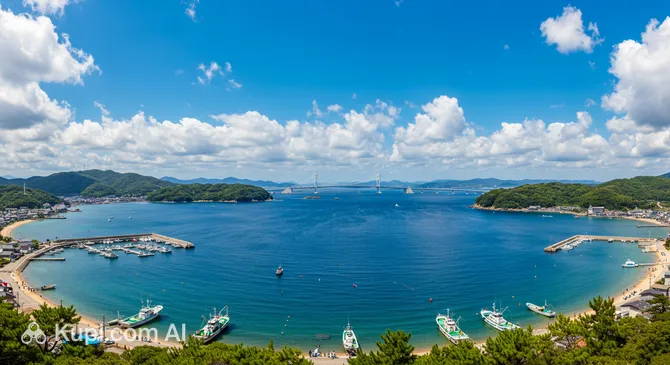
Amakusa. Source: Kupi.Binoculars

The region holds a significant place in the nation's spiritual narrative. Exploring the history of Amakusa reveals a poignant legacy regarding the "Hidden Christians" (Kakure Kirishitan), who practiced their faith in secret for centuries. This heritage is memorialized in various museums and churches scattered across the islands, including the Sakitsu Village, which is recognized as a UNESCO World Heritage site. These historical landmarks offer a profound glimpse into the resilience and culture of the local people.

Beyond its history, Amakusa is a paradise for nature enthusiasts. One of the most popular activities is dolphin watching; the waters around the islands are home to a resident pod of wild bottlenose dolphins, and boat tours offer a very high chance of encountering these playful creatures. Additionally, the scenic drive along the Amakusa Pearl Line, which traverses the famous Five Bridges of Amakusa, provides breathtaking panoramic views of the ocean and the scattered islands.

Whether you are interested in delving into fascinating historical tales, enjoying fresh local seafood, or simply gazing at a beautiful sunset over the sea, Amakusa offers a memorable experience. It is a perfect destination for those looking to explore a distinct and scenically beautiful side of the country.
Weather Overview

The climate in this coastal region is generally temperate, making it a welcoming destination throughout most of the year. For travelers wanting to pack the right gear for their trip, checking the detailed weather in Amakusa is highly recommended. The islands experience distinct seasonal changes, though extreme temperatures are rare due to the moderating influence of the surrounding sea.

Summers are typically warm and humid, with August being the hottest month, featuring an average temperature of 28.0°C and highs reaching approximately 30.1°C. This season also brings the most rainfall; July, for instance, sees about 19 wet days, marking the peak of the rainy season. In contrast, winters are much cooler but usually remain above freezing. January is the coldest month, with average temperatures around 8.5°C and lows dipping to 6.4°C.

Spring and autumn offer comfortable transition periods, with average temperatures rising to 19.6°C in May and settling around 20.5°C in October. Overall, you can expect warm, humid summers with frequent rain and cool winters with lighter precipitation, though cloudy days are possible year-round.

Interesting Facts

Beyond the main attractions and scenic bridges, Amakusa holds many fascinating secrets that peel back the layers of its unique geology and history. Here are some intriguing details that make this archipelago truly special.

  • Porcelain Powerhouse: While Arita is famous worldwide for its porcelain, Amakusa is the unsung hero behind the craft. The islands are rich in high-quality pottery stone and supply approximately 80% of the raw material used for domestic Japanese porcelain, including the renowned Arita and Hasami wares.

  • A Teenage Legend: The region was the stage for the Shimabara Rebellion in the 17th century, led by the charismatic 16-year-old Amakusa Shirou. His legacy and the complex history of the "Hidden Christians" are deeply preserved at the Amakusa Christian Museum, which houses rare artifacts such as "Maria Kannon" statues that were used for secret worship.

  • Dinosaur Island: The remote island of Goshoura, part of the Amakusa chain, is affectionately known as "Dinosaur Island." It is one of the rare places in Japan where fossils from the Cretaceous period, including those of large carnivorous dinosaurs, have been discovered in abundance, turning the entire island into an open-air museum.

  • The Octopus Highway: Route 324 along the Ariake Sea is often nicknamed "Octopus Street" due to the local abundance of this seafood. In the summer, a unique sight awaits travelers: dozens of octopuses are hung out to dry in the sun along the roadside, creating a distinct and photogenic culinary tradition.

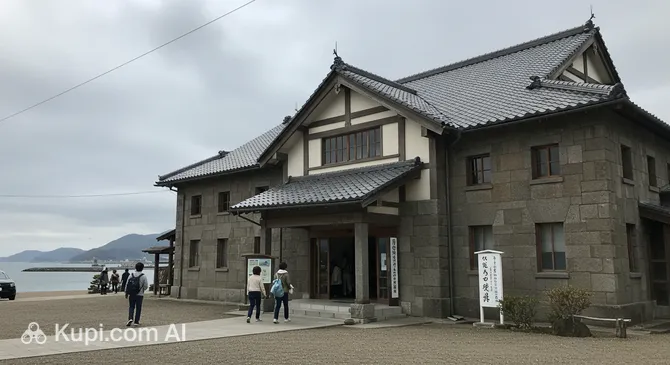
Amakusa Christian Museum. Source: Kupi.Binoculars

How to Get There

Reaching the beautiful Amakusa islands is part of the adventure, offering travelers a mix of scenic flights and overland journeys. For a comprehensive guide on all transport options, you can read more about how to get to Amakusa on our detailed page. The archipelago is well-connected to the Japanese mainland, primarily through Kumamoto Prefecture, ensuring a smooth trip for visitors.

The most convenient entry point is Amakusa Airport (AXJ), located directly on the islands. It is a small regional hub, but it offers the fastest access to the city center, which is only about 4 km away; a taxi ride takes approximately 15 minutes. For international travelers or those coming from major Japanese cities, Kumamoto Airport (KMJ) in the city of Kumamoto is the primary gateway. Although it is situated about 75 km from Amakusa, it handles a significantly larger volume of flights. From there, you can reach Amakusa by bus or rental car, with the drive taking around 2 hours and 15 minutes. Another option is Nagasaki Airport (NGS), located roughly 57 km away, which may be convenient depending on your itinerary.

For clarity, here is a summary of the main airports serving the region:

Airport Name City Passenger Traffic Km from City
Kagoshima AirportKagoshimaLarge88.0
Nagasaki AirportNagasakiMedium57.2
Kumamoto AirportKumamotoMedium75.0
Saga AirportSagaSmall77.3
AmakusaAmakusaSmall4.2

Regarding rail travel, it is important to note that the city of Amakusa does not have its own railway station. The islands are not directly connected to the JR rail network. Visitors typically take a Shinkansen or local train to Kumamoto Station or Misumi Station on the mainland and then transfer to a bus or ferry to reach the islands. Misumi Station is the closest rail terminal, located at the tip of the Uto Peninsula, serving as a gateway to the Amakusa Pearl Line.

Main Attractions

One of the most significant stops for visitors is the Amakusa Christian Museum. Located on a hill overlooking the city center, this facility offers a deep dive into the region's tumultuous and fascinating history regarding the "Hidden Christians" and the Shimabara Rebellion. Inside, you can view nearly 200 artifacts, including pottery, weapons used during the uprising, and devotional objects that were concealed for centuries. It serves as an essential starting point for understanding the unique cultural fabric of the islands.

Another highlight is the picturesque Sakitsu Village, a UNESCO World Heritage site that beautifully blends Japanese tradition with Western religion. The focal point here is Sakitsu Church, often referred to as the "Church of the Sea." Built in a Gothic style, it stands right on the waterfront of a quiet fishing port. Uniquely, the interior features tatami mats instead of pews, symbolizing the harmonious integration of the local lifestyle with the Christian faith introduced by missionaries.

Not far from Sakitsu stands the majestic Oe Cathedral, a Romanesque-style church perched atop a hill. Its chalk-white exterior contrasts stunningly with the surrounding greenery and the blue sky, making it a favorite spot for photography. Established by a French missionary who dedicated his life to the local community, the church offers a serene atmosphere and sweeping views of the landscape, providing a peaceful retreat for travelers exploring the coastline.

For nature lovers, a dolphin watching cruise is an absolute must when visiting the area. The waters off the coast of Itsuwa are inhabited by a large pod of wild Indo-Pacific bottlenose dolphins that reside there year-round. Boat tours boast an incredibly high encounter rate, allowing visitors to see these playful marine mammals jumping and swimming alongside the vessels, an experience that delights tourists of all ages.

Local Cuisine

Amakusa's culinary landscape is a direct reflection of its geography. As an archipelago surrounded by the Ariake and Yatsushiro Seas, the city is renowned for its abundance of fresh seafood, which forms the backbone of the local diet. Visitors can expect a dining experience where the catch of the day is served just hours after being hauled from the water, ensuring unparalleled freshness and quality.

A standout delicacy is the Kuruma Prawn (Japanese tiger prawn). Amakusa is a pioneer in prawn farming, producing crustaceans that are celebrated for their sweetness and firm texture. They are often served as odori-gui (eating live) for the adventurous, or simply grilled with salt to highlight their natural flavor. Another marine treasure is the locally harvested sea urchin (uni), particularly the purple sea urchin caught in spring and the red sea urchin in summer, both known for their rich, creamy taste.

Meat lovers should not miss the chance to try Amakusa Daio, a legendary breed of chicken. Once extinct during the early Showa period, this "phantom chicken" was painstakingly revived and is now a prized local specialty. It is the largest chicken breed in Japan, valued for its high proportion of red meat, elasticity, and deep umami flavor, making it perfect for hot pots (mizutaki), sashimi, or charcoal grilling.

For a hearty meal, look for Amakusa Chanpon. While Nagasaki is the most famous home of this noodle dish, Amakusa has its own distinctive version. It typically features a soup broth made from chicken and seafood rather than pork bones, resulting in a lighter yet savory taste. The dish is generously topped with local vegetables, fish paste (kamaboko), and pork, serving as a comforting soul food for the islanders.

Finally, the region's mild climate is ideal for citrus cultivation. You will find various types of oranges and citrus fruits, such as the sweet and easy-to-peel Dekopon and the Amakusa Pearl Citrus. These refreshing fruits make for a perfect dessert or a healthy snack to enjoy while exploring the islands.

Travel Tips

Welcome to Amakusa! To help you make the most of your journey through this beautiful archipelago, we have compiled a set of practical tips designed to ensure a smooth and enjoyable experience. These insights will help you navigate the local customs and logistics of this relaxed coastal region.

  1. Clothing and Gear: Amakusa enjoys a mild climate, but coastal winds can make it feel cooler than the thermometer suggests. In summer, light, breathable fabrics are essential for the humidity, while a windbreaker is recommended for boat trips or dolphin watching. For winter visits, pack layers and a warm coat. Since you will likely visit sites like Sakitsu Church where you must remove your shoes to enter (it features unique tatami flooring), bring socks that are in good condition and wear shoes that are easy to slip on and off.

  2. Transportation: While there is a local bus network, it can be infrequent and may not reach all the secluded scenic spots efficiently. The best way to explore the islands is undoubtedly by rental car. This gives you the freedom to drive across the famous five bridges and explore the coastline at your own pace. If you do not drive, you can hire sightseeing taxis, but be prepared for higher costs compared to public transit.

  3. Finances: The currency is the Japanese Yen (JPY). While larger hotels and supermarkets accept credit cards, Amakusa is a rural area where many small family-run restaurants, souvenir shops, and local buses operate on a cash-only basis. Ensure you carry sufficient cash. International ATMs are typically found in convenience stores like 7-Eleven or FamilyMart, but they may not be as ubiquitous as in major cities like Tokyo.

  4. Health and Safety: Amakusa is a very safe destination with low crime rates. Pharmacies and drugstores (often marked with the character 薬) are available in the main town areas but are generally not open 24/7. It is advisable to bring a basic first-aid kit and any prescription medications you need. In an emergency, dial 119 for an ambulance or fire department, and 110 for the police.

  5. Communication: English is not widely spoken outside of major tourist information centers and hotels. It is highly recommended to have a translation app installed on your phone. Learning a few basic phrases like "Arigato" (Thank you) and "Sumimasen" (Excuse me) will go a long way with the friendly locals. Free Wi-Fi is available at some tourist spots, but renting a Pocket Wi-Fi or buying a SIM card at the airport before you arrive in Amakusa is the most reliable option for staying connected.

  6. Local Etiquette: Politeness is key in Japan. A slight bow is the standard greeting. When visiting the "Hidden Christian" sites or temples, maintain a respectful silence and follow all posted instructions regarding photography. Be mindful that Sakitsu Village is a living community; please respect the privacy of residents by not entering private properties or making excessive noise in residential areas.

  7. What to Avoid: Do not walk around eating; it is generally considered rude to eat while walking in public, except at designated festival stalls. Also, avoid being loud on public transport or in quiet neighborhoods. Tipping is not practiced and can even cause confusion; good service is standard, and a sincere thank you is the best reward.

  8. Sunset Timing: The west coast of Amakusa is famous for its sunsets, particularly along the "Sunset Line." Plan your day so that you are on the western side of Shimoshima Island by late afternoon. Many shops and attractions close relatively early (around 5:00 PM), so early starts are better, leaving your evenings free for a relaxing dinner and sunset viewing.

By keeping these practical tips in mind, you will be well-prepared to embrace the slow life and stunning nature of the islands. We hope your adventure in Amakusa is filled with delicious seafood, breathtaking views, and warm encounters with the local culture.

Entertainment & Nightlife

Unlike the neon-lit bustle of Tokyo or Osaka, the nightlife in Amakusa offers a more intimate and authentic experience. The evening entertainment here is centered around warm hospitality, fresh local cuisine, and relaxed drinking rather than thumping nightclubs or all-night raves. The primary hub for evening activities is the Hondo district, particularly the streets surrounding the central bus terminal and the Gin-ten-gai arcade, where red lanterns (akachochin) signal open doors and welcoming atmospheres.

The quintessential night out in Amakusa begins at an izakaya (Japanese-style pub). These establishments are the heart of the local social scene, where residents gather to unwind with beer, sake, and shared plates. A standout venue to visit is Irifuku, a highly regarded izakaya that has even received recognition in international gourmet guides. It is famous for its extensive selection of shochu and sake, paired perfectly with the day's freshest seafood catch. Another popular spot is Tori Gura, known for its lively vibe and delicious grilled skewers, making it a great place to mingle with locals.

For those seeking a drink after dinner, the options shift towards smaller "Shot Bars" and traditional "Snack Bars" clustered in the downtown area. While "Snack Bars" can be intimidating for non-Japanese speakers due to their members-club feel, many are friendly to respectful visitors. For a more accessible atmosphere, look for casual bars in the Hondo area where you can enjoy a cocktail or whiskey. Most nightlife venues typically close around midnight or 1:00 AM, so it is best to start your evening early.

Practical Advice: Since public transportation stops running relatively early in the evening, relying on taxis is the standard way to get around at night. If you are staying outside the central Hondo area, ensure you have a taxi number saved or ask your restaurant to call one for you. Amakusa is incredibly safe, and walking around the Hondo district at night is worry-free, though the streets can be quite dark and quiet compared to major cities.

While the nights are calm, the days are filled with cultural exploration. Before heading out for your evening meal, you might spend the afternoon at the Amakusa Christian Museum, which offers a profound look into the region's history. Understanding this deep cultural background adds a layer of appreciation to the conversations you might have with locals over a glass of Amakusa shochu later that night.

Parks & Museums

The cultural and natural landscape of Amakusa is a harmonious blend of scenic beauty and profound historical depth. As part of the Unzen-Amakusa National Park, the city offers visitors a unique opportunity to explore lush green spaces that seamlessly transition into the azure sea, alongside institutions that preserve the region's complex heritage.

Nature lovers will find the archipelago itself to be one vast park, but specific spots stand out for their beauty. Myokenura is a designated National Natural Monument located on the west coast of Shimoshima. This scenic area is famous for its dramatic rock formations, including a sea stack that resembles an elephant, and offers excellent hiking trails with panoramic ocean views. Another natural gem is Mogushi Beach, often cited as one of the most beautiful natural beaches in Kyushu. With its crystal-clear waters and white sands, it remains relatively untouched, providing a serene environment for walking and nature photography away from the crowds.

For those looking to delve into the local history, the Amakusa Christian Museum is an essential stop. Situated in Hondo, this facility provides a comprehensive look at the Shimabara Rebellion and the history of the "Hidden Christians." The museum houses varied exhibits, from archaeological finds to religious artifacts, helping visitors understand the spiritual resilience that defines the region. Another significant institution is the Amakusa Collegio Museum, which focuses on the era when Western culture, including the Gutenberg printing press and navigational instruments, was introduced to Japan through these islands.

Beyond traditional museums, the city's architecture serves as an open-air gallery of its past. The Gion Bridge is a remarkable historical structure crossing the Machiyamagawa River. Built in 1832, it is the largest stone bridge in Japan constructed using the "natural stone" piling method, where stones are stacked without mortar. Its rugged, distinct appearance makes it a fascinating subject for architecture enthusiasts. Additionally, the integration of Western religious architecture with Japanese village life is visible at the Sakitsu Church, which stands as a symbol of the area's unique cultural fusion.

For a truly unique experience, consider taking a trip to the Goshoura Cretaceous Museum on Goshoura Island. Known as "Dinosaur Island," this venue displays fossils discovered locally, including those of ancient mollusks and dinosaurs. It offers a rare chance to engage with Japan's prehistoric era, and visitors can even participate in fossil hunting experiences nearby, making it a perfect adventure for families and history buffs alike.

Getting Around

Navigating Amakusa requires a shift in mindset compared to the rail-heavy travel typical of many cities in Japan. As an archipelago without its own railway network or metro system, the city relies primarily on a combination of buses, ferries, and private vehicles. The public transport options are reliable but can be infrequent in rural areas, making planning essential for those not driving themselves.

The backbone of local public transit is the bus network, operated mainly by Kyushu Sanko Bus. These buses connect the central Hondo district with key locations and tourist sites. For travel between the islands and the mainland, the "Rapid Amakusa-go" express bus is a vital link, running from Kumamoto Station and the Sakuramachi Bus Terminal directly to the heart of Amakusa. This service provides a scenic and comfortable journey for those arriving from the prefecture's capital.

Given the island geography, ferries are considered a form of public transport here. Regular boat services connect the islands to nearby regions, such as the line between Oniike Port in Amakusa and Kuchinotsu Port in Nagasaki Prefecture. These ferries are not only practical for moving between prefectures but also offer scenic views of the coastline. For rapid transit across the water, high-speed boats connect the mainland's Misumi Port to Hondo Port in about 60 minutes.

Regarding payment, travelers should be aware of important updates to the local system. Nationwide IC cards (such as Suica, PASMO, and ICOCA) are no longer accepted on Kyushu Sanko buses. Instead, the buses have adopted Credit Card Touch Payments. You can pay by simply tapping a contactless-enabled credit or debit card (Visa, JCB, Amex, etc.) when boarding and alighting. Alternatively, cash is still widely used. If paying by cash, take a numbered ticket (seiriken) from the machine at the rear door when you board. A digital display at the front will show the fare corresponding to your number; pay the exact amount into the fare box next to the driver upon exiting.

For tourists planning extensive travel across the region, the SunQ Pass (Northern Kyushu or All Kyushu versions) remains a fantastic value. This unlimited bus pass covers the local and express buses serving Amakusa, allowing for hassle-free boarding without worrying about individual fares. It is advisable to purchase this pass online or at major transport hubs before arriving on the islands.

While buses cover the main routes, they may only run once an hour or less frequently in outlying areas. Therefore, many visitors find that renting a car is the most efficient way to explore. Rental agencies are available near the main ports and the airport. Driving allows you to traverse the scenic bridges and reach hidden coastal spots at your own pace. Alternatively, taxis are available at central bus terminals but can be costly for long distances. For short, leisurely trips around specific districts like Sakitsu or the city center, rental bicycles are often available at tourist information centers.

A final practical tip for bus users: operating hours generally end earlier than in big cities. Many local lines stop running in the early evening, around 6:00 PM or 7:00 PM. Always check the return schedule immediately upon arrival at your destination to ensure you are not left stranded. If you plan to visit the UNESCO site of Sakitsu Village by bus, be aware that direct connections are limited, and transfers at the Hondo Bus Center are often required.

Accommodation

Finding the perfect place to stay in Amakusa is an integral part of the travel experience, with options ranging from practical city hotels to atmospheric traditional inns. The accommodation landscape here is heavily influenced by the region's geography and culture, meaning you will find a high concentration of seaside resorts and ryokans (traditional Japanese inns) that take full advantage of the stunning ocean views and local hot springs. Whether you are a backpacker looking for a simple base or a traveler seeking a luxurious retreat with multi-course seafood dinners, the islands cater to a variety of budgets and preferences.

For those prioritizing convenience and accessibility, the Hondo district is the most practical area to base yourself. As the commercial and administrative center of the city, Hondo offers a selection of standard business hotels that are clean, affordable, and located near the main bus terminal and dining districts. staying here makes it easy to access public transport and enjoy the local izakaya nightlife without worrying about a long taxi ride back. This area is ideal for travelers who plan to spend their days exploring various parts of the archipelago and just need a comfortable place to sleep.

If relaxation is your main goal, look no further than the Shimoda Onsen area on the west coast of Shimoshima Island. This is one of the region's premier hot spring resorts, boasting a history that dates back centuries. Here, you will find numerous traditional ryokans lining the streets, many of which offer open-air baths (rotemburo) and serve elaborate kaiseki meals featuring fresh local seafood. Staying in Shimoda Onsen allows you to unwind in healing waters after a day of sightseeing and offers a prime location for watching the area's famous sunsets over the East China Sea.

Another popular area is Matsushima on Kamishima Island, located near the five bridges that connect Amakusa to the mainland. This area is known for its resort-style hotels that offer panoramic views of the many small islands dotting the calm waters. These establishments often cater to families and couples, providing spacious rooms and resort amenities. It is a scenic and romantic spot, perfect for those who want to wake up to the beauty of the "Matsushima of Amakusa."

Price Range and Booking:

  • Budget: Simple guesthouses and business hotels in the city center typically range from 5,000 to 8,000 JPY per night.
  • Mid-Range: Standard hotels and casual ryokans generally cost between 10,000 and 20,000 JPY per person. Note that ryokan prices often include breakfast and dinner.
  • Luxury: High-end ryokans with private hot spring baths and premium room views can start from 25,000 JPY and go upwards per person.

Booking Tip: While major hotels can be booked via international online platforms, some smaller traditional inns may only accept reservations by phone or through Japanese websites. If you have your heart set on a specific small ryokan, booking well in advance is crucial, especially during the Golden Week holidays in May, the Obon festival in August, and the New Year period. Additionally, since many ryokans provide dinner, let them know of any dietary restrictions at the time of booking, as last-minute changes to the menu are often difficult to accommodate.

Nearby Cities

For those looking to explore the surroundings, Amakusa serves as an excellent base for day trips to several interesting nearby locations.

Kumamoto, the capital of the prefecture, is a vibrant city that blends history with modernity. Just a bus ride away, it is home to one of Japan's most impressive fortresses, Kumamoto Castle, which stands as a symbol of resilience and architectural grandeur. Visitors can also stroll through the meticulously landscaped Suizenji Jojuen Garden, a traditional Japanese garden that recreates the 53 stations of the Tokaido road in miniature form.

Across the water lies the historic port city of Nagasaki. Accessible via a scenic ferry ride from Amakusa's northern ports, Nagasaki offers a unique cultural atmosphere influenced by centuries of trade with the West and China. Key highlights include the Glover Garden, which showcases Western-style mansions, and the somber yet important Peace Park. The city's Chinatown is also a fantastic spot to enjoy local culinary delights like Nagasaki Chanpon.

For a truly unique experience, Hashima Island, widely known as "Gunkanjima" or Battleship Island, is a fascinating destination located off the coast of the Nagasaki peninsula. This abandoned island, once a bustling coal mining facility, is now a UNESCO World Heritage site famous for its dilapidated concrete buildings and eerie, time-capsule atmosphere. Boat tours typically depart from Nagasaki port, offering a glimpse into Japan's rapid industrialization era.

City Population Distance (km)
Kumamoto 738385 62
Nagasaki 404656 44
Isahaya 133512 45
Omura 95619 54
Hashima Island 66312 47

These nearby destinations offer a glimpse into the diverse culture and landscapes of the region.

Shopping & Souvenirs

Shopping in Amakusa is less about high-end fashion boutiques and more about discovering authentic local crafts, fresh produce, and unique regional specialties. The city offers a relaxed shopping experience where visitors can explore roadside stations, traditional pottery studios, and local markets. The area is particularly renowned for its high-quality porcelain stone, pearls, and marine products, making it an excellent destination for finding one-of-a-kind souvenirs that reflect the island's culture and natural bounty.

The main commercial hub of the city is located in the Hondo district. Here, you will find the Hondo Gintengai, a traditional covered shopping arcade (shotengai). While it has a retro, nostalgic atmosphere compared to the bustling arcades of big cities, it is the heart of the local community. Strolling through these streets offers a glimpse into daily life, with small family-run shops selling clothing, books, and household goods, often interspersed with cozy cafes and eateries.

For a more modern and comprehensive shopping experience, the AEON Amakusa Shopping Center is the primary destination. Located a short distance from the city center, this large complex houses a variety of stores ranging from fashion and accessories to a well-stocked supermarket. It is a convenient stop for travelers needing to purchase travel essentials, groceries, or general goods in a comfortable, climate-controlled environment.

Markets play a vital role in Amakusa's shopping scene, particularly the "Michi-no-Eki" or roadside stations. One of the most popular is Amakusa Toretate Market (Amakusa Toretate Ichiba). This extensive farmers' market is a treasure trove of local agriculture, offering freshly caught fish, seasonal vegetables, and fruits like the famous Dekopon citrus. Another notable spot is Michi-no-Eki Ariake "Ripple Land", located along the coast. It is famous for its octopus-themed products and offers a wide selection of processed seafood and local snacks.

When it comes to souvenirs, Amakusa Pottery is the top recommendation. The islands are a major source of pottery stone used for porcelain, and there are numerous kilns scattered throughout the region selling beautiful white porcelain wares. Pearls are another signature item, given the area's history of pearl cultivation; you can find high-quality jewelry at reasonable prices. Food-related souvenirs are also popular, including prawn crackers, camellia oil, and sea salt harvested from the pristine waters surrounding the islands.

Store opening hours in Amakusa generally run from 9:00 AM or 10:00 AM to 7:00 PM or 8:00 PM. While the large AEON mall stays open later, many smaller local shops and traditional craft studios close relatively early. Regarding payment, while supermarkets and larger establishments accept credit cards, Amakusa remains a largely cash-based society. It is highly advisable to carry sufficient cash when visiting small souvenir shops, markets, and rural pottery studios.

Tax-free shopping is available but is generally limited to larger retail chains like AEON and major drugstores that display the "Japan Tax-Free Shop" symbol. Tourists must present their passport to claim the tax refund on eligible purchases totaling over 5,000 JPY (excluding tax). Smaller local vendors and markets typically do not offer tax exemption services.

Reached the end of the page?

That means the route is fully explored