Support

Hiroshima

About

Hiroshima is a city that resonates deeply with visitors from around the world, symbolizing the enduring power of peace and resilience. As the capital of Hiroshima Prefecture in the Chūgoku region of Japan, it has transformed into a modern, vibrant metropolis with wide boulevards and a friendly atmosphere. While its past is well-known, the city today offers a warm welcome and a rich cultural experience that goes far beyond its historical significance.

Hiroshima. Source: Kupi.Binoculars

Geographically, the city is beautifully situated on the delta of the Ota River, where six channels flow through the urban landscape into the scenic Seto Inland Sea. This "City of Water" enjoys a mild climate and is home to approximately 1.2 million people, making it the largest city in the Chūgoku and Shikoku regions. The history of Hiroshima is an integral part of its identity, but visitors are often struck by the city's forward-looking energy and lush greenery.

Travelers should not miss the Peace Memorial Park, a vast area dedicated to the legacy of Hiroshima. It houses the iconic Atomic Bomb Dome, a UNESCO World Heritage Site, and the Peace Memorial Museum. For a change of pace, the local culinary scene is famous for Hiroshima-style Okonomiyaki, a savory layered pancake with noodles that is a must-try soul food. Additionally, the city serves as the perfect gateway to the nearby island of Miyajima, famous for its "floating" torii gate at Itsukushima Shrine. Whether you are seeking historical insight or scenic beauty, Hiroshima is a destination that leaves a lasting impression.

Weather Overview

Understanding the local climate is key to planning your itinerary, as the city experiences four distinct seasons. Before packing, it is helpful to check the current weather in Hiroshima to ensure you are prepared for the conditions. Generally, the area enjoys a temperate climate, though temperatures and humidity levels shift significantly throughout the year.

Summers are typically warm and humid, with August being the hottest month, featuring an average temperature of 26.7°C and highs reaching up to 30.0°C. This season also brings frequent rainfall; July is particularly wet, recording approximately 20 wet days. In contrast, winters are chilly but tend to be drier. January is usually the coldest time, with average temperatures dropping to 3.9°C and minimums hovering around 0.6°C.

Spring and autumn offer the most comfortable conditions for outdoor exploration, with moderate averages like 17.5°C in May and 16.9°C in October. Overall, visitors can expect warm summers with frequent rain and cold, relatively dry winters.

Interesting Facts

Beyond its profound historical significance, Hiroshima holds a treasure trove of fascinating secrets and local quirks that often escape the casual observer. Digging a little deeper reveals a city defined by unique traditions, culinary excellence, and a resilient spirit.
  • The city is famously known as a "Moving Museum" due to its extensive streetcar network, which is the largest in Japan. Unlike other cities that phased out trams, Hiroshima preserved them, and you can still ride vintage streetcars that were donated from places like Kyoto and Osaka, as well as a few that miraculously survived the events of 1945.

  • Hiroshima Castle is affectionately nicknamed the "Carp Castle" (Rijo), a title that allegedly stems from the abundance of carp in the moat or the shape of the castle grounds. This nickname also inspired the name of the beloved local professional baseball team, the Hiroshima Toyo Carp, whose fans are among the most passionate in the country.

  • For food lovers, the city offers a dedicated "food theme park" known as Okonomimura. This multi-story building houses over 20 different stalls all serving Hiroshima-style okonomiyaki, creating a vibrant and smoky atmosphere that is strictly devoted to this savory layered pancake.

  • Hiroshima is the undisputed oyster capital of Japan, accounting for approximately 60% to 70% of the nation's total production. The nutrient-rich waters of the Seto Inland Sea provide the perfect environment for farming these delicacies, which are so prized that locals often refer to them as "sea milk."

Hiroshima Castle. Source: Kupi.Binoculars

How to Get There

Reaching this vibrant city is relatively straightforward, thanks to its well-connected transportation network. Whether you are arriving from within Japan or from overseas, you have several convenient options to choose from. For a detailed breakdown of routes and tips, you can read more about how to get to Hiroshima on our dedicated page.

The primary gateway for air travelers is Hiroshima Airport (HIJ). Located roughly 43 km from the city center, this facility serves as the main hub for the region. A journey by limousine bus to the downtown area typically takes about 50 minutes. Another viable option is the Iwakuni Kintaikyo Airport (IWK), located in the neighboring city of Iwakuni, about 33.6 km away. For those willing to travel a bit further, Matsuyama Airport (MYJ) offers another entry point, though it is located across the water about 65.9 km away, often requiring a ferry connection to reach the Hiroshima area.

For clarity, here is a summary of the main airports in the vicinity:

Airport Name City Passenger Traffic Km from City
Matsuyama Airport Matsuyama High 65.9
Hiroshima Airport Hiroshima High 43.0
Yamaguchi Ube Airport Ube Medium 119.7
Iwakuni Kintaikyo Airport Iwakuni Medium 33.6
Hagi-Iwami Airport Masuda Low 69.1

Regarding rail travel, Hiroshima Station serves as the central transportation hub for the city. It is a major stop on the JR Tōkaidō-Sanyō Shinkansen line, providing direct and high-speed connections to major metropolises like Osaka, Kyoto, Tokyo, and Fukuoka. The station also connects various local lines and the city's extensive streetcar network, making it an incredibly convenient entry point for visitors traveling by train.

Main Attractions

Hiroshima offers a profound mix of historical sites, scenic beauty, and modern culture. While the city is globally recognized for its history, it is also a place of vibrant life and stunning landscapes. Exploring the main attractions provides a journey through time, from the solemn reminders of the past to the enduring beauty of traditional Japan.

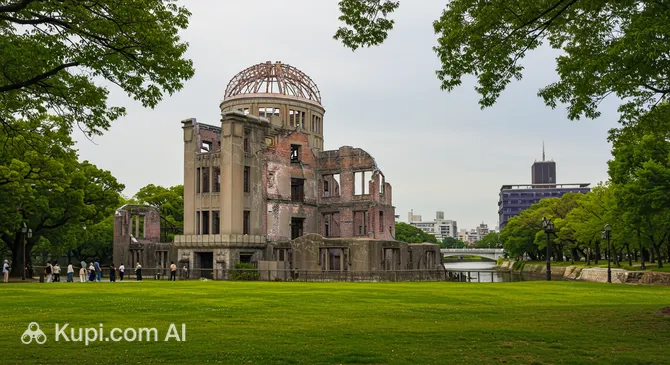
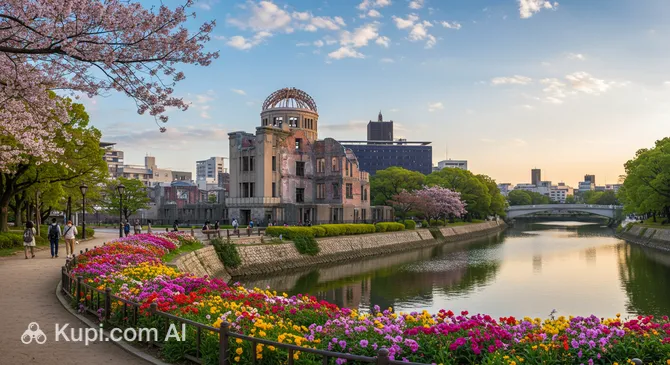
At the heart of the city lies the Hiroshima Peace Memorial Park, a vast and serene space dedicated to the legacy of Hiroshima as the first city in the world to suffer a nuclear attack. Walking through the park is a moving experience, surrounded by greenery and monuments advocating for world peace. The most iconic structure here is the Hiroshima Peace Memorial (Atomic Bomb Dome). A UNESCO World Heritage Site, this skeletal ruin of the former Industrial Promotion Hall has been preserved exactly as it stood after the bombing, serving as a powerful symbol of hope and the importance of peace.

Hiroshima Peace Memorial (Atomic Bomb Dome). Source: Kupi.Binoculars

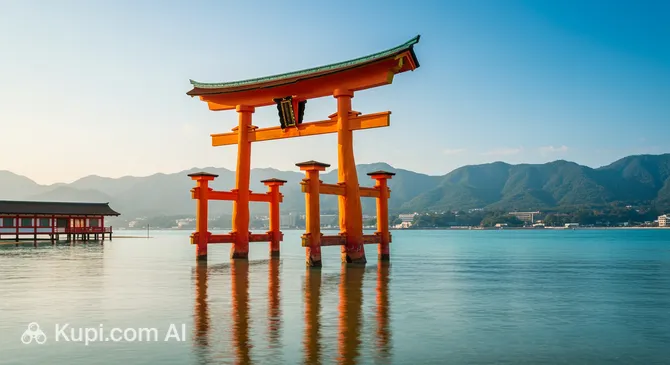
Just a short ferry ride from the city, visitors can reach one of Japan's most celebrated views at Itsukushima Shrine on Miyajima Island. Famous for its "floating" torii gate that appears to stand on the water during high tide, this Shinto shrine is a masterpiece of traditional architecture designed to harmonize with the shifting tides. The contrast between the vermilion structures, the blue sea, and the green Mount Misen in the background creates a breathtaking scene that has attracted pilgrims and tourists for centuries.

Itsukushima Shrine. Source: Kupi.Binoculars

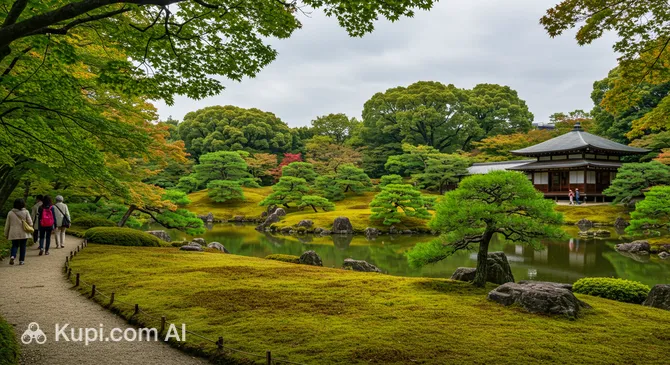
For a peaceful retreat within the city center, Shukkeien Garden offers a perfect example of a traditional Japanese strolling garden. Its name translates to "shrunken-scenery garden," as it recreates grand landscapes of mountains, valleys, and forests in miniature form. Visitors can follow winding paths around the central pond, cross elegant bridges, and enjoy seasonal flowers ranging from plum blossoms in late winter to vibrant maples in autumn. It is an ideal spot to enjoy a quiet moment and a cup of matcha at the tea house.

Shukkeien Garden. Source: Kupi.Binoculars

To see the city from a different perspective, head to the Hiroshima Orizuru Tower. Located right next to the Peace Memorial Park, this modern facility features an open-air observation deck that offers sweeping views of the Atomic Bomb Dome and the city skyline. The tower is named after the origami paper crane (orizuru), a symbol of peace, and visitors can even participate in interactive digital experiences or drop their own folded cranes into the building's unique glass wall, contributing to a collective wish for the future.

Local Cuisine

Hiroshima boasts a unique and vibrant culinary identity that distinguishes it from the rest of Japan. The city's food scene is characterized by hearty, soul-warming dishes and an abundance of fresh seafood from the Seto Inland Sea. Dining here is often a casual and interactive experience, with many restaurants featuring counter seating where you can watch chefs prepare your meal on sizzling iron griddles known as teppan.

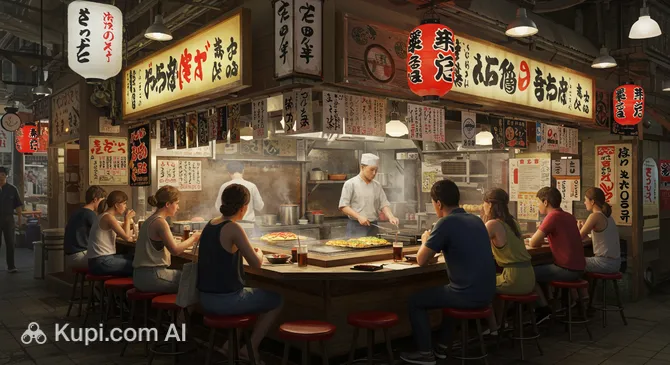
The undisputed king of local cuisine is Hiroshima-style Okonomiyaki. Unlike the Osaka version where ingredients are mixed together, the Hiroshima style builds the savory pancake in distinct layers. It typically starts with a thin crepe, followed by a mountain of cabbage, pork belly, and other toppings, but the defining feature is the addition of yakisoba or udon noodles. The dish is finished with a fried egg and a generous slathering of sweet and savory sauce. For the ultimate experience, visitors should head to Okonomimura, a dedicated "food theme park" with multiple floors of stalls serving this iconic dish. Another highly rated spot to try this local favorite is Nagataya, known for its delicious sauce and lively atmosphere.

Okonomimura. Source: Kupi.Binoculars

Seafood lovers must try the local oysters (kaki), as Hiroshima Prefecture is the largest producer in Japan. These oysters are celebrated for their plump, rich meat and are affectionately called "sea milk" due to their high nutritional value. They are prepared in various ways, including raw, deep-fried (kaki-fry), or grilled in the shell with a splash of soy sauce or lemon. You will find oyster huts and restaurants serving them fresh throughout the city and especially on the nearby island of Miyajima.

For those with a sweet tooth, Momiji Manju is the signature confection of the region. shaped like a maple leaf, these small cakes are traditionally filled with sweet red bean paste, though modern variations include custard, chocolate, cheese, and matcha fillings. They are the perfect souvenir and are best enjoyed warm. On the savory side, spicy food enthusiasts should look for Hiroshima Tsukemen, a dish of cold noodles served with a separate bowl of spicy, red pepper-infused dipping sauce filled with vegetables and roast pork.

When it comes to drinks, Hiroshima is one of Japan's premier sake producing regions. The local water is renowned for being soft, resulting in sake with a smooth and rich flavor profile. The Saijo district is particularly famous for its breweries. For a non-alcoholic or refreshing alcoholic option, look for beverages made with Hiroshima lemons. As Japan's top lemon producer, the region offers everything from tart lemon sodas to the popular "Lemon Sour" cocktail, which pairs perfectly with the savory richness of okonomiyaki.

Travel Tips

Visiting Hiroshima is a highlight of any trip to Japan, offering a deeply moving blend of history, culture, and resilience. To help you navigate the city with ease and make the most of your stay, here are some practical tips to keep in mind.

  1. Clothing and Gear: Hiroshima has four distinct seasons, so pack breathable fabrics for the hot, humid summers and warm layers for the chilly winters. Since you will likely visit temples, traditional ryokans, or restaurants with tatami mats, bring comfortable slip-on shoes that are easy to take off and put on, and ensure your socks are neat and hole-free.
  2. Transportation: The city is famous for its extensive streetcar network, known as the Hiroden, which is often more convenient than buses for getting around downtown. While the Japan Rail Pass covers the JR ferry to Miyajima, it does not cover the streetcars; for seamless travel, use a prepaid IC card (like Suica or ICOCA) or purchase a "Visit Hiroshima Tourist Pass."
  3. Finances: The local currency is the Japanese Yen (JPY). While credit cards are increasingly accepted at major hotels and department stores, cash is still king at small okonomiyaki stalls, ticket machines, and souvenir shops. ATMs at 7-Eleven convenience stores generally accept international cards, and remember that tipping is not practiced here—excellent service is standard.
  4. Health and Safety: Hiroshima is a very safe city for tourists, but standard precautions with valuables apply. Pharmacies are widely available and often marked with a "drug" sign; for minor ailments, pharmacists can be very helpful. Tap water is safe to drink, so carrying a reusable water bottle is a good way to stay hydrated, especially in summer.
  5. Communication: While English signage is common in the Peace Memorial Park and major transit hubs, few locals speak fluent English. It is highly recommended to have a translation app ready and to rent a Pocket Wi-Fi or eSim for connectivity. Learning simple phrases like "Sumimasen" (Excuse me) and "Arigato" (Thank you) is greatly appreciated.
  6. Local Etiquette: Politeness is key; greet people with a small bow rather than a handshake. On public transport, set your phone to silent mode and avoid talking loudly. When visiting the Peace Memorial Park, maintain a respectful and quiet demeanor, as it is a place of solemn reflection for many visitors and locals alike.
  7. What to Avoid: Avoid eating or drinking while walking down the street, as it is generally considered bad manners; instead, finish your snack at the shop or in a designated area. Also, be careful never to stick your chopsticks vertically into a bowl of rice, as this resembles a funeral ritual and is offensive.
  8. Local Insight: If you plan to visit Miyajima, try to time your trip with the tides. The iconic "floating" torii gate looks best at high tide when it is surrounded by water, but at low tide, you can actually walk out to the base of the gate—checking the tide tables in advance allows you to experience the view that interests you most.

Armed with these practical insights, you are ready to explore the city with confidence and respect. Whether you are navigating the historic streetcars or enjoying the local cuisine, Hiroshima welcomes you with a warm and friendly atmosphere that will make your visit truly unforgettable.

Entertainment & Nightlife

Entertainment and Nightlife:

When the sun sets, Hiroshima transforms from a city of historical reflection into a vibrant hub of evening entertainment. The nightlife scene here is surprisingly energetic, centered primarily around the Nagarekawa and Yagenbori districts. These areas are densely packed with neon-lit streets, offering everything from traditional izakaya gastropubs and cozy shot bars to energetic dance clubs. The atmosphere is generally welcoming and casual, making it easy for visitors to hop between venues and mingle with friendly locals.

For those looking to dance the night away, CLUB L2 Hiroshima is a popular destination. Located in the heart of the entertainment district, this venue attracts a mix of locals and international visitors with its top-tier sound system and rotation of skilled DJs playing the latest hits. It is a great place to experience the modern pulse of the city and enjoy a lively crowd.

CLUB L2 Hiroshima. Source: Kupi.Binoculars

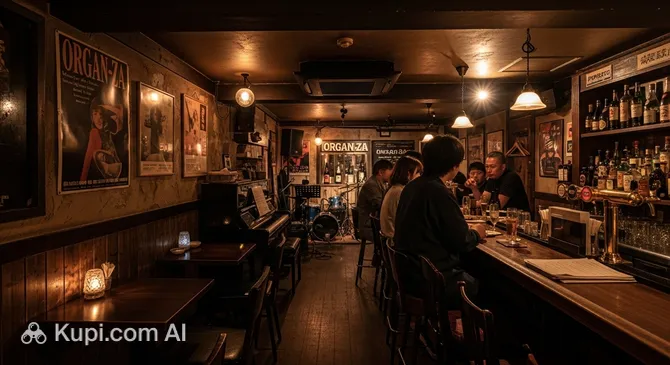
If you prefer a more eclectic and artistic vibe, Organ-Za is a must-visit. This unique venue defies easy categorization, functioning as a bar, cafe, and performance space all in one. The interior is decorated with a quirky, chaotic charm, and the stage often hosts live music, burlesque shows, and other alternative performances, offering a distinct contrast to the mainstream clubs found elsewhere in the city.

Organ-Za. Source: Kupi.Binoculars

Another notable spot for nightlife enthusiasts is Lagoon Hiroshima, which offers a stylish setting for enjoying drinks and music. When planning your night out, keep in mind that the action typically picks up after 9:00 PM. Most clubs have a cover charge that often includes one drink ticket, ranging from 1,000 to 3,000 yen, while smaller bars may have a table charge known as otōshi. Dress codes are generally relaxed, but "smart casual" is a safe bet for entering most clubs.

Safety in Hiroshima's nightlife districts is high, and walking around at night is generally very safe. However, it is wise to politely ignore the street touts who try to steer you into specific establishments. Getting home is straightforward, as taxis are plentiful along the main boulevards like Aioi-dori. While the nightlife is thrilling, do not forget to explore the city's daytime offerings. Families and nature lovers will enjoy the Asa Zoo or the Miyajima Aquarium, while art enthusiasts should visit the Hiroshima Museum of Art to admire its impressive collection of modern European paintings.

Parks & Museums

Hiroshima seamlessly blends its vibrant urban landscape with serene green spaces and a collection of museums that offer deep insights into its history and culture. Visitors will find that the city honors its past while celebrating nature and artistic expression, making it a destination that appeals to both the heart and the mind.

The most prominent green space in the city is undoubtedly the Hiroshima Peace Memorial Park. Located between the Motoyasu and Honkawa rivers, this vast park serves as a sanctuary for prayer and contemplation. While it is home to many monuments, its open lawns and tree-lined paths also provide a peaceful environment for walking, particularly in spring when the cherry blossoms are in full bloom along the riverbanks. For those seeking a more botanical experience, the Hiroshima Botanical Garden offers a colorful escape on a hill overlooking the Seto Inland Sea. It features a large conservatory and extensive outdoor beds showcasing thousands of plant varieties, including a renowned collection of begonias and fuchsias.

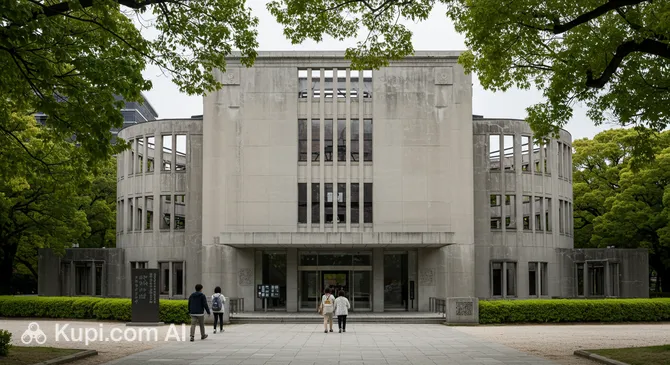
When it comes to museums, the Hiroshima Peace Memorial Museum is an essential stop for understanding the city's narrative. Through personal artifacts, photographs, and testimonies, the museum conveys the realities of the atomic bombing and advocates for a world without nuclear weapons. It is a moving experience that contextualizes the monuments found in the nearby park.

Hiroshima Peace Memorial Museum. Source: Kupi.Binoculars

Art enthusiasts will appreciate the Hiroshima Museum of Art, located centrally near the castle. This institution is famous for its impressive collection of French Impressionist works, including pieces by Monet, Renoir, and Van Gogh, as well as modern Japanese Western-style paintings. It provides a quiet, cultural interlude in the heart of the city.

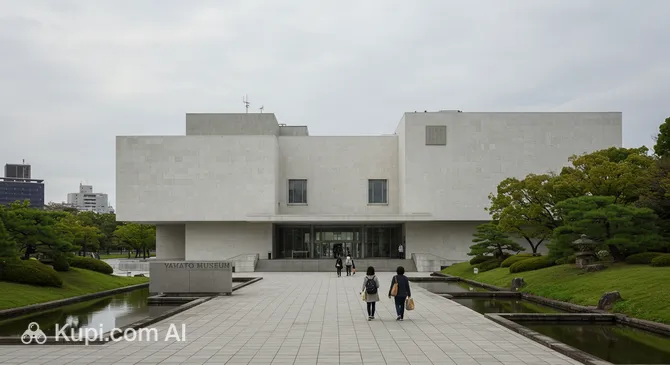
For a different slice of history, a short train ride to the nearby port of Kure brings you to the Yamato Museum. This maritime museum is dedicated to the history of shipbuilding and science, featuring a massive 1:10 scale model of the battleship Yamato. It offers a fascinating look at the region's industrial heritage and its connection to the sea.

Yamato Museum. Source: Kupi.Binoculars

For an insider tip, consider visiting Hijiyama Park. Not only does it offer panoramic views of the city and a great spot for cherry blossom viewing, but it also houses the Hiroshima City Museum of Contemporary Art. This venue is perfect for those looking to explore modern artistic expressions in a location that feels like a hidden gem above the bustling streets.

Getting Around

Navigating Hiroshima is a delightful experience, largely due to its unique and efficient public transport network. Unlike many other Japanese metropolises that rely heavily on underground subways, this city is defined by its extensive surface-level streetcar system. Known locally as the "Hiroden," these trams are the primary mode of transport for visitors, connecting Hiroshima Station with major landmarks like the Peace Memorial Park, the downtown shopping districts, and the ferry port for Miyajima.

The streetcar network is often affectionately called a "Moving Museum" because it features a mix of ultra-modern low-floor vehicles and vintage trams from across Japan, including two that survived the 1945 bombing. Riding them is not just a commute but a sightseeing experience in itself. In addition to the trams, the city operates the Astram Line, a rubber-tired rapid transit system that runs on an elevated track. While less essential for central sightseeing, the Astram Line offers a scenic ride to the suburbs and is useful for reaching destinations like the Big Arch stadium.

For tourists, the Hiroshima Sightseeing Loop Bus, known as "Meipuru-pu," is an incredibly convenient option. These buses circulate through the city center, stopping at all major tourist attractions, including the castle and art museums. Holders of the Japan Rail Pass can typically ride the Meipuru-pu buses for free, making it a budget-friendly choice. Standard city buses also cover areas not reached by the trams, providing comprehensive coverage across the region.

paying for transport is straightforward. The most convenient method is using a prepaid IC card, such as ICOCA, Suica, or PASMO. These cards are interoperable and can be used on trams, buses, and the Astram Line by simply tapping the reader upon boarding and alighting. For those planning extensive travel, the "Visit Hiroshima Tourist Pass" is a great value. Available in various durations (e.g., 1-day, 2-day, or 3-day), this pass offers unlimited rides on streetcars, designated buses, and sometimes even the ferry to Miyajima, often granting discounts at tourist facilities as well.

When using streetcars and buses, the general rule is to enter through the rear door and exit through the front. If paying with cash, take a numbered ticket from the dispenser when you board; this number corresponds to the fare displayed on the screen at the front of the vehicle. If you are using an IC card, simply tap it on the reader at the entrance. Payment is made upon exiting—drop the exact change and your ticket into the box next to the driver, or tap your card again. In the city center, the tram fare is usually a flat rate, while rides to the suburbs are distance-based.

Transport services typically operate from early morning, around 6:00 AM, until late at night, with the last trams usually departing around 11:00 PM. It is advisable to check the specific timetable if you plan to stay out late. For a more flexible alternative, taxis are plentiful and can be hailed on the street or found at designated stands; they are safe and clean but can be expensive. Alternatively, the city is quite flat and bike-friendly. The "Peacecle" bike-sharing service allows you to rent electric-assist bicycles from various ports throughout the city, offering a breezy and active way to explore the riverbanks and boulevards.
Accommodation

Where to Stay:

Hiroshima offers a wide spectrum of accommodation options to suit every budget and travel style, ranging from economical hostels and capsule hotels to upscale international chains and traditional Japanese inns. Whether you are a backpacker looking for a social atmosphere or a luxury traveler seeking refined comfort, the city has plenty of choices to ensure a restful stay. The hospitality here is warm and welcoming, reflecting the friendly nature of the locals.

For most visitors, the most convenient areas to stay are around Hiroshima Station and the downtown districts of Kamiya-cho and Hatchobori. Staying near the station provides immediate access to the Shinkansen and local transport lines, making it an excellent base for day trips. Alternatively, the downtown area places you within walking distance of the Peace Memorial Park, the castle, and the lively nightlife and dining districts. For a more traditional and scenic experience, many travelers choose to spend a night on the nearby island of Miyajima, where they can enjoy the tranquility of a ryokan (traditional inn) after the day-trippers have left.

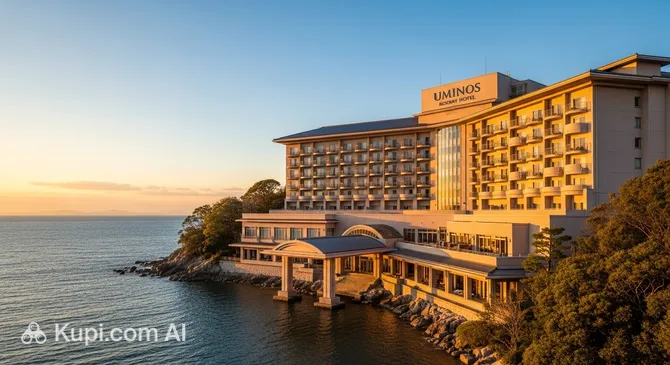
While the city center is dominated by modern business hotels, there are also unique options for those looking to unwind away from the urban bustle. For instance, Uminos serves as a resort hotel located by the sea, offering guests a chance to relax in a spacious environment with ocean views. Places like this are perfect for travelers who want to combine sightseeing with a bit of leisure and nature.

Uminos. Source: Kupi.Binoculars

Booking Tips and Prices:

Accommodation prices in Hiroshima are generally reasonable compared to Tokyo or Kyoto. Budget travelers can find hostels and capsule hotels ranging from 2,500 to 5,000 JPY per night. Mid-range business hotels typically cost between 8,000 and 15,000 JPY, while luxury hotels and high-end ryokans can go significantly higher. It is highly recommended to book in advance, especially if you plan to visit during the peak cherry blossom season (late March to early April) or Golden Week (early May), as rooms fill up quickly. Most reservations can be easily made via major online booking platforms, though some smaller traditional inns may prefer direct inquiries.

Nearby Cities

For those looking to explore the surroundings, Hiroshima serves as an excellent base for day trips to several interesting nearby locations:

One of the most popular excursions is to Iwakuni, located just across the border in Yamaguchi Prefecture. It is famous for the Kintaikyo Bridge, an elegant five-arched wooden structure that is considered one of Japan's most beautiful bridges. After crossing the river, visitors can explore Kikko Park and take a ropeway up to Iwakuni Castle for panoramic views.

For history and maritime enthusiasts, Kure is a must-visit destination. As a former naval base, it holds a significant place in history and is home to the Yamato Museum, which showcases a massive model of the famous battleship. Nearby, the JMSDF Kure Museum (Iron Whale Museum) offers the unique opportunity to enter and explore a real decommissioned submarine.

Hatsukaichi is another essential stop, primarily because it encompasses the famous island of Miyajima. While the island's shrine is the main draw, the mainland area of Hatsukaichi offers a relaxed coastal atmosphere and serves as the transit point for accessing the sacred Mount Misen and the Seto Inland Sea's scenic beauty.

City Population Distance (km)
Kure 212,159 18
Higashihiroshima 197,347 27
Imabari 149,209 61
Iwakuni 128,401 33
Hatsukaichi 114,699 12

These nearby destinations offer a glimpse into the diverse culture and landscapes of the region.

Shopping & Souvenirs

Shopping in Hiroshima is a delightful experience that blends modern convenience with traditional Japanese charm. The city offers a diverse range of retail options, from bustling covered arcades and high-end department stores to sprawling suburban malls. Whether you are looking for the latest fashion, traditional crafts, or unique local delicacies, the city's compact downtown area makes it easy to navigate between shops while enjoying the vibrant urban atmosphere.

The heartbeat of the city's retail scene is the Hondori Shopping Arcade. This pedestrian-only covered street stretches for about half a kilometer through the city center, lined with a mix of clothing boutiques, drugstores, cafes, and game centers. It serves as the main artery connecting the Peace Memorial Park area to the lively entertainment districts. Adjacent to Hondori, the neighborhoods of Kamiyacho and Hatchobori are home to major Japanese department stores like Sogo, Fukuya, and Mitsukoshi, where visitors can find luxury brands and explore the famous depachika (basement food halls) filled with gourmet treats.

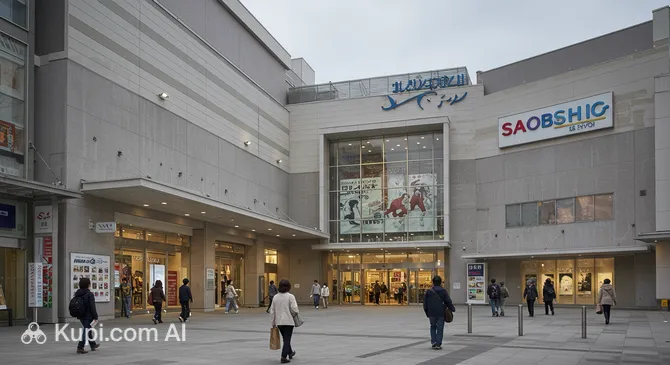
For a more extensive shopping excursion, travelers can visit AEON Mall Hiroshima Fuchu. Located just a short train or bus ride from Hiroshima Station, this is one of the largest shopping complexes in the Chūgoku region. It houses a vast array of international and local brands, a cinema, and a large food court, making it a perfect destination for families. Alternatively, bargain hunters will appreciate The Outlets Hiroshima, a modern open-air mall that combines discount shopping with entertainment facilities, including a cinema and an ice skating rink.

AEON Mall Hiroshima Fuchu. Source: Kupi.Binoculars

While Hiroshima does not have a central "market" in the traditional sense, the Omotesando Shopping Street on the nearby island of Miyajima offers a bustling, market-like atmosphere. This lively street is packed with vendors selling fresh oysters, steamed buns, and local crafts. It is the ideal place to sample street food while browsing for gifts. Additionally, the area around Hiroshima Station, particularly the ekie complex, features a curated selection of souvenir shops and food stalls that mimic a high-end market environment, perfect for last-minute shopping before catching a train.

When it comes to souvenirs, Hiroshima has several signature items that are worth bringing home. The most famous edible gift is Momiji Manju, a maple-leaf-shaped cake filled with sweet bean paste, custard, or chocolate. For non-food items, Kumano Brushes (Kumano-fude) are world-renowned; produced in the nearby town of Kumano, these high-quality brushes are coveted by makeup artists and calligraphers globally. Fans of sports should look for vibrant red merchandise supporting the Hiroshima Toyo Carp baseball team, which can be found throughout the city. Additionally, as the region is Japan's top producer of lemons, any lemon-flavored snacks or condiments make for excellent local gifts.

Most shops in the city center open around 10:00 AM and close between 8:00 PM and 9:00 PM. While department stores and major malls accept credit cards and IC cards, smaller boutiques and souvenir stalls, especially on Miyajima, may still prefer cash. Visitors should ensure they carry enough yen for small purchases. Many larger stores offer tax-free shopping for tourists spending over 5,000 JPY (excluding tax) on consumables or general goods; be sure to look for the "Japan Tax-Free Shop" symbol and have your passport ready to claim the refund at the counter.

Reached the end of the page?

That means the route is fully explored