Support

Osaka

About

Osaka is a dynamic powerhouse and the unofficial culinary capital of Japan. Known for its outgoing locals, vibrant neon-lit streets, and a deep-seated love for food, this city offers a refreshing contrast to the more reserved atmosphere often found elsewhere in the country. As the economic heart of the Kansai region, it pulses with an energy that is both modern and traditionally grounded, making it an essential stop for any traveler seeking an authentic urban Japanese experience.

Geographically, the city sits at the mouth of the Yodo River on Osaka Bay, serving as a major port and commercial hub on the island of Honshu. With a massive metropolitan population exceeding 15 million people, it is a bustling concrete jungle that never seems to sleep. Despite its size, the city remains accessible and friendly, with a distinct dialect and a humorous, down-to-earth culture that charms visitors instantly.
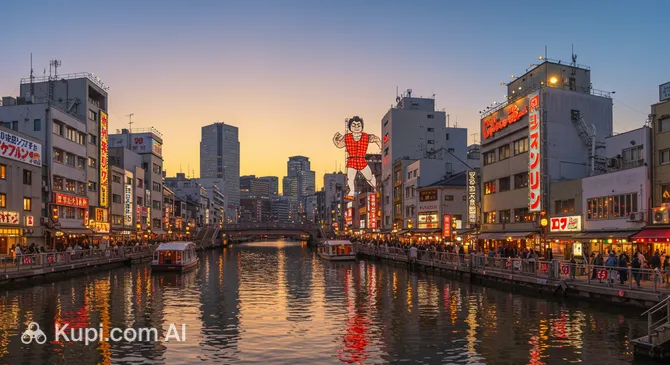
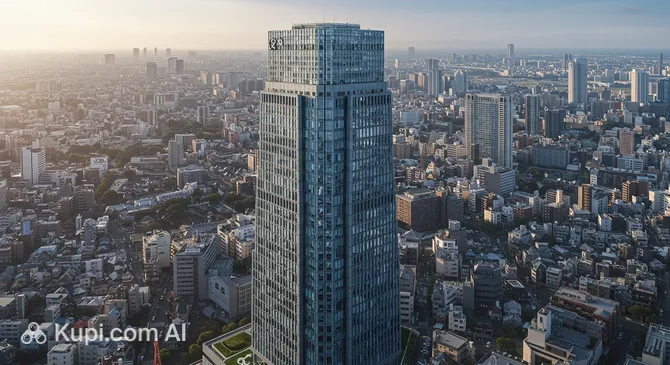
Osaka. Source: Kupi.Binoculars

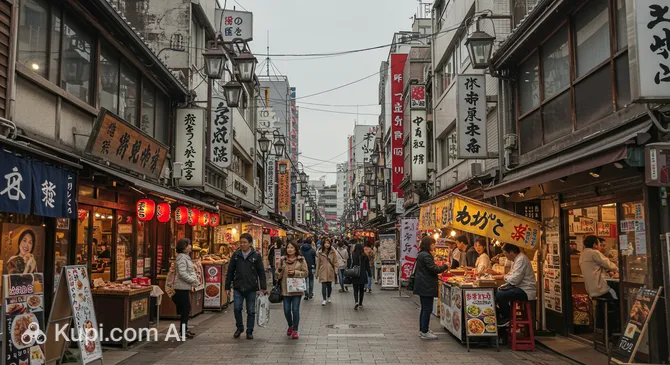
While the skyline is dominated by futuristic architecture, the history of Osaka is rich and storied, dating back to when it served as the nation's first capital under the name Naniwa. Today, this heritage is best represented by the majestic Osaka Castle, which stands as a powerful symbol of the city's resilience amidst a park of cherry blossom trees. In stark contrast, the Dotonbori district offers a sensory explosion of giant mechanical signs, including the famous Glico Man, and endless rows of street food stalls selling local favorites like takoyaki (octopus balls) and okonomiyaki (savory pancakes).

Whether you are exploring the retro vibes of the Shinsekai district or marveling at the marine life in the expansive Osaka Aquarium Kaiyukan, the city promises unforgettable memories. Visitors are invited to embrace the local motto of "Kuidaore"—to eat until you drop—and immerse themselves in the warm, electrifying spirit of this unique destination.
Weather Overview

Osaka experiences four distinct seasons, offering a climate that changes significantly throughout the year. To ensure you pack the right clothing for your trip, it is advisable to consult the detailed forecast for the weather in Osaka before you travel.

Winters are generally cold but relatively dry, with January seeing average temperatures around 5.0°C and lows dipping to 1.5°C. December is typically the driest time of the year, featuring only about 6 wet days. As spring approaches, the city warms up pleasantly; by April, the average temperature rises to 14.6°C, creating comfortable conditions for sightseeing, although the frequency of rain begins to increase.

Summer brings the most intense weather, characterized by substantial heat and humidity. August is typically the hottest month, with average highs reaching 32.0°C. This season is also the wettest, particularly in July, which records approximately 17 wet days. The heat subsides in autumn, with October offering mild averages of 18.4°C, making it another popular time to visit. Expect hot, humid summers with frequent rain and cold, drier winters.

Interesting Facts

Beyond the neon signs of Dotonbori and the historic castle walls, Osaka holds many fascinating secrets that distinguish it from the rest of the country. This city marches to the beat of its own drum, boasting unique customs, architectural marvels, and cultural claims to fame that often surprise visitors.

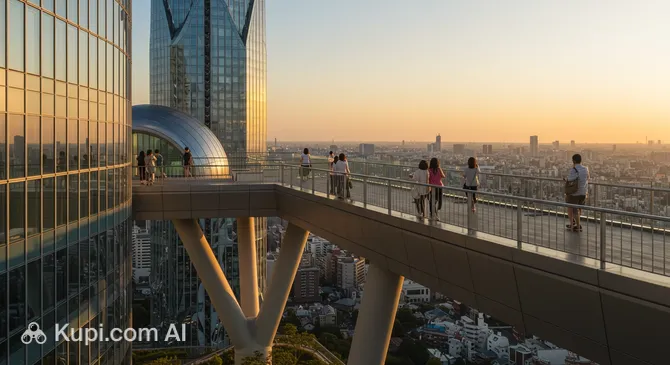
Umeda Sky Building Floating Garden Observatory. Source: Kupi.Binoculars
  • Escalator Etiquette: In a curious departure from the norm in Tokyo and most other Japanese cities, people in Osaka stand on the right side of escalators and walk on the left. This unwritten rule is strictly followed by locals and serves as an immediate reminder that you have entered a distinct cultural sphere within Japan.

  • Birthplace of Instant Noodles: The global phenomenon of instant ramen began right here. Momofuku Ando invented the world's first instant noodles, "Chicken Ramen," in a shed in Ikeda, Osaka, in 1958, forever changing global dietary habits.

  • A Floating Observatory: The futuristic Umeda Sky Building Floating Garden Observatory is one of the city's most recognizable landmarks. It features a spectacular "floating" garden connecting the two towers at the top, accessed by a glass-encased escalator that traverses the open air roughly 170 meters above the ground.

  • Ancient Giants: The prefecture is home to the Mozu-Furuichi Kofun Group, a collection of ancient burial mounds. Among them is the Nintoku-tenno-ryo Kofun, a keyhole-shaped tomb that is one of the largest grave sites in the world by area, rivaling the scale of the Egyptian pyramids.

How to Get There

As a major economic and cultural hub of the Kansai region, the city is exceptionally well-connected to the rest of the world and Japan. Whether you are arriving from overseas or another part of the country, there are numerous convenient options to reach your destination. For a complete overview of all transportation methods, you can read more about how to get to Osaka to plan your journey effectively.

The primary gateway for international travelers is Kansai International Airport (KIX). Located on an artificial island in Osaka Bay, this world-class facility handles the majority of international flights. It is situated approximately 38 km from the city center; a trip by taxi or airport bus typically takes around 75 to 80 minutes, depending on traffic. Another vital hub is Itami Airport (ITM), officially known as Osaka International Airport. Despite its name, it primarily serves domestic routes and is significantly closer to the downtown area, located just about 12 km away. A taxi or bus ride from here is quite quick, usually taking around 40 minutes.

Travelers may also consider Kobe Airport (UKB), which is situated roughly 26 km from Osaka. While smaller, it offers a convenient alternative for certain domestic connections, with a travel time of approximately one hour by road. The region's robust transport network ensures that whichever airport you choose, transfer to the city center is straightforward.

For clarity, here is a summary of the main airports:

Airport Name City Passenger Traffic Km from City
Kansai International Airport Osaka Very High 37.9
Itami Airport Osaka High 11.8
Kobe Airport Osaka Medium 25.9
Tokushima Awaodori Airport Tokushima Medium 103.2
Shirahama Airport Shirahama Low 115.1

In addition to air travel, the city is a central node on Japan's high-speed rail network. The Shinkansen (bullet train) stops at Shin-Osaka Station, providing rapid and frequent access from Tokyo, Kyoto, Hiroshima, and other major cities. Local trains and highway buses also offer budget-friendly alternatives for those traveling from nearby prefectures.

Main Attractions

Osaka is a city of vivid contrasts, where centuries-old traditions coexist seamlessly with futuristic skyscrapers and bustling retail hubs. While the famous castle and the neon lights of Dotonbori often steal the spotlight, the city offers a wealth of other captivating experiences. From soaring observation decks to serene spiritual sites, here are some of the top places to explore.

For a breathtaking perspective of the sprawling metropolis, a visit to Abeno Harukas is a must. Standing as one of the tallest skyscrapers in Japan, this architectural marvel houses a department store, an art museum, and a hotel. However, the main draw for tourists is the "Harukas 300" observation deck on the top floors. It offers unobstructed, 360-degree views of the cityscape, the bay, and even distant mountains on clear days, making it the perfect spot to appreciate the sheer scale of the region.

Abeno Harukas. Source: Kupi.Binoculars

Travelers seeking a connection to Japan's spiritual heritage should head to Sumiyoshi Taisha, one of the country's oldest and most revered shrines. Founded in the 3rd century, it predates the introduction of Buddhism and features a unique architectural style known as Sumiyoshi-zukuri. The shrine is famous for its beautiful Sorihashi Bridge, a high-arched red bridge that reflects elegantly over the pond below. It is a peaceful retreat from the urban noise and a fascinating place to witness traditional Shinto practices.

Sumiyoshi Taisha. Source: Kupi.Binoculars

Shoppers and fashion enthusiasts will find their paradise at the Shinsaibashi-suji Shopping Street. This premier covered arcade stretches for roughly 600 meters and has been the city's main shopping area for hundreds of years. The street is lined with an eclectic mix of high-end brand boutiques, traditional kimono tailors, and trendy fast-fashion retailers. It is an excellent place to soak up the local atmosphere, hunt for souvenirs, and enjoy people-watching in a vibrant, rain-proof environment.

Shinsaibashi-suji Shopping Street. Source: Kupi.Binoculars

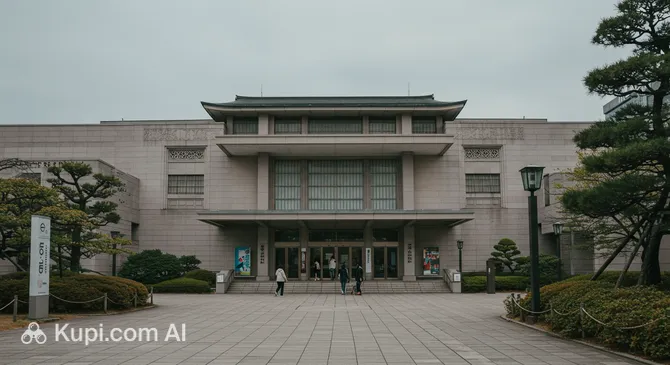
If you are interested in diving deeper into the city's past, the Osaka Museum of History offers an engaging journey through time. Located just across from the castle, the museum features life-sized reconstructions and interactive exhibits that chronicle the city's evolution from the ancient Naniwa Palace era to the bustling commercial center of the early Showa period. The upper floors also provide stunning panoramic views of the castle grounds, allowing visitors to connect the historical narrative with the physical landmarks outside.

Local Cuisine

Known as the "Kitchen of the Nation" (Tenka no Daidokoro), Osaka is a gastronomic paradise where the locals take their food very seriously. The city's culinary motto is "Kuidaore," which translates to "eat until you drop" or "ruin yourself by extravagance in food." Unlike the refined and subtle kaiseki cuisine of neighboring Kyoto, the food culture here is hearty, flavorful, and unpretentious, often centered around casual dining and vibrant street food scenes.

The soul of the local cuisine lies in "konamon"—flour-based dishes that are savory, satisfying, and fun to eat. The most iconic of these is Takoyaki, ball-shaped snacks made of a wheat flour-based batter and filled with minced or diced octopus (tako), tempura scraps, pickled ginger, and green onion. You will find vendors flipping these sizzling spheres with lightning speed on nearly every street corner. Another must-try is Okonomiyaki, often described as a Japanese savory pancake or pizza. In the Osaka style, the ingredients—usually cabbage, pork, and seafood—are mixed into the batter before grilling, resulting in a fluffy texture topped with rich sauce, mayonnaise, dried seaweed, and dancing bonito flakes.

For those who love fried food, Kushikatsu is a local staple, particularly associated with the retro Shinsekai district. These are skewers of meat, seafood, and vegetables that are breaded and deep-fried to golden perfection. They are typically served with a communal stainless steel container of tangy dipping sauce. It is a strict rule of etiquette never to dip your skewer twice into the communal sauce; if you need more flavor, use the provided cabbage leaves to scoop the sauce onto your food.

A lesser-known but beloved local specialty is Ikayaki, a squid pancake that is pressed flat and cooked quickly. It is a popular snack often found in department store basements, known as "depachika," which are treasure troves of gourmet foods. One famous spot to experience the bustling energy of local food shopping and grab a quick bite or drink is Umeda Hanshin. This location is legendary among locals for its food offerings and is a perfect place to witness the city's obsession with quality ingredients.

Umeda Hanshin. Source: Kupi.Binoculars

When it comes to beverages, the city has a unique creation called "Mixed Juice" (Mikkusu Juusu). Originated in local coffee shops after World War II to avoid wasting fruit, this thick, creamy drink is a blend of various fruits like bananas, oranges, and peaches mixed with milk and ice. It is a nostalgic comfort drink for many residents. For something stronger, the region is close to major sake-producing areas, ensuring a steady flow of high-quality rice wine in izakayas. The modern cafe scene is also thriving, with spots like the Whitebird Coffee Stand offering high-quality brews for travelers needing a caffeine fix between meals.

Dining here is as much about the atmosphere as it is about the taste. Whether you are standing at a "tachinomi" (standing bar) rubbing shoulders with salarymen, sitting at a teppanyaki counter watching chefs prepare food with flair, or navigating the crowded stalls of a market, the experience is always lively and welcoming. The city's food scene invites you to let go of formalities and simply enjoy the pleasure of a good meal.

Travel Tips

Welcome to Osaka! To help you navigate the "Kitchen of Japan" with ease and confidence, we have compiled a list of essential practical tips. Whether you are here for the street food, the history, or the neon lights, these suggestions will ensure your journey is smooth and enjoyable.

  1. Clothing and Gear: Osaka involves a significant amount of walking, so comfortable, broken-in walking shoes are an absolute must. The city gets very hot and humid in summer, so breathable fabrics are essential, while winters require warm layers and a good coat. Dress codes are generally casual, but if you plan to enter temple buildings or traditional ryokans, wear shoes that are easy to slip on and off. Don't forget a universal power adapter for Type A outlets (two flat pins).

  2. Transportation: The public transport network is world-class. The Osaka Metro and the JR Osaka Loop Line will get you to almost every major attraction. Renting a car is unnecessary and often stressful due to traffic and parking costs. Instead, purchase a prepaid IC card (like ICOCA or Suica) immediately upon arrival. You can tap these cards at train gates, on buses, and even use them to pay at vending machines and convenience stores.

  3. Finances: The currency is the Japanese Yen (JPY). While credit cards are increasingly accepted in department stores and hotels, Osaka is still very much a cash-based society, especially at street food stalls and ticket machines. Always carry cash. International ATMs are readily available at 7-Eleven and Japan Post Bank locations. Remember, there is no tipping culture here; excellent service is the standard, and leaving a tip may cause confusion or be returned to you.

  4. Health and Safety: Osaka is incredibly safe, but general precautions with valuables are always wise. Pharmacies (often labeled as "Drug Stores") are ubiquitous and sell toiletries and basic medicine; look for the "Kusuri" (薬) sign. For emergencies, dial 119 for ambulance or fire, and 110 for police. Tap water is safe to drink, so you can refill a reusable water bottle to stay hydrated.

  5. Communication: While English signage is common in the subway and tourist hubs, spoken English proficiency varies. Locals are friendly and will try to help, but having a translation app like Google Translate is invaluable. Free public Wi-Fi can be spotty, so renting a Pocket Wi-Fi or purchasing a data SIM card/eSIM at the airport is highly recommended to stay connected for maps and translations.

  6. Local Etiquette: One distinct rule in Osaka—which differs from Tokyo—is escalator etiquette: stand on the right and walk on the left. On trains, keep your voice down and avoid talking on the phone. When interacting with shop staff or locals, a slight bow or nod is a polite way to say thank you (Arigato gozaimasu).

  7. What to Avoid: Do not eat or drink while walking, as it is generally considered rude. The exceptions are specific street food zones like Dotonbori, but even there, it is better to stand near the stall while you eat rather than walking through the crowd. Also, never stick your chopsticks vertically into a bowl of rice, as this resembles a funeral ritual.

  8. Tax-Free Shopping: Take advantage of tax-free shopping! Many stores, from electronics giants to drugstores like Don Quijote, offer tax exemptions for tourists on purchases over 5,500 yen. You must present your actual passport (not a copy) at the cashier to have the consumption tax deducted on the spot.

Armed with these tips, you are ready to dive into the vibrant energy of Osaka. Embrace the local spirit, eat to your heart's content, and enjoy every moment of your adventure in this fascinating city!

Entertainment & Nightlife

When the sun sets, Osaka undergoes a vibrant transformation, shedding its business-like demeanor to become one of Asia's most exciting nightlife destinations. The city's energy shifts from the rush of commerce to the pulse of neon lights, music, and laughter. The nightlife here is diverse, ranging from chaotic, fun-loving districts to sophisticated, upscale lounges. The atmosphere is generally more casual and welcoming than in Tokyo, with locals eager to strike up a conversation over drinks.

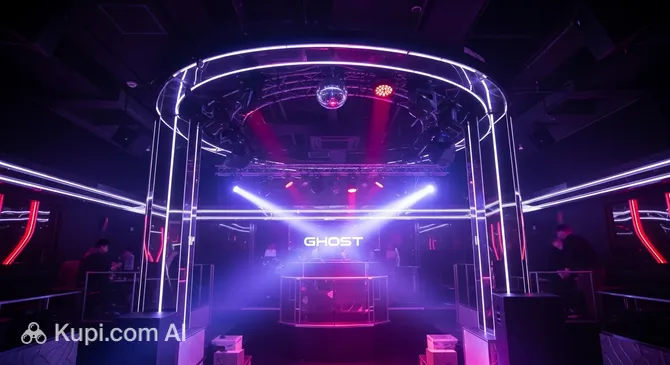
The epicenter of the action is undoubtedly the Minami (South) area, specifically around Dotonbori and Namba. This district is a sensory overload of neon signage, giant mechanical crabs, and crowds of people. Here, the party spills out onto the streets, with countless izakayas (Japanese pubs) and standing bars (tachinomi) staying open late. Just a short walk away is Amerikamura (American Village), the hub of youth culture. This area is packed with hip-hop clubs, live music venues, and trendy bars that attract a stylish, younger crowd. For those seeking a high-energy experience, GHOST Osaka near Shinsaibashi is a standout venue. Known for its state-of-the-art sound system and frequent appearances by international DJs, it offers a trendy setting to dance the night away.

GHOST Osaka. Source: Kupi.Binoculars

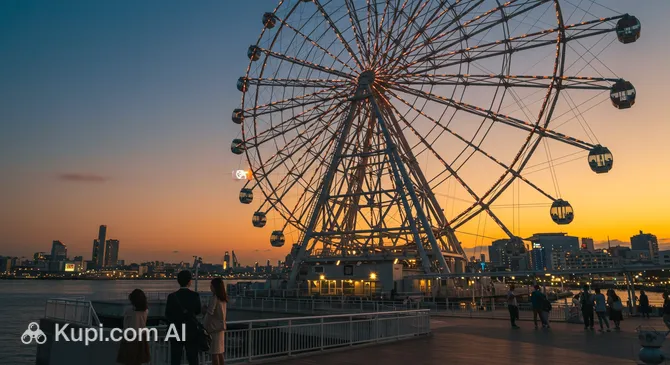
In contrast, the Kita (North) district, centered around Umeda, offers a more refined nightlife experience. This area caters to a slightly older crowd, including office workers unwinding after a long day. You will find chic cocktail bars, high-end dining, and jazz clubs tucked away in skyscrapers. For a romantic or scenic evening, many visitors head to the bay area or nearby waterfronts to enjoy the illuminated skyline. The Mosaic Ferris Wheel is a popular choice for couples and families alike, offering stunning panoramic views of the glittering harbor lights in a relaxed atmosphere.

Mosaic Ferris Wheel. Source: Kupi.Binoculars

Practicality is key to enjoying the night. Most trains and subways in the city stop running between midnight and 12:30 AM. If you plan to stay out later, be prepared to take a taxi, which can be expensive, or wait for the first train around 5:00 AM. Dress codes are generally casual, although some high-end clubs and lounges may prohibit flip-flops or sportswear. Safety is rarely a concern; the city is incredibly safe for night walks. However, in busy entertainment districts, you may encounter "touts" trying to lure you into their bars. It is best to politely ignore them and head to venues you have chosen beforehand.

While the nights are electric, the city also offers plenty of daytime entertainment beyond temples and shrines. Families and active travelers can visit the Kansai Cycle Sports Center, a unique theme park dedicated to bicycling with various quirky bikes and courses. For those interested in quirky local culture, the Duskin Museum offers a fun look at the history of cleaning and the beloved Mister Donut franchise, complete with donut-making workshops. Whether day or night, the city ensures there is never a dull moment.

Duskin Museum. Source: Kupi.Binoculars

Parks & Museums

While the city is globally renowned for its bustling commercial districts and culinary scene, it also serves as a hub for exceptional green spaces and cultural institutions. The wider metropolitan area offers a diverse array of tranquil gardens, interactive museums, and historical landmarks that provide a perfect counterpoint to the urban energy of the downtown core.

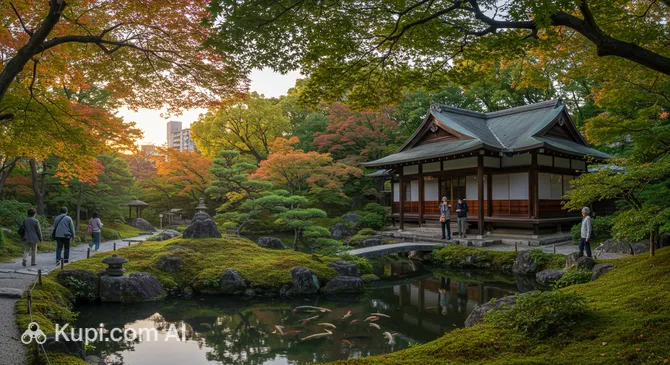
For those seeking serenity, Yoshikien Garden is a stunning destination that showcases traditional Japanese landscape design. This garden is unique because it features three distinct styles within a single location: a pond garden, a moss garden, and a tea ceremony flower garden. It is a peaceful retreat where visitors can admire the changing seasons, from vibrant autumn leaves to lush spring greenery. Another excellent option for outdoor enthusiasts is Suma Beach. This popular seaside spot offers a refreshing escape with its sandy shores and calming ocean views, making it a favorite for relaxation during the warmer months. For a more immersive nature experience, Riverside Glamping Inagawa provides a luxurious way to enjoy the outdoors without sacrificing comfort.

Yoshikien Garden. Source: Kupi.Binoculars

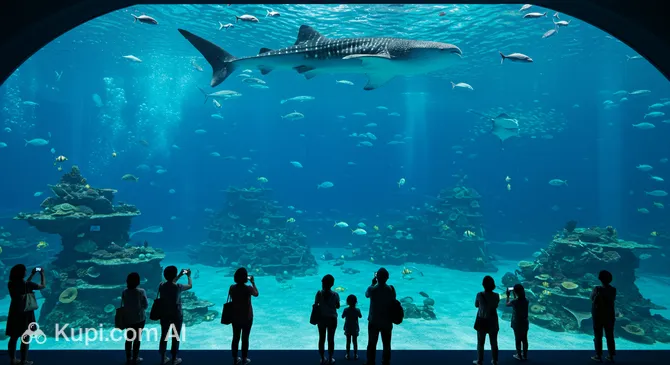
The region's museum scene is equally eclectic, blending art, history, and entertainment. The átoa Aquarium offers a theatrical aquarium experience that combines marine life with digital art and stage set design, creating a magical atmosphere that feels more like a contemporary art gallery than a traditional tank display. Architecture lovers should not miss the Yodoko Guest House. Designed by the legendary Frank Lloyd Wright, this hilltop mansion is designated as an Important Cultural Property and offers a rare glimpse into early 20th-century architectural brilliance. Families traveling with young children will find the Anpanman Children's Museum & Mall to be a delightful stop, dedicated to one of Japan's most beloved anime characters.

átoa Aquarium. Source: Kupi.Binoculars

History buffs will appreciate the Kitano Ijinkan District, a charming area featuring historical Western-style residences built by foreign merchants and diplomats in the late 19th century. Walking through these streets feels like stepping back in time to a more cosmopolitan era. Nearby, the Minatogawa Shrine stands as a significant spiritual site dedicated to Kusunoki Masashige, a samurai renowned for his loyalty. The shrine grounds are dignified and offer a quiet space for reflection amidst the city's hustle.

Kitano Ijinkan District. Source: Kupi.Binoculars

For a unique insider experience, consider visiting the Kobe Animal Kingdom. This all-weather animal and flower park allows for incredibly close encounters with capybaras, kangaroos, and exotic birds in a lush, greenhouse-like environment. Another hidden gem for marine life enthusiasts is the Minato-yama Aquarium, a smaller, community-focused facility that offers a more intimate look at aquatic ecosystems.

Getting Around

Public transport in Osaka is renowned for its efficiency, punctuality, and extensive coverage, making it the most convenient way for visitors to navigate the city. The network is a dense web of subways, trains, and buses that connects every major district and attraction. The backbone of the system is the Osaka Metro, which consists of several color-coded lines. The most important route for tourists is the red Midosuji Line, a central artery that runs north to south, linking key areas like Shin-Osaka, Umeda, Shinsaibashi, and Namba. Complementing the subway is the JR Osaka Loop Line, which circles the city center and connects to major transfer hubs, functioning similarly to the Yamanote Line in Tokyo.

In addition to the subway and JR lines, the city is served by a variety of private railway companies such as Hankyu, Hanshin, Keihan, Kintetsu, and Nankai. These are particularly useful for traveling to neighboring regions or specific suburbs. While city buses are available and cover areas not reached by rail, they can be slightly more challenging for non-Japanese speakers to navigate due to complex routes. However, they are reliable and clean. For a unique historical experience, you can ride the Hankai Tramway, the last remaining streetcar line in the city, which offers a nostalgic, leisurely journey through the southern neighborhoods.

Payment is streamlined and user-friendly. The most practical option for tourists is to purchase a prepaid IC card, such as ICOCA, which is the local standard. Cards from other regions, like Suica or Pasmo, are also compatible. You simply tap the card on the reader at the ticket gates when entering and exiting. These cards can be bought and recharged at ticket machines in any station. For travelers planning a heavy day of sightseeing, the Enjoy Eco Card offers unlimited subway and bus rides for one day at a discounted rate, especially on weekends and holidays. Another popular choice is the Osaka Amazing Pass, which combines unlimited transport with free entry to dozens of major tourist attractions.

Operating hours for trains and subways generally run from approximately 5:00 AM to midnight. It is important to note that public transport does not run 24 hours a day. If you are out enjoying the nightlife past midnight, be prepared to use alternative methods. When using the system, remember to queue politely at the designated markings on the platform. In many trains, there are "Women Only" cars available during rush hours, marked with pink signs on the platform and train windows, providing a safe environment for female passengers.

If you miss the last train, taxis are a reliable alternative. They are safe, clean, and honest, though significantly more expensive than public transit. You can hail them on the street or find them at taxi stands near stations. Note that taxi doors open and close automatically, so there is no need to handle them yourself. Alternatively, since the city is relatively flat, bicycles are a very popular mode of transport among locals. Rental bike systems and bike-sharing apps are becoming increasingly common, offering a fun and healthy way to explore the backstreets and canals at your own pace.

Accommodation

Osaka offers a diverse array of accommodation options that cater to every type of traveler, from backpackers to luxury seekers. The city is famous for its efficient business hotels and unique "capsule hotels," which provide a compact and affordable place to sleep. For those seeking more comfort, there are numerous Western-style mid-range and luxury hotels offering spacious rooms and premium amenities. While traditional ryokans are less common here than in nearby Kyoto, visitors can still find establishments that offer a taste of Japanese hospitality with tatami mats and futon bedding.

When deciding where to stay, location is key. The two most popular districts for tourists are Kita (North), centered around Umeda and Osaka Station, and Minami (South), encompassing Namba and Shinsaibashi. Umeda is the city's sophisticated transport hub, ideal for travelers who plan to take frequent day trips to neighboring cities like Kobe or Kyoto. It offers excellent shopping and dining options in a more polished setting. On the other hand, Namba is the beating heart of the city's nightlife and entertainment; staying here puts you right in the middle of the neon-lit action, surrounded by endless street food stalls and lively crowds.

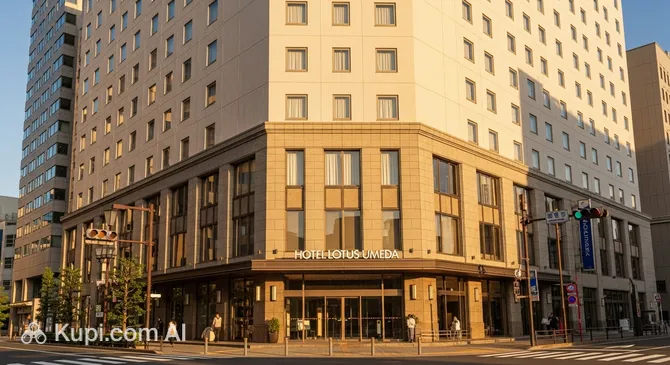
For those looking to base themselves in the dynamic northern district, Hotel Lotus Umeda serves as an example of the lodging options available in this area. Situated in the Umeda vicinity, properties in this location provide unparalleled access to major train lines and department stores, making it a strategic choice for urban explorers.

Hotel Lotus Umeda. Source: Kupi.Binoculars

The general price range for accommodation is often more reasonable than in Tokyo. Budget travelers can find hostels and capsule stays for very affordable rates, while mid-range hotels offer excellent value. However, prices can spike during peak travel periods. It is highly recommended to book in advance, particularly during the cherry blossom season in spring and the autumn foliage season, as the best locations tend to sell out months ahead. Booking is typically done through major online platforms, which are user-friendly and often offer flexible cancellation policies.

Nearby Cities

For those looking to explore the surroundings, Osaka serves as an excellent base for day trips to several interesting nearby locations. The extensive rail network makes it incredibly easy to hop on a train and find yourself in a completely different atmosphere within minutes.

One of the most historically significant neighbors is Sakai. Once a major trading port, it is now world-renowned for its traditional metalworking, particularly the production of high-quality kitchen knives and swords. History enthusiasts will be drawn to the Mozu Kofun Group, a UNESCO World Heritage site containing massive keyhole-shaped burial mounds that rival the pyramids in scale. It offers a fascinating glimpse into ancient Japan just a short ride from the city center.

Another worthwhile destination is Nishinomiya, situated halfway to Kobe. This city is famous across the nation as the home of Koshien Stadium, the spiritual heart of Japanese baseball and the site of the legendary high school tournaments. Beyond sports, Nishinomiya is celebrated for its sake production. It is part of the Nada-Gogo area, one of Japan's top sake brewing regions, where visitors can tour historic breweries and sample some of the finest rice wines in the country.

Higashi Osaka offers a different vibe, known as a manufacturing town with a strong community spirit. It is also the "Rugby City" of Japan, hosting the Hanazono Rugby Stadium, the oldest dedicated rugby union stadium in the nation. It represents the industrious and sporting soul of the prefecture.

City Population Distance (km)
Sakai 824,408 13
Higashi Osaka 490,819 9
Nishinomiya 487,010 16
Amagasaki 450,506 10
Toyonaka 401,233 10

These nearby destinations offer a glimpse into the diverse culture and landscapes of the region, ranging from ancient history and traditional crafts to modern sports and industry.

Shopping & Souvenirs

Osaka is a city that rivals Tokyo when it comes to retail therapy, offering everything from high-end luxury brands to quirky vintage finds. The shopping scene is broadly divided into two main districts: "Kita" (North) around Umeda, which is known for its massive department stores and underground labyrinths, and "Minami" (South) around Namba and Shinsaibashi, which offers a more youthful, energetic, and culturally distinct experience. Whether you are looking for the latest fashion trends, traditional crafts, or electronic gadgets, the city's diverse shopping arcades and malls have you covered.

The most famous retail artery is undoubtedly the Shinsaibashi-suji Shopping Street. This covered arcade has been a commercial center for centuries and stretches for approximately 600 meters. It is lined with an eclectic mix of major international retailers, historic kimono tailors, and drugstores packed with cosmetics. Walking through this bustling passage is a quintessential local experience, as the energy of the crowd and the sheer variety of goods create an atmosphere that is uniquely Osaka.

For those interested in pop culture and electronics, a visit to Den Den Town in the Nipponbashi area is essential. Often compared to Tokyo's Akihabara, this district is the go-to place for anime merchandise, manga, video games, and rare collectibles. Just a short walk away lies Amerikamura (American Village), a district characterized by its reproduction Statue of Liberty and a strong focus on youth culture. Here, you will find vintage clothing stores, trendy boutiques, and lively street food vendors, making it a hub for the city's fashion-forward crowd.

Travelers willing to explore the wider Kansai region will find exceptional shopping complexes just a short train ride from the city center. Umie is a prominent shopping mall located in the Kobe Harborland area. It offers a relaxed atmosphere by the sea, featuring a wide range of fashion brands, family-friendly shops, and a variety of dining options with views of the port. It is a perfect destination for a day trip that combines shopping with a scenic waterfront stroll.

Another significant destination for retail enthusiasts is the Kashihara Mall (Aeon Mall Kashihara). Situated in the southern part of the Nara basin, it is one of the largest shopping centers in the region. With its extensive selection of specialty stores, a cinema complex, and a spacious food court, it provides a comprehensive shopping experience away from the hustle and bustle of downtown Osaka. It is particularly convenient for those exploring the historic sites of Nara Prefecture.

When it comes to souvenirs, the city offers plenty of unique options. "Fake food" replicas, used by restaurants to display their menus, are a popular and quirky keepsake available in the dedicated Doguyasuji Arcade. Other local favorites include premium Japanese knives from Sakai, intricate tinware, and humorous t-shirts featuring the local dialect. Don't forget to pick up some edible souvenirs like "omiyage" boxes of takoyaki-flavored snacks to share the taste of the city with friends back home.

Reached the end of the page?

That means the route is fully explored