Support

Matsumoto

About

Matsumoto is a captivating city located in the mountainous heart of the main island of Japan. Situated in Nagano Prefecture, this destination is renowned for its harmonious blend of cultural heritage and stunning natural landscapes. With a population of approximately 240,000 residents, it serves as a lively yet relaxed urban center that acts as a major gateway for travelers heading into the majestic Japanese Alps.

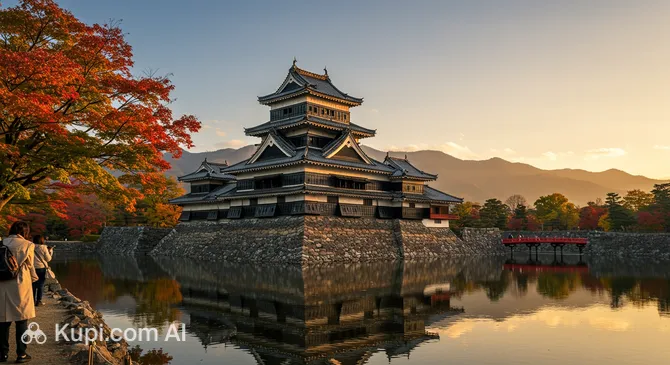
Matsumoto. Source: Kupi.Binoculars

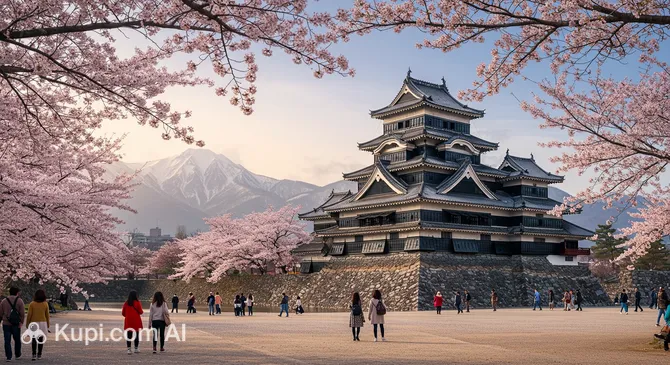
The city boasts a rich legacy that is evident in its well-preserved architecture and traditional streets. Visitors interested in the history of Matsumoto will be delighted by its most iconic landmark, Matsumoto Castle. Often referred to as the "Crow Castle" due to its distinctive black wainscoting, it is one of the country's premier historic castles and a designated National Treasure. The surrounding park is a favorite spot for locals and tourists alike, especially during the spring cherry blossom season.

Beyond its historical significance, Matsumoto offers a vibrant arts scene and unique shopping experiences. Nakamachi Street is famous for its traditional white-walled warehouses, known as kura, which have been converted into charming cafes, craft shops, and restaurants. The city is also the birthplace of the world-renowned artist Yayoi Kusama, and her polka-dotted works are a highlight at the Matsumoto City Museum of Art. Whether you are seeking alpine adventures or a deep dive into traditional culture, Matsumoto welcomes you with open arms.

Weather Overview

The weather in Matsumoto is characterized by a highland climate, offering crisp air and distinct seasons due to the city's elevation. Surrounded by the Japanese Alps, the area experiences comfortable, warm summers and cold winters where temperatures frequently drop below freezing. This mountainous setting often traps cool air, providing a refreshing escape during the hotter parts of the year.

Winter conditions are notably cold, with January averages sitting around -4.8°C and lows reaching -8.1°C. While the total volume of rainfall is relatively low during this time, damp days are common. Conversely, summer brings warmer days, with August seeing average temperatures of 21.7°C. July stands out as the wettest month in terms of frequency, with precipitation recorded on about 24 days.

For the best experience, spring and autumn are often recommended, as the milder temperatures are perfect for outdoor activities like exploring the castle grounds. Visitors should plan their wardrobe carefully, as the highland air can feel quite cool, especially in the mornings and evenings.

Interesting Facts

Beyond the main attractions, Matsumoto holds many fascinating secrets and local legends that add depth to its charming streets. From hidden architectural features to quirky mascots, the city offers plenty of surprises for the observant traveler.
Matsumoto Castle. Source: Kupi.Binoculars
  • One of the most intriguing features of Matsumoto Castle is its optical illusion. While it appears to have five stories from the outside, there is actually a hidden sixth floor inside. This secret level, known as the "dark floor," has no windows and was historically used as a secure storage area and a safe place for samurai during battles.

  • The city is affectionately known as the "City of Water" because it sits atop a vast underground aquifer. As you walk through the streets, you will encounter numerous public wells and fountains where crystal-clear, mineral-rich spring water flows freely. Locals and visitors alike are welcome to bring their own bottles and drink this fresh water straight from the source.

  • Nawate Street, a riverside shopping lane, is dedicated entirely to frogs. The street is filled with frog statues and frog-themed goods, a tribute to the Kajika frogs that once inhabited the clean waters of the Metoba River. The word "kaeru" in Japanese means both "frog" and "to return," symbolizing the wish for the frogs—and safe travelers—to return home.

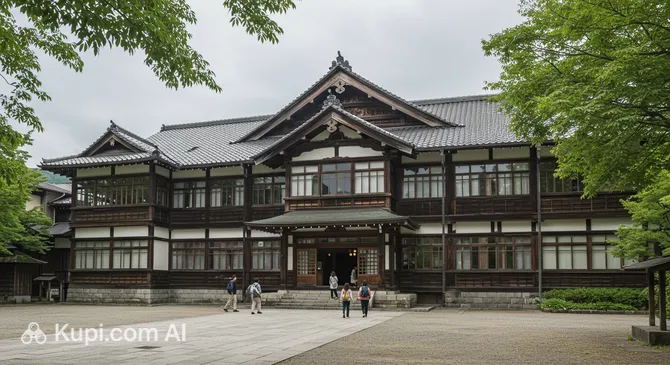
  • The Former Kaichi School is a prime example of "Giyofu" architecture, a style that mimics Western design using traditional Japanese carpentry techniques. This results in a unique visual mix, such as the octagonal tower featuring traditional dragon carvings alongside two Western-style angels holding a banner, a rare combination that reflects the modernization era of the late 19th century.

How to Get There

Reaching this scenic castle town in the Japanese Alps is relatively straightforward, thanks to its connectivity by both air and rail. Whether you are arriving from within Japan or traveling from abroad, you can choose the route that best fits your itinerary. For a comprehensive guide on all transport options, you can read more about how to get to Matsumoto.

For those preferring to fly, the most convenient option is Matsumoto Airport (MMJ), which is located directly in the city, approximately 9 km from the center. It is a smaller regional hub with an annual passenger traffic of around 112,000, primarily serving domestic flights. A trip by taxi or bus from the airport to the downtown area typically takes about 35 minutes.

Alternatively, you can fly into Toyama Airport (TOY), situated in the city of Toyama. Although it is about 84 km away from Matsumoto, it handles a larger volume of travelers. The journey from Toyama to Matsumoto by road takes approximately 2.5 hours. Another significant option is Komatsu Airport (KMQ) in Komatsu, which serves over 1.8 million passengers annually. It is located roughly 142 km away, and the travel time by road is estimated to be around 4 hours.

For clarity, here is a summary of the main airports:

Airport Name City Passenger Traffic Km from City
Komatsu Airport Komatsu High 141.6
Toyama Airport Toyama Medium 83.8
Shizuoka Airport Shizuoka Medium 161.0
Noto Airport Wajima Low 147.8
Matsumoto Airport Matsumoto Low 9.1

In addition to air travel, Matsumoto is well-connected by Japan's extensive railway network. The city is a major stop on the JR Chuo Line, making it easily accessible from major urban centers like Tokyo and Nagoya. Limited express trains offer a comfortable and scenic journey through the mountains, delivering visitors directly to Matsumoto Station in the heart of the city.

Main Attractions

While the city is famous for its history, the true charm of Matsumoto lies in the specific details of its landmarks and its harmonious relationship with nature. Exploring the area reveals everything from spiritual power spots to parks that offer sweeping vistas of the surrounding mountains.

At Matsumoto Castle, visitors should pay special attention to the Tsukimi-yagura, or Moon Viewing Wing. Added during the peaceful Edo period, this open-sided structure with vermilion railings stands in contrast to the defensive loopholes of the main keep. It was designed for leisure rather than war, allowing lords to entertain guests while gazing at the moon. A stroll around the outer moat provides excellent angles for photography, capturing the reflection of the keep on the water's surface.

Matsumoto Castle. Source: Kupi.Binoculars

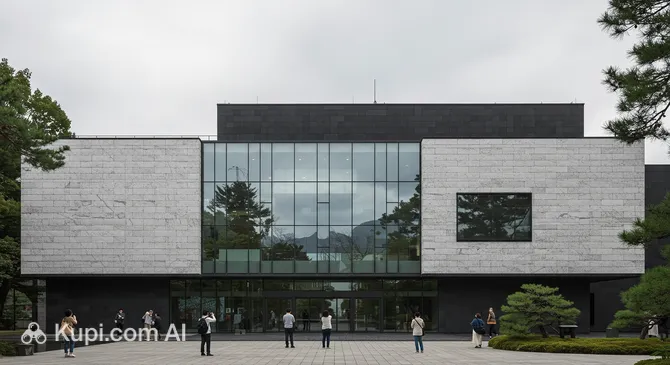
For a dive into contemporary culture, the Matsumoto City Museum of Art offers a fully immersive experience. The influence of Yayoi Kusama extends beyond the galleries; even the exterior vending machines and benches are decorated with her signature polka dots. Inside, the exhibits challenge the senses with large-scale installations and infinity mirror rooms, inviting guests to step directly into the artist's vibrant worldview.

Matsumoto City Museum of Art. Source: Kupi.Binoculars

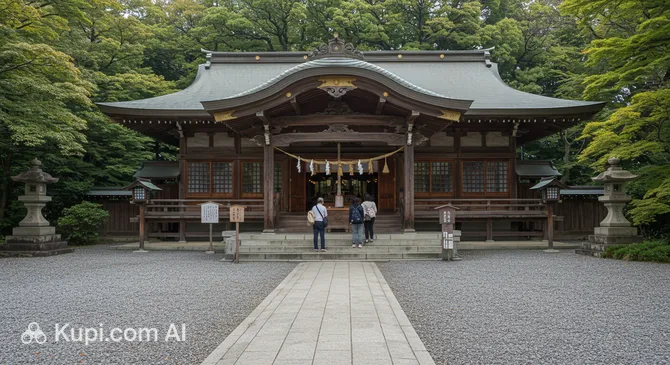
A short walk from the city center leads to Yohashira Shrine, a unique spiritual site dedicated to four different deities. Known as the "Shrine of Four Pillars," it is believed to answer prayers for all kinds of wishes, from business success to romantic relationships. The serene grounds serve as a tranquil gathering place for locals, hosting vibrant festivals in the autumn that transform the quiet atmosphere into a lively celebration.

Yohashira Shrine. Source: Kupi.Binoculars

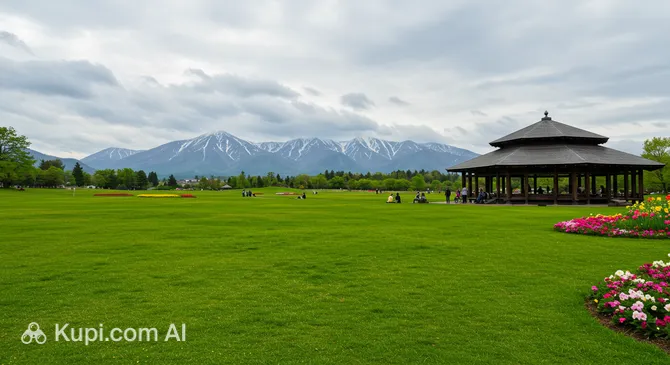
Nature lovers should not miss Matsumoto Alps Park, situated on a hill overlooking the urban sprawl. This expansive park is perfect for families, featuring a small zoo and the "Alps Dream Coaster," a thrilling roller slide that weaves through the forest. It is also one of the best vantage points in the region, offering breathtaking panoramic views of the Japanese Alps that are particularly striking on crisp, clear days.

Matsumoto Alps Park. Source: Kupi.Binoculars

Local Cuisine

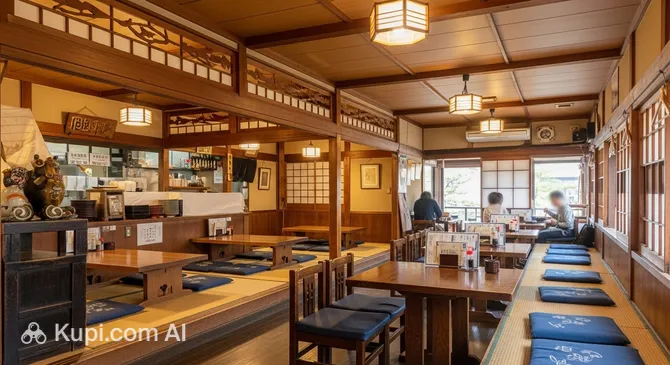
The culinary landscape of Matsumoto is deeply influenced by its geography, particularly the pristine spring water that flows from the surrounding Japanese Alps. This abundance of fresh, clear water is the secret ingredient behind the city's most famous dish: soba. Nagano Prefecture is renowned across Japan for its high-quality buckwheat noodles, known as Shinshu Soba. In Matsumoto, you will find countless specialty shops serving these noodles either cold with a dipping sauce or hot in a savory broth. For an authentic taste of this local staple, visitors can dine at Komugi Soba Ike, where the texture and fragrance of the handmade noodles are celebrated.

Komugi Soba Ike. Source: Kupi.Binoculars

Beyond noodles, the city is famous for a hearty local specialty called Sanzokuyaki, or "Bandit's Fried Chicken." Despite its name suggesting it is grilled ("yaki"), this dish actually consists of a large chicken thigh marinated in a garlic and soy sauce mixture, coated in potato starch, and deep-fried until crispy. It is a flavorful and filling meal that originated in the region and pairs perfectly with a cold drink after a day of exploring. Another traditional delicacy favored by locals is unagi (freshwater eel). Establishments like Yana's Eel Tourist Inn offer exquisitely prepared eel dishes that highlight the rich, savory culture of the area.

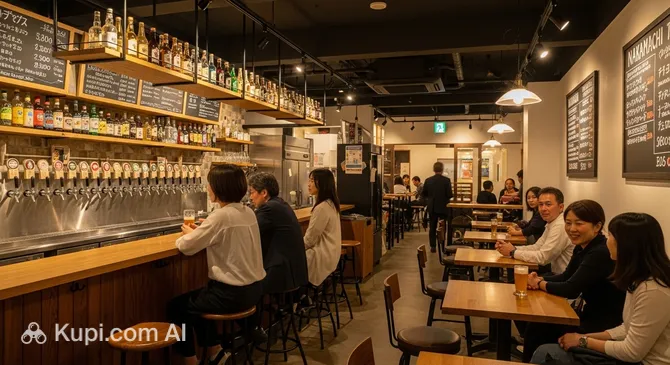
The pure water of the region also supports a thriving beverage industry, ranging from centuries-old sake breweries to modern craft beer producers. Sake lovers will appreciate the crisp, dry profiles of the local nihonshu, while beer enthusiasts should explore the growing craft beer scene. A great place to sample local brews is the Nakamachi Tap Room, located in the historic Nakamachi district. Here, you can enjoy a variety of artisanal beers in an atmosphere that blends traditional architecture with contemporary style.

Nakamachi Tap Room. Source: Kupi.Binoculars

For a more relaxed break or a morning pick-me-up, the city's cafe culture is vibrant and welcoming. Many cafes are housed in renovated historic buildings, offering a unique ambiance where old meets new. Storyhouse Cafe & Bar is a popular spot that serves excellent coffee and light meals, acting as a community hub for both travelers and residents. Whether you are snacking on an oyaki (a flour dumpling filled with vegetables) from a street stall or enjoying a multi-course meal, eating in Matsumoto is a delightful journey through the flavors of the Japanese Alps.

Travel Tips

Welcome to Matsumoto! To ensure your visit to this charming castle town and gateway to the Japanese Alps is as smooth and enjoyable as possible, we have compiled a set of essential guidelines. These practical tips will help you navigate the local customs, climate, and logistics with ease.

  1. Clothing and Gear: Since Matsumoto is located in a highland valley, temperatures can fluctuate. In winter, heavy coats and non-slip boots are essential due to freezing temperatures and potential ice. Summer is generally pleasant but can get hot, so bring breathable fabrics. Crucial tip for sightseeing: When visiting Matsumoto Castle, you must remove your shoes and climb very steep, slippery wooden stairs. Wear thick, clean socks for warmth and grip, and avoid short skirts or restrictive clothing that might make climbing difficult.

  2. Transportation: The city center is compact and relatively flat, making it excellent for walking or renting a bicycle. for longer distances within the city, look for the "Town Sneaker" buses, which are loop buses specifically designed for tourists connecting the station, castle, and museums. Taxis are safe and clean but can be pricey; ride-hailing apps are less common here than in Tokyo. You generally do not need to rent a car unless you plan to explore remote areas of the Japanese Alps.

  3. Finances: The local currency is the Japanese Yen (JPY). While credit cards are increasingly accepted, Matsumoto retains a traditional atmosphere, and many small craft shops on Nakamachi Street, ticket machines, and local soba noodle restaurants operate on a cash-only basis. Ensure you carry sufficient cash. International ATMs are readily available at 7-Eleven convenience stores and Japan Post offices. Tipping is not part of the culture and is unnecessary.

  4. Health and Safety: Matsumoto is an incredibly safe city for tourists. Pharmacies (look for the kanji 薬 or "kusuri") are widely available for minor ailments, though few are open 24/7. In case of a medical emergency, dial 119. If visiting in winter, be cautious of black ice on sidewalks. The tap water is safe to drink, but the city offers something even better—natural spring water sources (see the local tip below).

  5. Communication: While staff at the castle and major hotels often speak English, it is less common in smaller local establishments. It is highly recommended to have a translation app like Google Translate or DeepL installed on your phone. Free Wi-Fi is available at the station and some tourist spots, but for reliable connectivity, renting a Pocket Wi-Fi or buying a SIM card at the airport upon arrival in Japan is the best strategy. A simple "Sumimasen" (Excuse me) goes a long way in getting attention politely.

  6. Local Etiquette: The standard Japanese rules of politeness apply here. Always remove your shoes when entering traditional inns (ryokan), temples, and the interior of the castle. Place them neatly pointing towards the door. On trains and buses, keep your voice low and set your mobile phone to silent mode (often called "manner mode").

  7. What to Avoid: Avoid eating or drinking while walking down the street, as it is generally considered bad manners. It is better to consume your snack near the shop where you bought it or find a designated seating area. Also, avoid blowing your nose loudly in public; it is polite to sniffle or go to a restroom to use a tissue.

  8. Local Insider Tip: Bring an empty reusable water bottle! Matsumoto is famous for its pure underground water, and there are numerous public wells and fountains scattered throughout the city where you can fill up for free. The water is fresh, cold, and delicious—a true taste of the Alps.

Armed with these practical tips, you are all set to explore the historic streets and scenic beauty of Matsumoto with confidence. Enjoy the fresh mountain air, the delicious local food, and the warm hospitality that this unique city has to offer!

Entertainment & Nightlife

Entertainment in Matsumoto offers a refreshing change of pace from the frenetic energy of Japan's larger metropolises. The nightlife here is defined by a relaxed, sophisticated atmosphere that centers on high-quality dining, local brewing culture, and intimate gatherings. Rather than sprawling nightclubs, the city excels in cozy izakayas (Japanese pubs), craft beer bars, and live music venues where the focus is on conversation and flavor.

The most bustling areas for evening entertainment are located around Matsumoto Station (Ekimae) and the historic Nakamachi Street district. The streets near the station are lined with neon-lit signs inviting visitors into multi-story buildings filled with karaoke boxes and pubs. In contrast, the Nakamachi area offers a more rustic charm, where renovated earthen warehouses host stylish bars and eateries. The crowd is generally a mix of local office workers unwinding after the day and travelers sharing stories, creating a welcoming and safe environment for everyone.

For those seeking a taste of the local craft beer scene, the Nakamachi Tap Room is an essential stop. Located in a beautifully preserved building, it specializes in beers brewed right in the city, offering a flight of flavors that range from hoppy IPAs to rich stouts. It is a perfect spot to start the evening with a casual drink before heading out for dinner.

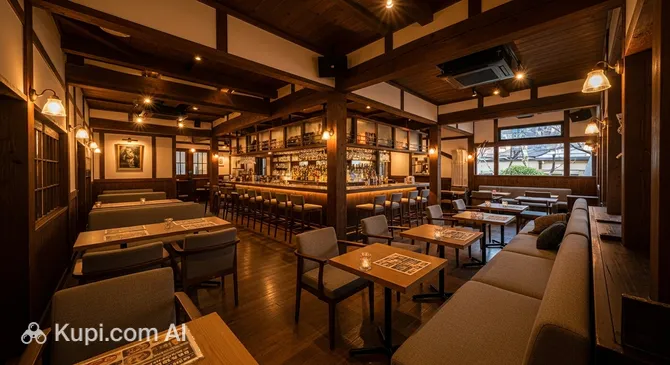
Another standout venue that serves as a community hub is the Storyhouse Cafe & Bar. This establishment is popular among both international residents and locals for its friendly, English-speaking environment. It frequently hosts events, from live music to trivia nights, making it a great place to meet people. The vibe is laid-back, and the menu features comfort food that pairs well with their selection of drinks.

Storyhouse Cafe & Bar. Source: Kupi.Binoculars

When planning a night out, keep in mind that Matsumoto is an early city compared to Tokyo. Most bars and restaurants are open until midnight or 1:00 AM, but public transport tends to wind down around the same time. Taxis are readily available at the station and are the best way to get back to your hotel late at night. The dress code is almost exclusively casual; you will feel comfortable in jeans and a nice top anywhere in the city. Prices are reasonable, with drinks typically costing between 600 and 1,000 JPY.

Regarding safety, Matsumoto is incredibly safe for night walks. The main streets are well-lit, and solo travelers need not worry about walking around the downtown areas after dark. However, as with any city, it is wise to stay aware of your surroundings. If you need a taxi, you can flag one down on the main streets or head to the designated taxi stand at the castle exit of the station.

Before the sun sets, the city offers plenty of daytime cultural entertainment. Visitors fascinated by engineering and history should visit the Matsumoto Timepiece Museum. This unique museum houses a functioning collection of over 100 clocks and watches, symbolized by the large pendulum clock on its exterior. It is a testament to the city's precision and craftsmanship.

Matsumoto Timepiece Museum. Source: Kupi.Binoculars

For a mix of history and architecture, a trip to the Former Kaichi School is highly recommended. As one of the oldest elementary school buildings in Japan, it showcases a fascinating blend of Japanese and Western architectural styles. Whether you are exploring these museums by day or sipping sake by night, Matsumoto provides a culturally rich and thoroughly enjoyable experience.

Parks & Museums

Matsumoto is a city where culture and nature exist in perfect harmony, offering visitors a wealth of green spaces and intellectual pursuits. Beyond the famous castle, the city is dotted with serene parks and world-class museums that celebrate everything from avant-garde art to ancient history, making it an ideal destination for travelers who enjoy a slower, more thoughtful pace of exploration.

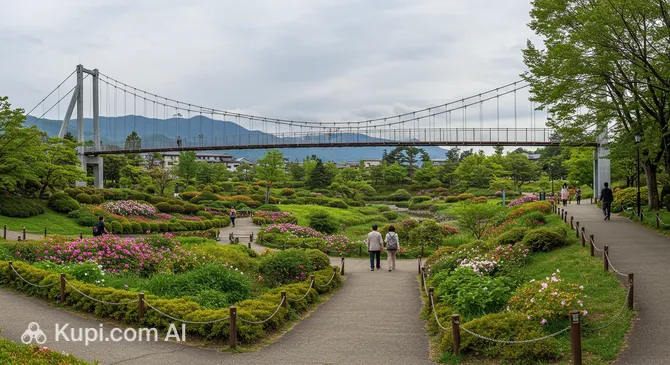
One of the most beloved green spaces in the city is Agatanomori Park. Located just east of the city center, this park serves as a cultural oasis known for its majestic avenues of Himalayan cedar trees and tranquil ponds. It is built on the grounds of a former higher school, and the preserved wooden school building adds a nostalgic, historic atmosphere to the grounds. It is a perfect spot for a leisurely picnic or a quiet walk, and it frequently hosts craft fairs and local markets that showcase the region's artistic spirit.

Agatanomori Park. Source: Kupi.Binoculars

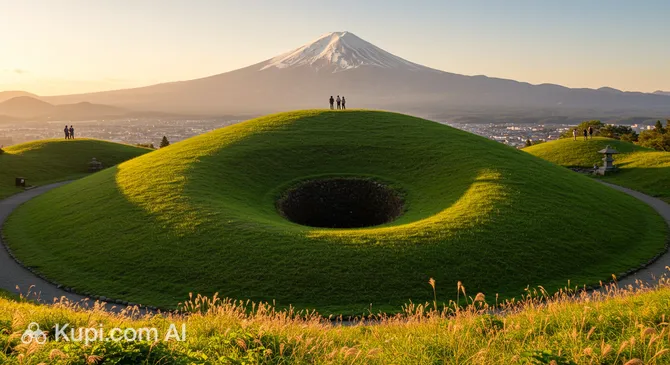
For those willing to venture a bit further for spectacular views, Koboyama Kofun offers a unique combination of history and hiking. This hill is actually an ancient burial mound from the 3rd century, making it one of the oldest in East Japan. In spring, the hill transforms into a cloud of pink as roughly 2,000 cherry trees bloom, creating one of the most photogenic spots in the region. Even outside of sakura season, the hike to the top rewards visitors with panoramic views of the Japanese Alps and the city sprawling below.

Koboyama Kofun. Source: Kupi.Binoculars

Another excellent vantage point is Joyama Park, situated on a hill to the north of the city center. It features an observation tower that provides a 360-degree view of the surrounding mountains, making it a favorite location for sunset watchers and photographers. The park connects to hiking trails that lead deeper into the hills, offering a quick escape into nature for outdoor enthusiasts.

In terms of cultural institutions, the Matsumoto City Museum of Art is an unmissable destination. While the exterior draws attention with its polka-dotted giant flowers, the interior houses a comprehensive collection of works by local artists, including a permanent exhibition dedicated to Yayoi Kusama. The museum also features calligraphy and landscape paintings that reflect the artistic heritage of the Nagano region, providing a deep dive into the local creative soul.

History buffs should explore the interior of the Former Kaichi School. While its architecture is often admired from the outside, the museum inside offers a fascinating look at the modernization of Japan's education system. Classrooms have been preserved with original desks and educational materials from the Meiji era, allowing visitors to step back in time and experience the atmosphere of a 19th-century schoolhouse.

Former Kaichi School. Source: Kupi.Binoculars

For a spiritual and architectural detour, the Nagano Gokoku Shrine is situated in a dense, peaceful forest near the university area. Dedicated to the war dead, the shrine is known for its solemn atmosphere and two large torii gates. It is a quiet place for reflection, away from the busier tourist hubs.

Insider Tip: If you visit Agatanomori Park, take a moment to enter the Old Higher School Memorial Hall located within the park. Entrance is often free or very cheap, and the creaky wooden corridors and sunlit classrooms offer a moody, cinematic backdrop that is perfect for photography lovers.

Getting Around

Navigating Matsumoto is a straightforward and pleasant experience, as the city is relatively compact and well-organized. Unlike Japan's massive metropolises, this alpine city does not have a subway or tram network. Instead, the public transport system relies primarily on a comprehensive bus network and local trains, complemented by a city layout that is exceptionally friendly to pedestrians and cyclists. For most tourists, the combination of walking and utilizing the dedicated tourist loop buses is the most efficient way to see the sights.

The most convenient option for visitors is the Town Sneaker bus service. These cute, distinctively designed loop buses connect Matsumoto Station with major tourist attractions, including Matsumoto Castle, the City Museum of Art, and the Former Kaichi School. There are four routes (North, South, East, and West) that circle the city center, making it easy to hop between landmarks without worrying about complex navigation. For travel to suburbs or nearby hot spring areas like Asama Onsen, the regular local buses operated by Alpico Kotsu are reliable and frequent.

When it comes to paying for your ride, there is an important distinction to remember. While Matsumoto Station and JR trains accept major national IC cards like Suica and Pasmo, these cards are generally not accepted on local buses, including the Town Sneaker and Alpico lines. Visitors should be prepared to pay with cash—ensure you have coins or 1,000 yen bills, as changing larger notes can be difficult—or check for local digital ticket options available via smartphone apps. For those planning multiple trips, the Matsumoto 1-Day Pass is a convenient alternative that covers unlimited rides on the Town Sneaker and offers discounts at tourist sites.

When riding a bus that requires cash payment, the procedure is specific: you enter through the rear door and take a small numbered ticket from the machine next to the entrance. This number corresponds to a fare chart displayed at the front of the bus. When you reach your destination, you check the screen for your number's fare and drop the exact change along with your ticket into the fare box next to the driver before exiting through the front door. If you are using a 1-Day Pass or a digital ticket, simply show the pass or your phone screen to the driver upon exiting.

Since Matsumoto lies in a flat valley, bicycles are an extremely popular alternative to motorized transport. The city offers a bike-sharing service, and there are several rental shops near the station and the castle. Cycling allows you to explore the quaint backstreets and riverside paths at your own pace. Taxis are also readily available at the station and major hotels; they are safe and clean, though more expensive than buses. Drivers generally do not speak fluent English, so having your destination written in Japanese or pinpointed on a map is helpful.

Public transport generally operates from early morning until around 9:00 PM or 10:00 PM, with frequencies dropping significantly in the evening. It is important to check the timetables if you plan to stay out late, as buses do not run overnight. For intercity travel or trips to the surrounding Japanese Alps, Matsumoto Station serves as the central rail hub, connecting you to the wider JR East network and private lines.

Accommodation

Accommodation in Matsumoto caters to a wide spectrum of preferences, blending modern convenience with traditional Japanese hospitality. Visitors can choose from a variety of options ranging from economical hostels and efficient business hotels to luxurious ryokans (traditional inns) featuring hot spring baths. Whether you are looking for a quick stopover near transport links or an immersive cultural stay, the city provides ample choices to suit different travel styles and budgets.

The most convenient area to stay is around Matsumoto Station. This district is packed with reliable business hotels that offer easy access to trains and the bus terminal, making it an ideal base for those planning early starts to the Japanese Alps. Alternatively, the area surrounding Matsumoto Castle and the historic Nakamachi district offers a more atmospheric experience. Staying here places you within walking distance of the city's main sights and charming cafes, allowing you to soak in the castle town's ambiance from dawn till dusk. For a truly relaxing experience, many travelers opt for the nearby Asama Onsen area, accessible by a short bus ride, where traditional inns offer therapeutic hot spring waters.

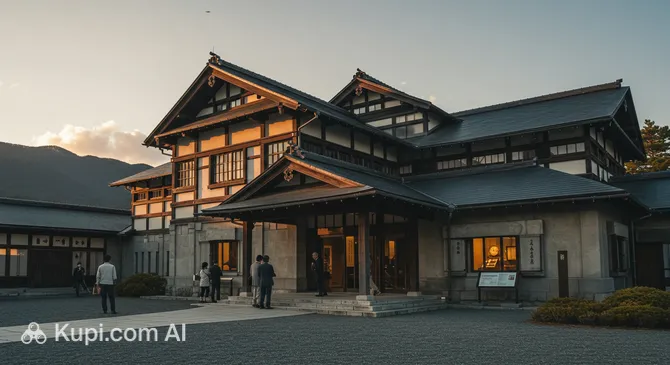
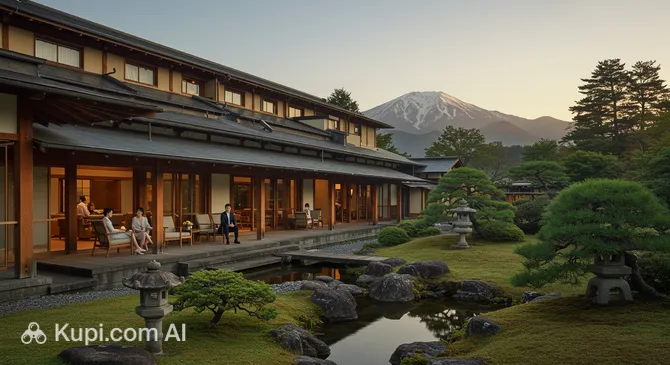
For a stay that combines history with comfort, the Matsumoto Hotel Kagetsu is a standout choice. Established in 1887, this hotel is one of the oldest in the city and is celebrated for its "Mingei" (folk art) philosophy. The interior features classic wooden furniture and a nostalgic atmosphere, while still providing modern amenities and a public bath filled with the city's renowned spring water. It is located conveniently close to the castle, bridging the gap between the city's past and present.

Matsumoto Hotel Kagetsu. Source: Kupi.Binoculars

When planning your trip, it is highly recommended to book accommodation well in advance, especially during the cherry blossom season in mid-April and the summer festival period in August. Prices generally range from 3,000–6,000 JPY for hostels and budget guesthouses, while mid-range hotels typically cost between 8,000 and 15,000 JPY per night. High-end ryokans with dinner included can start from 20,000 JPY per person. Reservations can easily be made through major international online platforms, though some smaller traditional inns may prefer direct inquiries.

Nearby Cities

For those looking to explore the surroundings, Matsumoto serves as an excellent base for day trips to several interesting nearby locations:

Located just a short distance from the city center, Azumino is a picturesque rural area that sits at the foot of the Northern Alps. It is renowned for its abundance of clear spring water, which fuels the region's thriving wasabi industry. Visitors can explore the Daio Wasabi Farm, one of the largest in Japan, or rent bicycles to ride through the scenic rice fields and visit the numerous quaint art museums scattered throughout the valley.

To the north lies the prefectural capital, Nagano, a city deeply rooted in spiritual history. It developed around the magnificent Zenko-ji Temple, a 7th-century national treasure that attracts pilgrims from all over the country. Beyond its sacred sites, the city is famous for hosting the 1998 Winter Olympics, offering a blend of traditional culture and modern sporting heritage amidst a mountainous setting.

Another fascinating destination is Ueda, a historic castle town associated with the legendary Sanada samurai clan. The ruins of Ueda Castle are a popular spot, particularly during the cherry blossom season. A short trip from the town center leads to Bessho Onsen, a hot spring resort area with a history spanning over 1,000 years, featuring ancient temples and therapeutic baths perfect for relaxation.

City Population Distance (km)
Toyota 422106 26
Nagano 367184 50
Ueda 152948 31
Saku 98292 45
Azumino 93927 9

These nearby destinations offer a glimpse into the diverse culture and landscapes of the region.

Shopping & Souvenirs

Shopping in Matsumoto offers a delightful contrast to the overwhelming commercialism of Japan's larger metropolises. The city is celebrated for its rich heritage in folk arts, known as "Mingei," and its appreciation for high-quality craftsmanship. Visitors will not find endless rows of luxury fashion brands here; instead, the shopping scene is defined by quaint streets lined with independent boutiques, historic warehouses turned into galleries, and shops selling locally produced lacquerware, woodcrafts, and textiles.

The most iconic shopping destination in the city is Nakamachi Street. Located a short walk from the city center, this district is famous for its beautifully preserved black-and-white earthen warehouses, or kura. Historically used to store merchandise safely from fire, these buildings now house trendy ceramics shops, craft stores, and cafes. It is the perfect place to find high-end Japanese pottery, dyed fabrics, and unique handmade accessories. Parallel to the Metoba River lies Nawate Street, often referred to as "Frog Street." This pedestrian-only lane has a nostalgic, old-time market atmosphere and is guarded by a large frog statue. Here, you can browse through antiques, buy second-hand books, or pick up quirky frog-themed merchandise while snacking on traditional treats.

For those seeking a more modern retail experience, AEON MALL Matsumoto is the largest shopping complex in the area. It features a wide range of international and domestic fashion brands, a cinema, and a large supermarket, making it a convenient stop for travel essentials or rainy-day activities. Another key spot is MIDORI Matsumoto, the station building directly connected to the train platforms. It is particularly useful for last-minute shopping, boasting a dedicated floor for regional souvenirs, confectionery, and local sake, allowing travelers to grab gifts just before their departure.

While the city does not have a permanent large-scale central market, the vibrant atmosphere of its pedestrian streets often mimics an open-air bazaar. The city is well-known for hosting high-quality craft fairs, most notably the "Crafts Fair Matsumoto" held annually in May, which transforms local parks into bustling marketplaces for artisans from across the country. On regular days, visitors can find small farmers' stands selling fresh local produce, particularly the region's famous apples and grapes, near the major tourist districts.

When it comes to souvenirs, the Matsumoto Temari is the undisputed symbol of the city. These colorful, intricate handballs made of silk thread were traditionally acclaimed for their bounce and sound, and today they serve as beautiful decorative charms. Other must-buy items include Shinshu Soba (buckwheat noodles), which can be purchased dried to take home, and products made from wasabi grown in the nearby Azumino region. Visitors can also find excellent local woodcrafts and lacquerware, reflecting the city's long history of artisanal industry.

Store hours in Matsumoto tend to be earlier than in Tokyo or Osaka. Independent shops on Nakamachi and Nawate Streets typically open around 10:00 AM and close by 6:00 PM or 7:00 PM. Shopping malls like AEON and MIDORI generally operate until 8:00 PM or 9:00 PM. Regarding payment, while malls and convenience stores accept credit cards and IC cards, many smaller traditional crafts shops and food stalls on the historic streets still prefer or require cash. It is wise to carry sufficient yen when exploring these areas.

Tax-free shopping is available for international tourists at major department stores, the AEON MALL, and larger souvenir shops. Look for the "Japan. Tax-Free Shop" symbol at the entrance or cash register. To claim the refund, you will need to present your actual passport and typically must spend a minimum of 5,000 JPY or 5,500 JPY at a single store on the same day.
Reached the end of the page?

That means the route is fully explored