Support

Tokyo

About

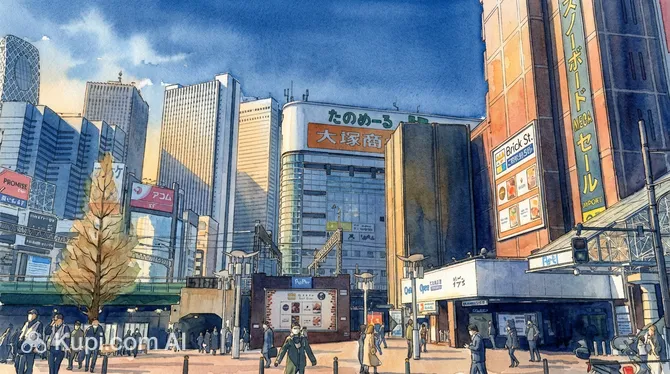
Tokyo is a city that defies definition, seamlessly blending neon-lit skyscrapers with historic temples and quiet shrines. As the vibrant capital of Japan, it serves as the country's cultural, economic, and political heart, offering an experience that is both electrifying and deeply traditional. From the moment you arrive, the city's unique energy—a mix of cutting-edge technology and ancient customs—captivates visitors from around the globe.

Located on the eastern coast of Honshu, the main island, the city faces Tokyo Bay and the Pacific Ocean. It is the center of the Greater Tokyo Area, which is the most populous metropolitan area in the world, home to over 37 million people. Despite its massive size, the city is incredibly efficient, clean, and safe, known for its complex yet punctual public transportation system and the warm hospitality of its residents.

Tokyo. Source: Kupi.Binoculars

To truly understand the character of this metropolis, one must look back at the history of Tokyo. Originally a small fishing village known as Edo, it has transformed over centuries into a global hub of innovation. This rich heritage is still visible today; you can wander through the historic streets of Asakusa to visit the ancient Senso-ji Temple, only to find yourself minutes later amidst the futuristic electronics stores of Akihabara.

Travelers are often drawn to the iconic Shibuya Crossing, often called the busiest intersection in the world, which perfectly encapsulates the city's fast-paced rhythm. For a change of pace, the lush gardens surrounding the Imperial Palace offer a serene escape right in the center of the urban sprawl. Whether you are seeking world-class cuisine, avant-garde fashion, or spiritual tranquility, this city has it all.

A visit to Tokyo is an unforgettable journey into a place where the future meets the past. It is a destination that promises endless discovery and wonder, inviting you to explore its many diverse neighborhoods and hidden gems.

Weather Overview

Tokyo experiences distinct seasonal changes, offering a different atmosphere depending on when you visit. Generally, you can expect hot, humid summers with frequent rain and cold, dry winters with clear skies. For comprehensive forecasts and historical data to help plan your packing, be sure to view the weather in Tokyo guide.

Winter months like January are the coldest, with average temperatures around 4.5°C and lows near freezing, but they are also the driest, seeing only about 1mm to 2mm of precipitation. As spring approaches in March and April, the city warms up to comfortable averages between 10°C and 14°C, though rain becomes more frequent with 13 to 14 wet days per month.

The summer season brings significant heat, with August seeing average temperatures of 27.6°C and highs topping 30°C. This period is also quite wet, particularly in June and July, which average around 7mm of precipitation and up to 17 rainy days. Autumn offers a relief from the heat, cooling down from 23.9°C in September to a crisp 12.5°C by November, while the rain gradually tapers off.

Interesting Facts

Beyond the famous landmarks and bustling intersections, this metropolis holds a collection of surprising details that add depth to its character. Here are a few unique insights into the city's daily life and history.

  • While it was inspired by the Eiffel Tower, Tokyo Tower is actually several meters taller than its Parisian counterpart yet weighs significantly less due to advances in steel construction. Interestingly, the tower requires a fresh coat of "international orange" and white paint every five years, a meticulous process that is largely performed by hand to ensure its safety and visibility.

  • The city is a global culinary capital, frequently holding more Michelin stars than any other city in the world, including Paris. The dedication to food quality is so intense that even small, unassuming ramen shops and casual counter-seat restaurants have earned these prestigious accolades alongside luxury establishments.

  • Shinjuku Station is officially recognized by Guinness World Records as the busiest transport hub on the planet, handling an average of 3.5 million passengers every single day. The station's labyrinthine complex of tunnels and exits is so vast and complicated that locals often compare navigating it to a dungeon exploration game.

  • The oldest temple in the city, Senso-ji, owes its existence to a legendary event in the year 628. Two fishermen found a golden statue of Kannon, the goddess of mercy, in the Sumida River; despite their attempts to return it to the water, the statue repeatedly returned to them, prompting the construction of the temple to honor it.

Tokyo Tower. Source: Kupi.Binoculars

How to Get There

Reaching the Japanese capital is a seamless experience thanks to its world-class transport infrastructure. As a major global hub, the city is well-connected to destinations around the world and across the country. For a comprehensive overview of all travel options, you can read more about how to get to Tokyo in our detailed guide.

The most convenient gateway for many travelers is Haneda Airport (HND). Located relatively close to the downtown area, it sits approximately 18 km from the city center. A trip by taxi or airport bus generally takes around 47 minutes, depending on traffic. As one of the busiest hubs in the region, Haneda Airport handles a vast number of domestic and international flights, offering quick access to the heart of the metropolis.

Another significant point of entry is Narita International Airport (NRT). While it is located further away, about 67 km from the center, it remains the primary hub for many long-haul international carriers. Travel time by road is approximately 120 minutes, though express trains can offer a faster alternative. Narita International Airport is equipped with extensive facilities to welcome millions of visitors annually.

For those looking for regional connections or budget-friendly options, Ibaraki Airport (IBR) is another possibility. It is located in the city of Ibaraki, roughly 89 km from Tokyo. The journey to the capital by road takes about 2.5 hours. Ibaraki Airport is a smaller facility, offering a more relaxed arrival experience away from the bustle of the larger hubs.

For clarity, here is a summary of the main airports:

Airport Name City Passenger Traffic Km from City
Haneda Airport Tokyo Very High 18.1
Narita International Airport Tokyo High 67.3
Ibaraki Airport Ibaraki Medium 88.9
Shizuoka Airport Shizuoka Medium 165.5
Matsumoto Airport Matsumoto Small 165.1

In addition to air travel, the city is the central node of Japan's extensive railway network. Visitors traveling from other parts of the country, such as Kyoto or Osaka, often arrive via the Shinkansen (bullet train) at Tokyo Station. This high-speed rail service is renowned for its punctuality and speed, making it a popular and efficient way to enter the capital.

Main Attractions

Tokyo offers an overwhelming array of sights, ranging from futuristic landmarks to serene historical spots. Whether you are looking for breathtaking views, spiritual tranquility, or immersive entertainment, the city's diverse districts provide endless opportunities for exploration. Here are some of the top places to include in your itinerary.

Dominating the skyline as the tallest structure in Japan, Tokyo Skytree is a marvel of modern engineering. Standing at 634 meters, this broadcasting tower features two observation decks that offer unparalleled panoramic views of the Kanto region; on clear days, you can even see Mount Fuji. At the base lies Tokyo Solamachi, a massive shopping and dining complex, making it a perfect destination for both sightseeing and leisure.

Tokyo Skytree. Source: Kupi.Binoculars

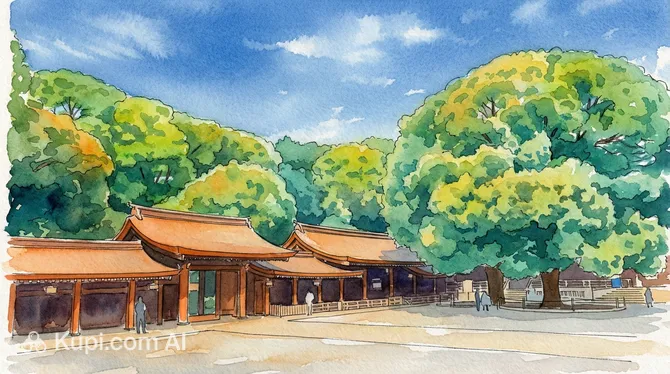
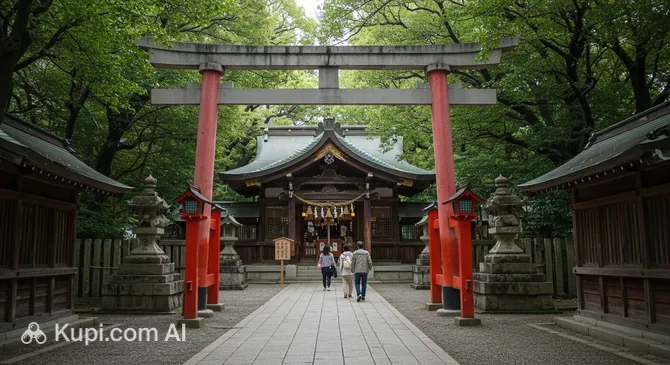
For a peaceful escape from the urban hustle, Meiji Jingu is a must-visit sanctuary. Located in Shibuya, this grand Shinto shrine is dedicated to the deified spirits of Emperor Meiji and his consort, Empress Shoken. It is surrounded by a lush forest of over 100,000 trees donated from all over Japan, creating a tranquil atmosphere that feels worlds away from the busy city streets just outside its massive torii gates.

Meiji Jingu. Source: Kupi.Binoculars

Experience the frenetic energy of the city at the Shibuya Scramble Crossing. Often cited as the busiest pedestrian intersection in the world, it is a quintessential Tokyo sight where hundreds of people cross from all directions simultaneously when the lights turn green. It is fascinating to watch the organized chaos from street level or from a nearby café window, and it sits right next to the famous statue of Hachiko, the loyal dog.

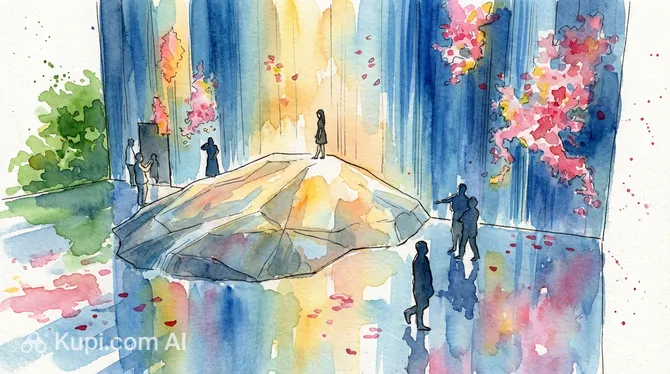
Art enthusiasts and technology lovers should not miss teamLab Planets TOKYO. This museum offers a unique "body immersive" experience where visitors walk barefoot through massive digital art installations. From wading through water filled with digital koi fish to floating in a universe of falling flowers, the exhibits blur the boundaries between the viewer and the artwork, creating highly photogenic and sensory moments.

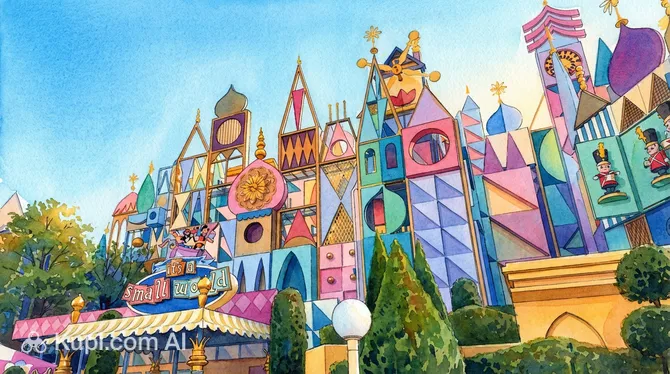
A short train ride from the city center brings you to Tokyo Disneyland, the first Disney park built outside the United States. Modeled after Disneyland in California and the Magic Kingdom in Florida, it features seven themed lands filled with classic attractions, parades, and seasonal events. It is a magical destination for families and fans of all ages, renowned for its exceptional hospitality and cleanliness.

Tokyo Disneyland. Source: Kupi.Binoculars

Local Cuisine

Tokyo is widely considered one of the world's greatest food cities, offering a gastronomic landscape that ranges from affordable standing noodle bars to exclusive high-end establishments. The city's culinary scene is legendary for its diversity and obsession with quality, holding more Michelin stars than any other metropolis. Whether you are seeking a quick bite in a bustling station or a multi-course kaiseki meal, the capital promises an unforgettable dining experience.

No visit is complete without trying Edomae sushi, a style that originated in Tokyo (formerly Edo). Unlike the sushi found elsewhere, this traditional preparation involves treating the fish—often by marinating or simmering—to preserve its flavor before placing it on warm, vinegared rice. Another staple is Ramen, with the city boasting thousands of shops. While you can find every regional style here, Tokyo is famous for its soy sauce-based broth (Shoyu ramen) and for inventing Tsukemen, where cold noodles are dipped into a separate bowl of rich, hot soup.

For a truly local experience, try Monjayaki. Often considered the Kanto region's answer to the savory pancake okonomiyaki, Monjayaki has a much runnier batter and is cooked on a hot iron griddle at your table. It is a fun, social dish, particularly popular in the Tsukishima district, where entire streets are dedicated to serving it. The texture is unique, slightly crispy on the bottom and soft on top, eaten directly from the grill with small spatulas.

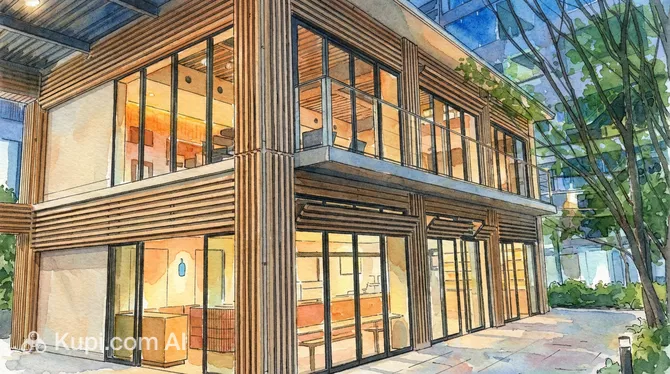
The city's drinking culture is vibrant and centers around the Izakaya, a type of casual Japanese gastropub. These lively venues are where locals unwind after work, sharing small plates of yakitori (grilled chicken skewers), edamame, and sashimi while drinking frothy draft beer, Sake (rice wine), or a refreshing Highball (whisky and soda). Non-drinkers can enjoy the booming coffee culture or traditional tea houses serving Matcha accompanied by delicate wagashi sweets.

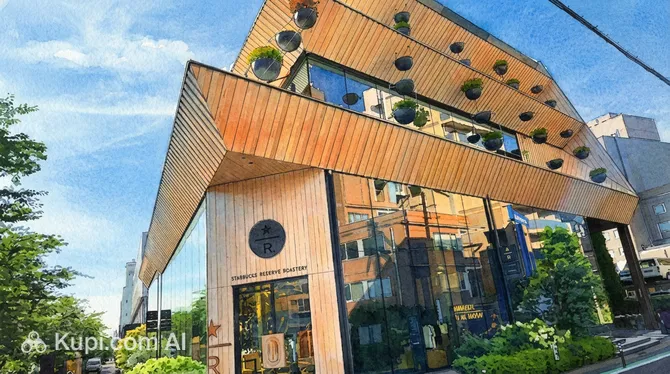
Reserve Roastery Tokyo. Source: Kupi.Binoculars

Modern Tokyo is also a haven for coffee enthusiasts. A prime example of this trend is the Reserve Roastery Tokyo in the Nakameguro district. This four-story facility is not just a cafe but a coffee wonderland, featuring giant copper roasting casks and an open-air terrace that overlooks the cherry blossom trees along the Meguro River. It perfectly represents how the city blends foreign influences with impeccable Japanese craftsmanship and style.

Travel Tips

Visiting this colossal metropolis is an exhilarating experience, but its sheer size and unique cultural norms can be a bit overwhelming for first-time visitors. A little preparation goes a long way, so here are some practical tips to help you navigate the city smoothly and blend in with the locals.

  1. Clothing and Gear: Pack according to the season, with breathable fabrics for the hot, humid summers and warm layers for the crisp winters. Since you will be doing a significant amount of walking, bring comfortable shoes that are easy to slip on and off. You will frequently need to remove your footwear when entering temples, traditional inns (ryokans), and some izakayas, so avoid shoes with complicated laces.
  2. Transportation: The public transport system is world-class but can be complex. The best way to get around is by subway and train. Purchase a rechargeable IC card (such as Suica, Pasmo, or Welcome Suica) immediately upon arrival; this allows you to tap and go on almost all trains and buses without buying individual tickets. Taxis are clean but expensive, and renting a car is generally unnecessary and stressful due to heavy traffic and limited parking.
  3. Finances: The local currency is the Japanese Yen (JPY). While credit cards are becoming more common, Japan is still largely a cash-based society, especially in ticket machines, vending machines, and smaller restaurants. Ensure you always carry cash. ATMs at 7-Eleven and Japan Post are reliable for withdrawing money with international cards. Notably, there is no tipping culture here; good service is standard, and leaving a tip can cause confusion or be returned to you.
  4. Health and Safety: Tokyo is incredibly safe, and walking alone at night is generally not a problem. Police boxes, known as Koban, are located in every neighborhood if you need help. Pharmacies (often labeled as "Drugstores") are widespread and stock toiletries and basic medicines, though it is wise to bring a translation app to read labels. Tap water is perfectly safe to drink.
  5. Communication: While station signs are bilingual, English proficiency among locals varies. It is highly recommended to rent a Pocket Wi-Fi or purchase a data SIM/eSIM at the airport, as you will rely heavily on map apps for navigation. Install Google Translate or a similar app to help decipher menus and communicate basic needs.
  6. Local Etiquette: Politeness is key. The standard greeting is a bow rather than a handshake. When on public transport, strict etiquette applies: set your phone to silent mode, refrain from making voice calls, and avoid speaking loudly. Always queue in orderly lines at train platforms and bus stops, following the markings on the ground.
  7. What to Avoid: Avoid eating or drinking while walking in public, as it is considered rude and messy; it is better to finish your snack near the place of purchase or in a park. Also, never wear your shoes on tatami mats—if you see a raised floor or a lineup of slippers at an entrance, take your shoes off.
  8. Trash Disposal: You will notice a surprising lack of public trash cans on the streets. Locals are expected to carry their garbage home with them. Carry a small plastic bag in your daypack to hold your wrappers and empty bottles until you find a recycling bin, which are usually found next to vending machines or inside convenience stores.

By keeping these simple guidelines in mind, you will find the city incredibly welcoming and easy to navigate. Embrace the local customs, respect the orderly flow of daily life, and you will be rewarded with a deeper, more authentic connection to this fascinating capital.

Entertainment & Nightlife

Entertainment and Nightlife:

When the sun sets, Tokyo transforms into a neon-lit playground that offers endless possibilities for entertainment. The city's nightlife is legendary, catering to every taste, from sophisticated jazz lounges and high-energy nightclubs to tiny, atmospheric alleyway bars. Whether you want to dance until dawn or enjoy a quiet cocktail with a view, the metropolis never sleeps.

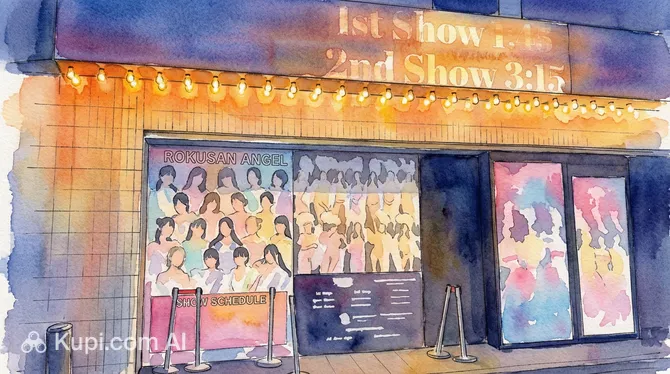
The heartbeat of the city's nightlife can be found in several key districts. Shinjuku is arguably the most famous, home to the neon-drenched Kabukicho area, where bright lights and bustling streets create a movie-like atmosphere. Here, you can find everything from karaoke boxes to massive dance floors. For a more youthful vibe, Shibuya offers a mix of trendy bars and underground clubs, while Roppongi has long been a favorite among international visitors and expats for its late-night party scene.

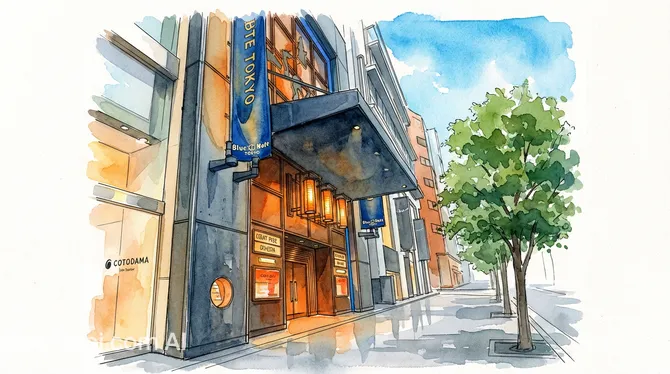
For those seeking a world-class musical experience, Blue Note Tokyo in the Aoyama district is a premier destination. This upscale venue hosts top-tier international jazz artists in an intimate setting, accompanied by fine dining and drinks. It is the perfect spot for a refined evening out.

Blue Note Tokyo. Source: Kupi.Binoculars

If you prefer panoramic views before hitting the town, head to Shibuya Sky. This open-air observation deck offers a breathtaking 360-degree view of the sprawling city lights, providing a stunning backdrop for evening photos. Afterward, you can dive into the club scene. One popular spot is T2 Shinjuku, a large nightclub that attracts a vibrant crowd with its impressive sound system and frequent guest DJs.

Shibuya Sky. Source: Kupi.Binoculars

Navigating the nightlife requires some planning regarding transportation. Public transport, including subways and trains, generally stops running between midnight and 1:00 AM. If you stay out past this time, you will need to rely on taxis, which are safe and reliable but charge a surcharge during late-night hours. Alternatively, many locals stay out until the first trains resume around 5:00 AM.

While the city is incredibly safe, visitors should be cautious of street touts in nightlife districts like Kabukicho and Roppongi who try to lure tourists into their establishments. It is best to ignore them and stick to venues you have researched or that are clearly reputable. Dress codes vary; high-end clubs and hotel bars often require smart casual attire, while izakayas and pubs are generally very relaxed.

Beyond the nightlife, the city offers a wealth of daytime entertainment. Art lovers can explore the Nezu Museum or the National Art Center, while thrill-seekers might head to Tokyo DisneySea, a unique theme park inspired by ocean legends. From traditional kabuki theater performances to cutting-edge digital art museums, there is always something to see before the sun goes down.

Parks & Museums

While the city is famous for its dense urban landscape and neon lights, it also boasts an impressive array of green spaces and cultural institutions. Visitors can easily step away from the bustling streets to find tranquility in meticulously maintained gardens or dive deep into the country's rich artistic heritage in world-class museums.

One of the most celebrated green spaces is the Shinjuku Gyoen National Garden. Originally a residence of the Naito family, it is now a massive park that blends three distinct styles: a French Formal Garden, an English Landscape Garden, and a traditional Japanese Garden. It is a premier spot for cherry blossom viewing in spring, offering a peaceful retreat where the skyscrapers of Shinjuku serve as a distant backdrop.

Shinjuku Gyoen National Garden. Source: Kupi.Binoculars

For those interested in history and botany, the Imperial Palace East Gardens provide a unique opportunity to walk on the grounds of the former Edo Castle. These gardens are open to the public and feature the massive stone foundation walls of the old castle tower, seasonal flowers, and manicured lawns. It is a fascinating place to visualize the scale of the shogunate's power while enjoying a quiet walk in the heart of the city.

When it comes to museums, the Tokyo National Museum in Ueno Park stands out as the oldest and largest in the country. Its vast collection houses over 110,000 objects, including national treasures and important cultural properties that trace the history of Japanese art from ancient pottery to samurai armor and delicate ukiyo-e prints. It is an essential stop for anyone wanting to understand the aesthetic evolution of Japan.

Tokyo National Museum. Source: Kupi.Binoculars

On a more whimsical note, the Ghibli Museum in Mitaka offers a magical experience dedicated to the works of Studio Ghibli. Designed like a storybook labyrinth, the museum features exclusive short films, intricate exhibits on the animation process, and a rooftop garden guarded by a giant robot soldier. Tickets are highly coveted and must be booked well in advance, but the immersive atmosphere makes it well worth the effort.

The city's historical landscape is anchored by the Tokyo Imperial Palace, the primary residence of the Emperor. While the inner grounds are generally closed to the public, visitors can admire the iconic Nijubashi Bridge, a double-arched stone structure that creates a stunning reflection in the moat. It is one of the most photographed architectural landmarks in the capital.

For a mix of aquatic life and entertainment, families might enjoy the Shinagawa Aquarium, which features a tunnel tank and dolphin shows. As an insider tip, consider visiting the Nezu Museum in Aoyama not just for its exquisite collection of pre-modern Asian art, but for its sublime private garden. This hidden gem offers winding paths, stone lanterns, and a tea house, providing a perfect moment of Zen amidst the urban energy.

Getting Around

Navigating the public transport system in Tokyo is an integral part of the travel experience. The network is world-renowned for its punctuality, cleanliness, and sheer scale. The primary mode of transportation is the extensive rail network, which consists of surface trains operated by JR East, including the famous circular Yamanote Line, and two separate subway systems: Tokyo Metro and Toei Subway. Together, these lines cover nearly every corner of the metropolis, making it possible to reach almost any destination without a car.

For most tourists, the complexity of having multiple operators can be simplified by using a rechargeable IC card, such as Suica or Pasmo. These cards allow you to tap in and out of ticket gates across all train lines, subways, and buses without worrying about calculating fares or buying individual tickets for each transfer. You can purchase these cards at ticket vending machines in stations. Recently, special versions for tourists, like the Welcome Suica or Pasmo Passport, have been introduced; these do not require a deposit and are valid for a limited period, often featuring unique designs.

If you plan to travel extensively within a short time, consider purchasing discount passes. The Tokyo Subway Ticket is particularly popular among visitors, offering unlimited rides on all subway lines for 24, 48, or 72 hours at a very reasonable price. However, keep in mind that this pass does not cover JR lines, such as the Yamanote Line. For those holding a Japan Rail Pass, you can use it on JR lines within the city, but it is not valid for the subway network, so a combination of the two or a simple IC card is often the most flexible solution.

Buses serve as a useful supplement to the rail network, connecting stations to residential areas and specific attractions that are slightly further afield. In the 23 wards of the city, you typically board the bus at the front door and pay a flat fare immediately upon entry using cash or an IC card. You then exit through the rear door. While less intuitive than the trains due to potential traffic and complex routes, buses are punctual and clean, with digital displays usually indicating the next stop in English.

Taxis offer a comfortable but significantly more expensive alternative. They are ubiquitous and can be hailed on the street or found at designated taxi stands at stations and hotels. A unique feature of Japanese taxis is that the rear passenger door opens and closes automatically, operated by the driver, so there is no need to handle the door yourself. Ride-hailing apps are also available, though they generally dispatch standard licensed taxis rather than private vehicles.

It is important to note that public transport does not run 24 hours a day. Most trains and subways stop operating between midnight and 1:00 AM, resuming around 5:00 AM. Missing the "last train" is a common concern, so be sure to check schedules if you are out late. During morning and evening rush hours, trains can become extremely crowded, so try to travel outside these peak times if you have large luggage.

Beyond the standard commute, the city offers some unique transit experiences. The Yurikamome line is an automated, driverless train that crosses the Rainbow Bridge to Odaiba, offering spectacular waterfront views. For a nostalgic trip, the Toden Arakawa Line is one of the few remaining streetcars (trams) in the city, winding through older, quieter neighborhoods that provide a glimpse into the atmosphere of the past.

Accommodation

Where to Stay:

Finding the perfect place to stay in Tokyo is an adventure in itself, given the incredible variety of accommodation options available. The city caters to every budget and travel style, ranging from futuristic capsule hotels and efficient "business hotels" to traditional Japanese inns (ryokans) and world-class luxury resorts. Whether you are a backpacker looking to save money or a traveler seeking five-star opulence, the capital has a room to suit your needs.

Choosing the right neighborhood is key to maximizing your time here. Shinjuku and Shibuya are the most popular choices for first-time visitors due to their unbeatable transport connections and vibrant nightlife. If you prefer a more traditional and quieter atmosphere, Asakusa is an excellent option, often offering more affordable rates and easy access to historic sites. For those looking for upscale shopping and fine dining right on their doorstep, the districts of Ginza and Marunouchi (near Tokyo Station) provide a sophisticated base.

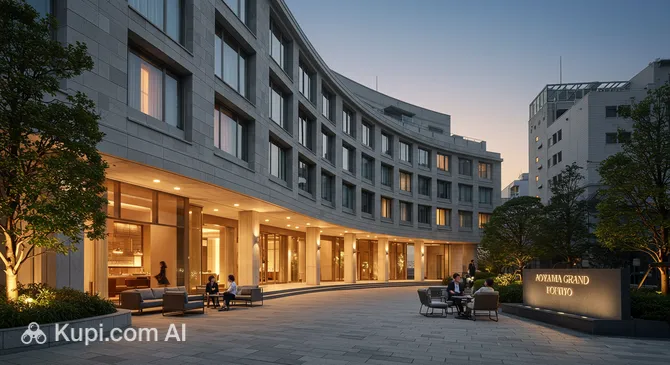
For a stay that embodies contemporary style and elegance, the Aoyama Grand Hotel is a standout choice. Located in the fashion-forward Aoyama district, this property blends modern design with mid-century aesthetics, offering a chic retreat just moments away from some of the city's best boutiques and cafes. It is a perfect example of the high-quality, design-focused accommodation emerging in the city's trendiest neighborhoods.

Aoyama Grand Hotel. Source: Kupi.Binoculars

When planning your trip, it is crucial to consider the timing of your booking. Tokyo is a year-round destination, but accommodation fills up incredibly fast during peak seasons, particularly during the cherry blossom season (late March to early April) and the autumn foliage period (November). It is highly recommended to book your hotel at least three to six months in advance if you plan to visit during these popular times.

Price ranges vary significantly depending on the type of lodging. Budget travelers can find capsule hotels or hostels for around $30 to $60 per night, while standard business hotels typically range from $80 to $150. Luxury establishments and high-end ryokans can easily exceed $300 per night. Most accommodations can be easily booked via major online travel platforms, though some smaller traditional inns may prefer direct inquiries.

Nearby Cities

For those looking to explore the surroundings, Tokyo serves as an excellent base for day trips to several interesting nearby locations.

Just a short distance from the city center lies Setagaya, a sprawling area that offers a relaxed atmosphere distinct from the downtown rush. It is famous for the trendy neighborhood of Shimokitazawa, a hub for vintage fashion, indie music, and cozy cafes, as well as the historic Gotokuji Temple, known as the birthplace of the "lucky cat" (maneki-neko).

Another fascinating destination is Suginami, particularly known for the Koenji district. This area attracts visitors with its bohemian vibe, extensive collection of retro shops, and the vibrant Awa Odori dance festival held in summer. It provides a unique glimpse into the local subcultures and daily life of the capital's residents.

Nerima offers a mix of residential calm and cultural significance, often cited as the birthplace of Japanese anime. It features ample green spaces such as Hikarigaoka Park, making it a pleasant spot for a leisurely afternoon walk away from the concrete jungle.

City Population Distance (km)
Setagaya 940,509 3
Nerima 742,463 7
Honcho 641,499 3
Suginami 583,609 3
Itabashi 581,337 10

These nearby destinations offer a glimpse into the diverse culture and landscapes of the region.

Shopping & Souvenirs

Shopping in Tokyo is a world-class experience that caters to every conceivable taste and budget. The city is a sprawling retail paradise where centuries-old tradition meets futuristic innovation. Visitors can find everything from high-end luxury brands and cutting-edge electronics to handcrafted traditional goods and quirky pop-culture merchandise. Whether you are browsing the glossy department stores of Ginza or hunting for vintage treasures in the backstreets of Shimokitazawa, the sheer variety of options is overwhelming in the best possible way.

The city is divided into several distinct shopping districts, each with its own unique character. Ginza is the premier destination for luxury shopping, home to upscale boutiques, massive department stores like Mitsukoshi, and elegant showrooms. In contrast, Akihabara is the global center for electronics, anime, and manga culture, offering multi-story shops packed with gadgets and collectibles. For youth fashion and street trends, the neighborhoods of Shibuya and Harajuku are unrivaled, with Takeshita Street serving as the colorful epicenter of kawaii (cute) culture.

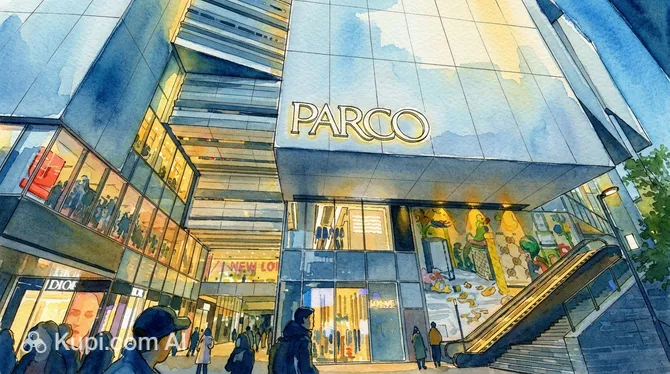
For a modern retail experience, the city boasts numerous state-of-the-art complexes. Shibuya Parco is a cultural hub that goes beyond standard retail; it houses the Nintendo Tokyo store, a Pokémon Center, and floors dedicated to art and design. It is a must-visit for those interested in the intersection of fashion and Japanese pop culture.

Shibuya Parco. Source: Kupi.Binoculars

Another impressive destination is DiverCity Tokyo Plaza located on the artificial island of Odaiba. This mall is famous for the life-sized Unicorn Gundam statue standing outside, which transforms at specific times of the day. Inside, you will find a wide range of international and local brands, as well as entertainment facilities, making it a perfect spot for families and fans of anime robots.

To experience the city's more traditional side, visiting a local market is essential. Ameyoko in Ueno is a bustling, open-air market street that runs along the train tracks. It is loud, vibrant, and packed with stalls selling fresh food, spices, clothes, and cosmetics at bargain prices. For souvenir hunting, the Nakamise Shopping Street leading up to Senso-ji Temple in Asakusa is lined with small stalls offering traditional snacks, folding fans, and yukata.

When it comes to souvenirs, travelers are spoiled for choice. Popular items to bring back include Matcha (green tea) flavored sweets, high-quality Japanese ceramics, chopsticks, and stationery. For those who love technology, unique kitchen gadgets or the latest cameras are great buys. Anime figurines and character goods from shops in Akihabara or Nakano Broadway are also top choices for collectors.

Most shops in the city typically open around 10:00 or 11:00 AM and close between 8:00 PM and 9:00 PM. While major department stores and convenience stores accept credit cards and IC cards (like Suica or Pasmo), many smaller boutiques and traditional restaurants still prefer cash, so it is wise to carry some yen. Japan offers a Tax-Free shopping program for tourists on purchases over 5,000 JPY (excluding tax) at participating stores. Be sure to have your passport with you to claim the exemption directly at the cashier or a designated tax-free counter.

Reached the end of the page?

That means the route is fully explored