Support

Atsugi

About

Atsugi is a dynamic city located in the heart of Kanagawa Prefecture, offering a fascinating blend of urban energy and serene natural landscapes. Known for its strategic location and vibrant local culture, it serves as a popular hub that retains a distinct charm. With a population of approximately 225,000, the city provides a welcoming atmosphere for travelers looking to experience a more authentic side of daily life in Japan.

Atsugi. Source: Kupi.Binoculars

Geographically, the city is situated on the western bank of the Sagami River, acting as a gateway to the majestic Tanzawa Mountains. This location makes it an excellent base for outdoor enthusiasts and hikers seeking adventure in the nearby peaks. While the city has modernized significantly, traces of the past remain; exploring the history of Atsugi reveals its evolution from a rural region to a bustling commercial center.

For tourists, Atsugi is perhaps best known for its relaxing hot springs. The Iiyama and Nanasawa onsen districts are tucked away in the forested hills on the city's outskirts, famous for their high-alkaline waters which are said to beautify the skin. Additionally, the city is celebrated for its local cuisine, particularly Shirokoro Horumon, a grilled pork dish that has garnered national attention. Whether you are visiting for the restorative thermal waters or the lively summer festivals along the river, Atsugi offers a delightful escape with plenty of local character.

Weather Overview

Travelers planning a visit should be prepared for distinct seasonal changes throughout the year. The weather in Atsugi is generally characterized by warm, humid summers and cold, relatively dry winters. August is typically the warmest month, with average temperatures hovering around 26.4°C and highs reaching 29.1°C, making it ideal for light clothing.

In contrast, the winter months bring a significant drop in temperature. January is usually the coldest time, with averages dipping to 4.5°C and nighttime lows falling to 0.5°C. Rainfall is more frequent during the warmer season; for example, July and August can see up to 18 wet days each, while winter months like December and January are drier with only about 8 days of precipitation. Overall, visitors can expect warm summers with occasional rain and cold, crisp winters.

Interesting Facts

Beyond the main attractions, Atsugi holds many fascinating secrets and local quirks that surprise even frequent travelers. From geographical oddities to unique cultural icons, the city offers plenty of interesting trivia for the curious visitor.

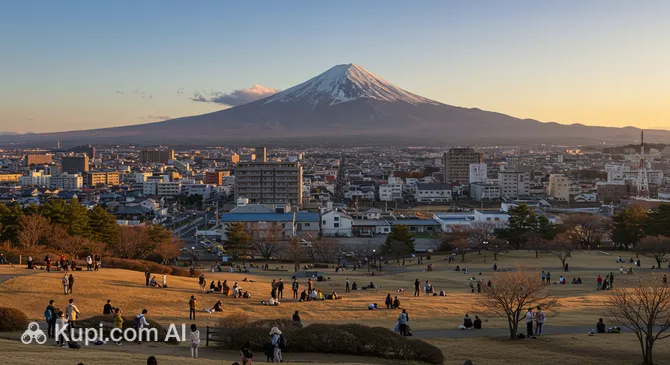
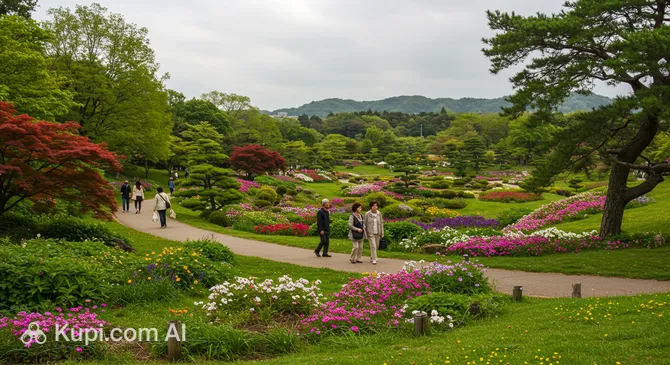
Kanagawa Prefectural Sagami Sansen Park. Source: Kupi.Binoculars
  • The Station Name Mystery: One of the most confusing facts for first-time visitors is that the train station named "Atsugi Station" is actually located in the neighboring city of Ebina. To reach the true heart of Atsugi, travelers must navigate to "Hon-Atsugi Station," which serves as the actual central hub for the city.

  • A Unique Mascot: The city is represented by a distinctive character named "Ayukoro-chan," a pig wearing a traditional happiness coat and carrying an Ayu sweetfish on its head. This quirky design combines the city's two most famous local specialties: succulent pork and the sweetfish found in the nearby rivers.

  • Riverside Recreation: The Sagami River plays a vital role in local life, hosting famous summer festivals and offering lush green spaces. Locals often flock to the Kanagawa Prefectural Sagami Sansen Park, a scenic area along the riverbank that provides stunning views of the Tanzawa Mountains and a perfect spot for relaxation.

  • A Hub of Innovation: Despite its reputation as a residential area, Atsugi is a significant technology center in Japan. It hosts major research and development facilities for world-renowned automotive and electronics companies, making it a hidden powerhouse of Japanese innovation.

How to Get There

Reaching Atsugi is relatively straightforward due to its convenient location within the Greater Tokyo Area. While the city does not have its own airport, international and domestic travelers can easily fly into the major hubs serving the region. For a comprehensive guide on all transport options, you can read more about how to get to Atsugi on our detailed page. The closest and most significant hub is Haneda Airport (HND), located in Tokyo, approximately 39.7 km from Atsugi. A journey by taxi or limousine bus from here typically takes around 80 minutes, making it an efficient choice for arrival.

Another primary option for international visitors is Narita International Airport (NRT), which also serves the Tokyo area but is situated further away, about 99.4 km from the city. Due to the greater distance, travel by road can take approximately 170 minutes. Despite the longer transfer time, it remains a major gateway with extensive global connections. Travelers can choose between direct airport buses or a combination of trains to reach Atsugi from these airports.

For clarity, here is a summary of the main airports:

Airport Name City Passenger Traffic Km from City
Haneda Airport Tokyo Very Large 39.7
Narita International Airport Tokyo Large 99.4
Ibaraki Airport Ibaraki Medium 125.5
Shizuoka Airport Shizuoka Medium 129.3
Matsumoto Airport Matsumoto Small 152.9

For those traveling by land, the railway network provides excellent accessibility. The city's main hub is Hon-Atsugi Station, which is a key stop on the Odakyu Odawara Line. It offers frequent and direct connections to Shinjuku in Tokyo, making it a convenient commute for visitors coming from the capital. It is important to note that the station simply named "Atsugi Station" is actually located in the neighboring city of Ebina, so tourists should ensure they navigate to Hon-Atsugi for the city center.

Main Attractions

Atsugi and its immediate surroundings offer a variety of attractions that cater to nature lovers, shoppers, and food enthusiasts alike. While the city is known for its industrial prowess, it also boasts excellent recreational spots and dining experiences that highlight the local culture. Visitors can easily spend a day exploring the riverbanks, enjoying retail therapy, or savoring the region's famous cuisine.

One of the most prominent natural landmarks is the Kanagawa Prefectural Sagami Sansen Park. Situated where the Sagami, Nakatsu, and Koayu rivers meet, this expansive park is a favorite among locals for its open green spaces and stunning views of the Tanzawa Mountains. It serves as a perfect location for a leisurely stroll, a picnic, or simply watching the sunset over the river, providing a peaceful escape from the urban bustle.

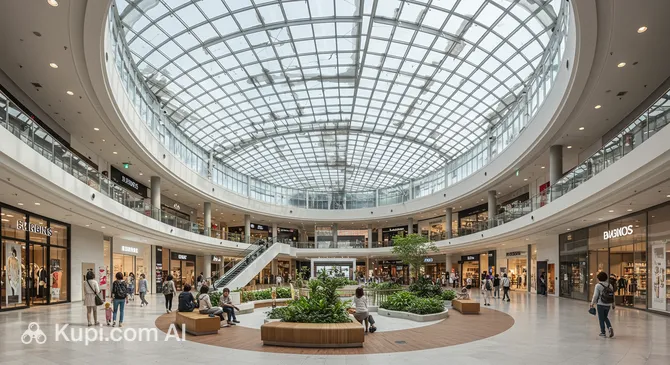
For those looking for a modern entertainment and retail experience, the Ebina Shopping Mall is a major destination located just across the river. This large commercial complex attracts visitors from all over the region with its wide array of fashion boutiques, diverse restaurants, and entertainment facilities. It is an ideal spot to pick up souvenirs or enjoy a break after a day of sightseeing.

Ebina Shopping Mall. Source: Kupi.Binoculars

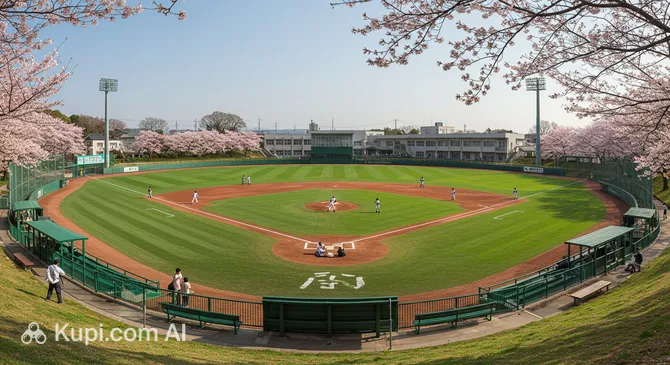
Active travelers and families will appreciate the facilities at the Ebina Sports Park. This extensive recreational area features athletic fields, a gymnasium, and spaces designed for outdoor activities. Whether you want to engage in sports or enjoy a family barbecue in the designated areas, the park provides a lively atmosphere and well-maintained grounds for visitors of all ages.

Ebina Sports Park. Source: Kupi.Binoculars

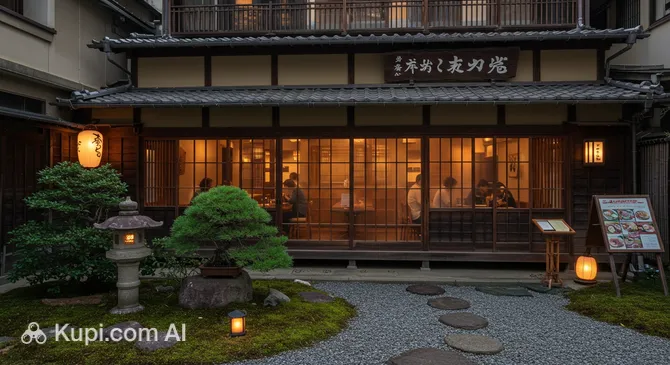
Finally, no trip to the area would be complete without tasting the local specialty, Shirokoro Horumon. Atsugiya is a notable restaurant where tourists can experience authentic Japanese yakiniku. Dining here offers a delicious opportunity to try the grilled pork dishes that have made the city famous on the national culinary map, served in a welcoming, local setting.

Local Cuisine

The culinary landscape of Atsugi is defined by its hearty and flavorful "B-class gourmet" dishes, offering a down-to-earth dining experience that contrasts with the high-end cuisine of Tokyo. The undisputed star of the local food scene is Shirokoro Horumon. Unlike standard grilled offal found elsewhere in Japan, this local specialty uses fresh, tubular pork intestines that have not been cut open. This preparation method retains the rich, juicy fat inside, which crisps up beautifully when grilled over charcoal, creating a texture that is both chewy and succulent.

Another delicacy deeply rooted in the city's geography is Ayu, or sweetfish. Thanks to the pristine waters of the Sagami River and its tributaries, this fish is a local staple, especially during the summer season. It is typically served salt-grilled on skewers, a simple preparation that highlights the fish's natural, sweet flavor. Visitors will often find this dish served at local festivals or traditional restaurants near the riverbanks.

Atsugiya. Source: Kupi.Binoculars

When it comes to drinks, Atsugi has earned a reputation as a pioneer in Japan's craft beer movement. The city is home to one of the country's oldest microbreweries, and you can find a variety of locally brewed ales and lagers in bars throughout the city. These beers are often characterized by their rich aromas and are designed to pair perfectly with the savory local meat dishes. For those who prefer traditional spirits, local sake brewed in the Kanagawa region is also widely available.

The dining culture here is casual and vibrant, centered largely around the area surrounding Hon-Atsugi Station. As evening falls, the streets fill with the smoke and appetizing scents of yakiniku (grilled meat) restaurants and lively izakayas. Locals and tourists alike gather in these establishments to unwind and share plates of food in a noisy, friendly atmosphere.

For travelers eager to try the city's famous pork dish in an authentic setting, Atsugiya is a highly recommended stop. This restaurant specializes in the region's grilled favorites, providing a genuine taste of Atsugi's soul food. Another notable dining option is Suishoen, where visitors can enjoy a meal in a setting that reflects the local hospitality.

Travel Tips

Visiting Atsugi offers a wonderful opportunity to experience the authentic lifestyle of the Kanagawa Prefecture, blending urban convenience with the tranquility of nearby mountains. To ensure your trip is as smooth and enjoyable as possible, we have compiled a list of practical advice covering everything from local transport to cultural nuances.

  1. Clothing and Gear: The climate varies significantly by season, so pack accordingly. Summers (June to August) are hot and humid, requiring light, breathable fabrics and sun protection. Winters (December to February) can be chilly, so a warm coat and layers are essential. Since you might explore the Tanzawa Mountains or walk around the city center, bring comfortable walking shoes. Also, slip-on shoes are highly recommended as you will frequently need to take them off at traditional restaurants, izakayas, or fitting rooms.
  2. Transportation: The train system is the most efficient way to get around, but be careful with station names. The city's main hub is Hon-Atsugi Station on the Odakyu Line, not the stop simply named "Atsugi Station," which is actually in the neighboring city. For seamless travel, purchase a prepaid IC card like Suica or Pasmo; they work on trains, buses, and even in convenience stores. Taxis are available at station rotaries but can be expensive; ride-hailing apps are less common here than in Tokyo.
  3. Finances: The local currency is the Japanese Yen (JPY). While major shopping malls like the nearby Ebina retail complex accept credit cards, Atsugi has many small traditional eateries and shops that operate on a cash-only basis. It is wise to carry cash at all times. International ATMs are readily available at 7-Eleven and Japan Post Bank locations. Tipping is not practiced and can even cause confusion; excellent service is standard and included in the price.
  4. Health and Safety: Atsugi is a very safe city for tourists, with low crime rates. If you need minor medical supplies, look for drugstores with the character "薬" (medicine); chains like Matsumoto Kiyoshi are common. For serious emergencies, dial 119 for an ambulance. Tap water is perfectly safe to drink. Pharmacies generally close around 8:00 PM or 9:00 PM, though some near the station may stay open later.
  5. Communication: While some signage is bilingual, English proficiency among locals may be limited compared to central Tokyo. It is highly recommended to install a translation app like Google Translate or DeepL on your phone. Free Wi-Fi is available at stations and some cafes, but renting a Pocket Wi-Fi or purchasing a data SIM card at the airport upon arrival in Japan will make navigation much easier.
  6. Local Etiquette: Politeness is key. A slight bow is the standard greeting. When using public transport, keep your voice down and set your phone to silent mode, known locally as "manner mode." If you visit an onsen (hot spring) in the Nanasawa area, remember to wash your body thoroughly before entering the communal bath and keep your towel out of the water.
  7. What to Avoid: Avoid eating or drinking while walking in public, as it is generally considered ill-mannered; instead, stop near the vending machine or shop to finish your snack. Also, never stick your chopsticks vertically into a bowl of rice, as this resembles a funeral ritual and is considered highly offensive.
  8. Additional Tip: If you plan to explore the local "B-class gourmet" scene, specifically the grilled pork intestines (Shirokoro Horumon), be prepared for a smoky environment. Wear clothes that you can easily wash, as the delicious aroma of charcoal smoke tends to cling to fabrics after a meal at a traditional yakiniku restaurant.

By keeping these tips in mind, you will be well-prepared to navigate Atsugi with confidence and respect for local customs. Whether you are soaking in a hot spring or navigating the busy streets near Hon-Atsugi, a little preparation goes a long way in creating unforgettable travel memories.

Entertainment & Nightlife

Entertainment in Atsugi offers a diverse mix of traditional festivities, natural relaxation, and modern leisure options. The city comes alive with energy particularly during the summer, highlighted by the famous Atsugi Ayu Festival. Held annually in August along the banks of the Sagami River, this event is a major draw for both locals and tourists. It features a spectacular fireworks display that illuminates the night sky, lively parades, and rows of food stalls selling the city's signature grilled sweetfish, creating an unforgettable atmosphere of celebration.

For those seeking a more restorative form of leisure, the nearby hot spring villages of Iiyama and Nanasawa are perfect escapes. Located in the quiet foothills of the Tanzawa Mountains, these onsen districts are renowned for their high-alkaline waters, which are affectionately known as "beauty baths" for their skin-smoothing effects. Many traditional inns in the area open their baths to day-trippers, allowing visitors to soak in open-air pools surrounded by lush greenery—a quintessential Japanese way to unwind.

The area surrounding Hon-Atsugi Station serves as the city's nightlife hub. As evening falls, the streets light up with neon signs inviting passersby into karaoke boxes, dart bars, and bustling izakayas. It is a vibrant district where travelers can mingle with locals, enjoy regional craft beers, and experience the spirited side of Japanese urban culture after dark.

Visitors looking for a comprehensive leisure experience often visit the Ebina Shopping Mall, located just across the river. While it is a premier destination for retail, it also serves as a major entertainment complex featuring a large cinema and amusement arcades. It is an ideal spot for families or groups to catch the latest movies or enjoy indoor games, especially on days when the weather is less favorable for outdoor activities.

Seasonal agricultural experiences also play a significant role in the local entertainment scene. From winter to spring, strawberry picking becomes a popular activity, with numerous farms around the city opening their greenhouses to the public. These farms typically offer all-you-can-eat sessions, providing a fun and delicious way to connect with the region's rich agricultural heritage.

Parks & Museums

While Atsugi is often recognized for its commercial vitality and river festivals, the city also boasts a surprising array of green sanctuaries and cultural institutions. Visitors venturing beyond the main station area will discover lush forest parks that serve as gateways to the Tanzawa Mountains, as well as museums that preserve the region's rich history and scientific curiosity. These spaces offer a peaceful retreat and a deeper understanding of the local heritage.

One of the most expansive natural areas is the Kanagawa Prefectural Nanasawa Forest Park. Located in the foothills of the Tanzawa Mountains, this vast park is a favorite for hiking, barbecues, and enjoying the changing seasons, particularly the autumn foliage and spring blossoms. Its trails range from gentle walks to more challenging treks, rewarding hikers with panoramic views of the Sagami Plain. Closer to the water, the Kanagawa Prefectural Sagami Sansen Park offers a different kind of beauty. Situated at the confluence of three rivers, it features flat, open lawns perfect for picnics and leisurely strolls, with the mountains providing a dramatic backdrop.

For those interested in sports and active recreation, the Ebina Sports Park is a notable facility located nearby. It provides well-maintained grounds for various athletic activities and is a popular spot for families to enjoy the outdoors. Another urban oasis is Atsugi Central Park (Atsugi Chuo Park), located just a short walk from the city center. It serves as a community focal point, frequently hosting food festivals and events, while its fountain and playground make it a lively spot for children.

To delve into the region's past, a visit to the Atsugi City Local Museum is highly recommended. This facility offers a comprehensive look at the area's history, geology, and biology. Exhibits showcase archaeological finds from the Jomon period, illustrating the long history of human settlement on the Sagami River terraces. For a more interactive experience, the Atsugi City Children's Science Center features a planetarium and hands-on exhibits that explore physics and astronomy, making it an engaging stop for travelers with young inquisitive minds.

History enthusiasts should not miss Iiyama Kannon (Chokokuji Temple). This ancient Buddhist temple is a significant spiritual site on the Bando 33 Kannon pilgrimage route. It is particularly famous for its cherry blossoms in spring, which are counted among the top 100 scenic flower spots in Kanagawa. The temple grounds offer a serene atmosphere, blending traditional architecture with the natural beauty of the surrounding forest.

For a truly local experience, head to the Hakusan Trail near the Iiyama Onsen area. A hike up to the observation deck on Mount Haku offers a stunning "insider" view of the city and, on clear days, the skyscrapers of Yokohama and Tokyo in the distance. It is a peaceful escape often overlooked by tourists who stick to the city center.

Getting Around

Navigating Atsugi is convenient and efficient, thanks to a well-structured network of public transportation that connects the bustling city center with the serene outskirts. While the railway serves as the primary link to the wider region, the city's internal mobility relies heavily on an extensive bus system, making it easy for visitors to reach both commercial districts and nature spots.

The heart of local transit is Hon-Atsugi Station. Beyond being a railway hub, it serves as the focal point for the city's bus network. The Atsugi Bus Center, located just a short walk from the station's east exit, is the main terminal where travelers can catch buses to almost any part of the city. Operated chiefly by Kanagawa Chuo Kotsu (often referred to as "Kanachu"), these buses are recognizable by their distinct color scheme and the "Kanamin" mascot. They are the essential mode of transport for reaching the popular hot spring resorts of Iiyama and Nanasawa, which are tucked away in the foothills and not accessible by train.

For those preferring rail travel within the immediate area, the Odakyu Odawara Line runs through the city. In addition to the central Hon-Atsugi Station, Aiko-Ishida Station serves the southern part of the city. This station is a useful alternative for accessing the industrial and research zones, as well as the southern residential neighborhoods. Both stations are equipped with taxi stands, providing a quick solution for "last mile" travel to specific destinations.

Travelers planning to explore the Tanzawa Mountains or the more remote scenic areas might consider renting a car. Several car rental agencies are located near Hon-Atsugi Station. Having a vehicle offers the freedom to explore the scenic drives along the Sagami River or venture deeper into the Kanagawa countryside at your own pace. However, for those staying strictly within the downtown area, walking is the best option. The streets around the station are lined with covered shopping arcades and pedestrian-friendly zones, allowing visitors to soak in the local atmosphere comfortably.

Using public transport is seamless with a prepaid IC card, such as Suica or Pasmo, which is accepted on all trains and Kanachu buses. It is worth noting that while the city center is flat, the terrain becomes hilly as you move towards the mountains, so electric-assist bicycles (often available for rent) are recommended if you choose to cycle beyond the central district.

Accommodation

Finding accommodation in Atsugi is relatively straightforward, offering a selection that caters to both efficient business travel and relaxing leisure trips. The city generally provides a mix of modern, Western-style business hotels in the center and traditional Japanese inns, known as ryokans, in the quieter outskirts. Compared to the bustling wards of nearby Tokyo, lodging here is often more spacious and reasonably priced, making it a strategic base for exploring Kanagawa Prefecture.

For visitors prioritizing convenience and mobility, the area immediately surrounding Hon-Atsugi Station is the most practical place to stay. This district is the heartbeat of the city, densely packed with restaurants, convenience stores, and transport links. Here, you will find numerous mid-range business hotels that offer clean, functional rooms equipped with essential amenities. Staying in this zone ensures you are just steps away from the train lines connecting you to Shinjuku or Odawara, as well as the bus terminals for local sightseeing.

Travelers seeking a more immersive cultural experience or a retreat from urban life should consider the Iiyama and Nanasawa onsen districts. Located in the foothills of the Tanzawa Mountains, these areas are famous for their hot springs. Accommodation here typically consists of traditional inns where guests can sleep on tatami mats, enjoy multi-course kaiseki dinners, and soak in therapeutic alkaline waters. These spots are less about quick transit and more about slowing down and enjoying the natural scenery.

Regarding costs, Atsugi is generally budget-friendly. Business hotels near the station usually fall into the budget to mid-range category, offering excellent value for money. The traditional inns in the hot spring areas can range from mid-range to luxury, depending on the meal plans and exclusivity of the facilities. It is highly recommended to book in advance, especially if you plan to visit during the summer Atsugi Ayu Festival or the autumn hiking season, as rooms can fill up quickly with domestic travelers. Most accommodations can be easily booked via major online travel platforms.

Nearby Cities

For those looking to explore the surroundings, Atsugi serves as an excellent base for day trips to several interesting nearby locations:

City Population Distance (km)
Sagamihara 722,973 14
Fujisawa 436,744 16
Machida 434,414 13
Hiratsuka 257,662 12
Chigasaki 242,347 13

Located just a short distance towards the coast, Fujisawa is a premier destination for those seeking sea breezes and cultural sights. It is famous as the gateway to Enoshima, a scenic island connected to the mainland by a bridge. Visitors can explore ancient shrines, wander through sea caves, and enjoy fresh seafood while taking in iconic views of Mount Fuji across the bay.

For a lively urban experience, Machida offers a bustling atmosphere that rivals some of Tokyo's major districts. Known for its extensive shopping streets and diverse dining options, it is a favorite spot for fashion lovers and foodies. The city also features unique attractions like the Machida Squirrel Garden, making it a versatile destination for both families and solo travelers.

Just south of Atsugi lies Hiratsuka, a coastal city with a relaxed vibe. It is best known for hosting one of Japan's largest Tanabata (Star) Festivals in July, where the streets are decorated with colorful, elaborate streamers. Beyond the festival season, the city offers beautiful parks and access to the Shonan coast, perfect for a leisurely day by the ocean.

These nearby destinations offer a glimpse into the diverse culture and landscapes of the region.

Shopping & Souvenirs

Shopping in Atsugi offers a convenient and varied experience, characterized by a mix of modern retail complexes and charming local streets. While the city is not a massive metropolis like Tokyo, it provides a well-balanced selection of department stores, fashion boutiques, and specialty shops. Visitors can easily find everything from daily necessities and high-end electronics to unique regional handicrafts, all within a compact area centered around the main transportation hub.

The primary destination for shoppers is the district surrounding Hon-Atsugi Station. The North Exit area is particularly vibrant, featuring the bustling Atsugi Ichibangai shopping street. This pedestrian-friendly zone is lined with a diverse array of shops, arcades, and eateries, creating a lively atmosphere day and night. It is an excellent place to stroll, window shop, and soak in the local urban energy while looking for clothing, accessories, or lifestyle goods.

For a more concentrated retail experience, the station building itself houses Hon-Atsugi Mylord, a large commercial complex directly connected to the train lines. It features floors dedicated to fashion, cosmetics, and a basement food hall. Additionally, just a short distance away across the river is the extensive Ebina Shopping Mall area. Although technically in the neighboring city, this massive retail center is a go-to spot for Atsugi locals and tourists alike, offering hundreds of international brand stores, a cinema, and entertainment facilities.

While Atsugi does not have a permanent large-scale tourist market, the city maintains a strong connection to its agricultural roots through local Morning Markets (Asaichi). These events are frequently held in parks or near the station on weekends, where local farmers sell fresh seasonal vegetables, fruits, and flowers. Browsing these stalls offers a glimpse into the daily life of residents and provides a chance to purchase fresh, high-quality local produce.

When searching for souvenirs, visitors should look for items related to the city's famous Ayu (sweetfish). Popular choices include Ayu Monaka, a traditional wafer sweet shaped like the fish, and various preserved sweetfish products. Another local specialty is Tonkuzuke, pork pickled in miso, which allows you to take the flavor of Atsugi's famous cuisine home with you. Goods featuring the city's mascot, "Ayukoro-chan," are also widely available and make for cute, lightweight gifts.

General shopping hours in the city typically run from 10:00 AM to 8:00 PM, though some larger department stores and supermarkets may stay open later. Convenience stores are generally open 24 hours a day. In terms of payment, major shopping malls and chain stores readily accept credit cards and IC cards. However, many smaller independent shops and traditional vendors still prefer cash, so it is advisable to carry sufficient Japanese Yen.

Tax-free shopping is available for international tourists at many larger retailers, including department stores, electronics chains, and drugstores around the station. Look for the "Japan. Tax-free Shop" logo at the entrance. To claim the consumption tax refund, you must present your passport, and the total purchase amount usually needs to exceed 5,000 JPY at a single store on the same day.
Reached the end of the page?

That means the route is fully explored