Support

Ibaraki

About

Ibaraki is a charming destination situated in Ibaraki Prefecture, offering a serene escape from the bustle of major metropolitan areas. Known for its lush landscapes and proximity to water, this town provides a glimpse into the authentic countryside lifestyle of Japan. It serves as a peaceful retreat where visitors can immerse themselves in nature and enjoy the slower pace of local life.

Geographically, Ibaraki is located in the northern Kanto region, blessed with a climate that brings distinct seasons, from warm, humid summers to crisp, cool winters. The area is characterized by its rich soil and abundant water sources, which have historically supported a thriving agricultural sector. While exploring the history of Ibaraki, travelers will discover a region deeply connected to farming traditions and the natural environment.

Ibaraki. Source: Kupi.Binoculars

One of the main highlights of the area is Lake Hinuma, a beautiful brackish lake that attracts nature lovers and outdoor enthusiasts. It is a popular spot for camping, fishing, and enjoying stunning sunsets over the water. The lake is also famous for its high-quality shijimi clams, which are a local delicacy. Additionally, the town's location offers easy access to the nearby capital of Mito, allowing visitors to conveniently combine rural tranquility with further sightseeing in the prefecture.

For those seeking a relaxing journey off the beaten path, Ibaraki offers a welcoming atmosphere and scenic beauty. Whether you are interested in outdoor activities by the lake or simply wish to experience the quiet charm of the Japanese countryside, this town is a delightful stop on your itinerary.

Weather Overview

Ibaraki experiences a distinct four-season climate, offering travelers a variety of conditions depending on the time of year. The summer months are generally warm and humid, with August being the hottest time, featuring average temperatures of 27.1°C and highs reaching up to 30.1°C. This season also brings the most frequent rainfall, particularly in July, which sees approximately 19 wet days, so carrying rain gear is highly recommended for summer visits.

In contrast, the winter months are significantly colder and drier. January is typically the coldest month, with average temperatures dropping to around 4.6°C and lows hovering near 0.8°C. Precipitation is much less common during this time, with December and January recording the fewest wet days of the year. For a more comprehensive breakdown of what to expect during your stay, you can consult the detailed report on the weather in Ibaraki.

Spring and autumn offer mild and pleasant transitions, with months like May and October providing comfortable average temperatures between 17°C and 18°C, perfect for outdoor activities. Overall, you can expect warm summers with frequent rain and cold, dry winters.

Interesting Facts

Beyond the tranquil shores of Lake Hinuma, Ibaraki holds many fascinating secrets that highlight its unique connection to nature and tradition. While it may seem like a quiet rural town, it boasts ecological treasures and agricultural distinctions that surprise many visitors.

  • A Rare Water Phenomenon: Lake Hinuma is one of the few brackish lakes in Japan, meaning it contains a mixture of fresh water and seawater flowing in from the Pacific Ocean. This unique environment makes it a prime habitat for the town's famous shijimi (basket clams), which are renowned for their rich flavor and nutritional value.

  • The Valley of Hydrangeas: The town transforms into a floral paradise during the rainy season with the Hinuma Hydrangea Festival. The Hinuma Nature Park features a stunning "Hydrangea Valley" where over 10,000 plants of approximately 30 different varieties bloom, creating a breathtaking sea of blue, purple, and pink flowers.

  • Japan's Melon Kingdom: This region is part of Ibaraki Prefecture's "Melon Kingdom," which is the top melon producer in the entire country. The area's well-drained soil and mild climate are perfect for cultivating premium melons that are often sweeter and juicier than those found in other parts of Japan.

  • A Sanctuary for Eagles: The local lake is a designated Ramsar site, recognized internationally as a wetland of critical importance. It serves as a vital wintering ground for migratory birds, including the majestic and endangered Steller's sea eagle, which can sometimes be spotted soaring over the water in winter.

How to Get There

Reaching this destination is relatively straightforward, with several air travel options catering to both domestic and international visitors. Whether you are arriving from within Japan or from abroad, you can choose the most convenient hub based on your itinerary. For a comprehensive guide on all transport modes, you can read more about how to get to Ibaraki.

The most convenient option for many travelers is Ibaraki Airport (IATA: IBR), which is located directly in the city of Ibaraki. It is a regional hub situated just 11.8 km from the city center. While smaller than the capital's massive hubs, it offers a quick and easy entry point. A taxi or bus ride from here typically takes around 38 minutes.

For international travelers, Narita International Airport (IATA: NRT) is a major gateway. Although it is not in Ibaraki itself, it is located in the city of Tokyo, approximately 58 km away. This large airport handles a vast amount of global traffic. The journey from Narita International Airport to Ibaraki takes about 1 hour and 50 minutes by road.

Another significant option is Haneda Airport (IATA: HND), also located in the city of Tokyo, roughly 100.2 km from Ibaraki. As one of the busiest airports in the world, it offers extensive connections. Reaching Ibaraki from Haneda Airport takes approximately 2 hours and 50 minutes by car or taxi. Visitors often combine their flight with local train or bus services to complete the final leg of their journey.

For clarity, here is a summary of the main airports:

Airport Name City Passenger Traffic Km from City
Haneda Airport Tokyo Very High 100.2
Narita International Airport Tokyo High 58.0
Sendai Airport Sendai Medium 210.2
Ibaraki Airport Ibaraki Low 11.8
Fukushima Airport Fukushima Low 104.4

Main Attractions

While Ibaraki is a quieter destination compared to Japan's bustling metropolises, it offers a delightful selection of attractions that highlight its rich agricultural heritage and natural beauty. The town provides a peaceful environment where visitors can engage with the local culture, enjoy fresh produce, and explore scenic landscapes.

Pocket Farm Dokidoki is one of the town's most popular destinations, functioning as an agricultural theme park that connects visitors with nature and food. This facility features a large farmers' market selling fresh, locally grown vegetables and a buffet restaurant that focuses on healthy, seasonal dishes. It is a fantastic spot for families to experience the region's farming culture, participate in sausage-making workshops, and enjoy a relaxed day surrounded by greenery.

For those who enjoy the outdoors, Hinuma Nature Park is a must-visit location situated on the hills overlooking Lake Hinuma. While it is famous for its hydrangeas, the park is also a prime spot for camping and picnicking. It offers extensive campgrounds including tent sites and auto-camping facilities, making it an ideal base for exploring the area. The observation decks provide panoramic views of the lake, which are particularly stunning during sunset.

Aviation enthusiasts will find a unique point of interest at the Ibaraki Airport Aviation Plaza. Located within the airport grounds, this area displays retired Japan Air Self-Defense Force aircraft, such as the RF-4EJ Phantom II. It offers a rare opportunity to see these impressive machines up close. The airport also features an observation deck where visitors can watch military and civilian aircraft take off and land, adding an element of excitement to the visit.

Daihigan-ji Temple offers a serene historical retreat for those looking to explore the town's spiritual side. Surrounded by a forest that has been designated a natural monument, the temple grounds provide a tranquil atmosphere perfect for quiet reflection. The ancient trees and traditional architecture offer a glimpse into the long-standing history of the region, contrasting beautifully with the town's agricultural and modern sites.

Local Cuisine

The culinary landscape of Ibaraki is deeply rooted in its status as a rich agricultural hub and its proximity to Lake Hinuma. Known as a "kitchen" for the Kanto region, the local cuisine focuses heavily on fresh, seasonal ingredients ranging from premium produce to freshwater delicacies. Visitors here can expect farm-to-table dining experiences where the natural flavors of the ingredients take center stage, rather than heavy sauces or complex preparations.

One of the most significant local specialties is the shijimi clam (basket clam), harvested directly from Lake Hinuma. These clams are celebrated for their large size and rich umami flavor. The most common way to enjoy them is in shijimi-jiru, a comforting miso soup that highlights the savory broth produced by the clams. However, local creativity has expanded the menu to include unique dishes such as shijimi ramen and even shijimi curry, offering tourists a variety of ways to taste this regional treasure.

As part of Ibaraki Prefecture's famous "Melon Kingdom," the town offers an abundance of fruit-based treats. During the harvest season, muskmelons and other varieties are incredibly sweet and juicy. You will find them served simply as fresh slices at farmers' markets or transformed into decadent desserts. Melon soft-serve ice cream and melon-filled pastries are popular snacks for those exploring the area, providing a refreshing break during sightseeing.

The region is also synonymous with natto (fermented soybeans), given its closeness to the city of Mito, the capital of natto production. While the texture and strong aroma can be polarizing, it is a staple of the local diet, often served atop hot rice with green onions and mustard. For a heartier meal, visitors should look for restaurants serving Hitachi beef, a high-quality wagyu brand from the prefecture known for its exquisite marbling and tenderness.

When it comes to beverages, the area's fertile soil and clean water support excellent rice cultivation, leading to the production of high-quality sake. Local breweries often offer seasonal varieties that pair perfectly with the region's seafood and vegetable dishes. For non-alcoholic options, locally produced melon soda and fruit juices are widely available, capturing the essence of the town's bountiful harvest in a bottle.

The food culture in Ibaraki is best experienced at casual venues such as "Michi-no-Eki" (roadside stations) and farmers' markets. These spots are not just for shopping; they are social hubs where locals and tourists mingle to eat affordable, freshly prepared meals. Whether you are enjoying a seafood bowl by the lake or biting into a ripe melon at an agricultural park, the dining experience here is defined by freshness and a connection to the land.

Travel Tips

Visiting Ibaraki offers a delightful opportunity to experience the authentic, slower-paced lifestyle of the Japanese countryside. To help you navigate this charming town and make the most of your trip to Japan, here are some practical tips designed to ensure a smooth and enjoyable journey.

  1. Clothing and Gear: The climate here features distinct seasons, so pack accordingly. Summers are hot and humid, requiring light, breathable fabrics, while winters can be quite chilly, making thermal layers and warm coats essential. Since many attractions like Hinuma Nature Park involve walking on uneven terrain, bring comfortable, sturdy walking shoes. If you plan to visit temples like Daihigan-ji, modest clothing that covers shoulders and knees is appreciated.

  2. Transportation: While there are bus services connecting the town to major hubs like Mito Station, they can be infrequent compared to big cities. The most convenient way to explore the scattered attractions, such as the lakeside areas and farm markets, is by renting a car. If you rely on public transport, carefully check the bus schedules in advance, or use taxis for short distances.

  3. Finances: The local currency is the Japanese Yen (JPY). While hotels and larger establishments accept credit cards, Ibaraki is a rural town where cash is still king. Small restaurants, local farmers' markets, and ticket counters may only accept cash. Ensure you have enough yen on hand. International ATMs are typically found in convenience stores like 7-Eleven or Lawson, which are open 24/7.

  4. Health and Safety: This area is extremely safe for travelers. Pharmacies (often labeled as "Drugstores") are available for minor ailments, though they may not be open late at night. In case of a medical emergency, dial 119 for an ambulance. Tap water is safe to drink everywhere, so you can refill your water bottle without worry.

  5. Communication: English is not widely spoken outside of major transport hubs like the airport. It is highly recommended to download a translation app like Google Translate and have an active internet connection via a SIM card or Pocket Wi-Fi. Learning a few basic phrases like "Arigato" (Thank you) and "Sumimasen" (Excuse me) will go a long way in interacting with the friendly locals.

  6. Local Etiquette: Politeness is paramount. When greeting people, a slight bow is the standard custom. Be mindful of noise levels; speaking loudly on public transport is considered rude. Always take off your shoes when entering traditional accommodations, temple interiors, or someone's home, and align them neatly pointing towards the door.

  7. What to Avoid: Do not tip at restaurants or for taxi services; it is not part of the culture and can cause confusion. Also, avoid eating or drinking while walking in public areas, as it is generally seen as bad manners. Instead, stop at a designated area, bench, or eat near the vending machine where you bought the item.

  8. Shopping Tip: Don't miss the Michi-no-Eki (Roadside Stations). These serve as rest stops but are actually excellent places to buy local souvenirs, fresh produce like melons, and handmade crafts that you won't find in standard tourist shops. They often have clean restrooms and tourist information as well.

By keeping these practical points in mind, you will be well-prepared to relax and enjoy the scenic beauty of Ibaraki. The town's welcoming atmosphere and natural treasures await you, promising a memorable and hassle-free adventure.

Entertainment & Nightlife

Ibaraki is primarily a tranquil, agricultural town rather than a bustling nightlife hub. Visitors will not find neon-lit districts, thumping nightclubs, or expansive bar hopping zones within the town limits. Instead, the evening entertainment here is defined by a relaxed, authentic local atmosphere. The nightlife scene revolves almost exclusively around small, family-run izakayas (Japanese-style pubs) and casual dining establishments where the focus is on good food, local sake, and conversation.

Since there are no dedicated nightlife districts, most evening venues are scattered along the main thoroughfares or located near residential clusters. The vibe is incredibly casual and welcoming; there is no dress code, and the crowd consists mostly of locals unwinding after work. For tourists, this offers a unique opportunity to experience the "real" Japan, away from the tourist traps of major cities. You can expect warm hospitality, though English menus may be rare, so having a translation app is helpful.

For those seeking a more vibrant night out with cocktail bars, karaoke boxes, or clubs, the best option is to head to the nearby city of Mito. As the prefectural capital, Mito offers a lively entertainment district, particularly around Daiku-machi and the area surrounding Mito Station. Since Ibaraki is just a short drive away, many locals travel to Mito for special celebrations or a late night out, then return by taxi or designated driver services.

If you choose to stay local, the best way to enjoy the evening is to sample the region's renowned sake. Ibaraki Prefecture is famous for its rice and water quality, and many local establishments take pride in serving regional brews. Pairing a glass of cold sake with dishes made from Lake Hinuma's fresh catch or local vegetables makes for a perfect, low-key night. Prices are generally very affordable compared to Tokyo or Osaka, with a satisfying meal and drinks costing significantly less.

Safety is not a concern here; the town is incredibly safe for night walks, even for solo travelers. However, the streets can be quite dark and quiet after 9:00 PM. Public transportation winds down early, so it is crucial to plan your return. If you are drinking, do not drive. Instead, use a daiko service (a substitute driver who drives your car home for you) or call a taxi, as flagging one down on the street can be difficult in rural areas.

While the nights are quiet, the days offer their own charm with attractions like the serene Lake Hinuma and the agricultural delights of Pocket Farm Dokidoki. The town's rhythm is dictated by the sun, making it the perfect place to recharge with early nights and active days in nature.

Parks & Museums

While Ibaraki is better known for its agricultural landscapes and shimmering waters than for urban museums, the town offers several delightful green spaces and cultural facilities that reflect its unique heritage. Visitors can explore parks that celebrate the region's natural beauty, from lakeside retreats to aviation exhibits that highlight the local history.

Hinuma Nature Park is the crown jewel of the town's outdoor offerings. situated on the rolling hills overlooking Lake Hinuma, this expansive park is a favorite for both locals and tourists. It is particularly famous for its "Hydrangea Valley," where thousands of flowers bloom in early summer, creating a stunning visual display. Beyond the flowers, the park features well-maintained walking trails, observation decks offering panoramic views of the lake, and extensive camping facilities, making it a perfect spot to immerse yourself in the area's serene environment.

For a unique blend of nature and agriculture, Pocket Farm Dokidoki serves as an engaging agricultural park. It is designed to connect visitors with the earth, featuring lush forest areas and gardens where you can observe seasonal plants and vegetables. It is not just a farm; it is a recreational space where families can enjoy the outdoors, learn about food production, and relax in a green, wooded setting that emphasizes the town's farming identity.

On the cultural front, the Ibaraki Airport Aviation Plaza stands out as a significant attraction. Located near the airport and the Hyakuri Air Base, this facility functions as an aviation museum. It displays actual retired aircraft, such as the RF-4EJ Phantom II, and offers exhibits on the history of the air base and the mechanics of flight. It is a fascinating stop for history buffs and aviation enthusiasts, providing insight into the region's role in Japan's defense and transportation history.

To delve deeper into local traditions, a visit to the Ibaraki Town Historical Folklore Museum is highly recommended. This small but informative venue preserves the town's past, showcasing tools and artifacts related to the traditional fishing lifestyles of Lake Hinuma and the agricultural practices of the region. It offers a quiet and educational glimpse into how the local community has lived in harmony with the land and water for centuries.

For an authentic insider experience, take a walk along the Hinuma Wild Bird Park area. Since the lake is a designated Ramsar site, this area is a haven for birdwatchers. It offers a peaceful atmosphere where you can spot rare migratory birds, including the Steller's sea eagle in winter, providing a raw and untouched perspective of Ibaraki's ecosystem.

Getting Around

Navigating Ibaraki requires a shift in mindset from the convenient, rail-heavy travel found in Japan's major metropolises. As a rural town situated in the countryside, the public transport network here is relatively limited and primarily serves to connect residents to the nearby regional hub of Mito. For tourists, the system consists almost entirely of route buses and taxis, making it important to plan your movements carefully in advance.

The backbone of local transit is the bus network, operated mainly by Kanto Railway. These buses connect key locations within the town, such as the areas around Lake Hinuma and the town hall, to Mito Station, which serves as the nearest major rail gateway. While reliable, the frequency of these buses can be low, often with one service per hour or less in remote areas. Visitors arriving by train will typically disembark at Mito Station and transfer to a bus to reach their final destination in the town.

For payment, the major bus lines connecting to Mito and the airport generally accept IC cards such as Suica and Pasmo. However, it is crucial to carry cash, particularly small change and 1,000 yen bills, as some smaller community routes or older buses may not be equipped with card readers. When paying with cash, you will need to take a numbered paper ticket from a machine by the door when you board. The number on the ticket corresponds to a fare display at the front of the bus, showing how much you need to pay upon exiting.

A unique feature of the town's transport landscape is the connection provided by Ibaraki Airport. Despite the town's rural nature, the airport serves as a transport node with highway buses connecting directly to Tokyo Station and Mito Station. These airport limousine buses are comfortable and offer a convenient way for travelers to enter or leave the region without navigating complex train transfers. Reservations are often recommended for the highway buses to Tokyo.

Given the scattered nature of attractions like Pocket Farm Dokidoki and the various viewpoints around Lake Hinuma, relying solely on buses can be challenging. Car rental is widely considered the most practical option for tourists. Renting a vehicle allows you to explore the "Melon Kingdom" and lakeside parks at your own pace without being tethered to infrequent bus schedules. Rental agencies are available at Ibaraki Airport and near Mito Station.

Taxis are another alternative, though they are more expensive and not always readily available to flag down on the street. It is best to find them at the airport taxi stand or arrange for one via a hotel or restaurant. If you plan to use taxis, having your destination written in Japanese is highly advisable, as drivers may not speak English. For those staying within the main town areas, walking is pleasant, but distances between specific tourist sites are generally too great to cover on foot.

Operating hours for public transport are shorter than in big cities. Buses often stop running early in the evening, around 8:00 PM or 9:00 PM, depending on the route. Tourists should always check the return schedule immediately upon arrival at their destination to ensure they are not left stranded after sunset.

Accommodation

Accommodation in Ibaraki reflects the town's quiet, agricultural character and its focus on outdoor living. Unlike major tourist hubs, this area does not feature large luxury resorts or high-rise hotel districts. Instead, the lodging options allow visitors to stay close to nature, with well-maintained camping grounds and simple local inns being the primary choices within the town limits.

For those who wish to stay directly in the area, the shores of Lake Hinuma are the most popular location. The surroundings are well-equipped for outdoor enthusiasts, offering extensive camping facilities that range from auto-camping sites to rental cabins. Staying here is particularly appealing during the summer months, allowing travelers to wake up to views of the lake and enjoy easy access to fishing spots and the hydrangea trails.

Travelers seeking standard hotel amenities often choose to stay in the neighboring city of Mito, which serves as the prefectural capital and is just a short drive or bus ride away. Mito offers a much wider selection of accommodations, including modern business hotels and full-service establishments near the station. This makes it a convenient strategic base for exploring Ibaraki during the day while enjoying city comforts at night.

For visitors arriving late or departing early via Ibaraki Airport, there are a few accommodation options in the wider vicinity or accessible via the airport bus routes. These are typically functional and geared towards transit passengers, offering a practical solution for those with tight travel schedules.

Booking Tip: If you plan to camp at Hinuma Nature Park during the peak summer season or the Hydrangea Festival, booking your spot well in advance is essential as sites fill up quickly with local families. For hotels in nearby cities, availability is generally good year-round, though weekends can be busier.

The price range for staying in and around Ibaraki is generally budget-friendly to mid-range. Camping fees are very affordable, making it a great option for cost-conscious travelers. While major hotel booking platforms work well for accommodations in Mito, some local campsites or smaller inns in Ibaraki may require direct booking, sometimes via phone.

Nearby Cities

Nearby Cities:

For those looking to explore the surroundings, Ibaraki serves as an excellent base for day trips to several interesting nearby locations. The town's central position in the prefecture makes it easy to access both coastal attractions and historical sites within a short drive.

Mito is the most prominent nearby destination, located just a short distance away. As the capital of the prefecture, it is famous for Kairakuen Garden, considered one of the Three Great Gardens of Japan. Visitors flock here in late winter to see thousands of plum trees in bloom. The city also boasts a rich samurai history connected to the Tokugawa clan, offering museums and historical buildings that provide a deep dive into the region's past.

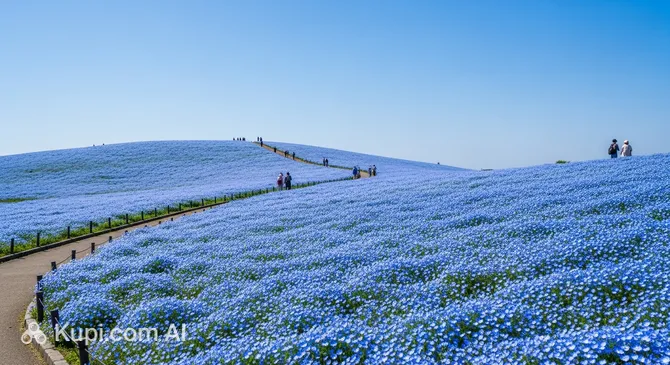
Another fantastic option is Hitachinaka, a coastal city renowned for the spectacular Hitachi Seaside Park. This park is a visual feast year-round, but it is particularly famous for its hills covered in blue nemophila flowers in spring and bright red kochia bushes in autumn. After exploring the park, travelers can visit the Nakaminato Fish Market to enjoy some of the freshest seafood in the Kanto region, making it a perfect spot for lunch.

For lovers of arts and crafts, Kasama offers a cultural retreat. Known as a pottery town, it is the home of Kasama-yaki ceramics. You can visit numerous galleries, try your hand at a pottery wheel, or explore the impressive Kasama Inari Shrine, one of Japan's three major Inari shrines. The town has a quaint, artistic atmosphere that contrasts beautifully with the busier cities.

City Population Distance (km)
Mito 270,445 10
Tsukuba 246,647 39
Hitachinaka 154,311 16
Tsuchiura 137,825 30
Kasama 73,521 13

These nearby destinations offer a glimpse into the diverse culture and landscapes of the region, ranging from floral paradises to historical strongholds.

Shopping & Souvenirs

Shopping

Shopping in Ibaraki offers a delightful departure from the high-paced commercial districts of Japan's major cities. Instead of towering luxury department stores and crowded fashion avenues, the town provides a more grounded and authentic experience centered around local agriculture and community life. Visitors here will find that the best purchases are often edible, with a strong emphasis on fresh produce, regional specialties, and artisanal goods that reflect the area's rich farming heritage.

The primary hub for general shopping needs is Aeon Town Ibaraki. This large shopping complex serves as a convenient one-stop destination for both locals and tourists. It features a wide array of stores ranging from fashion boutiques and drugstores to bookstores and a large supermarket. For travelers, this is an excellent place to pick up daily necessities, browse for affordable Japanese clothing, or explore the variety of unique snacks and household items found in the grocery section.

For a more unique and culturally immersive experience, Pocket Farm Dokidoki is the town's standout destination. While it functions partly as an agricultural theme park, its market area is a treasure trove for shoppers. Here, you can buy vegetables and fruits harvested that very morning by local farmers. The "Nature Shop" within the facility offers high-quality meats, handmade sausages, and freshly baked bread. It is the perfect spot to find gifts that convey the flavor of the region, rather than mass-produced trinkets.

When it comes to souvenirs, Ibaraki's status as a top agricultural producer defines the selection. The most prestigious item to bring back is the melon. As the region is known as the "Melon Kingdom," you can find premium Earl's melons and other varieties that are prized for their sweetness and perfect appearance. If carrying a whole fruit is difficult, look for processed goods like melon cakes, jellies, and even melon-flavored curry, which make for great conversation starters back home.

Another popular local specialty is Hoshi-imo (dried sweet potato). Ibaraki Prefecture is the leading producer of this healthy, chewy snack in Japan. It is widely available in local markets and makes for a lightweight, long-lasting souvenir. Additionally, given the town's location next to Lake Hinuma, vacuum-packed shijimi clams or shijimi-based seasonings are excellent choices for food enthusiasts who want to recreate the savory taste of the local soup.

Most shops in the town, including Aeon Town, typically open around 10:00 AM and close between 8:00 PM and 9:00 PM. While the large shopping center and convenience stores accept major credit cards and IC cards, cash is still the preferred method of payment at smaller farmers' markets and independent roadside stalls. It is advisable to carry sufficient Japanese yen when visiting places like Pocket Farm Dokidoki to ensure a smooth shopping experience.

Regarding tax-free shopping, while major chains within the Aeon complex may offer tax exemption services for tourists presenting a valid passport, smaller local shops and agricultural markets generally do not. It is best to look for the "Japan. Tax-free Shop" symbol at the entrance or ask the staff at the service counter of larger establishments.
Reached the end of the page?

That means the route is fully explored