Support

Sendai

About

Known affectionately as the "City of Trees," Sendai is a vibrant metropolis that perfectly balances urban sophistication with lush natural surroundings. As the capital of Miyagi Prefecture and the largest city in the Tohoku region, it serves as a vital cultural and economic hub in northern Japan. With a population of over one million residents, Sendai offers the convenience of a modern city while maintaining a spacious and relaxed atmosphere, characterized by its broad avenues lined with zelkova trees.

The city was founded in 1600 by the legendary feudal lord Date Masamune, whose influence is still deeply felt throughout the region. Visitors interested in the history of Sendai can explore the legacy of this powerful samurai, who designed the city's layout to embrace the natural terrain. Located on the Pacific coast, Sendai enjoys a relatively moderate climate compared to other parts of the region, making it a comfortable destination year-round.
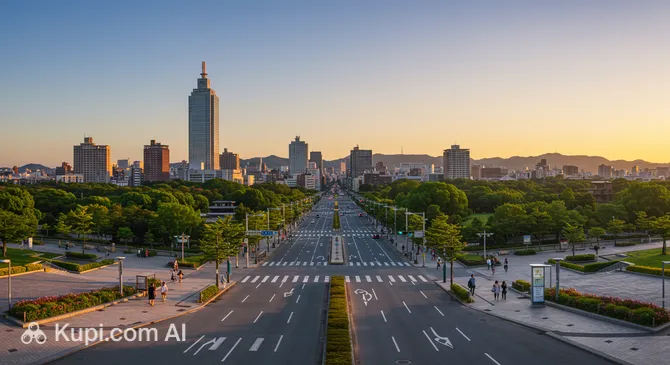
Sendai. Source: Kupi.Binoculars

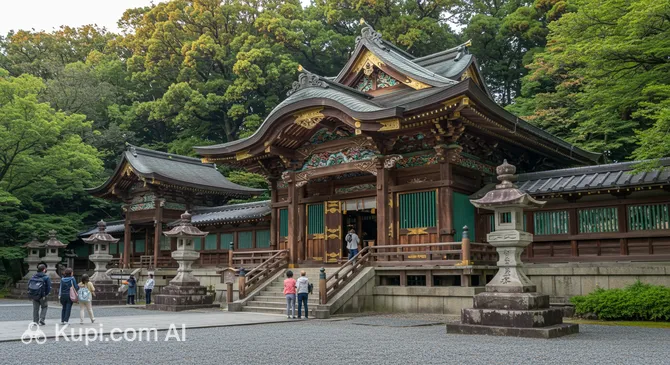
Travelers are drawn to Sendai for its rich heritage and scenic beauty. Key attractions include the ornate Zuihoden Mausoleum, the resting place of Date Masamune, which features intricate woodwork and vivid colors. The site of the former Sendai Castle (Aoba Castle) is another must-visit spot; while the fortress itself no longer stands, the stone walls and guard tower remain, offering panoramic views of the city skyline. Additionally, the city is famous for the spectacular Sendai Tanabata Festival held every summer, where colorful streamers decorate the shopping arcades.

Whether you are eager to try the local specialty, gyutan (grilled beef tongue), or plan to use the city as a gateway to the scenic Matsushima Bay nearby, Sendai promises a memorable experience. Its unique blend of samurai history, modern comforts, and verdant streetscapes makes it an essential stop on any itinerary in northern Japan.
Weather Overview

Sendai experiences a climate characterized by four distinct seasons, generally avoiding the harsh extremes found in other parts of northern Japan. While winters are cold and summers are warm, the city maintains a relatively moderate atmosphere throughout the year. For travelers planning their packing list, checking the detailed weather in Sendai is highly recommended to prepare for specific conditions.

The winter months, particularly January, are the coldest, with average temperatures dropping to around 0.2°C and minimums reaching -3.0°C. While heavy snow accumulation is less common here than in the mountainous regions, visitors should still expect chilly days and frequent precipitation, with January recording about 17 wet days.

Summer brings a significant shift, with August being the warmest month. Average temperatures climb to 24.8°C, with highs peaking near 27.7°C. This season is also characterized by frequent rainfall; August alone can see up to 20 wet days, so carrying an umbrella is essential for sightseeing during this time.

Spring and autumn are widely considered the most comfortable times to visit. By May, the weather warms to a pleasant average of 15.5°C, while October offers crisp autumn air with an average of 14.6°C. These transitional months typically feature moderate rainfall and temperatures that are ideal for outdoor exploration.

Interesting Facts

Beyond the main attractions, Sendai holds many fascinating secrets that reveal the city's unique character. From towering hidden giants to the unexpected origins of modern sports, these local distinctions add depth to any visit.

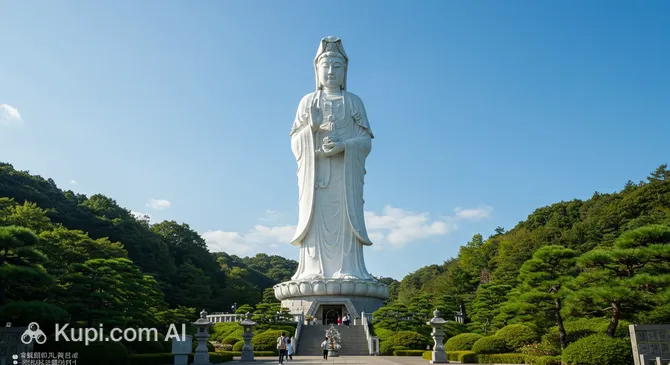
  • Hidden within the residential suburbs stands the Sendai Daikannon, a colossal 100-meter tall statue of the Goddess of Mercy. It is one of the tallest statues in the world, surpassing the Statue of Liberty in height, and visitors can actually enter the interior to view Buddhist statues and look out from the top.

  • Sendai is officially recognized as the birthplace of figure skating in Japan. The sport began on the frozen Goshikinuma pond near the castle ruins in the late 19th century, where foreign teachers first introduced the art, laying the foundation for the region's strong connection to winter sports.

  • The city's famous gyutan (grilled beef tongue) cuisine has humble origins dating back to the post-war era. It was invented in 1948 by a local chef named Keishiro Sano, who sought to create a nutritious and delicious meal using ingredients that were readily available and affordable at the time.

  • Pop culture enthusiasts may be intrigued to learn that the iconic crescent-moon helmet of Date Masamune is widely believed to have been a visual inspiration for Darth Vader's helmet in Star Wars. This striking armor is immortalized on the Equestrian Statue of Date Masamune that watches over the city.

Sendai Daikannon. Source: Kupi.Binoculars

How to Get There

Reaching this vibrant city is convenient thanks to its status as a major transportation hub in the Tohoku region. Whether you prefer flying or taking the high-speed train, there are efficient routes available. For a detailed overview of all travel options, you can read more about how to get to Sendai.

The most direct gateway is Sendai Airport (SDJ), located approximately 14.9 km from the city center. As a significant regional hub, it handles a large volume of passengers and serves as the primary air link for the area. Travelers landing here can reach downtown Sendai quickly; a trip by taxi or bus takes approximately 42 minutes. The airport is well-connected and offers a smooth entry point for visitors.

For those with flexible itineraries, Junmachi Airport (GAJ) is another possibility, though it is located in the neighboring city of Yamagata, about 46.4 km away. While it is smaller, it provides an alternative route into the region. Getting to Sendai from this airport takes longer, with a travel time of around 90 minutes by road.

For clarity, here is a summary of the main airports in the vicinity:

Airport Name City Passenger Traffic Km from City
Sendai Airport Sendai Large 14.9
Junmachi Airport Yamagata Small 46.4
Shonai Airport Sakata Small 112.0
Fukushima Airport Fukushima Small 121.8
Hanamaki Airport Morioka Medium 130.9

In addition to air travel, Sendai is exceptionally well-connected by rail. The city is a major stop on the Tohoku Shinkansen line, which provides fast and frequent service from Tokyo and other major cities. The central railway station is a bustling hub, making the train one of the most popular and convenient ways to arrive.

Main Attractions

Sendai offers a fascinating array of historical and cultural sites that reflect its status as the former stronghold of the powerful Date clan. The city's attractions are often set against a backdrop of lush greenery, allowing visitors to enjoy both architectural beauty and nature simultaneously. From ornate mausoleums to commanding castle ruins, the main sights provide a deep dive into the samurai heritage of the region.

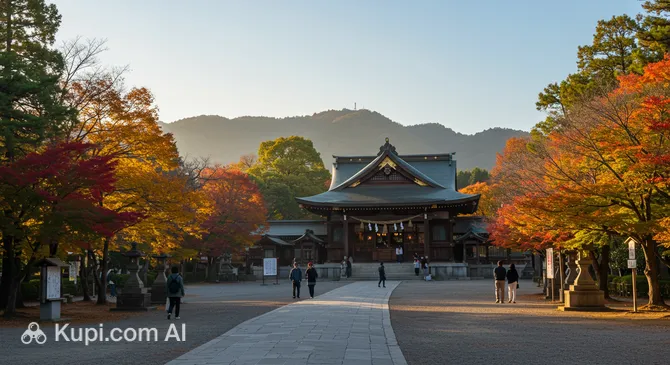
One of the most spectacular locations is the Zuihōden Mausoleum, the final resting place of the city's founder, Date Masamune. Nestled within a forest of towering cedar trees, this complex is renowned for its brilliant Momoyama-style architecture. The main building features intricate woodwork, vivid colors, and gold leaf designs that stand in stark contrast to the humble simplicity often found in Japanese temples. A museum on the grounds displays artifacts found in the tombs, including personal items of the feudal lords.

Zuihōden Mausoleum. Source: Kupi.Binoculars

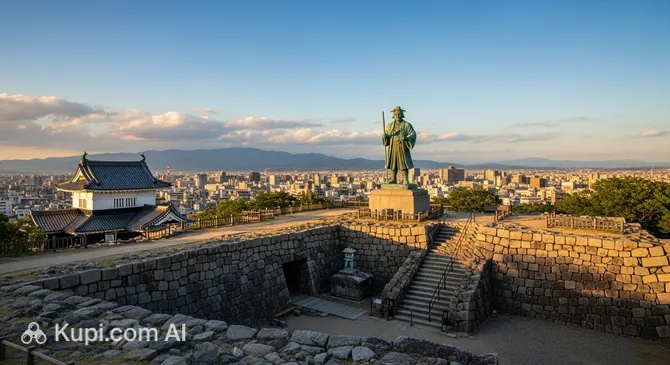
For those seeking panoramic views and a touch of history, the Sendai Castle Ruins are a must-visit. Located atop Mount Aoba, the fortress was once the heart of the domain but was largely lost to the passage of time and war. Today, the impressive stone walls and the reconstructed guard tower give visitors a sense of its former scale. The site overlooks the modern city skyline and the Pacific Ocean, making it a popular spot for sunset viewing and understanding the strategic layout of the castle town.

Sendai Castle Ruins. Source: Kupi.Binoculars

Another architectural treasure is the Osaki Hachiman Shrine, a designated National Treasure. Constructed by Date Masamune to enshrine the family's guardian deity, the main hall is a masterpiece of black lacquer and gold decoration. It is the finest surviving example of Azuchi-Momoyama architecture in the region and remains a vital spiritual center for locals, hosting major festivals such as the Donto-sai in winter where pilgrims brave the cold to pray for good health.

To gain a comprehensive understanding of the city's evolution, travelers should visit the Sendai City Museum. Situated within the Aoba Castle park area, the museum houses a vast collection of cultural properties, including the iconic armor and crescent-moon helmet of Date Masamune. The exhibits cover the history of Sendai from the pre-historic era to modern times, offering valuable context to the sights seen throughout the city.

Local Cuisine

The culinary landscape of Sendai is a reflection of its bountiful surroundings, often described as a "Kingdom of Ingredients" due to the richness of both the land and the nearby Sanriku coast. The city is most famous for Gyutan, or grilled beef tongue, a dish that has become synonymous with Sendai's identity. Unlike the thinly sliced version found in standard yakiniku, Sendai gyutan is typically thick, tender, and seasoned with salt or miso before being charcoal-grilled to perfection. A classic set meal usually includes barley rice, ox tail soup, and pickles, offering a hearty and savory experience. Visitors can sample this local staple at renowned establishments like Gyutan Kaku Vlandome, where the tradition is kept alive with expert grilling techniques.

Beyond beef, the city offers unique flavors that cater to those with a sweet tooth or a love for plant-based ingredients. Zunda, a vibrant green paste made from crushed young soybeans (edamame) and sugar, is a regional specialty used in various treats. While traditionally served over mochi rice cakes, it has recently gained popularity as a creamy "Zunda Shake," which is a must-try for tourists walking around the station area. Another refreshing dish with local roots is Hiyashi Chuka, chilled Chinese noodles with colorful toppings and a tangy sauce, widely believed to have originated in Sendai.

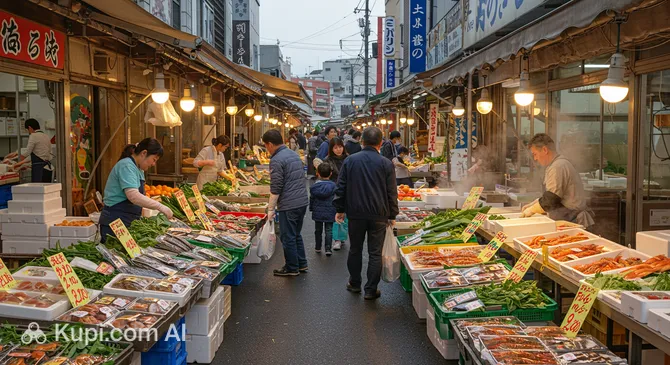
Sendai Morning Market. Source: Kupi.Binoculars

For those who prefer fresh seafood and a lively atmosphere, the Sendai Morning Market (Sendai Asaichi) is an essential stop. Often called "Sendai's Kitchen," this bustling street market offers an array of fresh fish, fruits, and vegetables. It is the perfect place to try Sasakamaboko, a bamboo-leaf-shaped fish cake that is grilled until slightly golden and has a delightful, chewy texture. The market allows visitors to see the seasonal ingredients that fuel the city's restaurants up close.

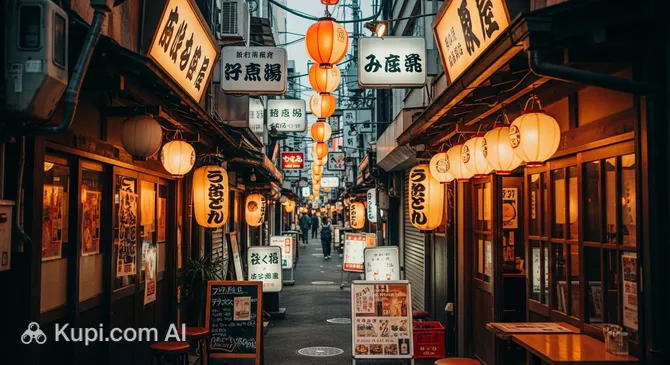
When evening falls, the local drinking culture comes alive, centered largely around the region's exceptional sake. Miyagi Prefecture is a premier sake-producing region, known for high-quality brews made from premium local rice and pure water. To experience the authentic nightlife, travelers should head to Iroha Yokocho. This nostalgic alleyway, which retains the atmosphere of the post-war era, is packed with tiny lanterns and over 40 small eateries and bars. It is an ideal spot to sip on local sake while chatting with locals and enjoying small plates of yakitori or oden.

Iroha Yokocho. Source: Kupi.Binoculars

Travel Tips

Welcome to the "City of Trees"! To ensure your visit to this vibrant capital of Miyagi Prefecture is as smooth and enjoyable as possible, we have compiled a set of essential practical tips covering everything from local transport to cultural etiquette.

  1. Clothing and Gear: Sendai experiences four distinct seasons, so packing layers is essential. Winters can be chilly with temperatures dropping near freezing, so bring a warm coat, while summers are warm and humid, requiring breathable fabrics. Since you will likely do a lot of walking to explore sites like the castle ruins, bring comfortable walking shoes. Additionally, slip-on shoes are highly recommended as you will need to remove them frequently when entering temples, shrines, or traditional restaurants.

  2. Transportation: The most tourist-friendly way to get around is the Loople Sendai, a loop bus that connects most major attractions including the mausoleum and castle site. For general travel, the city has two subway lines (Tozai and Namboku) and JR lines. It is best to purchase a rechargeable IC card (like Suica or Pasmo) for seamless travel on trains and buses. Taxis are safe and clean but can be expensive; car rentals are generally not necessary unless you plan to explore the wider Tohoku region.

  3. Finances: The local currency is the Japanese Yen (JPY). While credit cards are increasingly accepted in Japan, cash is still king, especially at small shops, ticket vending machines, and older establishments. International cards work reliably at ATMs found in 7-Eleven convenience stores and Japan Post offices. Note that there is no tipping culture here; excellent service is standard, and leaving a tip may even cause confusion.

  4. Health and Safety: Sendai is an incredibly safe city for tourists, even at night. Pharmacies (often called "drugstores") are common and sell basic over-the-counter medicines, though labeling is usually in Japanese, so a translation app is helpful. In case of an emergency, dial 119 for an ambulance or fire truck. Tap water is safe to drink everywhere.

  5. Communication: While staff at major hotels and tourist hubs often speak English, it is not widely spoken by the general public. It is highly recommended to rent a Pocket Wi-Fi or buy a data SIM card upon arrival to use map and translation apps. Learning a few basic phrases like Sumimasen (Excuse me/Sorry) and Arigato gozaimasu (Thank you) will go a long way in showing respect to locals.

  6. Local Etiquette: Politeness is paramount. A small bow is the standard greeting. When using public transport, keep your voice down and set your phone to silent mode (often called "manner mode"). Always remove your shoes when entering a home, a ryokan (traditional inn), or temple interiors; usually, slippers are provided for indoor use.

  7. What to Avoid: Avoid eating or drinking while walking in public, as it is generally considered rude (except at designated festival stalls). Also, never stick your chopsticks vertically into a bowl of rice, as this resembles a funeral ritual and is considered highly offensive.

  8. Smart Travel Tip: If you plan to visit multiple historical sites, purchase the Loople Sendai One-Day Pass. Not only does it offer unlimited rides on the tourist loop bus for the day, but it also provides discounts on entrance fees for several major attractions, including the Zuihoden Mausoleum and the Sendai City Museum.

With these practical insights in hand, you are well-prepared to navigate the streets of Sendai with confidence. We hope these tips help you focus on making wonderful memories in this beautiful blend of urban life and nature.

Entertainment & Nightlife

Entertainment and Nightlife:

As the sun sets, Sendai transforms from a bustling business hub into a vibrant playground for night owls. The city boasts the largest entertainment district in the Tohoku region, offering a diverse mix of neon-lit streets, sophisticated cocktail lounges, and energetic dance floors. Whether you are looking for a casual drink with locals or a night of dancing, the city's nightlife scene is welcoming and accessible.

The epicenter of the action is undoubtedly Kokubuncho. Located just a short walk from the downtown shopping arcades, this district is packed with nearly 3,000 establishments, ranging from noisy izakayas (Japanese pubs) to karaoke bars and high-end clubs. The atmosphere here is electric, teeming with salarymen unwinding after work, university students, and tourists. While the area is generally safe, it is busy with activity; visitors should simply ignore any street touts trying to steer them into specific venues and instead head to their planned destinations.

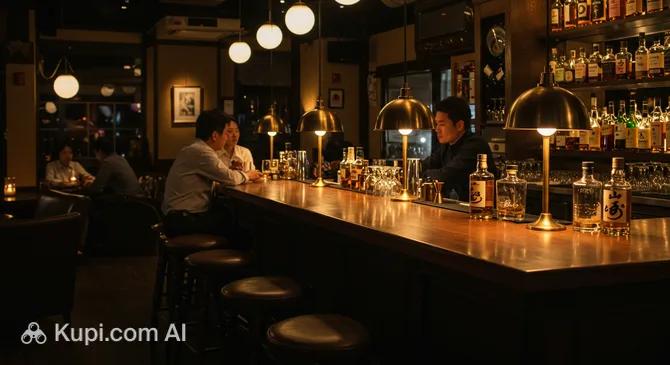
For those seeking a more curated experience, CRAFTSMAN Sendai is an excellent choice. This stylish gastropub specializes in craft beer, featuring a wide selection of taps from Japan and abroad, paired with Italian-influenced cuisine. It offers a relaxed yet trendy environment perfect for starting your evening. If you prefer a pulsing beat and a lively crowd, ART Night Club provides a modern clubbing experience with DJs spinning various genres, making it a popular spot for the younger crowd to dance until the early hours.

CRAFTSMAN Sendai. Source: Kupi.Binoculars

Travelers looking for a touch of nostalgia should revisit the narrow alleyways of Iroha Yokocho or explore the nearby Bunka Yokocho. These lantern-lit lanes offer a stark contrast to the glitz of Kokubuncho, housing tiny bars where the master (owner) often chats directly with customers. For a more upscale and quiet evening, the Lobby Lounge Chaleur offers a sophisticated setting to enjoy cocktails and conversation in peace.

Practical advice for a night out includes carrying some cash, as many smaller bars and older establishments may not accept credit cards. Table charges (otoshi) are common in bars and usually include a small appetizer. Public transport, including the subway, typically stops running around midnight. However, taxis are plentiful in nightlife districts and are a reliable way to get back to your hotel. The city is safe to walk in at night, but standard travel precautions apply.

During the daylight hours, Sendai offers plenty of family-friendly and cultural entertainment. Thrill-seekers can head to Yagiyama Benyland, a classic amusement park with roller coasters and attractions suitable for all ages. Meanwhile, families with young children will find the Sendai Anpanman Children's Museum & Mall to be a delightful destination dedicated to one of Japan's most beloved anime characters. For art lovers, the city's various museums provide a quiet retreat before the evening festivities begin.

Parks & Museums

True to its nickname, the "City of Trees," Sendai seamlessly integrates urban life with verdant landscapes and rich cultural institutions. The city is dotted with spacious parks that serve as community hubs for relaxation and festivals, while its museums offer deep dives into everything from regional art to prehistoric forests. For travelers, these green spaces and galleries provide a perfect counterpoint to the bustling downtown area.

One of the city's most cherished green spaces is Nishi Park, the oldest park in Sendai. Located along the Hirose River, it is a favorite spot for locals, especially during the spring cherry blossom season when crowds gather for hanami parties under the blooming trees. The park is also home to a traditional Japanese tea house and several monuments, making it a peaceful retreat for a leisurely stroll. Just a short distance away, Tsutsujigaoka Park offers another spectacular floral display. Famous for its weeping cherry trees, this park has a history dating back to the Date clan and remains a premier destination for flower viewing and picnics.

Nishi Park (Sendai). Source: Kupi.Binoculars

For families and animal lovers, the Yagiyama Zoological Park is situated on a hill overlooking the city, near the amusement park mentioned earlier. It houses approximately 140 species of animals, including elephants, giraffes, and polar bears, in enclosures designed to mimic their natural habitats. The zoo is actively involved in conservation efforts and offers a friendly atmosphere for visitors of all ages to learn about wildlife.

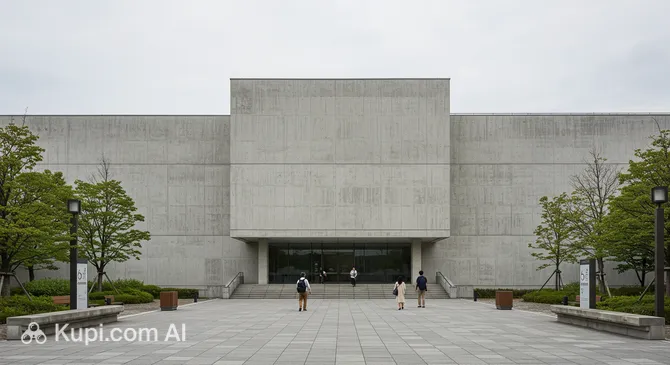
Sendai's cultural scene is anchored by The Miyagi Museum of Art. This spacious facility focuses on works by artists associated with Miyagi Prefecture and the Tohoku region, but it is also renowned for its impressive collection of foreign art, including pieces by Wassily Kandinsky and Paul Klee. The museum's architecture itself is a draw, featuring open courtyards and sculpture gardens that allow visitors to enjoy art in a natural setting.

The Miyagi Museum of Art. Source: Kupi.Binoculars

A truly unique educational experience awaits at the Sendai City Tomizawa Site Museum. Unlike typical museums, this facility preserves an actual excavation site of a Paleolithic forest. Visitors can walk on glass walkways over the preserved remains of trees and campfires from 20,000 years ago, offering a rare glimpse into the Ice Age environment of the region. For those interested in natural history and technology, the Sendai City Science Museum features interactive exhibits on the nature of the Tohoku region, as well as hands-on chemistry and physics displays that are particularly engaging for children.

For a quieter, more contemplative experience, consider visiting the garden at Rinno-ji Temple. While many tourists flock to the main parks, the meticulously landscaped Japanese garden here features a koi pond, a three-story pagoda, and seasonal flowers such as irises and hydrangeas, offering a serene escape that feels worlds away from the city center.

Getting Around

Navigating Sendai is straightforward and efficient, thanks to a well-organized public transport network that connects the city center with major suburbs and tourist attractions. The backbone of the system is the Sendai City Subway, which consists of two main lines: the Namboku Line (running north to south, color-coded green) and the Tozai Line (running east to west, color-coded blue). These rapid transit lines intersect at Sendai Station, making it easy to transfer and reach key destinations like the castle ruins or the zoological park without getting stuck in traffic.

For destinations not covered by the subway, the city operates an extensive bus network. Of particular interest to visitors is the Loople Sendai, a retro-styled loop bus designed specifically for sightseeing. This charming bus circles the major tourist spots, including the Zuihoden Mausoleum and Aoba Castle, providing a convenient hop-on, hop-off experience. Regular city buses are also available for reaching more residential areas or specific hot springs on the outskirts, though the route maps can be slightly more complex for first-time visitors.

Paying for transport is seamless if you use a rechargeable IC card. Sendai has its own local card called ICSCA, but cards from other regions, such as Suica or Pasmo, are fully compatible and widely accepted on both the subway and buses. If you prefer cash, you can purchase single-journey tickets at multilingual vending machines in subway stations. For buses, if you do not have an IC card, you must take a numbered ticket from a dispenser when entering the rear door and pay the corresponding fare displayed on the digital screen at the front when exiting.

Travelers planning a full day of exploration should consider purchasing a One-Day Pass. There are separate passes available for just the Loople bus, just the subway, or a combination of both. These passes not only offer unlimited rides for the day but often come with discounts for admission to museums and other attractions. Passes can be bought at the bus pool ticket office at the West Exit of Sendai Station or directly from subway station ticket machines.

Operating hours for the subway generally run from around 5:30 AM until midnight. Buses may stop running slightly earlier depending on the route, so it is wise to check the timetable if you plan to stay out late. During the morning and evening rush hours, the subway can get quite crowded with commuters, so traveling outside these peak times can result in a more comfortable journey.

For alternatives to mass transit, taxis are plentiful and can be hailed on the street or found at designated stands near train stations and large hotels. They are clean, safe, and feature automatic doors, though fares can be higher compared to public transport. Additionally, the city promotes a bicycle-sharing service known as Date Bike. With electric-assist bicycles available at numerous ports throughout the city, this is an excellent and eco-friendly way to explore the tree-lined avenues of Sendai at your own pace.

Accommodation

Finding a place to stay in Sendai is generally stress-free, with options ranging from economical business hotels to luxurious accommodations that blend modern comfort with traditional Japanese hospitality. As the largest city in the Tohoku region, it offers a wide variety of lodging styles. Visitors can choose from efficient Western-style hotels perfect for business travelers, cozy hostels for backpackers, or traditional ryokans (inns) located just outside the city center near the hot spring resorts.

For maximum convenience, the area around JR Sendai Station is the most popular choice for tourists. Staying here places you within walking distance of major shopping arcades, the morning market, and the Loople Sendai bus stops, making it an ideal base for sightseeing. Alternatively, those who want to be close to the city's vibrant nightlife might prefer the district around Kokubuncho, which is bustling with restaurants and bars, though it is a bit further from the main train lines.

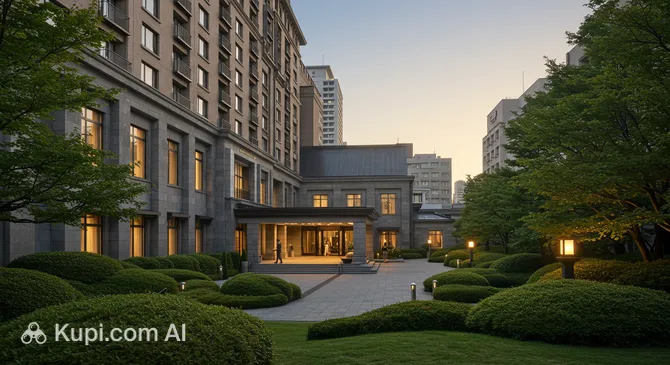
Travelers looking for a touch of European elegance in the heart of the city might consider the Sendai Monterey Hotel. Modeled after the architecture of Prague, this hotel offers a unique atmosphere distinct from typical modern high-rises and features a spa facility with natural hot spring water, providing a relaxing escape after a day of walking.

Sendai Monterey Hotel. Source: Kupi.Binoculars

A crucial tip for booking accommodation in Sendai is to plan well ahead if you are visiting in early August. During the famous Sendai Tanabata Festival (August 6-8), the city attracts millions of visitors, and hotels are often fully booked months in advance with prices surging significantly. For the rest of the year, booking a few weeks prior is usually sufficient to secure a good rate.

In terms of pricing, Sendai is generally more affordable than Tokyo or Osaka. Budget travelers can find business hotels and hostels for approximately 5,000 to 8,000 JPY per night. Mid-range hotels typically cost between 10,000 and 20,000 JPY, while luxury options and high-end ryokans will be priced higher. Reservations can be easily made through major international online booking platforms or directly via hotel websites.

Nearby Cities

For those looking to explore the surroundings, Sendai serves as an excellent base for day trips to several interesting nearby locations. The region is rich in history and coastal beauty, offering travelers a chance to see a different side of Miyagi Prefecture within a short train ride.

One of the most popular stops is Shiogama, a historic port city located just northeast of Sendai. It is famous for the majestic Shiogama Shrine, a 1,200-year-old sanctuary with beautiful gardens and vermilion lacquered buildings. The city is also renowned for having one of the highest concentrations of sushi restaurants in Japan, making it a top destination for fresh seafood enthusiasts.

Another fascinating destination is Tagajo, known for its significant historical ruins. The site of Taga Castle was once the political and military center of the Tohoku region during the Nara and Heian periods. Visitors can explore the park-like ruins and the nearby museum to gain insight into the ancient administration of northern Japan.

City Population Distance (km)
Osaki 127,135 35
Natori 79,250 11
Tagajo 61,937 12
Shiogama 51,999 14
Tomiya 51,859 15

These nearby destinations offer a glimpse into the diverse culture and landscapes of the region, providing rewarding experiences for those willing to venture just beyond the city limits.

Shopping & Souvenirs

As the largest city in the Tohoku region, Sendai serves as a premier commercial hub, offering a retail experience that ranges from high-end department stores to traditional covered arcades. The city is compact and walkable, with the most vibrant shopping districts concentrated around the central railway station and the avenues leading west. Whether you are looking for the latest Japanese fashion, traditional crafts, or local delicacies to take home, the city provides an abundance of options that cater to every taste and budget.

The heart of the city's retail culture lies in its extensive network of shopping arcades (shotengai). These pedestrian-only streets are covered by high, translucent roofs, allowing for a comfortable experience regardless of the weather. The most famous among them include Clis Road and Ichibancho, which are lined with a mix of drugstores, clothing boutiques, and souvenir shops. Walking through these bustling corridors offers a glimpse into the daily life of locals, where centuries-old tea shops stand alongside modern convenience stores. The Vlandome arcade is another key section, known for its lively atmosphere and variety of merchants.

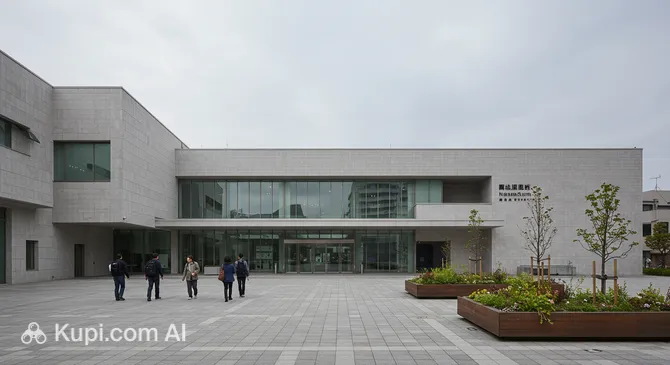
For a more modern retail experience, the area surrounding the station is dominated by large complexes. S-PAL Sendai is directly connected to the station and is particularly good for food souvenirs and fashion. Nearby, Sendai Parco and AER offer trendier options and lifestyle goods. Families traveling with young children will find a unique shopping destination at the Sendai Anpanman Children's Museum & Mall. While the museum area requires a ticket, the shopping mall section is free to enter and features a bakery and shops selling exclusive character merchandise that makes for adorable gifts.

Sendai Anpanman Children's Museum & Mall. Source: Kupi.Binoculars

To see the "kitchen" of the city, visitors should head to the Sendai Morning Market (Sendai Asaichi). Located just a five-minute walk from the station, this lively street market is packed with stalls selling fresh seafood, seasonal fruits, and local vegetables. It is an excellent place to purchase high-quality ingredients or dried goods like seaweed and processed seafood at reasonable prices. The atmosphere here is authentic and energetic, providing a stark contrast to the polished department stores nearby.

When it comes to souvenirs, Sendai has several signature items that are highly recommended. Sasakamaboko, a bamboo-leaf-shaped fish cake, is a classic savory gift that often comes in vacuum-sealed packs for travel. Sweets made from zunda (sweet edamame paste) are also essential; look for zunda mochi or zunda-flavored cookies. For non-food items, Kokeshi dolls are the region's most iconic craft. These simple, hand-painted wooden dolls have been made in the Tohoku hot spring areas for centuries. Another sophisticated option is Sendai Tansu, traditional lacquered chests known for their beautiful iron hardware.

Most shops in the city center operate from 10:00 AM to 8:00 PM, though some smaller boutiques in the arcades may close earlier or take irregular holidays. While major department stores and malls accept credit cards and IC cards, smaller stalls in the market or traditional shops may still prefer cash, so it is wise to carry some yen. Tax-free shopping is widely available for tourists at major stores (look for the "Japan Tax-Free Shop" symbol) for purchases over 5,000 JPY or 5,500 JPY depending on the category, requiring you to present your passport at the counter.

Reached the end of the page?

That means the route is fully explored