Support

Sakata

About

Sakata is a captivating port city located in the northwestern part of Yamagata Prefecture, facing the Sea of Japan. Known for its rich cultural heritage and scenic beauty, this destination offers a glimpse into a prosperous era of trade in Japan. With a population of approximately 99,000 residents, it serves as a vital hub where the Mogami River flows into the ocean, creating a landscape that is both dynamic and serene.

The city flourished during the Edo period as a key stop on the Kitamaebune shipping route, bringing immense wealth and culture to the region. Exploring the history of Sakata reveals stories of powerful merchant families and a legacy of rice trade that shaped the local identity. This historical significance is still visible today in the well-preserved architecture and traditional practices that have survived through the centuries.
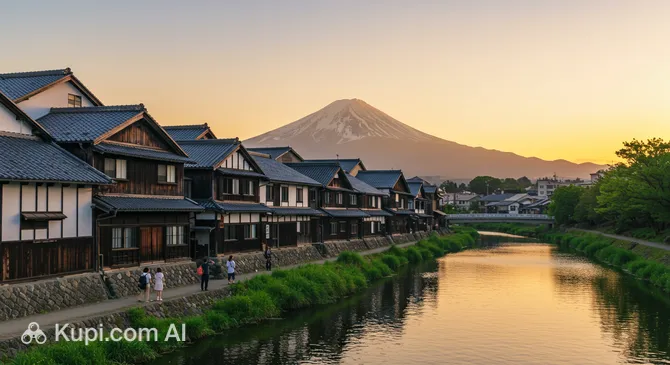
Sakata. Source: Kupi.Binoculars

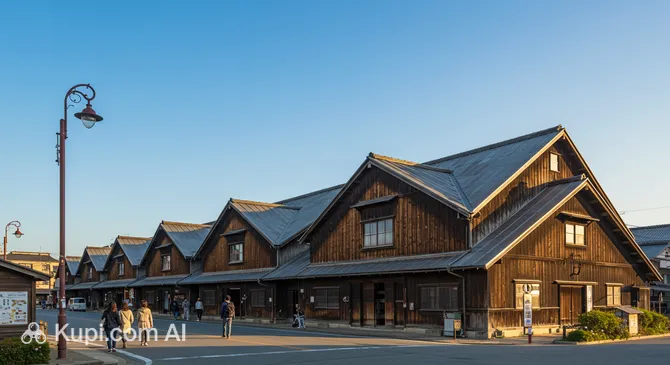
Travelers are often drawn to the iconic Sankyo Warehouses, a row of traditional rice storehouses lined with zelkova trees that create a picturesque atmosphere, especially in the sunlight. Another highlight is the Honma Museum of Art, which showcases the treasures of the influential Honma merchant family, once said to be wealthier than some feudal lords. Visitors can also experience the city's unique maiko culture at Somaro, a restored traditional restaurant where dance performances are held.

Whether you are interested in strolling through historic districts, enjoying fresh seafood from the nearby port, or admiring the views of Mount Chokai in the distance, Sakata welcomes you with open arms. It is a perfect stop for those seeking a blend of history, culture, and natural beauty on their journey through the Tohoku region.
Weather Overview

Sakata features a climate with four distinct seasons, ranging from chilly winters to warm summers. January is typically the coldest month, with average temperatures hovering around 1.0°C, while August brings the warmest weather, reaching an average of 25.3°C. The city experiences a significant number of wet days throughout the year, particularly during the winter season.

Travelers planning a trip should check the detailed weather in Sakata to pack appropriately for the conditions. Spring and autumn offer mild and comfortable transitions; for instance, May and October see average temperatures around 15°C, making them pleasant times for outdoor exploration.

Overall, expect warm summers with occasional rain and cold winters with frequent precipitation. While rainfall amounts are distributed throughout the year, the winter months of December and January are characterized by a high frequency of wet days, often requiring warm layers and waterproof gear.

Interesting Facts

Beyond the scenic landscapes and historic streets, Sakata holds fascinating stories that reveal the depth of its cultural and historical significance. Here are some intriguing facts that make this port city truly unique.

Sankyo Soko Rice Warehouses. Source: Kupi.Binoculars
  • The Wealth of the Honma Family: The local merchant family, the Honmas, was once so prosperous that a popular Edo-period saying went, "I don't expect to be a Honma, but I would be content to be a feudal lord." Their influence is preserved at the Homma Residence, a testament to their immense economic power which surpassed even that of the ruling samurai class.

  • Natural Cooling System: The iconic Sankyo Soko Rice Warehouses are a marvel of traditional engineering. Built in 1893, these structures utilize a double-roof design and a row of zelkova trees to naturally regulate temperature and humidity, keeping the stored rice fresh without modern air conditioning.

  • Oscar-Winning Scenery: Sakata served as the primary filming location for the celebrated movie "Departures" (Okuribito), which won the Academy Award for Best Foreign Language Film. The city's atmospheric streets and views of Mount Chokai provided the perfect backdrop for this touching story.

  • Japan's First Photography Museum: The Ken Domon Museum of Photography holds the distinction of being the first museum in Japan dedicated exclusively to the art of photography. It houses approximately 70,000 works by the renowned realist photographer Ken Domon, who was born in Sakata.

  • Sakata Maiko: While Kyoto is famous for geisha, Sakata is one of the few places in the Tohoku region with its own authentic "Sakata Maiko" tradition. This cultural heritage was imported by merchants traveling the Kitamaebune shipping route, earning the city the nickname "Little Kyoto."

How to Get There

Reaching this coastal city is relatively straightforward, with options ranging from direct flights to scenic train rides. For a detailed breakdown of routes and schedules, you can read more about how to get to Sakata to plan your journey effectively.

The most convenient air gateway is Shonai Airport (IATA: SYO), which is located directly in Sakata, approximately 12.2 km from the city center. This regional hub handles a moderate volume of passengers and offers the quickest access to the area. A taxi or bus ride from the terminal to the downtown area typically takes about 40 minutes. Alternatively, you can fly into Junmachi Airport (Yamagata Airport) in the city of Yamagata. Although it is a larger facility, it is situated about 72.7 km away, meaning a transfer by road would take approximately 2 hours and 10 minutes.

For clarity, here is a summary of the main airports serving the region:

Airport Name City Passenger Traffic Km from City
Akita Airport Akita High 84.5
Niigata Airport Niigata High 123.4
Hanamaki Airport Morioka Medium 125.9
Shonai Airport Sakata Moderate 12.2
Junmachi Airport Yamagata Moderate 72.7

Travelers preferring rail transport can access the city via Sakata Station, which is a key stop on the JR Uetsu Main Line. While there is no direct Shinkansen service to the city itself, a popular route involves taking the Joetsu Shinkansen to Niigata and transferring to the "Inaho" limited express train, which offers beautiful coastal views along the Sea of Japan. Another option is taking the Yamagata Shinkansen to Shinjo and transferring to a local train or bus. The rail journey provides a relaxing way to see the diverse landscapes of Yamagata Prefecture.

Main Attractions

Sakata offers a delightful mix of historical architecture, cultural depth, and scenic beauty. The city's prosperity as a trading hub during the Edo period has left behind a legacy of impressive buildings and artistic traditions that continue to attract visitors today.

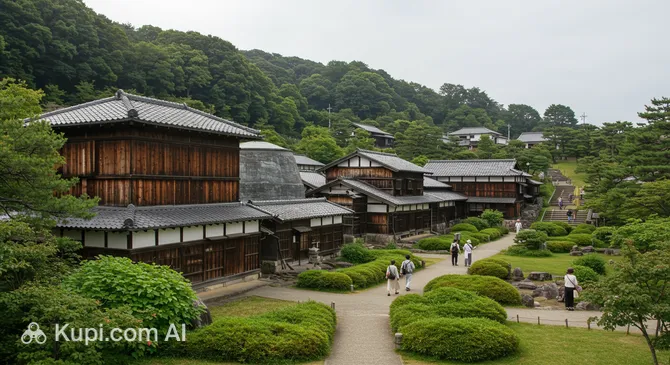
One of the most iconic sights in the city is the Sankyo Soko Rice Warehouses. Built in 1893, these twelve earthen-walled storehouses are still in use today, functioning as both active agricultural facilities and a museum. They are famously lined with a row of majestic zelkova trees, which were originally planted to protect the rice from the summer heat and strong winter winds. The contrast between the black walls of the warehouses and the greenery makes for a perfect photo opportunity and a peaceful stroll.

For art lovers, the Homma Museum of Art is a must-visit destination. This facility was once the villa of the Homma family, who were known as the wealthiest merchants in Japan during their prime. Visitors can admire the Seienkaku, a traditional villa with a blend of Kyoto and Edo architectural styles, and explore the beautiful Kakubu-en strolling garden, which offers stunning views of Mount Chokai in the background.

Homma Museum of Art. Source: Kupi.Binoculars

Those seeking panoramic views and a touch of maritime history should head to Hiyoriyama Park. Located on a hill overlooking the harbor and the Sea of Japan, this park is celebrated for its spectacular sunsets and cherry blossoms in spring. A highlight of the park is the one-half scale replica of a Kitamaebune ship, the trading vessels that brought fortune to the city, as well as one of the oldest wooden hexagonal lighthouses in the country.

Hiyoriyama Park. Source: Kupi.Binoculars

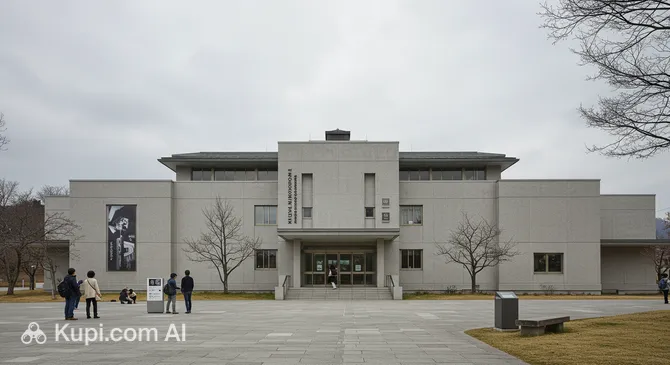
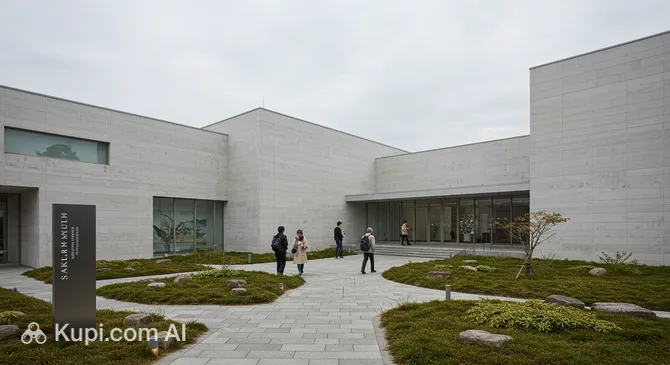
Another cultural gem is the Ken Domon Museum of Photography, dedicated to one of Japan's most renowned photographers. The museum is set within a serene natural environment near Iimoriyama Park and features a striking modern design by architect Yoshio Taniguchi. It houses a vast collection of Domon's realistic photography, offering a profound look into Japanese life and culture through his lens.

Ken Domon Museum of Photography. Source: Kupi.Binoculars

Local Cuisine

Sakata is a true gourmet destination, blessed with the bounty of the Sea of Japan and the fertile soil of the Shonai Plain. The city's cuisine is defined by the exceptional quality of its ingredients, particularly its fresh seafood and premium rice. As a historic port town, the local food culture is deeply rooted in the daily catch brought in by fishing boats, ensuring that visitors can enjoy some of the freshest flavors in the region.

Sushi and sashimi are undeniable highlights here. Thanks to the renowned local Shonai rice, which provides the perfect base, sushi in Sakata is highly regarded. Travelers looking for an authentic experience can visit Sushi Koise, a restaurant known for its dedication to fresh, local toppings and skilled preparation. Whether it is seasonal white fish, crab, or shrimp, the seafood is served at its peak freshness.

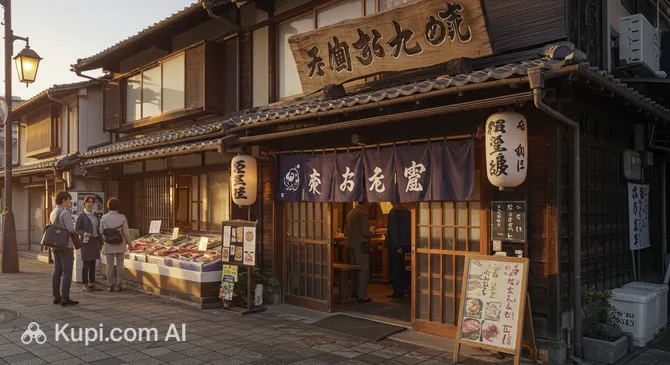
For those with a specific love for tuna, the city offers specialized delights. Komatsu Maguro is a popular spot that focuses on high-quality tuna dishes. From rich, fatty cuts to leaner varieties, this establishment allows diners to appreciate the depth of flavor that has made this fish a favorite across Japan.

Komatsu Maguro. Source: Kupi.Binoculars

Beyond seafood, Sakata is famous across Japan for its unique ramen culture. The local ramen typically features a soup stock made from flying fish (known as ago) and kelp, resulting in a light yet deeply savory broth. It is often served with thin, curly homemade noodles and silky wontons. Ramen shops are plentiful throughout the city, with many locals eating it for breakfast—a tradition known as "Morning Ramen."

To accompany the meal, one must try the local sake. The combination of high-quality rice and pure water from Mount Chokai allows local breweries to produce award-winning sake with crisp and refreshing profiles. In the colder months, visitors should also look for Dongara-jiru, a warming rustic soup made with codfish, including its liver and roe, simmered with vegetables and miso.

Travel Tips

Welcome to Sakata! To help you make the most of your visit to this historic port city, we have compiled a list of essential advice. Whether you are here to explore the samurai heritage or enjoy the local culinary delights, these practical tips will ensure a smooth and enjoyable journey.

  1. Clothing and Gear: Sakata experiences distinct seasons, so packing requires attention to the forecast. Winters (December to February) are cold and often snowy, so heavy coats and non-slip waterproof boots are essential. The city is also known for its strong coastal winds year-round, so a windbreaker is a smart addition in spring and autumn. Since you will likely visit traditional sites like the Homma Residence, bring slip-on shoes that are easy to remove, and ensure you have clean socks. For electronics, bring a Type A power adapter (two flat pins) as the voltage is 100V.

  2. Transportation: While there is a loop bus service in the city, frequencies can be low. For exploring the wider Shonai region, renting a car is highly recommended. However, for the city center itself, Sakata offers a fantastic free rental bicycle service for tourists, available at the Tourist Information Center near Sakata Station and other designated spots. This is often the most efficient way to hop between the warehouses and museums.

  3. Finances: The official currency is the Japanese Yen (JPY). While major hotels and larger restaurants accept credit cards, cash is still king in Sakata, especially at small local ramen shops, souvenir stores, and markets. It is wise to carry sufficient cash. You can withdraw money using international cards at ATMs located in 7-Eleven or Japan Post Bank branches. Tipping is not practiced and can even cause confusion, so simply pay the bill as presented.

  4. Health and Safety: Sakata is a very safe city with low crime rates. Pharmacies (often labeled as "Drug Stores") are widely available for basic supplies, though they may not be open 24/7 outside of convenience stores. In an emergency, dial 119 for an ambulance or fire department, and 110 for the police. Tap water is safe to drink everywhere.

  5. Communication: The primary language is Japanese, and English proficiency may be limited, particularly among older generations and in rural areas. It is highly advisable to download a translation app like Google Translate and an offline map before you arrive. Free Wi-Fi is available at the station and some tourist facilities, but purchasing a SIM card or renting a pocket Wi-Fi at the airport upon arrival in Japan is recommended for constant connectivity.

  6. Local Etiquette: Politeness is paramount. When entering traditional inns, homes, or temple interiors, always remove your shoes at the entrance (genkan). A slight bow is the standard greeting. On public transport, keep your voice down and avoid talking on the phone. If you visit a hot spring (onsen), remember to wash your body thoroughly before entering the communal bath.

  7. What to Avoid: Do not stick your chopsticks vertically into a bowl of rice, as this resembles a funeral ritual and is considered taboo. Also, avoid eating or drinking while walking in public streets; it is better to stop at a designated area or consume your food where you bought it.

  8. Local Insight: Embrace the "Morning Ramen" culture! Unlike most places where ramen is a lunch or dinner dish, many shops in Sakata open as early as 7:00 AM or 8:00 AM. Joining the locals for a savory bowl of soy sauce-based ramen for breakfast is a unique and authentic way to start your day here.

By keeping these tips in mind, you will be well-prepared to navigate the city with confidence and respect. Sakata is a welcoming destination with a relaxed pace, so take your time, engage with the friendly locals, and immerse yourself in the rich atmosphere of the Shonai region.

Entertainment & Nightlife

Entertainment:

While Sakata is celebrated for its quiet history and scenic beauty, the city also offers engaging ways to spend your leisure time, deeply rooted in its cultural traditions. Entertainment here is less about bustling nightlife and more about immersing yourself in the refined arts and seasonal festivities that have defined the region for centuries. Visitors can experience a unique blend of performance art, outdoor relaxation, and historical exploration.

A highlight of the local entertainment scene is the captivating Sakata Maiko performances. Originating from the city's days as a prosperous port, this tradition has been beautifully preserved. You can witness elegant dance performances at Somaro, a historic restaurant venue, where the maiko (apprentice geisha) entertain guests with traditional songs and dances. It is a rare opportunity to see this exquisite art form outside of Kyoto, offering a glimpse into the sophisticated culture of the merchant era.

For those visiting in spring or summer, the city comes alive with vibrant festivals. The Sakata Festival in May is a major event featuring massive lion head floats parading through the streets, creating an energetic atmosphere. In August, the Sakata Fireworks Show lights up the night sky over the Mogami River, drawing crowds from all over the prefecture to enjoy the spectacular pyrotechnics reflecting off the water.

If you prefer a relaxing afternoon surrounded by nature, Iimoriyama Park is a wonderful destination for leisure. Located on a hill, this expansive park offers walking paths and sweeping views of the city and the Sea of Japan. It is particularly famous for its hydrangea garden, where thousands of flowers bloom in shades of blue and purple during the rainy season, creating a stunning backdrop for a peaceful stroll or a picnic.

Iimoriyama Park. Source: Kupi.Binoculars

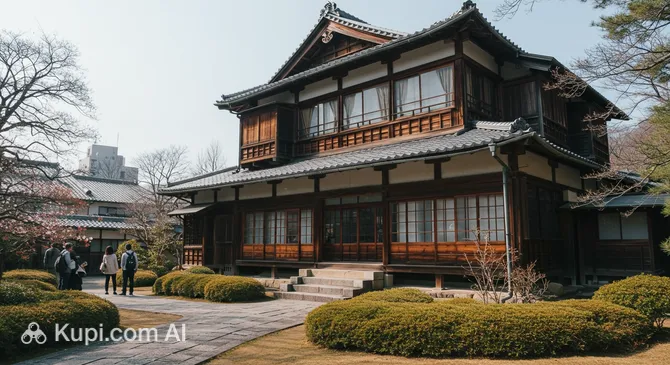
To truly understand the lifestyle of Sakata's golden age, a visit to the Homma Residence provides a fascinating diversion. Unlike a typical museum, walking through this grand estate feels like stepping back in time. As you explore the tatami rooms and polished wooden corridors, you can imagine the daily lives of the powerful merchant family who once influenced the nation's economy. The residence often hosts seasonal exhibits, allowing you to appreciate the changing aesthetics of Japanese interior design.

Homma Residence. Source: Kupi.Binoculars

Whether you are watching a traditional dance, cheering at a festival, or wandering through blooming gardens, Sakata offers entertainment that refreshes the spirit and deepens your connection to its rich heritage.

Parks & Museums

Sakata seamlessly blends its rich merchant history with serene natural landscapes, offering visitors a distinguished selection of green spaces and cultural institutions. From manicured Japanese gardens that borrow scenery from distant mountains to world-class galleries dedicated to visual arts, the city provides ample opportunities for both relaxation and intellectual enrichment.

One of the city's most beloved green spaces is Hiyoriyama Park. Located on a hill that offers commanding views of the harbor and the Sea of Japan, this park is a prime spot for witnessing spectacular sunsets. It is particularly famous for its cherry blossoms in spring, which frame the historic replica of the Kitamaebune trading ship and the wooden lighthouse, creating a scene that perfectly captures the port city's heritage.

For those seeking a more expansive natural retreat, Iimoriyama Park serves as a lush sanctuary. This area is renowned for its vast hydrangea gardens, which burst into color during the rainy season, and its peaceful walking trails that wind through the forest. The park surrounds a pond where visitors can enjoy the reflection of the changing seasons, making it an ideal location for a quiet afternoon picnic or a leisurely stroll away from the city center.

Sakata's cultural depth is best experienced through its exceptional museums. The Ken Domon Museum of Photography is a masterpiece of modern architecture nestled within the natural landscape near Iimoriyama. Dedicated to the realist photographer Ken Domon, the museum not only displays his powerful images of Japanese life and temples but also harmonizes art with nature through its design, featuring a water garden and views of Mount Chokai.

Another cultural highlight is the Homma Museum of Art, which offers a glimpse into the opulent lifestyle of the region's most powerful merchant family. The museum complex includes the Seienkaku, a villa used to entertain feudal lords, and the Kakubu-en, a stunning strolling garden designated as a national scenic spot. The collection features antique ceramics, calligraphy, and paintings that were collected by the Homma family over generations.

The city's history is also preserved in its architectural landmarks. The Homma Residence stands as a testament to the family's influence, showcasing a unique blend of samurai and merchant architectural styles. Nearby, the Sankyo Soko Rice Warehouses not only function as active storage but also house the Shonai Rice History Museum, where tourists can learn about the agricultural roots that built Sakata's wealth.

For a truly authentic experience, visit the Kakubu-en garden at the Homma Museum of Art just after a rain shower. The wet stones and vibrant moss create a deeply atmospheric setting, and the "borrowed scenery" of Mount Chokai appears even more majestic when the air is clear, offering a moment of perfect Zen tranquility.

Getting Around

Navigating Sakata is a relaxed experience, quite different from the hustle of Japan's major metropolises. The public transport system primarily consists of a network of buses that connect the city center with key residential areas and tourist sites. While the train station serves as the main gateway to the region, travel within the city itself is best undertaken by bus, bicycle, or rental car.

For tourists, the most convenient mode of transport is the Sakata City Loop Bus, affectionately known as the "Runrun Bus." This service circles the main downtown area, making stops at major attractions such as the Sankyo Warehouses, the Homma Museum of Art, and Sakata Station. The buses are easily recognizable and offer an affordable flat-rate fare, making them an excellent budget-friendly option for sightseeing. In addition to the loop bus, Shonai Kotsu operates regular fixed-route buses that cover wider distances, connecting the city center to the airport, university, and outlying districts.

The payment system on local buses typically follows the standard rear-entry method found in many Japanese cities. When boarding, you enter through the back door and take a small numbered ticket (seiriken) from the machine. This ticket indicates your boarding zone. When you reach your destination, check the electronic display at the front of the bus, which matches your ticket number to the fare due. You pay the exact amount in the fare box next to the driver upon exiting through the front door. While cash has traditionally been the primary method, the local transport network has modernized to accept major transportation IC cards (like Suica and PASMO) in recent years, adding a layer of convenience for travelers.

Travelers should be aware that bus frequencies in Sakata are not as high as in larger cities. Some routes may only run once an hour, and services often finish relatively early in the evening. It is highly recommended to check the timetable at the bus stop or the tourist information center at the station before setting out. Always carry small change, as while the fare machines can break 1,000-yen bills, they cannot handle larger denominations like 5,000 or 10,000-yen notes.

One of the best ways to explore Sakata is not by motor at all, but by bicycle. The city is geographically flat and compact, making it perfect for cycling. Sakata offers a fantastic free tourist bicycle rental service. Visitors can pick up a bike at the Tourist Information Center near Sakata Station and several other designated locations throughout the city. This service allows for complete freedom to hop between museums, parks, and restaurants at your own pace without waiting for a bus.

For those who prefer more privacy or need to travel late at night, taxis are readily available at the taxi stand outside Sakata Station. They are clean, reliable, and the drivers are generally very helpful, though it helps to have your destination written in Japanese. If you plan to explore the wider Shonai region or visit Mount Chokai, renting a car is the most practical solution, as it offers the flexibility to reach remote scenic spots that public transport does not serve.

Accommodation

Accommodation in Sakata primarily caters to practical travelers and those seeking a touch of local tradition. The city offers a selection of reliable business hotels, comfortable guest houses, and charming traditional Japanese inns (ryokans). While it does not feature an abundance of large luxury resorts, visitors will find clean, well-maintained facilities that provide excellent hospitality and easy access to the region's key sights.

For most tourists, the area surrounding Sakata Station is the most strategic place to stay. Hotels in this vicinity are typically Western-style business hotels that offer modern amenities and are perfect for those relying on public transport. Staying here ensures you are just a short walk from the train and the bus terminal, making it simple to drop off your luggage and start exploring. Another popular area is the central district near the harbor and the Sankyo Warehouses, where you can find accommodations that are closer to the historical attractions and the city's dining scene.

The price range in Sakata is generally quite affordable compared to major tourist hubs like Tokyo or Kyoto. Most business hotels fall into the budget to mid-range category, offering great value for money. Traditional ryokans may cost slightly more, especially if meals featuring local Shonai cuisine are included, but they offer a unique cultural experience with tatami rooms and futon bedding. Booking can be easily done through major international online travel platforms, though some smaller, family-run inns might still prefer direct inquiries or reservations via Japanese-specific sites.

Booking Tip: Sakata is a relatively small city, so accommodation can fill up surprisingly fast during major local events. If you plan to visit during the Sakata Festival in May or the spectacular Sakata Fireworks Show in August, it is highly recommended to book your room several months in advance to secure a spot.

Nearby Cities

For those looking to explore the surroundings, Sakata serves as an excellent base for day trips to several interesting nearby locations:

Just a short distance south lies Tsuruoka, a city deeply rooted in spiritual history and culinary tradition. It is best known as the gateway to the Three Mountains of Dewa (Dewa Sanzan), a sacred site for mountain asceticism where visitors can hike through ancient cedar forests to the five-story pagoda of Mount Haguro. Tsuruoka is also celebrated as a UNESCO Creative City of Gastronomy, offering distinct local cuisine that highlights the rich ingredients of the Shonai region.

Heading inland, the prefectural capital of Yamagata offers a perfect mix of culture and nature. The city is famous for the stunning Yamadera temple complex, which clings to a steep mountainside and rewards climbers with breathtaking panoramic views. In winter, the nearby Zao Onsen becomes a major destination for skiing and viewing the "snow monsters" (frozen trees), while its hot springs provide a relaxing retreat year-round.

For a change of pace, travelers can head north to Akita, the capital of the neighboring prefecture. Known for the vibrant Kanto Festival in summer, where performers balance giant bamboo poles with lanterns, the city offers a lively cultural atmosphere. Visitors can also explore Senshu Park, built on the site of the former Kubota Castle, or learn about the region's unique folklore at local museums.

City Population Distance (km)
Akita 302984 92
Yamagata 247234 86
Tsuruoka 121371 21
Yokote 84556 77
Yurihonjo 73840 56

These nearby destinations offer a glimpse into the diverse culture and landscapes of the region.

Shopping & Souvenirs

Shopping in Sakata offers a delightful journey into the region's rich culture and agricultural bounty. Unlike the bustling fashion districts of Japan's major metropolises, the retail experience here is centered around high-quality local crafts, renowned sake, and fresh food products. Visitors will find that the best shopping spots are often integrated with historical sites, allowing for a seamless blend of sightseeing and souvenir hunting.

The most prominent shopping destination for tourists is the area surrounding the Sankyo Soko Rice Warehouses. Within this historic complex lies the "Sakata Yume no Kura," a comprehensive tourism and product facility. Here, you can browse an extensive selection of goods ranging from traditional dolls and textiles to locally produced foods. It is the perfect one-stop shop for finding authentic gifts that represent the spirit of the Shonai region.

For a more modern retail experience, the Aeon Sakata Minami shopping center serves as the city's commercial hub. Located south of the city center, this mall houses a variety of fashion brands, household goods, and a large supermarket. It is a convenient stop for travelers needing daily necessities or those looking to explore typical Japanese retail chains.

A visit to a port city would not be complete without exploring its markets. The Sakata Seafood Market (Sakata Kaisen Ichiba), located right next to the harbor, is a vibrant spot where locals and tourists alike come to buy the freshest catch of the day. The first floor is dedicated to fishmongers selling crab, shellfish, and seasonal fish at reasonable prices. It is a lively place to soak up the atmosphere of the port, even if you are just window shopping.

When it comes to souvenirs, Sakata has several signature items worth bringing home. The Shonai region is one of Japan's top rice producers, making local sake a top choice; the quality is exceptional, and many brands are hard to find elsewhere. Shonai rice crackers (senbei) are another popular savory treat. For something decorative, look for Kasafuku, colorful hanging ornaments that are traditionally made in Sakata to pray for health and happiness.

Store hours in Sakata are generally from 9:00 AM or 10:00 AM until 7:00 PM. While the seafood market opens earlier in the morning, many smaller boutiques close by early evening. In terms of payment, major credit cards are accepted at the Sankyo Warehouses souvenir shop, shopping malls, and larger supermarkets. However, smaller traditional shops and market stalls often operate on a cash-only basis, so it is wise to carry sufficient yen.

Visitors from abroad should note that tax-free shopping is available at designated stores, including the souvenir shop at Sankyo Warehouses and major retailers like Aeon. Be sure to bring your passport if you intend to claim the consumption tax refund on eligible purchases.

Reached the end of the page?

That means the route is fully explored