Support

Yamagata

About

Yamagata. Source: Kupi.Binoculars

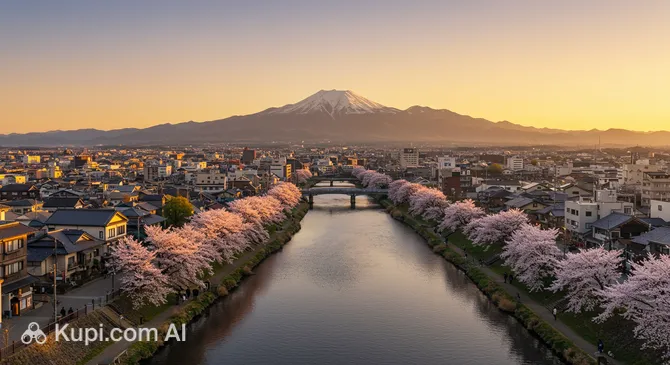
Welcome to Yamagata, a captivating city that perfectly blends natural beauty with deep cultural roots. As the capital of Yamagata Prefecture, this vibrant urban center is nestled in a basin surrounded by picturesque mountains, offering visitors a breathtaking backdrop in every direction. Known for its warm hospitality and distinct four seasons, the city serves as an ideal gateway to explore the scenic Tohoku region of Japan.

Geographically, Yamagata is defined by its inland location, which contributes to its hot, humid summers and snowy winters. With a population of approximately 247,000 residents, it balances the convenience of city life with a relaxed, rural atmosphere. The city flourished as a castle town during the Edo period, and you can still trace the fascinating history of Yamagata through its preserved architecture and enduring local traditions.

Travelers are often drawn here by the area's stunning attractions. The iconic Yamadera (Risshaku-ji Temple), perched high on a steep mountainside, offers spiritual solace and panoramic views for those willing to climb its thousand steps. Nearby, the famous Zao Onsen provides world-class skiing and the unique spectacle of "snow monsters" (frost-covered trees) in winter, as well as rejuvenating hot springs year-round. Additionally, the city is celebrated for its delicious fruit, particularly cherries, earning it a reputation as a fruit lover's paradise.

Whether you are visiting to experience the energetic Hanagasa Matsuri summer festival or to savor local culinary delights, Yamagata promises an unforgettable journey. It is a destination that invites you to slow down and appreciate the authentic charm of northern Japan.

Weather Overview

The climate in this region is characterized by four distinct seasons, each bringing its own atmosphere to the city. For travelers planning their wardrobe and itinerary, checking the detailed weather in Yamagata is highly recommended. Generally, you can expect warm, humid summers and cold winters with frequent precipitation.

Winter months, particularly January and February, are quite cold with average temperatures dropping to around -2.0°C and minimums reaching -5.0°C. In contrast, the summer season peaks in August, where average temperatures rise to 24.0°C and daily highs can reach 27.5°C. Precipitation is a constant factor throughout the year; December and January are notably the wettest months in terms of frequency, with up to 25 wet days recorded, while spring and early autumn offer slightly drier conditions with fewer rainy days.

Interesting Facts

Beyond its scenic mountains and soothing hot springs, Yamagata holds unique cultural quirks and fascinating records that often surprise visitors.
  • The Holy Land of Ramen: This city takes its noodles very seriously, frequently ranking among the top consumers of ramen in Japan per household. To combat the stifling summer heat, local chefs even invented "Hiyashi Ramen," a unique dish featuring chilled broth served with ice cubes, which remains a beloved local specialty.

  • Excavators as Kitchen Utensils: Every autumn, the city hosts Japan's largest taro soup festival, the Imoni-kai. The scale is so immense that a massive 6-meter iron pot is used to cook for thousands of guests, and the ingredients are famously stirred using heavy construction machinery—specifically, brand-new excavators reserved solely for this culinary task.

  • A History of Extreme Heat: Despite being located in the snowy Tohoku region, the city's basin geography traps heat, creating surprisingly tropical summers. For over 70 years, Yamagata held the national record for the highest temperature ever recorded in Japan (40.8°C), a title it kept until 2007.

  • The Flower of Wealth: Much of the city's historical prosperity was built on the trade of Benibana (safflower), which was worth its weight in gold during the Edo period. This wealth funded impressive Western-style architecture, such as the Yamagata Bunshokan, which stands today as a symbol of that opulent era.

Yamagata Bunshokan. Source: Kupi.Binoculars

How to Get There

Planning a trip to this scenic region is straightforward, with several convenient transport options available. Whether you prefer flying into a nearby hub or taking a scenic train ride, you can easily find a route that suits your itinerary. For a complete overview of travel logistics, you can read more about how to get to Yamagata and choose the best path for your journey.

The most direct gateway for air travelers is Junmachi Airport (GAJ), also known locally as Yamagata Airport. It is located approximately 18.7 km from the city center. A taxi or bus ride from this airport to downtown typically takes around 50 minutes, making it a convenient option for domestic connections. You can find more details about this facility on the Junmachi Airport page.

For those seeking more extensive international or domestic flight options, the city of Yamagata does not have a large international hub of its own, but you can fly into Sendai Airport (SDJ) in the neighboring city of Sendai. Situated about 52.3 km from Yamagata, this airport handles a significantly higher volume of passengers. The transfer from Sendai Airport to Yamagata by road takes approximately 1 hour and 40 minutes, though express buses and train connections are also popular choices for this route.

For clarity, here is a summary of the main airports serving the region:

Airport Name City Passenger Traffic Km from City
Sendai Airport Sendai Large 52.3
Niigata Airport Niigata Medium 111.3
Shonai Airport Sakata Small 79.0
Fukushima Airport Fukushima Small 113.4
Junmachi Airport Yamagata Small 18.7

In addition to air travel, Yamagata is well-connected to the rest of Japan by rail. The Yamagata Shinkansen (bullet train) provides a direct and comfortable link from Tokyo, allowing visitors to arrive right in the heart of the city at Yamagata Station. This train journey is a popular choice for tourists, offering beautiful views of the countryside and mountains along the way.

Main Attractions

Attractions:

Yamagata offers a delightful mix of historical landmarks, cultural treasures, and scenic parks that reflect the city's rich heritage as a former castle town. Whether you are interested in samurai history, art, or simply a peaceful stroll amidst nature, the city center provides several fascinating spots to explore.

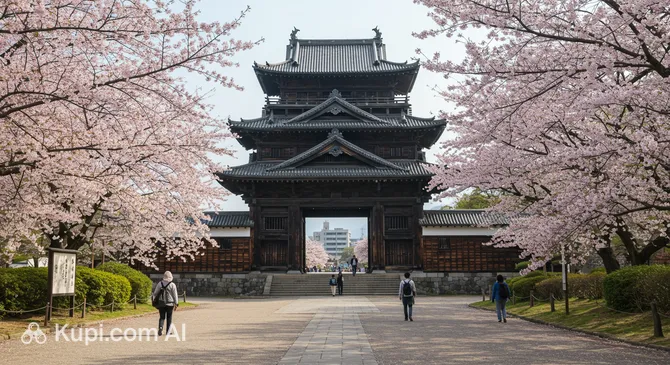
At the heart of the city lies Kajo Park, a sprawling green space built on the site of the former Yamagata Castle. It is one of the most popular destinations for both locals and tourists, especially during spring when approximately 1,500 cherry trees burst into bloom, transforming the area into a sea of pink. The park serves as a hub for history and recreation, offering walking paths and a serene atmosphere right in the middle of the urban landscape.

Kajo Park. Source: Kupi.Binoculars

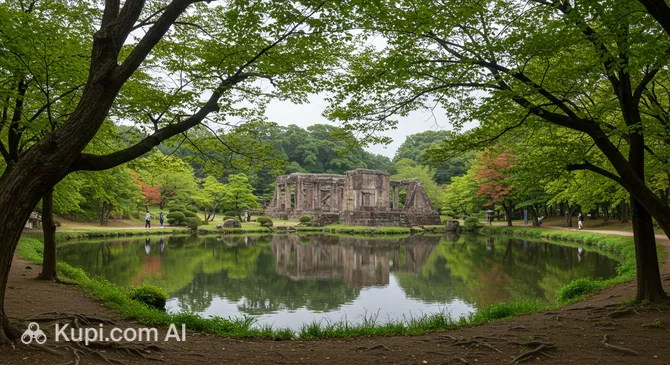
Within the park grounds, you will find the Yamagata Castle Ruins. While the original main keep no longer stands, extensive restoration efforts have brought back the majestic Ninomaru East Gate and stone walls, allowing visitors to visualize the grandeur of the fortress that once commanded the region. It is a significant site for understanding the legacy of the powerful Mogami clan who ruled the area.

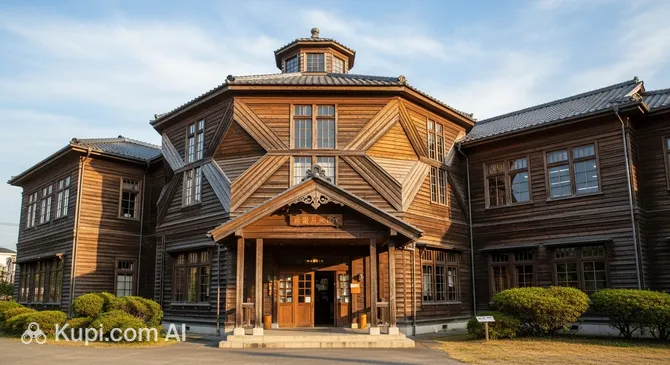
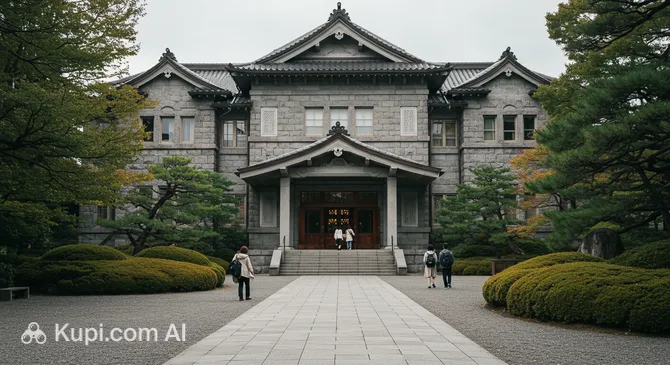
Nearby, architecture enthusiasts should not miss the Old Saiseikan Hospital. This unique building, designated as an Important Cultural Property, dates back to the Meiji period and features a distinctive pseudo-Western style with a donut-shaped layout. Originally a hospital, it now functions as a medical museum, showcasing historical medical instruments and providing a glimpse into the modernization of Japanese medicine in the 19th century.

Old Saiseikan Hospital. Source: Kupi.Binoculars

For art lovers, the Yamagata Museum of Art is a cultural highlight. The museum houses an impressive collection that includes important works of Japanese art as well as French Impressionist paintings. Its diverse exhibitions and permanent collections offer a quiet and inspiring retreat, making it a perfect stop for a leisurely afternoon of culture.

Those wishing to delve deeper into the local history can visit the Mogami Yoshiaki Historical Museum. Dedicated to the feudal lord who laid the foundations of modern Yamagata, the museum displays armor, swords, and historical documents. It provides valuable context to the sights seen at the castle ruins and helps bring the stories of the city's samurai past to life.

Local Cuisine

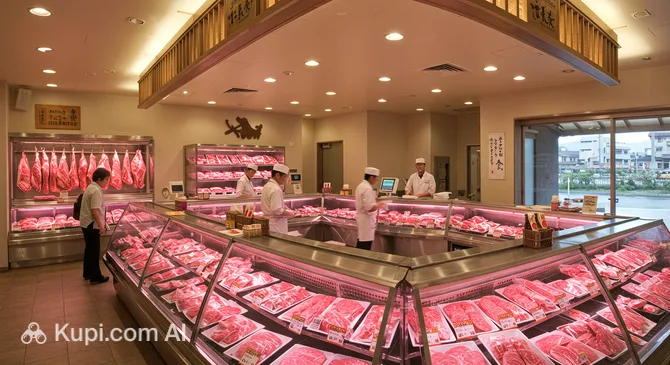
The culinary landscape of Yamagata is a reflection of its rich natural environment, earning it the nickname "The Kingdom of Food." The city is renowned for its high-quality ingredients, ranging from premium meats to fresh fruits and hearty mountain vegetables. For many visitors, the highlight of a trip here is the opportunity to taste Yonezawa Beef, considered one of Japan's top wagyu brands. This marble-rich beef is famous for its melt-in-the-mouth texture and deep flavor, often served as steak, sukiyaki, or shabu-shabu. Travelers looking to indulge in this local delicacy can visit specialized restaurants such as Yonezawa Beef Tokiwa, which offers an authentic wagyu experience.

Beyond beef, the city has a unique noodle culture that sets it apart from other regions. As mentioned in the local facts, Yamagata is the birthplace of Hiyashi Ramen, a cold ramen dish served with ice cubes in the broth, making it a refreshing meal even in the heat of summer. Soba (buckwheat noodles) is another staple, with "Ita Soba"—thick, firm noodles served in large wooden boxes—being a rustic favorite. For a casual meal featuring high-quality ingredients, Yamagyu is another popular dining spot where visitors can savor the distinct flavors of the region.

Yonezawa Beef Tokiwa. Source: Kupi.Binoculars

When walking through the city's parks or tourist sites, you will likely encounter the aroma of Tama-konnyaku. These are round balls of konjac simmered in soy sauce, skewered on a stick, and typically served with a dab of spicy mustard. It is the quintessential Yamagata street snack—healthy, savory, and perfect for eating on the go. Additionally, as a major fruit-producing region, the city offers an abundance of seasonal desserts featuring fresh cherries, La France pears, and grapes.

The beverage scene is equally impressive, anchored by the prefecture's reputation as a premier sake production area. Blessed with pure mountain water and excellent rice, local breweries produce some of Japan's finest Ginjo sake. Wine lovers will also find plenty to enjoy, as local wineries utilize the region's grapes to craft distinct vintages. For an evening out, visitors can explore establishments like Yamagata Wayuzen, a bar and dining venue where you can pair local drinks with seasonal dishes in a relaxed atmosphere.

Yamagata Wayuzen. Source: Kupi.Binoculars

Travel Tips

Preparing for a trip to Yamagata is exciting, but having a little local know-how will ensure your journey through this region of distinct seasons and deep traditions is seamless. Here are some essential practical tips to help you navigate the city and its surroundings with confidence.

  1. Clothing and Gear: The wardrobe you pack depends heavily on when you visit. Summers here can be surprisingly hot and humid, so light, breathable fabrics and sun protection are essential. In contrast, winters are cold and snowy; bring a heavy down jacket, gloves, and most importantly, non-slip waterproof boots to navigate icy sidewalks safely. If you plan to visit Zao Onsen or Yamadera, comfortable walking shoes are a must regardless of the season.
  2. Transportation: Within the city center, the "Benichan-bus" is a convenient loop bus service that connects major sites for a flat fare. For destinations further afield like Mount Zao, buses and trains are reliable, but schedules can be infrequent in rural areas. To fully explore the scenic mountains and hidden hot springs of the prefecture at your own pace, renting a car is often the best option.
  3. Finances: The local currency is the Japanese Yen (JPY). While credit cards are increasingly accepted in hotels and major stores, Yamagata is still a cash-based society, especially in small restaurants, souvenir shops, and for bus fares. It is wise to carry sufficient cash. International ATMs are readily available at 7-Eleven and Japan Post Bank locations if you need to withdraw money. Tipping is not practiced and may even cause confusion; excellent service is standard.
  4. Health and Safety: Yamagata is a very safe city for tourists. Tap water is safe to drink, and cleanliness standards are high. Drugstores (often marked with the character 薬) are common for basic medical supplies, though few are open 24 hours. In case of an emergency, dial 119 for an ambulance or fire department, and 110 for the police.
  5. Communication: The primary language is Japanese, and English proficiency can be limited outside of major transport hubs and tourist information centers. It is highly recommended to have a translation app installed on your phone. Renting a Pocket Wi-Fi or purchasing an eSIM before arrival is crucial for navigation and translation. A simple "Arigato gozaimasu" (Thank you) is always appreciated by locals.
  6. Local Etiquette: Politeness is key. Always remove your shoes when entering traditional inns (ryokan), temples, or someone's home—look for the designated area to leave them. When using public transport, keep your voice down and avoid talking on the phone. If you visit an onsen (hot spring), remember to wash your body thoroughly before entering the communal bath and keep your towel out of the water.
  7. What to Avoid: Do not walk and eat at the same time, as it is generally considered bad manners, except during outdoor festivals. Also, avoid being late for reservations; punctuality is highly valued in Japanese culture. If you have tattoos, be aware that many public hot springs may restrict entry, so check ahead or look for "tattoo-friendly" facilities or private baths.
  8. Seasonal Insight: If you are visiting in early summer (mid-June to mid-July), you are in the "Kingdom of Fruits." Don't miss the chance to visit a local orchard for cherry picking. It is a beloved local pastime, and the Sato Nishiki cherries grown here are considered the best in Japan.

By keeping these practicalities in mind, you will be well-equipped to relax and enjoy everything Yamagata has to offer. Whether you are soaking in a snowy hot spring or savoring fresh local fruit, a smooth and respectful approach will make your travel experience truly memorable.

Entertainment & Nightlife

Entertainment:

While Yamagata is deeply rooted in history, its entertainment scene is vibrant and closely tied to the changing seasons. The city comes alive with energy during its local festivals, most notably the Hanagasa Matsuri (Flower Hat Festival) held every August. During this spectacular event, thousands of dancers flood the main streets wearing hats adorned with safflowers, chanting and moving in unison to the beat of traditional taiko drums. It is a mesmerizing display of community spirit that invites spectators to join in the rhythm of the region.

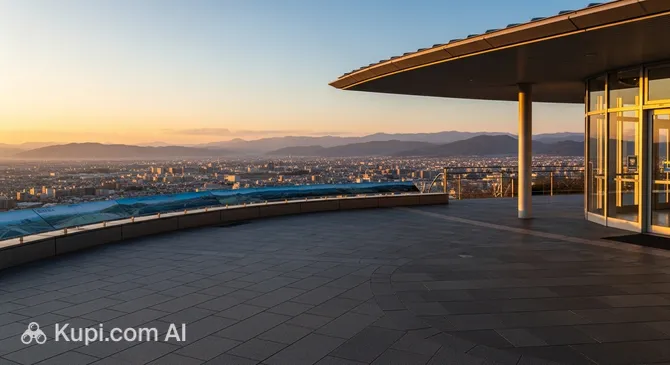
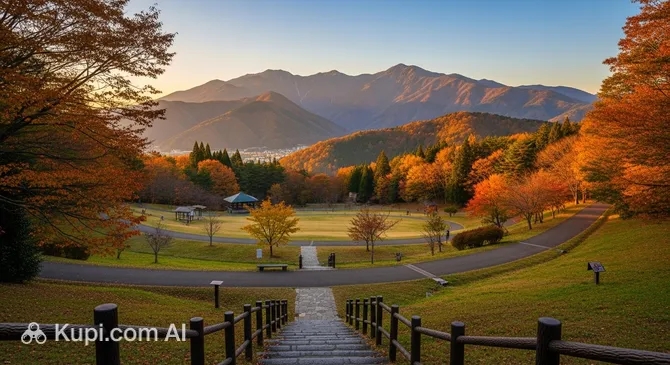
For those looking to enjoy the city's beauty after sunset, a trip to the Nishi-Zao Park Observation Plaza is an absolute must. Located along the Zao Line, this vantage point offers a sweeping panoramic view of the Yamagata Basin and the city lights below. It is widely considered one of the premier night-view spots in Japan, providing a romantic and peaceful atmosphere that contrasts with the bustling city center during the day.

Nishi-Zao Park Observation Plaza. Source: Kupi.Binoculars

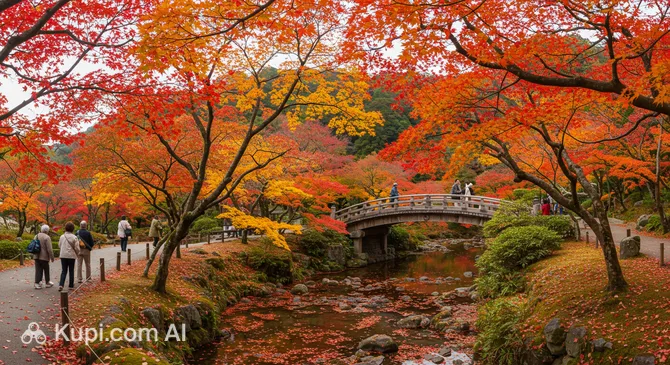
Travelers seeking a more serene experience can explore the traditional gardens of Momiji Park. Formerly the garden of the Hoji-in Temple within the castle grounds, this strolling garden is a masterpiece of landscape design. As its name "Momiji" (Maple) suggests, the park is particularly breathtaking in autumn when the leaves turn fiery red and orange. Visitors can enjoy a moment of tranquility here, perhaps participating in a tea ceremony at the on-site tea house, Seifuso, to fully appreciate the Japanese art of relaxation.

Momiji Park. Source: Kupi.Binoculars

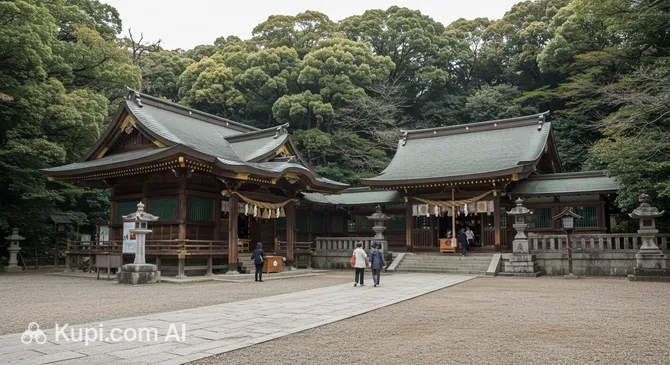
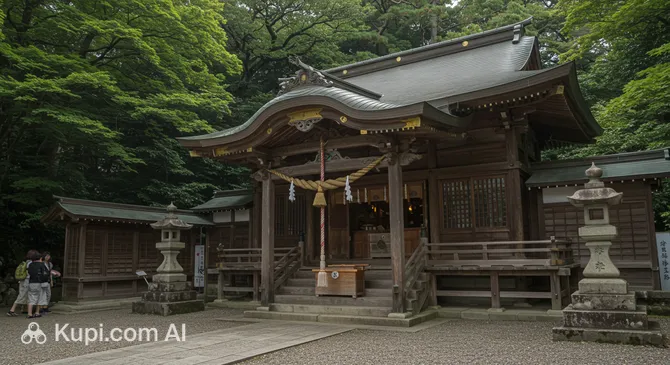
Another spot that offers a blend of spiritual solace and cultural insight is the Yamagata Gokoku Shrine. Dedicated to the peace of the nation and the spirits of the war dead, the shrine grounds are spacious and dignified. It serves as a quiet retreat for a reflective walk, allowing visitors to disconnect from the noise of modern life and appreciate the solemn beauty of Shinto architecture amidst lush greenery.

Yamagata Gokoku Shrine. Source: Kupi.Binoculars

Parks & Museums

Yamagata boasts a harmonious balance between urban convenience and the untamed beauty of the surrounding mountains, offering visitors a wealth of green spaces and cultural institutions to explore. Beyond the well-known castle grounds, the city and its outskirts are dotted with expansive parks and heritage sites that provide a deeper look into the region's history and natural splendor.

For those seeking a relaxing day out, Nishi Park is a favorite local destination located in the western part of the city. Unlike the historical castle parks, this area is designed for recreation and community gatherings. It is particularly famous for its "Imoni-zaka" area, where families and friends gather in autumn to cook the city's famous taro soup by the river. The park also features a soothing footbath where visitors can rest their tired feet while enjoying views of the distant mountains, as well as sports facilities and beautiful cherry blossoms in spring.

Nishi Park. Source: Kupi.Binoculars

Moving towards the mountains, Nishizao Park offers a more rugged and immersive nature experience. Covering a vast area of forests and marshlands, this park is a haven for outdoor enthusiasts interested in camping, hiking, and observing alpine flora. While its observation deck is famous for night views, the park itself is a daytime treasure trove featuring several scenic lakes and walking trails that guide you through the rich biodiversity of the Zao mountain range.

Nishizao Park. Source: Kupi.Binoculars

In terms of cultural education, the Yamagata Bunshokan stands as a premier institution. Housed in the former Prefectural Office and Assembly Building, this museum is a stunning example of British Neo-Renaissance architecture from the Taisho era. Inside, visitors can explore meticulously restored rooms with ornate stucco ceilings and exhibitions detailing the modernization of Yamagata. It serves not just as a visual marvel but as a comprehensive archive of the prefecture's administrative and cultural history.

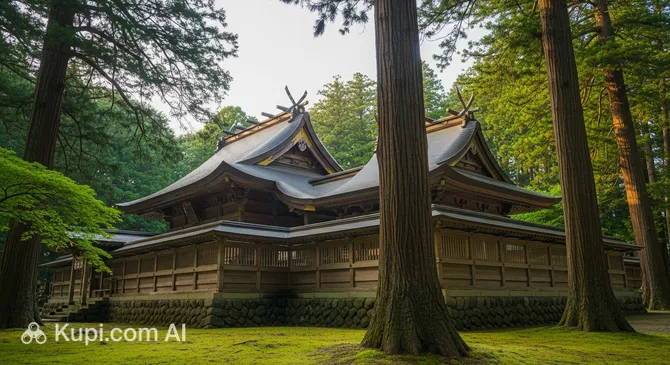
For a glimpse into the spiritual heritage of the wider region, the Chōkaisan Ōmonoimi Shrine is a significant site worth noting. Although located further afield, it is the head shrine for the worship of Mount Chokai, a peak often compared to Mount Fuji for its majestic shape. The shrine's history dates back over a millennium, and its architecture reflects the deep reverence the local people hold for the mountains that define their landscape.

Chōkaisan Ōmonoimi Shrine. Source: Kupi.Binoculars

For a truly authentic and spiritual experience, consider an excursion to the Yudonosan Shrine. Known as the final destination in the pilgrimage of the Three Mountains of Dewa (Dewa Sanzan), this shrine is unique because it has no main building; instead, the object of worship is a hot water spring cascading over a sacred rock. Pilgrims visit here to be spiritually reborn, making it a profound destination for those interested in the mystical side of Japanese culture.

Yudonosan Shrine. Source: Kupi.Binoculars

Getting Around

Navigating Yamagata is relatively straightforward, with a transport network primarily reliant on buses and trains. While the city center is compact enough for walking, reaching the major tourist sites often requires public transit. The central hub is Yamagata Station, where both local train lines and the bus terminal are located. For travel within the downtown area, the community bus system is the most convenient option, while standard route buses connect the city to the surrounding hot springs and mountain areas.

The most tourist-friendly option for city exploration is the "Benichan-bus," a loop bus service that circles the central districts. It operates on two main routes, the East Course and the West Course, stopping at key locations such as the city hall, hospitals, and shopping areas. These buses are easily recognizable by their red color and cute character branding. For destinations further afield, such as the famous Zao Onsen, visitors will use the Yamako Bus network. When boarding these standard route buses, you typically enter through the rear door and take a numbered ticket, paying the fare indicated on the digital board at the front when you exit.

Payment methods have modernized significantly in recent years. While cash remains a reliable option—always carry coins and 1,000 yen notes for the fare machines—most buses and trains in the region now accept major Japanese IC cards like Suica and Pasmo. The local regional card, "Cherica," is also widely used. If you plan to travel frequently by bus, inquire at the bus terminal information center about one-day passes, which can offer savings for extensive sightseeing itineraries.

For those who prefer more flexibility, taxis are always available at the taxi stands outside Yamagata Station and major hotels. They are clean and safe, though fares can add up quickly for long distances. Given the rural nature of the prefecture's attractions, renting a car is a highly popular alternative. Several rental agencies are located near the station, and having a vehicle allows you to explore the scenic mountain roads and remote spots at your own pace. Additionally, during the warmer months, rental bicycles are a pleasant way to tour the flat terrain of the city center.

A unique feature of the local transport landscape is the Zao Ropeway system, located in the Zao Onsen area. While primarily a tourist attraction, it serves as an essential form of transport for reaching the upper slopes of Mount Zao. Operating year-round, these aerial lifts provide access to the ski slopes in winter and hiking trails in summer, offering passengers spectacular aerial views of the "Snow Monsters" (frozen trees) or the lush autumn foliage, making the journey itself a memorable part of the Yamagata experience.

Accommodation

Finding the perfect place to stay in Yamagata is relatively easy, as the city offers a welcoming mix of accommodation styles to suit various preferences and budgets. Visitors can choose from efficient Western-style business hotels, comfortable mid-range establishments, and traditional Japanese inns known as ryokans. Whether you are looking for a modern room with easy access to transport or a tatami-matted room where you can relax in a yukata, the city provides ample choices to ensure a restful stay.

For most travelers, the area surrounding Yamagata Station is the most convenient location to base yourself. Staying here places you within walking distance of major transport links, including the Shinkansen, as well as a variety of dining options and shopping centers. This central district is dominated by reliable business hotels that offer clean, functional rooms perfect for those planning to spend their days exploring. Alternatively, for a more immersive experience, many tourists choose to stay in the Zao Onsen area, located within the city limits but up in the mountains. This district is famous for its hot spring resorts and traditional lodges, making it ideal for relaxation, hiking, or skiing trips.

The cost of accommodation in Yamagata is generally reasonable compared to Japan's major metropolitan areas. Budget travelers can find affordable business hotels and guesthouses, while mid-range options offer more spacious amenities and breakfast services. For a touch of luxury, particularly in the hot spring districts, high-end ryokans provide elaborate kaiseki (multi-course) dinners and private baths. Booking is typically done through major online travel platforms, though some smaller traditional inns may prefer direct inquiries or reservations through Japanese-specific sites.

A crucial tip for securing your preferred accommodation is to book well in advance if you plan to visit during peak seasons. The city fills up quickly during the Hanagasa Matsuri in early August, one of the region's largest summer festivals. Similarly, the winter months, especially January and February, see a surge in visitors heading to the Zao ski slopes to see the "Snow Monsters." To avoid limited availability and higher prices during these times, reserving your room several months ahead is highly recommended.

Nearby Cities

For those looking to explore the surroundings, Yamagata serves as an excellent base for day trips to several interesting nearby locations:

One of the most exciting destinations is Sendai, the largest city in the Tohoku region. Known as the "City of Trees," it offers a vibrant urban atmosphere with excellent shopping, dining, and historical sites connected to the legendary samurai Date Masamune. For history buffs and foodies, Yonezawa is another fantastic choice. Famous as the historic domain of the Uesugi clan, it is perhaps best known today for its exquisite Yonezawa beef, considered one of Japan's top three wagyu brands. Closer to the city, Tendo provides a unique cultural experience as the nation's premier producer of shogi (Japanese chess) pieces, alongside relaxing hot springs and fruit orchards.

City Population Distance (km)
Sendai 1061177 47
Yonezawa 80795 41
Tendo 61981 13
Higashine 47747 21
Sagae 39854 16

These nearby destinations offer a glimpse into the diverse culture and landscapes of the region.

Shopping & Souvenirs

Shopping:

Shopping in Yamagata offers a relaxed and authentic experience, distinct from the frantic pace of Japan's major metropolises. While you will find modern conveniences near the transport hubs, the city is best known for its high-quality local products rather than high-end fashion. The shopping scene here revolves around regional pride, featuring an abundance of fresh seasonal fruits, traditional crafts with centuries of history, and locally brewed beverages. It is the perfect place to hunt for unique gifts that truly represent the culture of northern Japan.

The most convenient shopping destination for tourists is the area immediately surrounding Yamagata Station. This district serves as the modern commercial heart of the city, where travelers can find everything from travel essentials to last-minute gifts before boarding the Shinkansen. For a more atmospheric experience, visitors should head to the Nanokamachi district. This is the city's traditional downtown area, where historic streets blend with newer developments. It is a great place to stroll, offering a mix of old-world charm and contemporary lifestyle shops.

For a concentrated shopping experience, S-PAL Yamagata is the primary choice. Directly connected to the JR Yamagata Station, this multi-story complex is incredibly user-friendly for visitors. It houses a wide range of tenants, including clothing boutiques, bookstores, and a dedicated souvenir floor that showcases the best of the prefecture's confectionery and crafts. Another noteworthy spot is Nanokamachi Gotenzeki, a beautifully redeveloped commercial facility in the Nanokamachi area. Built using traditional architectural styles that utilize local wood and stone, it features a collection of select shops, cafes, and boutiques arranged along a historic irrigation canal, creating a scenic and relaxing environment for shoppers.

While the city does not have massive sprawling bazaars, the concept of the "Morning Market" is alive in the region. Local farmers often set up small stalls or sell their produce at designated "Michi-no-Eki" (roadside stations) and direct-sales depots like "JA" markets on the outskirts. Here, you can find the freshest seasonal vegetables and fruits at reasonable prices. These markets are excellent places to observe the daily life of locals and perhaps pick up some fresh snacks for your travels.

When it comes to souvenirs, Yamagata is undeniably the "Kingdom of Fruit." The region is Japan's top producer of cherries, particularly the premium "Sato Nishiki" variety. During early summer, cherry-themed products are everywhere. In autumn and winter, La France pears take center stage. Apart from fresh produce, look for Noshi Ume, a thin, jelly-like plum sweet that has been made here since the Edo period. For craft lovers, Yamagata Cast Ironware (Yamagata Imono) is world-renowned for its durability and intricate designs, ranging from traditional tea kettles to modern kitchen accessories. Wooden Kokeshi dolls and high-quality shogi (chess) pieces are also classic keepsakes from the wider prefecture.

Most shops in the city center operate from around 10:00 AM to 8:00 PM, though smaller independent stores in the Nanokamachi area may close earlier, around 6:00 PM or 7:00 PM. Convenience stores are open 24 hours. Regarding payment, major department stores, shopping malls like S-PAL, and chain stores readily accept credit cards and IC transport cards. However, smaller souvenir shops, traditional craft ateliers, and market stalls often prefer or only accept cash. It is always wise to carry sufficient yen notes when exploring the more traditional parts of town.

Tax-free shopping is available at larger establishments, such as the stores within the station building and major drugstores, provided you spend a certain amount (usually over 5,000 or 5,500 yen) and present your passport. Look for the "Japan Tax-Free Shop" symbol at the entrance or cash register to take advantage of this benefit.
Reached the end of the page?

That means the route is fully explored