Support

Toyota

About

Toyota is a dynamic city that resonates globally as the heartbeat of the automotive industry. While it is famous for being the headquarters of the world-renowned Toyota Motor Corporation, this bustling metropolis in Japan offers much more than just industrial prowess. It is a place where cutting-edge technology meets traditional culture, surrounded by the lush landscapes of central Japan. Visitors are often surprised to find a rich tapestry of art, history, and seasonal natural beauty coexisting with its manufacturing heritage.

Geographically, the city is situated in a region that enjoys a diverse terrain ranging from urban centers to mountainous areas. With a population of approximately 422,000 residents, it is a significant hub that balances city living with access to nature. The climate is generally mild, though the surrounding highlands can offer refreshing coolness in the summer and stunning foliage in the autumn. The area is particularly vibrant during the changing seasons, making it a year-round destination for travelers.
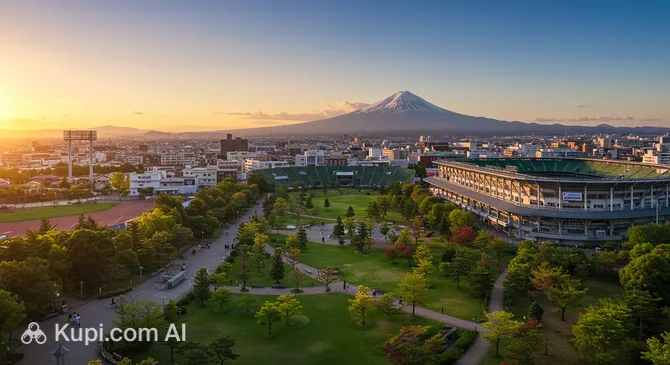
Toyota. Source: Kupi.Binoculars

The city was not always the automotive giant it is today. Originally known as Koromo, it was once a center for silk production before transforming into "Car City." You can explore the deep roots and transformation of the region by delving into the history of Toyota, which reveals how a small town evolved into an industrial powerhouse while preserving its local traditions.

For tourists, the city offers several compelling attractions. The Toyota Kaikan Museum is a must-visit for car enthusiasts, showcasing the latest in automotive technology and production. Art lovers will appreciate the Toyota Municipal Museum of Art, designed by Yoshio Taniguchi, which houses an impressive collection of modern and contemporary works in a serene architectural setting. Nature seekers should head to Korankei Gorge, famous across the country for its breathtaking autumn colors and historic bridges.

Whether you are a technology aficionado, an art lover, or simply curious about the intersection of industry and nature, Toyota welcomes you with open arms. It is a unique destination that provides a distinct perspective on modern Japanese life, making it a worthy addition to your travel itinerary.

Weather Overview

The climate in Toyota is characterized by distinct seasonal changes, offering a variety of conditions for visitors throughout the year. Winters are generally cold, with January being the chilliest month, featuring average temperatures around -0.4°C and lows dipping to -4.1°C. In contrast, the summer season brings warmth, with August averages rising to 23.6°C and daily maximums reaching approximately 27.5°C.

Rainfall patterns vary significantly, with the warmer months seeing a higher frequency of precipitation. July is particularly active, recording up to 20 wet days, while the winter period tends to have fewer rainy days. For a more comprehensive breakdown of what to expect during your trip, you can consult the guide to the weather in Toyota. Overall, travelers can expect warm summers with occasional rain and cold, dry winters.

Interesting Facts

Beyond its global fame as an automotive hub, Toyota harbors unique stories and characteristics that add depth to its industrial identity. Here are some intriguing insights into this dynamic city that lie just beneath the surface:

  • A Name for the Ages: The city was not always named Toyota. Until 1959, it was known as Koromo, a major producer of silk. The town council voted to change the name to Toyota to honor the car manufacturer that had become the region's economic engine, a rare instance of a city renaming itself after a local company.

  • The Ultimate Sister City: It is fittingly twinned with Detroit, Michigan, in the United States. This partnership, established in 1960, connects the two most famous "Motor Cities" in the world, fostering cultural exchange between the automotive capitals of the East and West.

  • Surprisingly Green: Despite its reputation as a manufacturing giant, the city is far from being an endless concrete jungle. Approximately 70% of the city's area is actually covered by thick forests and mountains, offering a stunning contrast to its industrial districts.

  • The Oiden Festival: Every summer, the city comes alive with the Toyota Oiden Festival. The term "Oiden" means "Come here" in the local dialect. The event features enthusiastic street dancing by residents and culminates in one of the most impressive fireworks displays in the Tokai region.

How to Get There

Reaching this destination is straightforward thanks to Japan's well-developed transport infrastructure, though it requires some planning regarding your point of entry. For a comprehensive overview of all travel options, you can check the guide on how to get to Toyota.

The city of Toyota does not have its own airport, but you can fly into Matsumoto Airport (MMJ) in the city of Matsumoto, which is the closest facility at approximately 30 km away. It is a regional hub, and the transfer by taxi or bus typically takes around 65 minutes. Alternatively, for a wider range of international and domestic flights, travelers often choose Haneda Airport (HND) in Tokyo. Although it is located about 156 km from Toyota, its status as a major global gateway makes it a popular choice. The journey from Haneda by road takes approximately 4 hours and 15 minutes.

For clarity, here is a summary of the main airports:

Airport Name City Passenger Traffic Km from City
Haneda AirportTokyoVery High155.7
Toyama AirportToyamaMedium107.5
Shizuoka AirportShizuokaMedium156.3
Noto AirportWajimaSmall167.0
Matsumoto AirportMatsumotoSmall30.0

Traveling by train is another excellent way to reach the city, taking advantage of Japan's world-renowned railway network. While direct shinkansen access may not be available to the city center itself, visitors typically arrive at a nearby major transport hub and transfer to efficient local lines. This method is often favored for its punctuality and the scenic views offered during the commute through the Japanese countryside.

Main Attractions

For those interested in the industrial heartbeat of the city, the Toyota Kaikan Museum is an essential stop. Located at the headquarters of the Toyota Motor Corporation, this facility offers a fascinating glimpse into the latest automotive technologies and manufacturing processes. Visitors can explore interactive exhibits on safety and eco-friendly innovations, watch the famous trumpet-playing robot, and even join a plant tour to see vehicles being assembled on the production line. It is a place where the future of mobility comes to life, making it compelling even for those who are not die-hard car enthusiasts.

Art and architecture lovers will find a sanctuary at the Toyota Municipal Museum of Art. Designed by the renowned architect Yoshio Taniguchi, the museum is celebrated as much for its minimalist architectural beauty as for its impressive collection. Inside, you can admire modern and contemporary works by masters such as Gustav Klimt, Egon Schiele, and Frida Kahlo, as well as significant Japanese pieces. The museum grounds also feature a landscape designed by Peter Walker and a traditional tea house, offering a serene environment to enjoy matcha after viewing the exhibitions.

Nature enthusiasts should not miss Korankei Gorge, arguably the most famous scenic spot in the region. Located in the Asuke district, this valley is renowned across Japan for its spectacular autumn foliage, where approximately 4,000 maple trees turn the landscape into a fiery sea of red and gold. The iconic red Taigetsukyo Bridge spanning the Tomoe River creates a picture-perfect scene. Nearby, the historic streets of Asuke offer a charming atmosphere with preserved Edo-period merchant houses, allowing visitors to step back in time.

A truly unique natural phenomenon can be witnessed in the Obara district, home to the Obara Shikizakura. Unlike ordinary cherry trees that bloom only in spring, these rare "four-season cherry blossoms" flower twice a year. The most spectacular viewing period is in autumn, where you can witness the surreal and breathtaking sight of delicate pink cherry blossoms blooming simultaneously with vibrant red autumn leaves. This rare contrast makes Obara a hidden gem for photographers and nature lovers seeking a one-of-a-kind experience.

Another highlight for sports fans and architecture buffs is Toyota Stadium. Designed by Kisho Kurokawa, this striking open-air stadium features a retractable roof that resembles the mechanics of an accordion. As one of the largest ball game-specific stadiums in Japan, it hosts major soccer and rugby matches, including international events. Its bold, modern design stands as a symbol of the city's dynamic energy and passion for sports.

Local Cuisine

The culinary landscape of Toyota is a delightful reflection of its location in the Mikawa region, offering a blend of hearty flavors typical of central Japan and rustic dishes from the surrounding mountains. The local food scene is unpretentious and deeply satisfying, characterized by the use of rich sauces and fresh, seasonal ingredients. Visitors will find that the city's cuisine is heavily influenced by the famous "Nagoya Meshi" culture, known for its bold and distinct tastes, particularly the use of red miso.

One of the most beloved local specialties you must try is Gohei Mochi. Particularly famous in the Asuke district near Korankei Gorge, this snack consists of mashed rice molded onto a skewer, grilled over charcoal, and coated with a sweet and savory sauce made from miso, walnuts, or peanuts. It is the perfect comfort food to enjoy while exploring the city's scenic spots. Another staple is Miso Katsu, a breaded pork cutlet smothered in a thick, sweet red miso sauce. This dish perfectly represents the region's obsession with hatcho miso, a fermented soybean paste that adds a deep umami punch to many local meals.

For seafood lovers, the clear waters of the Yahagi and Tomoe rivers provide excellent Ayu (sweetfish). During the warmer months, this fish is often served salted and grilled on skewers, a preparation known as shioyaki, which highlights its delicate, sweet flavor. In the more mountainous areas of the city, you might also encounter wild game dishes, or gibier, such as wild boar hot pot, which warms the soul during the colder seasons.

When it comes to drinks, the region has a strong tradition of sake brewing. The pure water from the nearby mountains and high-quality local rice allow breweries to produce excellent sake that pairs wonderfully with the rich local cuisine. For a non-alcoholic option, green tea is widely enjoyed, reflecting the proximity to some of Japan's premier tea-growing areas. You will often find matcha-flavored sweets and beverages in cafes throughout the city.

The dining culture in Toyota is vibrant and accessible, ranging from bustling izakayas (Japanese pubs) where factory workers unwind after a shift, to traditional restaurants in preserved districts. Street food also plays a significant role, especially during festivals like the Toyota Oiden Festival, where stalls line the streets selling yakisoba, takoyaki, and other festival favorites. Whether you are sitting in a modern downtown eatery or grabbing a snack at a roadside station, the food here is served with a sense of warmth and local pride.

Travel Tips

Planning a trip to the heart of Japan's automotive industry requires a bit of insider knowledge to ensure a smooth and enjoyable experience. These practical tips will help you navigate Toyota’s unique blend of industrial innovation and natural beauty with ease.

  1. Clothing and Gear: The climate varies significantly, so pack accordingly. Summers (June to August) are hot and humid, requiring light, breathable fabrics, while winters can be chilly, necessitating a warm coat and layers. Since you may visit the expansive Korankei Gorge or walk through large museum grounds, bring comfortable walking shoes. If you plan to visit shrines or temples, dress modestly.
  2. Transportation: While the city is connected by the Meitetsu and Aichi Loop Railway lines, it is known as a "Car City" for a reason. Public transport is reliable but can be less frequent than in Tokyo; consider renting a car if you plan to explore the outskirts or mountainous areas like Asuke freely. Taxis are available, and ride-hailing apps are gaining popularity, but they can be expensive for long distances.
  3. Finances: The local currency is the Japanese Yen (JPY). While major museums, hotels, and department stores accept credit cards, smaller traditional restaurants and shops in historic districts often operate on a cash-only basis. It is wise to carry cash, which you can easily withdraw from ATMs at convenience stores like 7-Eleven or Lawson using international cards. Tipping is not practiced and may even cause confusion.
  4. Health and Safety: Toyota is an incredibly safe city for tourists. Pharmacies (look for the Kanji 薬) are widely available for minor ailments, though not all operate 24/7. In case of an emergency, dial 119 for an ambulance or fire services. Tap water is strictly regulated and safe to drink everywhere.
  5. Communication: Japanese is the primary language. While staff at major tourist sites like the Toyota Kaikan Museum often speak English, it is less common in local eateries and shops. It is highly recommended to have a translation app on your phone. A portable Wi-Fi router or a local SIM card is essential for navigation and translation on the go.
  6. Local Etiquette: Politeness is central to the culture. A slight bow is the standard greeting. When using public transport, keep your voice low and avoid talking on the phone. A key rule is to remove your shoes when entering traditional inns, home entryways (genkan), and certain restaurants; always place them neatly pointing towards the door.
  7. What to Avoid: Avoid eating or drinking while walking down the street, as it is generally considered bad manners, except during festivals. Also, never be late for scheduled activities, especially factory tours; Japanese punctuality is strict, and you may be denied entry if you miss your slot.
  8. Factory Tour Insight: If you intend to join a Toyota plant tour, you must book weeks in advance via their official website. These slots fill up very quickly, and walk-ins are typically not accepted, so early planning is crucial for this specific activity.

By keeping these practical pointers in mind, you will be well-equipped to explore everything this fascinating city has to offer without any hassles. Enjoy your journey through the technological marvels and scenic landscapes of Toyota!

Entertainment & Nightlife

The nightlife in Toyota City reflects its character as a hardworking industrial hub: it is less about thumping nightclubs and more about convivial dining, relaxation, and socializing after a long day. The atmosphere is welcoming and grounded, dominated by the "salaryman" culture where colleagues gather to unwind. While you won't find a sprawling clubbing scene comparable to nearby Nagoya, the city offers a high concentration of quality establishments that promise a memorable evening.

The heart of the evening entertainment is clustered around Toyota-shi Station and Shin-Toyota Station. This compact downtown area is walkable and bustling with activity as the sun sets. The streets are lined with illuminated signs inviting passersby into multi-story buildings filled with karaoke parlors, dart bars, and casual eateries. The vibe is safe and energetic, making it comfortable for tourists to explore even late at night.

For a taste of the local drinking culture, dive into the numerous izakayas (Japanese-style pubs) located near the station exits. These venues are the lifeblood of Japanese nightlife, offering small plates of yakitori (grilled chicken skewers), sashimi, and local Mikawa cuisine paired with draft beer or sake. If you are looking for a more international atmosphere, Booby's British Pub is a popular local spot. It is well-regarded for its friendly environment, wide selection of beers, and large screens broadcasting major sports events, making it a great place to meet both locals and expats.

Another key entertainment hub is KiTARA, a modern commercial complex located just a few minutes' walk from the station. It houses a cinema and several restaurants, offering a more polished evening experience suitable for families or couples. For those seeking a unique seasonal experience, the city occasionally hosts evening events like the Illumination Story in winter, where the downtown area is bathed in romantic lights, or the summer fireworks festivals that light up the night sky over the river.

Practicality is key when enjoying a night out here. Most bars and restaurants close between 11:00 PM and midnight, though some karaoke joints stay open later. Public transport, including the Meitetsu and Aichi Loop lines, typically stops running around midnight, so be sure to check the schedule of your last train. If you stay out later, taxis are readily available at the rotary outside Toyota-shi Station. The area is generally very safe, but standard travel precautions apply.

Before the sun goes down, the city offers plenty of cultural enrichment to fill your day. You can explore the cutting-edge exhibits at the Toyota Kaikan Museum or admire the serene architecture and masterpieces at the Toyota Municipal Museum of Art. These daytime attractions provide a perfect cultural counterbalance to the relaxed and social atmosphere of the city's evenings.

Parks & Museums

While the city is globally recognized for its industrial achievements, it also boasts an impressive array of green spaces and cultural institutions that offer a refreshing counterpoint to its manufacturing prowess. Visitors can easily escape the urban bustle to find serene botanical gardens, expansive parks, and world-class museums that celebrate both modern art and traditional craftsmanship.

For a relaxing day outdoors, Kuragaike Park is a favorite among locals and families. Centered around a large, peaceful pond, this expansive recreational area features a botanical garden, a small zoo, and lush walking trails. It is an excellent spot for a picnic or a leisurely boat ride. Another highlight is the Aichi Green Center, a sprawling facility that combines meticulously landscaped gardens with recreational amenities. It is particularly beautiful in the spring when the cherry blossoms are in bloom, and it offers a variety of floral displays year-round in its greenhouses and flower beds.

In terms of culture, the city presents a fascinating duality between the future and the past. The Toyota Municipal Museum of Art stands as a beacon of contemporary culture. Beyond its celebrated collection, the building itself is a masterpiece of minimalist architecture, situated on a hill with a panoramic view of the city. The museum grounds include a traditional tea house, allowing visitors to experience the quiet elegance of the Japanese tea ceremony in a modern setting.

To understand the region's deeper roots, a visit to Sanshu Asuke Yashiki is highly recommended. Located near the famous Korankei Gorge, this "living museum" preserves the lifestyle of a traditional mountain village. Here, artisans demonstrate age-old crafts such as weaving, paper-making, and blacksmithing in preserved thatched-roof houses. It offers a tangible connection to the history of the Mikawa region before the automotive era began.

For those interested in the origins of the city's namesake, the Toyota Kuragaike Commemorative Hall offers an intimate look at the history of the Toyota Motor Corporation. Located within Kuragaike Park, it preserves the former residence of Kiichiro Toyoda, the company's founder, and displays historical vehicles, providing a personal perspective on the industrial giant's humble beginnings.

An authentic and lesser-known experience awaits at Matsudaira-go, the ancestral home of the Matsudaira clan, which later became the Tokugawa Shogunate that ruled Japan for over 250 years. Tucked away in the mountains, this quiet historic site features the Toshogu Shrine and offers a spiritual atmosphere far removed from the city center, perfect for history buffs seeking a connection to the samurai era.

Getting Around

Public transport in Toyota is reliable and clean, though the city is famously designed with the automobile in mind. Unlike the dense subway networks found in Japan's largest metropolises, this city relies primarily on a combination of surface railways and an extensive bus network. The two main train lines serving the area are the Meitetsu (Nagoya Railroad) lines and the Aichi Loop Railway. The central hubs are Toyota-shi Station and Shin-Toyota Station, which are connected by a pedestrian walkway and serve as the main gateways for travelers arriving from nearby major cities.

For getting around the city itself, the local community bus service, known as the Oiden Bus, is the most practical option for tourists without a car. These buses cover various routes connecting the city center to residential areas, hospitals, and major attractions like the Toyota Memorial Hospital and various parks. In addition to the Oiden Bus, Meitetsu Bus operates routes that cover wider areas and intercity connections. While the network is functional, frequencies can be lower than in metropolitan hubs, so checking timetables in advance is highly recommended.

Paying for transport is convenient thanks to the interoperable IC card system. Visitors can use major Japanese transport cards such as Manaca, Suica, or Pasmo on both trains and most buses. If you do not have an IC card, you can purchase single-journey tickets at station vending machines. On buses, the system typically involves entering through the rear door and taking a numbered paper ticket. When you exit at the front, the electronic board displays the fare corresponding to your ticket number, which you pay in cash (exact change is usually required) into the fare box next to the driver.

Given the city's sprawling nature and its identity as "Car City," relying solely on trains and buses can sometimes limit your flexibility, especially for reaching outlying nature spots or specific museums. Consequently, taxis are a readily available alternative, easily found at taxi stands outside major stations or hailed via apps. For those comfortable with driving, renting a car is arguably the most efficient way to explore the region, offering the freedom to visit the Korankei Gorge or remote mountain districts at your own pace.

For short distances within the downtown area, the city promotes eco-friendly mobility through bike-sharing initiatives. You may find rental bicycles available near the main stations, which are perfect for a quick ride to the art museum or the riverbanks. Walking is also a pleasant option in the central district, which is well-paved and pedestrian-friendly.

Transport services generally operate from early morning, around 5:30 AM, until midnight. However, bus services on some local routes may end earlier in the evening. Tourists should be aware that during the Oiden Festival or major sporting events at Toyota Stadium, public transport can become very crowded, and special shuttle buses are often organized to handle the increased passenger flow.

Accommodation

Finding a place to stay in Toyota offers a straightforward range of options that largely reflect the city's identity as a major industrial hub. The accommodation landscape is dominated by Western-style business hotels, which are designed to be clean, efficient, and convenient for both corporate visitors and tourists. While the city does not have an abundance of five-star luxury resorts, it excels in providing comfortable, mid-range hotels and functional budget accommodations. For those willing to venture further afield, the mountainous outskirts offer traditional Japanese inns, or ryokans, providing a scenic contrast to the urban center.

The most convenient area for tourists is undoubtedly the downtown district surrounding Toyota-shi Station and Shin-Toyota Station. Staying here places you in the heart of the action, with immediate access to public transport, dining, and shopping. This location is particularly strategic for visitors planning to use the bus network to reach the Toyota Kaikan Museum or Toyota Stadium. The area is walkable and safe, making it an ideal base for exploring the city's main attractions without the need for a car.

For travelers seeking a stay that combines comfort with accessibility, the city center features several well-regarded establishments. The Meitetsu Toyota Hotel is a popular choice due to its direct connection to the train station and its reliable service standards. Similarly, the Hotel Toyota Castle offers a slightly more upscale experience with spacious rooms and on-site dining options, often serving as a preferred venue for local events and weddings. These hotels provide excellent amenities and are accustomed to hosting international guests.

If your itinerary includes exploring the historic streets of Asuke or the autumn foliage at Korankei Gorge, you might consider staying in a traditional ryokan in that area. These establishments often feature tatami mat rooms, futon bedding, and communal baths, offering an immersive cultural experience amidst nature. However, these options are located quite far from the city center, so they are best suited for those with a rental car or those planning to spend significant time in the mountains.

A crucial tip for booking accommodation here is to plan well in advance if your visit coincides with major events. During the Toyota Oiden Festival in July, the autumn foliage season in November, or when major matches are held at Toyota Stadium, hotels fill up rapidly. Prices in the city are generally reasonable, with business hotels typically ranging from budget to mid-range. Most accommodations can be easily booked via major international online platforms, though some smaller traditional inns in the outskirts may still prefer direct contact or payment in cash.

Nearby Cities

For those looking to explore the surroundings, Toyota serves as an excellent base for day trips to several interesting nearby locations. The region is rich in history, culture, and natural beauty, offering travelers a chance to experience the diverse character of central Japan just a short distance from the city center.

One of the most compelling destinations nearby is Matsumoto. Famous for the magnificent Matsumoto Castle, often referred to as the "Crow Castle" due to its striking black exterior, it is one of Japan's premier historic sites. Beyond its feudal history, the city is also a hub for art lovers, boasting the Matsumoto City Museum of Art, which features the vibrant works of world-renowned artist Yayoi Kusama, who was born there. Its charming streets and backdrop of the Japanese Alps make it perfect for a cultural day out.

Another excellent option is Nagano, a city that gained global fame as the host of the 1998 Winter Olympics. At its heart lies Zenko-ji Temple, a spiritual center with a history spanning over 1,400 years that draws pilgrims from across the country. The city offers a blend of spiritual tranquility and outdoor excitement, serving as a gateway to world-class skiing resorts and hiking trails. It is an ideal spot for those seeking both traditional Japanese culture and mountain adventures.

For history enthusiasts, Ueda offers a fascinating glimpse into the samurai era. The city is renowned for the ruins of Ueda Castle and its association with the legendary Sanada clan, celebrated warriors of the Sengoku period. Visitors can explore the castle park, enjoy the nostalgic atmosphere of the Yanagimachi district with its traditional merchant houses, and relax in the nearby Bessho Onsen, one of the oldest hot spring areas in the region.

City Population Distance (km)
Nagano 367184 50
Matsumoto 239115 26
Ueda 152948 22
Saku 98292 21
Azumino 93927 33

These nearby destinations offer a glimpse into the diverse culture and landscapes of the region, providing memorable experiences that complement your stay in Toyota.

Shopping & Souvenirs

Shopping:

Shopping in this industrial metropolis offers a convenient mix of modern retail complexes and unique local finds that reflect the city's character. While it serves as a functional hub for residents, visitors will find a well-curated selection of stores ranging from major department chains to specialty shops selling regional goods.

The primary retail district is centered around Toyota-shi Station, making it easily accessible for travelers using public transport. The most prominent destination here is T-FACE, a large commercial complex split into two buildings. It features a wide variety of tenants, including popular Japanese lifestyle brands, fashion boutiques, and a large bookstore. Connected by pedestrian walkways, the nearby Toyota GAZA offers a more community-focused shopping experience with a supermarket and daily service shops, perfect for picking up travel essentials.

Unsurprisingly, the city is one of the best places in the world to find automotive-themed souvenirs. The museum shop at the Toyota Kaikan Museum is a must-visit for collectors, stocking high-quality die-cast models, branded apparel, and exclusive merchandise that you cannot find elsewhere. For a taste of the local culture, look for food souvenirs such as vacuum-packed Gohei Mochi or sweets flavored with the region's famous red miso. These items are widely available at station kiosks and department store food halls.

For a more expansive shopping experience, the Aeon Style Toyota is located a short distance from the city center. This large shopping mall is ideal for families, offering everything from electronics to children's clothing and a vast grocery section. Most major retailers and shopping centers in the city accept credit cards and offer tax-free services for tourists who present their passports, though carrying some cash is recommended for smaller stalls and traditional shops.

Reached the end of the page?

That means the route is fully explored