Support

Nagoya

About

Nagoya is a dynamic powerhouse located in the heart of the Chubu region, often overshadowed by its more famous neighbors but offering a fascinating blend of industrial innovation and deep-rooted tradition. As the capital of Aichi Prefecture, it serves as a vital economic hub and a convenient gateway to the central part of Japan. The city is a bustling metropolis where modern skyscrapers stand alongside historic temples, creating a unique atmosphere that reflects the country's rapid development and respect for the past.

Geographically positioned on the Pacific coast within the Nobi Plain, the city enjoys a strategic location that has historically made it a center of trade and transport. As the hub of a major metropolitan area with a population of over 9 million, it is a vibrant urban center teeming with energy. The climate is generally mild, characterized by hot, humid summers and cool, clear winters, making the spring cherry blossom season and the colorful autumn months the most comfortable times to explore.
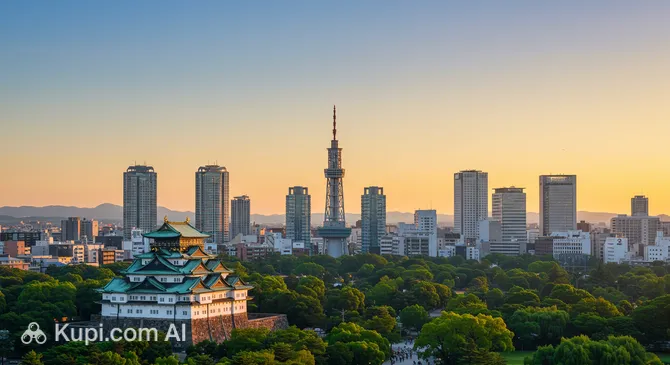
Nagoya. Source: Kupi.Binoculars

While it is known globally today as the center of the automotive industry, the history of Nagoya is steeped in the legacy of the samurai. It was the birthplace of key feudal lords who unified the nation, and this heritage is proudly preserved at the magnificent Nagoya Castle, famous for the golden shachihoko (tiger-fish) ornaments adorning its roof.

Beyond its historical sites, the city is home to the sacred Atsuta Shrine, considered one of the most significant Shinto shrines in the country. For those interested in technology and engineering, the Toyota Commemorative Museum of Industry and Technology offers an engaging look at the region's industrial evolution. Whether you are drawn by ancient culture, cutting-edge science, or the distinct local cuisine known as "Nagoya Meshi," this city is a compelling destination that offers a rich and rewarding travel experience.
Weather Overview

Nagoya experiences four distinct seasons, ranging from hot, humid summers to chilly winters. To help you plan your trip effectively, it is helpful to review the current weather in Nagoya before you travel. The city generally sees its coldest temperatures in January, with averages around 4.8°C and lows dropping near freezing, though precipitation is relatively low during this time.

As the year progresses, temperatures rise steadily, making spring a popular time for visitors; by May, the average temperature reaches a comfortable 18.7°C. Summer brings significant heat and humidity, particularly in August, where average highs climb to 31.6°C. This season is also characterized by frequent rainfall, with July seeing up to 22 wet days. Expect hot, humid summers with regular rain showers and cool, crisp winters with clearer skies.

Interesting Facts

Beyond its reputation as an industrial powerhouse, Nagoya holds many fascinating secrets and local quirks that often surprise visitors.
  • Nagoya is famous for its unique breakfast culture known as "Morning Service." If you order a cup of coffee during the morning hours at many local cafes, you will typically receive a complimentary breakfast set that includes toast, a boiled egg, and sometimes the local specialty of sweet red bean paste, all for the price of the drink alone.

  • The city is home to a viral celebrity residing at the Higashiyama Zoo and Botanical Gardens. Shabani, a western lowland gorilla, gained global fame as the "world's most handsome gorilla," drawing crowds of admirers who come specifically to see his photogenic poses and striking features.

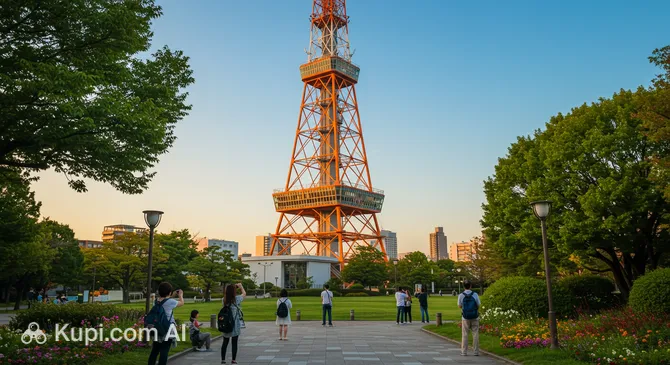
  • Unlike many Japanese cities known for narrow, winding streets, Nagoya features exceptionally wide avenues designed for disaster prevention. The most famous is the 100-meter-wide Hisaya-odori, which runs through the city center and houses the Nagoya TV Tower, the oldest distinctive broadcasting tower in Japan.

  • Beneath the bustling streets lies one of the most extensive underground shopping networks in the country. These massive subterranean cities in the Sakae and Nagoya Station districts allow locals to commute, shop, and dine for miles without ever being exposed to the rain or the intense summer heat.

Nagoya TV Tower. Source: Kupi.Binoculars

How to Get There

Reaching Nagoya is convenient thanks to its central location in Japan and excellent transport infrastructure. Whether you are arriving from international destinations or other parts of the country, you can find more about how to get to Nagoya and the various transfer options available to suit your itinerary.

The primary gateway for air travelers is Chubu Centrair International Airport (NGO), located on an artificial island approximately 37 km from the city center. It serves as a major hub for the region, handling a large volume of passengers annually. The most efficient way to reach the city is by train; the Meitetsu Line, particularly the μ-SKY Limited Express, connects the airport to Meitetsu Nagoya Station in just 30 to 40 minutes.

Another option for travelers is Itami Airport (ITM), situated in the city of Osaka. While it is a significant distance away—about 141 km from Nagoya—it is a major transport hub with high passenger traffic, frequently used for domestic flights. If you choose to land here, be prepared for a longer journey to reach your final destination. The trip typically requires a transfer via Osaka or Shin-Osaka stations to catch a Shinkansen or local train to Nagoya, rather than a direct ground transfer.

For clarity, here is a summary of the main airports in the wider region:

Airport Name City Passenger Traffic Km from City
Itami Airport Osaka Large 141.1
Chubu Centrair International Airport Nagoya Large 37.0
Komatsu Airport Komatsu Medium 142.0
Shizuoka Airport Shizuoka Small 124.0
Matsumoto Airport Matsumoto Small 142.9

Main Attractions

The city offers a diverse array of sights that cater to history buffs, technology enthusiasts, and families alike. From the legacy of the samurai to the cutting-edge engineering of the future, the main attractions provide a deep dive into what makes this region unique. Here are some of the top places to visit during your stay.

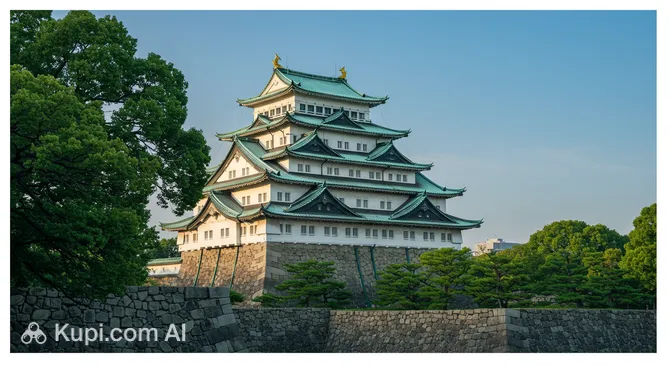
No visit would be complete without exploring Nagoya Castle, a symbol of the city's pride and history. While the main keep is famous for the golden shachihoko ornaments on its roof, the recently reconstructed Hommaru Palace is equally impressive. Visitors can walk through its halls to admire the stunning Shoin architecture and exquisite sliding doors painted with gold leaf, offering a glimpse into the luxurious lifestyle of the feudal lords.

Nagoya Castle. Source: Kupi.Binoculars

For those fascinated by Japan's reputation for high-speed travel, the SCMaglev and Railway Park is an absolute must-see. This museum, owned by JR Central, displays a magnificent collection of actual trains, ranging from historic steam locomotives to the latest Shinkansen bullet trains and the experimental Maglev. It is not just a visual experience; visitors can try their hand at train driving simulators and learn about the evolution of railway technology in a fun, interactive environment.

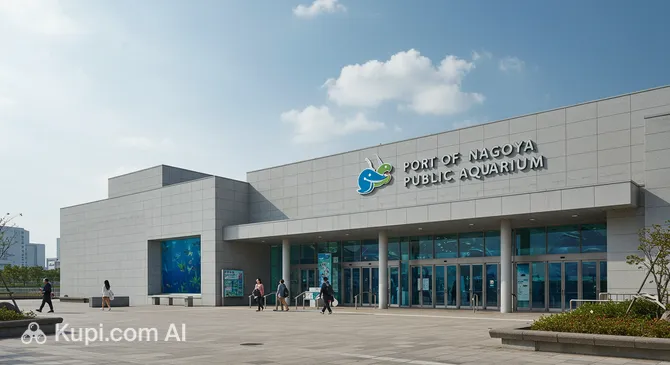
One of the largest and most popular aquariums in Japan, the Port of Nagoya Public Aquarium, is located at the scenic Garden Pier. The facility is split into two main buildings focusing on the Northern and Southern hemispheres. It is particularly famous for its majestic orcas and beluga whales, as well as the "Deep Sea Gallery." Moored nearby is the Antarctic research vessel "Fuji," which serves as a floating museum dedicated to polar exploration.

Port of Nagoya Public Aquarium. Source: Kupi.Binoculars

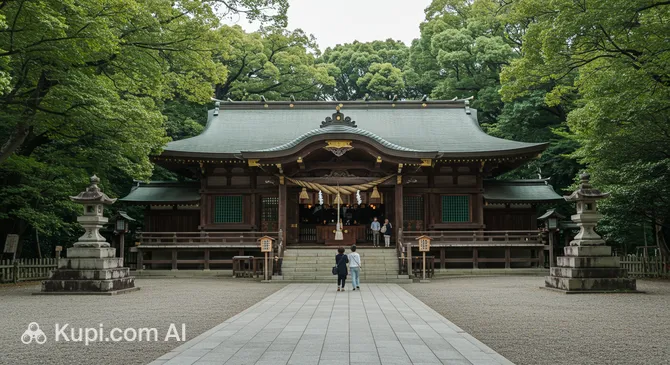
Immerse yourself in spiritual history at Atsuta Shrine, one of Shinto's most significant sites. Hidden within a peaceful, ancient forest in the southern part of the city, the shrine is believed to house the Kusanagi-no-Tsurugi, a legendary sword that is one of the Three Sacred Treasures of the Imperial Family. Although the sword is not on public display, the serene atmosphere and the treasure hall displaying thousands of other historical artifacts make it a captivating cultural stop.

Atsuta Shrine. Source: Kupi.Binoculars

Given the region's status as an industrial hub, the Toyota Commemorative Museum of Industry and Technology offers a fascinating narrative of innovation. Housed in the original red-brick buildings of the Toyota group, the museum traces the company's transition from textile machinery to automobile manufacturing. Live demonstrations of working looms and massive industrial robots provide a dynamic look at the engineering prowess that drives the local economy.

Local Cuisine

Nagoya boasts a distinct and celebrated culinary tradition known as "Nagoya Meshi," which sets it apart from the rest of Japan. Unlike the subtle flavors often associated with Kyoto, the local cuisine here is characterized by rich, savory tastes, often derived from the region's famous Hatcho miso—a dark, reddish-brown soybean paste with an intense umami profile. For food lovers, the city offers a hearty and unpretentious dining scene that ranges from eel delicacies to spicy fried chicken.

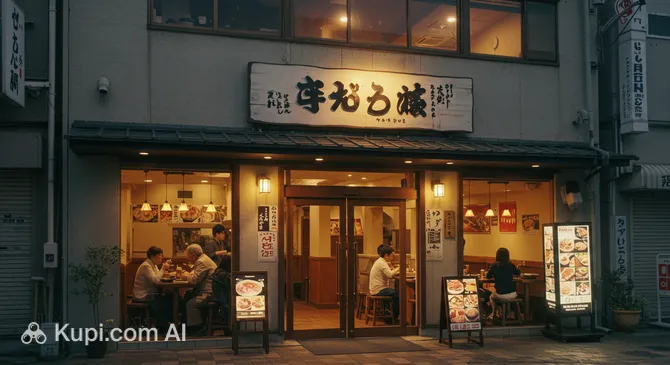
One of the absolute must-try dishes is Hitsumabushi, a premium grilled eel dish served over rice. While unagi is popular across Japan, Nagoya's version is unique in how it is eaten. It is traditionally served in a wooden tub and divided into four portions: the first is eaten as is, the second with condiments like wasabi and green onions, and the third with tea or broth poured over it (ochazuke style). The final portion is eaten however you liked best. For an authentic experience, many travelers head to the historic Atsuta Horaiken Main Restaurant, which is often credited with originating this style of serving eel.

Atsuta Horaiken Main Restaurant. Source: Kupi.Binoculars

Another pillar of the local diet is Miso Katsu. Instead of the standard tonkatsu sauce found elsewhere, pork cutlets here are drenched in a thick, sweet-and-savory sauce made from red miso. This ingredient also features heavily in Miso Nikomi Udon, a dish where thick, firm wheat noodles are simmered in a bubbling clay pot of rich miso broth, often with chicken, eggs, and leeks. It is a warming, soul-satisfying meal, especially during the cooler months.

For a more casual dining experience, look for Tebasaki, or Nagoya-style chicken wings. These are non-battered, deep-fried wings glazed in a sweet soy sauce and heavily seasoned with black pepper and sesame seeds. They are the perfect accompaniment to beer or sake and are a staple in local izakayas (Japanese pubs). If you prefer noodles, try Kishimen, broad and flat udon noodles known for their smooth, slippery texture, typically served in a seasoned soy sauce broth.

When it comes to drinks, Aichi Prefecture is a significant sake-producing region, thanks to its high-quality rice and clean water sources. You can find excellent local nihonshu (sake) at most restaurants. Additionally, given the city's strong coffee shop culture, you might encounter unique non-alcoholic pairings or dessert drinks featuring matcha, as the nearby city of Nishio is a top producer of powdered green tea.

Dining in the city is convenient and varied. You don't need to travel far to find excellent food; the underground malls beneath Nagoya Station and Sakae are packed with restaurants serving authentic Nagoya Meshi. Whether you are grabbing a quick bowl of noodles at a standing counter or enjoying a multi-course eel dinner, the city's food culture is accessible, flavorful, and deeply satisfying.

Travel Tips

Traveling to Nagoya is an exciting experience, but a little local knowledge goes a long way in ensuring a hassle-free journey. To help you navigate the city like a pro, we have compiled a list of essential practical tips covering everything from packing essentials to cultural nuances.

  1. Clothing and Gear: The city experiences hot, humid summers and chilly winters, so pack accordingly. In summer (June to August), light and breathable fabrics are essential to handle the heat, while a warm coat and layers are necessary from December to February. Since you will likely be doing a lot of walking, especially around the castle grounds and large station complexes, bring comfortable walking shoes. When visiting religious sites like Atsuta Shrine, dress modestly out of respect.

  2. Transportation: The public transport network is excellent and reliable. The Nagoya Municipal Subway is the most convenient way to access central areas, while the Meguru Sightseeing Route Bus is perfect for tourists as it connects major attractions in a loop. Purchase a prepaid IC card (like Manaca, Suica, or Pasmo) for seamless travel on trains and buses. Taxis are safe but can be expensive; car rental is generally unnecessary within the city limits.

  3. Finances: The local currency is the Japanese Yen (JPY). While credit cards are widely accepted in department stores and hotels, cash is still king in smaller restaurants, ticket machines, and traditional shops. Ensure you carry sufficient cash. You can withdraw money using international cards at ATMs found in 7-Eleven convenience stores and post offices. Remember that there is no tipping culture in Japan; good service is standard, and leaving a tip may cause confusion.

  4. Health and Safety: Nagoya is a very safe city for travelers. Pharmacies (drugstores) are widespread and sell common non-prescription medicines, though English labeling may be limited. In case of an emergency, dial 119 for an ambulance or fire department, and 110 for the police. Tap water is safe to drink everywhere, so carrying a reusable water bottle is a good idea.

  5. Communication: While signage in major transport hubs is often in English, conversational English proficiency among locals can vary. It is highly recommended to rent a Pocket Wi-Fi or buy a data SIM card upon arrival to access translation apps and maps, which are indispensable. Learning a few basic phrases like "Arigato" (Thank you) and "Sumimasen" (Excuse me) is polite and appreciated.

  6. Local Etiquette: Politeness is highly valued. When greeting people, a slight bow is customary. On public transport, keep your voice low and avoid talking on the phone. Always remove your shoes when entering traditional inns, carpeted areas in restaurants, or temples, and place them neatly at the entrance or in the provided lockers.

  7. What to Avoid: Avoid eating or drinking while walking in public, as it is generally considered ill-mannered (except at festival food stalls). Additionally, do not be loud or disruptive in public spaces. Be mindful of garbage disposal; public trash cans are rare, so you may need to carry your trash with you until you find a bin at a convenience store or station.

  8. Local Insight: Don't miss the city's unique "Morning Service" tradition. Many cafes offer a complimentary breakfast set—usually toast and a boiled egg—when you order a cup of coffee in the morning. It is a delicious, budget-friendly way to start your day and experience local life.

By keeping these practical tips in mind, you will be well-prepared to explore the vibrant streets and historic sites of this dynamic city. Relax, embrace the local customs, and enjoy every moment of your adventure in the heart of the Chubu region.

Entertainment & Nightlife

As the sun sets, Nagoya transforms from an industrial business hub into a vibrant playground for night owls. While it may not have the overwhelming scale of Tokyo, the city's nightlife is concentrated, diverse, and incredibly accessible. The primary action centers around the Sakae district and the nearby Nishiki 3-chome area (often called "Kin-San"), as well as the polished streets surrounding Nagoya Station (Meieki). Whether you are looking for craft beer bars, high-energy clubs, or a sophisticated lounge, the city offers a welcoming atmosphere that caters to both locals and international visitors.

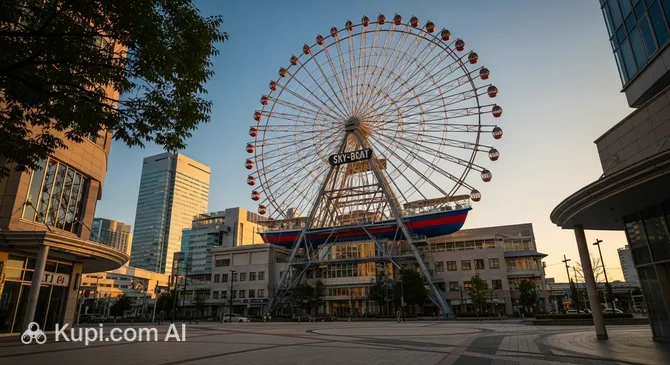
Sakae is arguably the beating heart of the city's entertainment scene. Here, neon lights illuminate wide avenues, and the energy remains high well past midnight. A distinct landmark in this area is the Sky-Boat Ferris Wheel, attached to the Sunshine Sakae building. Riding its transparent gondolas offers a unique nocturnal perspective of the bustling streets below. The area is packed with izakayas (Japanese pubs), karaoke parlors, and nightclubs, drawing a mixed crowd of young professionals, students, and tourists.

Sky-Boat Ferris Wheel. Source: Kupi.Binoculars

For those seeking a more upscale or stylish experience, the city has several standout venues. Housed in a beautifully preserved heritage building that was once a bank, The Conder House is a perfect choice for an elegant evening. It operates as a refined dining and bar space where you can enjoy sophisticated cocktails in a chic, colonial-style atmosphere. It is an ideal spot for a relaxed conversation before heading out to busier venues.

If you are in the mood to socialize and experience the modern clubbing scene, Oriental Lounge Sakae offers a luxurious lounge concept that is popular across Japan. These venues blend the line between a high-end bar and a social club, often featuring a dress code that leans towards smart casual—avoid flip-flops or overly sporty attire. Another excellent option for food and drinks with a Western twist is Midtown BBQ Nagoya, known for its friendly vibe and hearty meals, making it a great starting point for a night out.

The Conder House. Source: Kupi.Binoculars

Practical Nightlife Advice: Most bars and izakayas stay open late, often until 3:00 AM or 5:00 AM, especially on weekends. However, public transport, including subways and trains, typically stops running around midnight. If you plan to stay out later, be prepared to take a taxi. Taxis are plentiful in entertainment districts; look for the illuminated sign on the dashboard (red means empty). While the city is generally very safe, the Nishiki district is known for its street touts. It is best to ignore their solicitations and head directly to venues you have chosen in advance.

Before the evening festivities begin, the city offers a wealth of daytime entertainment options. Families can spend an entire day at Legoland Japan, enjoying rides and attractions tailored for younger children. Alternatively, science enthusiasts can visit the Nagoya City Science Museum, home to one of the world's largest planetariums. Whether day or night, the city ensures there is never a dull moment for travelers.

Parks & Museums

Nagoya is a city that successfully balances its industrial prowess with a rich tapestry of green spaces and world-class cultural institutions. Beyond the bustling factories and skyscrapers, visitors will find serene gardens that change colors with the seasons and museums that preserve everything from ancient architecture to futuristic technology.

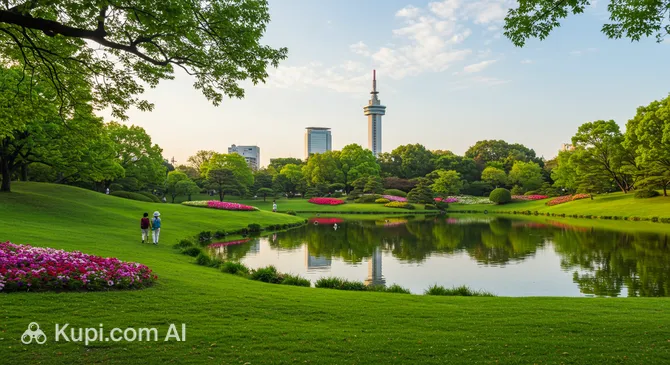
For a refreshing escape within the city limits, Tsuruma Park is a beloved local favorite. Established in 1909 as the city's first park, it features a unique blend of Western and Japanese landscaping styles. It is particularly famous during the spring, when thousands of cherry trees bloom, turning the grounds into a vibrant pink spectacle for hanami parties. The park also includes a traditional Japanese garden, fountains, and a bandstand, offering a peaceful retreat for leisurely strolls.

Tsuruma Park. Source: Kupi.Binoculars

Just outside the city center, the Higashiyama Zoo and Botanical Gardens offers a massive expanse of nature and wildlife. While the zoo is famous for its charismatic animals, the botanical gardens are equally impressive, featuring a greenhouse built in 1937 and extensive walking paths through natural forests. Further afield, flower lovers should visit Nabana no Sato. Located on the island of Nagashima, this botanical theme park is renowned for its vast flower fields and one of Japan's most spectacular winter illumination displays, where millions of LED lights create mesmerizing tunnels and landscapes.

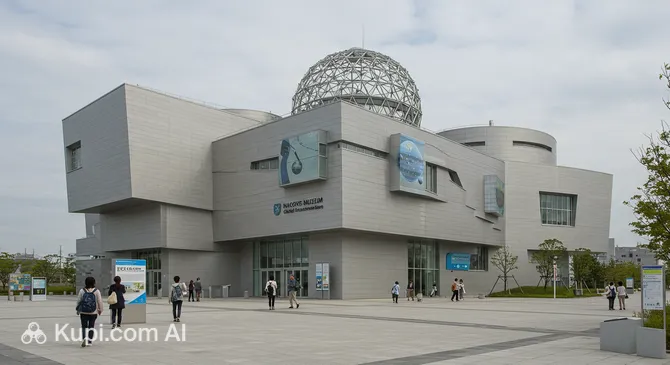
When it comes to museums, the city boasts iconic landmarks that are instantly recognizable. The Nagoya City Science Museum is distinguished by its gigantic silver globe, which houses one of the world's largest planetariums. Inside, visitors can explore interactive exhibits covering everything from tornadoes to deep freezing temperatures, making it a hit for both children and adults interested in the wonders of the universe.

Nagoya City Science Museum. Source: Kupi.Binoculars

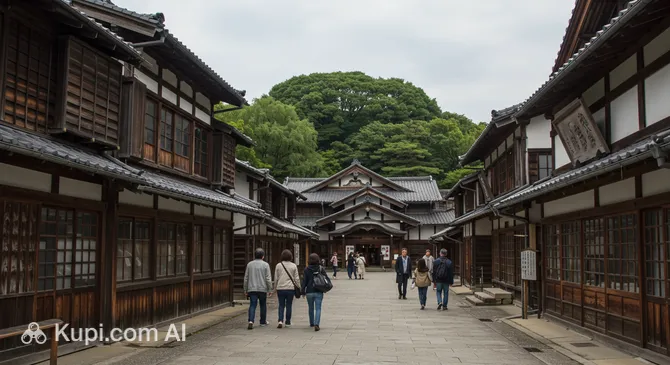
For a deep dive into Japan's architectural history, a trip to the Meiji Mura Museum is essential. This open-air museum preserves over 60 historical buildings from the Meiji period (1868–1912), a time when Japan opened its doors to the West. Visitors can walk through the original lobby of Frank Lloyd Wright's Imperial Hotel, ride a steam locomotive, and explore heritage structures relocated from across the country to this scenic hillside overlooking Lake Iruka.

Meiji Mura Museum. Source: Kupi.Binoculars

Automotive enthusiasts who have already seen the commemorative industry museum should not miss the Toyota Automobile Museum. Unlike other corporate museums, this facility showcases the global history of the car, displaying beautifully preserved vehicles from manufacturers around the world, not just Toyota. It offers a comprehensive look at how the automobile has evolved over the last century.

In terms of historical sites, the "Cultural Path" (Bunka-no-michi) area offers a glimpse into the city's modernization era. A key highlight here is the Cultural Path Futaba Museum, the restored residence of Sadayakko Kawakami, Japan's first actress. The building is a stunning example of Taisho-era architecture, blending Japanese and Western design elements, and stands as a testament to the vibrant cultural life of the early 20th century.

For a truly unique experience, consider visiting the Expo 2005 Aichi Commemorative Park. This sprawling green space is not only a legacy of the World Expo but is now home to the highly anticipated Ghibli Park. While tickets for the Ghibli areas are in high demand, the park itself offers beautiful trails, a Japanese tea house, and whimsical touches that delight fans of the famous animation studio.

Getting Around

Getting around Nagoya is efficient and straightforward, thanks to a well-integrated public transport network that connects the city center with major attractions and residential areas. The backbone of the system is the municipal subway, which is generally the fastest and most convenient way for visitors to navigate. Complementing the subway are extensive bus routes, private railway lines, and unique transit options that make exploring the region both easy and interesting.

The Nagoya Municipal Subway consists of six lines, easily identified by specific colors and route numbers. The most useful line for tourists is arguably the yellow Higashiyama Line, which runs east-to-west and connects Nagoya Station with the bustling Sakae entertainment district. Another key route is the purple Meijo Line, a loop line that circles the city center and provides direct access to major sites like Nagoya Castle and the Atsuta Shrine. Station signage is consistently available in English, and each station is numbered, making navigation simple even for first-time visitors.

For destinations not served directly by the subway, the city bus network covers the gaps. While regular city buses can be slightly more complex due to varying routes, the Meguru Nagoya Sightseeing Route Bus is specifically designed for travelers. This loop bus connects the main train station with popular tourist spots, including the Toyota Commemorative Museum and the Noritake Garden. It offers a convenient "hop-on, hop-off" style experience without the confusion of navigating the standard commuter bus system.

A unique feature of the local transport landscape is the Linimo (Tobu Kyuryo Line). It holds the distinction of being Japan's first commercially operated magnetic levitation (maglev) train. While it primarily serves the eastern suburbs and the Expo 2005 Aichi Commemorative Park, riding it offers a smooth, futuristic experience as the train floats above the tracks. It is a must-try for transport enthusiasts and those visiting the attractions in that area.

Paying for transport is seamless thanks to the widespread use of rechargeable IC cards. The local card is called Manaca, but cards from other regions, such as Suica, Pasmo, or ICOCA, are fully compatible. You simply tap your card at the ticket gate or upon entering a bus. For tourists planning a busy day of sightseeing, the "One-Day Ticket" (available for subway only or bus and subway combined) offers excellent value. On weekends and public holidays, the "Donichi Eco Kippu" (Weekend Eco Ticket) provides unlimited travel on subways and city buses at a significantly discounted rate.

Tickets and passes can be purchased at ticket vending machines located in all subway stations. These machines typically have an English language option. When using an IC card, ensure it has a sufficient balance; you can recharge them at the same machines. The transport system generally operates from around 5:30 AM until midnight. Be aware that the last trains can get very crowded, especially on Friday nights in entertainment districts like Sakae.

If you prefer a more private mode of travel, taxis are plentiful and can be hailed on the street or found at designated stands outside stations and hotels. They are clean, safe, and reliable, though significantly more expensive than public transit. Drivers may not speak fluent English, so having your destination written in Japanese or pinpointed on a map app is helpful. Alternatively, bicycle rentals are becoming more common, with docking ports available in the city center, offering a pleasant way to explore the wide, flat avenues on a sunny day.

Accommodation

Accommodation:

Nagoya offers a wide spectrum of accommodation options that reflect its status as both a business hub and a tourism destination. The city is particularly well-stocked with efficient business hotels, which provide clean, compact, and affordable rooms perfect for travelers on the go. However, visitors seeking more indulgence will also find high-end luxury hotels occupying the upper floors of skyscrapers, as well as budget-friendly hostels and capsule hotels for solo adventurers.

When choosing where to stay, location is key. The two most popular districts are the Nagoya Station (Meieki) area and Sakae. Staying near Nagoya Station is incredibly convenient for those using the Shinkansen or planning day trips to nearby prefectures; this area is home to many major international hotel chains and offers immediate access to transit. On the other hand, the Sakae district is the city's downtown core, placing you right in the middle of the best shopping, dining, and nightlife options. It is an excellent choice if you want to explore the city's vibrant evening atmosphere on foot.

While the city center focuses on urban convenience, the surrounding region offers expansive resort experiences. For travelers looking to combine their stay with leisure and entertainment, Nagashima Resort is a comprehensive destination located just outside the city limits. It features hotel facilities alongside an amusement park and hot spring complex, making it ideal for families. Alternatively, golf enthusiasts seeking a tranquil retreat might consider the Tado Country Club Nagoya, which offers accommodation set against a backdrop of lush greenery.

Nagashima Resort. Source: Kupi.Binoculars

Booking Tips: Generally, accommodation prices in Nagoya are more reasonable than in Tokyo or Osaka. However, the city can fill up quickly during major events, such as the Formula 1 Grand Prix at the nearby Suzuka Circuit or during large conventions. It is highly recommended to book your room well in advance if you plan to visit during these peak times or the cherry blossom season. Most bookings can be easily made via major online platforms, which often offer better rates than walk-ins.

Nearby Cities

For those looking to explore the surroundings, Nagoya serves as an excellent base for day trips to several interesting nearby locations:

City Population Distance (km)
Ichinomiya 378,681 17
Kasugai 306,449 9
Komaki 147,897 12
Inazawa 134,938 14
Seto 127,327 17

Among these accessible destinations, Seto stands out as a cultural highlight. Known throughout Japan as the "City of Pottery," it has a ceramic tradition that dates back over 1,000 years. Visitors can explore the Seto-Gura Museum, stroll through streets lined with historic kilns and workshops, and purchase high-quality "Setomono" ware directly from local artisans.

For history enthusiasts, Komaki offers a rewarding experience. The city is home to Komaki Castle, a reconstruction perched atop Mount Komaki. The site is famous for its role in the Sengoku period during the standoff between Toyotomi Hideyoshi and Tokugawa Ieyasu. The surrounding park provides a lush, green space for walking, while the castle museum offers panoramic views of the Nobi Plain.

These nearby destinations offer a glimpse into the diverse culture and landscapes of the region, making them perfect for a short excursion.

Shopping & Souvenirs

Shopping in Nagoya offers a delightful mix of contrasting experiences, ranging from gleaming luxury department stores to retro covered arcades filled with local character. The city is primarily divided into two main shopping hubs: the area around Nagoya Station, known locally as Meieki, and the downtown district of Sakae. In Meieki, towering complexes like JR Gate Tower and Midtown Square house high-end international brands and trendy boutiques, making it a convenient stop for travelers arriving by Shinkansen. Meanwhile, Sakae retains its status as the city's traditional commercial heart, home to historic department stores like Matsuzakaya and Mitsukoshi.

For a completely different vibe, the Osu Shopping District is a must-visit destination that pulses with energy and history. Spanning a network of covered streets near the Osu Kannon Temple, this area is often compared to Tokyo's Akihabara for its electronics shops and otaku culture, but it also boasts a fantastic array of vintage clothing stores, antique dealers, and street food stalls. It is the perfect place to hunt for unique souvenirs, second-hand kimonos, and retro toys while soaking up a lively, down-to-earth atmosphere.

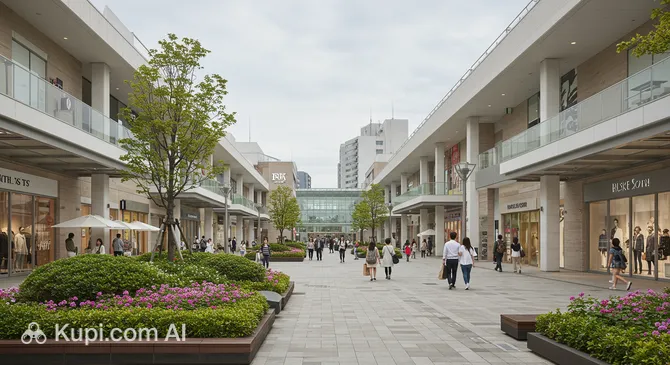
A more modern and refined shopping experience can be found at the Noritake Garden Shopping Mall. Located just a short walk from Nagoya Station, this complex is part of the historic Noritake grounds, celebrating the company's legacy in fine ceramics. The mall beautifully integrates red-brick heritage buildings with contemporary retail spaces. Visitors can browse for high-quality tableware, enjoy lifestyle goods, and relax in the stunning Tsutaya Bookstore, which features a towering bookshelf that has become a popular photo spot.

Noritake Garden Shopping Mall. Source: Kupi.Binoculars

Nagoya is also famous for its extensive underground shopping centers, known as "chikagai." These subterranean networks, particularly beneath Nagoya Station and Sakae, are massive and climate-controlled, offering a comfortable escape from the summer heat or winter chill. You can walk for blocks underground, passing hundreds of fashion boutiques, drugstores, and sweet shops. It is an excellent place to find reasonably priced clothing and local confectionery without ever stepping outside.

For those willing to venture a bit further, the Kariya Highway Oasis offers a surprisingly entertaining shopping experience. Although it serves as a rest area on the Isewangan Expressway, it is a destination in its own right, attracting millions of visitors annually. Alongside a variety of food courts and a Ferris wheel, the facility features a deluxe restroom famous for its opulence and a market selling fresh local produce and regional specialties from Aichi Prefecture.

Kariya Highway Oasis. Source: Kupi.Binoculars

When looking for traditional crafts to take home, keep an eye out for Arimatsu Narumi Shibori, a sophisticated tie-dyeing technique that has been produced in the area for over 400 years. You can find scarves, handkerchiefs, and fabrics featuring these intricate indigo patterns in department stores and specialty shops. Another popular keepsake is "Uiro," a chewy, steamed cake made from rice flour and sugar, which comes in various flavors like matcha, sakura, and red bean, perfectly capturing the sweet side of the city's culture.

Reached the end of the page?

That means the route is fully explored