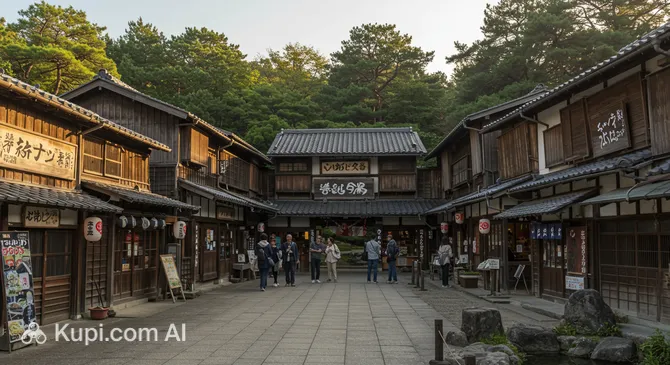
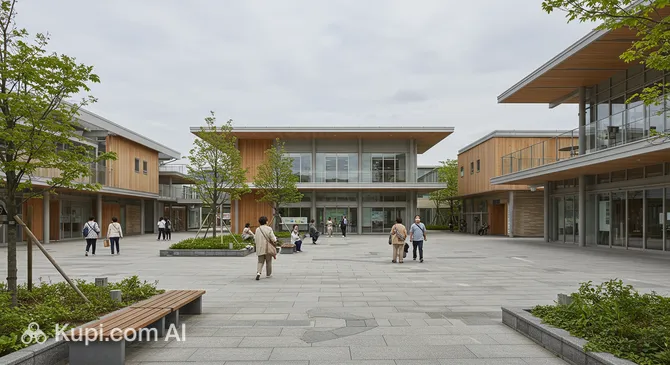
Shizuoka is a captivating destination located on the Pacific coast of central Honshu, offering a harmonious blend of urban energy and serene natural beauty. As the capital of its namesake prefecture, it serves as a significant cultural and economic hub in Japan. With a population of approximately 685,000 residents, the city is large enough to provide modern conveniences while maintaining a welcoming and accessible atmosphere for travelers.
Shizuoka. Illustration.
Source: Kupi.com AI
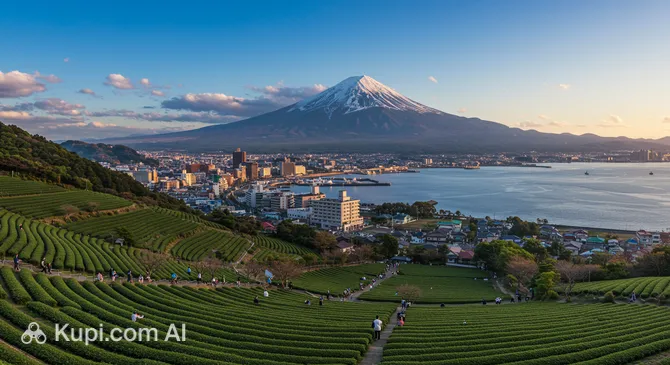
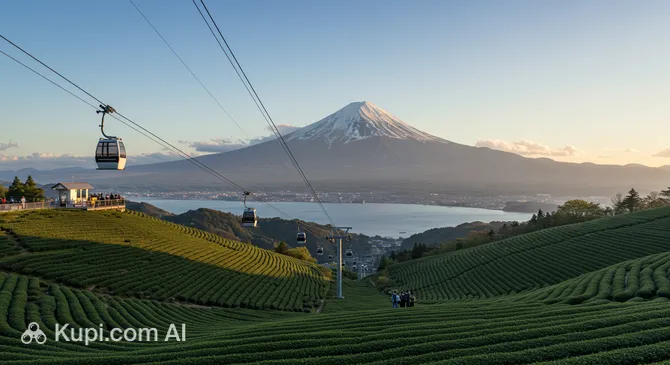
Geographically, the city is blessed with a mild climate and is famously situated in the shadow of the majestic Mount Fuji, which provides a stunning backdrop on clear days. Shizuoka is renowned as the heart of the country's green tea production, and the lush, rolling tea plantations are a defining feature of the local landscape. Visitors can enjoy the fresh air and scenic views that make this region truly unique.
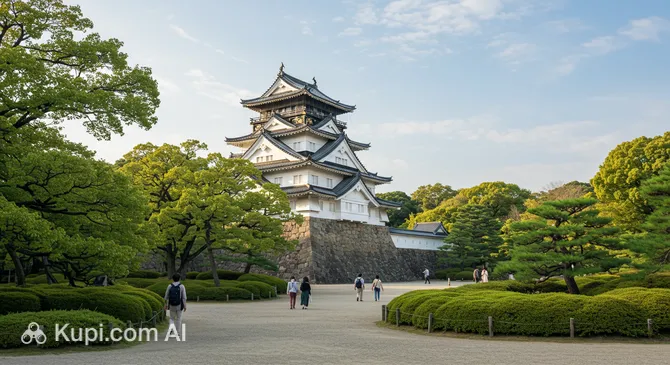
The city also holds a special place in the nation's past. The history of Shizuoka is deeply connected to Tokugawa Ieyasu, the founder of the Tokugawa shogunate, who spent his retirement years here. History enthusiasts can explore Sunpu Castle Park, a beautiful green space featuring reconstructed traditional buildings and castle ruins that tell the story of the city's samurai heritage.
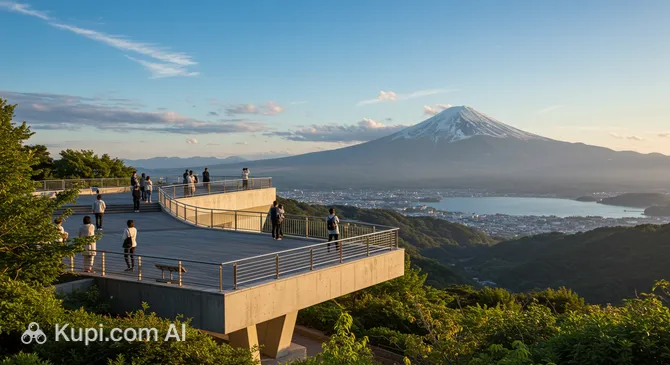
For those seeking breathtaking panoramas, a visit to the Nihondaira plateau is a must. It offers sweeping views of Suruga Bay and Mount Fuji and connects via ropeway to the ornate Kunozan Toshogu Shrine. Whether you are here to savor the finest local tea, explore historical sites, or simply admire the scenery, Shizuoka promises a memorable and enriching experience.
Weather Overview
Shizuoka experiences a temperate climate with distinct seasonal changes, offering a different atmosphere depending on when you visit. Generally, the region is characterized by warm, humid summers and cool, relatively dry winters. To help plan your trip with the most accurate expectations, you can view detailed information about the weather in Shizuoka.
The summer months of June through August are typically the warmest, with August seeing an average temperature of 26.2°C and highs reaching up to 29.0°C. This is also the wettest time of the year; travelers should expect frequent precipitation, as the region records between 20 and 23 wet days per month during the peak of summer. It is advisable to pack light, breathable clothing and rain gear if you plan to explore during this season.
Winter, spanning from December to February, brings a distinct chill, with January averages dropping to around 5.5°C and minimum temperatures falling near 2.1°C. Despite the cold, this season is significantly drier, particularly in December, which sees only about 6 wet days. Spring and autumn offer moderate and comfortable transition periods, making them popular times for enjoying the city's outdoor attractions.
Average monthly temperature
Average monthly precipitation
Interesting Facts
Beyond the main attractions, Shizuoka holds many fascinating secrets that reveal its unique character and deep historical roots. From quirky local innovations to significant cultural origins, the city offers plenty of surprises for the curious traveler.
Shizuoka is widely recognized as the "World Capital of Plastic Models." The city is home to major manufacturers like Tamiya and Bandai, producing the vast majority of Japan's plastic model kits, including the globally famous Gundam series. This industry took root here because local woodworkers, who originally built wooden ships and furniture, transitioned their skills to model making after World War II.
The city is the birthplace of wasabi cultivation in Japan. The Utogi district began growing this spicy plant over 400 years ago near the headwaters of the Abe River. The pristine water and specific climate conditions allow farmers to produce some of the highest quality wasabi in the world, a tradition that continues to this day.
The famous Japanese proverb regarding lucky New Year dreams—"First Fuji, second hawk, third eggplant"—is believed to have originated here. It reflects the favorite things of Tokugawa Ieyasu, who spent his retirement at Sumpu Castle Park: the majestic mountain he admired, his passion for falconry, and the delicious local eggplants he loved to eat.
Shizuoka's dedication to green tea goes far beyond simple production. It is often said that the locals have tea running through their veins, and quite literally, some public elementary schools in the city have faucets that serve green tea instead of water to promote health. This deep cultural connection is celebrated at facilities like the Shizuoka Tea Museum.
Sumpu Castle Park. Illustration.
Source: Kupi.com AI
Traveler photos:
How to Get There
Reaching this destination is straightforward thanks to its central location on Honshu's Pacific coast. Whether you are arriving from overseas or traveling within Japan, the city is well-connected by various modes of transport. You can find more about how to get to Shizuoka and the specific routes available on our detailed transport page.
The most convenient option for air travel is the local Shizuoka Airport (IATA: FSZ), also known as Mt. Fuji Shizuoka Airport. It is located approximately 27 km from the city center. A journey by taxi or bus from this airport typically takes around 60 minutes. Although it is a regional facility with moderate passenger traffic, it serves as a direct gateway for domestic flights and select international connections.
For most international visitors, the city of Shizuoka does not have its own major intercontinental hub, but you can fly into Haneda Airport (IATA: HND) in Tokyo, which is about 142 km away. This is a massive international hub handling millions of passengers annually. The travel time by road is approximately 235 minutes, although taking the train is often a faster alternative. Another significant option is Narita International Airport (IATA: NRT), also serving the Tokyo area, located roughly 202 km from Shizuoka, with a road transfer time of about 325 minutes.
For clarity, here is a summary of the main airports:
Beyond air travel, the city is a major stop on the famous Tokaido Shinkansen line. High-speed bullet trains provide rapid and frequent access from major metropolises like Tokyo, Nagoya, and Osaka, making rail travel one of the most popular and efficient ways to arrive.
Main Attractions
Shizuoka offers a diverse array of sights, ranging from deeply spiritual historical sites to breathtaking natural landscapes that have inspired artists for centuries. Whether you are looking to immerse yourself in samurai history, enjoy panoramic views of Mount Fuji, or explore local pop culture, the city's attractions provide a rich and varied itinerary for every traveler.
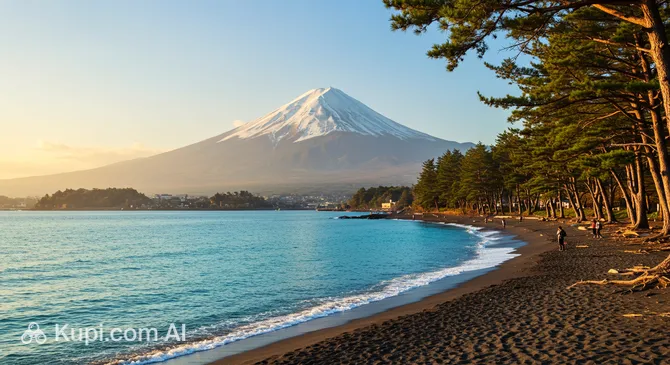
One of the most iconic scenic spots in Japan is Miho no Matsubara. This pine grove, stretching along the coastline, is designated as a Place of Scenic Beauty and is part of the Mount Fuji UNESCO World Heritage site. It is famous for its seven kilometers of seashore lined with over 30,000 pine trees, framing a spectacular view of Mount Fuji across Suruga Bay. The contrast between the green pines, the blue ocean, and the majestic mountain creates a picture-perfect landscape that has been celebrated in Japanese art and poetry for generations.
Miho no Matsubara. Illustration.
Source: Kupi.com AI
Traveler photos:
For a deep dive into history and architecture, a visit to Kunozan Toshogu Shrine is essential. This ornate shrine is the original burial place of Tokugawa Ieyasu, the unifier of Japan and founder of the Tokugawa Shogunate. The complex features vivid colors, intricate carvings, and gold leaf accents that exemplify the lavish Momoyama style. To reach the shrine, visitors can take a scenic ropeway ride or climb a stone staircase of over a thousand steps, enjoying sweeping views of the ocean along the way.
Connected to the shrine via ropeway is the Nihondaira Yume Terrace, a modern facility situated on the Nihondaira plateau. Designed by the renowned architect Kengo Kuma, this observation deck offers one of the best 360-degree panoramas in the region. On clear days, you can gaze out at Mount Fuji, the Southern Alps, and the Izu Peninsula. The facility includes a beautifully designed garden and an exhibition area where you can learn about the history and geography of the plateau.
Nihondaira Yume Terrace. Illustration.
Source: Kupi.com AI
Traveler photos:
Families and anime fans will delight in visiting Chibi Maruko-chan Land, located within the S-Pulse Dream Plaza. This museum is dedicated to the beloved manga and anime series "Chibi Maruko-chan," which is set in Shizuoka. Visitors can explore recreations of the main character's home, school, and park, stepping directly into the world of the show. It is a cheerful and nostalgic experience that offers a glimpse into the daily life of a Japanese elementary school student as depicted in the series.
Chibi Maruko-chan Land. Illustration.
Source: Kupi.com AI
Traveler photos:
Another significant spiritual site is Fujisan Hongu Sengen Taisha. As the head shrine of over 1,300 Sengen shrines across the country, it has traditionally served as the starting point for pilgrims climbing Mount Fuji. The shrine grounds are home to the Wakutama Pond, a crystal-clear spring fed by snowmelt from the mountain, which was historically used for purification rituals. The vibrant vermilion buildings set against the backdrop of Mount Fuji make it a truly reverent and photogenic location.
Local Cuisine
Shizuoka is a true gastronomic paradise, blessed with a diverse landscape that yields high-quality ingredients from both the land and the sea. Located along the shores of Suruga Bay, Japan's deepest bay, the city offers an abundance of fresh seafood that defines its culinary identity. Food lovers will find a rich variety of flavors here, ranging from exclusive local catches to beloved soul foods that can only be found in this region.
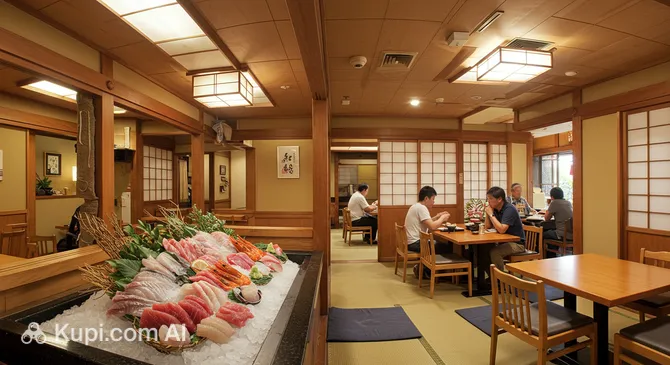
One of the most famous delicacies is Sakura Ebi (cherry shrimp), tiny, translucent pink shrimp that are caught almost exclusively in Suruga Bay. These sweet, flavorful gems are often served raw as sashimi, fried in crispy tempura fritters called kakiage, or sun-dried to concentrate their umami flavor. Another maritime treasure is shirasu (whitebait), which can be enjoyed raw, boiled, or over a bowl of rice. For the freshest experience, visitors often head to the port areas or local markets where the catch is brought in daily.
When it comes to hearty comfort food, Shizuoka Oden is a must-try dish that distinguishes itself from the standard Japanese version. The ingredients, such as daikon radish, eggs, and fish cakes, are simmered in a dark, rich beef tendon broth until they turn a deep brown color. What makes it unique is the topping: a dusting of "dashi powder" made from dried fish and green laver (aonori). Locals typically enjoy these skewers with a dab of spicy mustard, often in the nostalgic atmosphere of "Oden Yokocho" (Oden Alley), where small stalls cluster together to create a warm, communal dining vibe.
Sawayaka Fuji Takaoka. Illustration.
Source: Kupi.com AI
Traveler photos:
For a taste of modern local culture, you cannot miss the "Genkotsu Hamburg" at the famous restaurant chain Sawayaka Fuji Takaoka. This charcoal-grilled beef patty is shaped like a fist (genkotsu) and is grilled rare on the inside, then finished on a sizzling iron plate right at your table. It has a cult following among residents and domestic tourists alike, often resulting in long queues, but the juicy, savory flavor is widely considered worth the wait.
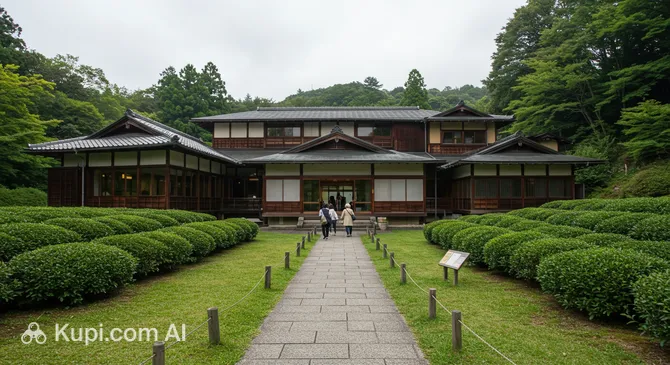
As the undisputed tea capital of Japan, Shizuoka's beverage scene is dominated by Green Tea. The region produces some of the finest sencha and matcha in the country. You can enjoy high-quality tea not only as a drink but also in various sweets, ice creams, and even savory dishes. To deepen your appreciation of this culture, a visit to the Shizuoka Tea Museum offers insights into the history of tea cultivation and the chance to taste different varieties grown in the prefecture.
Shizuoka Tea Museum. Illustration.
Source: Kupi.com AI
Traveler photos:
In addition to tea, the region's pristine water sources support a thriving sake brewing industry. Local sake is known for its smooth, crisp finish, pairing perfectly with the fresh seafood. For a casual night out, the city's downtown area is vibrant, with many izakayas and bars serving these local brews. Whether you are dining at a high-end sushi counter or grabbing a quick bite at a roadside stop like the Fujikawa Rakuza Roadside Station, the food in Shizuoka is fresh, flavorful, and deeply connected to the local environment.
Travel Tips
Preparing for a trip to Shizuoka is exciting, as this region offers a perfect mix of cultural heritage and natural splendor. To help you navigate the city smoothly and respect local customs, we have compiled a list of essential travel advice to ensure your visit is as relaxing as a cup of the local green tea.
Clothing and Gear: The city has a temperate climate, but summers can be hot and humid, so light, breathable fabrics are essential for June through August. Winters are cool and crisp, often providing the clearest views of Mount Fuji, so bring a warm coat and a scarf. Since you will likely visit historical sites like Kunozan Toshogu Shrine, wear comfortable shoes that are easy to slip on and off, as footwear is strictly prohibited inside temple and shrine buildings.
Transportation: Shizuoka is well-connected by the JR Tokaido Line and the Shinkansen, making rail travel efficient. For local exploration, the Shizutetsu buses and trains are very convenient. It is highly recommended to purchase or bring a rechargeable IC card (like TOICA, Suica, or Pasmo) for seamless tap-and-go travel on public transport, as it saves you from calculating fares for every trip.
Finances: The local currency is the Japanese Yen (JPY). While credit cards are increasingly accepted in department stores and hotels, many traditional tea shops, small restaurants, and ticket counters still operate on a cash-only basis. Ensure you carry sufficient cash, which you can withdraw from ATMs at 7-Eleven convenience stores or Japan Post offices that accept international cards. Tipping is not practiced and may even cause confusion.
Health and Safety: Shizuoka is extremely safe for travelers, with very low crime rates. Tap water is clean and safe to drink. Pharmacies (often marked as "Drug") are common, but they may not be open 24/7, so it is wise to carry essential personal prescriptions. In case of an emergency, dial 119 for an ambulance or fire department.
Communication: While staff at major hotels and tourist information centers may speak English, it is less common in local eateries and rural areas. It is essential to rent a Pocket Wi-Fi or buy a SIM card at the airport to use translation apps on the go. Learning a few basic phrases like "Arigato" (Thank you) and "Sumimasen" (Excuse me) will be greatly appreciated by locals.
Local Etiquette: Politeness is paramount in Japanese culture. When entering traditional inns, temples, or even some fitting rooms, you must remove your shoes. On public transport, set your phone to silent mode and refrain from talking loudly. Bowing is the standard greeting; a slight, respectful nod of the head is sufficient for casual interactions.
What to Avoid: Do not walk while eating or smoking, as this is considered bad manners; please use designated smoking areas or eat where you bought the food. Also, avoid blocking escalators; in this region, people typically stand on the left side and walk on the right (though this can vary, so follow the person in front of you).
Local Insight: If your main goal is to see Mount Fuji, plan your viewing for the early morning. The mountain is notoriously shy and is most likely to be visible before clouds gather in the afternoon. Winter offers the highest chance of clear visibility compared to the often hazy summer months.
With these tips in your pocket, you are ready to explore everything from the bustling city center to the tranquil tea fields with confidence. Embrace the local customs, savor the fresh flavors, and enjoy a stress-free adventure in this beautiful part of Japan.
Entertainment & Nightlife
While Shizuoka may not have the frenetic 24-hour energy of Tokyo's Shibuya or Shinjuku, its nightlife scene is vibrant, compact, and surprisingly diverse. The city comes alive after sunset, particularly in the downtown area surrounding the north side of Shizuoka Station. The atmosphere here is welcoming and authentic, dominated by locals unwinding after work rather than hordes of tourists. Whether you are looking for a sophisticated cocktail bar, a lively club, or a traditional Japanese pub experience, the city offers plenty of options to keep you entertained well into the night.
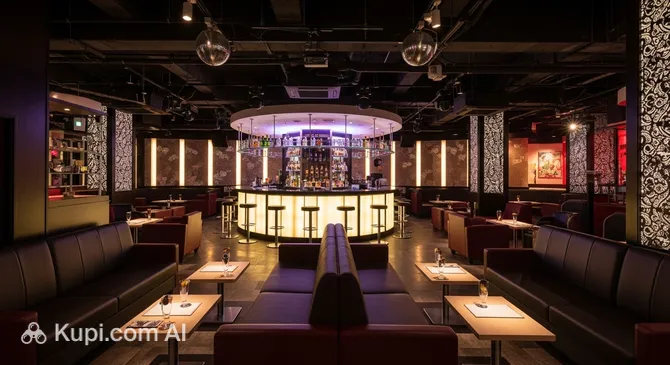
The heart of Shizuoka's nightlife beats in the Ryogae-cho district and the surrounding streets of Shichiken-cho and Gofuku-cho. This area is densely packed with multi-story buildings housing izakayas (Japanese pubs), karaoke boxes, and bars. The vibe is generally casual and friendly, with a dress code that leans towards smart-casual. On weekends, the streets are bustling with energy, yet they remain safe and approachable for visitors. For those seeking a social atmosphere to meet new people, Oriental Lounge Shizuoka is a popular destination. Operating as a lounge-style club, it offers a stylish setting where guests can enjoy drinks and conversation in a sophisticated environment.
Oriental Lounge Shizuoka. Illustration.
Source: Kupi.com AI
Traveler photos:
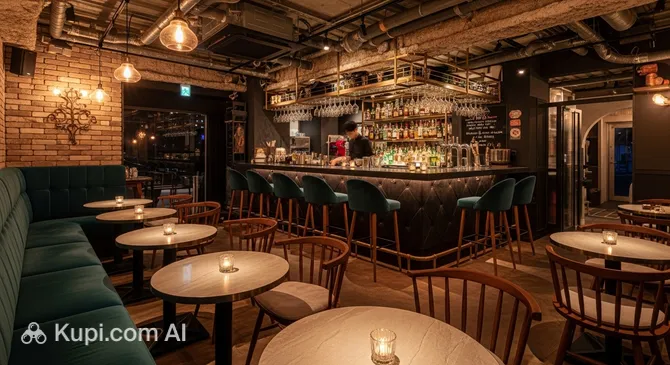
If you prefer a more intimate setting for a drink, the city has numerous hidden gems tucked away on upper floors or in basement levels. One such spot is 12 - twelve, a bar known for its relaxed ambiance. It is the perfect place to sip on a cocktail and soak in the local mood. For those who might have missed the last train or simply want a comfortable place to relax with entertainment options, Aprecio offers a modern take on the internet café and comic bar concept, providing a quiet refuge in the bustling city center.
12 - twelve. Illustration.
Source: Kupi.com AI
Traveler photos:
Beyond the bars and clubs, the Aoba Symbol Road is a lovely spot for an evening stroll. This tree-lined pedestrian street often hosts events and festivals, and during the winter months, it is beautifully illuminated with festive lights, creating a romantic atmosphere. For a different kind of night view, head to the bay area near S-Pulse Dream Plaza, where the illuminated Ferris wheel offers a colorful backdrop against the dark ocean.
Before the sun goes down, Shizuoka offers a wealth of daytime entertainment. Art lovers should visit the Shizuoka Prefectural Museum of Art, renowned for its Rodin Wing and scenic location in the Nihondaira hills. Families will enjoy the Nihondaira Zoo, which features interactive exhibits and a wide variety of animals. For sports enthusiasts, the Rose Arena is a key facility that often hosts local sporting events and activities.
Practical Advice for Night Owls:
Timing and Transport: Most bars and izakayas stay open until late, often 3:00 AM or 5:00 AM on weekends. However, public transport, including trains and buses, typically stops running around midnight. If you stay out late, be prepared to take a taxi. Taxis are readily available at the designated stands outside Shizuoka Station or can be hailed on main streets like Showa-dori.
Safety: Shizuoka is a very safe city for night walks, even in the entertainment districts. However, standard precautions apply; ignore touts on the street trying to steer you into specific establishments, as this can sometimes lead to overpriced bills.
Costs: Nightlife here is generally more affordable than in Tokyo. Expect to pay a cover charge (table charge) of 300-500 JPY at many bars. A typical night out with drinks and food might cost between 3,000 and 6,000 JPY per person.
Parks & Museums
Shizuoka is a city where cultural depth and natural splendor coexist harmoniously. Beyond its bustling tea trade and urban center, the region offers a wealth of green spaces and artistic venues that allow visitors to connect with the local history and landscape. From world-class art collections tucked away in the hills to scenic passes that have inspired masterpieces, the city's parks and museums provide a refreshing change of pace.
For those seeking panoramic views and floral beauty, Iwamoto Mountain Park is a premier destination. Located on a hilltop, it is celebrated for its breathtaking backdrop of Mount Fuji, particularly in late winter and early spring when the park's expansive plum and cherry blossom orchards come into bloom. The park features hiking trails and observation decks that offer sweeping vistas of the Fuji River and Suruga Bay, making it a favorite spot for photographers and nature lovers alike.
Another site of immense scenic and historical value is the Satta Pass. This location offers one of the most iconic views in Japan, famously depicted by the ukiyo-e artist Utagawa Hiroshige in his series "The Fifty-Three Stations of the Tokaido." Visitors can stand on the observation platform to see the dramatic juxtaposition of the steep cliffs, the deep blue ocean, and the modern transport arteries running below, all framed by the majestic Mount Fuji in the distance.
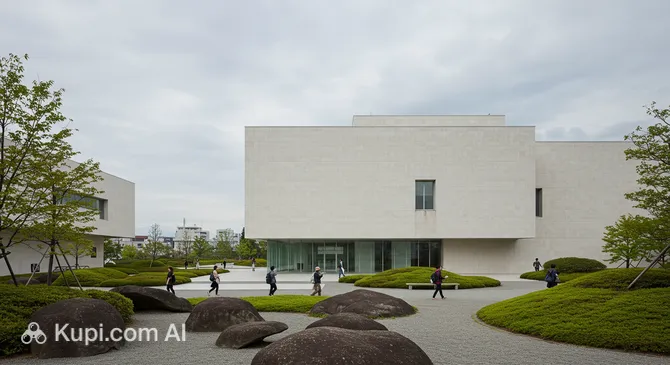
Art enthusiasts will find a treasure trove at the Shizuoka Prefectural Museum of Art. Situated in a lush, hilly area, this museum is renowned for its "Rodin Wing," a spacious, light-filled hall dedicated to the works of Auguste Rodin. It houses 32 sculptures, including "The Thinker" and "The Gates of Hell," providing a rare opportunity to view these masterpieces in a serene environment. The museum also features a diverse collection of landscape paintings that reflect the region's artistic heritage.
Shizuoka Prefectural Museum of Art. Illustration.
Source: Kupi.com AI
Traveler photos:
Closer to the city center, situated within the Toro archaeological site, is the Shizuoka City Serizawa Keisuke Art Museum. This unique facility is dedicated to Keisuke Serizawa, a local legend and Living National Treasure known for his distinctive "katazome" stencil dyeing technique. The building itself, designed by the celebrated architect Togo Murano, is a work of art, constructed with stone and wood to blend naturally with the surrounding parkland. Inside, visitors can admire colorful textiles, kimono, and folding screens that showcase the warmth and vibrancy of Japanese folk craft.
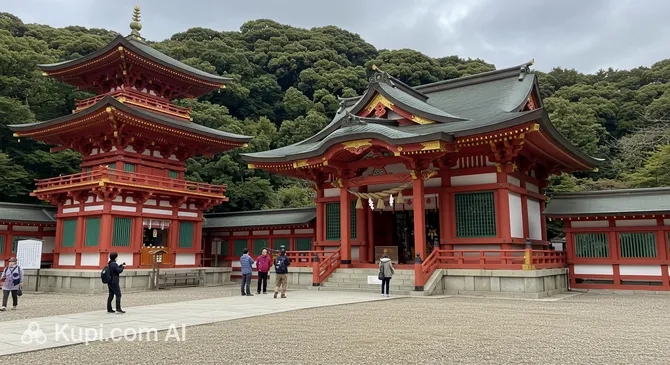
Shizuoka's spiritual and architectural history is best experienced at the Shizuoka Sengen Shrine. This impressive complex actually consists of three separate shrines—Kambe, Sengen, and Otoshimioya—and has been patronized by the Tokugawa clan for centuries. The expansive grounds feature towering vermilion structures adorned with intricate lacquer work and carvings, often compared to the famous shrines of Nikko. It remains a vital center for local festivals and rites of passage.
Shizuoka Sengen Shrine. Illustration.
Source: Kupi.com AI
Traveler photos:
A short trip from the city center leads to the Horai Bridge, a fascinating wooden structure that spans the Oi River. Recognized by Guinness World Records as the longest wooden pedestrian bridge in the world, it stretches 897.4 meters. The length of the bridge is a play on words in Japanese (8-9-7-4 reads as "yaku-nashi," meaning "no bad luck"), making it a popular spot for those seeking good fortune and longevity while enjoying a peaceful walk over the water.
For a truly atmospheric experience off the beaten path, seek out the Meiji Utsunoya Tunnel. Built in 1876, this was Japan's first toll tunnel and remains a hauntingly beautiful example of Meiji-era brick architecture. Walking through the dimly lit, lantern-lined passage feels like stepping back in time, offering a quiet and moody contrast to the modern city.
Getting Around
Public transport in Shizuoka is efficient, clean, and safe, primarily relying on a combination of railway lines and an extensive bus network. While the city center is walkable, reaching many of the famous scenic spots and historical sites requires using the transit system. The main hub is Shizuoka Station, where the Shinkansen (bullet train), JR local lines, and bus terminals converge, making it the natural starting point for most journeys.
The railway system consists of two main operators. The JR Tokaido Line runs east to west, connecting the city with neighboring regions and serving major stops like Shimizu Station. For travel within the local urban area, the Shizuoka Railway (Shizutetsu) operates the Shizuoka-Shimizu Line. This local line connects Shin-Shizuoka Station (near the city center) to Shin-Shimizu Station. The trains on this line are often colorful, known as "Shizuoka Rainbow Trains," with carriages painted in various bright hues representing different local products like tea and mandarin oranges.
Buses are the backbone of local transport for tourists, as many key attractions, such as Nihondaira and Miho no Matsubara, are not directly accessible by train. Shizutetsu Justline operates the majority of these routes. For sightseeing within the downtown area, the Sunpu Roman Bus is a convenient loop line that circles around Sumpu Castle Park and other central landmarks. These buses are easily recognizable by their retro, nostalgic design.
Paying for transport is most convenient with a rechargeable IC card. While the local card is called LuLuCa, the system is fully compatible with major nationwide cards like Suica, Pasmo, and TOICA. You can use these cards on both trains and Shizutetsu buses. If you do not have an IC card, you can pay with cash. On trains, purchase a paper ticket at the vending machines before entering the gates. On buses, the system is slightly different: enter through the rear door and take a numbered ticket from the machine. When you exit at the front, match the number on your ticket to the digital fare board to see the amount, then drop the exact change and the ticket into the fare box.
Transport services generally operate from around 6:00 AM to 11:00 PM or midnight, though frequency decreases significantly later in the evening. It is advisable to check the return schedules if you are visiting outlying areas like the tea plantations or coastal spots, as buses may run only once or twice an hour in these locations.
For alternatives, taxis are readily available at station taxi stands and can be hailed on the street. They are clean and reliable but can be pricey for long distances. A more active and increasingly popular option is the bike-sharing service known as Pulcle (Hello Cycling). These yellow electric-assist bicycles can be rented and returned at various stations throughout the city, offering a breezy way to explore the flat city center and waterfront areas.
A unique mode of transport that serves as an attraction in itself is the Nihondaira Ropeway. This aerial lift connects the top of the Nihondaira plateau with Kunozan Toshogu Shrine. The ride takes about five minutes and offers spectacular aerial views of Suruga Bay and the surrounding cliffs, providing a memorable link between two of the city's most important sites.
Accommodation
Finding the perfect place to stay in Shizuoka is straightforward, as the city offers a balanced mix of modern conveniences and scenic retreats. Whether you are looking for a functional base near transport hubs or a luxurious resort with views of Mount Fuji, the accommodation options cater to a variety of travel styles and budgets.
For the majority of visitors, the most practical area to stay is around Shizuoka Station. This district is the heartbeat of the city, featuring a high concentration of business hotels that provide clean, compact, and affordable rooms. Staying here ensures immediate access to the Shinkansen and local train lines, as well as a wealth of dining and shopping options right at your doorstep. It is an ideal choice for travelers who plan to use the city as a base for exploring the wider prefecture.
If you prefer a stay defined by relaxation and breathtaking landscapes, consider booking a hotel in the Nihondaira area. Located on a scenic plateau, accommodations here often feature spacious rooms and open terraces designed to showcase the magnificent views of Mount Fuji and Suruga Bay. It is a popular spot for couples and those seeking a quiet escape from the urban bustle, offering a resort-like atmosphere just a short drive from the city center.
Nihondaira. Illustration.
Source: Kupi.com AI
Traveler photos:
Another viable option is the Shimizu port area. Hotels in this district are convenient for travelers interested in maritime attractions or those planning to take the ferry across the bay. Many rooms here offer refreshing ocean views and easy access to the vibrant S-Pulse Dream Plaza. For a more authentic cultural experience, you can also find traditional ryokan (Japanese inns) scattered throughout the city's outskirts, where you can enjoy tatami-matted rooms and local hospitality.
Accommodation prices in Shizuoka are generally more reasonable than in Tokyo or Kyoto. However, the city can get busy during major holidays and the cherry blossom season, so it is advisable to book your rooms well in advance to secure the best rates and locations.
Nearby Cities
For those looking to explore the surroundings, Shizuoka serves as an excellent base for day trips to several interesting nearby locations:
Just a short distance away lies the city of Fuji, which shares its name with Japan's most iconic peak. It serves as a gateway to natural wonders, offering unique vantage points of the mountain and access to scenic spots like the Shiraito Falls. For history enthusiasts, Kakegawa is a must-visit destination to the west. It is famous for Kakegawa Castle, one of the few in Japan with a reconstructed authentic wooden keep, and its surrounding samurai residences. Closer to the city center, Yaizu is a bustling port town renowned for its fishing industry. It is particularly famous for its high-quality bonito and tuna, making it an exceptional stop for travelers seeking the freshest seafood lunch.
City
Population
Distance
Yaizu
136 028
13 km
Shimizu
31 652
19 km
Shimada
95 198
24 km
Yoshida
28 811
26 km
Makinohara
43 061
30 km
These nearby destinations offer a glimpse into the diverse culture and landscapes of the region.
Shopping & Souvenirs
Shopping in Shizuoka is a delightful experience that mirrors the city's character—relaxed, culturally rich, and full of high-quality local products. As a major commercial hub, the city offers everything from modern department stores and chic boutiques to traditional specialty shops that have been in business for generations. Visitors can expect a diverse range of goods, with a particularly strong emphasis on local crafts, tea-related products, and unique hobbyist items.
The city's main retail heartbeat is found in the downtown area surrounding Shizuoka Station, specifically along the Gofuku-cho and Shichiken-cho streets. These bustling thoroughfares are lined with covered arcades, allowing for comfortable shopping regardless of the weather. Here, you will find a mix of well-known fashion brands, drugstores, and historic shops selling lacquerware and Japanese sweets. The underground shopping complex connected to the station also provides a convenient array of fashion and lifestyle stores, perfect for those with limited time.
For a comprehensive shopping experience, the city boasts several impressive malls. Shizuoka Cenova and the station building Parche are central favorites for fashion and dining. In the Shimizu port area, the S-Pulse Dream Plaza is a standout destination. It is not just a mall but an entertainment complex featuring a Ferris wheel, movie theaters, and a variety of shops selling character goods and local souvenirs. If you are exploring the wider region, the Fujinomiya Shopping Mall offers a large-scale retail experience with a vast selection of stores, ideal for stocking up on daily necessities or travel supplies.
Markets play a vital role in the local shopping scene, particularly for food lovers. The Kashiwa-no-ichi Market in the Shimizu port area is a must-visit for fresh seafood. Known as the "kitchen of Shimizu," this market allows visitors to buy tuna and other catches directly from wholesalers at reasonable prices. It is a lively spot where you can soak up the authentic atmosphere of a port town and perhaps pick up some dried seafood products to take home.
When it comes to souvenirs, Shizuoka is synonymous with Green Tea. You will find countless shops offering high-grade sencha leaves, matcha powder, and tea-infused sweets like cookies and chocolates. For a unique tea-themed shopping experience, KADODE OOIGAWA is an exceptional facility. It serves as a tea activity center where you can purchase exclusive local blends and tea-related gifts in a stylish setting. Additionally, as the world capital of plastic models, buying a model kit from a local shop is a quintessential Shizuoka souvenir. Other popular items include wasabi products and the famous eel-extract "Unagi Pie" pastries.
KADODE OOIGAWA. Illustration.
Source: Kupi.com AI
Traveler photos:
Another excellent stop for finding a wide variety of local specialties in one place is the Fujikawa Rakuza Roadside Station. Located near the Fuji River, this facility combines a rest area with a shopping complex, offering an extensive selection of regional souvenirs, crafts, and fresh produce, all with a stunning view of Mount Fuji.
Standard opening hours for most shops are from 10:00 AM to 8:00 PM, though some smaller boutiques may close earlier. While major department stores, malls, and convenience stores accept credit cards and IC cards, many smaller traditional shops and market stalls still prefer cash. It is advisable to keep some yen handy when exploring the older shopping streets. Tax-free shopping is available at many larger retailers and department stores for tourists who present a valid passport, allowing you to save on the consumption tax for eligible purchases.