Support

Hachijojima

About

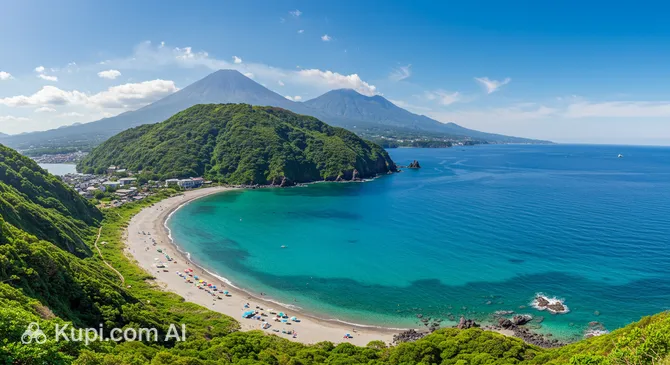
Hachijojima is a captivating volcanic island located in the Philippine Sea, offering a subtropical escape just a short flight away from the bustling metropolis of Tokyo. Although administratively part of the capital, this island feels worlds apart with its lush vegetation, relaxed atmosphere, and distinct island culture. It is a hidden gem in Japan, often compared to Hawaii due to its warm climate, swaying palm trees, and hibiscus flowers that bloom year-round.

Hachijojima. Source: Kupi.Binoculars

Geographically, the island is dominated by two majestic volcanoes, Mount Nishiyama and Mount Higashiyama, which give the land its unique gourd shape. The climate is oceanic and mild, making it an ideal destination for nature lovers at any time of the year. With a population of approximately 7,000 residents, the island maintains a welcoming, small-town charm. Visitors can explore the fascinating history of Hachijojima, which once served as a place of exile for samurai and intellectuals during the Edo period, leaving behind a rich cultural legacy that is still celebrated today.

Travelers are drawn to Hachijojima for its stunning natural attractions, particularly the hiking trails up Mount Hachijo-Fuji, the highest peak in the Izu Islands, which offers breathtaking panoramic views of the ocean. The island is also renowned for its incredible hot springs (onsen), some of which are situated right along the coast, allowing bathers to soak while watching the waves crash against the rocks. Whether you are looking to dive into crystal-clear blue waters or simply enjoy the tranquility of island life, Hachijojima invites you to experience a side of the country that is truly unique.

Weather Overview

Hachijojima enjoys a mild, subtropical climate that makes it a pleasant destination throughout the year. Due to its location in the Philippine Sea, the island experiences an oceanic weather pattern with moderate temperature fluctuations. When planning your trip and checking the weather conditions, you will find that the island generally avoids the freezing extremes found on the mainland.

Winters are gentle, with average temperatures in January and February hovering around 13°C and average lows around 12°C. While it stays relatively warm, these months can be quite damp with frequent wet days. As the season shifts to spring, temperatures rise comfortably, reaching an average of nearly 21°C by May.

Summers are warm and inviting, peaking in August with an average temperature of 27.7°C, making it an ideal time for water activities. However, travelers should be aware that June sees slightly higher precipitation levels. The warmth lingers well into September, which averages around 26.4°C, though October tends to have the highest number of rainy days. Overall, you can expect warm summers with occasional rain and mild, humid winters.

Interesting Facts

Beyond the scenic hikes and volcanic landscapes, Hachijojima holds fascinating cultural and natural secrets that distinguish it from other destinations. The island's isolation has fostered unique traditions and natural phenomena that continue to surprise visitors.

  • Glowing Mushrooms: The island's forests are home to Mycena chlorophos, known locally as "Green Pepe." These bioluminescent mushrooms emit a magical neon-green light in the dark, creating an ethereal atmosphere along the hiking trails, especially during the rainy season.

  • Mustard Instead of Wasabi: The local delicacy, Shimazushi, offers a surprising twist on traditional sushi. Because wasabi was historically difficult to cultivate on the island, locals began using spicy mustard (karashi) to season their soy-marinated fish, a flavor profile that remains popular today.

  • Golden Silk Tradition: Hachijojima is renowned for Kihachijo, a vibrant yellow silk dyed using native plants. This weaving craft is designated as a Traditional Craft of Japan, and in the past, the fabric was so valuable that it was accepted as tax payment to the shogunate.

  • Matriarchal History: Historically, the island was known for having a social structure where women held significant economic power. Since women were the primary weavers of the lucrative Kihachijo silk, they were often the main breadwinners for their families, contrasting with the norms of mainland society at the time.

How to Get There

Reaching this remote island paradise is an adventure in itself, primarily involving a short flight or a scenic ferry ride from the mainland. For a comprehensive guide on all available transport options and schedules, you can read more about how to get to Hachijojima on our detailed page.

The quickest and most common method of entry is flying directly into Hachijo Jima Airport (HAC). Situated just 2.1 km from the town center, this convenient airport places you right in the heart of the action almost immediately upon landing. A short taxi ride of about 5 minutes or a brief bus journey will get you to most accommodations. The airport handles a moderate amount of traffic, ensuring a relatively smooth and uncrowded arrival experience compared to major city hubs.

Most flights to the island originate from Haneda Airport (HND) in Tokyo. Although located 271.7 km away on the mainland, Haneda is the primary gateway for travelers heading to the Izu Islands. It is a massive international hub with very high passenger volume, offering frequent daily connections to Hachijojima. The flight itself is quite short, typically lasting around 55 minutes. Travelers might also notice Shizuoka Airport (FSZ) on the map roughly 240 km away, but direct access from there is less common for this specific route.

For clarity, here is a summary of the main airports:

Airport Name City Passenger Traffic Km from City
Haneda Airport Tokyo Very High 271.7
Shizuoka Airport Shizuoka Medium 240.4
Hachijo Jima Airport Hachijojima Medium 2.1

As Hachijojima is an island located in the Philippine Sea without any bridge or tunnel connections to the mainland, there are no railway stations or train services available. All travel to the island must be done by air or sea. For those preferring a sea voyage, a large passenger ship departs nightly from Takeshiba Pier in Tokyo, arriving at the island the following morning after a journey of approximately 10 hours.

Main Attractions

Hachijojima offers a wealth of natural wonders and scenic spots that allow visitors to fully immerse themselves in its volcanic beauty and subtropical charm. From rugged coastlines formed by ancient lava flows to lush parks teeming with exotic wildlife, the island's main attractions are perfect for outdoor enthusiasts and those seeking relaxation in nature.

Mount Hachijo-Fuji is the island's most iconic landmark and a must-visit for hikers. As the highest peak in the Izu Islands, it features a perfectly shaped conical silhouette that resembles Mount Fuji. Visitors can hike the "Sky Road" to reach the summit, where a trail circles the dramatic caldera, offering sweeping views of the Pacific Ocean and the lush interior of the crater. On the mountain's slope, you will find the Fureai Farm, a peaceful spot where cattle graze against a backdrop of blue sea and sky, making it an excellent location for photography and enjoying fresh local milk.

For a unique bathing experience, Uramigataki Onsen stands out as one of the island's most popular hot springs. Located in a jungle-like setting overlooking the Uramigataki Waterfall, this open-air bath requires swimsuits, making it a rare mixed-gender facility where families and couples can relax together. The name "Uramigataki" translates to "waterfall viewed from behind," referring to the walking path that allows you to step behind the curtain of falling water, adding a sense of adventure to your soak.

Hachijo Botanical Park is a sprawling recreational area that showcases the diverse flora and fauna of the island. It is home to a large number of tropical plants, including hibiscus and bougainvillea, as well as a zone dedicated to the small, barking deer known as "Kyon" (Reeves's muntjac). The park is also famous for its "Glowing Mushroom" tours during the summer rainy season, where visitors can witness the magical green bioluminescence of the Mycena chlorophos fungi in the dark forest.

On the western coast, Nanbara Senjojiki offers a striking geological landscape created by lava flowing into the sea from Mount Hachijo-Fuji. This vast plateau of black volcanic rock stretches for 500 meters along the shore, contrasting sharply with the deep blue ocean and white crashing waves. It is a fantastic place for a seaside walk to admire the raw power of nature, and it serves as one of the best spots on the island to watch a spectacular sunset or gaze at the starry sky at night.

Local Cuisine

The local cuisine of Hachijojima is a delightful reflection of its isolated island culture, blending fresh bounties from the Philippine Sea with unique volcanic crops. Food lovers will find that the island offers distinct flavors that are quite different from the mainland, characterized by the creative use of local ingredients and traditional preservation methods.

One of the most iconic dishes you must try is Shimazushi, or "Island Sushi." Unlike the typical sushi found in Tokyo, the fish here—often locally caught varieties like alfonsino or tuna—is marinated in a soy sauce mixture called zuke to preserve freshness in the warm climate. The most striking difference is the condiment; instead of wasabi, the sushi is seasoned with spicy karashi mustard, which pairs perfectly with the slightly sweeter vinegared rice used on the island.

Another staple of the diet is Ashitaba, a nutritious leafy green plant often referred to as "tomorrow's leaf" because of its rapid growth. You will find this refreshing vegetable served in various forms, most commonly as crispy tempura or kneaded into dough to make bright green soba and udon noodles. It is considered a superfood by locals and is a perfect accompaniment to the island's fresh seafood. For those seeking a culinary challenge, Kusaya is a fermented dried fish delicacy famous for its strong smell and savory taste, best enjoyed in small bites with alcohol.

For beverages, Hachijojima is famous for its Shochu, locally known as Shimazake. The island has a unique tradition of blending barley and sweet potato, creating a smooth and aromatic spirit that is often enjoyed on the rocks. For a non-alcoholic treat, look for drinks and desserts made from locally grown passion fruit, or try the rich, creamy milk and pudding produced by the Jersey cows at the farms near the mountain slopes.

Dining on the island is a relaxed affair, with many izakayas (Japanese pubs) and small family-run restaurants clustered in the town center. These venues offer a warm, welcoming atmosphere where you can mingle with locals while enjoying grilled fish or seasonal vegetables. Whether you are grabbing a quick lunch of sushi or settling in for an evening of island spirits, the food culture here is unpretentious and deeply rooted in nature.

Travel Tips

Visiting Hachijojima is a delightful experience that combines the comfort of Japanese culture with a laid-back island vibe, but a little preparation goes a long way in this remote location. To help you make the most of your tropical getaway without any hiccups, here are some practical tips to keep in mind before you pack your bags.

  1. Clothing and Gear: Since the weather is subtropical, breathable clothing is best for summer, but always bring a waterproof jacket or poncho, as the weather can change quickly and rain is common. If you plan to hike Mount Hachijo-Fuji, sturdy and comfortable walking shoes are a must. Don't forget your swimsuit—unlike many traditional hot springs in Japan, some of Hachijojima's best onsens, like Uramigataki, are mixed-gender and require swimwear.
  2. Transportation: Public transport is available via the Town Bus, but the frequency is low (often once an hour or less), which can limit your exploration. The best way to get around is by renting a car or a scooter. This gives you the freedom to visit remote viewpoints and restaurants at your own pace. Remember that you will need a valid International Driving Permit (IDP) to rent a vehicle. Electric bicycles are also a popular and eco-friendly alternative.
  3. Finances: While major hotels may accept credit cards, Hachijojima is still a cash-based society. Many small restaurants, souvenir shops, and the local bus require cash (Japanese Yen). Ensure you withdraw enough money before leaving Tokyo or use the ATMs at the local Japan Post Bank, which generally accept international cards. It is wise to carry plenty of small change and 1,000-yen notes.
  4. Health and Safety: The island is very safe, but medical facilities are limited compared to the mainland. There is a municipal hospital, but pharmacies may close early in the evening and are not open 24/7. If you require specific medication, bring a sufficient supply with you. When swimming, be cautious of strong ocean currents and only swim in designated areas, as there are no lifeguards on many wild beaches.
  5. Communication: While locals are friendly and welcoming, English proficiency is not widespread. It is highly recommended to have a translation app installed on your phone. Wi-Fi is available in hotels and some public spots, but it can be spotty in remote areas. It is best to purchase a SIM card or rent a pocket Wi-Fi at the airport in Tokyo before you fly to the island to ensure you stay connected.
  6. Local Etiquette: As with the rest of the country, politeness is key. Always take off your shoes when entering a minshuku (guesthouse) or someone's home. When using the hot springs, wash your body thoroughly before entering the water. On this island, the pace is slower, so patience and a friendly greeting of "Konnichiwa" (Hello) to passersby are always appreciated.
  7. What to Avoid: Do not underestimate the sun; the UV rays here are stronger than in Tokyo, so wear sunscreen even on cloudy days. Also, avoid entering private farmlands or stepping on crops when taking photos of the landscape. The local farmers take great pride in their produce, and trespassing is considered very rude.
  8. Dining Tip: Restaurants on the island often close earlier than you might expect, and many require reservations for dinner. Do not assume you can walk into any place at 8:00 PM and get a table. It is a good "life hack" to ask your accommodation to help you book a table for dinner in advance to ensure you don't miss out on the local island sushi.

By keeping these simple tips in mind, you will be well-equipped to navigate the island's unique charm and focus on relaxing. Hachijojima is a place to slow down and reconnect with nature, so embrace the "island time" and enjoy your adventure in this beautiful corner of the Pacific.

Entertainment & Nightlife

Nightlife on Hachijojima is a world away from the neon-lit frenzy of Tokyo's mainland districts like Shibuya or Shinjuku. Here, the evening entertainment is defined by a relaxed "island time" atmosphere, where the focus is on warm hospitality, local connection, and the natural beauty of the night sky. Instead of thumping nightclubs and sprawling dance floors, you will find a vibrant culture of izakayas (Japanese pubs) and "Snack" bars, where locals and visitors mingle over glasses of island spirits.

The main hub for evening activities is concentrated in the Mitsune and Okago districts. These central areas are where most of the island's dining and drinking establishments are clustered. The vibe is casual and unpretentious; there is no strict dress code, and you are just as likely to sit next to a fisherman as a fellow traveler. The "Snack" bar culture is particularly strong here—these are small, often karaoke-equipped bars hosted by a "mama-san" or "master," offering an authentic slice of local life for those willing to step out of their comfort zone and sing a song or two.

For a memorable night out, you must visit Ryozanpaku, widely considered the island's most famous izakaya. Located in the Mitsune district, this venue is celebrated for its authentic Kyodo (regional) cuisine, serving specialties like Shimazushi and Ashitaba tempura. It is incredibly popular, so reservations are essential. Another excellent spot is Sosaku Kyodo Izakaya Eight (8), which offers a more modern take on local ingredients in a stylish setting. It is a fantastic place to try creative dishes paired with a wide selection of Shimazake (island shochu).

Beyond dining, the island offers unique nocturnal nature experiences. The Miharashi-no-yu hot spring is a highlight, as its open-air baths offer incredible views of the starry sky and the dark ocean below. Since the island has very little light pollution, stargazing here is world-class. During the summer rainy season, night tours at the Hachijo Botanical Park allow you to witness the magical green glow of bioluminescent mushrooms, known locally as "Green Pepe," creating a fairy-tale atmosphere in the dark forests.

Practical advice is crucial for enjoying your night here. Most venues close earlier than on the mainland, often around 10:00 PM or 11:00 PM, though some Snack bars stay open later. Taxis are limited at night and rarely cruise the streets looking for passengers; you must call one in advance or ask your restaurant to book one for your return trip. The island is extremely safe for night walks, but carry a flashlight if you venture outside the town center, as streetlights can be sparse. Finally, bring cash, as many smaller bars and taxis do not accept credit cards.

For daytime entertainment, the island offers cultural depth to match its natural beauty. You can visit the Hachijojima History and Folk Museum to learn about the island's past as a place of exile and its unique silk-weaving traditions. The Hachijo Botanical Park is also a lovely spot for a day walk to see tropical plants and the small Reeves's muntjac deer before the glowing mushrooms take the stage at night.

Parks & Museums

Hachijojima is not only a paradise for ocean lovers but also a destination rich in botanical beauty and historical depth. The island’s lush landscape is dotted with well-maintained parks that showcase its subtropical flora, while its museums offer a fascinating glimpse into its unique past as a place of exile and a hub of traditional craftsmanship.

Hachijo Botanical Park is undoubtedly the premier green space on the island, sprawling over a vast area near the airport. This well-curated park serves as a living encyclopedia of the island's ecosystem, featuring eight different zones filled with tropical fruit trees, palms, and vibrant hibiscus flowers. It is a fantastic place for a leisurely stroll, offering visitors the chance to see the small, distinctively local Reeves's muntjac deer up close in their enclosure. The park also features a visitor center with exhibits on the island's volcanic geology and nature, making it an educational stop for families and nature enthusiasts alike.

For a coastal park experience, Sokodo Green Park offers a scenic retreat right next to the island's main ferry terminal. Dominated by majestic pine trees that provide cooling shade, this park runs along the edge of a striking black sand beach. It is a popular spot for locals and tourists to enjoy a picnic with a sea breeze or a morning jog along the promenade. The contrast between the lush greenery of the pines and the dark volcanic sand creates a visual landscape that is quintessentially Hachijojima.

Delving into the island's cultural heritage, the Hachijojima History and Folk Museum is an essential visit for history buffs. Housed in the former Hachijo Subprefecture government building, the museum preserves the legacy of the island's days as a penal colony during the Edo period. The exhibits are extensive, displaying artifacts related to the lives of the exiled samurai and intellectuals who brought mainland culture to this remote outpost. You can also view tools used for farming and fishing, as well as displays dedicated to the intricate production of Kihachijo silk.

Another significant cultural site is the Hachijojima Furusato Mura (Heritage Village), located in the Okago district. This open-air facility transports visitors back in time with its preserved traditional houses, known for their raised floors and thatched roofs. The site features the characteristic Tama-ishigaki—beautiful stone walls made from round stones transported from the coast by exiles in the past. Walking through the grounds offers a tangible sense of the island's architectural history and the resourcefulness of its ancestors.

For a truly authentic experience, take a walk through the quiet residential streets of the Okago area near the Heritage Village. Here, many private homes still maintain the traditional Tama-ishigaki stone walls and wind-breaking hedges, effectively turning the neighborhood into a living museum. It is a peaceful way to appreciate the island's enduring traditions away from the main tourist crowds.

Getting Around

Navigating Hachijojima requires a shift in mindset from the hyper-connected transport networks found in mainland metropolises. As a remote island, there are no subways, trams, or train services available. The primary form of public transportation is the Hachijo Town Bus (Hachijo-machi Ei Bus). These buses are easily recognizable, typically painted with blue stripes or colorful island motifs, and they serve as the lifeline for those without a vehicle. The network consists of a few main routes that connect the central town area with the airport, the ferry port (Sokodo or Yaene), major hotels, and key tourist attractions like the hot springs and botanical park.

While the bus system is reliable, it is designed more for local needs than for rapid tourist transit, meaning the frequency is quite low. Buses may run only once an hour, or even less frequently depending on the route and time of day. It is essential to plan your day around the bus timetable, which you can pick up at the airport information desk, the ferry terminal, or your hotel lobby. Be aware that services often finish relatively early in the evening, so if you plan to stay out for dinner, you will likely need to arrange alternative transport back to your accommodation.

For payment, the system is straightforward but generally cash-based. Unlike the seamless IC card tap-and-go systems found in larger cities, you should be prepared to pay with physical currency. When you board the bus, take a small numbered ticket from the machine near the door. This number corresponds to a fare chart displayed at the front of the bus; simply match your number to the price shown on the screen when you reach your stop. You pay the driver directly by dropping the exact change and your ticket into the fare box upon exiting. It is highly advisable to carry 1,000-yen notes and plenty of coins, as the machines cannot break large bills.

For tourists, the most economical and convenient option is the "Buspa" (Bus Pass). This unlimited ride pass is typically valid for two days and costs around 1,000 yen. It offers excellent value, as a single round trip to the hot springs on the other side of the island can nearly equal the cost of the pass. You can purchase the Buspa at the Hachijo Jima Airport counter, the bus office, or sometimes directly from the bus driver, though buying it upon arrival at the airport is the safest bet to start your journey smoothly.

Given the limited bus schedule, many visitors find that renting a car is the most practical way to explore the island's volcanic landscapes and hidden viewpoints freely. Several rental agencies operate near the airport, but reservations are strongly recommended, especially during peak seasons. Alternatively, taxis are available, but they do not cruise the streets looking for fares. You must call a dispatch center or have your hotel or restaurant call one for you. Taxis are meter-based and can be pricey for long distances, but they are often necessary for evening travel.

For those who prefer a slower pace and fresh air, rental bicycles are a popular choice. However, due to the island's mountainous terrain and steep slopes, standard bicycles can be challenging. It is highly recommended to rent an electric-assist bicycle, which makes conquering the hills much more manageable. These can be rented from the tourist association or various shops in the town center, allowing you to breeze along the coastal roads while enjoying the subtropical breeze.

Accommodation

Finding the perfect place to stay in Hachijojima is part of the island experience. The accommodation landscape here is diverse, ranging from large, resort-style hotels with ocean views to functional business hotels and a high concentration of traditional minshuku (family-run guesthouses). While you will not find ultra-luxury international chains, the island offers comfortable and welcoming options that cater to nature lovers, divers, and those seeking a quiet retreat.

The most convenient areas for tourists are the central districts of Mitsune and Okago. Staying in these neighborhoods places you in the heart of the island's activity, with easy access to Hachijo Jima Airport, supermarkets, and the main cluster of izakayas and restaurants. This is particularly helpful for travelers who do not plan to rent a car, as many amenities are within a reasonable distance. For those focused on water activities, the area around Sokodo Port is a popular choice, offering proximity to the main swimming beach and the ferry terminal.

Booking Tip: Public transportation on the island can be infrequent. A valuable tip when choosing your accommodation is to check if they provide a complimentary shuttle service from the airport or ferry port. Many hotels and larger minshuku offer this convenience, which makes your arrival and departure much smoother. Be sure to request this service when you make your reservation.

The price range for accommodation is generally moderate and offers good value. Budget travelers can find affordable stays at campsites or simple guesthouses, while mid-range options provide Western-style rooms and on-site hot spring baths. Minshuku are particularly popular for their "half-board" plans, which often include delicious dinners featuring fresh local sashimi and island vegetables. While major hotels can be booked via standard online platforms, some smaller traditional inns may require direct inquiries. It is advisable to book well in advance, especially during the peak summer season and Golden Week, when the island fills up with visitors from Tokyo.

Nearby Cities

While Hachijojima offers a secluded island escape, it is geographically situated south of the Izu Peninsula and the Kanto region. The closest cities on the mainland serve as excellent gateways or additional destinations to explore before or after your island adventure. These locations offer distinct cultural and scenic experiences that complement a journey to the remote architectural beauty of the Izu Islands.

Ito is a renowned hot spring resort city located on the eastern coast of the Izu Peninsula. It is famous for its abundant thermal waters and the scenic Jogasaki Coast, where visitors can walk along rugged cliffs formed by ancient volcanic eruptions. The city offers a relaxing atmosphere with historic ryokans and beautiful views of the ocean, making it a perfect spot for rejuvenation.

Yokosuka offers a unique blend of Japanese and American cultures due to its long history as a naval port city. Visitors can explore Mikasa Park, home to the historic battleship Mikasa, or enjoy the city's famous "Navy Curry" and burgers. Its waterfront parks and distinct international vibe provide a lively contrast to the quiet island life of Hachijojima.

Numazu is a bustling port city known for its incredible fresh seafood and stunning views of Mount Fuji. The Numazu Deep Sea Aquarium is a popular attraction, showcasing rare deep-sea creatures from Suruga Bay. Food lovers flock to the port area to enjoy sushi and sashimi straight from the morning's catch, offering a true taste of the region's maritime bounty.

City Population Distance (km)
Yokosuka 390,275 242
Numazu 187,653 237
Yaizu 136,028 239
Ito 64,473 217
Kikugawa 47,194 243

These mainland destinations provide a glimpse into the diverse culture and landscapes that lie just across the ocean from the island.

Shopping & Souvenirs

Shopping in Hachijojima offers a delightful departure from the high-end fashion streets and neon-lit department stores of mainland Tokyo. Instead of luxury brands and sprawling complexes, the island's shopping scene is intimate, authentic, and deeply rooted in local culture. Visitors will find a selection of charming souvenir shops, well-stocked supermarkets, and direct-sales depots that focus on the island's unique agricultural and artisanal products. It is the perfect place to hunt for one-of-a-kind crafts and flavors that you cannot find anywhere else in Japan.

The main commercial activities are concentrated in the central districts of Okago and Mitsune. These areas serve as the heartbeat of the island, where the primary roads are lined with essential services, grocery stores, and specialty shops. A stroll through these neighborhoods reveals a laid-back atmosphere where you can browse for local goods at a leisurely pace. The area around Hachijo Jima Airport also features several well-curated souvenir stands, making it a convenient stop for last-minute gifts before departure.

Travelers expecting massive multi-story shopping malls will not find them here. Hachijojima does not have large commercial complexes; instead, the "malls" of the island are its large supermarkets, such as Super Asanuma and Benny's (Hachijo Store). These establishments are surprisingly well-stocked and serve as community hubs. For tourists, they are excellent places to explore local dietary habits, purchase fresh sashimi for a hotel room dinner, or find affordable snacks and drinks. They often have dedicated sections for local souvenirs, making them a one-stop shop for visitors.

While there are no chaotic street markets, the island is famous for its "Farmers' Market" style direct-sales shops, such as Ekom Aguri Mart. These venues are treasure troves for foodies, offering freshly harvested produce straight from the local fields. Here, you can find the island's famous tropical fruits, locally grown vegetables, and handmade processed goods. It is an authentic way to support the local economy and taste the freshest ingredients available.

When it comes to souvenirs, Hachijojima has several signature items that are highly recommended. Kihachijo silk products are the most prestigious local craft; look for small items like wallets or coin purses featuring the fabric's distinctive yellow and black plaid pattern. For edible treats, products made from Ashitaba (a nutritious local plant) are ubiquitous, including tea, noodles, and cookies. Passion fruit jams and juices are also popular, capturing the sweet taste of the island's summer. Finally, a bottle of Shimazake (island shochu) makes for a spirited gift for those who enjoy unique alcoholic beverages.

Store hours on the island reflect its relaxed lifestyle. Most shops open around 9:00 AM or 10:00 AM and close relatively early, typically by 6:00 PM or 7:00 PM. Supermarkets may stay open a bit later, but do not expect 24-hour convenience everywhere. Regarding payment, cash is king. While the airport and larger supermarkets may accept credit cards, many smaller souvenir shops and local vendors only deal in cash. It is essential to carry sufficient Japanese Yen with you while shopping.

Tax-free shopping is not widely available on Hachijojima compared to the major tourist hubs on the mainland. Most local shops do not have the facilities to process tax refunds for tourists. It is best to assume that the price you see is the final price, including consumption tax. If you are making a significant purchase at a larger establishment or the airport shop, you can ask the staff, but generally, this is a destination for small-scale, local purchases rather than duty-free hauls.
Nearby cities

Reached the end of the page?

That means the route is fully explored