Support

Japan

About the Country

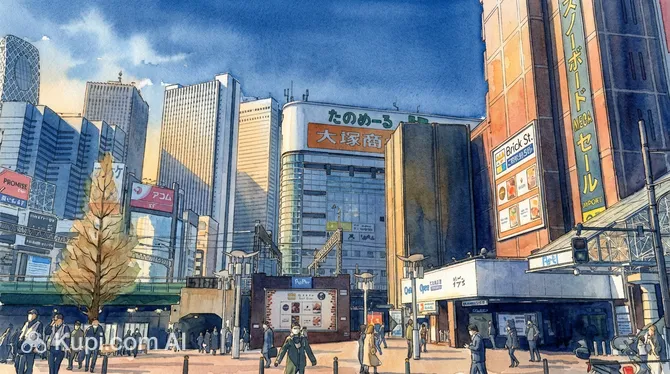
Japan is an amazing island country in East Asia, where ancient traditions blend harmoniously with ultra-modern technology. It is a place that can capture the imagination of any traveller with its unique culture and unparalleled atmosphere. The heart of the country is its dynamic capital, Tokyo, a giant metropolis that sets the pace of life for the entire nation and offers an endless array of discoveries, from historic temples to futuristic districts.

Tokyo. Source: Kupi.com Binoculars

Japan is famous for its centuries-old traditions, which are carefully preserved and passed down from generation to generation. Travellers can immerse themselves in history by visiting ancient temples and shrines, such as the famous Fushimi Inari Shrine with its thousands of scarlet torii gates. The former imperial capital, Kyoto, charms with its exquisite gardens, palaces, and traditional tea houses. Japan's nature is also incredibly diverse: from majestic mountains, including the sacred Mount Fuji, to picturesque coastlines and the world-famous cherry blossoms in spring, which paint the country in delicate shades of pink.

Japan is a country of contrasts, where the serenity of Zen gardens coexists with the neon glow of bustling city centres, and ancient rituals fit harmoniously into daily life alongside innovative technologies. The exceptional hospitality of the local people, known as omotenashi, and the exquisite, diverse cuisine make a trip to Japan a truly unforgettable experience. For Muslim travellers, the growing availability of halal-certified and Muslim-friendly restaurants in major cities like Tokyo and Kyoto adds to the comfort of the visit. Many airports, shopping centres, and tourist attractions also provide dedicated prayer rooms. This country leaves a deep and lasting impression on everyone who decides to discover its enigmatic and captivating beauty.

Currency

The national currency of Japan is the Japanese Yen (JPY). Banknotes in circulation are available in denominations of 1,000, 2,000 (which are rare), 5,000, and 10,000 yen, featuring prominent figures from Japanese culture and science. Coins are issued in denominations of 1, 5, 10, 50, 100, and 500 yen; notably, the 5 and 50 yen coins have a hole in the centre. The yen is known for its high-quality printing and complex security features.

You can exchange currency for yen at banks, post offices, and licensed exchange counters, which are commonly found in airports and major tourist areas. It is advisable to avoid exchanging money with private individuals or at unverified locations. Credit and debit cards from major international systems are widely accepted in most hotels, department stores, and restaurants in large cities like Tokyo. However, smaller shops, temples, some traditional inns (ryokans), and rural areas often prefer cash, so it is always useful to carry some yen with you.

Visa Requirements

When planning a trip to Japan, it's important to familiarise yourself with the visa rules in advance. For citizens of the United Arab Emirates holding ordinary passports, visa-free travel is permitted for stays of up to 90 days for tourism or business. This policy reflects the strong diplomatic ties between the two nations.

For other nationalities residing in the UAE, a tourist visa is generally required to enter Japan and must be applied for in advance. The application process for residents of Dubai and the Northern Emirates is handled by VFS Global. Residents of Abu Dhabi should apply through the visa application centre that serves the Embassy of Japan in Abu Dhabi. Regardless of your nationality, to cross the border you will need a valid passport, and you may also be asked for return tickets, hotel booking confirmations, and proof of sufficient funds. As visa regulations can change, it is strongly recommended to check the latest information on the official website of the Embassy or Consulate-General of Japan in the UAE before your trip. This will help you avoid any misunderstandings and make your travel preparations for Japan as smooth as possible.

We'll tell you if you need a visa

Specify where you are going, or
Your citizenship
Destination

Time Zones

All of Japan operates on a single time zone, known as Japan Standard Time (JST). It is set at UTC+9, which makes it five hours ahead of the UAE's Gulf Standard Time (GST, UTC+4). This means you will not need to adjust your watch when travelling between different cities and regions within the country, whether you are in bustling Tokyo or on the scenic islands of Okinawa.

The absence of internal time zone changes greatly simplifies planning your itinerary and travel arrangements, allowing you to focus on enjoying your journey without the need to adapt to a new time.

How to Get There

Japan, the Land of the Rising Sun, entices travellers from across the globe with its unique culture, technology, and natural beauty. For those travelling from the UAE, the most convenient way to reach Japan is by air. National carriers offer direct flights, making the journey straightforward. For instance, Emirates operates direct flights from Dubai (DXB) to Tokyo's Narita (NRT) and Haneda (HND) airports, as well as to Osaka (KIX). Similarly, Etihad Airways provides direct services from Abu Dhabi (AUH) to Tokyo's Narita International Airport (NRT). Japan's main air gateways, such as Tokyo and its airports like Haneda Airport, are well-connected, allowing for easy travel to other parts of the country.

As Japan is an island nation, there are no direct land connections with other countries. However, for travellers exploring neighbouring countries like South Korea, China, and Russia, sea transport is an option. Regular ferry lines connect Japanese ports with those in these nations. This alternative may appeal to those who prefer a leisurely sea journey or are planning a combined tour of Asia. For most visitors from the UAE, however, air travel remains the most practical and fastest choice.

When planning a trip to Japan, especially during popular seasons like the cherry blossom in spring or the viewing of red maple leaves in autumn, it is highly recommended to book flights and accommodation in advance. This will not only help you secure better prices but also guarantee availability, as demand is traditionally high during these periods. Early planning will allow you to enjoy your trip to this amazing country without any unnecessary hassle.

For clarity, here is a summary of the main airports:

Airport Name City Passenger Traffic
Haneda AirportTokyoVery Large
Kansai International AirportOsakaLarge
Fukuoka AirportFukuokaLarge
Naha AirportOkinawaLarge
New Chitose AirportSapporoLarge

Japan offers travellers an incredible variety of experiences, from the pulsating energy of modern cities to the tranquillity of ancient cultural centres. The heart of modern Japan – Tokyo – is not just a capital, but a world in itself, where every district, from the elegant Ginza to the youthful Harajuku, tells its own story. The city is famous for its innovative architecture, endless shopping opportunities, and gastronomic discoveries. An increasing number of restaurants in major cities are now offering halal-certified or Muslim-friendly menus, ranging from authentic Japanese cuisine to international options.

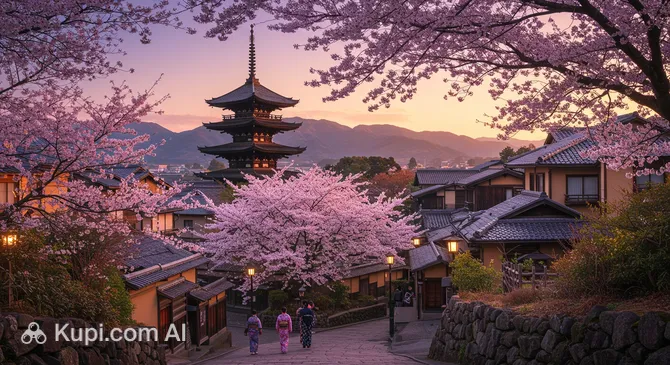
For those seeking a deep dive into Japanese traditions, the path leads to Kyoto. This city is a true treasure trove where you can not only see ancient temples and shrines but also experience living heritage: watch artisans at work, attend a tea ceremony, or stroll through the famous Gion district in hopes of spotting a geisha. When visiting these sacred sites, it is advisable to dress modestly, with clothing that covers the shoulders and knees, to show respect for the local culture.

Kyoto. Source: Kupi.com Binoculars

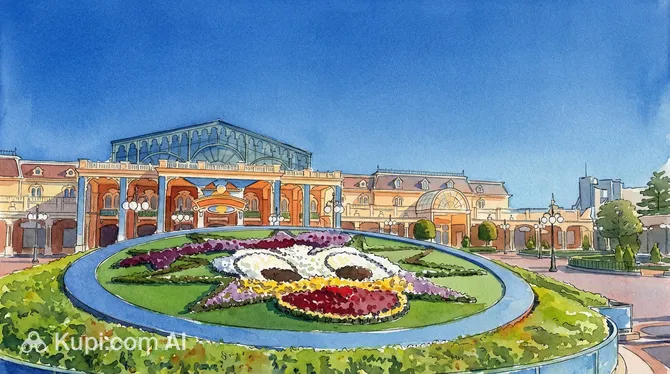
Besides these two jewels, Japan is rich in other interesting places. For example, the port city of Yokohama will charm you with its waterfront, international atmosphere, and modern entertainment complexes. If you are travelling with family or simply want to immerse yourself in a world of magic, then Urayasu, with its world-famous theme parks, is an ideal choice. And to feel the pulse of modern Japanese youth, be sure to visit Shibuya – the epicentre of fashion and culture, whose famous crossing has become a symbol of Tokyo's dynamic life. Many large shopping centres and tourist attractions in these areas provide prayer rooms for Muslim visitors. Each of these destinations, like many other corners of Japan, offers its own unique experience, making a trip through the country rich and unforgettable.

Top Attractions

Japan is a country of rich culture and surprising contrasts, where ancient traditions exist in harmony with futuristic technology. Unforgettable experiences await travellers at the unique attractions scattered across the country. There is something for everyone here, from tranquil temples to bustling city quarters.

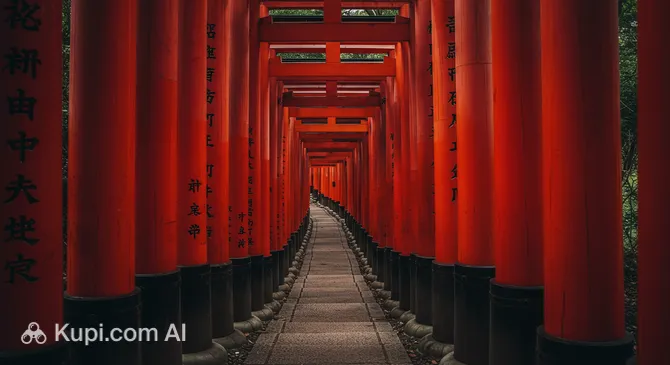
One of the most recognisable and photographed sights is the Fushimi Inari Shrine in Kyoto. This impressive complex is famous for its thousands of bright red torii gates, which form tunnels on the slope of a sacred mountain. A walk along these paths is a mystical immersion into Japanese spirituality and culture. When visiting, it is recommended to dress modestly, covering shoulders and knees, as a sign of respect. While there are no dedicated prayer rooms on the shrine grounds, the main hall is a place where all visitors can pay their respects. For halal dining options, several restaurants can be found in the wider Fushimi area.

Fushimi Inari Shrine. Source: Kupi.com Binoculars

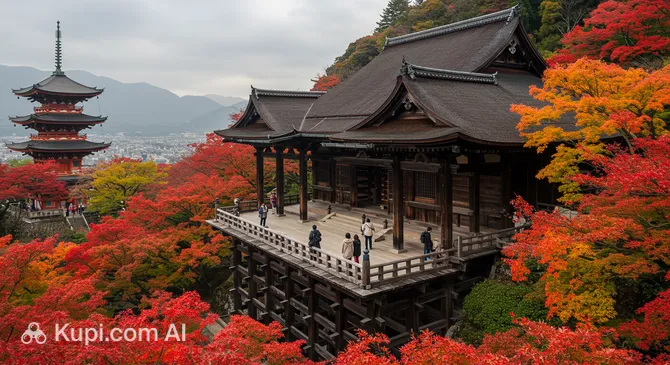
Another of Kyoto's gems is the Kiyomizu-dera Temple, which means "Temple of Pure Water". It is located on a hillside and is famous for its wooden terrace, built without a single nail, which offers a magnificent view of the city, especially beautiful during the cherry blossom season or autumn foliage. To respect the sacred nature of the site, conservative dress is appropriate. For Muslim visitors, a halal-certified restaurant offering Japanese curry and equipped with a spacious prayer room is located just a 10-minute walk away. Other Muslim-friendly options are also available nearby.

Kiyomizu-dera. Source: Kupi.com Binoculars

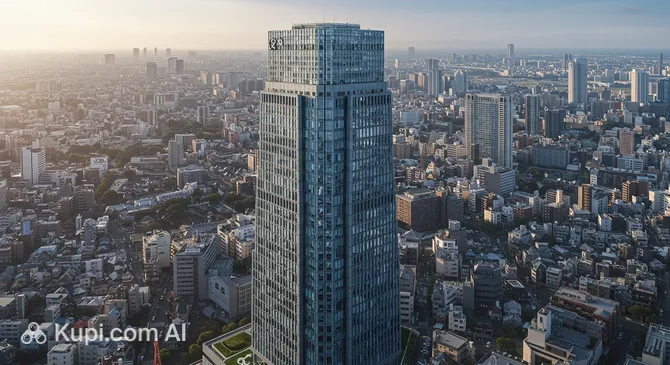
For those who want to see modern Japan from a bird's-eye view, a visit to the Tokyo Metropolitan Government Building is a must. Its free observation decks on the 45th floor offer breathtaking panoramas of the vast metropolis, and on a clear day, you can even see Mount Fuji. The Shinjuku area, where the building is located, has numerous halal-certified and Muslim-friendly restaurants. Additionally, a mosque is located about a 10-minute walk from Shinjuku Station for prayer needs.

Tokyo Metropolitan Government Building. Source: Kupi.com Binoculars

If you are looking for a place to relax and observe city life in Tokyo, head to Yoyogi Park. This spacious green oasis next to the Meiji Jingu Shrine is a popular spot for picnics, strolls, and various events, especially at weekends when street musicians and dancers gather here. For prayers, the Harajuku Tourist Information Centre, located near the park, provides a prayer area. Alternatively, Tokyo Camii, the largest mosque in Japan, is a short distance from the park and is a significant cultural site in itself.

Yoyogi Park. Source: Kupi.com Binoculars

Best Time to Visit

Japan is a wonderful destination at any time of year, but the high season is traditionally considered to be spring (March-May) and autumn (September-November). In spring, the country is transformed by the blooming of cherry blossoms (sakura) – a truly magical sight that attracts travellers from all over the world. The weather at this time is usually warm and sunny, perfect for sightseeing and outdoor excursions. In autumn, Japan is cloaked in crimson and gold thanks to "momiji" – the season of red maples. The temperature is comfortable, and the landscapes are breathtaking. However, it's worth noting that these periods see the largest influx of tourists, which affects the prices of flights and accommodation, as well as crowding at popular attractions. It is especially crowded during "Golden Week" at the end of April and the beginning of May.

The low season falls during summer (June-August) and winter (December-February). Summer in Japan is hot and humid, especially from June to July when most of the country experiences the "tsuyu" rainy season (with the exception of Hokkaido). Summer is also the typhoon season, which can affect the southern regions. Nevertheless, this is a time of numerous summer festivals, known as "matsuri," and beach holidays. Winter can be quite cold, especially in the north where there is heavy snowfall – creating ideal conditions for winter sports. For example, Hokkaido is perfect for skiing and hosts the famous Sapporo Snow Festival in February. The advantages of these seasons are fewer tourists and more affordable prices. However, the weather can be unpredictable, and some establishments may have shorter opening hours.

Given Japan's significant length from north to south, the climate can vary considerably between regions. For instance, Okinawa is warm almost all year round, whereas Hokkaido has harsh, snowy winters. Therefore, when planning your trip, it is always useful to check the weather conditions for the specific prefectures you intend to visit. In addition to seasonal natural phenomena like sakura blossoms or autumn colours, pay attention to national holidays, such as Obon in mid-August, when many Japanese people travel domestically, which can also affect the availability of transport and hotels. For travellers from the UAE, it is reassuring to know that halal food options are becoming increasingly available in major cities like Tokyo and Kyoto. Similarly, prayer facilities can be found at major airports and in some large shopping centres, making travel more convenient. When visiting temples and shrines, it is advisable to dress modestly as a sign of respect.

Traditions

Japan is a country with rich and ancient traditions, and respecting them will make your journey especially pleasant. Greetings play an important role here: instead of handshakes, bows are more commonly used, with the depth of the bow depending on the situation and the status of the person you are addressing. Direct and prolonged eye contact can be seen as a challenge, so it is better to maintain a more reserved manner of communication. In public places, especially on transport, the Japanese value silence—avoid loud telephone conversations. It is also not customary to eat on the move (with the exception of festival food) or to blow your nose loudly in public.

Japanese hospitality, or omotenashi, is known throughout the world. If you are invited to someone's home, a small, beautifully wrapped gift (omiyage) will be very well received; it is customary to give and receive gifts with both hands. When visiting temples and shrines, as well as some traditional restaurants and homes, you must remove your shoes. For religious sites, also choose modest clothing that covers the shoulders and knees, similar to the etiquette for visiting a mosque. When it comes to dining, it is worth noting that halal and Muslim-friendly options are increasingly available in major cities like Tokyo and Kyoto, with many restaurants offering certified dishes from ramen to wagyu beef. There are subtleties at the table: never stick your chopsticks vertically into a bowl of rice or pass food from your chopsticks to another person's, as this is associated with funeral rites. However, making slurping sounds while eating noodles is a sign that you are thoroughly enjoying your meal! Before eating, it is customary to say "Itadakimasu" (enjoy your meal), and after, "Gochisousama deshita" (thank you for the meal).

Festivals are an important part of Japanese culture. For example, O-shogatsu (New Year) is the main family holiday, a time for visiting temples and enjoying special New Year dishes. In summer, the colourful Obon festival is held to commemorate the deceased, when it is believed that the spirits of ancestors return home, and dances are performed and lanterns are lit in their honour. Remember that tipping is not customary in Japan—it can be seen as disrespectful, as high-quality service is considered a given. For Muslim travellers, prayer facilities are becoming more common in major airports, some shopping centres, and tourist attractions. By paying attention to these details, you will not only avoid awkward situations but also immerse yourself more deeply in the unique atmosphere of the Land of the Rising Sun.

Entertainment

Japan offers an incredible variety of entertainment to satisfy the most discerning tastes. For fans of active holidays and sports, there are wide-ranging opportunities: from thrilling hiking along picturesque mountain trails and climbing volcanoes to skiing at the world-renowned resorts of Hokkaido and Nagano. In summer, the country's coasts attract diving enthusiasts with their rich underwater world and surfers searching for the perfect wave.

Cultural life in Japan is astonishing in its richness and diversity. Travellers can immerse themselves in the world of traditional theatre by attending Kabuki or Noh performances, enjoy modern concerts by global stars, or explore countless museums and art galleries showcasing everything from ancient artefacts to masterpieces of contemporary art. As evening falls, the nightlife comes alive, especially in major cities like Tokyo. Here, you can find everything from cosy izakaya (traditional Japanese eateries) and themed cafes to lively karaoke bars and fashionable nightclubs glittering with neon lights. For Muslim travellers, finding halal-certified or Muslim-friendly restaurants is becoming easier in large cities, and many establishments offer a wide range of non-alcoholic drinks.

Shopping in Japan is an adventure in itself. Tourists typically bring back unique souvenirs: exquisite ceramics, silk products, high-quality green tea, as well as ultra-modern electronics, cosmetics, and designer clothing. Major shopping districts with department stores and boutiques can be found in every large city. For the convenience of Muslim visitors, a growing number of department stores and shopping malls in Tokyo and other major cities are providing prayer rooms. For a family holiday, Japan also offers a wealth of interesting options. It is home to world-famous theme parks, interactive museums, and impressive aquariums that will provide unforgettable experiences for both children and adults.

Currency rates

Planning a trip? Excellent! To ensure the financial aspects of your journey don’t come as a surprise, it’s important to remember that currency exchange rates are constantly changing. This is especially true for the UAE Dirham (AED) to Japanese Yen (JPY) rate. Therefore, we strongly advise you to monitor the current rates both before you fly and throughout your trip. While Japan is a technologically advanced nation, many smaller shops and restaurants still operate on a cash-only basis, making it wise to have enough Yen on hand. You can use the data provided below for this purpose—we monitor currency rates 24/7 to provide the most up-to-date information.

Reached the end of the page?

That means the route is fully explored