Support

Thailand

About the Country

Thailand, a kingdom in Southeast Asia, attracts travellers from across the globe with its unique blend of ancient culture, stunning nature, and modern comforts. It is a country of contrasts, where bustling megacities exist in harmony with secluded beaches and ancient temples. The pearl and heart of the country is its capital, Bangkok, a city of angels that never sleeps.
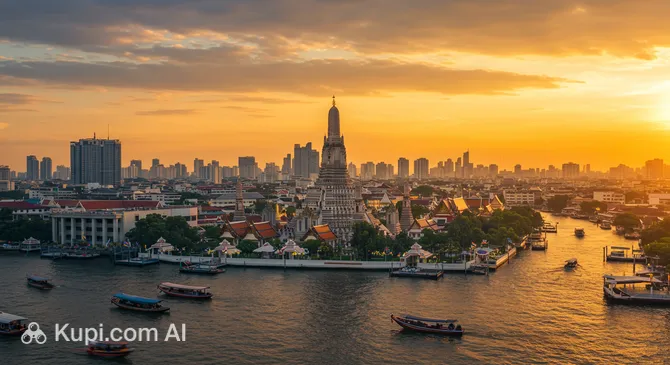
Bangkok. Source: Kupi.com Binoculars

Thailand is famous for its magnificent Buddhist temples, which reflect the nation's deep spirituality and rich historical heritage. When visiting these sacred sites, it is important to dress modestly by covering shoulders and knees to show respect. One of the most iconic landmarks is the Grand Palace in the capital. Beyond its cultural treasures, the country offers endless opportunities for relaxation and adventure: from the world-renowned beaches of Phuket to the lush jungles and mountain scenery of the north. For Muslim travellers, halal food is widely available in popular tourist areas, with many restaurants and street food vendors offering certified options.

The warm tropical climate makes Thailand an appealing destination at any time of year. With a significant local Muslim population, especially in the south, the country is well-equipped for Muslim visitors, offering numerous mosques and prayer facilities in major cities like Bangkok and Phuket. But the main thing that captivates visitors is the famous Thai hospitality and friendly atmosphere—it's no wonder Thailand is called the "Land of Smiles." A trip here promises to be an unforgettable adventure, full of vibrant experiences and discoveries.
Currency

The national currency of Thailand is the Thai Baht (THB). All banknotes feature a portrait of His Majesty the King of Thailand. Banknotes of various denominations, which differ in colour and size, are in circulation, as are coins. It is advisable to carry both notes and coins for ease of payment, especially in smaller shops and at markets.

You can exchange currency at banks and licensed exchange counters in airports, shopping centres, and tourist areas. The exchange rate at banks and official booths is usually more favourable than at hotels; for travellers from the UAE, the exchange rate is approximately 1 AED to 8.9 THB, though this is subject to change. It is best to avoid exchanging money with street vendors. Credit cards (Visa, Mastercard) are widely accepted in most hotels, restaurants, and large stores, particularly in popular tourist destinations. However, it is better to have cash on hand for payments in small shops, at markets, or for taxi fares.

Visa Requirements

When planning your trip to Thailand, it's important to understand the visa requirements specific to your nationality. For citizens of the United Arab Emirates, there is a visa exemption scheme for tourism and short-term business, allowing a stay of up to 60 days without a visa. This makes travelling from the UAE straightforward. However, for UAE residents who are expatriates, visa requirements depend on the passport you hold. Some nationalities may need to apply for a visa in advance, while others might be eligible for a visa on arrival.

Regardless of your visa status, all travellers to Thailand must hold a passport with at least six months of validity from the intended date of entry. It is also highly recommended to have a confirmed return ticket, proof of accommodation, and a medical insurance policy, as immigration officers may ask to see these documents upon arrival. Since entry and visa regulations can change, it is essential to verify the most current information with the Royal Thai Embassy or Consulate in the UAE before your journey.

We'll tell you if you need a visa

Specify where you are going, or
Your citizenship
Destination

Time Zones

When planning your trip to Thailand, you will not need to worry about changing time zones within the country. The entire Kingdom observes a single time zone, Indochina Time (ICT), which is GMT+7. For travellers from the UAE, it is useful to know that Thailand is three hours ahead of Gulf Standard Time (GST). This means the time in Bangkok, Phuket, Chiang Mai, and other popular resorts and cities is always the same, making it easier to plan your movements and activities.

How to Get There

The easiest way to get to Thailand is by air. The country has several international airports, the main one being Suvarnabhumi Airport in Bangkok, which receives flights from all over the world. For travellers from the UAE, there are numerous direct flights to Thailand's key destinations. Major carriers like Emirates, Etihad Airways, Air Arabia, and flydubai operate regular services from Dubai, Abu Dhabi, and Sharjah. These flights connect to Bangkok, Phuket, and Krabi, allowing for convenient access to both the capital and popular holiday resorts. In addition to the capital's airport, international flights are also handled by airports in popular resorts such as Phuket and Chiang Mai, allowing tourists to arrive closer to their holiday destination.

For those who prefer land travel or combined routes, Thailand is also accessible by land. The country shares land borders with Malaysia, Laos, Cambodia, and Myanmar, with bus services running across them, and there is also a rail connection with Malaysia. Sea transport is less popular for arriving directly in the country from distant regions; however, some cruise liners include Thai ports in their itineraries. In any case, it is strongly recommended to book tickets, especially flights, and accommodation in advance, particularly if your trip falls during the peak tourist season (usually from November to February), to secure the best prices and availability.

For your reference, here is a summary of the main airports:

Airport Name City Passenger Traffic
SuvarnabhumiBangkokLarge
Chiang Mai International AirportChiang MaiLarge
Phuket International AirportPhuketMedium
Krabi AirportKrabiSmall
Chiang Rai International AirportChiang RaiSmall

Thailand is a country of incredible diversity, offering travellers a kaleidoscope of experiences. Everyone can find their perfect spot here: from bustling metropolises to serene beaches and ancient cultural centres. One of the most vibrant and essential cities to visit is, of course, the capital – Bangkok. This city of contrasts captures the imagination: modern skyscrapers stand alongside magnificent royal palaces, ancient temples, and lively floating markets. Halal food options are widely available, from street food stalls to dedicated restaurants. When visiting temples, it is important to dress modestly by covering shoulders and knees as a sign of respect.

Bangkok. Source: Kupi.com Binoculars

For those who dream of sun, sea, and a carefree holiday, Thailand offers world-renowned resorts. Pattaya attracts tourists with its dynamic atmosphere, a wide choice of family-friendly entertainment like water parks, and long beaches. No less popular is the island of Phuket, which is famous for its picturesque bays, crystal-clear Andaman Sea water, and luxurious hotels. Many resorts and restaurants in these areas cater to Muslim travellers by providing halal-certified meals. Here you can find both lively beaches with well-developed infrastructure and secluded spots for quiet relaxation.

If your heart longs for ancient culture and a tranquil atmosphere, head to the north of the country. Chiang Mai, surrounded by mountains, is captivating with its numerous temples, unique craft traditions, and the opportunity to experience the distinctive culture of northern Thailand. Remember to adhere to the respectful dress code when exploring its sacred sites. The city is also known for its significant Muslim community and "Halal Street," making it easy to find authentic local cuisine. Each of these destinations is just a small part of what hospitable Thailand has to offer, inviting you to discover its unforgettable charm.

Top Attractions

Thailand is renowned for its world-class hospitality and a remarkable variety of attractions, certain to impress even the most seasoned traveller. From ancient temples and vibrant markets to tropical beaches and luxurious shopping centres, there is truly something for everyone to enjoy.

One of the most iconic experiences in Thailand's northern capital is the Chiang Mai Night Bazaar. More than just a market, it is a kaleidoscope of colours, aromas, and sounds. Here, you can discover unique handmade crafts, sample local delicacies, and immerse yourself in the lively evening atmosphere of Chiang Mai. Numerous halal food stalls can be found in and around the market area, particularly in the Hilal Town (Halal Street) district near the bazaar.

Chiang Mai Night Bazaar. Source: Kupi.com Binoculars

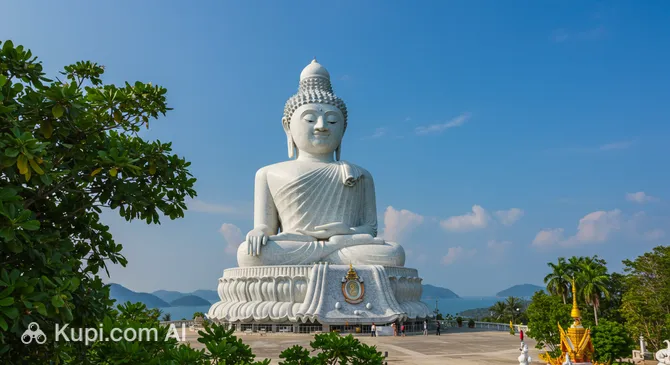
On the island of Phuket stands the majestic statue of the Big Buddha. This 45-metre-tall, white marble figure is visible from afar and serves as both an important spiritual site and a popular tourist destination with panoramic views of the island. As this is a religious site, visitors are required to dress modestly, ensuring shoulders and knees are covered. Sarongs are available for purchase at the entrance if needed.

Big Buddha. Source: Kupi.com Binoculars

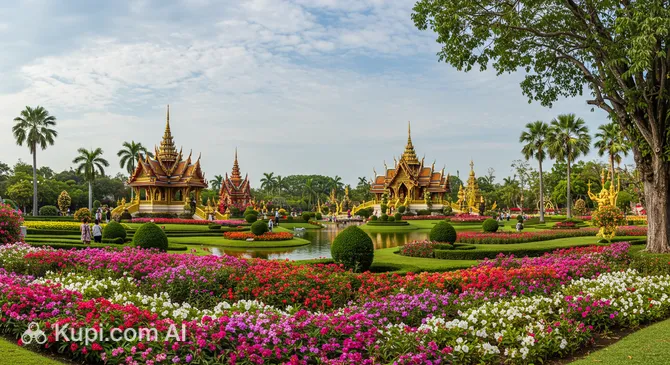
For lovers of nature, a visit to the Nong Nooch Tropical Botanical Garden is essential. This expansive park near Pattaya features an incredible variety of themed gardens, from a formal French garden to cactus and orchid nurseries, alongside colourful cultural shows. While there are no dedicated prayer rooms, ample quiet space is available for prayer, and the garden also features religiously significant sites like the nine prayer flags of Bhutan.

Nong Nooch Botanical Garden. Source: Kupi.com Binoculars

For those seeking a vibrant evening atmosphere, Pattaya Walking Street comes alive after sunset. The street transforms into a dazzling display of lights, music, and energy. It is lined with a wide array of restaurants, including many offering fresh seafood and international cuisine, as well as numerous street food vendors and shops, making for a lively and memorable night out. Halal food options are also available in the vicinity.

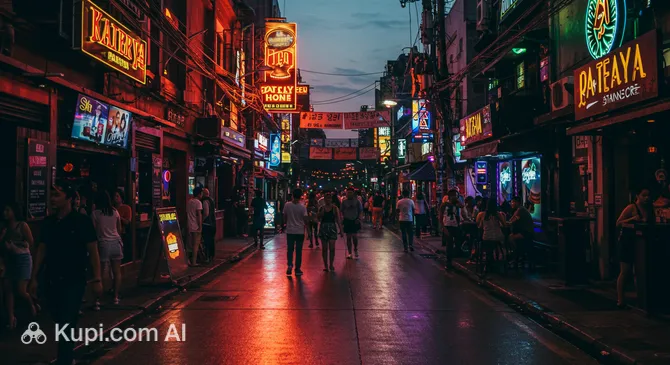
Pattaya Walking Street. Source: Kupi.com Binoculars

Best Time to Visit

Choosing the best time to visit Thailand largely depends on your preferences and plans. The high season traditionally runs from November to March. During this period, the weather is most comfortable: dry, sunny, and with moderate temperatures, making it a pleasant escape from the UAE heat. This is the ideal time for a beach holiday in resorts like Phuket, as well as for city excursions, including the bustling Bangkok or the cultural centre of Chiang Mai. The main advantage is the excellent weather for any activity. However, it's worth noting that this is the busiest tourist period, and prices for accommodation and services can be significantly higher. Many resorts and restaurants, especially in popular tourist areas, offer halal food options to cater to visitors.

The low season, also known as the rainy season, typically runs from May to October. This can be an excellent option for those looking to travel from the UAE during the summer holidays, offering great value for money. It is characterised by high humidity and frequent, but usually brief, tropical downpours that often occur in the afternoon. The air temperature remains high. The advantages of travelling at this time include lower prices for hotels and flights, fewer tourists at popular attractions, and incredibly lush, emerald-green scenery. Potential downsides include the possibility of some sea excursions being cancelled due to weather and possible restrictions on ferry services to certain islands. It is also worth mentioning the hot season from March to May, when air temperatures reach their peak before the rainy season begins.

The climate in Thailand has its own regional characteristics. For example, on the Gulf of Thailand resorts (such as Koh Samui, Koh Phangan, Koh Tao) and the Andaman coast (like Krabi, Phi Phi Islands), the seasons can differ slightly, so it is advisable to check the local weather forecast before travelling to a specific region. When planning your trip, also take note of major festivals. In April, the entire country celebrates the Thai New Year, Songkran, famous for its lively water fights. In November (the date varies according to the lunar calendar), the incredibly beautiful festival of lights, Loy Krathong, takes place, where thousands of decorated floats (krathongs) are released onto the water. When visiting temples and cultural sites, which are often part of festival celebrations, it is important to dress modestly. This means covering your shoulders and knees as a sign of respect.

Traditions

When travelling to Thailand, it is important to familiarise yourself with the local cultural traditions to ensure your journey is comfortable and respectful towards the residents. The foundation of Thai etiquette is respect, particularly for elders, monks, and the Royal Family. The traditional greeting, the 'wai'—placing the palms together at chest or face level with a slight bow—is an important part of communication. The depth of the bow and the height of the hands depend on the status of the person you are greeting. A smile is a universal language in the 'Land of Smiles' and will help you connect with people in any situation. Try to avoid touching another person's head, as the head is considered a sacred part of the body. Conversely, the feet are considered the 'lowest' part of the body, so you should not point them at people or sacred images, nor sit with your feet pointing towards Buddha statues in temples. Public displays of strong emotion, especially anger, or speaking loudly are considered impolite.

When visiting temples and royal palaces in Thailand, pay special attention to your clothing: it must be modest, covering your shoulders and knees. It is customary to remove your shoes before entering temple buildings and private homes. Thais are very hospitable, and if you are invited into a home, a small token of appreciation (such as fruit or sweets) will be valued, although it is not strictly required. At the dining table, people typically use a spoon (in the right hand) and a fork (in the left, used to push food onto the spoon). Chopsticks are mainly used for noodle dishes. Among the many colourful festivals, Songkran (the Thai New Year in April), known for its lively water festivities, and Loy Krathong (usually in November), when thousands of small, candlelit floats (krathongs) are released into waterways, are particularly special. Knowing these simple rules will help you gain a deeper understanding of Thailand's culture and earn the respect of its local people.

Entertainment

Thailand is a country where everyone can find entertainment to suit their tastes, from quiet contemplation to active adventures. Fans of active recreation can enjoy diving and snorkelling in the crystal-clear waters of the Andaman Sea or the Gulf of Thailand, go on treks through tropical jungles, or take part in water sports. For connoisseurs of cultural entertainment, the country offers numerous ancient temples, majestic palace complexes, museums, and galleries that showcase its rich history and art. When visiting temples and other religious sites, it is important to dress modestly by covering shoulders and knees as a sign of respect.

As evening falls, many of Thailand’s cities, especially Bangkok and Pattaya, come alive with a vibrant night life. Here you can find a wide array of evening entertainment, including restaurants with live music and bustling night markets. Many establishments, particularly in major tourist areas, offer excellent halal food options. Shopping in Thailand is a true adventure, from huge modern shopping centres to colourful street markets where you can purchase silk products, jewellery, exotic souvenirs, and, of course, famous Thai spices and cosmetics.

For a family holiday, Thailand also provides a wealth of options. A variety of theme parks, impressive water parks, and ethical sanctuaries where you can get up close with local wildlife, such as elephants, offer unforgettable experiences for both children and adults. Many resort areas provide special entertainment programmes and amenities for travellers with children, ensuring a comfortable and fulfilling holiday.

Currency rates

Planning a trip? That's wonderful! To ensure the financial aspects of your journey don't come as a surprise, it’s important to remember that currency exchange rates are constantly changing. Therefore, we strongly advise monitoring the latest rates, both before you depart and throughout your trip. You can use the data provided below for this purpose — we monitor currency rates 24/7 and aim to provide the most up-to-date information.

THB currency exchange rate as of 02.01.2026

1 AED
~ 8.54 THB
12.16 AMD
~ 1 THB
1 AUD
~ 20.93 THB
1 AZN
~ 18.45 THB
1 BYN
~ 10.67 THB
1 CAD
~ 22.85 THB
1 EUR
~ 36.84 THB
1 GBP
~ 42.26 THB
10.43 HUF
~ 1 THB
2.87 INR
~ 1 THB
2.79 KGS
~ 1 THB
46.04 KRW
~ 1 THB
16.18 KZT
~ 1 THB
1 PLN
~ 8.74 THB
2.51 RUB
~ 1 THB
1 SAR
~ 8.36 THB
1 SGD
~ 24.40 THB
1.37 TRY
~ 1 THB
1.35 UAH
~ 1 THB
1 USD
~ 31.37 THB
382.98 UZS
~ 1 THB

Reached the end of the page?

That means the route is fully explored