Support

Nan

About

Nestled in a verdant valley along the border with Laos, Nan is a captivating destination that offers a glimpse into the authentic soul of Northern Thailand. Unlike the bustling tourist hubs of Chiang Mai or Chiang Rai, this provincial capital maintains a serene and laid-back atmosphere, making it a perfect retreat for travelers seeking tranquility and cultural immersion. The city is defined by its slow pace of life, where ancient traditions blend seamlessly with the natural beauty of the surrounding landscape.

Geographically, the city is situated on the banks of the Nan River, enclosed by layers of mist-covered mountains that provide a stunning backdrop to daily life. With a population of approximately 20,000 residents, the town feels intimate and accessible, allowing visitors to easily explore its charms on foot or by bicycle. The climate is generally pleasant, with cooler temperatures during the winter months that make outdoor exploration particularly enjoyable.

The region boasts a distinct heritage that dates back centuries, having once been an autonomous kingdom isolated from the rest of the country. You can learn more about the fascinating history of Nan and its evolution by visiting the local landmarks that testify to its glorious past. The influence of the Lanna culture is evident in the architecture of its temples and the warm hospitality of its people.

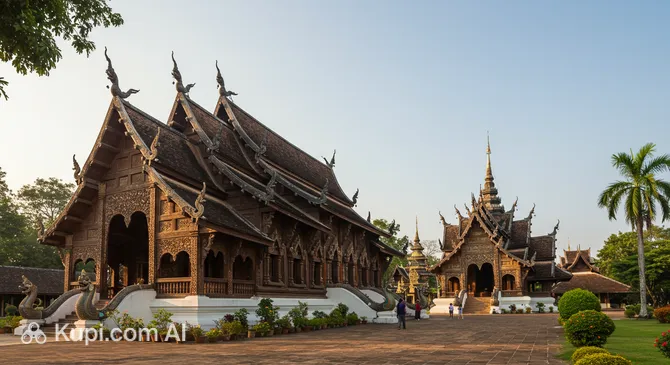
Among the city's highlights is the renowned Wat Phumin, famous for its unique cruciform design and the iconic "Whispering" mural painting, which has become a symbol of the province. Another must-visit spot is the Nan National Museum, loved by photographers for the picturesque tunnel of Frangipani trees that frame its entrance. Whether you are admiring intricate temple art or enjoying the peaceful river views, Nan invites you to slow down and savor the authentic beauty of the north.
Weather Overview

The climate in Nan is generally warm and tropical, characterized by three distinct seasons that shape the rhythm of local life. Visitors can generally expect hot temperatures leading up to the monsoon, followed by a humid rainy season, and finally a cool, dry winter which is widely considered the best time to visit. Understanding these patterns is key to packing the right gear, whether it is sun protection for the summer heat or a light jacket for crisp winter mornings.

The cool season, spanning from November to February, offers the most comfortable conditions for exploration. During December and January, the weather is exceptionally dry with virtually 0mm of precipitation and average temperatures hovering around 22.5°C. Nighttime lows can drop to approximately 16.5°C, creating a refreshing atmosphere that is perfect for walking around the city or trekking in the surrounding hills. This period sees very few wet days, ensuring clear blue skies for your travel photos.

As the year progresses, the heat intensifies, peaking in April with average highs reaching 35.0°C. This is followed by the rainy season, which brings lush greenery to the province from May through October. While August is typically the wettest month in terms of frequency, recording rain on about 29 days, the showers often bring a welcome relief from the heat. For a more comprehensive look at what to expect during your specific travel dates, you can consult the detailed guide to the weather in Nan.

Interesting Facts

Beyond the main attractions, Nan holds many fascinating secrets that reveal its deep cultural roots and unique history. Here are some intriguing details that make this northern city truly special.

Wat Si Phan Ton. Source: Kupi.Binoculars
  • The Nan National Museum guards a legendary artifact known as the "Black Elephant Ivory." This rare, reddish-black tusk is believed to have been offered to a former ruler over 300 years ago and is revered as a sacred object that ensures the stability and prosperity of the province.

  • Architectural enthusiasts will be intrigued by the Nan Noble House (Hong Chao Fong Kham), a sprawling teak mansion built over 150 years ago. Remarkably, the entire structure was assembled without the use of a single iron nail, relying instead on traditional interlocking wood techniques to withstand the test of time.

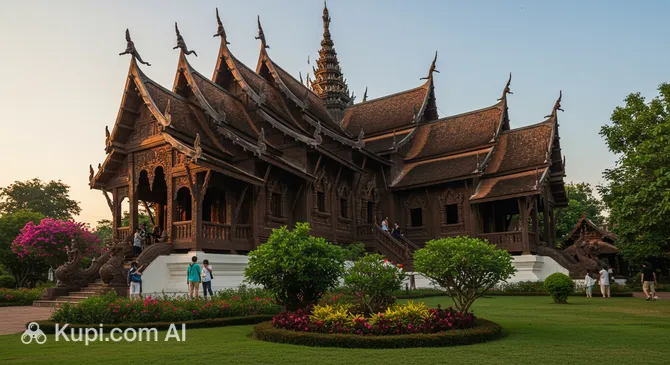
  • The city is home to Wat Ming Mueang, a temple that houses the official City Pillar. Unlike typical Lanna styles, this shrine features incredibly intricate white stucco designs that were hand-carved by local artists, giving it a distinct appearance often compared to the famous White Temple in Chiang Rai.

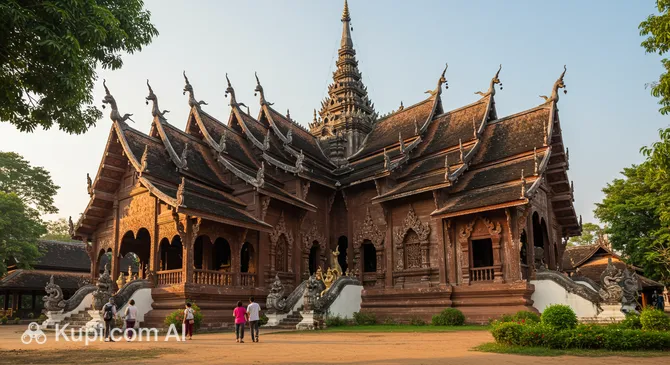
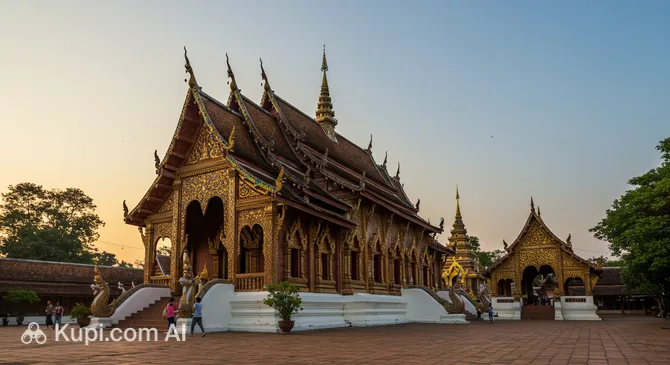
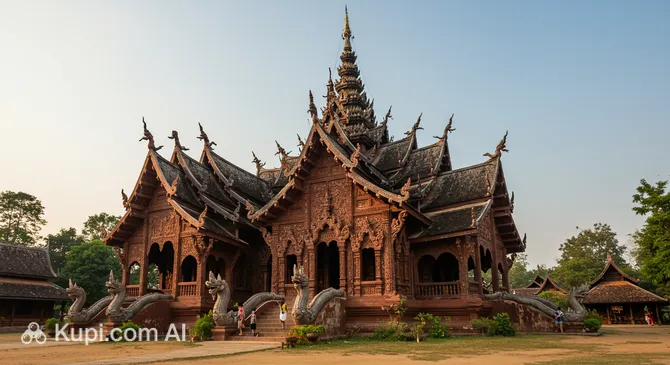
  • Wat Si Phan Ton is instantly recognizable for its glittering golden viharn that shines brilliantly in the sunlight. The temple entrance is guarded by two magnificent seven-headed Naga serpents, which are celebrated as some of the most exquisite Naga sculptures in the entire region.

How to Get There

Reaching this charming province is relatively convenient, with air travel being the most popular and time-efficient option for most visitors. For travelers planning their journey, you can find more about how to get to Nan, including detailed routes and tips, to help organize your trip effectively.

The most direct way to arrive is by flying into Nan Airport (NNT), which is conveniently located within the city itself. Situated just 2.4 km from the city center, it serves as the primary gateway for tourists. The transfer from the terminal to downtown is incredibly quick, taking approximately 5-10 minutes by taxi or shuttle, making it an effortless start to your vacation. This domestic airport handles a steady stream of travelers and offers regular connections to Bangkok.

Alternatively, if you are exploring the wider region, you might consider flying into Chiang Rai International Airport (CEI). However, it is important to note that this airport is located in the city of Chiang Rai, approximately 159.5 km away from Nan. While it is a larger hub with more flight options, the journey by road from Chiang Rai to Nan takes considerably longer—expect a travel time of around 4 hours and 20 minutes by taxi or private transfer. Another regional option is Lampang Airport (LPT) in Lampang, roughly 145 km away, though the drive is similarly lengthy.

For clarity, here is a summary of the main airports serving the region:

Airport Name City Passenger Traffic Km from City
Chiang Rai International Airport Chiang Rai Large 159.5
Nan Airport Nan Medium 2.4
Muang Ton Pheung (Bokeo International) Ban Saeo Medium 181.5
Loei Airport Loei Small 179.5
Lampang Airport Lampang Small 145.0

Main Attractions

The city's cultural heart beats strongest at Wat Phumin, arguably the most famous landmark in the province. This temple is renowned for its rare cruciform architecture, where four Buddha statues face the cardinal directions, seemingly watching over the city. Inside, the walls are adorned with ancient murals that depict local life and folklore, including the iconic "Whisper of Love" painting of a man whispering to a woman. This image has become the symbol of Nan and is a must-see for anyone visiting the north.

Wat Phumin. Source: Kupi.Binoculars

Just a short walk away lies the Nan National Museum, situated in the former palace of the last feudal lord of Nan. The building itself is a beautiful blend of European and local architectural styles, reflecting the aristocratic history of the region. Visitors are often drawn to the Frangipani Tunnel at the entrance, a picturesque row of trees that is perfect for photography. Inside, the museum houses an impressive collection of artifacts, including ethnic textiles and ancient weapons, offering a deep dive into the province's heritage.

Nan National Museum. Source: Kupi.Binoculars

For a glimpse into the region's spiritual traditions, Wat Suan Tan offers a serene escape. Located slightly outside the old city walls, this temple is distinguished by its towering prang (spire) built in the Sukhothai style. It enshrines the Phra Chao Thong Thip, a large bronze Buddha statue dating back hundreds of years, which is believed to possess the power to summon rain. The temple grounds are peaceful and provide a great opportunity to observe local religious practices away from the main tourist crowds.

Wat Suan Tan. Source: Kupi.Binoculars

Those interested in traditional architecture should not miss the Nan Noble House (Hong Chao Fong Kham). This sprawling teak mansion is a living museum that preserves the lifestyle of the local nobility from over a century ago. The house displays antique furniture, silverware, and intricate textiles, while the basement area often features demonstrations of traditional weaving. It is a fascinating place to learn about the domestic history and craftsmanship of the Lanna culture.

Local Cuisine

The culinary landscape of Nan is a delightful reflection of its Lanna heritage, characterized by bold flavors and fresh, locally sourced ingredients. Unlike the sweeter curries found in central Thailand, the food here leans towards savory, salty, and spicy notes, almost always accompanied by the region's staple, sticky rice. Dining in this province is not just about sustenance; it is an exploration of Northern traditions where herbs and spices take center stage.

You cannot leave the city without trying Khao Soi, a rich coconut curry noodle soup topped with crispy noodles and served with pickled mustard greens and lime. Another local favorite is Sai Oua, a grilled pork sausage packed with aromatic herbs like lemongrass, galangal, and kaffir lime. For something truly unique to this riverside province, look for Kai (river weed). This freshwater algae is harvested from the Nan River, seasoned with sesame and garlic, and fried into crispy sheets known as Kaipen, often served as a savory snack.

Erabica Coffee. Source: Kupi.Binoculars

The heart of the local food scene beats at the night markets, particularly the famous walking street near Wat Phumin held on weekends. Here, the atmosphere is communal and relaxed, with a designated area where locals and tourists sit on low mats in the traditional Khan Tok style to enjoy their meals under the stars. It is the perfect place to sample Nam Prik Ong, a mild tomato-based chili dip served with fresh vegetables and pork cracklings.

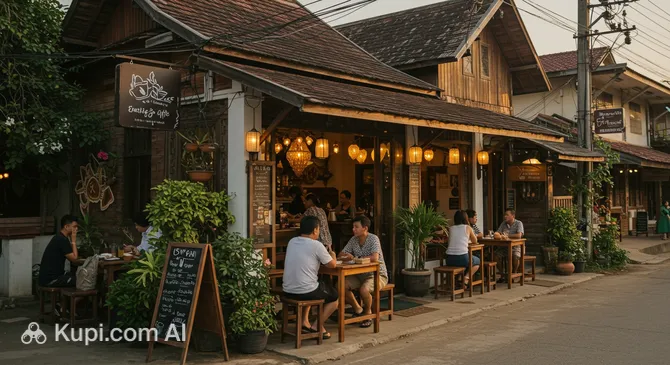
Nan is also gaining a stellar reputation for its coffee culture, thanks to the Arabica plantations thriving in the surrounding misty highlands. Coffee lovers should visit Erabica Coffee to taste robust local blends in a cozy setting that highlights the province's agricultural success. For a relaxed sit-down meal featuring a mix of Thai and international comfort food, Nan Green House is a popular choice among travelers, offering a friendly atmosphere to unwind after a day of sightseeing.

Travel Tips

Visiting Nan is a delightful experience that feels vastly different from the hustle of Thailand's major tourist hubs, offering a slower and more authentic pace of life. To help you fully embrace the charm of this northern province and navigate your journey with ease, here are some practical tips to keep in mind.

  1. Clothing and Gear: Since Nan has a tropical climate, light and breathable fabrics like cotton or linen are ideal for the daytime. However, if you are visiting during the cool season (November to February), bring a warm jacket or sweater, as temperatures can drop significantly in the mornings and evenings. For temple visits, modesty is key; always carry a sarong or scarf to cover your shoulders and knees to respect local customs.
  2. Transportation: The city center is compact and traffic is light, making it one of the most bicycle-friendly cities in Thailand. Many guesthouses offer free bike rentals, or you can rent a scooter to explore the surrounding countryside. Public transport consists mainly of Songthaews (shared pickup trucks) and motorcycle taxis; ride-hailing apps like Grab are available but may have fewer drivers than in Bangkok.
  3. Finances: While hotels and larger restaurants often accept credit cards, cash is king in Nan, especially at night markets, street food stalls, and local shops. The currency is the Thai Baht (THB). ATMs and currency exchange booths are readily available around the city center, particularly near 7-Eleven stores, but it is wise to carry small bills for minor purchases.
  4. Health and Safety: Nan is a very safe city for tourists with low crime rates. Pharmacies are plentiful and well-stocked for minor ailments, and the main Nan Hospital provides reliable medical care if needed. Be sure to pack mosquito repellent, especially if you plan to dine outdoors in the evening or trek in the national parks.
  5. Communication: English is spoken in hotels and tourist-centric cafes, but it is less widespread among local vendors and older residents. It is highly recommended to download a translation app or learn a few basic Thai phrases like Sawasdee (Hello) and Khop Khun (Thank you). You can easily purchase a tourist SIM card at the airport or convenience stores for reliable 4G coverage.
  6. Local Etiquette: The culture in Nan is deeply rooted in Lanna traditions. Always remove your shoes before entering a temple, a private home, and even some shops. Greeting locals with a Wai (pressing your palms together at chest level) is a polite gesture that is always appreciated. Monks are highly respected; women should never touch a monk or hand anything directly to them.
  7. What to Avoid: Avoid pointing your feet at people or religious images, as the feet are considered the lowest and dirtiest part of the body in Thai culture. Also, refrain from raising your voice or showing aggression; keeping a "cool heart" (jai yen) is essential to maintaining good relations and saving face in difficult situations.
  8. Additional Tip: Life in Nan moves slowly and shuts down relatively early compared to other Thai cities. Most shops and cafes may close by 8:00 PM or 9:00 PM, so plan your dinners accordingly. However, if you are there on a weekend, the pedestrian walking street in front of Wat Phumin is lively until around 10:00 PM and is the best place to soak up the local vibe.

By keeping these simple tips in mind, you will be well-prepared to relax and enjoy the unique tranquility that Nan has to offer. The locals are known for their warmth and hospitality, so don't be afraid to smile and engage with the community as you explore this hidden gem of the north.

Entertainment & Nightlife

Entertainment in Nan is a reflection of its serene lifestyle, offering a refreshing departure from the high-energy nightlife found in other Thai tourist destinations. Instead of loud nightclubs, the evenings here are defined by vibrant night markets, cultural performances, and relaxing riverside gatherings. The city comes alive in a gentle way after sunset, inviting visitors to engage with the local community and enjoy the cool evening air.

The highlight of the week is undoubtedly the Nan Walking Street (Kad Nan), held every Friday, Saturday, and Sunday evening. Located directly in front of Wat Phumin, this pedestrian zone transforms into a bustling hub of activity. It is the perfect place to shop for traditional textiles and handicrafts, but the real draw is the food. In the plaza, mats are laid out for diners to enjoy their meals in the traditional Khan Tok style while watching live folk music and dance performances, creating a communal atmosphere that is uniquely Northern.

For those interested in hands-on cultural experiences, a visit to the Nan Noble House (Hong Chao Fong Kham) offers more than just a history lesson. This living museum frequently hosts demonstrations of traditional weaving, allowing you to observe the intricate techniques used to create Nan's distinctive fabrics. It is a wonderful opportunity to appreciate the region's craftsmanship up close in a peaceful, historic setting.

Nan Noble House. Source: Kupi.Binoculars

If your visit coincides with the end of the Buddhist Lent, usually in October or November, you will witness the city at its most energetic during the famous Nan Boat Racing Festival. Held on the Nan River, this event features elaborately decorated longboats manned by dozens of rowers competing for the Royal Trophy. Even outside of festival times, the riverfront is a lovely spot for an evening stroll or a casual drink at one of the small, laid-back bars that offer scenic views of the water.

Active travelers will find that Nan is best explored on two wheels. The city is incredibly bicycle-friendly, with flat roads and light traffic that make cycling a pleasure. Renting a bike allows you to weave through the quiet lanes, discovering hidden temples and wooden shophouses at your own pace. For a more immersive nature experience, the surrounding province offers excellent trekking and rafting opportunities, serving as a gateway to the lush national parks of the region.

Parks & Museums

While Nan may not be known for expansive urban parks in the traditional sense, the city itself feels like a garden, with its lush vegetation and open spaces integrated seamlessly into cultural sites. The province's rich heritage is preserved not just in its temples, but in well-curated museums that offer a deep dive into the region's history, ethnology, and art. For visitors, these institutions provide essential context to the unique Lanna culture found in Northern Thailand.

The premier cultural institution is the Nan National Museum, housed in the elegant Hor Kham, the former palace of the last feudal lord of Nan. Beyond its photogenic Frangipani tunnel, the museum’s interior is a treasure trove of knowledge. The ground floor is dedicated to the ethnology of the various hill tribes inhabiting the province, including the Thai Lue, Hmong, and Mien, showcasing their distinct textiles, silver jewelry, and daily utensils. The upper floor focuses on archaeology and royal history, displaying rare Buddha images and the regalia of the city's past rulers.

For a more intimate perspective on local history, the Nan Noble House, also known as Hong Chao Fong Kham, serves as an exceptional living museum. This award-winning teak mansion, raised on stilts in the traditional style, preserves the domestic atmosphere of the nobility from over a century ago. Visitors can wander through the open-air basement and upstairs living quarters to admire antique household items, ancient weapons, and intricate wood carvings. The house is surrounded by a peaceful, well-maintained garden that adds to the sense of stepping back in time.

Although the city center lacks large public parks, the banks of the Nan River function as the town's primary green space. In the early mornings and late afternoons, the riverside promenade fills with locals jogging, cycling, or simply enjoying the fresh air against the backdrop of the mountains. Furthermore, the city serves as the perfect gateway for nature enthusiasts heading to the province's magnificent national parks, such as Doi Phu Kha, where the true wilderness of the region can be explored just a short drive away.

Getting Around

Navigating Nan is a refreshing change of pace compared to the chaotic traffic of larger metropolises. As a compact provincial capital with a population of around 20,000, the city does not have a mass transit system like a metro, skytrain, or tram network. Instead, the public transport infrastructure relies primarily on road-based options that are functional, affordable, and easy to use. The small size of the city center means that for many visitors, the main attractions are accessible simply by walking or cycling, which fits perfectly with the town's "slow life" philosophy.

The most common form of local public transport is the Songthaew, a converted pickup truck with two bench seats in the back. In Nan, these are typically blue or red. They operate somewhat like shared taxis or buses, running on general routes around the city and to nearby districts. There are no fixed stops; you simply flag one down from the side of the road. To get off, you press a buzzer located on the roof of the passenger area. For shorter distances within the town, motorbike taxis are also available, recognizable by the drivers wearing colored vests (usually orange). They are faster and ideal for solo travelers who need to get to a specific destination quickly.

Regarding payments, cash is the only accepted method for local transport. There are no travel cards, passes, or digital ticketing apps for the Songthaews or motorbike taxis. Fares are generally very low, typically ranging from 20 to 50 THB for trips within the city limits. It is essential to carry small bills and coins, as drivers often do not have change for large banknotes. You pay the driver directly after you have reached your destination and exited the vehicle. Negotiating the price beforehand is recommended if you are hiring a vehicle for a private charter or going off a standard route.

A unique feature for visitors is the Nan Sightseeing Tram. While not a public commuter vehicle, this open-air electric bus or trolley is designed specifically for tourists. Departing from the Tourist Information Center near Wat Phumin, it offers guided tours around the city's major temples and historical sites. It is an excellent and comfortable way to get an overview of the old town's layout without walking in the heat. Tickets are inexpensive, and the tours usually run a few times a day, providing commentary on the local history and culture.

For those who prefer more independence, renting a vehicle is a very popular alternative. Motorbike rentals are widely available at guesthouses and shops throughout the city center and are the preferred way to explore the wider province. Bicycle rentals are also common and sometimes provided free of charge by hotels, as the city's flat terrain and quiet roads make it incredibly bike-friendly. App-based ride-hailing services like Grab do operate in the city, but the fleet is smaller than in major tourist hubs, so wait times can be longer.

When planning your travel, keep in mind that public transport in Nan does not operate 24 hours a day. Songthaews and motorbike taxis tend to become scarce after 6:00 PM or 7:00 PM. If you plan to stay out late for dinner or the night market, it is wise to arrange your return transport in advance or rely on walking if your accommodation is central. Always confirm the destination with the driver before hopping in, as English proficiency may vary, and having your destination written in Thai can be very helpful.

Accommodation

Where to Stay:

Finding the perfect place to stay in Nan is an integral part of the travel experience, as the accommodation options here perfectly mirror the province’s charming and laid-back character. Unlike major tourist hubs dominated by high-rise international chains, this city is celebrated for its intimate boutique hotels, family-run guesthouses, and beautifully restored wooden homes that showcase traditional Lanna architecture. Whether you prefer being in the heart of the action or waking up to river views, the choices are generally affordable and brimming with local hospitality.

For most visitors, the best area to stay is within the Old City, particularly in the vicinity of Wat Phumin and the Nan National Museum. Choosing a hotel here puts you within easy walking distance of the main cultural attractions and the weekend night market. This central zone is dotted with small inns and hostels often tucked away in quiet lanes, allowing you to explore the town on foot or by bicycle with ease.

Another excellent location for convenience is the area surrounding Wat Ming Mueang, home to the City Pillar. Staying in this neighborhood offers a blend of accessibility and local life, with plenty of cafes and shops nearby. The accommodations here often reflect the town's artistic heritage, providing a comfortable base for your daily explorations.

Wat Ming Mueang. Source: Kupi.Binoculars

If you are seeking a more scenic and tranquil atmosphere, consider looking for accommodation along the banks of the Nan River. Located just a short distance from the city center, these properties range from simple riverside bungalows to more upscale resorts with lush gardens. Staying here offers the advantage of peaceful mornings watching the mist rise over the water and memorable sunsets, all while remaining close enough to town for dinner and sightseeing.

Travelers should be aware that accommodation in Nan is highly seasonal. During the cool winter months, especially from December to January, the province becomes a favorite destination for Thai tourists seeking cold weather. Consequently, hotels can fill up months in advance, and prices may rise. It is highly recommended to book your room well ahead of time if you plan to visit during this peak period to secure your preferred spot.

For those interested in a unique cultural immersion, look for guesthouses that occupy traditional teak wood buildings. These establishments often feature open-air common areas and classic Northern decor, providing a cozy, authentic feel that enhances the "slow life" vibe the city is famous for. While luxury 5-star facilities are rare, the warmth of the service and the charm of the surroundings more than make up for it.

Nearby Cities

For those looking to explore the surroundings, Nan serves as an excellent base for day trips to several interesting nearby locations. The region is dotted with historic towns and natural wonders that provide a deeper understanding of Northern Thailand's heritage.

One of the most popular excursions is to Phrae, located approximately 87 kilometers away. Known as the "Teak Capital," this ancient city is famous for its magnificent teak mansions, such as Khum Chao Luang, and the unique geological formations at Phae Mueang Phi Forest Park, often referred to as the "Grand Canyon of Thailand." It offers a fascinating look into the timber trade history that shaped the north.

Another worthwhile destination is Phayao, situated about 101 kilometers from Nan. The city is best known for Kwan Phayao, a vast semi-natural freshwater lake that creates a stunningly serene atmosphere, especially at sunset. Visitors often take boat rides to Wat Tilok Aram, a submerged temple located on a small island in the middle of the lake, making it a picturesque spot for relaxation and photography.

City Population Distance (km)
Ban Fang Tuen 19,326 135
Ban Mai 18,255 123
Phayao 17,467 101
Phrae 16,668 87
Dok Kham Tai 13,450 94

These nearby destinations offer a glimpse into the diverse culture and landscapes of the region, allowing travelers to experience the distinct charm of neighboring provinces within a single day.

Shopping & Souvenirs

Shopping in Nan is a delightful reflection of the province's "slow life" philosophy, offering a stark contrast to the commercialized mega-malls of Bangkok or Chiang Mai. Instead of high-end luxury brands, the retail scene here focuses on exquisite local craftsmanship, particularly traditional textiles and silverware. Visitors will find that browsing through the city's markets and boutiques is less about consumerism and more about connecting with the rich cultural heritage of the Northern people.

The most vibrant shopping destination in the city is undoubtedly the Nan Walking Street (Kad Nan), located directly in front of Wat Phumin. Held every Friday, Saturday, and Sunday evening, this pedestrian zone transforms into a bustling open-air market. It is the best place to find unique handmade items, from indigo-dyed clothes to intricate wood carvings. The atmosphere is lively yet relaxed, with locals setting up stalls to sell their wares alongside a wide array of street food.

For those accustomed to large retail complexes, Nan offers a modest selection. There are no massive luxury shopping centers here. However, for modern necessities, travelers can visit Big C Supercenter or Lotus's, located slightly outside the city center. These hypermarkets provide standard goods, groceries, and electronics, serving as the main commercial hubs for local residents. Within the town itself, the department store Nar Hyperminimart offers a smaller range of everyday items and clothing.

Beyond the evening walking street, the Morning Market (Kad Chao) offers a fascinating glimpse into daily life. Starting as early as 4:00 AM, this market is where locals buy fresh produce, spices, and breakfast treats. While it is primarily a food market, you can often find vendors selling traditional kitchenware and local snacks that make for interesting gifts. It is a sensory experience filled with the colors and smells of northern ingredients.

When it comes to souvenirs, Nan is famous for its distinct woven textiles, particularly the Lai Nam Lai (flowing water) pattern, which mimics the movement of the Nan River. These fabrics are crafted by the Tai Lue ethnic group and are fashioned into beautiful sarongs, scarves, and bags. Another prized local product is silverware. The province produces high-quality silver jewelry, often featuring intricate designs inspired by nature and tribal motifs. Foodies should also pick up some Kaipen (fried river weed sheets), a crispy and savory snack that is unique to this region.

Most independent shops and boutiques in the city operate from around 9:00 AM to 7:00 PM, though hours can be relaxed. The Walking Street typically runs from 5:00 PM until about 10:00 PM on weekends. Regarding payment, cash is essential. While the hypermarkets and some larger hotels accept credit cards, the vast majority of market stalls, small souvenir shops, and local eateries deal exclusively in Thai Baht. ATMs are widely available throughout the city for withdrawals.

Tourists should note that the VAT Refund for Tourists scheme, which allows for a 7% tax refund on goods, is generally available at larger chain stores like Big C or Lotus's if you spend a minimum amount. However, this is rarely applicable at local markets or small family-run handicraft shops. Therefore, shopping in Nan is best approached as an opportunity to support local artisans directly rather than seeking tax-free deals.

Reached the end of the page?

That means the route is fully explored