Support

Muang Xay

About

Muang Xay, often referred to simply as Oudomxay, is the bustling capital of Oudomxay Province and a vital crossroads in northern Lao, People's Dem. Rep.. Nestled in a picturesque valley surrounded by lush green mountains, this city serves as a strategic hub connecting the country to its neighbors. While it has traditionally been viewed as a stopover point for travelers, Muang Xay has developed a unique charm and vibrant atmosphere that invites visitors to linger and explore the authentic local lifestyle.
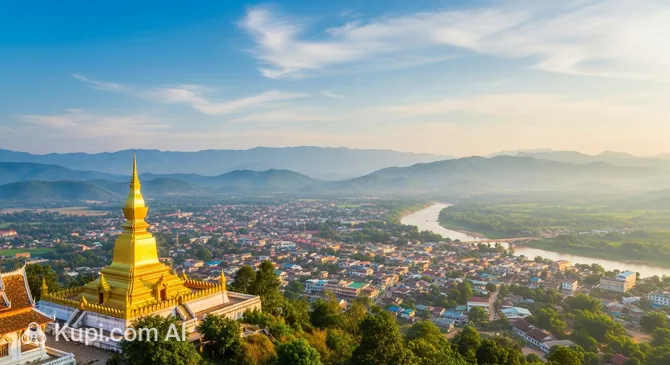
Muang Xay. Source: Kupi.Binoculars

Geographically, the city is situated between two rivers, the Nam Ko and the Nam Mao, creating a fertile and scenic environment. With a population of approximately 45,000 residents, it is one of the larger urban centers in the north, offering a mix of modern amenities and traditional culture. The climate here is generally pleasant, with cooler temperatures than the southern plains due to the surrounding elevation, making it a refreshing destination for exploration.

Although it is a modernizing trade center, the city retains deep roots. Those curious about the region's past can delve into the history of Muang Xay to understand how it transformed from a quiet settlement into a provincial capital. Today, it stands as a testament to the resilience and growth of the region, blending commercial activity with serene landscapes.

Visitors should not miss the iconic Phu That Stupa, a golden pagoda located on a hill overlooking the town. Climbing the stairs to this site rewards travelers with panoramic views of the entire valley, especially stunning during sunset. Another significant attraction nearby is the Chom Ong Cave, a spectacular natural wonder that extends for several kilometers and features impressive stalactites and stalagmites. For a taste of local culture, the bustling markets offer a glimpse into the daily lives of the diverse ethnic groups residing in the province.

Whether you are passing through on a journey across the north or looking for a base to explore the surrounding natural beauty, Muang Xay offers a welcoming and genuine experience. It is a place where the warmth of the people and the beauty of the landscape create lasting memories for every traveler.

Weather Overview

The climate in Muang Xay is characterized by distinct seasonal variations, offering travelers different experiences depending on the time of year. Generally, visitors can expect warm summers with frequent rainfall and significantly cooler, drier winters. To help plan your trip effectively, it is useful to review the detailed weather in Muang Xay before packing.

The cool, dry season runs roughly from November through February. During these months, average temperatures hover between 17.7°C and 20.9°C, with January and December being the coolest. Nights can feel quite brisk with minimums dropping to around 12.3°C, while daytime highs remain pleasant, reaching up to 26°C. Rainfall is minimal during this period, with very few wet days, making it an excellent time for outdoor activities.

As the year progresses into April and May, the heat intensifies, with average temperatures rising to 26.2°C and maximums exceeding 30°C. This warmth ushers in the wet season, which spans from June to September. August is typically the peak of this period, seeing rain on approximately 29 days. Despite the high frequency of wet days, the temperatures remain warm, averaging around 24°C to 25°C, ensuring the surrounding valley stays lush and green.

Interesting Facts

Beyond its reputation as a transport junction, Muang Xay conceals fascinating details that define its unique character. Situated in the heart of Oudomxay Province, this city is a dynamic blend of history and modernity, offering travelers a deeper understanding of life in northern Laos.

  • A Subterranean Giant: The Chom Ong Cave system is not merely a local attraction; it is a geological marvel. Spanning over 16 kilometers, it ranks as the longest cave in northern Laos. Despite its immense size, the cave remains largely undeveloped, offering an authentic experience for those willing to explore its depths.

  • The Golden Guardian: While the Phou That Stupa dates back centuries, the skyline is dominated by a more recent addition: a massive 15-meter tall standing Buddha. This gleaming statue symbolizes peace and prosperity, serving as a spiritual beacon visible from almost every corner of the valley.

  • Cross-Border Influence: Due to its proximity to the border and role as a logistics center, the city exhibits a distinct Chinese influence. It is common to find signs in Mandarin and enjoy authentic dumplings alongside traditional Lao sticky rice, creating a unique culinary and cultural fusion.

  • A Mosaic of Cultures: The province is home to over 20 distinct ethnic groups, including the Khmu and Hmong people. This diversity is best witnessed at the local markets, where a vibrant array of traditional clothing and the sounds of various dialects create a lively atmosphere.

How to Get There

Reaching Muang Xay has been transformed in recent years, primarily due to the city's role as a major station on the Laos-China Railway. This high-speed train line has significantly reduced travel times, making the journey through the mountainous north both comfortable and efficient. While the city acts as a strategic transport hub for Oudomxay Province, it does not have its own airport, so most visitors arrive by train or road after flying into a neighboring city. To plan your specific route, you can read more about how to get to Muang Xay and explore the available schedules.

The closest facility for air travel is Luang Namtha Airport (IATA: LXG), located approximately 68 km away in a straight line. However, travelers should be aware that the road journey involves winding mountain passes. Consequently, the transfer by taxi or local bus typically takes between 2 to 3 hours. This airport mainly serves domestic routes and offers a scenic, albeit slower, entry point to the region.

For better international connections and flight frequency, the preferred option is usually Luang Prabang International Airport (IATA: LPQ). Although situated roughly 90 km away geographically, the actual road distance is much longer. Fortunately, visitors can now take the train from Luang Prabang to Muang Xay, a trip that takes less than an hour—a stark contrast to the 4 to 5 hours previously required by road. This combination of flying into Luang Prabang and taking the train is often the most convenient choice.

For reference, here is a summary of the airports in the wider region:

Airport Name City Passenger Traffic Distance (Linear)
Xishuangbanna Gasa Airport Jinghong Large 190.2 km
Luang Prabang International Airport Luang Prabang Large 89.6 km
Dien Bien Airport Dien Bien Phu Medium 131.7 km
Xieng Khouang Airport Phonsavan Small 184.4 km
Luang Namtha Airport Luang Namtha Small 67.7 km

In addition to the railway, Muang Xay remains a vital node in the northern road network. Buses and minivans connect the city to other provincial capitals and border crossings. While overland travel offers stunning views of the lush countryside, visitors should note that road distances in the mountains often take significantly longer to traverse than they appear on a map.

Main Attractions

Muang Xay acts as a gateway to some of the most captivating natural and cultural sites in Northern Laos. While the city itself is a bustling trade hub, the surrounding area offers a wealth of experiences ranging from spiritual landmarks to adrenaline-pumping eco-adventures. Here are the top places to visit during your stay.

Nam Kat Yorla Pa is undoubtedly the premier attraction for nature lovers and thrill-seekers alike. Located within a protected forestry area, this diverse park offers a pristine jungle environment centered around the beautiful Nam Kat river and waterfall. It is interesting to tourists because of its wide range of activities; you can enjoy canopy walks, ziplining, and trekking, or simply relax in the serene resort area. The park is a shining example of sustainable ecotourism, allowing visitors to immerse themselves in the lush biodiversity of the region.

Dominating the city skyline, the Phou That Stupa is a spiritual center and a must-visit landmark. Situated on a hill directly overlooking the town, this golden pagoda dates back several centuries and is accompanied by a massive 15-meter tall standing Buddha statue. Travelers make the climb up the stairs not only to pay their respects but also to enjoy the best panoramic views of Muang Xay. It is particularly magical at sunset when the fading light casts a golden glow over the valley and the mountains beyond.

A short journey from the city leads to the magnificent Chom Ong Cave, a geological wonder that stands out as the longest cave system in Northern Laos. Stretching for over 16 kilometers, this expansive network of caverns features impressive stalactites, stalagmites, and underground rivers. It is a fascinating destination for adventurers because it remains largely undeveloped, offering an authentic and raw exploration experience compared to more commercialized caves elsewhere in the country.

For those interested in the cultural tapestry of the province, the Oudomxay Museum offers a quiet but informative stop. Located near the city center, this small museum sits atop a hill and provides a glimpse into the lives of the various ethnic groups inhabiting the region, such as the Khmu and Hmong. The collection includes traditional costumes, agricultural tools, and musical instruments, helping visitors understand the rich heritage and local traditions that define this part of the country.

Local Cuisine

The culinary landscape of Muang Xay offers a fascinating blend of traditional Northern Lao flavors and distinct Chinese influences, reflecting the city's position as a cross-border trade hub. Visitors can expect hearty, flavorful meals that rely heavily on fresh, locally sourced ingredients from the surrounding mountains and rivers. The food here is unpretentious but deeply satisfying, ranging from spicy local salads to comforting bowls of noodles that warm you up on a cool evening.

One dish you simply must try while in the region is the Lao version of Khao Soi. Unlike its coconut-heavy Thai counterpart, the northern Lao variation features wide rice noodles served in a clear broth, topped with a rich ragu of minced pork and fermented soy beans. It is typically accompanied by a generous platter of fresh herbs, lime, and chilies, allowing you to customize the flavor to your liking. Another staple is Laap, a minced meat salad seasoned with lime juice, fish sauce, herbs, and toasted rice powder. In Muang Xay, you might find versions made with pork, chicken, or river fish, always served alongside a bamboo basket of warm sticky rice (Khao Niew).

Due to the significant Chinese population in the city, the dining scene also features excellent Yunnanese-style cuisine. It is common to find restaurants serving handmade dumplings, stir-fried vegetables with Sichuan peppers, and savory noodle soups that taste just as authentic as those across the border. For breakfast, a steaming bowl of rice porridge or Khao Piak Sen (tapioca noodle soup) is a popular way to start the day among locals.

When it comes to beverages, Beerlao remains the undisputed favorite, perfectly complementing the spicy and savory notes of the local food. For something stronger and more traditional, adventurous travelers can sample Lao-Lao, a potent rice whiskey often distilled in nearby villages. If you prefer non-alcoholic options, the local markets offer an abundance of fresh fruit shakes, made from tropical fruits like dragon fruit, mango, and pineapple. Lao coffee, served strong and sweet with condensed milk, is also a treat not to be missed.

The best way to experience the food culture of Muang Xay is to visit the local night markets and street food stalls. As the sun sets, vendors set up grills and tables, filling the air with the aroma of barbecued meats and aromatic herbs. Eating here is a communal and casual affair; it is customary to order several dishes to share with friends or family. Whether you are dining on a low plastic stool at a market or in a simple shophouse restaurant, the emphasis is always on freshness and bold, authentic flavors.

Travel Tips

Preparing for a trip to Muang Xay requires a bit of specific planning, as this northern hub offers a more authentic and less tourist-centric experience than other major cities in Laos. These practical tips will help you navigate the local customs, climate, and logistics to ensure a smooth and enjoyable adventure in the heart of Oudomxay.

  1. Clothing and Gear: The climate in the north can be surprisingly chilly compared to the rest of the country. If you are visiting between November and February, bring a warm jacket or fleece, as evening temperatures often drop significantly. For temple visits like Phou That Stupa, dress modestly by covering your shoulders and knees. Slip-on shoes are highly recommended as you must remove them before entering religious buildings and many local homes.
  2. Transportation: While the city center is compact enough to explore on foot, tuk-tuks and skylabs (three-wheeled vehicles) are the primary mode of transport for longer distances. Always negotiate the fare before starting your journey to avoid confusion. If arriving by the high-speed train, be prepared to take a shared van or taxi from the station into the town center, which is located a few kilometers away.
  3. Finances: The Lao Kip (LAK) is the official currency, and cash is absolutely essential for daily transactions. While some businesses may accept Thai Baht or Chinese Yuan due to the proximity to borders, paying in Kip is standard. ATMs are available in the city center (look for BCEL or LDB banks), but smaller shops, markets, and street food vendors rarely accept credit cards, so carry sufficient small notes.
  4. Health and Safety: Muang Xay is generally very safe for tourists, but when trekking in the surrounding countryside, never stray from marked paths without a local guide due to the historical presence of unexploded ordnance (UXO) in remote areas of the province. Pharmacies are available in town for basic needs, but for serious medical emergencies, facilities are limited, and evacuation to Vientiane or Thailand may be necessary.
  5. Communication: English is not as widely spoken here as in Luang Prabang or Vientiane, so patience is key. Learning a few basic Lao phrases like "Sabaidee" (Hello) and "Khop Jai" (Thank you) will be warmly received. Interestingly, due to strong commercial ties, Mandarin Chinese is also frequently understood. Buying a local SIM card from Unitel is recommended for reliable navigation and translation apps.
  6. Local Etiquette: The "Nop" (placing palms together in a prayer-like gesture) is the polite way to greet locals. In local culture, the head is considered the most sacred part of the body, and the feet the lowest; never touch someone's head and strictly avoid pointing your feet at people or Buddha statues when sitting on the floor.
  7. What to Avoid: Do not engage in public displays of affection, such as kissing or hugging, as the culture is conservative and such behavior is considered inappropriate. Additionally, avoid raising your voice or showing anger in public; maintaining a calm demeanor, known as "jai yen" (cool heart), is crucial for resolving any issues politely.
  8. Railway Logistics: If you plan to use the Laos-China Railway to travel onwards, buy your tickets at least a day in advance or use the LCR Ticket app if possible. Tickets sell out quickly, and the station enforces strict security checks similar to an airport; be aware that items like aerosol sprays and sharp objects are prohibited on the train.

By keeping these practicalities in mind, you will be well-equipped to embrace the unique rhythm of life in Muang Xay. Enjoy the stunning mountain scenery, the fascinating blend of cultures, and the warm hospitality of the people in this dynamic corner of the region.

Entertainment & Nightlife

Entertainment in Muang Xay is a reflection of the city’s character: laid-back, authentic, and deeply rooted in local culture. Unlike the party-centric vibes of Vang Vieng or the sophisticated bar scenes in Vientiane, the nightlife here is subdued and centers around socializing, dining, and music. The evening atmosphere is welcoming but quiet, with most activities winding down by midnight. For travelers, this offers a unique opportunity to experience how locals unwind—typically over a shared meal, a tower of cold beer, and perhaps a song or two.

The heartbeat of the city after dark is undoubtedly the Oudomxay Night Market. Located near the center of town, this bustling area comes alive as the sun sets. It is not just a place to shop; it is the primary social venue for residents. Here, you can wander through rows of stalls selling textiles and handicrafts before settling down at the food section. The atmosphere is casual and lively, filled with the smoke of charcoal grills and the chatter of families. It is the perfect spot to start your evening, enjoying inexpensive local snacks while soaking in the vibrant energy of the community.

For a drink with a view, the area along the Nam Ko River offers a selection of simple restaurants and "beer gardens." These venues are popular with locals and the few expats living in town. The style is distinctly Lao: open-air seating, wooden tables, and a menu heavy on spicy salads and grilled meats. One of the quintessential experiences here is dining at a Sindad restaurant (Lao BBQ), where you cook your own meat on a dome-shaped grill at your table. It is a slow, communal way to eat and drink that perfectly suits the relaxed pace of the city.

If you are looking for late-night entertainment, be prepared for the local obsession: Karaoke (KTV). You will find numerous KTV venues dotted around the city, often identifiable by their neon lights and the sound of singing drifting onto the street. These range from private rooms to open halls where brave patrons sing on stage. It is a fun, albeit loud, cultural experience. Additionally, the district known as Cheng Jhai, which has a strong Chinese influence, offers late-night barbecue stalls and small bars that cater to cross-border traders, serving hearty skewers and Chinese beer well into the night.

During the daylight hours, entertainment shifts towards nature and culture. The Oudomxay Museum provides a quiet educational break, showcasing the heritage of the province's ethnic groups. For thrill-seekers, the nearby Nam Kat Yorla Pa park is the ultimate destination. This protected area offers a full day of excitement, including ziplining through the jungle canopy, ATV tours, and trekking to waterfalls, making it a stark contrast to the sleepy vibe of the city center.

Practical advice for a night out in Muang Xay involves a bit of planning. The dress code is universally casual; shorts and t-shirts are acceptable everywhere. Prices are very affordable, with a large beer costing just a few dollars. However, transportation can be tricky late at night. Tuk-tuks and skylabs generally stop running around 9:00 PM or 10:00 PM. If you plan to stay out later, it is wise to arrange a ride back with your driver beforehand or ensure your hotel is within walking distance. While the city is safe, street lighting can be sparse, so stick to main roads and carry a flashlight or use your phone's light when walking back.

Parks & Museums

While Muang Xay is primarily known as a commercial crossroads, the city and its surroundings offer surprising pockets of greenery and cultural depth for those willing to look. Beyond the busy markets and trade routes, visitors can find serene natural areas and institutions dedicated to preserving the rich heritage of Oudomxay Province's diverse ethnic groups.

Nam Kat Yorla Pa stands out as the region's premier natural sanctuary. Located just a short drive from the city center, this protected forestry area is far more than just an adventure park; it is a vital conservation zone for Northern Laos' biodiversity. Visitors can wander through well-maintained nature trails that wind along the Nam Kat River, crossing suspension bridges that offer intimate views of the ancient jungle canopy. It is an exceptional place for botany enthusiasts to observe giant ferns, wild orchids, and towering hardwood trees in a pristine environment.

For a green escape closer to the urban core, the grounds surrounding the Phou That Stupa provide a peaceful retreat. The hill upon which the stupa sits is adorned with frangipani trees and small gardens, offering a shaded respite from the heat of the valley floor. It serves as a de facto public park where locals come to exercise or simply sit and enjoy the cool breeze. The panoramic views of the lush mountains encircling the city make it a perfect spot for photography or quiet contemplation.

The cultural heart of the city is the Oudomxay Museum. Though modest in size, this facility plays a crucial role in documenting the lives of the province's ethnic mosaic, including the Khmu, Hmong, and Akha people. The exhibits feature a collection of traditional textiles, silver jewelry, and agricultural tools that have been used for generations. It is an essential stop for tourists wishing to understand the complex social fabric of the region before venturing out to remote villages.

In terms of historical architecture, the Phou That Stupa itself is the most significant landmark. Believed to have been established in the 14th century, this golden reliquary has survived wars and time to remain the spiritual anchor of Muang Xay. Its architecture reflects the classic Lao Buddhist style, while the towering 15-meter Buddha statue nearby adds a modern monumental element to the site. The juxtaposition of the ancient stupa and the newer statue highlights the continuity of faith in the region.

For a truly authentic experience, take an early morning walk along the banks of the Nam Ko River. Before the heat of the day sets in, the riverbanks are misty and quiet, offering a glimpse into local life as fishermen check their nets and residents practice Tai Chi. It is a simple, uncurated "living museum" of daily Lao life that few tourists wake up early enough to see.

Getting Around

Public transport within Muang Xay is informal and decentralized, reflecting the laid-back nature of the region. Unlike larger metropolises, there is no subway, tram, or scheduled city bus network operating within the urban limits. Instead, the primary means of getting around for locals and tourists alike are tuk-tuks and skylabs (three-wheeled motorized vehicles). These versatile vehicles function essentially as open-air taxis and can be found congregating at key locations such as markets, the bus terminal, and the railway station.

For visitors arriving by the high-speed train, the connection between the railway station and the city center is the most organized segment of local transport. Shared minivans and songthaews (converted pickup trucks with bench seating) typically wait for arriving passengers in the station parking lot. These vehicles usually operate on a fixed-price basis per person for the trip into town, departing once they are full. This service provides a reliable and cost-effective link, bridging the few kilometers between the modern station and the heart of the city.

The payment system across all forms of local transport is exclusively cash-based. There are no travel cards, digital passes, or tap-to-pay systems available for city transit. Transactions are conducted in the local currency, and it is crucial to carry small denominations of notes, as drivers often do not have ample change for large bills. Ride-hailing apps that are popular in the capital or other Southeast Asian hubs are generally not operational or reliable here, so travelers should not rely on their smartphones to book rides.

A critical piece of advice for using tuk-tuks or skylabs is to negotiate the fare before you get into the vehicle. Since there are no meters, the price is agreed upon verbally. It is helpful to ask your hotel staff or a local shopkeeper for the approximate going rate for your destination beforehand to ensure you are paying a fair price. While drivers are generally honest, having a benchmark price helps facilitate a smooth and friendly transaction.

Operating hours for local transport are somewhat limited compared to big cities. Tuk-tuks are plentiful during daylight hours, starting early in the morning to serve market-goers. However, availability drops significantly after sunset, and finding a ride late at night can be difficult. If you plan to be out late dining or exploring, it is highly recommended to arrange a return trip with your driver in advance or ensure your accommodation is within walking distance.

For those seeking more independence, renting a motorbike or scooter is a very popular alternative. several guesthouses and tour agencies in the town center offer daily rentals. This option allows you to explore the city and nearby attractions like the waterfalls or caves at your own pace. Bicycle rentals are also available but are less common. Since the city center is relatively compact, walking is often the most pleasant way to navigate the immediate downtown area, allowing you to soak in the local atmosphere without the need for a vehicle.

Accommodation

Accommodation in Muang Xay primarily caters to travelers passing through Northern Laos or those using the city as a base for regional exploration. The options here are practical and unpretentious, reflecting the town's status as a commercial hub rather than a dedicated tourist resort destination. Generally, visitors will find a good selection of budget guesthouses and mid-range hotels, with limited but growing options for more comfortable stays.

The most convenient area to stay is the city center, particularly near the morning and night markets. Staying here places you within walking distance of local restaurants, banks, and the bus station. There are also several guesthouses located along the banks of the Nam Ko River, which offer a quieter atmosphere and pleasant views while still being close to the main action. Although the high-speed railway station is a major entry point, it is located about 3 kilometers from the town center; therefore, most travelers prefer to stay in the town itself rather than near the station, where amenities are fewer.

For budget travelers, family-run guesthouses are the standard. These establishments typically offer clean, basic rooms with private bathrooms and fans or air conditioning. They are abundant and affordable, making them ideal for backpackers or those on a long journey. In the mid-range category, the city has several larger hotels that cater to business travelers and tourists alike. These often feature Chinese-style architecture and amenities, such as secure parking and on-site restaurants. Examples of this category include well-known establishments like the Mittaphap Hotel or the Charming Lao Hotel, which provide reliable comfort and modern facilities.

For those seeking luxury or a nature-focused retreat, options within the city limits are scarce. However, the renowned Nam Kat Yorla Pa Resort is located just outside the city. This high-end eco-resort offers a stark contrast to the town's simple lodgings, featuring private villas, a swimming pool, and extensive activity packages, making it a destination in itself.

Booking Tips: While it is often possible to find a room by simply walking in, especially at smaller guesthouses, booking in advance is recommended if you plan to stay at the more popular mid-range hotels or the resort. This is particularly important if you are arriving late in the evening via the high-speed train, as transport and reception services can be limited at night.

Price Range: Accommodation in Muang Xay is generally very affordable.

  • Budget: Basic guesthouse rooms typically range from $10 to $15 USD per night.
  • Mid-Range: Comfortable hotel rooms usually cost between $20 and $45 USD.
  • Luxury: Resort stays outside the city can start from $80 USD and go significantly higher depending on the package.
Most hotels and guesthouses prefer cash payments in Lao Kip (LAK), though larger establishments and the resort will accept credit cards or online bookings.

Nearby Cities

For those looking to explore the surroundings, Muang Xay serves as an excellent base for day trips to several interesting nearby locations:

Luang Prabang is arguably the most popular day-trip destination, made easily accessible by the high-speed railway which has reduced the travel time to under an hour. This UNESCO World Heritage city is renowned for its well-preserved fusion of traditional Lao architecture and French colonial design. Visitors can spend the day wandering through the golden temples, such as Wat Xieng Thong, or enjoying the vibrant atmosphere of the morning and night markets before catching a return train in the evening.

To the northwest lies Luang Namtha, a haven for nature enthusiasts and ecotourists. Known as the gateway to the Nam Ha National Bio-Diversity Conservation Area, it offers opportunities for short treks and cultural visits to diverse ethnic minority villages. The journey itself provides scenic views of the rugged northern landscapes, making it a worthwhile excursion for those wishing to experience the pristine wilderness of the region.

Another captivating option is Pak Beng, a charming town perched on the banks of the Mekong River. While often a stopover for river cruises, it makes for a peaceful day trip where travelers can watch the sunset over the water and visit the sanctuary for retired elephants. The town offers a slower pace of life and a chance to witness the vital role the Mekong plays in local commerce and daily activities.

City Population Distance (km)
Vientiane 948,487 308
Phonsavan 267,172 186
Savannakhet 124,000 542
Pakse 119,848 738
Sekong 100,000 775

These nearby destinations offer a glimpse into the diverse culture and landscapes of the region, ranging from spiritual heritage sites to lush natural reserves.

Shopping & Souvenirs

Shopping in Muang Xay offers a distinct experience that reflects its status as a major commercial crossroads in Northern Lao, People's Dem. Rep.. Unlike the boutique-filled streets of Luang Prabang or the modern centers in Vientiane, the retail scene here is driven by practical trade and local necessity. Visitors will find a fascinating mix of traditional Lao products and a vast array of imported goods, owing to the city's close proximity to the Chinese border. While it is not a destination for high-end fashion, it is an excellent place to observe the daily commerce of the province and find unique, authentic items at local prices.

The city does not have a designated "shopping street" in the Western sense. Instead, the commercial activity is concentrated along the main roads that intersect in the town center, particularly around the bus stations and the bridges crossing the Nam Ko River. These thoroughfares are lined with small shophouses, hardware stores, and family-run businesses selling everything from mobile phones to motorbike parts. Wandering these streets provides a glimpse into the utilitarian nature of the local economy.

Travelers looking for large, air-conditioned shopping malls will not find them in Muang Xay. The retail landscape is dominated by smaller independent shops and indoor market halls rather than sprawling complexes. However, there are several large Chinese-run emporiums and "supermarkets" that function somewhat like department stores. These venues are packed floor-to-ceiling with imported goods, including electronics, clothing, toys, and household items, often sold at very competitive prices.

The true heart of shopping in Muang Xay lies in its markets. The Main Market (Talat Oudomxay) is a sprawling hub of activity that opens early in the morning. It is divided into sections for fresh produce, meat, and dry goods. Here, you can see villagers from surrounding ethnic communities selling jungle products, fresh herbs, and seasonal fruits. For a more relaxed atmosphere, the Night Market near the center of town is the place to be. While primarily a food destination, it also features stalls selling clothes, shoes, and small accessories, making it a lively spot to browse after sunset.

When it comes to souvenirs, the best buys are local handicrafts that reflect the cultural diversity of Oudomxay Province. Look for hand-woven textiles and embroidered bags made by the Hmong and Khmu ethnic groups, which are often sold directly by the makers in the markets. Silver jewelry is another regional specialty, though quality can vary. Food items also make great gifts; locally grown tea and wild honey harvested from the nearby forests are popular choices that offer a taste of the Lao mountains.

Most shops in Muang Xay operate from around 8:00 AM to 6:00 PM, though the markets start much earlier, often at sunrise. The Night Market typically runs from late afternoon until about 10:00 PM. Cash is essential for almost all transactions. The Lao Kip (LAK) is the standard currency, but due to the volume of cross-border trade, Chinese Yuan and sometimes Thai Baht are accepted by larger merchants. Credit cards are rarely used outside of high-end hotels, so ensure you have sufficient cash on hand.

Tourists should be aware that there is no tax-free shopping or VAT refund scheme available in Muang Xay. The prices listed or agreed upon are final, and the concept of reclaiming tax at the border does not apply to purchases made in this region.

Reached the end of the page?

That means the route is fully explored