Support

Kengtung

About

Kengtung. Source: Kupi.Binoculars

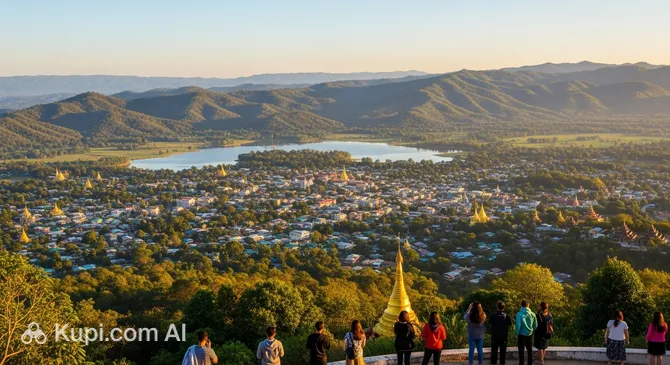
Nestled in a picturesque valley in the eastern Shan State, Kengtung (also known as Kyaing Tong) is one of the most charming and culturally diverse destinations in Myanmar. Surrounded by rolling mountains and lush rice paddies, the city offers a serene atmosphere that feels distinct from the country's central plains. With a population of approximately 75,000 residents, it serves as a lively regional hub while retaining a relaxed, small-town vibe that invites travelers to slow down and explore.

The town's unique character is deeply rooted in its past. Exploring the history of Kengtung reveals a fascinating legacy that shares strong cultural and architectural ties with neighboring Northern Thailand and Laos. This heritage is evident in the city's many ornate temples, known as wats, and the crumbling remnants of its old defensive walls. The blend of traditional Shan architecture and fading colonial-era buildings creates a visually striking environment perfect for walking tours.

Kengtung is perhaps best known as a premier base for trekking adventures. The surrounding hills are home to a remarkable variety of ethnic minority groups, including the Akha, Lahu, and Ann people, who maintain their traditional lifestyles and colorful attire. In the heart of the city lies the tranquil Naung Tung Lake, a popular spot for an evening stroll where locals gather to relax and dine. Another unmissable landmark is the giant Standing Buddha statue, which watches over the town and offers panoramic views of the valley below.

Whether you are interested in immersing yourself in local hill tribe cultures or simply wish to enjoy the cool mountain air and scenic landscapes, Kengtung provides an unforgettable experience. It is a destination that truly captures the diverse spirit of the region, making it a highly recommended stop for those seeking an authentic cultural journey.

Weather Overview

The climate in Kengtung is generally characterized by three distinct seasons, shaped significantly by its elevation in the Shan hills. Compared to the sweltering heat of Myanmar's central plains, the weather here tends to be milder, making it a pleasant destination for much of the year. Understanding these seasonal shifts is key to planning a comfortable trip, especially if you intend to go trekking.

The cool and dry season, spanning from November to February, is widely considered the best time to visit. During these months, you can enjoy comfortable daytime highs between 22°C and 25°C. However, travelers should be aware that nights can become quite crisp, with temperatures in January dropping to around 10°C. Bringing layers or a light jacket is highly recommended for the evenings and early mornings.

From March to May, the region transitions into its hot season. April is typically the warmest month, with average maximum temperatures climbing slightly above 30°C. Following the heat, the rainy season arrives in June and lasts through October. During the peak of the monsoon in July and August, rain is very frequent, often occurring daily (up to 30 wet days per month). While this period can make trekking trails muddy, it also transforms the surrounding valleys into lush, vibrant landscapes.

For a detailed breakdown of temperature averages and the best times to travel, you can consult the guide to the weather in Kengtung. Generally, you can expect warm, humid summers with frequent rain and cool, dry winters that offer clear skies perfect for exploration.

Interesting Facts

Beyond its scenic landscapes and trekking routes, Kengtung holds a treasure trove of historical nuances and local legends that often go unnoticed. This ancient city offers more than meets the eye, revealing a deep connection to neighboring cultures and unique landmarks.

  • The Legend of the Hermit: The name "Kengtung" translates to "Walled City of Tung." According to local folklore, the valley was once a vast lake until a powerful hermit named Tung drained the water with his staff, allowing the city to be founded on the reclaimed land.

  • A Cultural Twin to Chiang Mai: Historically, the city shares deep roots with the Lanna Kingdom of Northern Thailand. It is often referred to as "Chiang Tung," and the local Khun language, script, and temple architecture are strikingly similar to those found in Chiang Mai, distinguishing it from the rest of Myanmar.

  • The Giant Solitary Tree: On a nearby hill known as Thit Ta Bin Taung, stands a colossal Kanyin-byu (Dipterocarpus) tree. This ancient giant is a revered local landmark and is so massive that it requires several people holding hands to fully encircle its trunk.

  • Unexpected Italian Heritage: Despite being a center for Buddhist culture, the city preserves a surprising legacy from early Italian missionaries. Visitors can find century-old churches and colonial-style mission buildings that create a unique architectural contrast against the skyline of golden pagodas.

How to Get There

Reaching this remote corner of Shan State is an adventure in itself, with air travel being the most convenient and time-saving option. For a detailed breakdown of routes and transport modes, you can read more about how to get to Kengtung and plan your journey accordingly.

The city is served directly by Keng Tung Airport (IATA: KET), which is located just 2.4 km from the city center. Although it is a small airport with limited passenger traffic, flying directly here saves a significant amount of travel time compared to overland routes. Once you land, a taxi or hotel transfer can get you to the heart of the town in approximately 10 minutes.

Another common entry point for domestic travelers is via Tachilek Airport (IATA: THL), situated in the border town of Tachileik, about 94 km south of Kengtung. This airport is busier and often has more frequent connections to major cities like Yangon and Mandalay. From Tachileik, visitors can take a taxi or bus up the winding mountain road to Kengtung, a journey that typically takes around 2.5 to 3 hours.

For international travelers, the closest major hub is Chiang Rai International Airport (IATA: CEI) in Thailand, located approximately 150 km away. While this airport is not in Myanmar, it is a key gateway for the region. Travelers landing here usually proceed to the Mae Sai-Tachileik border crossing. Including the drive to the border and the subsequent trip to Kengtung, the total travel time by road is roughly 4 to 5 hours, excluding time spent at immigration.

For clarity, here is a summary of the main airports:

Airport Name City Passenger Traffic Km from City
Xishuangbanna Gasa Airport Jinghong Large 141.0
Chiang Rai International Airport Chiang Rai Large 149.8
Muang Ton Pheung (Bokeo International) Ban Saeo Small 120.4
Tachilek Airport Tachileik Small 94.2
Keng Tung Airport Kengtung Small 2.4

Kengtung does not have a railway station, and the rugged, mountainous terrain of eastern Shan State is not currently connected to Myanmar's rail network. Consequently, trains are not a viable option for reaching the city. Most visitors choose to fly or travel by road to enjoy the scenic landscapes along the way.

Main Attractions

Kengtung is a treasure trove of traditional architecture and spiritual heritage, often compared to Northern Thailand for its distinct Lanna-style temples. The city’s attractions offer a blend of serene religious sites and bustling local life, making it a fascinating place to explore on foot. Visitors will find that the charm of the city lies not just in its individual monuments, but in the relaxed atmosphere that pervades its streets and pagodas.

One of the most significant landmarks is the Maha Myat Muni Pagoda (also known as Wat Phra Jao Lung). Located at the heart of the city, this temple is a stunning example of Shan architecture, featuring an ornate multi-tiered roof and intricate interior decorations. It houses a revered replica of the Mahamuni Buddha image from Mandalay, drawing locals who come to pay their respects and offer prayers. The atmosphere here is peaceful and deeply spiritual, providing a glimpse into the daily religious practices of the region.

Just a short distance away lies Wat Zom Kham, widely considered one of the most beautiful temples in Kengtung. It is famous for its soaring gilded stupa, which is said to contain sacred hair relics of the Buddha. The temple grounds are immaculately kept, and the structure itself is adorned with red and gold lacquerwork that glows warmly in the sunlight. It is a perfect spot for photography and quiet contemplation amidst the city's history.

For a change of pace, the Central Market offers a vibrant explosion of color and culture. Best visited in the early morning, this market is the commercial hub where members of various hill tribes, such as the Akha, Lahu, and Shan, come to sell their fresh produce, spices, and traditional handicrafts. It is an excellent place to observe the diverse ethnic tapestry of Shan State and perhaps pick up unique souvenirs or try local snacks like Shan noodles.

Finally, spending time at Naung Tung Lake is essential to understanding the local lifestyle. This scenic body of water serves as the town's social center, bordered by century-old trees, colonial-style buildings, and monasteries. In the evenings, the area comes alive with locals enjoying the cool air, and the reflections of the nearby golden pagodas on the water create a magical backdrop for a relaxing walk.

Local Cuisine

The culinary landscape of Kengtung is a vibrant reflection of its location at the crossroads of Myanmar, Thailand, and China. The local cuisine is predominantly Shan, but with distinct flavors that set it apart from the rest of the country. Food here is characterized by fresh ingredients, savory fermented condiments, and a delightful balance of sour, spicy, and salty tastes. For food lovers, exploring the town's eateries offers a delicious insight into the region's diverse cultural heritage.

No visit to this region is complete without trying the iconic Shan Noodles. In Kengtung, this staple dish is often served with a sticky, savory tomato and minced meat sauce, topped with crunchy pickled vegetables and fried garlic. Another local specialty you must try is the famous Kengtung Pork Meatballs. Unlike typical meatballs, these are exceptionally large and flavorful, often served in a clear soup or alongside noodles. They are a source of local pride and are widely considered the best in the country.

For a unique breakfast experience, look for Tofu Nway, a warm, creamy tofu soup that has a custard-like consistency, usually garnished with chili oil, nuts, and cilantro. Street food enthusiasts should also seek out Khao Soi Noi, sometimes referred to as "Shan Pizza." This dish consists of steamed rice flour batter mixed with vegetables and pork, cooked in small metal pans over boiling water, resulting in a soft, savory treat that is perfect for a quick snack.

When it comes to beverages, the local culture is deeply rooted in tea. Green tea is consumed throughout the day and is often provided free of charge at restaurants. For something stronger, you might encounter locally brewed rice wine, a potent traditional drink often enjoyed during celebrations or in the surrounding hill tribe villages. It has a sweet yet sharp flavor profile that varies from village to village.

The best way to experience the food culture is to visit the bustling Central Market in the morning, where vendors sell everything from fresh produce to steaming bowls of noodles. In the evenings, the area around Naung Tung Lake transforms into a lively dining spot. Here, locals and tourists gather at open-air stalls to enjoy barbecue, salads, and cold drinks while soaking in the cool evening breeze and the view of the illuminated stupas.

Travel Tips

Visiting Kengtung offers a rare glimpse into the authentic culture of the Shan State, but traveling to this relatively remote corner of Myanmar requires a bit more preparation than visiting the country's major tourist hubs. These practical tips will help you navigate local customs and logistics smoothly, ensuring a comfortable and memorable journey.

  1. Clothing and Gear: Since the weather can vary significantly, packing layers is essential. While days are warm, evenings in the cool season (November to February) can drop to a chilly 10°C, so bring a warm jacket or fleece. Comfortable, sturdy walking shoes are a must, especially if you plan to trek to the hill tribe villages. For temple visits, strict modesty is observed; always cover your shoulders and knees, and slip-on shoes are convenient as you must remove footwear before entering religious sites.

  2. Transportation: The city center is compact and best explored on foot, allowing you to soak in the atmosphere at your own pace. For longer distances or trips to the airport, motorbike taxis and tuk-tuks are the primary modes of transport. Ride-hailing apps are not available here. If you wish to explore the surrounding valleys, hiring a car with a local driver is the standard and safest option, as self-driving rentals for tourists are generally not available or recommended in this region.

  3. Finances: Kengtung functions almost entirely on a cash economy. The local currency is the Myanmar Kyat (MMK). While there are a few ATMs in town (KBZ Bank is a common option), they can occasionally be out of service or refuse international cards, so carrying sufficient cash is crucial. Bring US dollars to exchange, but ensure the notes are in pristine condition—unfolded, unmarked, and crisp—or they may be rejected. Credit cards are rarely accepted outside of high-end hotels.

  4. Health and Safety: Pharmacies are available around the Central Market area, but they mostly stock generic brands; it is highly advisable to bring your own supply of prescription medications and a basic first-aid kit. Mosquito-borne illnesses like dengue fever can occur, so pack a strong insect repellent. Drink only bottled water and avoid ice in street drinks to prevent stomach issues. The town is generally very safe, but avoid trekking off marked paths without a guide.

  5. Communication: The primary languages are Shan (similar to Thai) and Burmese. English is spoken by hotel staff and licensed tour guides but is less common among the general population and hill tribes. Learning a simple "Mingalaba" (Hello) and "Jay zu tin bar de" (Thank you) will go a long way. Purchasing a local SIM card (such as MPT or Atom) upon arrival in Myanmar is recommended for data access, as Wi-Fi speeds in hotels can be slow or intermittent.

  6. Local Etiquette: The culture here is deeply respectful. When visiting hill tribe villages, always ask for permission before taking photos of people, especially elders. It is polite to greet locals with a smile. In public, avoid touching anyone on the head, as it is considered the most sacred part of the body. Conversely, the feet are considered the lowest part; never point your feet at people or religious images when sitting.

  7. What to Avoid: Do not attempt to trek into the hills without a licensed local guide. Not only is the terrain complex, but many areas surrounding Kengtung require specific government permits for foreigners to visit. Going alone can lead to legal issues or accidentally entering restricted zones. Additionally, avoid public displays of affection, which are considered culturally inappropriate.

  8. Power Supply Tip: Electricity outages can occur, although larger hotels usually have generators. It is a smart idea to pack a portable power bank to keep your phone charged during long days out. A small flashlight or headlamp is also useful if you plan to walk around the town or lake after dark when street lighting may be limited.

By keeping these practicalities in mind, you can focus on what makes Kengtung so special: its breathtaking landscapes and the warm hospitality of its diverse people. A little preparation ensures that your adventure in the Shan hills is as relaxing and enriching as possible.

Entertainment & Nightlife

Nightlife in Kengtung is a reflection of the town’s laid-back, traditional character. Travelers expecting pulsating nightclubs or neon-lit party districts will find a much different pace here. The evening entertainment is refreshingly low-key, centered around socializing, dining, and enjoying the cool mountain air. The atmosphere is authentic and welcoming, offering a chance to mingle with locals rather than just other tourists. The city generally goes to sleep early, so the "nightlife" is best enjoyed from sunset until around 10:00 PM.

The epicenter of evening activity is undoubtedly the area surrounding Naung Tung Lake. As dusk falls, the streets circling the lake come alive with a gentle buzz. This is where families, young couples, and groups of friends gather to stroll along the waterfront. The vibe is casual and relaxed. You will find numerous small restaurants and tea shops lining the shore, offering open-air seating where you can enjoy a meal with a view of the illuminated stupas reflecting on the water. It is the perfect setting for a quiet drink and deep conversation.

For a more spirited experience, look for the local "Beer Stations." These venues serve as the pubs of Myanmar and are an integral part of the social fabric in Shan State. Usually characterized by simple plastic tables and chairs, they serve inexpensive, ice-cold draft beer and plates of barbecue or spicy salads. The crowd is predominantly local, and the atmosphere can get lively with conversation and sometimes karaoke. It is a friendly environment where visitors are often welcomed with curious smiles. These spots are typically located along the main roads leading into the town center.

The Night Market is another key venue for evening entertainment, though it focuses more on food than partying. Located near the central market area, it opens in the late afternoon and stays busy until around 9:00 PM. Here, the entertainment is the sensory experience itself: the smoke from charcoal grills, the vibrant colors of hill tribe textiles sold by vendors, and the bustling energy of the crowd. It is the best place to grab a cheap, delicious dinner and observe the diversity of the region's ethnic groups in one place.

When planning your night out, keep practicalities in mind. Most venues close by 10:00 PM or 11:00 PM at the latest. Street lighting can be sporadic away from the main lake area, so carrying a small flashlight or using your phone's light is advisable for walking back to your hotel. The town is very safe for night walks, but be mindful of stray dogs, which can be active after dark. Taxis and tuk-tuks become scarce late at night, so it is best to arrange your return transport in advance or stay within walking distance of your accommodation.

During the daylight hours, entertainment in Kengtung shifts towards cultural and historical exploration. While the town lacks modern amusement parks or cinemas, it offers fascinating alternatives like the Shan State Cultural Museum (if open, as hours can be irregular), which houses artifacts and traditional dresses of the local hill tribes. The city's many wats also serve as daytime sanctuaries, offering a peaceful retreat before the evening's social activities begin.

Parks & Museums

Kengtung is a city where nature and culture intertwine seamlessly, offering a refreshing change from the manicured parks of larger metropolises. While it may not boast extensive botanical gardens or vast modern museum complexes, the city itself serves as a living gallery of Shan heritage, set against a backdrop of lush hills and scenic waterways.

The crown jewel of the city's green spaces is undoubtedly Naung Tung Lake. Located in the center of town, this tranquil body of water acts as the community's main recreational park. A paved path encircles the lake, shaded by century-old trees that provide respite from the afternoon sun. It is a favorite spot for locals to jog, relax, or simply sit by the water's edge to watch the reflection of the golden stupas. The atmosphere here is peaceful and distinctively local, making it an ideal place to unwind after a day of trekking.

For those willing to venture slightly further for natural wonders, Thit Ta Bin Taung (One Tree Hill) offers a unique outdoor experience. Dominated by a colossal, solitary Dipterocarpus tree that has stood for centuries, this site is a revered natural landmark. The hill provides a shaded area for picnics and offers commanding views of the surrounding valley. It serves as a testament to the region's rich biodiversity and is a spiritual spot for many residents who regard the ancient tree with great respect.

In terms of formal cultural institutions, the Shan State Cultural Museum is the primary venue for understanding the region's complex ethnography. Although modest in size, the museum houses a valuable collection of artifacts representing the diverse hill tribes of Eastern Shan State, including the Akha, Lahu, and Ann people. Visitors can view traditional costumes, musical instruments, ancient weaponry, and household tools. It provides essential context for travelers planning to visit the nearby tribal villages, offering insight into the customs and craftsmanship they will encounter.

Beyond the official museum, the city's monasteries often function as informal galleries of art and history. Wat Zom Kham is particularly notable not just for its architecture, but for its library and collection of religious artifacts. The temple grounds are a repository of Shan arts, featuring intricate lacquerware, wood carvings, and ancient manuscripts. Walking through these sacred spaces allows visitors to appreciate the artistic legacy of the Khun people in a way that a static museum display cannot fully capture.

Architecturally, Kengtung is a treasure trove of history. The Immaculate Conception Cathedral stands as a striking reminder of the city's colonial past and missionary history. Built in the early 20th century, its distinct European style contrasts fascinatingly with the surrounding golden pagodas. Additionally, remnants of the Old City Walls and the historic Pa Leng Gate can still be seen, marking the boundaries of the ancient fortified city and offering a tangible link to its days as a powerful seat of the Lanna Kingdom.

For a truly authentic experience, try to visit the Cultural Museum in the morning, as opening hours can sometimes be irregular or shorter than expected. Also, keep an eye out for the "living museum" of the streets—the early morning procession of monks and the diverse attire of market-goers offer a vibrant, real-time display of Kengtung's enduring traditions.

Getting Around

Navigating Kengtung is refreshingly simple compared to the complex transit networks of major metropolitan areas. As a relatively small and compact city in the Shan hills, it does not possess a public transport system in the conventional sense—there are no subways, trams, or large municipal bus fleets operating within the town limits. Instead, the local transport infrastructure is informal, relying primarily on small vehicles and the town's walkability.

For most travelers, the primary mode of motorized transport within the city is the motorbike taxi. These are ubiquitous and can be found at street corners, near the market, and around Naung Tung Lake. They are the fastest way to get from point A to point B. Three-wheeled tuk-tuks are also available, offering a slightly more comfortable option, especially if you are carrying luggage or traveling with a companion. For journeys to outlying villages or the border town of Tachileik, you will typically see Songthaews (converted pick-up trucks with bench seating), which serve as shared taxis for longer distances.

The payment system in Kengtung is entirely cash-based. There are no travel cards, electronic passes, or tap-to-pay terminals. You will need to pay the driver directly in Myanmar Kyat (MMK). It is essential to carry small denominations, as drivers often do not have change for large bills. Ride-hailing apps that are popular in larger cities like Yangon or Mandalay are generally not available or reliable here, so do not rely on your phone to book a ride.

Practical advice for using local transport is straightforward: always negotiate the fare before you start your journey. Since there are no meters, the price is agreed upon verbally. For a short trip within the town center, the cost is usually quite low, but it helps to ask your hotel reception for the current "standard" rate so you have a benchmark. Operating hours are somewhat flexible, but transport becomes significantly harder to find after dark, particularly after 9:00 PM or 10:00 PM.

Walking is arguably the best alternative for exploring the city center. Kengtung is scenic and relatively flat around the main lake and market area, making it a pleasure to explore on foot. Many of the key temples, colonial buildings, and dining spots are within walking distance of each other. This allows you to soak in the atmosphere and observe local life at a pace that motorized transport simply does not permit.

For those who prefer more independence, bicycle and motorbike rentals are often available through guesthouses and hotels. Renting a scooter can be a great way to see the immediate surroundings, but ensure you are comfortable driving on sometimes uneven roads. However, if you plan to visit the hill tribe villages in the surrounding mountains, it is highly recommended—and often required—to hire a car with a local driver and a licensed guide, rather than attempting to navigate the complex routes and permit zones on your own.

Accommodation

Finding the right place to stay in Kengtung is relatively straightforward, as the city offers a modest but welcoming selection of accommodation options. Unlike the major tourist hubs of Myanmar, you will not find sprawling international luxury chains or high-rise resorts here. Instead, the hospitality landscape is dominated by mid-range hotels, family-run guesthouses, and a few charming properties that reflect the region's colonial and Shan heritage. The overall standard is comfortable and clean, catering primarily to cultural travelers and trekkers seeking an authentic experience.

The most desirable location for tourists is undoubtedly the area surrounding Naung Tung Lake. Staying here places you right in the heart of the city's social life, with easy access to evening dining spots and scenic walking paths. Hotels in this vicinity often offer views of the water and the gilded pagodas, providing a serene atmosphere that defines the Kengtung experience. Alternatively, the area near the Central Market is convenient for those who want to be close to the morning bustle, shops, and local transport connections, though it can be slightly noisier than the lakeside.

Accommodation in Kengtung often carries a distinct local character. Travelers can choose between modern concrete hotels with standard amenities or older, more atmospheric buildings that feature traditional wooden architecture and high ceilings. While amenities like air conditioning, hot water, and Wi-Fi are standard in most mid-range and upper-tier hotels, internet reliability can vary, and electricity outages may occur (though most decent hotels have backup generators).

regarding costs and booking, the city is very affordable. The general price range leans towards budget to mid-range, with even the best hotels in town being reasonably priced compared to international standards. While some of the larger established hotels are listed on major online booking platforms, many smaller guesthouses still operate on a walk-in basis or via direct phone reservations. It is important to note that credit card machines are rare; visitors should be prepared to pay for their stay and incidental expenses in cash (Myanmar Kyat).

Booking Tip: Although accommodation is generally available year-round, the best rooms with lake views tend to sell out quickly during the peak cool season (November to February) and during major local festivals like the New Year Water Festival in April. Booking at least a few weeks in advance for these periods is highly recommended to secure your preferred spot.

Nearby Cities

For those looking to explore the surroundings, Kengtung serves as an excellent base for day trips to several interesting nearby locations:

Loi Mwe, located approximately 33 kilometers southeast of Kengtung, is a former British colonial hill station perched at an altitude of over 1,600 meters. Known as the "Hill of Mists," it offers a refreshing escape with its cool mountain air and pine forests. Visitors can explore well-preserved century-old colonial buildings, including the old Governor's House and a historic Catholic church. The journey itself is scenic, winding through rice terraces and mountain slopes, making it a perfect spot for a relaxing afternoon picnic or a historical walk.

For a glimpse into the bustling border life, the town of Tachileik sits to the south, right on the border with Thailand. While the journey can take a few hours through winding roads, it connects travelers to the famous Golden Triangle region. Tachileik is known for its vibrant border market, where vendors sell a vast array of goods ranging from local handicrafts to electronics. It offers a stark contrast to the quiet charm of Kengtung, providing a lively atmosphere that highlights the trade and cultural exchange between the two nations.

City Population Distance (km)
Mandalay 1319452 373
Kyaukse 741071 363
Taunggyi 381639 275
Mogok 167149 369
Lashio 131000 267

These nearby destinations offer a glimpse into the diverse culture and landscapes of the region.

Shopping & Souvenirs

Shopping in Kengtung offers a refreshingly authentic experience that contrasts sharply with the modern retail environments found in the larger cities of Myanmar. There are no gleaming shopping malls or designer boutiques here; instead, the retail landscape is dominated by bustling traditional markets and small, family-run shops. For visitors, this presents a unique opportunity to engage directly with local artisans and traders, making every purchase a genuine cultural exchange. The atmosphere is laid-back but vibrant, driven by the daily needs of the local residents and the surrounding hill tribe communities.

The undisputed hub of commercial activity is the Central Market (Myoma Market). This sprawling complex is much more than just a place to buy goods; it is a meeting point for the diverse ethnic groups of the region. In the early hours of the morning, the market comes alive as members of the Akha, Lahu, and Shan communities arrive to sell their wares. Navigating the narrow aisles, you will find a fascinating mix of fresh produce, pungent spices, and household items sitting alongside traditional handicrafts. It is the best place to observe the region's living culture while browsing for unique souvenirs.

When searching for the perfect memento, keep an eye out for these local specialties:

  • Shan Bags: These iconic woven shoulder bags are both practical and stylish, featuring bright colors and distinctive patterns that represent the local culture. They are sturdy, affordable, and make for excellent gifts.
  • Hand-woven Textiles: From traditional longyis to intricate scarves, the fabrics here are often handmade by hill tribe women using techniques passed down through generations. The designs vary significantly between different ethnic groups.
  • Local Tea: Grown in the misty hills of Shan State, the green tea found here is fresh, organic, and highly regarded. You can often buy it loose-leaf directly from growers in the market.
  • Lacquerware: While distinct from the famous styles of Bagan, the local lacquerware is beautifully crafted. Look for bowls and trays that are often used in religious ceremonies or daily life.

Practicality is key when shopping in Kengtung. The economy operates almost exclusively on cash, and credit cards are virtually useless in markets and small shops. You will need to carry sufficient amounts of local currency (Kyat), preferably in smaller denominations, to facilitate easier transactions. Bargaining is a common practice, especially for handicrafts and textiles, but it should always be approached with a smile and a sense of fairness. Most shops and market stalls close relatively early, so it is advisable to complete your shopping in the morning or early afternoon to catch the market at its liveliest.

Reached the end of the page?

That means the route is fully explored