Support

Pai

About

Pai is a captivating small town tucked away in the mountainous Mae Hong Son Province of northern Thailand. Once a quiet market village inhabited by the Shan people, it has transformed into a beloved destination for travelers seeking a relaxed atmosphere, stunning natural scenery, and a break from the bustle of larger cities. Its bohemian vibe and artistic community make it a unique stop on the famous Mae Hong Son Loop.
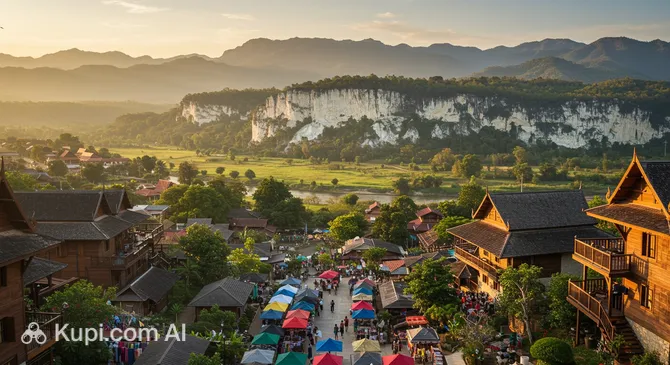
Pai. Source: Kupi.Binoculars

Geographically, the town sits in a lush valley along the banks of the Pai River, surrounded by rolling green hills and mist-covered peaks. The climate here is generally cooler than in the central plains, especially during the winter months, offering a refreshing escape. With a permanent population of roughly 2,800 residents, the town retains a cozy, intimate feel, though it often bustles with visitors exploring its winding roads and emerald rice paddies.

While it is now known as a tourist haven, the history of Pai is deeply rooted in its location as a strategic route between Chiang Mai and Mae Hong Son. The town's heritage is a fascinating blend of Thai and Shan cultures, which is still visible in its local architecture and temples. Today, this cultural richness blends seamlessly with modern cafes and guesthouses, creating a distinctive charm that captivates everyone who visits.

Visitors are spoiled for choice when it comes to natural attractions. The dramatic ridges of Pai Canyon (Kong Lan) offer breathtaking sunset views and narrow hiking trails for the adventurous. The Tha Pai Memorial Bridge stands as a photogenic historical landmark from World War II, while the natural hot springs scattered around the valley provide the perfect spot for relaxation. In the evenings, the vibrant Pai Walking Street comes alive with an array of street food stalls, handmade crafts, and live music.

Whether you are an adventurer looking to explore hidden waterfalls and caves or simply someone wanting to relax in a hammock with a view of the mountains, Pai offers an unforgettable experience. It is a place where time seems to slow down, inviting you to linger just a little longer than you originally planned.
Weather Overview

The climate in this mountain valley is characterized by three distinct seasons, offering a refreshing break from the heat of central Thailand. To plan your trip effectively, it is helpful to check the current weather in Pai before you pack, as conditions can vary significantly throughout the year.

The cool season, generally spanning from November to February, is often considered the best time to visit. During these months, average temperatures hover around 19°C to 22°C, creating a pleasant atmosphere for outdoor activities. However, visitors should be prepared for chilly nights, particularly in January and December, when temperatures can drop to a minimum of approximately 13°C.

From March to April, the region enters its hot season. Daytime temperatures rise steadily, reaching highs of nearly 33.4°C in April. This period is typically dry, with very few rainy days, making it a popular time for travelers who enjoy the heat. By May, the weather begins to shift as the rainy season approaches.

The wet season typically lasts from May through October. While the rainfall volume in the provided data is modest, the frequency of wet days is high, peaking in July and August with up to 30 wet days per month. Despite the frequent showers, this time of year transforms the surrounding rice paddies and hills into a vibrant, lush green landscape. Expect warm, humid days with frequent rain showers during the monsoon months, contrasting with the cool, dry winters.

Interesting Facts

Beyond its reputation as a backpacker's paradise, Pai holds a collection of fascinating stories and geographic quirks that surprise many visitors. Digging a little deeper into the local lore reveals unique features that define the character of this mountain valley.
Wat Phra That Mae Yen. Source: Kupi.Binoculars
  • The journey to reach this valley is legendary in its own right; Route 1095 from Chiang Mai is famous for having exactly 762 curves, a dizzying challenge that travelers often commemorate with souvenir t-shirts proving they conquered the road.

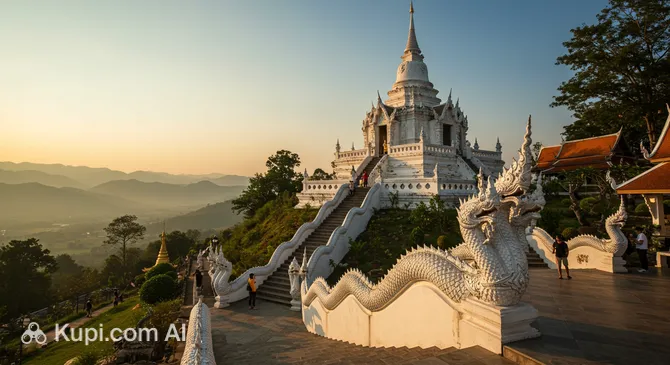
  • High on a hill overlooking the valley sits the giant white Buddha of Wat Phra That Mae Yen, a landmark visible from almost everywhere in town that requires climbing over 350 steps to reach for a spectacular sunset view.

  • At Wat Nam Hu, a revered local temple, the principal Buddha image is known for a mysterious phenomenon where holy water is said to continuously seep from inside the statue's hollow head, which is then collected for blessings.

  • The "Pai Land Split" is a geological curiosity that occurred suddenly in 2008 without an earthquake, cracking a farmer's land and rendering it unusable for agriculture, which he then ingeniously transformed into a welcoming tourist stop known for its hospitality and fresh hibiscus juice.

How to Get There

Reaching this mountain retreat typically involves a scenic journey by road, as the town is nestled deep in a valley surrounded by peaks. While there are no direct commercial flights landing right in the town center for most travelers, the trip is part of the adventure. You can find all ways to reach the city and detailed instructions on our dedicated page.

The city of Pai does not have a major commercial airport, so the most popular entry point is Chiang Mai International Airport (CNX) in the city of Chiang Mai. Located approximately 86 km away, this is a major international hub handling a large volume of passengers. From here, the journey by taxi or minivan typically takes around 2.5 hours, winding through the famous mountain curves.

Alternatively, you can fly into Mae Hong Son Airport (HGN), situated in the provincial capital of Mae Hong Son. It is about 50 km from Pai. This is a smaller regional airport, and the drive from here to Pai generally takes about 1.5 hours by car or bus.

For clarity, here is a summary of the main airports:

Airport Name City Passenger Traffic Km from City
Chiang Mai International Airport Chiang Mai Large 85.8
Chiang Rai International Airport Chiang Rai Medium 164.9
Lampang Airport Lampang Small 165.7
Mae Hong Son Airport Mae Hong Son Small 49.5
Loikaw Airport Loikaw 133.8

The city of Pai does not have a railway station, and the mountainous terrain makes rail travel directly to the town impossible. The nearest major rail hub is the Chiang Mai Railway Station in Chiang Mai. Travelers often take the train from Bangkok to Chiang Mai, enjoying the scenic northern route, and then transfer to a minivan or bus for the final leg of the trip to Pai.

Main Attractions

Pai is a destination where spiritual heritage blends seamlessly with quirky modern charm. The town offers a variety of points of interest, from serene retreats tucked into the greenery to unique architectural spots that seem transported from another continent. Exploring these sites provides a well-rounded experience of the local culture and the laid-back lifestyle that defines this mountain valley.

For those seeking a genuine connection with the countryside, Nature Life Pai offers a refreshing escape. Nestled amidst lush vegetation, this spot allows visitors to experience the simple, rustic beauty of the valley. It is an ideal location for travelers who want to unwind in a peaceful setting, staying in traditional-style bungalows surrounded by the soothing sounds of nature rather than the bustle of the town center.

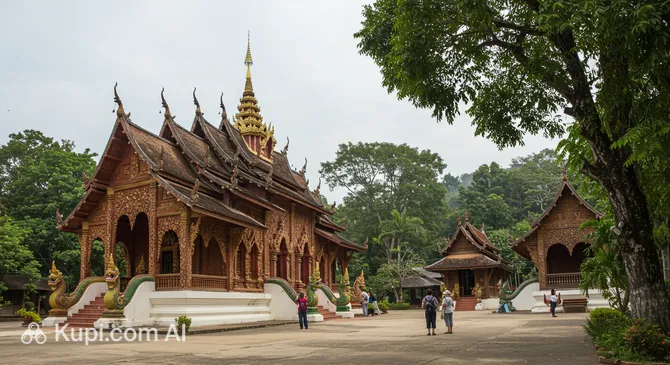
Cultural exploration continues at Wat Nam Hu, a temple held in high regard by locals. Beyond its spiritual importance, the temple grounds are perfect for a quiet stroll, featuring a large, serene pond and a pavilion that invites contemplation. History enthusiasts often visit to see the chedi located behind the main hall, which is believed to contain the ashes of Princess Suphankanlaya, adding a significant layer of historical depth to the site.

Wat Nam Hu. Source: Kupi.Binoculars

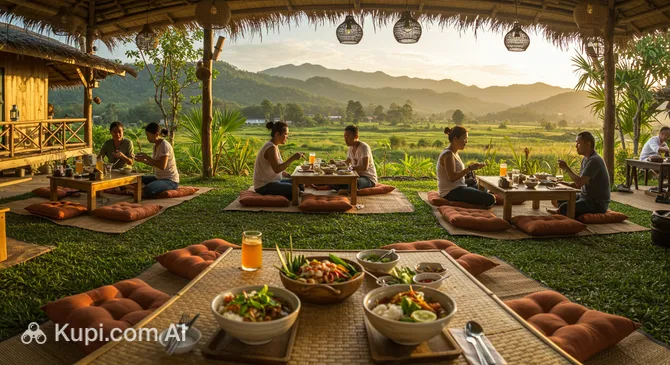
The culinary scene in the valley is as diverse as its landscape, and Two Sisters Restaurant stands out for its authentic local flavors. This family-run establishment is celebrated for serving traditional Shan and Burmese dishes, offering a delicious insight into the region's cultural heritage. It is a fantastic place to sample the famous tea leaf salad and other regional specialties in a welcoming, unpretentious atmosphere.

Pai is also famous for its eclectic and photogenic accommodations that double as sightseeing stops. Oia Pai Resort is a prime example, designed with a striking Mediterranean theme inspired by Santorini, Greece. With its whitewashed walls, blue domes, and vibrant bougainvillea, it offers a surreal and colorful contrast to the surrounding tropical mountains. It is a favorite location for travelers who enjoy capturing unique and artistic travel photos.

Oia Pai Resort. Source: Kupi.Binoculars

Local Cuisine

The culinary landscape of Pai is a delightful fusion of traditional Northern Thai flavors and international health-conscious trends. Thanks to its proximity to the Myanmar border, the local cuisine is heavily influenced by Shan (Tai Yai) culture, offering a distinct taste profile compared to the rest of Thailand. Simultaneously, the town's popularity with global travelers has cultivated a vibrant cafe culture featuring organic ingredients, farm-to-table produce, and an abundance of vegan-friendly options.

A must-try dish in this region is Khao Soi, a rich and creamy coconut curry noodle soup topped with crispy egg noodles, pickled mustard greens, and lime. Given the strong Shan influence, visitors should also seek out Jin Lung (Shan-style meatballs) and various forms of Burmese Tea Leaf Salad (Lahpet Thoke), which offers a crunchy, savory, and slightly caffeinated kick. For a comforting breakfast, warm bowls of rice porridge or Shan-style tofu soup are local favorites that provide warmth in the cool mountain mornings.

To quench your thirst, the local drink scene is colorful and refreshing. Fresh fruit shakes and smoothies are ubiquitous, often made with locally grown passion fruit, mango, and avocado. For something unique to the mountains, try fresh Roselle juice (Nam Krajeab), a tart, ruby-red herbal drink known for its cooling properties. In the evenings, the relaxed atmosphere is best enjoyed with a cold local beer or a cup of herbal tea at a riverside bar.

The heart of the dining scene beats strongest at the famous Pai Walking Street. Every evening, the main thoroughfare transforms into a bustling open-air market where vendors sell everything from bamboo-cooked sticky rice and spicy sausages to lasagna and sushi. It is the perfect place to "graze," trying small portions from multiple stalls while soaking in the bohemian atmosphere.

Bom Bowls. Source: Kupi.Binoculars

For those seeking a healthy start to the day or a refreshing midday treat, Bom Bowls is a fantastic choice. This spot epitomizes the modern side of the city's food culture, specializing in nutritious smoothie bowls and wholesome breakfasts that fuel travelers for a day of exploring canyons and waterfalls. It reflects the town's unique ability to blend traditional Thai hospitality with modern wellness trends.

Travel Tips

To help you make the most of your time in this laid-back mountain sanctuary, we have compiled a set of essential guidelines. These practical insights will ensure your journey through the winding valleys of Mae Hong Son is as smooth and enjoyable as the relaxed atmosphere of the town itself.

  1. Clothing and Gear: While days can be warm, the mountain air gets surprisingly chilly at night and in the early mornings, especially from November to February. Bring a warm jacket or hoodie and long trousers. Comfortable slip-on shoes are ideal for exploring, as you will frequently need to remove them when entering temples or some shops. If you plan to visit sacred sites like Wat Phra That Mae Yen, remember to dress modestly by covering your shoulders and knees.
  2. Transportation: Renting a scooter is the most popular way to explore the scattered attractions around the valley, but only do so if you are an experienced driver with a valid license and insurance; the roads can be steep and gravelly. For those who prefer not to drive, songthaews (shared pick-up trucks) and motorcycle taxis are available. Walking is perfect for the town center, which is compact and pedestrian-friendly.
  3. Finances: The Thai Baht (THB) is the official currency. While some hotels and larger restaurants accept credit cards, cash is king in Pai, especially at the Night Market and local eateries. ATMs are readily available along the main Walking Street. It is wise to carry small bills for street food and songthaew fares.
  4. Health and Safety: The winding road to Pai is famous for causing motion sickness, so bring appropriate medication if you are prone to it. "Pai Tattoos" (scrapes from motorbike accidents) are common among tourists; always wear a helmet and drive defensively. Pharmacies are plentiful in the town center for basic needs, but serious medical issues may require transfer to Chiang Mai.
  5. Communication: English is widely spoken in the hospitality sector due to the town's popularity with international travelers. However, learning a few basic Thai phrases like "Sawatdee-krap/kha" (Hello) and "Khop-khun-krap/kha" (Thank you) goes a long way. SIM cards can be purchased at convenience stores, and Wi-Fi is standard in almost every cafe and guesthouse.
  6. Local Etiquette: The vibe here is bohemian and relaxed, but traditional Thai values remain strong. Always remove your shoes before entering homes, guesthouses, and temples. The head is considered the most sacred part of the body, so avoid touching anyone's head, and keep your feet (the lowest part) pointing away from people and Buddha statues.
  7. What to Avoid: Do not raise your voice or show aggression in public; losing your temper causes you to "lose face" and is considered very rude. Also, despite the relaxed atmosphere, do not engage in illegal drug use; Thai laws are strict, and penalties are severe.
  8. Seasonal Planning: During the "burning season" (typically February to April), air quality can drop significantly due to agricultural burning in the north. If you have respiratory issues or want clear mountain views, it is best to check air quality forecasts or plan your visit for the lush rainy season or the cool winter months.

By keeping these simple tips in mind, you can fully immerse yourself in the magic of Pai without any unnecessary hiccups. Embrace the slow pace, respect the local customs, and let the charm of the valley create memories that will last a lifetime.

Entertainment & Nightlife

The nightlife in Pai mirrors the town's overall character: laid-back, artistic, and deeply connected to music. Unlike the high-energy club scenes of Bangkok or the beach parties of the southern islands, evenings here are defined by acoustic sessions, reggae beats, and intimate gatherings. The atmosphere is incredibly welcoming, with a "come as you are" dress code that suits the backpacker and bohemian crowd perfectly.

The heart of the action beats along Rungsiyanon Road, widely known as the Pai Walking Street. As the sun sets, this street transforms into a vibrant night market where entertainment begins with food. Travelers gather here to sample street eats and buy local handicrafts before moving on to the surrounding bars. The vibe is social and communal, making it easy for solo travelers to make new friends over a cold beer or a fruit shake.

Live music is the soul of Pai's nightlife. You will find numerous venues hosting talented local and international musicians playing everything from blues and jazz to rock and traditional Thai folk. Popular spots often feature open mic nights where visitors are encouraged to join in. For those seeking a more refined evening experience, Reverie Siam Resort is an excellent destination. Its "Silhouette" restaurant and bar offer a sophisticated atmosphere with vintage decor, craft cocktails, and high-quality live jazz performances, providing a delightful contrast to the more rustic bars in town.

Reverie Siam Resort. Source: Kupi.Binoculars

If you are looking for a place to start your evening with a hearty meal, Two Sisters Restaurant serves as a perfect meeting point. While primarily a dining establishment, its friendly, family-run ambiance captures the essence of Shan hospitality, setting a relaxed tone for the night ahead. After dinner, crowds typically migrate to the riverside bars or the late-night venues on the outskirts of town, where the party can continue until the early hours.

Regarding practicalities, the nightlife here is very affordable. A large beer usually costs a fraction of what you would pay in Western countries, and entry fees for bars are rare. The best time to head out is around 8:00 PM, starting at the Walking Street and drifting to bars by 10:00 PM. Getting around at night is best done on foot if you are staying in the center. If your accommodation is further out, motorcycle taxis are available, but they can be scarce very late at night.

Safety is generally not a major concern in terms of crime, but the physical environment requires caution. Street lighting can be dim or non-existent on side roads, so carrying a phone flashlight is wise. The most significant risk comes from driving scooters at night; winding roads and potential intoxication are a dangerous mix. Taxis or walking are always the safer options. Additionally, be mindful of stray dogs, which can be more territorial after dark.

While Pai is not known for conventional daytime entertainment like large amusement parks, shopping malls, or grand museums, it offers its own brand of leisure. Daytime activities focus on cultural immersion and relaxation. You might find small art galleries showcasing local talent, Muay Thai gyms offering training sessions, or cooking schools where you can learn to replicate Northern Thai dishes. The town itself acts as a living venue, where the entertainment lies in exploring its nooks, cafes, and artistic community.

Parks & Museums

Unlike major cities filled with manicured botanical gardens and grand indoor exhibition halls, Pai itself serves as a sprawling, open-air museum of nature and living culture. The town's charm lies in its raw, unpolished landscapes where lush jungles meet historical landmarks, offering visitors a direct connection to the region's heritage and geology without the need for admission tickets or glass display cases.

The most iconic natural area is undoubtedly the Pai Canyon (Kong Lan). While not a park in the traditional sense with benches and lawns, it is a geological wonder characterized by narrow, reddish-brown sandstone ridges that slice through the valley. It offers a dramatic setting for hiking and sunset viewing, where the erosion has sculpted the land into a maze of cliffs and drops, surrounded by pine trees and sweeping views of the mountains.

For a more immersive forest experience, Huai Nam Dang National Park is a significant green space that straddles the border between Chiang Mai and Mae Hong Son provinces. Famous for its sea of mist viewpoints, particularly at Doi Kiew Lom, the park is a pristine environment of evergreen forests and mountain ranges. In the cooler months, the area is dotted with blossoming cherry trees, creating a picturesque natural garden that attracts nature lovers and photographers alike.

Nature Life Pai. Source: Kupi.Binoculars

Those looking to experience the local environment in a more intimate setting often visit Nature Life Pai. This area allows travelers to stay close to the earth, surrounded by the vibrant greenery that defines the valley. It serves as a gentle reminder of the region's agricultural roots and offers a peaceful retreat where the sounds of nature replace the noise of the modern world.

In terms of cultural history, the Santichon Village acts as a living museum of the Yunnanese Chinese community. Founded by migrants from southern China, the village features traditional clay houses, tea shops, and a massive wooden swing. Walking through the village offers a glimpse into a unique blend of Chinese and Thai hill tribe culture, where visitors can taste traditional tea, try their hand at archery, and observe a way of life that has been preserved for generations.

Another key historical site is the Tha Pai World War II Memorial Bridge. Originally built by the Japanese army during the war to transport troops and resources to Burma (Myanmar), the bridge stands today as a poignant monument to the town's strategic past. Although the original wooden structure was destroyed, this reconstructed iron bridge serves as an open-air historical exhibit, allowing pedestrians to walk across the Pai River while reflecting on the area's wartime history.

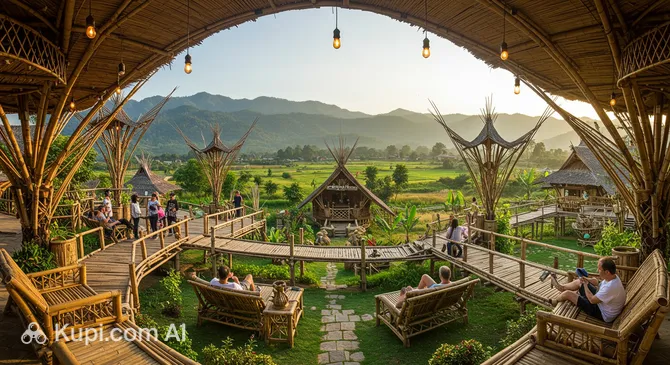
For a truly authentic experience away from the crowds, seek out the Kho Ku So Bamboo Bridge. Located a bit further from town, this intricate bamboo walkway stretches over rice fields and leads to a secluded temple. It was built by locals for monks to cross the paddies without damaging crops, and walking its creaky path offers a serene and genuine connection to the spiritual and agricultural heart of the province.

Getting Around

Public transport in Pai is quite different from what you might expect in a bustling metropolis. As a small mountain town, it does not possess a metro system, trams, city buses, or trolleybuses. The scale of the town is intimate enough that heavy transit infrastructure is unnecessary. Instead, the local transportation network is informal, rustic, and relies heavily on shared vehicles and individual rentals, perfectly matching the laid-back atmosphere of the valley.

The most common form of "public" transport you will encounter is the Songthaew. These are converted pick-up trucks with two rows of bench seating in the back and a roof overhead. In Pai, they do not typically run on fixed routes within the town center itself. Instead, they usually congregate at the bus station or near the main Walking Street. They are primarily used for trips to attractions located outside the town center, such as the canyon, waterfalls, or hot springs. You can charter one for a private group or wait for enough passengers to fill the vehicle for a shared ride.

Motorcycle taxis are another available option for short distances. Riders can usually be found at key intersections or near the bus station, often wearing colored vests to identify themselves. This is a quick way to get from the bus station to your guesthouse if you have light luggage. However, they are less suitable for full-day sightseeing compared to chartering a vehicle or renting your own.

For the vast majority of visitors, the preferred method of navigating the valley is renting a scooter. The town is filled with rental shops offering automatic scooters at very affordable daily rates. This gives you the freedom to explore the winding country roads at your own pace. If you choose this option, ensure you have a valid international driving permit and always wear a helmet. For those who prefer a slower pace or do not drive, bicycle rentals are also widely available and are perfect for exploring the flat terrain immediately surrounding the town center.

Regarding payment, cash is the only accepted method for local transport. There are no travel cards, digital passes, or tap-to-pay systems for songthaews or motorcycle taxis. Prices are generally fixed for specific destinations if you are taking a standard trip, but if you are chartering a vehicle for a custom tour, you will need to negotiate the price with the driver beforehand. It is advisable to carry small denominations of the local currency, as drivers may not always have change for large bills.

Ride-hailing apps that are popular in larger cities are generally not active or reliable in this small town. You will not find standard taxi sedans roaming the streets looking for fares. If you need to arrange transport for a specific time, such as an early morning departure, it is best to book it in advance through your hotel reception or by speaking directly with a driver at the bus station the day before.

Finally, the town center itself is extremely walkable. The main area, including the Walking Street and the surrounding grid of shops and cafes, is compact and pedestrian-friendly. Most visitors find that they can easily explore the core of the town on foot, only requiring transport when they wish to venture out into the surrounding rice paddies and hills.

Accommodation

Where to Stay:

Accommodation in Pai has evolved significantly from its origins as a simple backpacker stopover. Today, visitors can find a wide spectrum of lodging options that cater to every budget and preference. The selection ranges from rustic bamboo bungalows overlooking rice paddies and lively hostels designed for social interaction to sophisticated boutique resorts that offer luxury amenities amidst the mountains. Whether you are looking for a dormitory bed for a few dollars or a private villa with a pool, this valley has something to offer.

Choosing the right area is key to your experience. Staying in the town center places you within walking distance of the Walking Street, night markets, and transportation hubs, making it convenient for dining and shopping. However, this area can be noisy at night. For a more serene experience, many travelers prefer the riverside or the outskirts of town. These locations offer stunning views of the countryside, peace and quiet, and are usually just a short scooter or taxi ride away from the action.

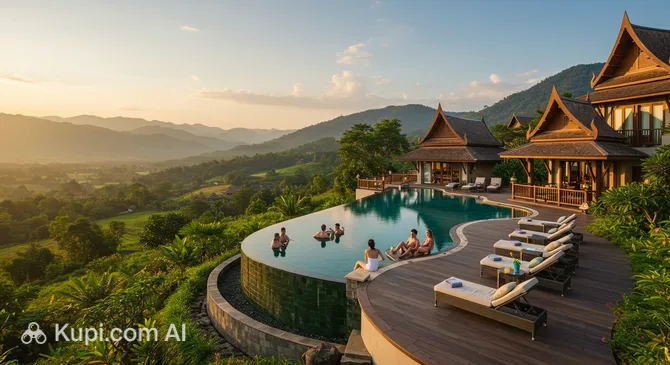
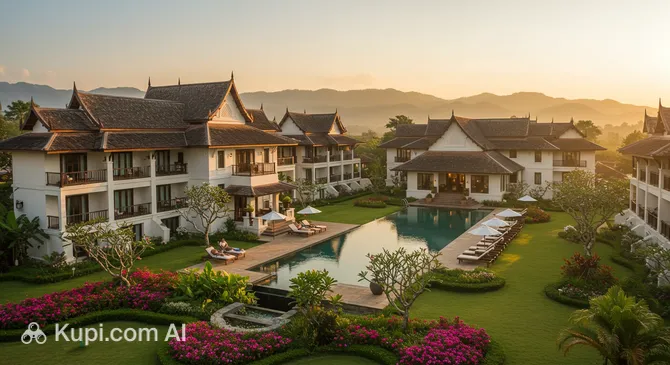
For travelers seeking a higher level of comfort and unique design, the town boasts several standout properties. Reverie Siam Resort is a prime example of the area's upscale offerings, providing a romantic, vintage-inspired atmosphere that contrasts beautifully with the rugged landscape. Another distinctive option is Oia Pai Resort, which transports guests to the Greek islands with its whimsical Mediterranean architecture and salt-water canoeing facilities, offering a memorable stay that goes beyond a standard hotel room.

Regarding costs and booking, Pai is generally very affordable compared to southern Thai islands. Budget accommodation can be found for very low rates, while mid-range and luxury options offer excellent value for money. However, during the peak cool season (November to February), the town fills up quickly. It is highly recommended to book your accommodation in advance during these months to secure your preferred spot. Most properties can be easily booked via major online travel platforms, though some smaller, family-run guesthouses may still operate on a walk-in basis or direct contact.

Nearby Cities

For those looking to explore the surroundings, Pai serves as an excellent base for day trips to several interesting nearby locations:

While the journey to Chiang Mai involves navigating the famous winding mountain road, the city rewards visitors with its ancient temples, bustling night bazaars, and rich Lanna heritage. Just outside the city lies Doi Suthep, home to one of northern Thailand's most sacred temples, offering panoramic views that are well worth the trip. For a quieter experience closer to the border, Ban Piang Luang offers a unique glimpse into the lives of the local communities and the peaceful atmosphere of the frontier region.

City Population Distance (km)
Chiang Mai 1,198,000 85
Doi Suthep 36,952 77
Ban Piang Luang 25,725 41
Ban Pa Sak 24,902 85
Ban Mae Hia Nai 18,564 91

These nearby destinations offer a glimpse into the diverse culture and landscapes of the region.

Shopping & Souvenirs

Shopping in Pai is a delightful reflection of the town's artistic and laid-back soul. You will not find high-end luxury boutiques or sprawling department stores here. Instead, the retail scene is dominated by small, independent shops, open-air stalls, and quirky galleries that offer unique items you won't find anywhere else. The experience is less about consumerism and more about discovering handmade treasures and supporting local artisans.

The primary hub for commerce is Rungsiyanon Road, which runs through the center of town. During the day, this street and its connecting alleyways are lined with charming boutiques selling bohemian clothing, second-hand books, and local art. It is a pleasant area to wander, with plenty of cafes interspersed between the shops, allowing you to take a break with a coffee while you browse the eclectic selections.

Travelers should be aware that Pai does not have any shopping malls or large commercial centers. The town has actively preserved its small-town atmosphere, resisting the development of big-box retail. For those in need of extensive shopping facilities, branded electronics, or international fashion chains, the nearest options are located in Chiang Mai, a few hours away. This absence of modernization is exactly what gives the town its rustic charm.

The undisputed highlight of the local shopping scene is the Pai Walking Street. Every evening, Rungsiyanon Road closes to traffic and transforms into a vibrant night market. Here, vendors lay out colorful mats and set up stalls selling everything from hand-stitched leather journals and tribal jewelry to tie-dye clothing and intricate wood carvings. It is a lively, sensory experience where shopping mixes seamlessly with street food snacking and live music.

When looking for gifts to take home, the town offers plenty of characterful options. The most iconic souvenir is undoubtedly a t-shirt commemorating the famous 762 curves of the road to Pai, a badge of honor for many backpackers. Beyond that, look for locally produced organic cosmetics, handmade silver jewelry from the hill tribes, and unique postcards. Sending a postcard from here is a popular tradition, and you will find red postboxes conveniently located throughout the town.

Business hours in Pai are as relaxed as the lifestyle. Most shops do not open their doors until late morning, around 10:00 AM or 11:00 AM, and stay open until the evening. The Night Market typically kicks off around 6:00 PM and winds down by 10:00 PM or 11:00 PM. Cash is king here; while a few larger boutiques might accept credit cards, the vast majority of stalls and small shops deal exclusively in Thai Baht.

Due to the small-scale nature of the businesses, the "VAT Refund for Tourists" scheme is generally not applicable in Pai. This tax-free system is usually reserved for large department stores in major cities like Bangkok or Chiang Mai. Be prepared to pay the marked price, though polite bargaining is often acceptable and expected at the night market stalls if you are buying multiple items.

Reached the end of the page?

That means the route is fully explored