Support

Mae Hong Son

About

Mae Hong Son is a captivating destination often referred to as the "City of Three Mists." Tucked away in the mountainous northwest corner of Thailand, this town offers a serene escape from the bustling cities. Its remote location near the border with Myanmar and its distinct cultural identity make it a true hidden gem for travelers seeking authenticity and natural beauty.

Geographically, the city is situated in a deep valley surrounded by high mountain ranges, which contributes to the misty atmosphere that blankets the town in the early mornings. With a population of approximately 6,500 residents, it retains a quiet, small-town charm that is becoming increasingly rare. The climate here can be cooler than in other parts of the country, especially during the winter months, making it a refreshing retreat.
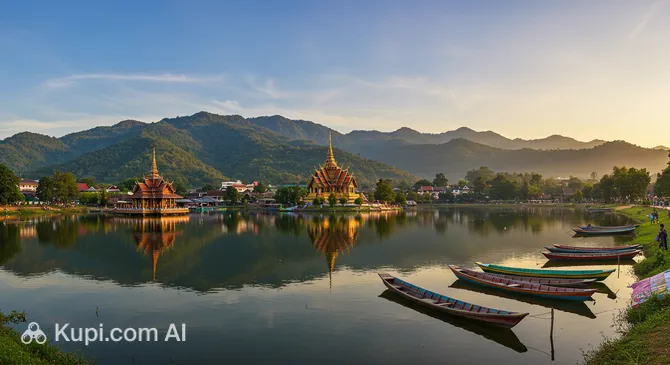
Mae Hong Son. Source: Kupi.Binoculars

The cultural atmosphere is heavily influenced by the Shan (Tai Yai) people, which is reflected in the local architecture, cuisine, and festivals. Exploring the history of Mae Hong Son reveals a rich heritage that differs significantly from central Thai traditions, evident in the beautiful Burmese-style temples that dot the landscape.

Among the city's top attractions is the iconic Wat Phra That Doi Kong Mu, which sits atop a hill and offers panoramic views of the town and the surrounding valley. In the heart of the city lies the picturesque Jong Kham Lake, flanked by the stunning twin temples of Wat Jong Kham and Wat Jong Klang. These sites are particularly magical in the evening when the illuminated chedis reflect shimmering golden light onto the water.

Whether you are an outdoor enthusiast looking to explore the rugged terrain of the province or a traveler seeking a peaceful cultural immersion, Mae Hong Son is a perfect choice. We invite you to experience the tranquility and unique charm of this misty mountain sanctuary.

Weather Overview

The climate in Mae Hong Son is heavily influenced by its location within a deep mountainous valley, resulting in distinct seasonal changes compared to other parts of the country. Generally, the weather is characterized by a cool, dry season, a hot summer, and a lush rainy period. Travelers should expect cooler nights during the winter months and significant humidity with frequent showers during the monsoon season.

The cool season, spanning from November to February, is often considered the best time to visit. During this period, days are pleasant with average temperatures ranging from 20.8°C to 22.8°C, while nights can be surprisingly crisp, with lows dropping to around 13.7°C in January. Rainfall is virtually non-existent during these months, ensuring clear blue skies for exploration. For a more detailed forecast and planning advice, you can consult the guide to the weather in Mae Hong Son.

From March to April, temperatures rise significantly, marking the hot season. April is typically the warmest month, with daily highs reaching up to 34.6°C and average temperatures sitting around 28.1°C. Following the heat, the rainy season arrives in May and lasts through October. This period sees the valley turn vibrant green, but it also brings heavy precipitation; August, for instance, can experience rain on up to 31 days of the month, although temperatures remain moderate at approximately 24°C.

Interesting Facts

Beyond its scenic beauty and misty mornings, Mae Hong Son holds a treasure trove of unique traditions and impressive records that often surprise visitors. From legendary road trips to sacred aquatic oddities, the city offers fascinating stories that go far deeper than the usual tourist trail.

  • The Road of 1,864 Curves: Reaching the city is an adventure in itself, as the classic route via Highway 108 from Chiang Mai is famous for having exactly 1,864 curves. This winding journey is so legendary that travelers who conquer the dizzying drive can actually visit the local Chamber of Commerce to receive a personalized "Certificate of Conquest" as a badge of honor.

  • The Sacred Vegetarian Fish: At the nearby Tham Pla (Fish Cave), the waters are filled with hundreds of large Soro Brook Carp that are believed to be holy guardians belonging to the gods. Local legend holds that these fish are strictly vegetarian, and visitors can feed them fruits and vegetables, which they eagerly devour while ignoring other types of food.

  • A Bridge of Successful Prayers: The city is home to the Su Tong Pae Bridge, which is widely considered the longest bamboo bridge in Thailand. Stretching approximately 500 meters across lush rice paddies, its name translates to "successful prayer" in the Shan language, and it is believed that making a wish while crossing it ensures your hope will come true.

  • The Crystal Sons Festival: During the unique Poy Sang Long festival, young boys ordaining as novice monks are treated like royalty in a tradition found only in this region. Dressed in lavish, prince-like costumes to mimic the young Siddhartha, they are carried on the shoulders of male relatives for days because their feet are not allowed to touch the ground until their ordination is complete.

  • Elephant Training Origins: The name "Mae Hong Son" itself offers a glimpse into its history, roughly translating to "The Valley of Elephant Training." This refers to a time when the area served as a training ground for wild elephants, which were rounded up in the dense jungles before being sent to work in larger cities.

How to Get There

Reaching the mountainous province of Mae Hong Son is an adventure that rewards travelers with stunning scenery. While the journey can be long due to the winding terrain, there are several convenient ways to arrive. You can find all ways to reach the city in our detailed guide, but flying is often the most time-efficient choice for those wishing to maximize their stay.

The most direct entry point is Mae Hong Son Airport (HGN). Although it is a small regional hub with an annual traffic of around 54,000 passengers, it provides a vital link to the rest of the country. Flights here typically connect from larger airports, saving you the long drive through the mountains. Upon arrival, local transport options are readily available to take you to your accommodation.

Alternatively, many visitors choose to fly into Chiang Mai International Airport (CNX), located in the neighboring city of Chiang Mai. This is a major international gateway handling over 9 million passengers annually. From Chiang Mai, travelers can rent a car, take a bus, or hire a minivan for the famous scenic drive to Mae Hong Son, known for its 1,864 curves.

For clarity, here is a summary of the main airports in the region:

Airport Name City Passenger Traffic
Chiang Mai International Airport Chiang Mai 9,082,071
Lampang Airport Lampang 128,193
Mae Hong Son Airport Mae Hong Son 54,813

Mae Hong Son does not have its own railway station, as the rugged mountainous terrain of the province makes rail travel unfeasible. The nearest major train station is located in Chiang Mai. Travelers preferring this mode of transport typically take a train from Bangkok to Chiang Mai, which is a popular and scenic route. Once in Chiang Mai, you can transfer to a bus or minivan to complete the final leg of the journey.

Main Attractions

Mae Hong Son is a destination defined by its stunning blend of Burmese-influenced culture and breathtaking natural landscapes. The city and its surroundings offer a variety of sites that range from sacred mountaintop temples to serene villages hidden in the mist. Here are some of the most compelling places to visit during your stay.

Wat Phra That Doi Kong Mu is arguably the most iconic landmark in the province. Perched atop a hill to the west of the city, this temple is easily recognized by its two brilliant white chedis. It is a must-visit spot not only for its spiritual significance but also for the spectacular panoramic views it offers. From the temple grounds, you can gaze out over the entire valley, seeing the town nestled among the mountains and the airport runway below, making it an ideal location for sunset photography.

Located right in the heart of the city next to a scenic lake are the twin temples of Wat Chong Kham and Wat Chong Klang. These temples are distinct for their Shan-Burmese architectural style, featuring multi-tiered wooden roofs and intricate fretwork that differ from classic Thai temples. Wat Chong Klang is particularly interesting to tourists for its collection of old glass paintings and wooden dolls depicting the Jataka tales. A stroll around the adjacent Jong Kham Lake in the evening, when the temples are illuminated and reflected in the water, provides a magical atmosphere.

For a unique cultural experience, a visit to the Su Tong Pae Bridge is highly recommended. This bamboo structure, whose name translates to "Successful Prayer," stretches approximately 500 meters across lush rice paddies and the Mae Sa Nga River. It connects the village of Ban Kung Mai Sak to a hilltop temple. Walking across the bridge offers a peaceful connection with nature and local life, especially in the early morning when monks cross it to receive alms from the villagers.

A bit further afield, but well worth the journey, is the enchanting village of Ban Rak Thai. Sitting on the border with Myanmar, this settlement was established by former Kuomintang soldiers from Yunnan, China. The village is famous for its vast tea plantations and the serene lake at its center. Visitors love the distinct Chinese atmosphere, the opportunity to taste premium locally grown oolong tea, and the cool, misty climate that feels worlds away from the tropical heat of the lowlands.

Local Cuisine

The culinary landscape of Mae Hong Son is distinct from the rest of Thailand, heavily influenced by its proximity to the Burmese border and the traditions of the Shan (Tai Yai) people. Food here is known for its rich, savory flavors, often relying on natural herbs, turmeric, and fermented soybeans rather than the heavy coconut milk and sugar found in central Thai cuisine. Exploring the local food scene offers a delicious insight into the region's unique cultural heritage.

One of the must-try dishes is Khao Soi, a famous Northern Thai curry noodle soup, but visitors should also seek out local Shan specialties. Khao Kan Chin is a standout dish consisting of rice mixed with pork blood and minced pork, steamed in a banana leaf and served with garlic oil and dried chilies. Another local favorite is Khanom Chin Nam Ngiao, fresh rice noodles served in a spicy, tangy broth made with tomatoes, pork, and dried cotton tree flowers, offering a hearty and warming meal perfect for the cooler mountain evenings.

For a true taste of the local lifestyle, the nightly walking street market around Jong Kham Lake is the place to be during the winter months. Here, you can sample an array of street food, from grilled sausages (Sai Ua) to crispy soybean crackers known as Tua Nao, which are a staple condiment in Shan cooking. The market also offers a chance to enjoy locally grown coffee and tea, reflecting the province's reputation as a producer of high-quality highland brews.

Travel Tips

Welcome to the enchanting "City of Three Mists," where navigating the mountainous terrain and distinct local culture requires a bit of local know-how. To help you make the most of your journey through this serene valley, here are some practical tips to ensure a smooth and memorable adventure.

  1. Pack Layers and Temple Attire: Due to the valley's unique microclimate, mornings and evenings can be surprisingly chilly, especially between November and February. Bring a light jacket or sweater along with your summer clothes. Additionally, always carry a sarong or pants that cover your knees and a shirt that covers your shoulders, as strict modest dress is required to enter the sacred Shan-style temples.
  2. Mastering the Mountains: Getting around the city center is easy by walking or hiring a local tuk-tuk or Songthaew (shared taxi truck). For exploring the province, renting a motorbike is a popular choice, but only attempt this if you are an experienced rider; the roads are steep and winding. If you are prone to car sickness, stocking up on motion sickness medication is essential for the famous 1,864 curves leading into the province.
  3. Cash is King: While some hotels and larger restaurants in the city center accept credit cards, cash is the primary mode of payment in Mae Hong Son. Ensure you withdraw enough Thai Baht (THB) from ATMs in the main town before heading out to remote villages like Ban Rak Thai or buying handicrafts at local markets, where digital payments are rarely an option.
  4. Health and Safety Essentials: Pharmacies are available in the town center, but they may close earlier than in Bangkok. Since the province is heavily forested, carrying strong insect repellent is crucial to protect against mosquitoes, especially at dawn and dusk. Always drink bottled water and stay hydrated, as the mountain sun can be deceptive.
  5. Stay Connected: English is spoken in tourist accommodations, but less so in local markets and rural areas. It is highly recommended to buy a local SIM card (AIS typically has the best coverage in the mountains) at a convenience store upon arrival. Downloading an offline map and a translation app will be incredibly helpful when communicating with locals.
  6. Respect Local Customs: The culture here is deeply influenced by Shan traditions. Always remove your shoes before entering a home or temple building. When sitting on the floor, tuck your legs beneath you to avoid pointing your feet at anyone or at a Buddha image, which is considered extremely rude. A friendly "Wai" (palms pressed together) is the standard and polite way to greet locals.
  7. What to Avoid: Do not touch anyone on the head, even children, as the head is considered the most sacred part of the body in Thai culture. Also, avoid raising your voice or showing visible anger in public; maintaining a "cool heart" (Jai Yen) is key to resolving any issues and maintaining respect.
  8. Morning Market Magic: For an authentic experience, wake up early (around 6:00 AM) to visit the local morning market. It is the best place to see monks collecting alms, buy cheap local snacks like Pa Tong Go (fried dough), and witness the city waking up amidst the famous morning mist.

Mae Hong Son is a place to slow down and savor the moment, far removed from the rush of modern life. By keeping these practical tips in mind, you will be well-prepared to embrace the tranquility, culture, and natural beauty of this misty northern sanctuary.

Entertainment & Nightlife

Entertainment in Mae Hong Son mirrors the city's serene and laid-back character. Unlike the high-energy party scenes found in Bangkok or Pattaya, the nightlife here is refreshingly subdued, focusing on relaxation, conversation, and soaking in the cool mountain air. The atmosphere is friendly and intimate, making it easy to strike up conversations with locals and fellow travelers. The dress code is universally casual; comfortable clothing and a light jacket for the cool evenings are all you need.

The heart of the evening action is undoubtedly the area surrounding Jong Kham Lake. As the sun sets, this district transforms into a picturesque gathering spot. The illuminated chedis of Wat Jong Kham and Wat Jong Klang cast a golden glow over the water, providing a stunning backdrop for a night out. During the winter months (October to February), the Mae Hong Son Walking Street sets up here, offering a vibrant mix of street food, local handicrafts, and cultural performances. It is the perfect place to start your evening with a stroll and some local snacks.

For those seeking a drink and a place to socialize, the options are cozy and welcoming. Crossroads Bar is a long-standing favorite among expatriates and tourists alike. Located centrally, it offers a rustic wooden interior, a pool table, and a steady supply of cold beverages and music, making it a reliable hub for meeting people. Another popular spot is the Meeting Bar, known for its relaxed vibe and live acoustic music that complements the town's slow pace. These venues typically operate until around midnight, as the town tends to sleep early.

When it comes to daytime entertainment, do not expect large amusement parks or modern movie theaters. The city’s charm lies in its cultural preservation. Visitors looking for indoor activities can explore the Mae Hong Son Living Museum, which offers deep insights into the local history and Shan culture. The town is more about immersing yourself in the "living" heritage of its streets and temples than engaging in commercial entertainment.

Practical advice for a night out is simple: cash is essential, as many smaller bars and market stalls do not accept cards. The best time to head out is between 7:00 PM and 10:00 PM when the atmosphere is liveliest. In terms of safety, Mae Hong Son is exceptionally safe for night walks, even for solo travelers. However, public transport like tuk-tuks can be scarce late at night, so it is advisable to have your accommodation's number handy or arrange a ride in advance if you are staying outside the town center.

Parks & Museums

Nestled deep in the mountains, Mae Hong Son offers a refreshing departure from the manicured gardens and vast museum complexes of larger cities. Instead, this province invites visitors to explore serene natural sanctuaries that blend seamlessly with the landscape and intimate cultural repositories that celebrate the region's deep-rooted Shan heritage.

Nong Chong Kham Public Park serves as the green heart of the city. wrapping around the central lake. It is the primary recreational space for locals and tourists alike, offering a peaceful setting for jogging, exercising, or simply sitting on a bench to admire the reflection of the twin temples in the water. In the late afternoon, the park comes alive with residents enjoying the cool air, making it an excellent spot for people-watching and soaking in the slow-paced local lifestyle.

For a deeper immersion in nature, the Tham Pla - Pha Suea National Park is a highlight just a short drive from the city center. While famous for its "Fish Cave," the park itself is a lush haven of dense forests and cooling streams. Walking trails wind through the greenery, leading to the majestic Pha Suea Waterfall, which cascades over rocks in a wide curtain of water. It is an ideal location for a picnic and a refreshing break from the tropical heat.

The city's cultural history is best preserved at the Mae Hong Son Museum, housed in the former City Hall. This building is an architectural gem in itself, built in the harmonious Lan Na colonial style. Inside, visitors can explore exhibits detailing the province's history, the diverse hill tribes that call this area home, and the traditional tools and artifacts of the Shan people. It provides a comprehensive context for understanding the unique identity of this border region.

Another significant cultural venue is the museum located within the grounds of Wat Jong Klang. This small but fascinating collection is renowned for its rare Burmese wooden dolls, which depict scenes from the Vessantara Jataka. These intricate figures were brought from Mandalay, Myanmar, over a century ago. The museum also houses a series of ancient glass paintings that offer a glimpse into the artistic exchanges that flourished in this area in the 19th century.

Among the historical landmarks, the Phraya Singhanatracha Memorial stands out as a tribute to the city's founder and first governor. Located in a well-maintained public square, the statue is a revered site where locals often pay their respects with flowers and incense. The monument not only honors the leader who established the city in the 19th century but also serves as a reminder of Mae Hong Son's historical autonomy and strategic importance.

For a truly authentic experience, consider visiting the Phu Klon Country Club. This is not a typical museum or park, but a natural geological site famous for its mineral-rich black mud and hot springs. It is one of only three places in the world known to produce this specific type of therapeutic mud. Visitors can enjoy a facial mask or a warm mineral bath, engaging in a local wellness tradition that utilizes the earth's natural gifts for relaxation and health.

Getting Around

Navigating Mae Hong Son is a refreshingly simple experience compared to the chaotic traffic of larger Thai cities. Due to its small population and compact layout, the city does not have a complex public transport infrastructure like a metro, tram, or extensive city bus network. Instead, the local transport system relies heavily on paratransit vehicles, primarily Songthaews (converted pickup trucks with bench seating) and tuk-tuks, which provide an authentic and effective way to get around the valley.

The most common form of shared transport you will encounter is the Songthaew. These vehicles typically operate on fixed routes connecting the city center with nearby districts and villages. In Mae Hong Son, they are often yellow or white. While they function similarly to buses, they do not have strict timetables; they usually depart when full or at approximate intervals. You can hail them from the roadside by simply waving your hand, and you signal the driver to stop by pressing a buzzer located on the roof of the passenger area.

For shorter trips within the town center or direct transfers to your hotel, tuk-tuks and motorbike taxis are the most convenient options. Unlike the Songthaews, these are private hires and will take you exactly where you need to go. They can be found waiting at strategic locations such as the morning market, the bus terminal, and near the airport. They are perfect for quick hops around the city, especially if you are carrying luggage or traveling during the heat of the day.

The payment system in Mae Hong Son is strictly cash-based. There are no travel cards, digital passes, or mobile ticketing apps for local transport. You must pay the driver directly in Thai Baht (THB). For Songthaews, the fare is usually a fixed small amount, often around 20 to 50 THB depending on the distance. For tuk-tuks and motorbike taxis, prices are not metered. It is standard practice to agree on the fare with the driver before you start your journey to avoid any misunderstandings upon arrival.

Tourists should be aware that public transport options decrease significantly after sunset. Songthaews typically stop running in the early evening, around 6:00 PM. If you plan to stay out late for the night market, ensure you have a plan for getting back to your accommodation, or stay within walking distance of the city center. Walking is actually one of the best ways to explore the town; the area around Jong Kham Lake and the main temples is pedestrian-friendly and compact enough to navigate on foot.

For those seeking more independence, renting a motorbike or scooter is the most popular alternative and arguably the best way to see the province. Rental shops are plentiful in the town center, and prices are generally affordable. However, this is recommended only for experienced riders, as the surrounding mountain roads are steep and winding. Car rentals are also available for those who prefer four wheels and air conditioning. Ride-hailing apps, which are popular in Bangkok and Chiang Mai, have very limited availability here, so do not rely on them as your primary mode of transport.

Accommodation

Accommodation in Mae Hong Son reflects the province's laid-back, nature-oriented character. Unlike the bustling tourist hubs of Thailand, you will not find massive high-rise hotel chains dominating the skyline here. Instead, the city specializes in charming family-run guesthouses, boutique hotels, and eco-friendly resorts that are designed to blend harmoniously with the lush mountain landscape. The options cater to a variety of travel styles, from backpackers seeking simple lodgings to couples looking for a romantic riverside getaway.

For visitors who prioritize convenience and want to be close to the main sights, the area around Jong Kham Lake is the most popular choice. staying here places you within easy walking distance of the iconic twin temples, the morning market, and the vibrant nightly walking street. This central district offers a mix of budget hostels and comfortable mid-range hotels, allowing you to explore the town's cultural heart on foot and enjoy the evening atmosphere without worrying about transport.

Travelers seeking tranquility and a deeper connection with nature often prefer the resorts located on the outskirts of the city. These properties are typically nestled in teak forests, perched on hillsides, or situated along the riverbanks. While they require a short tuk-tuk ride or a scooter to reach the town center, they offer spacious grounds, swimming pools, and stunning views of the mist-covered mountains, making them perfect for relaxation after a day of exploring.

Prices in Mae Hong Son are generally very affordable compared to major destinations like Chiang Mai or Bangkok. Budget travelers can find basic fan rooms and guesthouses for very low rates, while mid-range options provide air conditioning, private balconies, and breakfast for a moderate price. The luxury segment here is defined by rustic elegance rather than opulence, with upscale nature resorts offering premium comfort at a fraction of the cost found in southern beach destinations. Most bookings can be made via major online platforms, but for smaller guesthouses, direct booking or paying in cash upon arrival is not uncommon.

Booking Tip: If you plan to visit during the cool peak season (November to February) or during the sunflower festival, it is highly recommended to book your accommodation well in advance, as the best rooms with views sell out quickly. Conversely, during the green (rainy) season, the town is much quieter, and you can often find excellent deals or enjoy a more flexible travel schedule.

Nearby Cities

While Mae Hong Son is tucked away in a secluded valley, it serves as a gateway to other fascinating locations in Northern Thailand. Exploring the neighboring towns allows travelers to experience more of the region's diverse landscapes and local communities. Below is a list of cities and settlements located within a drivable distance, offering opportunities for further adventure or convenient stopovers.

City Name Distance (km) Population
Ban Pang Mu 64 15,577
Ban Mae Hia Nai 103 18,564
Doi Suthep 108 36,952
San Phak Wan 114 14,557
Ban Don Kaeo 116 14,286

Planning a route to these nearby destinations can add depth to your journey through the mountains. Whether you are heading towards the cultural landmarks near Doi Suthep or visiting the smaller communities like Ban Pang Mu, the drive through this province guarantees spectacular views and a glimpse into the authentic rural life of the north.

Shopping & Souvenirs

Shopping in Mae Hong Son offers a delightful contrast to the commercialized retail experiences found in Thailand's larger cities. Instead of gleaming high-rise malls and international luxury brands, visitors will discover a scene deeply rooted in local culture and tradition. The shopping experience here is intimate and authentic, focusing on handmade crafts, agricultural products, and goods that reflect the unique heritage of the Shan (Tai Yai) people and the surrounding hill tribes.

The main shopping activity is concentrated in the town center, particularly along Khunlumpraphat Road and the streets surrounding Jong Kham Lake. This area is walkable and lined with small, family-owned shophouses selling everything from daily necessities to traditional clothing. A stroll down these streets allows travelers to browse at a relaxed pace, often interacting directly with shop owners who are happy to explain the origins of their wares.

Travelers looking for large shopping complexes will not find them here. Mae Hong Son does not have major shopping malls or extensive department stores. For basic supplies, groceries, and toiletries, visitors rely on local convenience stores and small supermarkets scattered around the town. This absence of large-scale retail contributes to the city's preserved charm, encouraging tourists to support local artisans and small businesses instead.

Markets are the true heart of the local shopping scene. The most famous is the Mae Hong Son Walking Street, which comes alive during the cool season (typically October to February) around Jong Kham Lake. Here, vendors set up stalls selling handcrafted souvenirs, traditional Shan clothing, and local snacks under the glow of the temple lights. For a glimpse into daily life, the Municipal Morning Market (Talat Chao) is a must-visit. Starting before dawn, it is a bustling hub where locals buy fresh produce, spices, and regional delicacies, offering an authentic atmosphere that is perfect for photographers and foodies.

When it comes to souvenirs, the province is renowned for its high-quality local products. Oolong tea from the nearby Chinese village of Ban Rak Thai is a popular purchase, known for its fragrant aroma. Shan-style clothing, such as loose-fitting trousers and woven fabrics, makes for comfortable and cultural gifts. Additionally, the region is famous for sesame products, including oil and treats, as well as intricate silverware and wood carvings crafted by hill tribe artisans.

Store hours in Mae Hong Son are generally relaxed. Most standard shops open around 08:00 or 09:00 AM and close by 17:00 or 18:00 PM. The Walking Street operates in the evenings, usually from 17:00 PM until around 22:00 PM. Payment is overwhelmingly cash-based. While a few hotels or larger restaurants may accept credit cards, market vendors and small shopkeepers deal exclusively in Thai Baht (THB). It is essential to carry sufficient small change when shopping in markets.

Regarding tax refunds, the VAT Refund for Tourists scheme is generally not applicable in Mae Hong Son. This system typically requires shopping at participating large department stores or international chains, which are not present in the city. Visitors should expect the listed price to be the final price, although polite bargaining is acceptable and often expected at market stalls.

Reached the end of the page?

That means the route is fully explored