Support

Yangon

About

Yangon, formerly known as Rangoon, is the largest city and the primary commercial hub of Myanmar. Although it is no longer the administrative capital, it remains the spiritual and cultural heart of the nation. The city offers a fascinating blend of British colonial architecture, modern high-rises, and gilded Buddhist pagodas, creating a unique atmosphere that captivates travelers from around the world.

Yangon. Source: Kupi.Binoculars

Located in the fertile delta of southern Myanmar on the eastern bank of the Yangon River, the city is home to over 5 million people. Its position near the coast influences its tropical monsoon climate, making it lush and green throughout much of the year. Exploring the diverse history of Yangon reveals a tapestry of influences, from its origins as a small fishing village to its transformation into a major colonial port city.

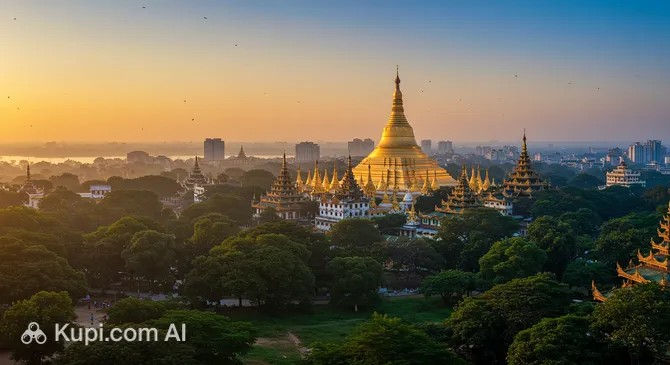
The skyline is dominated by the shimmering Shwedagon Pagoda, a 99-meter tall golden stupa that is the most sacred Buddhist site in the country. Visitors are also drawn to the downtown area, which boasts the highest concentration of colonial-era buildings in Southeast Asia, centered around the historic Sule Pagoda. For a taste of local life, the bustling Bogyoke Aung San Market offers everything from traditional handicrafts to precious gems.

With its tree-lined avenues, shimmering lakes, and vibrant street culture, Yangon is a city that rewards slow exploration. Whether you are admiring the sunset over the Kandawgyi Lake or sampling street food in Chinatown, Yangon promises an unforgettable start to your journey in this enchanting country.

Weather Overview

Yangon experiences a tropical monsoon climate, which generally divides the year into three distinct periods: a cool, dry season, a hot, dry season, and a rainy season. To help you pack appropriately for your trip, it is helpful to review the current weather in Yangon before you travel.

The most popular time to visit is typically from November to February, when conditions are dry and temperatures are more moderate. January is often the coolest month, with an average temperature of 25.1°C and comfortable lows around 19.1°C. By contrast, the heat builds up significantly in March and peaks in April, where daily maximums can reach an intense 37.3°C.

From May to October, the city is dominated by the monsoon, bringing heavy rainfall and high humidity. Precipitation is most frequent from June to August, with July seeing rain on roughly 31 days of the month. Despite the downpours, the air remains warm, with average temperatures hovering between 27°C and 28°C throughout the wet season.

Interesting Facts

Beyond the main attractions, Yangon holds many fascinating secrets and urban quirks that surprise even seasoned travelers. From architectural marvels to unusual traffic regulations, the city offers a layer of history and mystery waiting to be uncovered.
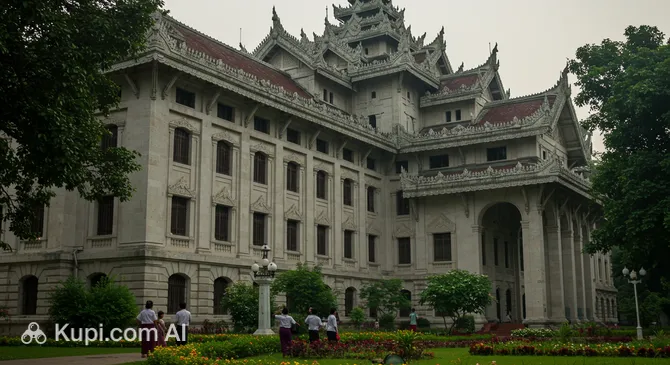
The Secretariat. Source: Kupi.Binoculars
  • Yangon possesses the highest concentration of colonial-era buildings in all of Southeast Asia. The downtown area is a living museum of Victorian and Edwardian architecture, featuring landmarks like the majestic The Secretariat, a sprawling complex that once served as the administrative seat of British Burma.

  • Unlike almost every other major city in Southeast Asia, motorbikes are strictly banned in the municipal area of Yangon. While scooters flood the streets of Hanoi or Bangkok, the roads here are dominated by cars and buses, creating a unique visual landscape and traffic rhythm.

  • The city presents a curious driving paradox: traffic moves on the right side of the road, yet the majority of vehicles have their steering wheels on the right as well. This is a legacy of the sudden switch from British left-hand traffic in 1970, combined with a heavy reliance on imported used cars from Japan.

  • The legendary Shwedagon Pagoda is not merely gilded; it is a treasure trove of immense value. The "umbrella" or hti at its pinnacle is encrusted with thousands of diamonds and rubies, crowned by a massive 76-carat diamond that is positioned to catch the final rays of the setting sun.

How to Get There

As the primary gateway to the country, reaching Yangon is relatively straightforward for international travelers. The most convenient and common method of entry is by air, with the city being served by its own major hub. For a detailed overview of all transport options and routes, you can read more about how to get to Yangon on our dedicated page.

The principal entry point is Yangon International Airport (IATA: RGN), which is located approximately 8.5 km from the city center. It is a large international facility welcoming flights from various Asian cities and beyond. The journey from the airport to downtown Yangon typically takes about 35 minutes by taxi, though traffic congestion can affect travel times.

For travelers approaching from the Thai border region, Mae Sot Airport (IATA: MAQ) is another transport node to consider, although it is situated significantly further away. Located in the city of Mae Sot, this airport is approximately 253 km from Yangon. Using this route usually involves a border crossing and a subsequent overland journey. Travelers should be prepared for a long overland trip to reach Yangon from this entry point.

For clarity, here is a summary of the main airports:

Airport Name City Passenger Traffic Km from City
Yangon International Airport Yangon Large 8.5
Mae Sot Airport Mae Sot Small 253.3

Regarding rail transport, Yangon serves as the central hub for the national railway network. The historic Yangon Central Railway Station acts as the terminus for several major lines, connecting the city with destinations such as Mandalay, Bagan, and Mawlamyine. While train travel in the region is generally slower than bus or air travel, it offers a scenic and memorable way to observe the local landscapes and rural life.

Main Attractions

Yangon is a city defined by its spiritual landmarks and colonial heritage, offering a rich array of sights for visitors. The skyline is punctuated by gleaming stupas, while the streets bustle with a mix of tradition and modernity. Exploring these highlights provides a deep dive into the culture and history of the region.

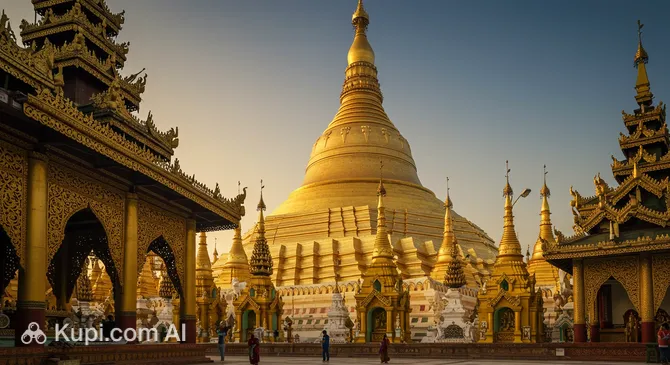
Undoubtedly the most iconic site in the city is the Shwedagon Pagoda. Standing atop Singuttara Hill, this massive golden stupa dominates the landscape and is visible from much of the city. It is considered the most sacred Buddhist pagoda in Myanmar, believed to enshrine relics of four Buddhas. Visitors are mesmerized by the sheer scale of the 99-meter structure, which is covered in gold plates and topped with thousands of diamonds and rubies. The atmosphere is particularly magical at sunset when the gold glows against the darkening sky.

Shwedagon Pagoda. Source: Kupi.Binoculars

Located right in the heart of downtown Yangon is the historic Sule Pagoda. Unlike many other temples that are set apart in quiet complexes, Sule Pagoda serves as a vibrant traffic circle at the intersection of the city's main roads. This ancient octagonal stupa, said to be over 2,000 years old, is a unique focal point where spirituality meets the chaotic energy of daily urban life. It is an excellent starting point for a walking tour of the surrounding colonial architecture.

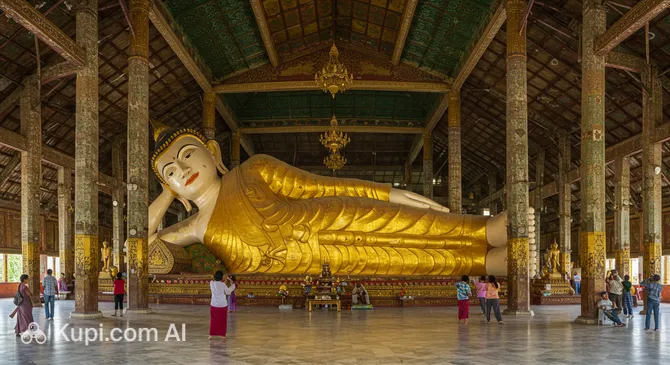
For those interested in seeing one of the country's most impressive Buddha images, the Chaukhtatgyi Buddha Temple is a must-visit destination. The temple houses a colossal reclining Buddha statue that stretches 65 meters in length. The sheer size of the statue is awe-inspiring, but the details are equally captivating, particularly the soles of the feet, which are decorated with 108 distinct symbols representing the auspicious characteristics of the Buddha. It offers a serene environment for reflection away from the city center's noise.

Chaukhtatgyi Buddha Temple. Source: Kupi.Binoculars

A striking sight on the eastern shore of Kandawgyi Lake is the Karaweik Palace. Designed to resemble a mythical royal barge, this concrete structure floats on the water and shines with golden paint and intricate architectural details. While it primarily functions as a venue for cultural shows and dining, its exterior is a favorite subject for photographers, especially when its reflection is cast upon the calm waters of the lake.

To gain a comprehensive understanding of the country's artistic and royal heritage, travelers should visit the National Museum of Myanmar. The museum's extensive collection includes ancient artifacts, traditional dress, and historical texts. The centerpiece of the collection is the magnificent Lion Throne, which once belonged to the last king of Myanmar. It provides a fascinating educational experience that contextualizes the history behind the city's many monuments.

Local Cuisine

The culinary landscape of Yangon is a vibrant reflection of the city's multicultural heritage, blending traditional Bamar flavors with strong influences from India, China, and the ethnic Shan people. Walking through the streets, visitors are greeted by an aromatic mix of sizzling stir-fries, simmering broths, and fresh herbs. The food culture here is incredibly social, revolving around bustling street stalls, open-air markets, and the ubiquitous tea houses that serve as community hubs.

No trip to Yangon is complete without tasting Mohinga, widely considered the national dish of Myanmar. This comforting breakfast staple consists of rice noodles served in a rich, savory fish broth, thickened with toasted chickpea flour and seasoned with lemongrass, ginger, and banana stem. Another must-try delicacy is Lahpet Thoke, or fermented tea leaf salad. This unique dish combines the tart and savory flavor of pickled tea leaves with the crunch of fried peas, peanuts, garlic, and sesame seeds, creating a texture and taste profile unlike anything else in Southeast Asia.

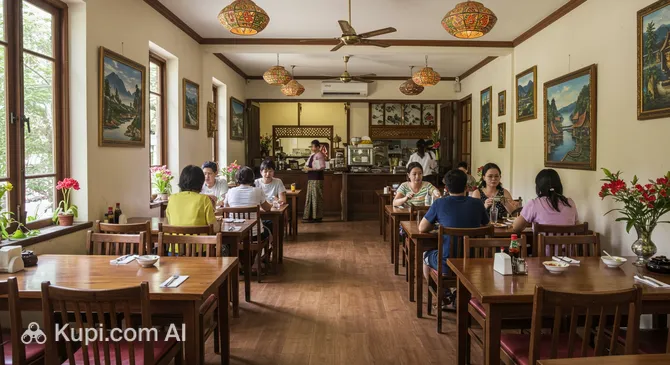
For those eager to explore regional specialties, the cuisine of the Shan State is particularly popular in the city. Shan noodles, served either as a soup or a dry salad with sticky rice noodles and marinated chicken or pork, are a local favorite. You can experience authentic versions of these dishes at the renowned Shan Yoe Yar Restaurant (Manaw Hari), which is celebrated for bringing traditional Shan recipes to an upscale setting in a beautifully restored colonial building.

Shan Yoe Yar Restaurant (Manaw Hari). Source: Kupi.Binoculars

Tea culture is an essential part of daily life in Yangon. Local tea shops are found on nearly every corner, offering low plastic stools where locals gather to chat and sip Laphet Ye, a sweet and creamy tea made with condensed milk. These shops often serve a variety of snacks, from savory samosas to sweet buns. If you prefer a more substantial meal in a cozy atmosphere, places like Yankin House offer a range of traditional home-style dishes that provide a comforting introduction to the local palate.

When the sun sets, the city's dining scene transforms. While street food markets like the famous 19th Street in Chinatown come alive with barbecue stalls and cold beer, the modern side of Yangon offers sophisticated options as well. Travelers looking to unwind with a drink can visit The Beer Factory Yangon, a popular spot to enjoy a selection of beverages and Western-fusion bites in a lively environment. Whether you are eating a simple bowl of noodles on the sidewalk or dining in a historic mansion, Yangon promises a gastronomic adventure that is both affordable and deeply flavorful.

Travel Tips

Yangon is a captivating mix of ancient traditions and bustling urban life, but it has a unique rhythm that can sometimes surprise first-time visitors. To help you navigate the city with confidence and ease, we have compiled a list of essential practical tips for your journey.

  1. Dress for the Climate and Culture: The weather is generally hot and humid, so lightweight, breathable fabrics like cotton or linen are your best friends. However, strict modesty rules apply at religious sites. You must cover your shoulders and knees when visiting pagodas. A local longyi (sarong) is perfect for this and very comfortable. Also, wear slip-on shoes or flip-flops, as you will be required to remove footwear frequently at temples.

  2. Navigating the City: Unlike most Southeast Asian cities, motorbikes are banned within downtown Yangon, so you won't see the usual swarms of scooters. The most convenient way to get around is by taxi. We highly recommend downloading the Grab app; it allows you to book rides at a fixed price, overcoming language barriers and the need to haggle. Public buses exist but can be confusing for non-locals.

  3. Cash is King: While high-end hotels and restaurants may accept credit cards, the local economy runs on cash (Myanmar Kyat). If you bring US dollars to exchange, they must be absolutely pristine—no folds, stamps, marks, or tears—or they will likely be rejected. ATMs are available but can occasionally be out of service, so carrying a backup stash of cash is wise.

  4. Health and Hydration: Never drink tap water; stick to sealed bottled water, which is widely available. It is also advisable to carry mosquito repellent, especially during the evenings or the rainy season, to protect against dengue fever. Pharmacies are common in the city, but bringing your own basic medical kit is recommended.

  5. Stay Connected: English is spoken in major hotels and tourist spots, but less so in local markets or taxi rides. Buying a local SIM card (providers like MPT, Atom, or Ooredoo) at the airport is cheap and easy, giving you reliable 4G data for maps and translation apps. A simple "Mingalaba" (Hello) goes a long way in breaking the ice with locals.

  6. Respectful Etiquette: In Myanmar culture, the head is considered the most sacred part of the body, and the feet are the lowest. Never touch someone on the head, and avoid pointing your feet at people or religious images when sitting. When handing over money or a gift, use your right hand, ideally supporting your right elbow with your left hand as a sign of respect.

  7. Strict Temple Rules: This cannot be stressed enough: you must remove shoes and socks before entering any pagoda or monastery grounds. Walking on the temple platform with footwear is considered deeply disrespectful. Watch where the locals leave their shoes and follow suit.

  8. A "Pro" Tip for Temple Hopping: Since you will be walking barefoot in many pagodas, the soles of your feet will get dirty. Carry a pack of wet wipes in your day bag to clean your feet before putting your shoes back on. It is a small detail that makes a big difference in comfort throughout a long day of sightseeing.

Armed with these practical insights, you are ready to embrace the warmth and wonder of Yangon without the stress of logistical surprises. Enjoy the golden sunsets and the incredible hospitality that make this city truly special.

Entertainment & Nightlife

Yangon’s nightlife scene has evolved rapidly in recent years, transforming from a quiet city that slept early into a vibrant hub of evening entertainment. While it may not yet rival the frenetic energy of Bangkok, the city offers a unique blend of experiences, ranging from humble street-side beer stations to sophisticated rooftop bars and pulsing nightclubs. The atmosphere is generally welcoming and casual, with a mix of locals, expats, and tourists mingling in the most popular districts.

For the most authentic local experience, travelers should head to 19th Street in Chinatown (Latha Township). Often referred to as "Beer Street," this narrow lane comes alive after dark with the smoke of charcoal grills and the clinking of glasses. Here, you can sit on plastic stools, enjoy affordable local draft beer, and feast on delicious barbecue skewers. It is loud, crowded, and incredibly atmospheric. For a more modern and hip vibe, the Sanchaung and Yaw Min Gyi neighborhoods are dotted with trendy bars and bistros that attract a younger, stylish crowd.

If you are looking for a place to dance or enjoy loud music late into the night, the city has several established venues. Pioneer is one of the most well-known nightclubs in Yangon, attracting a diverse crowd with its DJ sets and energetic environment. It is a go-to spot for those who want to experience the local clubbing culture firsthand. For a different flavor of nightlife, THAI 47 Nightclub (Helpin Branch) offers a lively setting that combines music, food, and drinks, often featuring live bands or themed events.

Pioneer. Source: Kupi.Binoculars

For travelers who prefer a more relaxed evening with quality drinks and conversation, Byblos Pub & Grill provides a cozy yet upscale atmosphere. Places like this are perfect for unwinding after a day of sightseeing, offering a wide selection of beverages and Western-fusion cuisine. When visiting clubs or upscale bars, the dress code is usually "smart casual"—men should avoid sleeveless shirts and flip-flops, while women generally dress stylishly but comfortably.

Practicality is key when navigating Yangon at night. Most bars close around 11:00 PM or midnight, while nightclubs may stay open until 2:00 AM or 3:00 AM. Grab is the safest and most convenient way to get around after dark; the app provides fixed fares and tracks your journey, avoiding the need to haggle with taxi drivers on the street. Yangon is generally safe for tourists at night, but it is advisable to stick to well-lit areas and avoid walking alone on quiet streets, primarily due to stray dogs and uneven sidewalks.

While the nights are for socializing, the city offers plenty of entertainment during the day as well. Families and thrill-seekers can cool off at Yangon Water Boom, a large water park featuring slides and pools that provide a fun escape from the tropical heat. For a quieter, more educational afternoon, the Bogyoke Aung San Museum offers a glimpse into the life of the country's independence hero, set within his historic former residence. Whether day or night, Yangon provides a diverse array of activities to suit every tempo of travel.

Parks & Museums

Often referred to as the "Garden City of the East," Yangon balances its bustling urban energy with lush green spaces and a wealth of cultural institutions. The city’s parks offer serene escapes shaded by tropical trees, while its museums provide a profound look into the nation's royal past, colonial history, and diverse ethnic heritage.

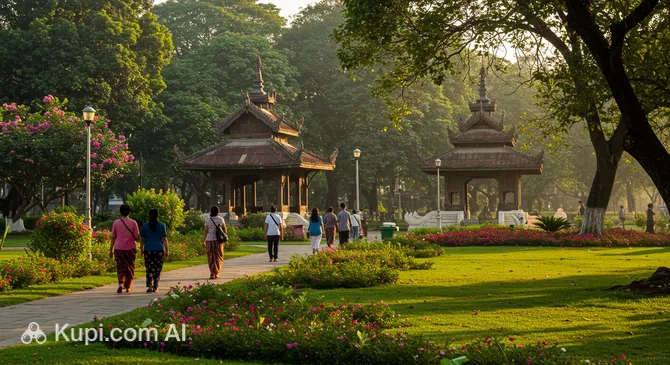
One of the most popular recreational areas is People's Park, located just to the west of the Shwedagon Pagoda. Spanning over 130 acres, this sprawling complex features manicured gardens, musical fountains, and a small amusement park. It is a favorite spot for locals to exercise or relax in the evenings. Visitors can also find an interesting display of decommissioned steam trains and fighter jets, adding a historical touch to the natural surroundings.

People's Park. Source: Kupi.Binoculars

For a unique cultural experience combined with outdoor exploration, the National Races Village is well worth a visit. Situated near the Thanlyin Bridge, this park showcases the diversity of Myanmar's indigenous groups. It features traditional houses representing the varied architectural styles of the Kachin, Kayah, Kayin, Chin, Bamar, Mon, Rakhine, and Shan people. Walking or cycling through the grounds allows tourists to observe distinct cultural artifacts and handicrafts in a single location.

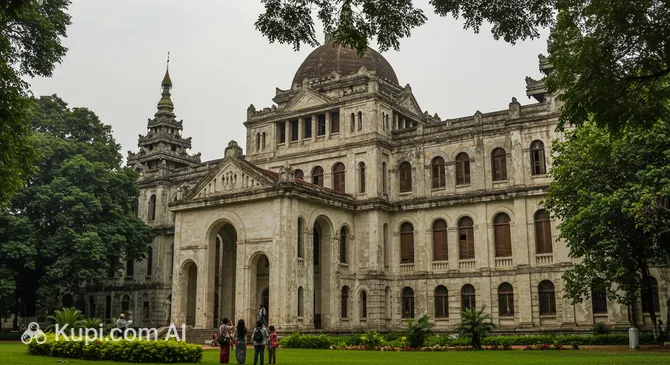
To delve deeper into the country's rich history, the National Museum of Myanmar is the city's premier institution. The extensive five-story building houses a vast collection of art, archaeological finds, and royal regalia. The undisputed highlight is the magnificent Lion Throne (Sihasana), a towering, gilded masterpiece that once belonged to the last king of Myanmar. The museum offers an invaluable context for understanding the complex history that shaped the modern nation.

National Museum of Myanmar. Source: Kupi.Binoculars

Another significant cultural site is the Bogyoke Aung San Museum, dedicated to the father of modern Myanmar. Housed in the late colonial-era villa where General Aung San lived with his family, the museum has been preserved much as it was during his lifetime. Visitors can see personal belongings, family photos, and the furniture used by the General, offering an intimate glimpse into the life of the country’s most revered independence hero.

Yangon is also home to remarkable architectural landmarks that serve as open-air museums of the colonial period. The Secretariat is a colossal Victorian-style complex that once served as the administrative seat of British Burma. It is historically significant as the site where General Aung San and his cabinet members were assassinated in 1947. Restoration efforts have opened parts of this grand structure to the public, allowing visitors to admire its red-brick facade and intricate detailing.

For a quieter, less commercialized experience, consider taking a stroll along the banks of Inya Lake in the late afternoon. While Kandawgyi Lake is more famous, Inya Lake offers a breezy, expansive promenade where university students and locals gather to watch the sunset, providing a genuine slice of daily life away from the main tourist trail.

Getting Around

Navigating the bustling streets of Yangon offers a genuine glimpse into the daily rhythm of the city. Unlike many other metropolises in Southeast Asia, Yangon does not currently have a metro or subway system. Instead, the public transport network relies heavily on a comprehensive bus system, a historic railway loop, and an abundance of taxis, making it relatively easy for visitors to get around once they understand the basics.

The backbone of the city's public transportation is the Yangon Bus Service (YBS). These buses, typically red or yellow, cover nearly every corner of the city and are by far the most economical way to travel. While the route maps can be complex for newcomers, the buses are numbered (often with Western numerals) and modern air-conditioned vehicles are becoming the standard. To use the bus, you simply board at the front and pay the fare by dropping exact cash into the box next to the driver. There are no conductors to give change, so carrying a supply of small banknotes is essential.

For a truly unique experience that serves as both transport and a sightseeing activity, tourists should take a ride on the Yangon Circular Railway. This commuter train loops around the city and its outskirts, connecting the urban center with rural villages. A full loop takes approximately three hours, offering a slow-paced, fascinating window into local life as vendors sell fruit and snacks in the aisles. Tickets are incredibly cheap and can be purchased directly at the platform of the Yangon Central Railway Station or any smaller station along the route. While not the fastest way to get from point A to point B, it is a "must-do" for the atmosphere alone.

When it comes to comfort and convenience, taxis are the preferred option for most international travelers. You can hail taxis on the street, but they do not use meters, so you must negotiate the fare before getting in. To avoid the language barrier and the need to haggle, it is highly recommended to use the Grab app. It functions similarly to other ride-hailing services, providing a fixed price and tracking your journey, which adds a layer of safety and ease to your trip.

A distinctive feature of Yangon's transport landscape is the strict ban on motorbikes within the municipal city limits. You will not find motorbike taxis or scooter rentals in the downtown area, which significantly changes the flow of traffic compared to cities like Hanoi or Bangkok. Consequently, tourists cannot rent scooters to explore the city center; you must rely on four-wheeled vehicles or walking.

For crossing the Yangon River to visit the rural township of Dala, public ferries are the primary mode of transport. The ferry terminal is located near the Pansodan Street Jetty. The ride is short, scenic, and offers a stark contrast between the busy city center and the quiet, village-like atmosphere on the opposite bank. Tickets for foreigners are sold at a dedicated counter at the jetty.

Regarding payment, cash is king in Yangon's transport system. While a card system (YPS) exists for locals on buses, it is not widely used by short-term visitors. Fares for buses and trains are very low, typically ranging from 200 to 500 Kyat. Always keep a stash of 100, 200, and 500 Kyat notes handy. Be aware that public transport generally stops running earlier than in Western cities, with many bus routes winding down around 9:00 PM or 10:00 PM, so plan your late-night returns via taxi.
Accommodation

Where to Stay:

Finding the perfect place to stay in Yangon has become much easier in recent years, with options ranging from affordable backpacker hostels to opulent five-star properties. The city's accommodation landscape caters to a variety of travel styles, whether you are looking for a historic colonial experience, a modern room with a view of the golden pagodas, or a simple guesthouse in the heart of the action.

For most travelers, the Downtown area (centered around Sule Pagoda) is the most convenient location. Staying here puts you within walking distance of colonial heritage buildings, vibrant street markets, and the ferry terminal. It is the hub of the city's street life and offers the highest concentration of budget and mid-range hotels. Alternatively, the neighborhoods surrounding Kandawgyi Lake and the Shwedagon Pagoda (Bahan Township) offer a greener, quieter atmosphere. This area is home to many of the city’s luxury hotels and boutique properties, often providing stunning views of the illuminated stupas at night.

Accommodation in Yangon generally falls into three categories. Budget travelers will find numerous hostels and guesthouses, particularly in the downtown grid, offering clean but basic amenities. Mid-range hotels are plentiful and often provide excellent value, featuring air-conditioning, breakfast, and modern facilities. At the top end, the city boasts several world-class luxury hotels, some housed in beautifully restored colonial mansions that evoke the atmosphere of a bygone era, while others are sleek, modern high-rises with swimming pools and spas.

Booking Tips and Prices: Prices in Yangon are generally higher than in rural Myanmar but remain reasonable by international standards. A bed in a dormitory or a simple budget room can cost between $15 and $30 USD per night. Mid-range hotels typically range from $40 to $80 USD, while luxury options start from $100 USD and can go significantly higher. It is highly recommended to book your accommodation in advance, especially if you are visiting during the peak tourist season from November to February. While walk-ins are possible, using major online booking platforms ensures you get the best rates and secures your spot in your preferred neighborhood.

Nearby Cities

Yangon serves as an excellent base for exploring the wider region, with several historic and culturally significant cities located just a short journey away. Whether you are interested in ancient archaeology, river delta life, or colonial history, the surrounding areas offer diverse experiences that complement a visit to the commercial capital.

One of the most popular day-trip destinations is Bago. Located approximately 62 km northeast of Yangon, this former royal capital is renowned for its high concentration of pagodas and massive Buddha statues. Closer to the city, Thanlyin sits just across the Bago River. It is a historic port town featuring ruins of Portuguese architecture and a hilltop pagoda that offers panoramic views.

For those venturing further into the Ayeyarwady Delta, Pathein is a vibrant city famous for its traditional parasol workshops and lush surroundings. Other nearby towns like Hinthada and Letpadan provide a more off-the-beaten-path look at local provincial life.

City Distance from Yangon (km) Population
Thanlyin 12 181,000
Bago 62 284,179
Letpadan 114 176,571
Hinthada 118 180,728
Pathein 153 300,000

Shopping & Souvenirs

Shopping in Yangon is a delightful exploration of contrasts, where traditional open-air bazaars sit just a short distance from gleaming modern shopping centers. The city offers a unique retail therapy experience that allows visitors to dive into local culture through handicrafts and textiles, or enjoy the comfort of international brands in air-conditioned environments. Whether you are hunting for precious gemstones or simply looking for a cool place to browse, the city has diverse options to suit every budget.

For a quintessential Yangon shopping experience, the historic Bogyoke Aung San Market (formerly known as Scott Market) is the primary destination. Housed in a beautiful colonial-era building with cobblestone streets, this sprawling market is the best place to find local treasures. It is famous for its rows of jewelry shops selling Myanmar’s renowned jade, rubies, and sapphires, as well as stalls overflowing with lacquerware, wood carvings, and traditional art. Just a short walk away, the bustling streets of the downtown area offer a more chaotic but authentic atmosphere, where vendors sell everything from electronics to fresh fruit right on the sidewalk.

In recent years, the city has seen the rise of world-class shopping malls that offer a stark contrast to the traditional markets. Junction City is the premier lifestyle destination in downtown Yangon. This massive, modern complex features a wide array of international fashion brands, a cinema, and a diverse food court, making it a popular spot for locals and tourists alike to escape the midday heat.

Junction City. Source: Kupi.Binoculars

Another notable modern venue is Sule Square, located conveniently near the historic Sule Pagoda. It offers a mix of upscale retail outlets and dining options, providing a sophisticated shopping environment in the heart of the city. These malls accept credit cards and offer fixed prices, providing a hassle-free alternative to the bargaining required in the markets.

When it comes to souvenirs, visitors are spoiled for choice. The most popular item to bring home is a longyi, the traditional sarong worn by both men and women in Myanmar; they are available in endless patterns and fabrics, from simple cotton to elegant silk. Burmese lacquerware is another prized purchase, known for its intricate designs and durability. For those interested in jewelry, it is advisable to buy from reputable dealers who can provide certificates of authenticity, especially when purchasing high-value gems like jade or rubies.

Practicality is key when planning your shopping trips. Traditional markets like Bogyoke Aung San typically open around 9:00 AM and close relatively early, usually by 5:00 PM. They are also often closed on Mondays and public holidays, so it is wise to check the schedule beforehand. In contrast, modern malls like Junction City remain open until 9:00 PM or 10:00 PM daily. While malls and larger stores accept major credit cards, cash is essential for street markets and smaller vendors. Bargaining is expected and enjoyed in the markets, but prices in shopping malls and supermarkets are fixed.

Reached the end of the page?

That means the route is fully explored