Support

Mae Sot

About

Mae Sot is a fascinating destination located in the Tak Province of western Thailand. Known for its vibrant multicultural atmosphere, this border city serves as a significant gateway between Thailand and Myanmar. With a population of approximately 31,530 residents, it offers a bustling yet welcoming environment where diverse traditions blend seamlessly, creating a unique character that sets it apart from other Thai cities.

The city's strategic location has deeply influenced its development over the years. Exploring the history of Mae Sot reveals its long-standing role as a crucial trade hub in the region. The local culture is a rich tapestry woven from Thai, Burmese, and various hill tribe influences, which is clearly visible in the architecture, food, and daily life on the streets.

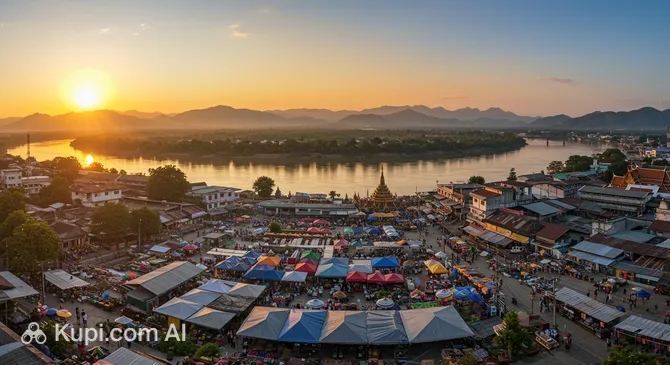
Mae Sot. Source: Kupi.Binoculars

Travelers are often drawn to the lively Rim Moei Market, situated right on the banks of the Moei River, where they can browse for imported goods, gemstones, and local handicrafts. Another key landmark is the Thai-Myanmar Friendship Bridge, which symbolizes the connection between the two nations. For those interested in cultural heritage, the city is home to stunning Burmese-style temples such as Wat Thai Wattanaram, known for its intricate designs and golden decorations.

Whether you are passing through on an overland journey or planning to stay and soak up the local culture, Mae Sot promises a memorable experience. Its distinctive blend of sights, sounds, and flavors makes it a truly rewarding stop for any traveler seeking to discover the diverse spirit of the region.

Weather Overview

The weather in Mae Sot is generally warm throughout the year, characterized by distinct wet and dry seasons. The climate is tropical, meaning humidity levels can vary significantly depending on the month you choose to visit.

From November to April, the city experiences its dry season. During these months, precipitation is minimal, particularly in January and February, which see almost no rain. Temperatures are pleasant, averaging around 23°C to 24°C in the cooler months, but rising steadily to reach average highs of nearly 35°C by April, which is typically the hottest time of the year.

The rainy season begins in May and lasts through October. During this period, rainfall becomes frequent, with August often seeing rain on almost every day of the month. Despite the wet conditions, temperatures remain moderate, generally hovering around 25°C. Travelers should expect warm days year-round, with heavy monsoon rains in the summer and drier, cooler conditions during the winter months.

Interesting Facts

Beyond the well-known border markets and temples, Mae Sot holds several fascinating secrets that reveal its depth as a cultural crossroads. This city is not just a transit point but a place where distinct traditions and eras coexist in surprising ways.
  • "Little Burma" Identity: Mae Sot is often affectionately called "Little Burma" due to the immense cultural influence of its neighbor. It is one of the few places in Thailand where you will see more people wearing traditional thanaka face paste and longyis (sarongs) than Thai clothing, and local tea shops serve sweet Burmese tea as a staple of daily life.

  • A Hidden Gem Hub: The city is a major, yet often overlooked, center for the international gemstone trade. At the dedicated gem market behind the main streets, traders casually haggle over piles of raw jade and rubies on simple folding tables, a practice that involves significant sums exchanging hands in a surprisingly informal setting.

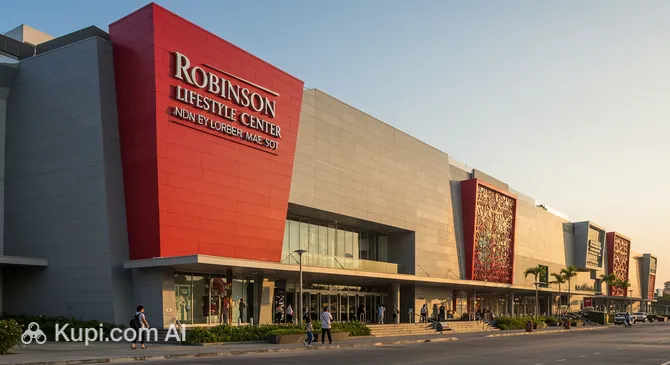
  • Modern Contrasts: While the city preserves its rustic charm, it has embraced modernity in unexpected ways. Travelers can transition from ancient temples to contemporary spaces like Lifestyle Mae Sot, a modern complex that offers a sharp, air-conditioned contrast to the bustling, open-air trade along the river.

  • Teak Heritage: If you look closely at the older streets, you can spot century-old teak mansions hidden behind concrete shopfronts. These architectural remnants date back to the era when Mae Sot was a remote outpost for the teak logging industry, long before it became a busy commercial gateway.

Lifestyle Mae Sot. Source: Kupi.Binoculars

How to Get There

Reaching this border city is relatively straightforward, with options ranging from direct flights to scenic overland journeys through the mountains. For a detailed breakdown of all transport modes and routes, you can read more about how to get to Mae Sot on our dedicated page. Whether you prioritize speed or scenery, planning your arrival is the first step to enjoying the region.

The most convenient entry point is Mae Sot Airport (MAQ), located just 3.5 km from the heart of the city. As a regional hub, it offers a quick connection for travelers, with the drive to the city center taking approximately 25 minutes by taxi. Although it handles a modest volume of traffic compared to major international hubs, its proximity makes it the preferred choice for those wishing to save time.

If direct flights are unavailable, many visitors choose to fly into Phitsanulok Airport (PHS) in the city of Phitsanulok. Situated about 182 km away, this airport serves as a key transit point for the lower north of Thailand. From here, the journey to Mae Sot by bus or taxi takes roughly 5 hours, offering a chance to see the countryside. Another alternative is Chiang Mai International Airport (CNX) in Chiang Mai, which is a major gateway about 231 km away, suitable for those incorporating a road trip through the northern mountains into their itinerary.

For clarity, here is a summary of the main airports:

Airport Name City Passenger Traffic Km from City
Chiang Mai International AirportChiang MaiLarge231.1
Phitsanulok AirportPhitsanulokMedium182.3
Lampang AirportLampangSmall199.0
Mae Sot AirportMae SotSmall3.5
Sukhothai AirportSukhothaiSmall144.6

The city of Mae Sot does not have a railway station, as the train lines in northern Thailand do not extend through this mountainous western province. The most common strategy for train travelers is to take a train from Bangkok to Phitsanulok. From the Phitsanulok railway station, regular buses and minivans depart for Mae Sot, navigating the winding mountain roads to reach the border city in approximately 4 to 5 hours.

Main Attractions

Mae Sot offers a captivating mix of cultural landmarks and bustling marketplaces that reflect its unique position on the Thai-Myanmar border. While the city is a commercial hub, it also boasts impressive religious sites and modern amenities, making it a diverse destination for travelers.

One of the most visually stunning sites in the city is Wat Thai Wattanaram. This temple is a masterpiece of Burmese-style architecture, instantly recognizable by its vibrant red and gold color scheme. Visitors are often awestruck by the massive reclining Buddha statue and the intricate details of the monastery's facade. It provides a serene atmosphere where you can admire the artistic traditions of the neighboring culture without leaving Thailand.

For a taste of local commerce, the Rim Moei Market is an essential stop. Located right on the banks of the Moei River, this vast marketplace is famous for its array of imported goods, including gemstones, jade, electronics, and local handicrafts. It is a lively spot where tourists can observe the busy cross-border trade in action and pick up unique souvenirs at competitive prices.

If you are looking for a change of pace and some modern comfort, Lifestyle Mae Sot is the city's premier shopping and entertainment complex. It serves as a popular gathering place for locals and visitors alike, offering a wide range of international brands, dining options, and a cinema. It is the perfect place to escape the midday heat and enjoy a relaxing afternoon in a contemporary setting.

Another significant religious landmark is Wat Chumphon Khiri, located in the heart of the city. The temple is renowned for its golden pagoda, which is modeled after the famous Shwedagon Pagoda in Yangon. Surrounded by smaller pagodas, it is a focal point for local worship and offers a peaceful environment for quiet reflection amidst the town's activity.

Local Cuisine

Local Cuisine:

The culinary landscape of Mae Sot is a delightful reflection of its status as a cultural melting pot. Unlike typical Thai cities where spicy Tom Yum and Pad Thai dominate, the food scene here is heavily influenced by Burmese and Muslim traditions. This fusion creates a unique gastronomic adventure where the flavors of turmeric, mild curries, and pickled ingredients take center stage, offering visitors a taste that is distinct to this border region.

A must-try dish that defines the local experience is the famous Tea Leaf Salad (Laphet Thoke). This Burmese classic mixes fermented tea leaves with crunchy beans, garlic, peanuts, and sesame seeds, creating a savory and textured salad that is unlike anything else in Thai cuisine. Another breakfast staple is Mohinga, a comforting rice noodle soup served in a hearty fish-based broth, often garnished with crispy fritters and boiled eggs. For those who enjoy rich, savory dips, fresh Roti served with beef or chicken curry is a common sight at morning markets.

Mae Sot is also renowned for a specific sweet treat known as Halawa. This sticky, jelly-like dessert is made from glutinous rice flour, coconut milk, and sugar, often topped with sesame seeds. It is the city's signature souvenir snack, and you will see it sold in colorful boxes throughout the town. It pairs perfectly with the local beverage of choice: Burmese sweet tea. Influenced by the teahouse culture of Myanmar, locals often gather on low stools to sip this hot, strong tea mixed with generous amounts of sweetened condensed milk.

Dining in the city ranges from rustic street stalls to bustling night markets where you can sample skewers and noodle dishes for very low prices. The "Walking Street" market is a particularly popular spot to explore these local flavors in the evening. For travelers seeking a break from the heat or looking for familiar international chains and modern food courts, Lifestyle Mae Sot offers a comfortable dining environment. However, to truly understand the spirit of the city, sitting in an open-air shop enjoying a crispy roti and sweet tea is an experience not to be missed.

Travel Tips

Mae Sot is a vibrant frontier town where cultures converge, offering an experience quite different from the typical tourist trail in Thailand. To help you navigate this bustling border city with ease and respect for its unique diverse heritage, here are some practical tips to ensure your trip is smooth and enjoyable.

  1. Clothing and Gear: The climate is generally hot and humid, so lightweight, breathable fabrics like cotton or linen are essential. Since you will likely visit temples like Wat Thai Wattanaram, always pack modest clothing that covers your shoulders and knees. Slip-on shoes or sandals are highly recommended, as you will need to remove them frequently when entering temples, homes, and some shops.
  2. Transportation: Getting around Mae Sot is an adventure in itself. The most common public transport is the songthaew (converted pickup trucks with bench seating), which runs along main routes for a small fee. For more direct trips, motorbike taxis are widely available at street corners; look for drivers in colored vests. If you are comfortable driving, renting a scooter is a popular way to explore the surrounding waterfalls and hot springs, but ensure you have a valid international driving permit.
  3. Finances: Cash is king in this border town. While credit cards are accepted at modern establishments like the Lifestyle Mae Sot mall and major hotels, they are rarely useful at the Rim Moei Market or local street food stalls. ATMs are plentiful near the city center and 7-Eleven stores. The currency is the Thai Baht (THB), but due to the proximity to the border, you might see Burmese Kyat being traded, though tourists should stick to Baht for transactions.
  4. Health and Safety: As Mae Sot is located in a forested border region, mosquito protection is crucial; always carry and apply repellent, especially during dawn and dusk, to prevent dengue fever or malaria. Pharmacies are abundant and well-stocked, often with English-speaking pharmacists. The city is generally safe, but exercise caution near the border checkpoints and avoid unlit areas late at night.
  5. Communication: The linguistic landscape here is a mix of Thai, Burmese, and local dialects. English is spoken in hotels and tourist-focused businesses, but it is less common in local markets. Downloading an offline translation app and a map is very helpful. You can easily purchase a local SIM card at any convenience store with your passport to stay connected.
  6. Local Etiquette: The standard greeting is the Wai (pressing palms together at chest level), which is a polite way to say hello or thank you. The head is considered the most sacred part of the body, so never touch anyone's head, even children. Conversely, feet are considered the lowest part, so avoid pointing your feet at people or religious images when sitting.
  7. What to Avoid: Do not take photographs of military personnel, border checkpoints, or government officials at the Friendship Bridge without explicit permission, as this is a sensitive security zone. Additionally, avoid raising your voice or showing aggression in public; keeping a "cool heart" (Jai Yen) is key to resolving any issues politely.
  8. Market Timing: Unlike the late-night markets in Bangkok or Chiang Mai, the famous Rim Moei Market on the border operates primarily during the day. Most stalls begin to close around 5:00 PM or 6:00 PM, so it is best to plan your visit in the morning or early afternoon to see the market at its liveliest.

By keeping these practical tips in mind, you will be well-prepared to embrace the fascinating rhythm of life in Mae Sot. Enjoy the rich blend of cultures, the friendly smiles of the locals, and the unforgettable atmosphere of this gateway to the west.

Entertainment & Nightlife

Nightlife in Mae Sot is a reflection of its unique border town character—relaxed, multicultural, and surprisingly diverse. While you will not find the high-energy go-go bars or massive nightclubs typical of Bangkok or Pattaya, the city offers a charming selection of evening entertainment. The vibe here is laid-back, with locals, expats, and travelers gathering in open-air venues to enjoy live music, good food, and conversation. The main action tends to center around Intharakhiri Road and its connecting side streets, where most of the popular hangouts are located.

For a modern evening experience, Lifestyle Mae Sot is the go-to destination. This complex is not just for shopping; it serves as a nightly hub where families and friends gather. It houses a cinema showing the latest releases and a variety of restaurants that stay open into the evening, offering a comfortable, air-conditioned alternative to the outdoor heat. It is an excellent place to start your night with a meal or a movie before exploring the more rustic side of town.

If you are visiting over the weekend, the Mae Sot Walking Street is an absolute must. Held on Saturday evenings along the central streets, this night market transforms the area into a bustling festival of lights, smells, and sounds. It is the perfect place to sample local street food, shop for cheap clothes, and soak up the atmosphere. For a more pub-like environment, venues like Aiya Bar & Restaurant are local favorites, known for hosting live bands that play a mix of Thai pop and Western covers, attracting a lively crowd of young locals and international NGO workers.

Practicality is key when enjoying a night out here. Most venues close relatively early compared to major tourist hubs, with bars typically winding down around midnight. Prices are very affordable; a beer or a cocktail costs a fraction of what you would pay in the capital. Getting around at night requires some planning, as public songthaews stop running in the early evening. It is best to arrange a ride with a motorbike taxi or have your hotel call a reliable driver for you. While the city center is generally safe for walking, street lighting can be inconsistent, and stray dogs are common, so staying on main roads is advisable.

Beyond the nightlife, Mae Sot offers plenty of daytime entertainment to fill your schedule before the sun goes down. Nature lovers can explore the nearby Maekasa Hot Springs or take a refreshing dip at the Phra Charoen Waterfall. For a dose of culture, the local museums and the unique architecture of the border markets provide fascinating insights into the region's history, ensuring that your days are just as engaging as your evenings.

Parks & Museums

While Mae Sot is primarily known as a bustling trade hub, the city and its surroundings offer refreshing pockets of greenery and cultural institutions that provide a deeper understanding of the region. Beyond the busy markets, visitors can find serenity in natural springs, waterfalls, and venues dedicated to preserving the area's unique history.

For nature lovers, the Mae Ka Sa Hot Springs is a standout destination located just a short drive from the city center. Nestled in a valley surrounded by rice fields and mountains, this natural attraction allows visitors to soak in mineral-rich waters believed to have therapeutic properties. A popular local activity here is purchasing a basket of quail or chicken eggs to boil in the hottest pools while you relax. The area is well-maintained with paved paths and gazebos, making it an excellent spot for a peaceful afternoon picnic away from the dusty border streets.

Another accessible natural retreat is the Phra Charoen Waterfall, situated conveniently off the main highway towards Phop Phra. Unlike the difficult treks required for some remote waterfalls, this site is family-friendly with a short, easy walk from the parking area to the falls. The waterfall cascades down limestone steps into a cool, clear pool perfect for a refreshing dip. Surrounded by lush jungle foliage, it offers a quick and delightful escape into nature without requiring a full day of travel.

In terms of cultural preservation, the Mae Sot City Museum (sometimes referred to as the Municipality Museum) serves as the primary custodian of local heritage. Housed in a repurposed administrative building, the museum showcases the diverse ethnic tapestry of the region, featuring exhibits on the hill tribes, the history of the border trade, and the city's development. It provides valuable context for the multicultural atmosphere you experience on the streets, displaying traditional clothing, tools, and photographs that trace Mae Sot's evolution from a remote outpost to a commercial gateway.

While not a traditional museum enclosed within walls, the Old Town District functions as a captivating "living museum" of architecture. Walking through the central streets, observant travelers will notice several well-preserved teak mansions dating back to the early 20th century. These structures are remnants of the teak logging era and feature intricate woodwork that blends Burmese and colonial styles. Viewing these historic homes offers a silent but powerful narrative of the town's wealthy past, standing in stark contrast to the modern concrete shophouses that now dominate the skyline.

For a truly authentic experience, consider visiting the hot springs in the early morning when the mist still clings to the surrounding hills. It is a magical time when you are likely to be the only tourist among locals starting their day with a warm soak. Afterward, a stroll past the old teak houses in the city center provides a quiet, nostalgic counterpoint to the frenetic energy of the border markets.

Getting Around

Navigating Mae Sot offers a distinct and authentic experience compared to the bustling transport networks of larger metropolitan areas. The city does not possess a metro, tram, or extensive bus system. Instead, the local public transportation relies heavily on informal, road-based options that are efficient, affordable, and deeply integrated into the daily life of the locals. Understanding how these unique modes of travel work is key to exploring the city comfortably.

The primary mode of public transport is the Songthaew, a converted pickup truck with a roof and two rows of bench seating in the back. These vehicles operate on fixed routes, connecting the city center with key locations such as the bus terminal and the border area near the Friendship Bridge. They are color-coded (often blue or orange) to indicate their specific route. To catch one, you simply wait by the roadside and wave your hand; to get off, you press a buzzer located on the ceiling or signal the driver.

For faster, point-to-point travel, motorbike taxis are ubiquitous and convenient. You can easily spot the drivers wearing colorful vests, usually gathered at street corners or near markets. They are the quickest way to navigate through traffic for short distances. Tuk-tuks are also available, though they are less common than in other major tourist destinations. They are best suited for carrying luggage or small groups who prefer a private ride over sharing a Songthaew.

The payment system in Mae Sot is strictly cash-based. There are no travel cards, digital passes, or ticketing apps for local city transport. Fares for Songthaews are generally fixed and very low, often costing just a small amount of coins for a standard trip across town. For motorbike taxis and tuk-tuks, prices are not metered. It is standard practice to ask for the price before the journey begins. If the quote seems high, polite negotiation is acceptable, but prices are usually reasonable for short trips.

Travelers should be aware that public transport operates primarily during daylight hours. Songthaews typically start running early in the morning but become infrequent after sunset, often stopping completely by early evening. If you plan to stay out late, it is crucial to arrange transportation in advance, such as keeping the number of a reliable taxi driver or asking your hotel to assist you. Always carry small banknotes and coins, as drivers often do not have change for large denominations.

For those seeking more independence, renting a scooter or motorbike is a highly popular alternative. Rental shops are easy to find in the city center, and having your own vehicle allows you to explore the surrounding waterfalls and hot springs at your own pace. However, ensure you have a valid driving license and wear a helmet at all times. While ride-hailing apps are becoming more common in the country, their availability in smaller border towns like Mae Sot can be inconsistent, so it is best not to rely on them exclusively.

Accommodation

Where to Stay:

Finding accommodation in Mae Sot is generally a hassle-free experience, as the city caters to a diverse mix of business travelers, cross-border traders, and tourists. The range of options is surprisingly broad for a town of its size, shifting from simple backpacker-friendly guesthouses to comfortable mid-range hotels and boutique resorts. While you may not find ultra-luxury international chains here, the standard of hospitality is high, with many establishments offering clean, modern amenities at very competitive prices.

For most travelers, staying in the city center is the most convenient option. Locations near Intharakhiri Road or the main markets place you within walking distance of the vibrant street food scenes, night markets, and local temples. This area is perfect for those who want to be in the middle of the action and rely on walking or short motorbike taxi rides to get around. Alternatively, if you prefer a quieter atmosphere, there are several resorts located on the outskirts of the city or along the highway leading to the border. These spots often feature garden settings and more spacious grounds, ideal for visitors with their own transport.

Since Mae Sot is a major hub for international trade and business, many hotels are designed with practical comfort in mind, offering spacious rooms and reliable Wi-Fi. The general price range is quite affordable compared to Thailand's major tourist destinations. Budget travelers can find basic fan rooms for a very low cost, while air-conditioned rooms in well-rated hotels typically fall into the budget to lower mid-range category. Even the more upscale boutique options are reasonably priced, allowing visitors to enjoy a higher level of comfort without breaking the bank.

Booking Tip: While it is often possible to find a room by simply walking in, especially during the rainy season, booking in advance is recommended if you are visiting during the cool, dry months (November to February). This period sees an influx of visitors, and the most popular hotels can fill up quickly. Most established hotels are listed on major online booking platforms, making it easy to secure your preferred spot ahead of time.

Nearby Cities

Mae Sot serves as a strategic gateway for exploring the western and lower northern regions of Thailand. Situated in Tak Province, the city is well-connected to several other significant destinations, ranging from the provincial capital to renowned historical sites. A scenic drive through the mountains leads visitors to the main city of Tak, while further journeys allow travelers to discover the ancient ruins of Sukhothai and Kamphaeng Phet, both of which are celebrated for their rich cultural heritage.

For those planning to expand their itinerary, here is a list of nearby cities that are easily accessible by road:

City Distance (km) Population
Tak 51 17,565
Kamphaeng Phet 107 29,178
Sukhothai 137 15,618
Sawankhalok 150 17,148
Si Satchanalai 150 15,691

Shopping & Souvenirs

Shopping in Mae Sot offers a distinct experience that differs significantly from the high-end retail therapy found in Bangkok. As a major gateway for cross-border trade, the city is a bustling hub for imported goods, traditional handicrafts, and raw materials. The shopping scene here is characterized by its diversity, offering everything from duty-free electronics and bulk snacks to precious stones and ethnic textiles, all sold in an atmosphere that blends Thai orderliness with the energetic chaos of a frontier town.

The primary shopping district for tourists is undoubtedly the area along the Moei River, specifically around the border checkpoint. This zone serves as a massive open-air bazaar where traders from both sides of the border converge. In the city center, the streets branching off Intharakhiri Road form the commercial heart of the town, lined with gold shops, pharmacies, and local grocery stores stocking goods you might not find elsewhere in Thailand.

For those seeking a modern retail experience, Lifestyle Mae Sot is the city's premier shopping destination. This large complex, which includes a Robinson Department Store, offers a comfortable, air-conditioned environment where you can find international fashion brands, cosmetics, sports equipment, and a well-stocked supermarket. It stands as a contemporary contrast to the traditional markets and is the best place to purchase authentic branded goods or replace travel essentials.

The local markets are the true soul of Mae Sot's shopping culture. The Rim Moei Market is the most famous, located right on the riverbank. It is a labyrinth of stalls selling dried mushrooms, cheap electronics, Burmese cosmetics, and wooden furniture. For a more specialized experience, the Gem Market in the city center attracts traders dealing in jade and rubies; it is a fascinating place to observe, though purchasing requires a knowledgeable eye. On Saturday evenings, the Walking Street transforms the central area into a lively venue for cheap clothing, handmade accessories, and street food.

When it comes to souvenirs, Mae Sot offers unique items that reflect its multicultural heritage. Burmese jade and gemstones are popular, but it is advisable to buy from reputable dealers if you are looking for high value. More casual gifts include Thanaka (a traditional cosmetic bark powder), colorful Longyis (sarongs), and packets of Burmese tea mix. Food items are also excellent souvenirs, particularly the local sweet treat called Halawa and bags of dried nuts or beans which are sold in bulk at the border markets.

Store hours in Mae Sot can vary depending on the type of establishment. The Rim Moei Market operates primarily during the day, opening around 8:00 AM and winding down by 5:00 PM or 6:00 PM. In contrast, Lifestyle Mae Sot and other modern shops typically remain open from 10:00 AM until 9:00 PM. Payment methods also differ; while the shopping mall and large hotels accept major credit cards, cash is essential for all transactions in the local markets, street stalls, and smaller shops.

Tourists shopping at larger establishments, such as the department store within the Lifestyle complex, may be eligible for a VAT refund. Thailand offers a 7% tax refund for tourists on goods purchased at participating stores, provided the total value exceeds a certain amount and you present your passport at the time of purchase. Look for the "VAT Refund for Tourists" sign at the customer service counter to arrange the necessary paperwork before you leave the store.
Reached the end of the page?

That means the route is fully explored